
Free visual inspection and a written scope of work before any mitigation begins - photos, moisture readings, and drying logs go in your claim file
The scope we write is the scope we bill. Anything new gets shown to you, in writing, before we touch it.
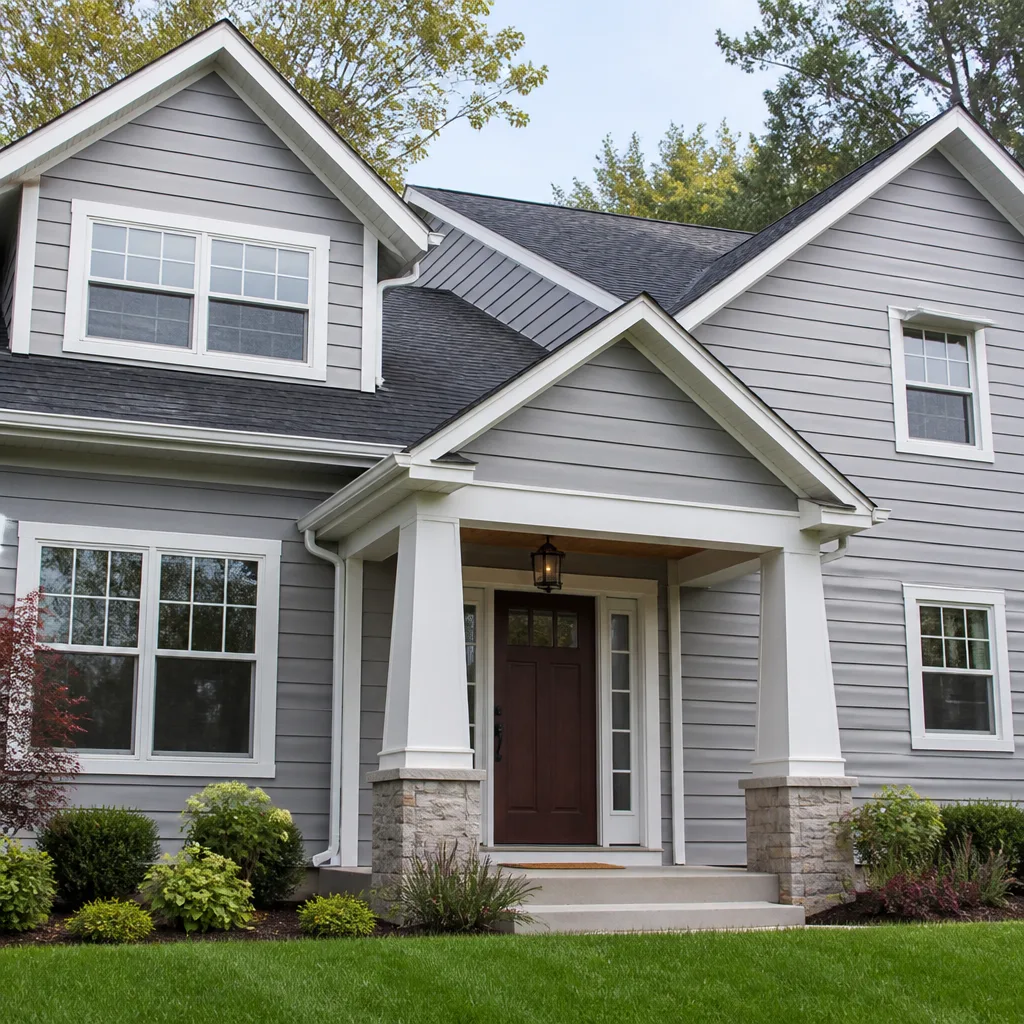
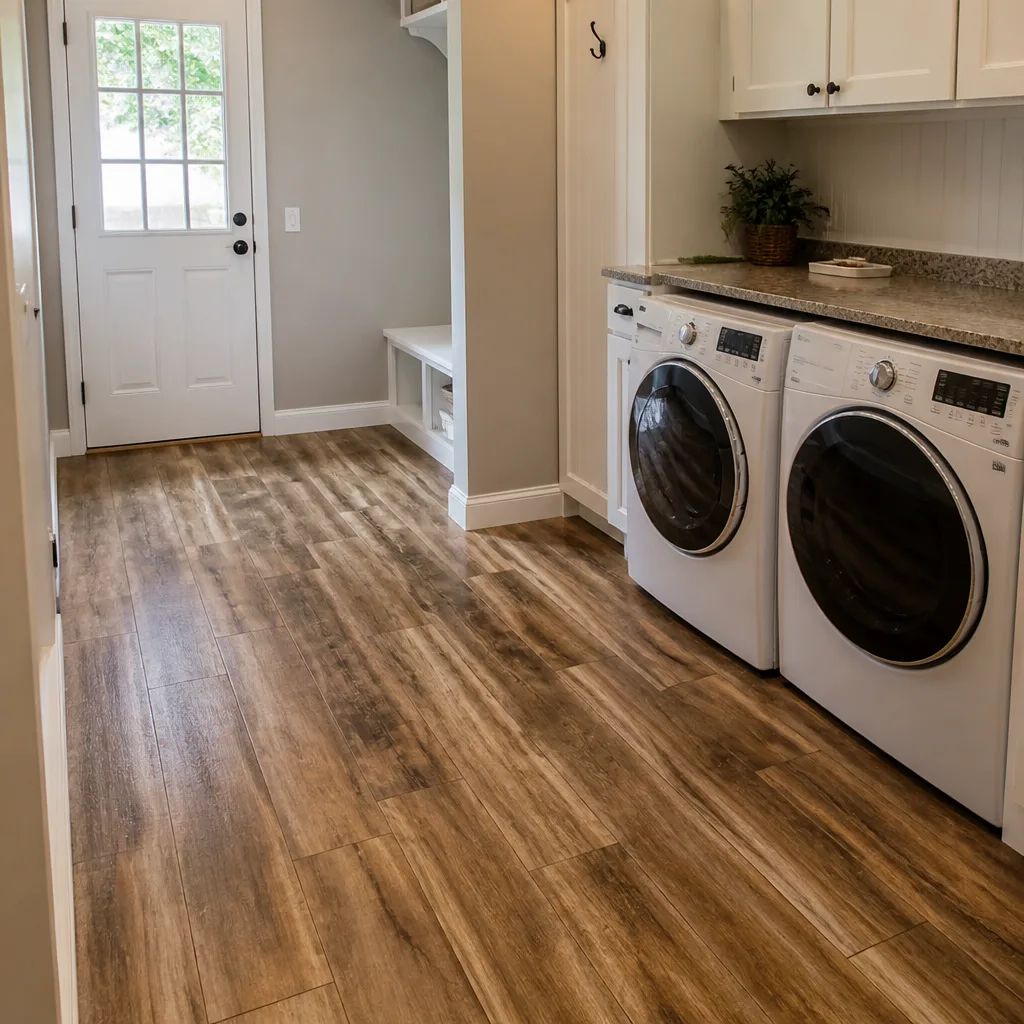
 Before
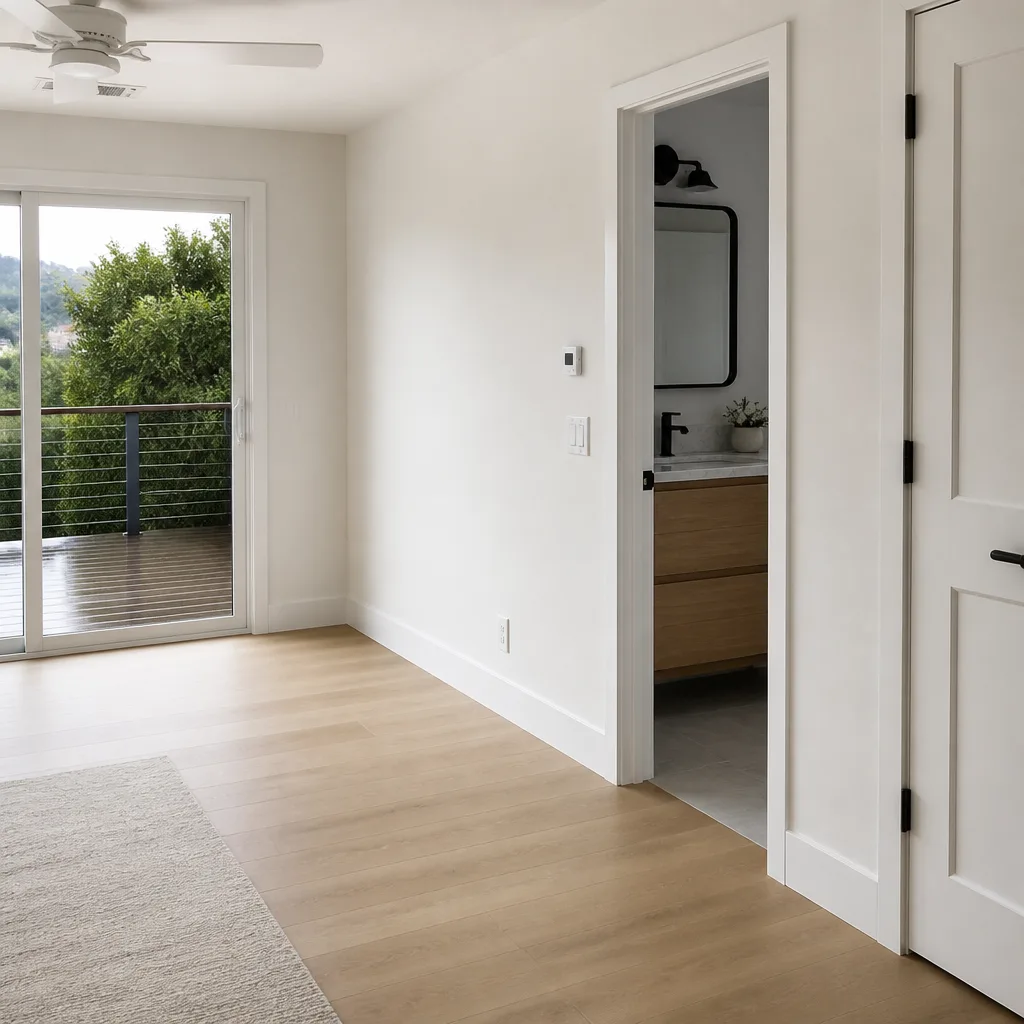 After
After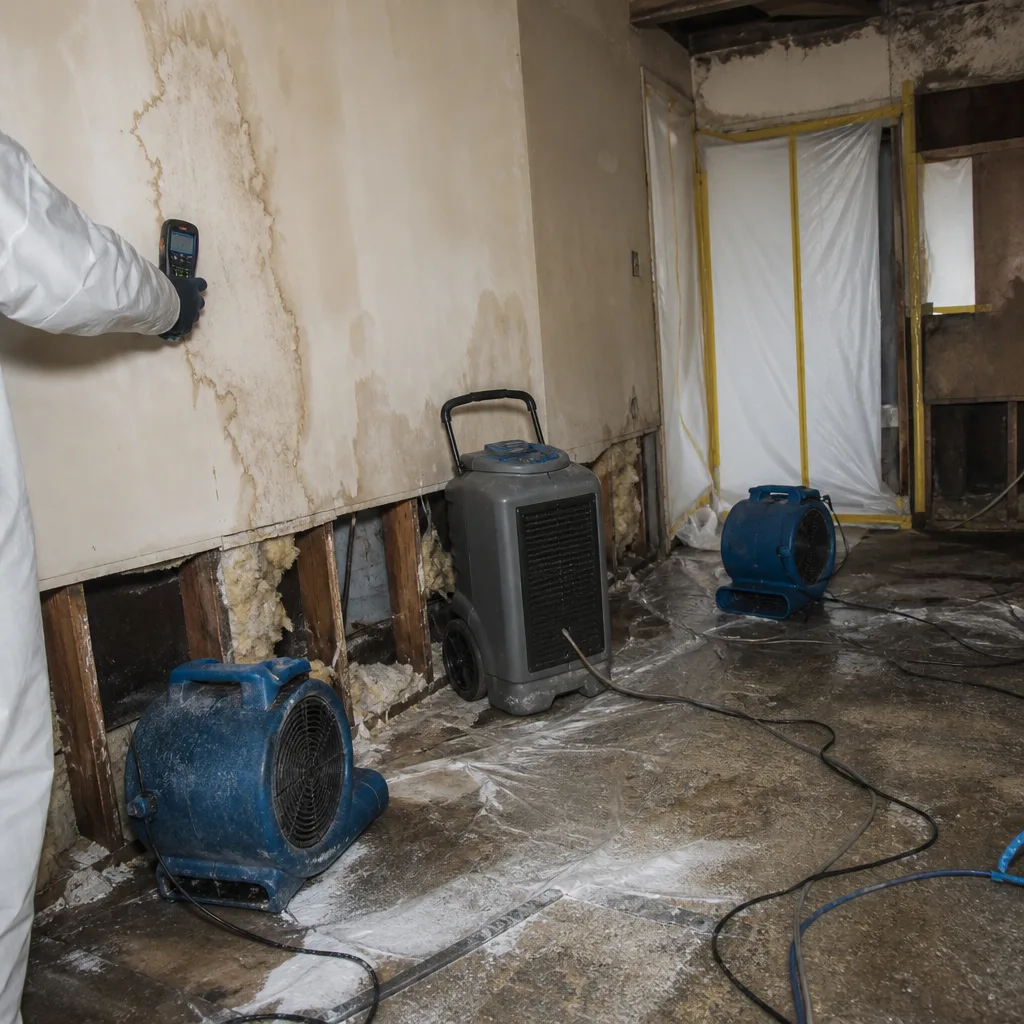 Before
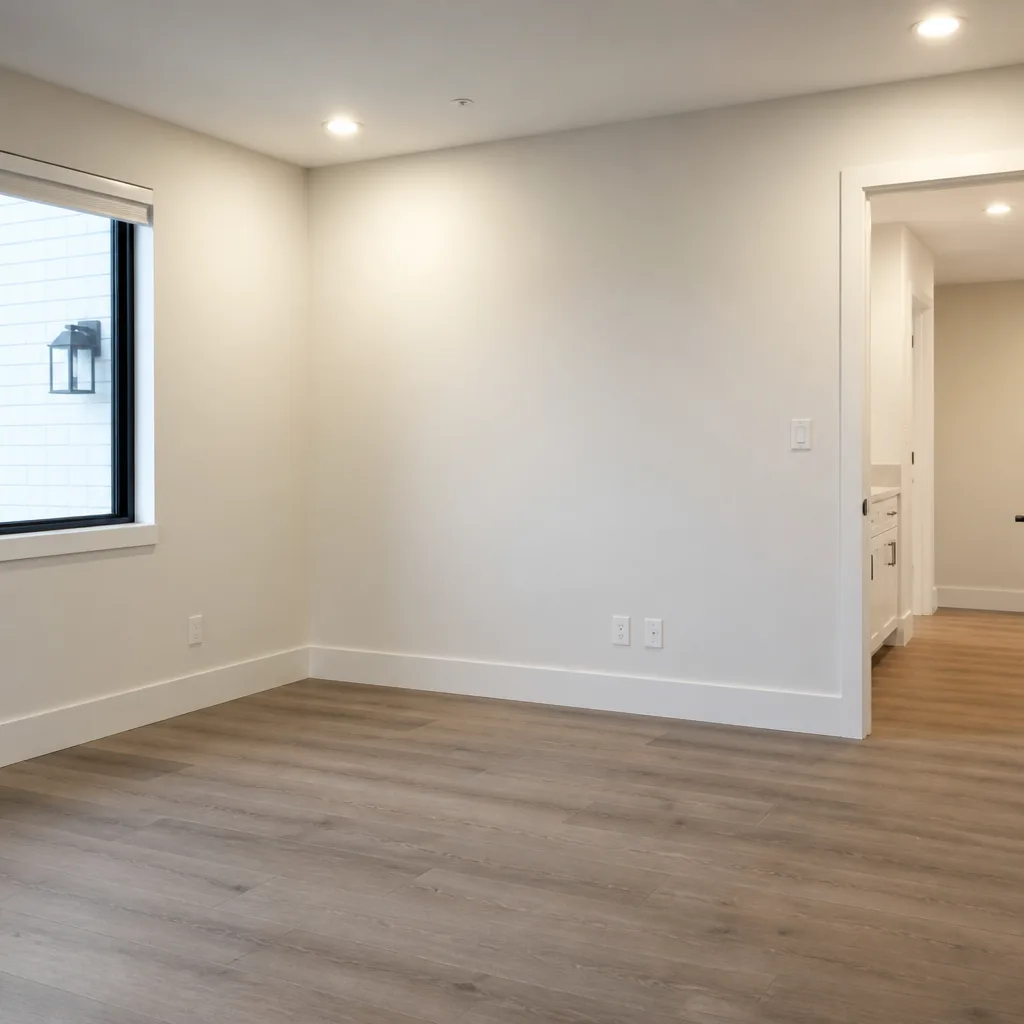 After
After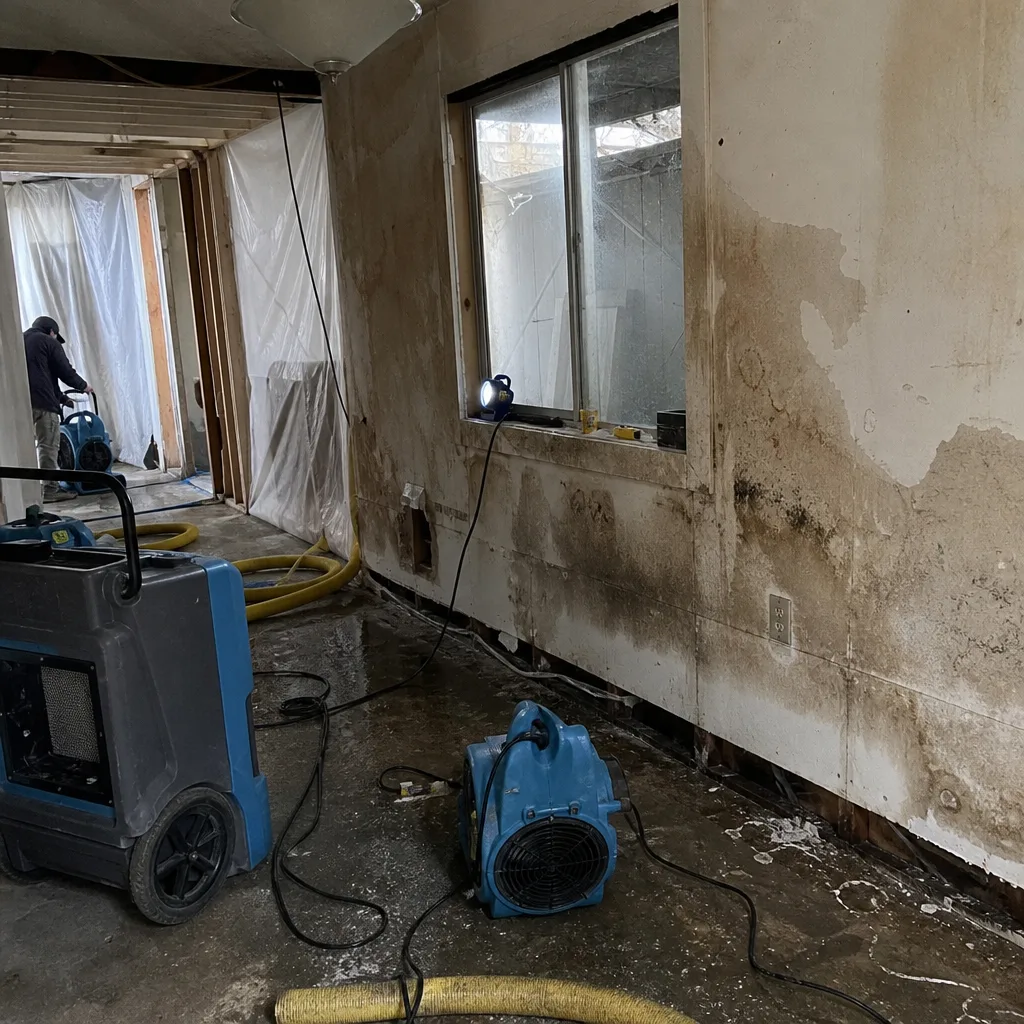 Before
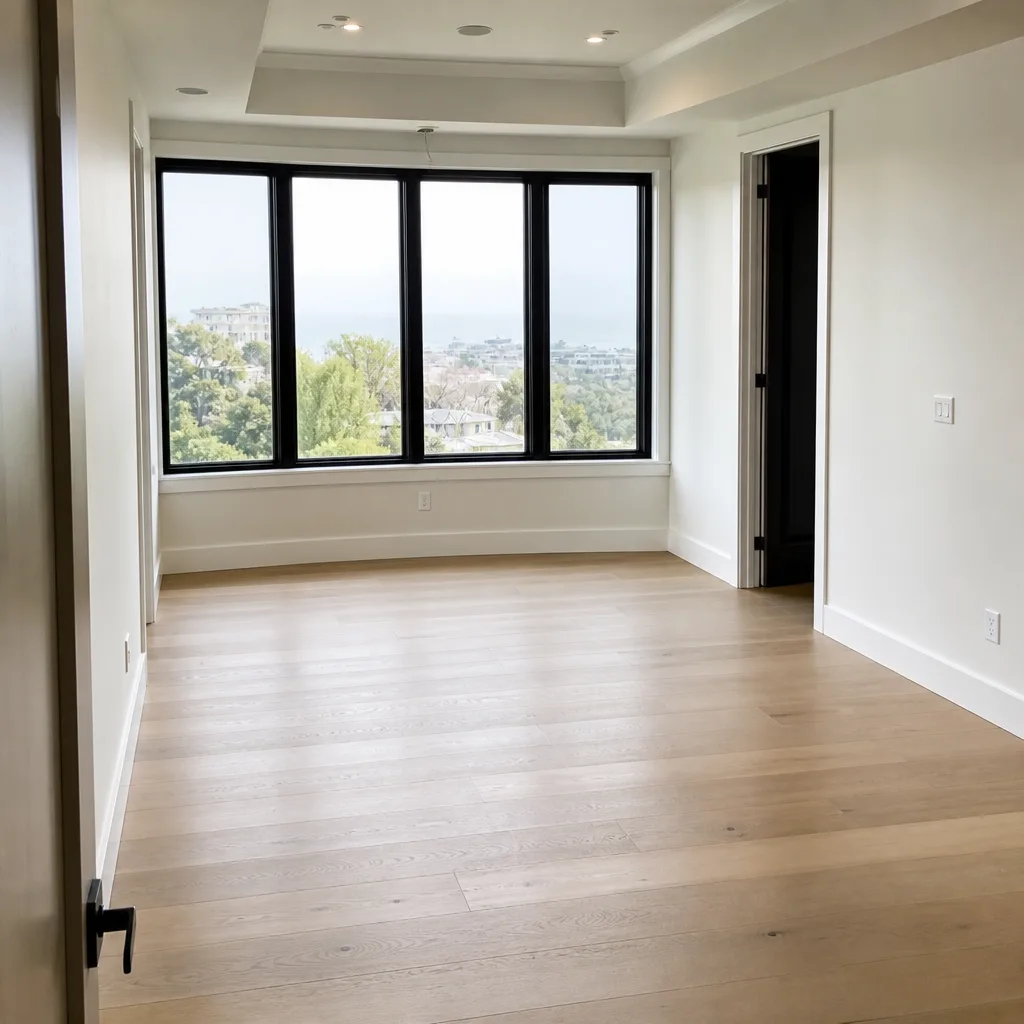 After
After24/7 Emergency Mold Remediation in Westchester
Mold remediation in Westchester typically runs $1,800-$6,500 depending on affected square footage and whether the source is a contained leak or slab-level moisture migration, and our crews can usually start containment within 45 minutes of your call. If you’re seeing visible growth, smelling mustiness, or dealing with water damage behind walls, call (424) 365-9728 now - our emergency line is answered live, 24 hours a day, by a real person, never an automated system. Every minute mold stays active it releases spores and produces microbial volatile organic compounds that degrade air quality and expand the remediation scope, which is why we don’t charge for the initial visual inspection and we bring moisture meters, thermal imaging, and borescopes on the first truck.
Understanding Mold Remediation Severity in Westchester Properties
Mold severity in Westchester follows IICRC S520 standards, which classify contamination by square footage and material porosity. Category 1 contamination covers less than 10 square feet of non-porous surfaces - think tile or sealed concrete - and typically responds to HEPA vacuuming and antimicrobial wipe-down. Category 2 spans 10 to 100 square feet and requires full containment with 6-mil polyethylene barriers, negative air pressure maintained by HEPA-filtered air scrubbers, and removal of porous materials like drywall and insulation that have absorbed spore-bearing water. Category 3 exceeds 100 square feet or involves HVAC contamination, demanding full isolation, personnel protective equipment, and post-remediation clearance testing by a third-party industrial hygienist.
Westchester’s housing stock tilts severity upward. The neighborhood’s 1,000-1,400 square foot postwar ranches, built 1945 to 1960 on uninsulated slab-on-grade foundations with original galvanized supply lines and aging cast-iron drain stacks, create conditions where a pinhole leak can wick moisture four feet along a vibration-stressed slab control joint before visible signs appear. We’ve mapped Category 2 contamination that started as a slow drip behind a 1952 kitchen cabinet and spread through the wall cavity into the crawl space, where marine-layer humidity kept the assembly above 60% relative humidity year-round. The plaster keys in these homes, fatigued by decades of LAX departure-path vibration, fail differently than standard settlement cracks - they create pathways for moisture that standard foundation repair doesn’t address.
Why Westchester Property Owners Choose DryMark Restoration Pacific Palisades
- 45-minute response commitment to Westchester addresses - our dispatch board shows crew location in real time, and we route the nearest available team without callback delays.
- 24/7 live answer on every call, no voicemail trees, no “leave a message and we’ll call back tomorrow” while spore counts rise in your living space.
- IICRC-certified crews holding WRT (Water Damage Restoration Technician), AMRT (Applied Microbial Remediation Technician), and FSRT (Fire & Smoke Restoration Technician) certifications, with license numbers provided on request.
- Free visual inspection and moisture assessment - we bring thermal imaging and pinless moisture meters to every Westchester call, document findings with photos, and explain what we see before any work is discussed.
- Direct insurance billing with adjuster coordination from day one - we write Xactimate estimates in standard format and provide the documentation package that keeps claims moving.
- One team from mold containment through reconstruction - no handoffs between remediation contractors and rebuild crews that lose context about where the moisture came from and why.
 Before
 After
AfterOur Mold Remediation Process
1. Inspection & Assessment
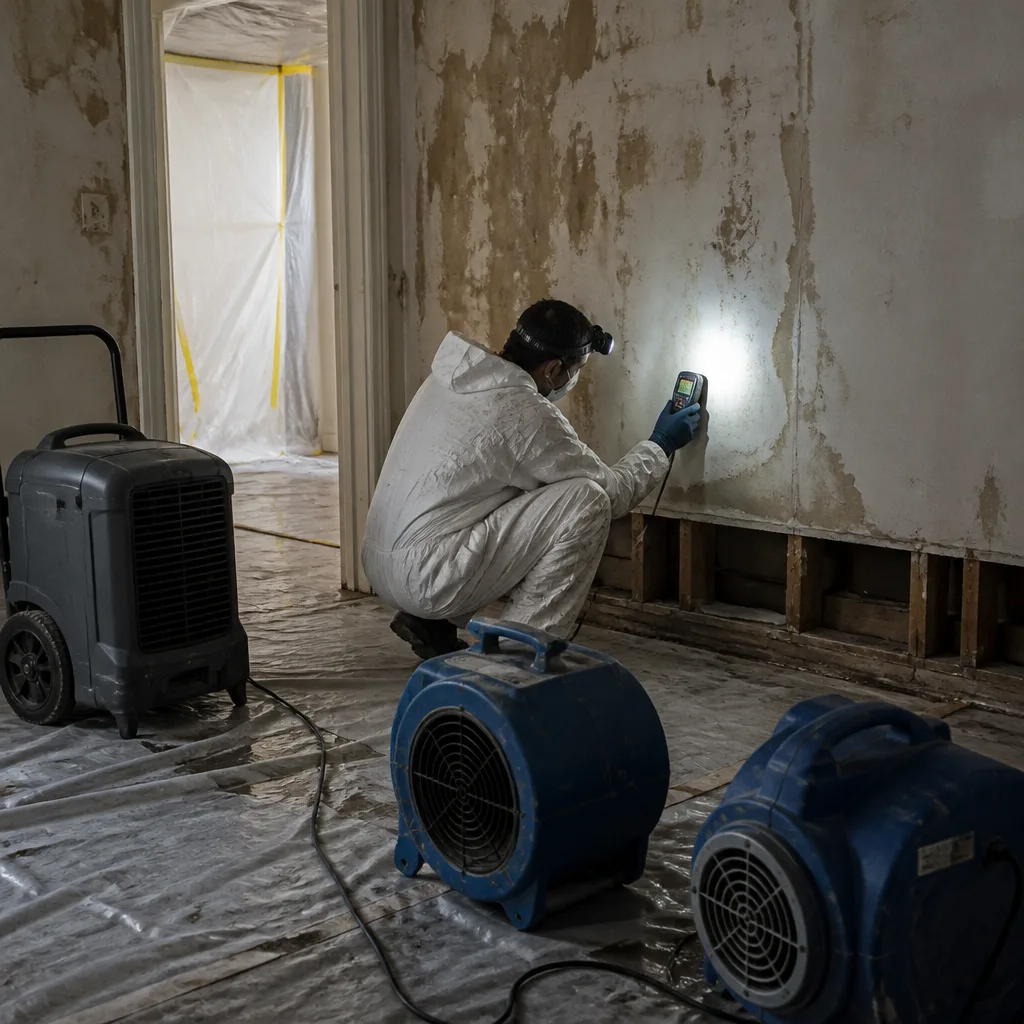
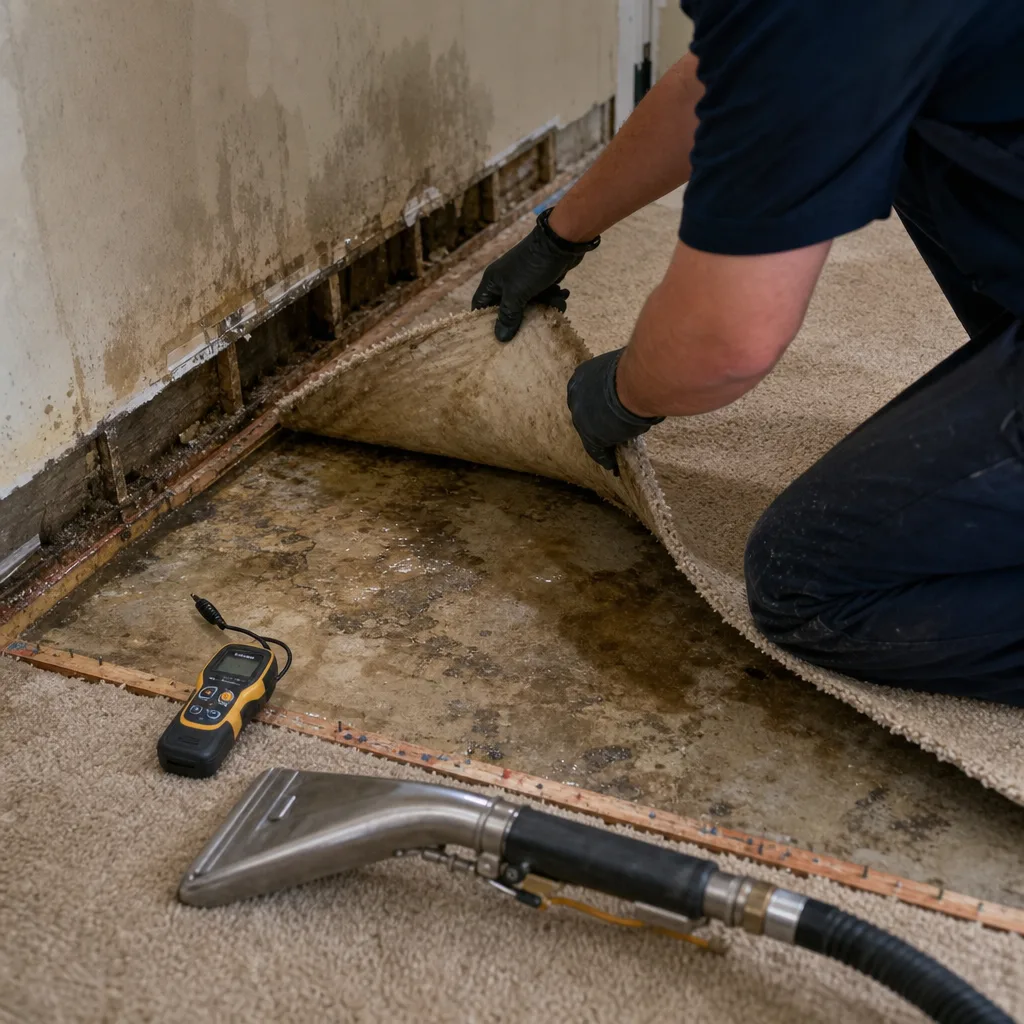
We start with a visual survey, thermal imaging scan, and moisture mapping using pin and pinless meters to establish the water source and affected perimeter. In Westchester, we specifically check slab control joints and stucco-to-foundation transitions for vibration-related cracking that indicates ongoing moisture pathways. Every reading is photographed and logged.
2. Containment & Air Quality Control
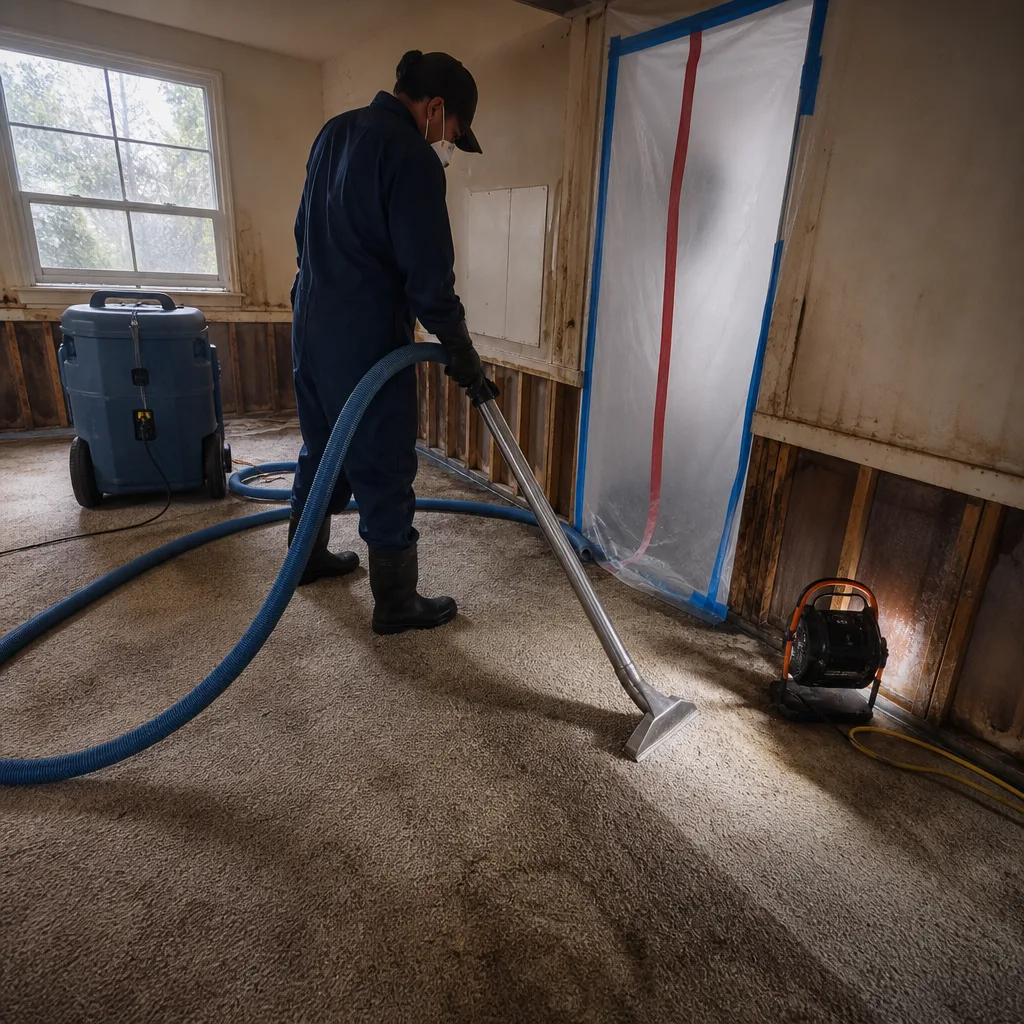
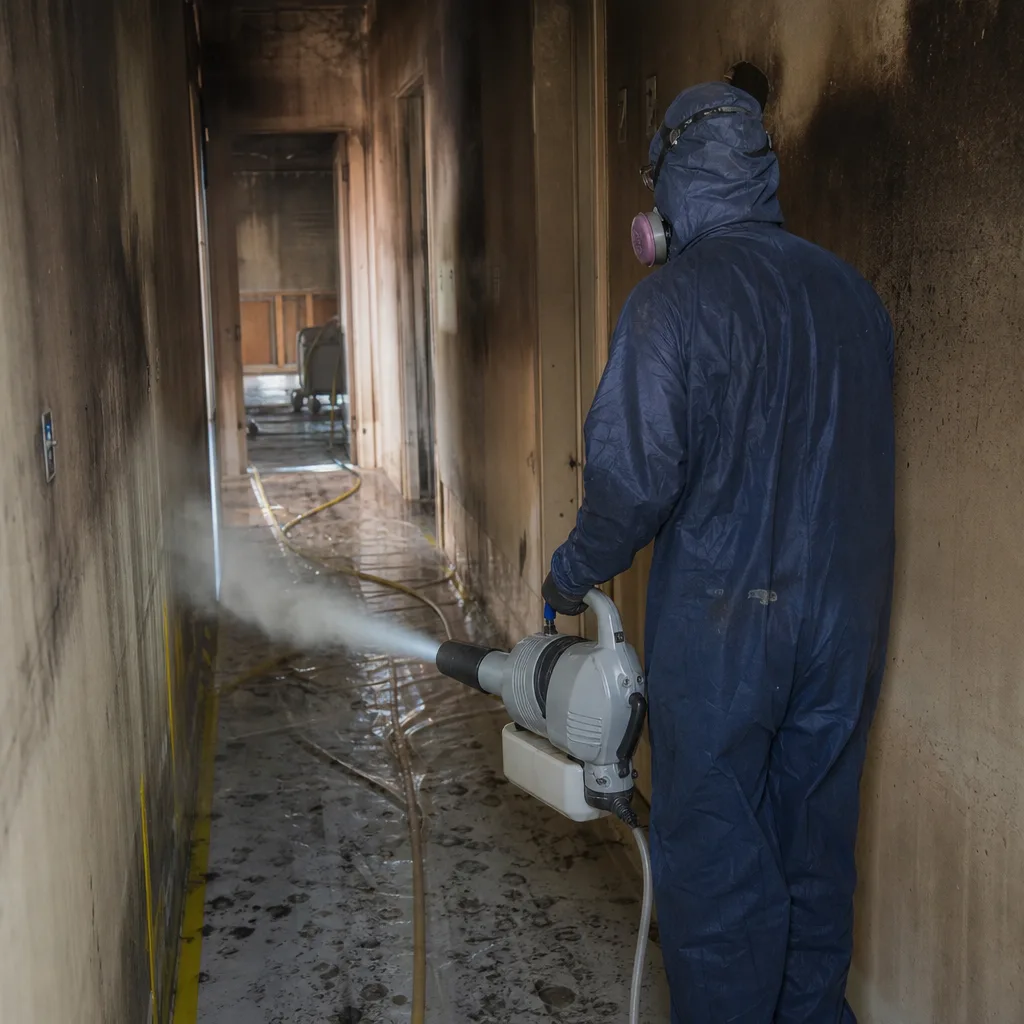
We build 6-mil polyethylene containment barriers sealed with contractor tape, establish negative air pressure with HEPA-filtered air scrubbers (typically Phoenix or B-Air units rated at 500+ CFM), and install vapor pressure differential monitoring to ensure containment integrity. Occupied areas stay isolated from the work zone.
3. Source Elimination & Material Removal
Porous materials exceeding IICRC S520 saturation thresholds are removed with controlled demolition, bagged in sealed polyethylene, and disposed of per California waste regulations. Non-porous surfaces are HEPA-vacuumed and treated with EPA-registered antimicrobial solutions. We trace every moisture source to its origin - a failed galvanized tee, a cracked slab joint, a compromised wax ring - and document it.
4. Structural Drying & Dehumidification
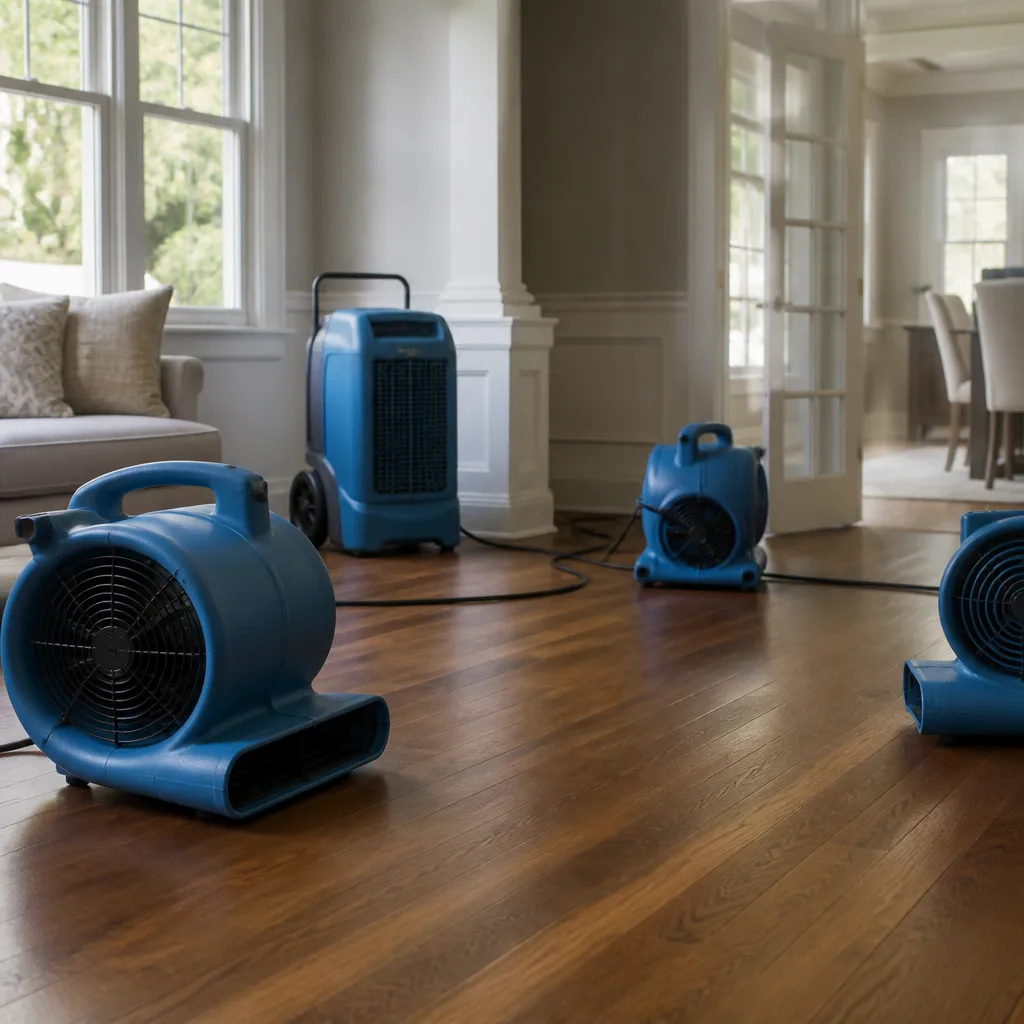
We deploy Dri-Eaz and XPOWER dehumidifiers sized to the cubic footage of the affected assembly, plus air movers positioned to create laminar airflow across wet surfaces. Daily psychrometric readings - temperature, relative humidity, and specific humidity - are logged to prove drying progress. In Westchester’s marine-layer climate, we often run secondary dehumidification longer than inland jobs to compensate for overnight humidity rebound.
5. Antimicrobial Treatment & HEPA Filtration
After drying verification, we apply botanical or synthetic antimicrobial agents per the material substrate and project specifications, then run HEPA air scrubbers for a prescribed clearance period to capture airborne particulates. For homes along the Sepulveda corridor with documented vibration damage, we coordinate slab-sealing recommendations to prevent recurrence.
6. Clearance Testing & Restoration
We recommend third-party clearance testing for Category 2 and 3 projects - air sampling and surface swabs compared to outdoor baseline levels. Once clearance passes, we rebuild with moisture-resistant materials where code allows, match existing finishes, and deliver a photo record, drying log, and signed 365-Day Done Right Promise under The Haven Standard.
Need Emergency Mold Remediation in Westchester Now?
Crews minutes away, answering live 24 hours a day. The sooner we start, the less it costs.
Working With Your Insurance Company
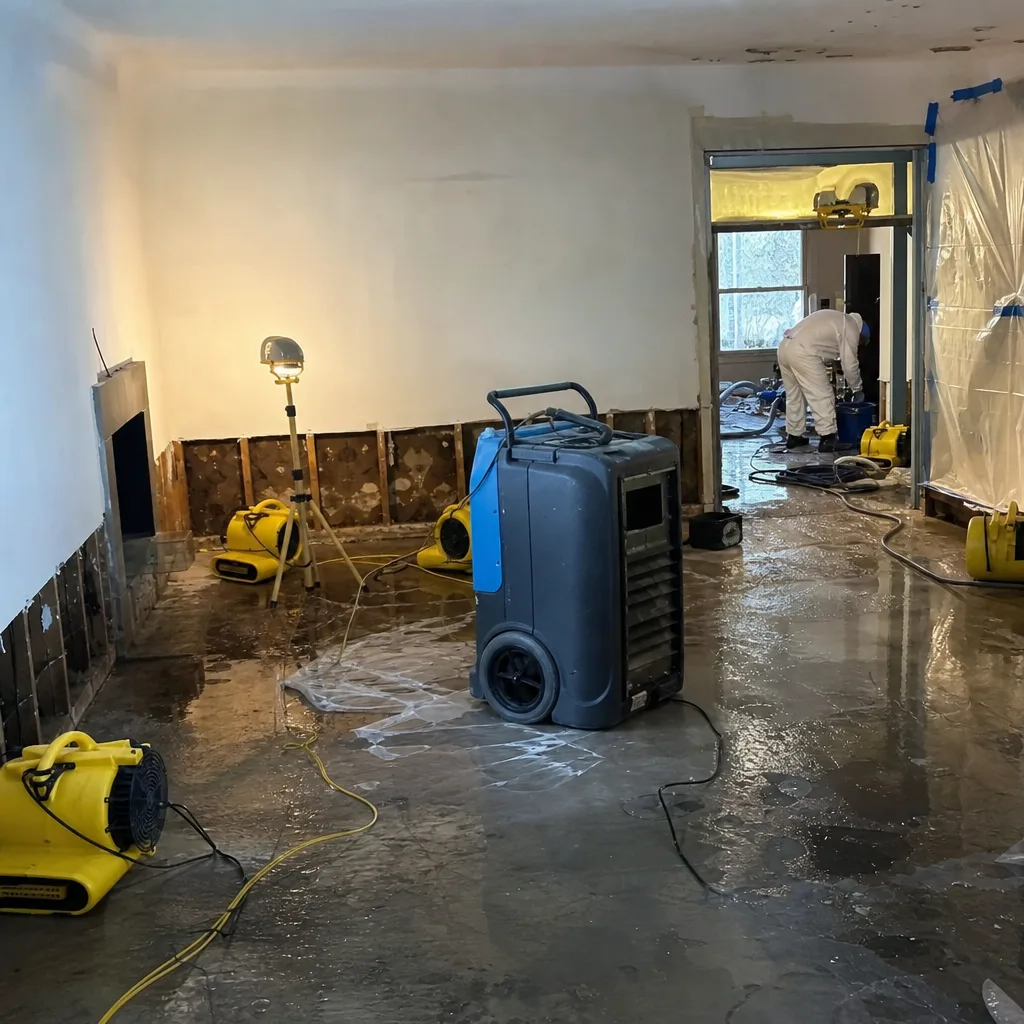
Insurance claims for mold damage live or die on documentation. We know this because our founder, Alicia Brennan, spent years as a claims adjuster watching restoration invoices get denied for missing moisture logs, undated photos, or scopes that didn’t tie work to the specific cause of loss. Our Westchester jobs start with photo documentation in the first hour and continue with daily records: moisture readings by room, equipment placement maps, psychrometric data, and material classification by trade name.
We write Xactimate estimates in the format adjusters expect, line-itemed by room and task. When your carrier assigns an adjuster, we coordinate directly - conference calls, site visits, supplemental documentation - rather than handing you a bill and leaving you to argue coverage. Most Westchester mold claims involving sudden water damage from plumbing failures are covered under standard HO-3 policies, though gradual leaks and maintenance-related moisture may fall under exclusions; we document the cause so the coverage determination has evidence behind it.
What We Provide Your Insurer
- Thorough documentation of the loss
- Photos of all damage, room by room
- Moisture readings and drying logs
- A detailed, line-item scope of work
- Direct coordination with your carrier
Built for Westchester’s Loss Calendar
Westchester’s mold season doesn’t follow a simple calendar. The marine layer, heaviest of any inland Westside neighborhood, rolls in from Playa del Rey from May through October, pushing overnight relative humidity above 70% and keeping slab-on-grade foundations damp enough to sustain mold growth from even minor water events. January through March brings the region’s rain concentration, and the combination of saturated soil against uninsulated slabs plus original galvanized plumbing at end-of-life produces our highest volume of slab-edge moisture calls.
Summer’s dry heat can actually mask problems. Homeowners turn off HVAC systems or raise thermostat setpoints, reducing air circulation in wall cavities where slow leaks from vibration-fatigued joints continue dripping. By September, we see a secondary peak: calls from residents who smell mustiness after returning from vacation, discovering that a three-week drip behind a washing machine or under a slab has produced Category 2 contamination while they were away. The LAX flight path adds its own rhythm - vibration stress doesn’t take seasons off, and we’ve documented accelerated joint failure in homes directly under the departure corridor that correlates with increased operations during holiday travel peaks.
Mold Remediation Across Westchester’s Neighborhoods
Westchester’s grid breaks into distinct response zones, each with its own typical loss profile. North of Manchester Avenue, the original 1940s tracts near Kentwood and Westport Heights feature the oldest housing stock - 1,000-square-foot minimal-traditional homes on original galvanized supply lines with cast-iron drains at 70-plus years. We see frequent slab-edge moisture migration in this zone, often misdiagnosed as foundation settling because the cracking pattern follows vibration-stressed control joints rather than classic settlement geometry.
The central grid between Manchester and La Tijera Boulevard, including the area around Paseo del Mar and the Westchester Golf Course, has slightly larger 1950s ranches with some post-1960 infill. Here the challenge is often aging HVAC systems in attics with inadequate vapor barriers, where duct condensation in marine-layer conditions creates hidden growth above ceiling drywall. South of La Tijera toward Playa del Rey, the homes are closer to the bluff and receive the most direct marine-layer penetration - we regularly find exterior wall cavities at saturation from humidity alone, without any plumbing failure.
Along Sepulveda Boulevard itself, the corridor bears the concentrated vibration load from departures on LAX’s northern runways. Stucco cracking here is almost never pure foundation settlement. On a 1952 minimal-traditional ranch near the Sepulveda Boulevard corridor, we pulled baseboards after a pinhole leak from original galvanized supply lines and found the drywall wicking moisture while our moisture mapping flagged elevated readings a full four feet out along a vibration-hairlined slab control joint. We set containment, ran air movers and Dri-Eaz dehumidification for a structural drying cycle, applied antimicrobial treatment to the affected plates, and logged every moisture reading so the homeowner could see the slab-edge migration wasn’t just settling. Crews serving Westchester are dispatched from our Los Angeles office and carry the neighborhood’s specific diagnostic protocols.
Specialized Mold Remediation Services We Offer in Westchester
Mold Inspection & Testing
Our inspections start with moisture mapping, not guesswork. We use thermal imaging to find temperature differentials behind walls, borescopes for visual confirmation in cavities, and air sampling when visible growth isn’t present but occupant symptoms suggest contamination. In Westchester’s postwar homes, we specifically inspect slab control joints, stucco-to-foundation transitions, and original plumbing chases where vibration damage creates hidden pathways. A typical inspection in Westchester runs $350-$650; if remediation follows, the inspection fee is credited toward the project scope.
Mold Removal
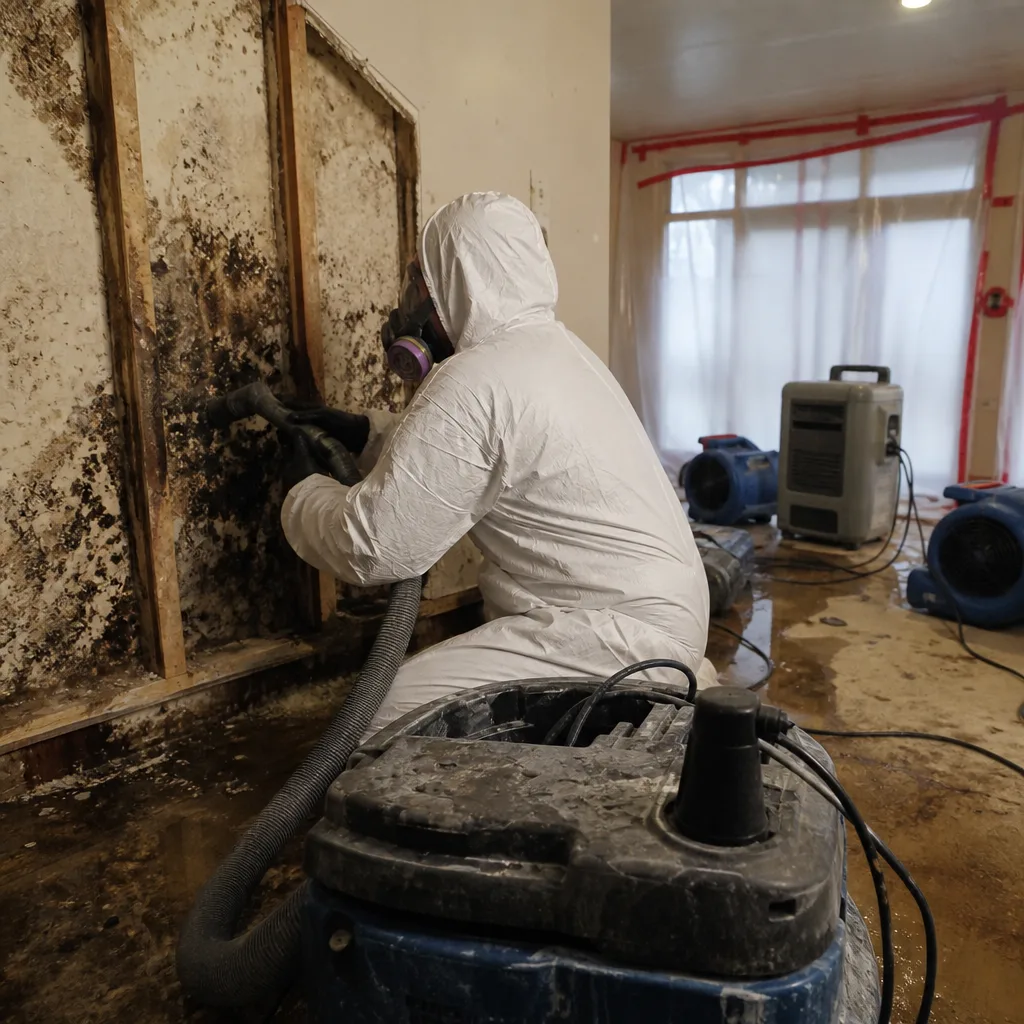
Removal follows IICRC S520 containment protocols scaled to contamination category. We don’t paint over mold or spray bleach and call it done - those approaches leave viable hyphae in porous materials and guarantee recurrence. Our Mold Remediation crews remove compromised drywall, insulation, and subflooring to the extent required by the standard, HEPA-vacuum all surfaces, and apply antimicrobial agents with documented dwell times. Small, contained removals in Westchester start around $1,800; whole-room demolition and rebuild with Category 3 contamination can reach $6,500 or more.
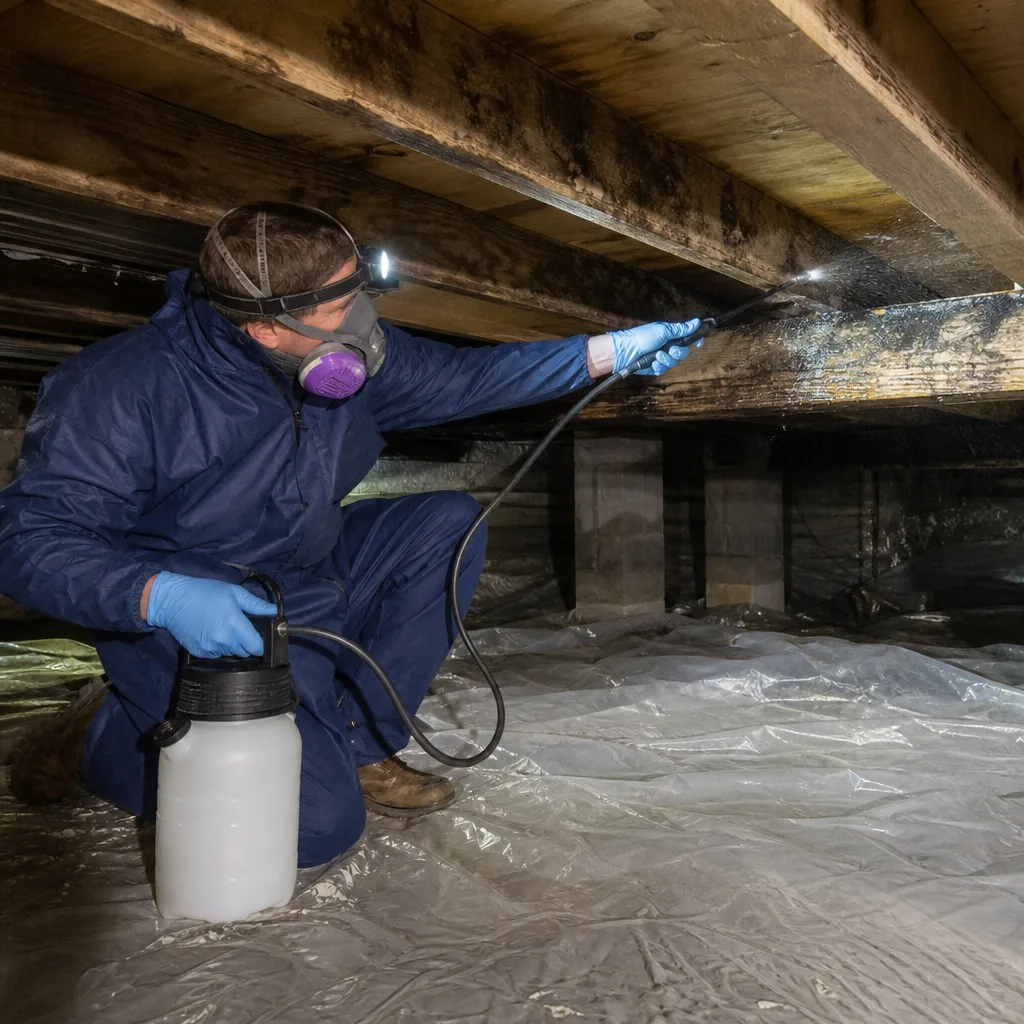
Black Mold Remediation
Stachybotrys chartarum and other toxigenic species require the same containment rigor as any Category 2 or 3 project, with additional attention to spore suppression during disturbance. We pre-treat visible growth with encapsulant before removal to prevent aerosolization, maintain negative air pressure throughout, and recommend third-party clearance testing before rebuild. The “black mold” label often triggers insurance scrutiny; our documentation package addresses coverage questions with cause-of-loss evidence and line-item scope.
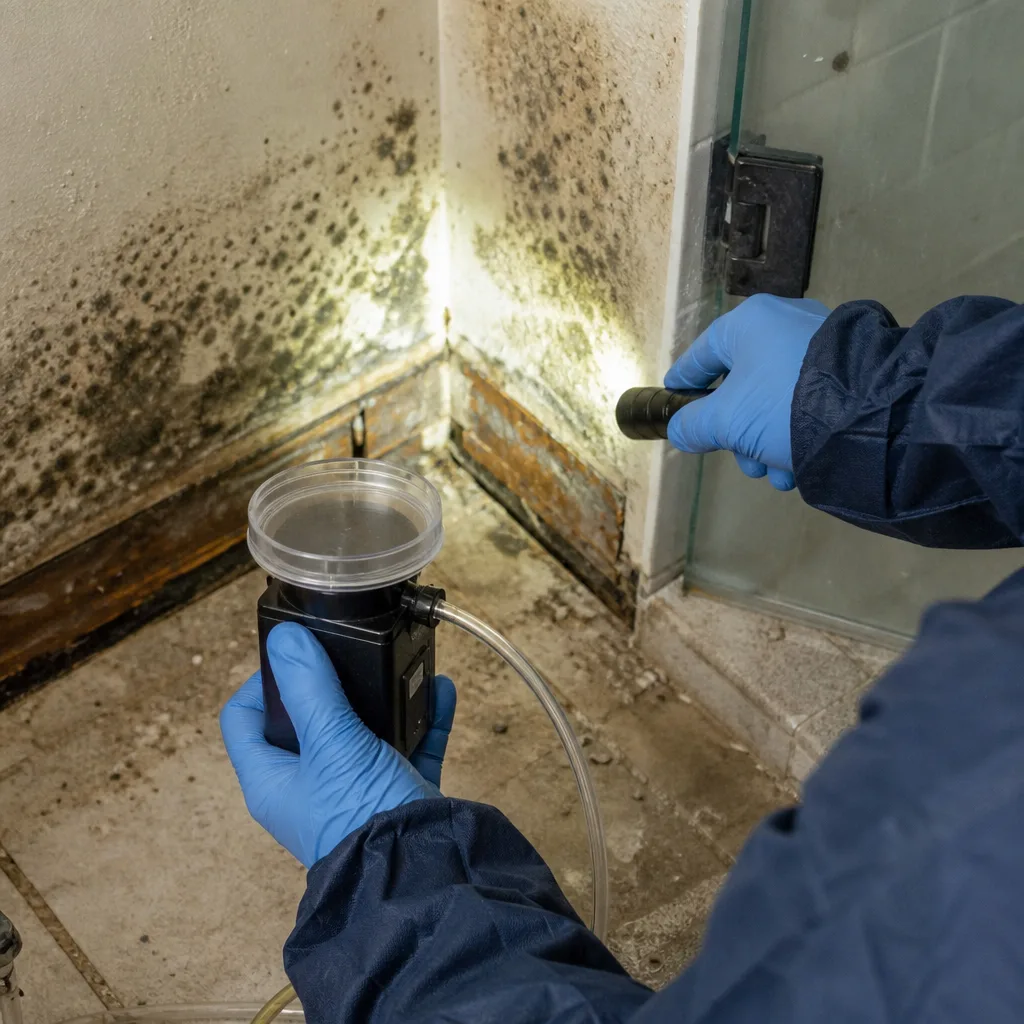
Air Quality Restoration
After remediation, we don’t assume the air is clean. We run HEPA air scrubbers for a calculated period based on room volume and air changes per hour, then offer third-party air sampling to verify spore counts below outdoor baseline. For Westchester homes with occupied basements or converted garages - common in the 1,000-square-foot original tracts where families need every square foot - this verification step is critical for occupant health documentation.
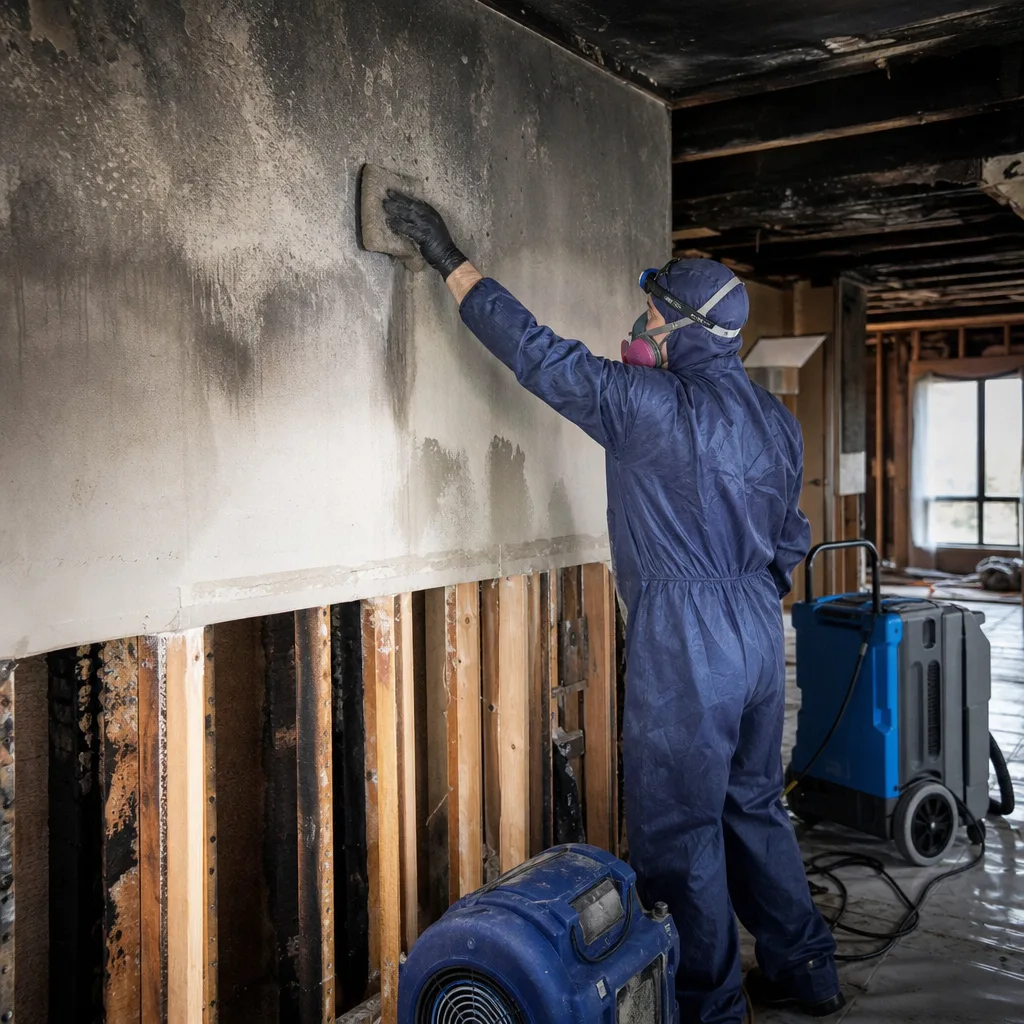
Crawl Space Treatment
Many Westchester ranches have shallow crawl spaces or perimeter foundations with accessible areas beneath the slab edge. These spaces collect marine-layer humidity and condensate from temperature differentials, creating sustained conditions for mold growth on joists and subflooring. We install vapor barriers, seal foundation vents where appropriate, and treat existing growth with antimicrobial agents formulated for raw wood. Crawl space remediation in Westchester typically runs $2,200-$4,800 depending on accessible square footage and existing damage.
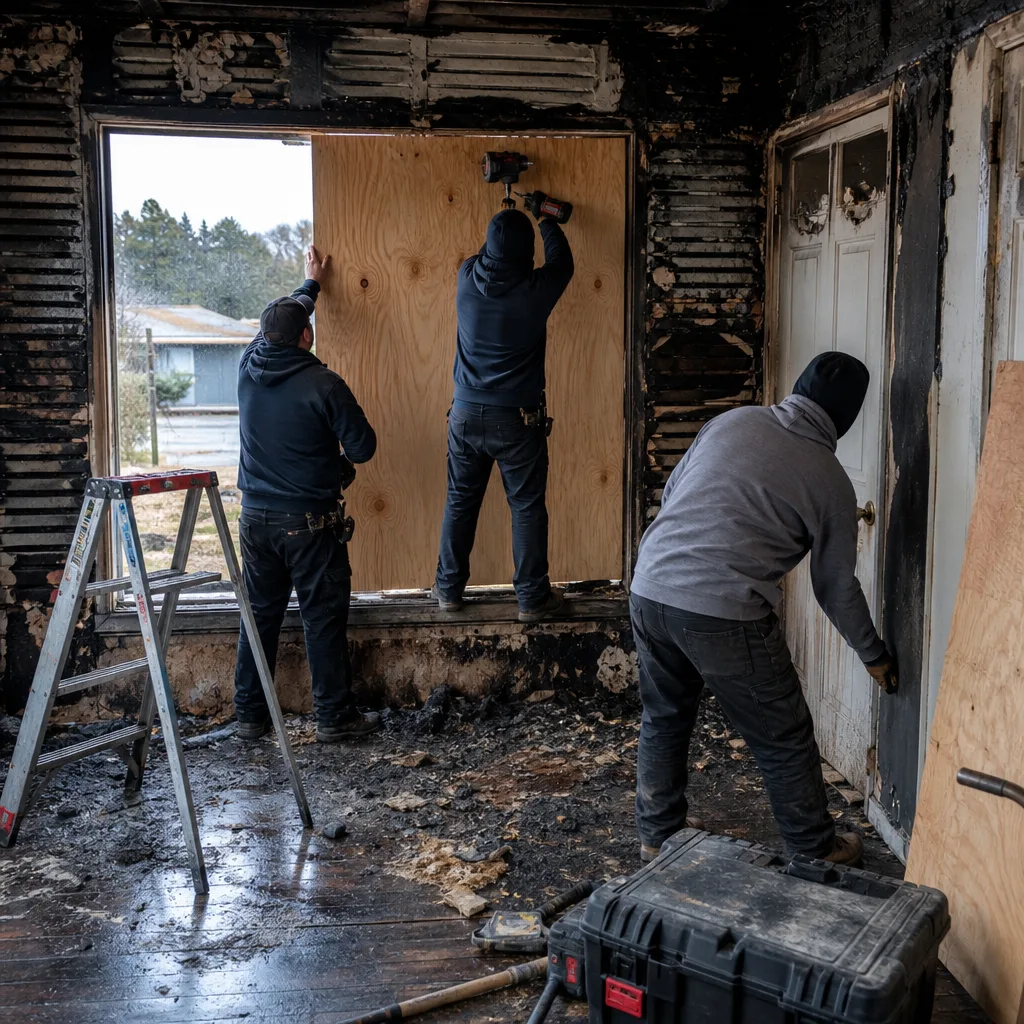
Moisture & Humidity Control
Remediation without source control fails. In Westchester, that means addressing slab-edge moisture migration from vibration-cracked control joints, improving ventilation in marine-layer-saturated wall cavities, and sometimes recommending whole-home dehumidification for properties with chronic humidity above 60% RH. We install and monitor Dri-Eaz and XPOWER dehumidification systems during the drying phase, then provide recommendations for permanent humidity management based on your home’s specific construction and exposure.
What happens when you call
- 1
A real person answersNo phone trees - you reach a local pro.
- 2
You get an upfront price rangeHonest numbers before anyone is dispatched.
- 3
A background-checked tech heads outLicensed & insured, dispatched right away.
- 4
You approve before work beginsNothing starts until you say go.
Mold Remediation Costs in Westchester, CA
Mold remediation pricing in Westchester reflects Los Angeles market rates with local adjustments for the neighborhood’s older housing stock and access considerations. Here’s what we see on actual jobs:
- Small contained area (under 10 sq ft, non-porous surfaces): $1,800-$2,800
- Moderate contamination (10-100 sq ft, some porous material removal): $3,200-$4,800
- Extensive contamination (100+ sq ft, full containment, clearance testing): $5,500-$6,500+
- Crawl space treatment with vapor barrier: $2,200-$4,800
- Third-party clearance testing (when required): $450-$750
What moves the price: the square footage of affected material, the category of contamination, whether original 1950s plumbing needs repair to eliminate the source, and whether vibration-damaged slab joints require sealing coordination. Insurance typically covers sudden water damage that leads to mold, but excludes long-term maintenance issues; our documentation establishes the cause for coverage determination. Haven Standard, Clause 1: you’ll receive a written price before any work begins, with no scope additions once the crew is inside. Call (424) 365-9728 for a free visual inspection and firm scope.
We Also Serve Cities Near Westchester
Our crews respond throughout the Westside corridor. If you’re near Westchester, we also provide mold remediation in Pacific Palisades, Santa Monica, Venice, and Topanga - each with protocols adapted to local construction era and coastal exposure.
Serving Westchester, CA - Our Local Coverage Area
We’re based in the Westchester area and know this community well. Use the map below to see our service coverage - if you’re nearby, we can almost certainly help.
Westchester Mold Remediation Questions, Answered
Why does mold keep coming back in Westchester ranch homes even after we clean it?
Because the source is usually ongoing moisture migration through vibration-damaged slab control joints, not surface humidity. Standard cleaning addresses visible growth but misses the chronic wicking from hairline cracks fatigued by decades of LAX departure-path vibration. We moisture-map to the slab edge, identify the pathway, and coordinate sealing so the assembly stays dry. Call (424) 365-9728 for an inspection that traces the real source.
Is cracking in my stucco along the Sepulveda corridor a foundation problem or a mold problem?
It’s often both, and treating it as only foundation repair guarantees recurrence. The cracking pattern in homes under the LAX downwind departure path reflects vibrational fatigue of original 1950s plaster keys and slab joints, not pure settlement. Moisture enters through these cracks, colonizes the wall cavity, and continues cycling even after cosmetic patching. We assess with moisture meters and thermal imaging to determine if mold is present behind the stucco. Call (424) 365-9728 for documentation you can use with any contractor.
How fast does mold grow after a leak in a 1950s Westchester home?
Under favorable conditions - temperatures between 60-80°F and relative humidity above 60% - mold can colonize porous materials in 24 to 48 hours. Westchester’s marine-layer humidity means favorable conditions are common, and the minimal vapor retardation in postwar construction allows rapid spread through wall cavities. A pinhole leak on a Tuesday can produce visible growth by Thursday. That’s why we answer live 24/7 and can usually start containment within 45 minutes.
What’s different about water damage in Westchester versus neighboring Westside cities?
The dual-cause damage profile: 70-year-old postwar construction combined with decades of low-frequency aircraft vibration that has progressively stressed pipe joints, cracked stucco, and hairlined slab control joints in ways standard settlement analysis doesn’t capture. Restoration crews who don’t know this history miss the ongoing vibrational stress and see callbacks within a season. Our Westchester protocol includes specific inspection points for vibration damage. Call (424) 365-9728 for a crew that knows the neighborhood.
Do you need to classify the water before deciding what gets dried or removed?
Yes. IICRC S500 defines Category 1 as clean water from a supply line, Category 2 as significantly contaminated (dishwasher discharge, washing machine overflow), and Category 3 as grossly contaminated (sewage, ground water, or water that has passed through building materials). Category 2 and 3 water requires removal of porous materials that have absorbed contamination, not just drying. In Westchester, aging cast-iron drain stacks and original galvanized lines often produce Category 2 or 3 conditions even from what looks like a simple leak. We test and classify before scoping.
Will my insurance cover mold remediation in Westchester?
Sudden and accidental water damage that leads to mold is typically covered under standard HO-3 policies, but gradual leaks and maintenance-related moisture are usually excluded. The key is documentation that establishes cause and timeline. We provide photo records, moisture logs, and line-item scopes in Xactimate format that give your adjuster evidence for coverage determination. We also coordinate directly with your carrier. Call (424) 365-9728 and we’ll review your situation before any work is discussed.
How long does mold remediation take in a typical Westchester home?
Small contained projects: 2-3 days. Moderate contamination with material removal: 4-7 days. Extensive Category 3 projects with clearance testing: 7-14 days. Westchester’s marine-layer humidity can extend drying times compared to inland locations, which is why we log daily psychrometric data to prove when assemblies reach dry standard rather than estimating. The rebuild phase adds time depending on finish matching and permit requirements.
Can we stay in the house during mold remediation?
For Category 1 projects under 10 square feet, often yes. For Category 2 and 3 containment, we typically recommend temporary relocation because negative air pressure systems and demolition activity create noise, dust, and disrupted living space. We discuss occupancy on every job and can phase work to maintain partial occupancy when possible. The health consideration is airborne particulate during active removal; our containment is designed to protect adjacent spaces, but occupied containment adds complexity.
Written by Alicia Brennan, Owner at DryMark Restoration Pacific Palisades, serving Westchester since 2011 under The Haven Standard.
Mold Remediation in Nearby Areas