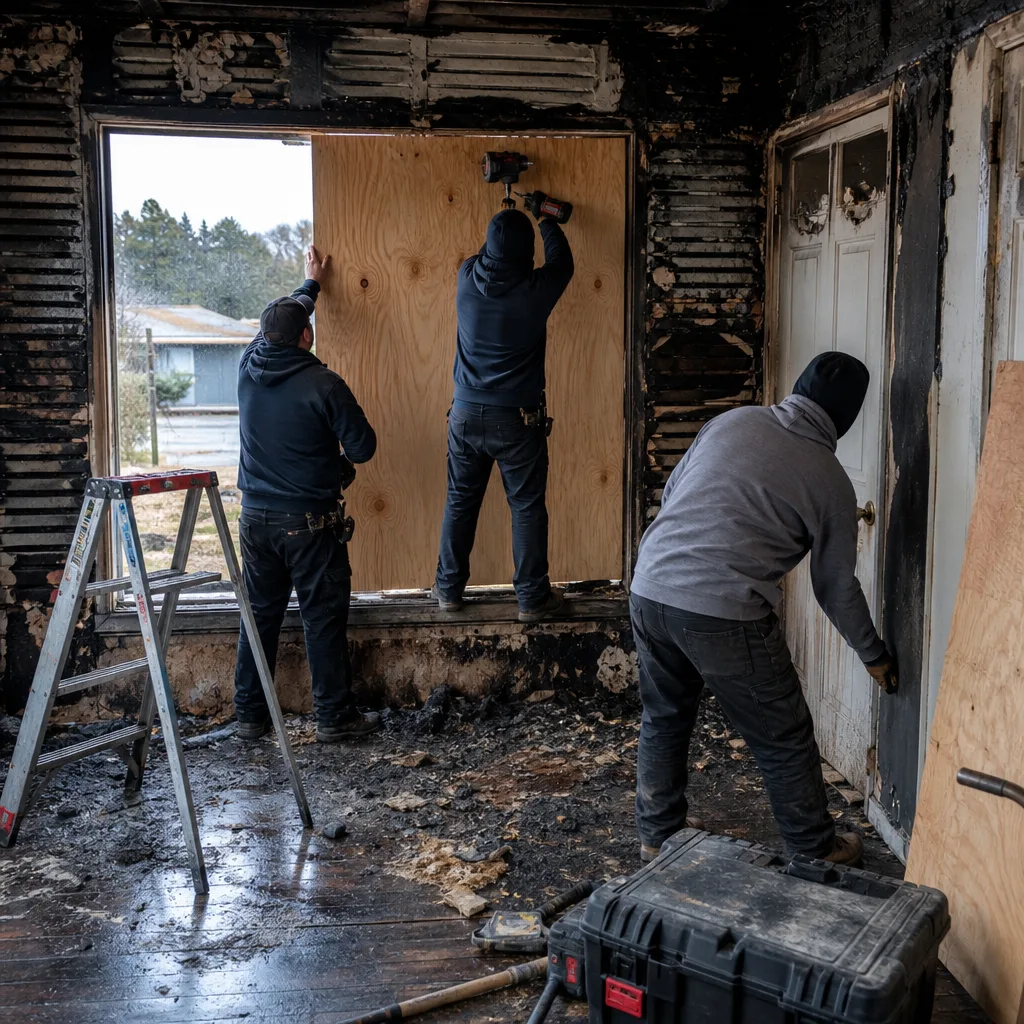
Free visual inspection and a written scope of work before any mitigation begins - photos, moisture readings, and drying logs go in your claim file
The scope we write is the scope we bill. Anything new gets shown to you, in writing, before we touch it.
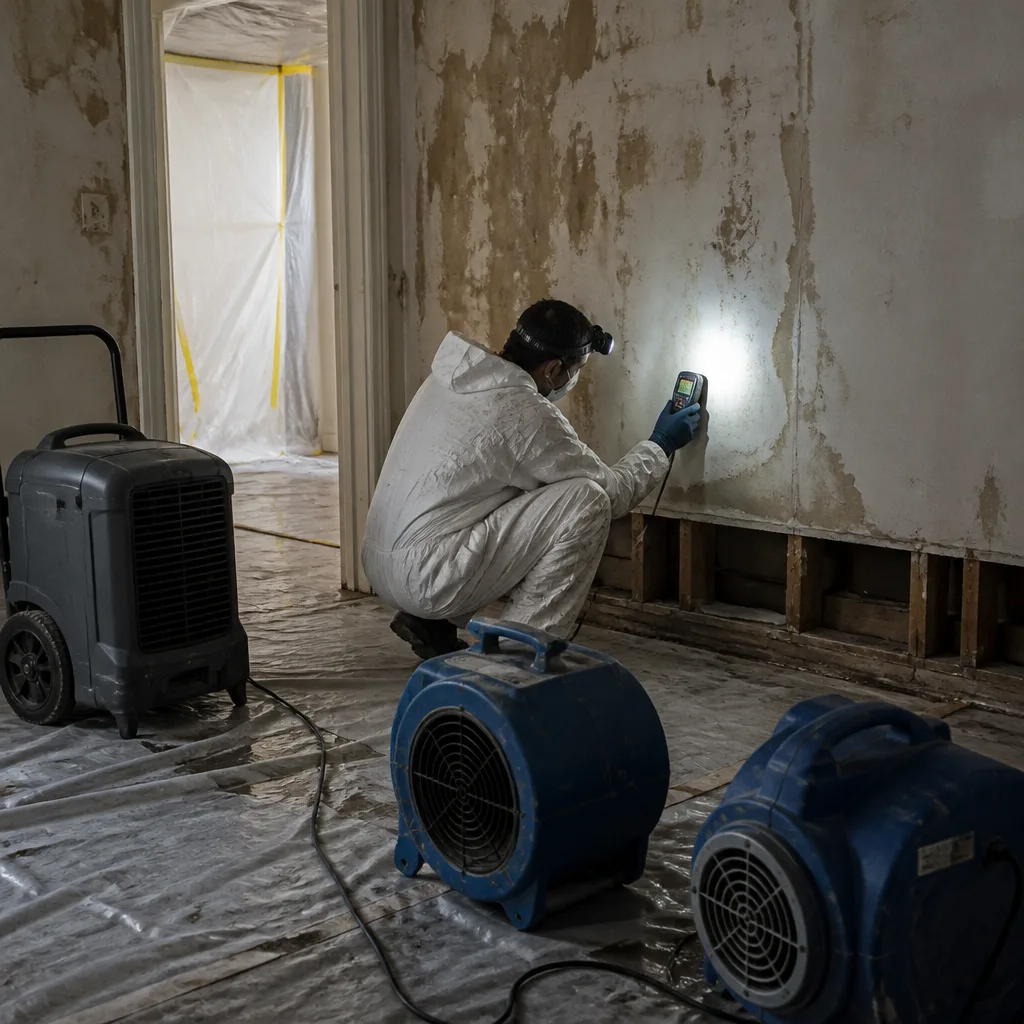 Before
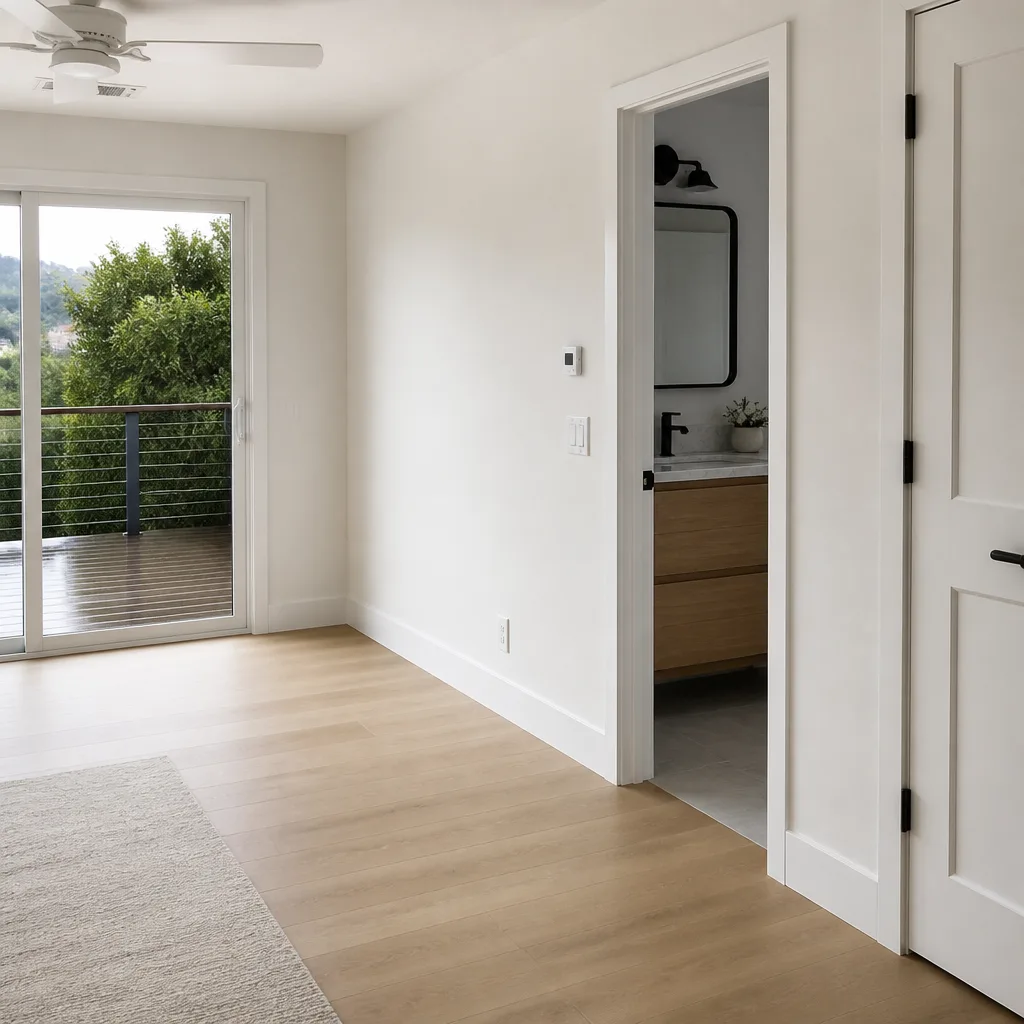 After
After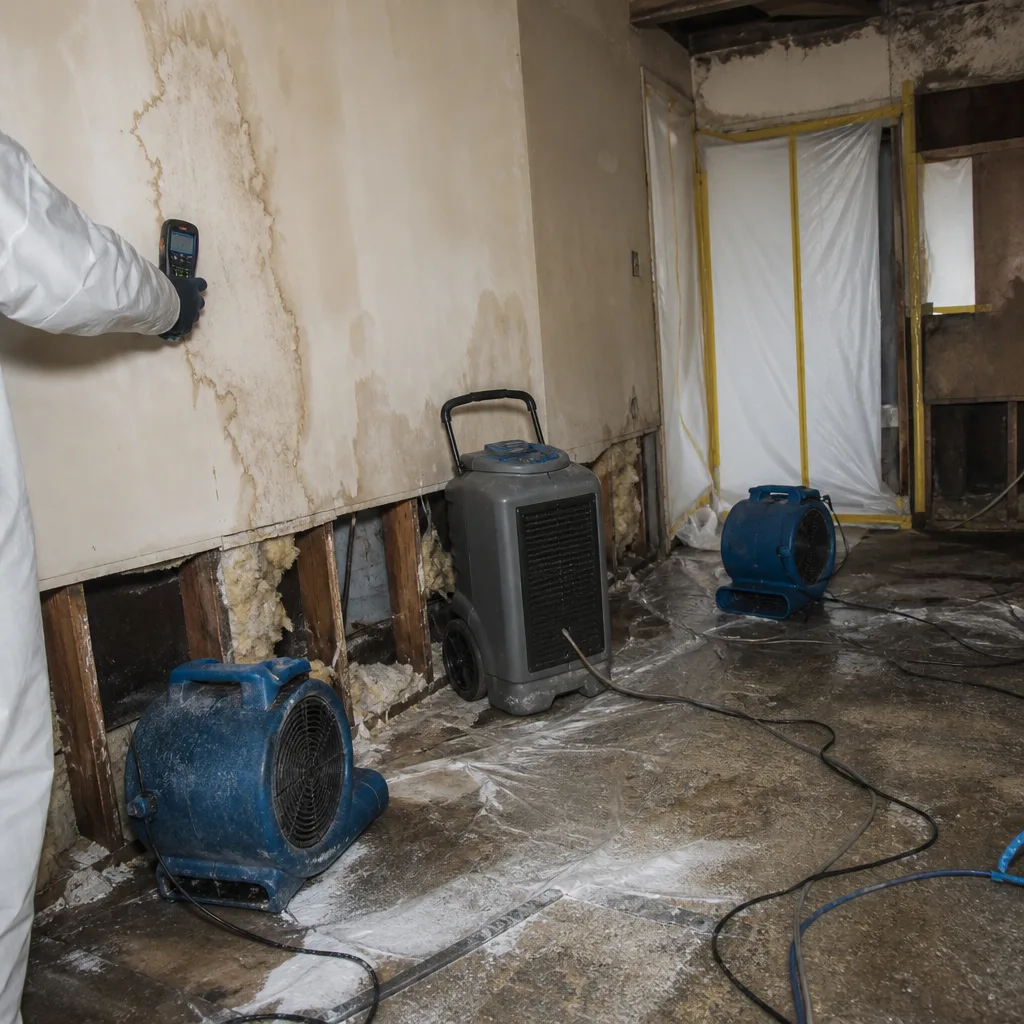 Before
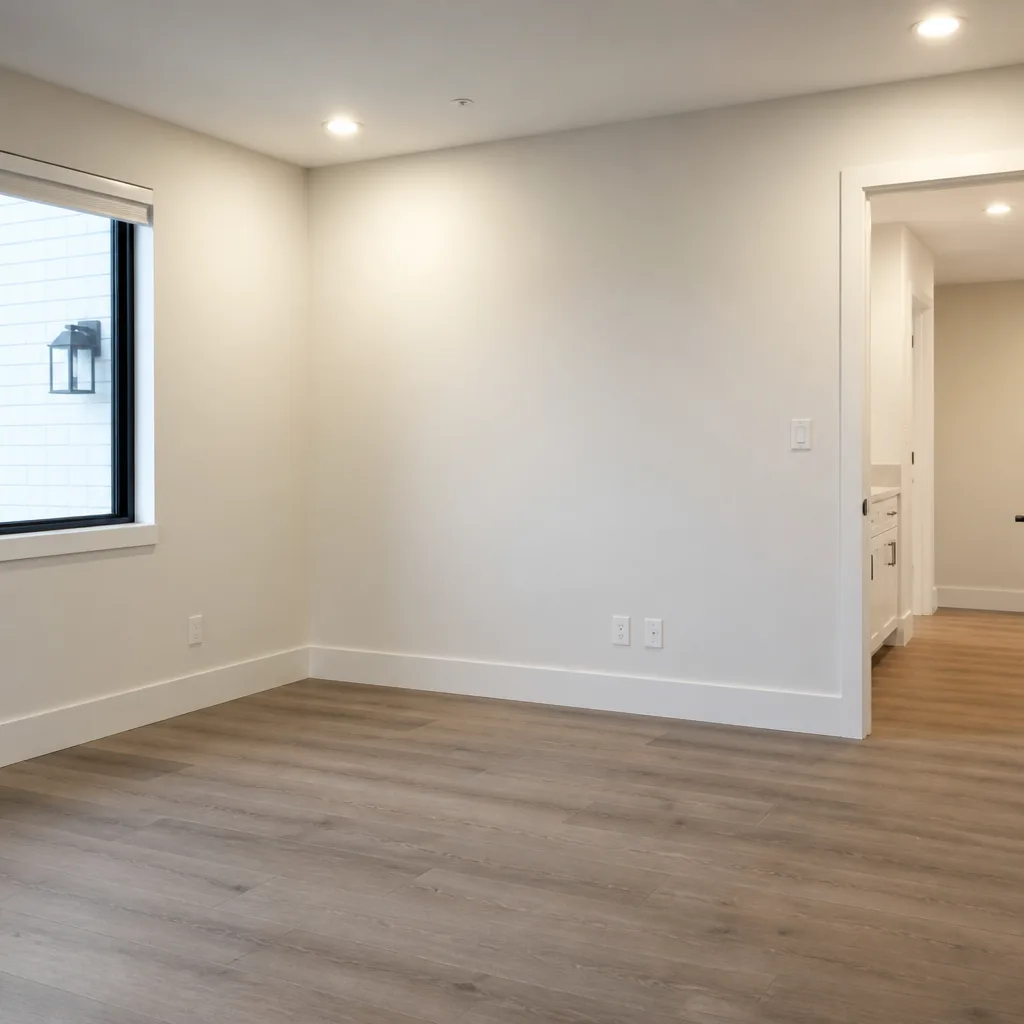 After
After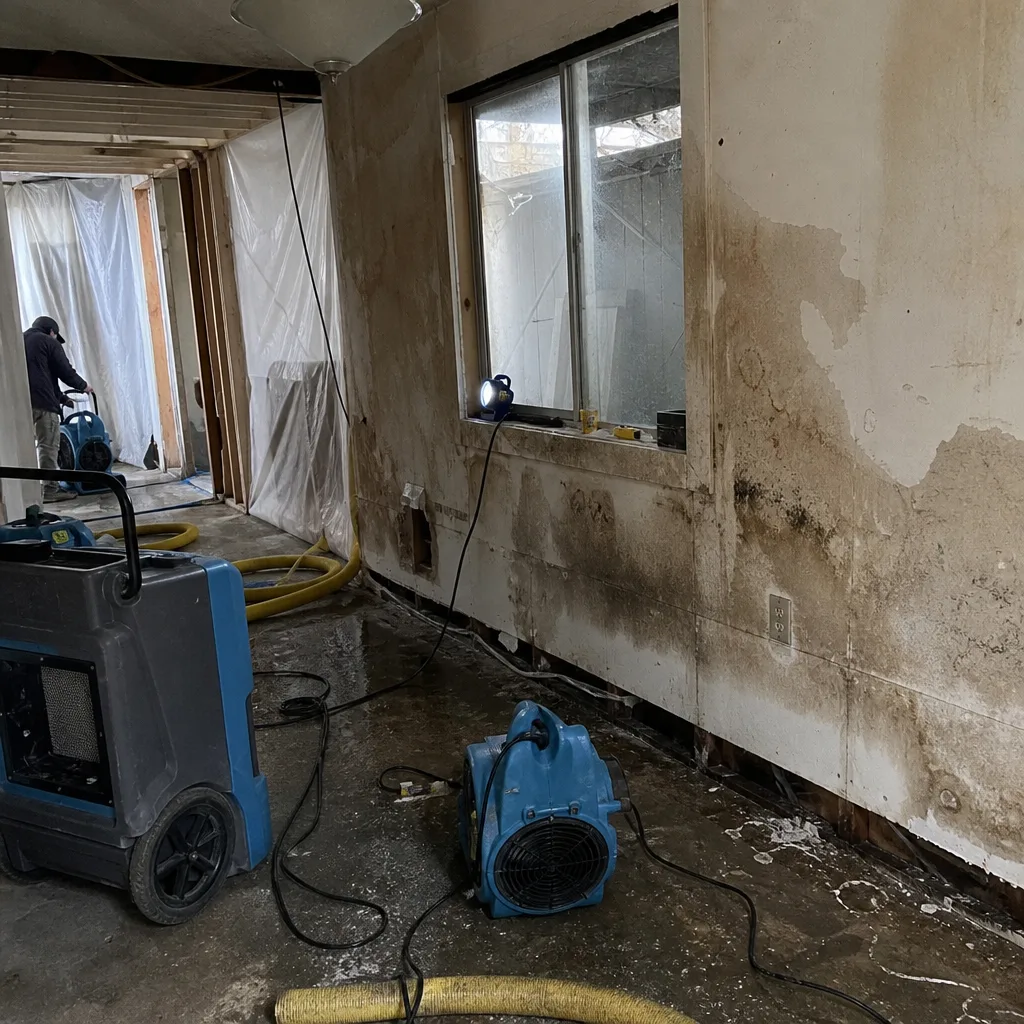 Before
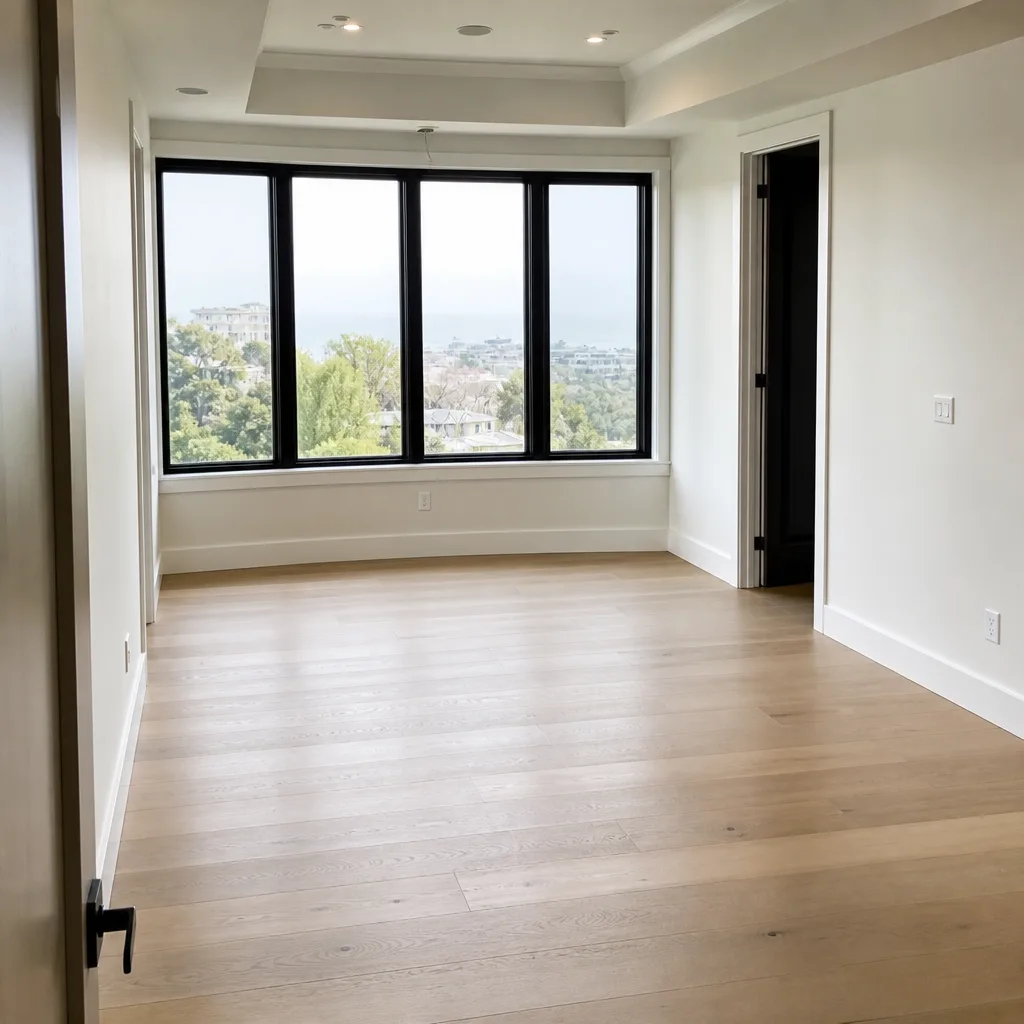 After
After24/7 Emergency Water Damage Restoration in Culver City
Water damage restoration in Culver City typically costs $2,800-$7,500 for residential dry-out and repair, with emergency extraction running $180-$340 per hour and structural drying $150-$280 per day depending on square footage and water category. Our crews answer live at (424) 365-9728 twenty-four hours a day, seven days a week, because water doesn’t wait for business hours and neither do we. When a supply line fails in a 1930s bungalow off Braddock Drive or stormwater backs up through a Ballona Creek-adjacent property, the first sixty minutes determine whether you’re looking at a three-day dry-out or a three-week rebuild with mold remediation. We dispatch from our Los Angeles office with crews already routed through Culver City’s corridor; most properties in Sunkist Park, Blair Hills, and the Culver Crest area see our van inside forty-five minutes of the call.
Understanding Water Damage Restoration Severity in Culver City Properties
Water damage breaks into three categories, and getting the classification wrong in Culver City costs homeowners their insurance claim or their clearance from the Building Safety Division. Category 1 is clean water: a burst supply line, an overflowing sink. Category 2 is gray water with chemical or biological load: dishwasher discharge, sump pump failure, water that sat past twenty-four hours. Category 3 is black water: sewage, floodwater from the Ballona Creek floodplain, any water that touched soil or waste. The distinction matters because Category 2 and 3 losses in Culver City require removal of porous materials that Category 1 might allow us to dry in place, and our Water Damage Restoration team documents the classification with photos and moisture readings before any equipment runs.
Culver City’s housing stock complicates every category. The craftsman bungalows and Spanish Colonial Revival homes built from the 1920s through the 1950s - the ones filling Sunkist Park, Blair Hills, and the streets around Culver Crest - used plaster-over-lathe walls with no vapor barrier, minimal subfloor ventilation, and in many cases uninsulated crawl spaces. When water hits plaster-over-lathe, it wicks laterally through the wood lath and upward through capillary action, often saturating two feet above the visible stain while the surface reads nearly dry. Our moisture meters hit 100 percent wood moisture content in cavities that look fine to the eye. Without thermal imaging and borescopic inspection, a crew dries what they can see and leaves what they can’t. That’s when the marine layer fog rolling through the Ballona Creek corridor keeps those hidden cavities damp enough for mold colonization inside forty-eight hours.
Why Culver City Property Owners Choose DryMark Restoration Pacific Palisades
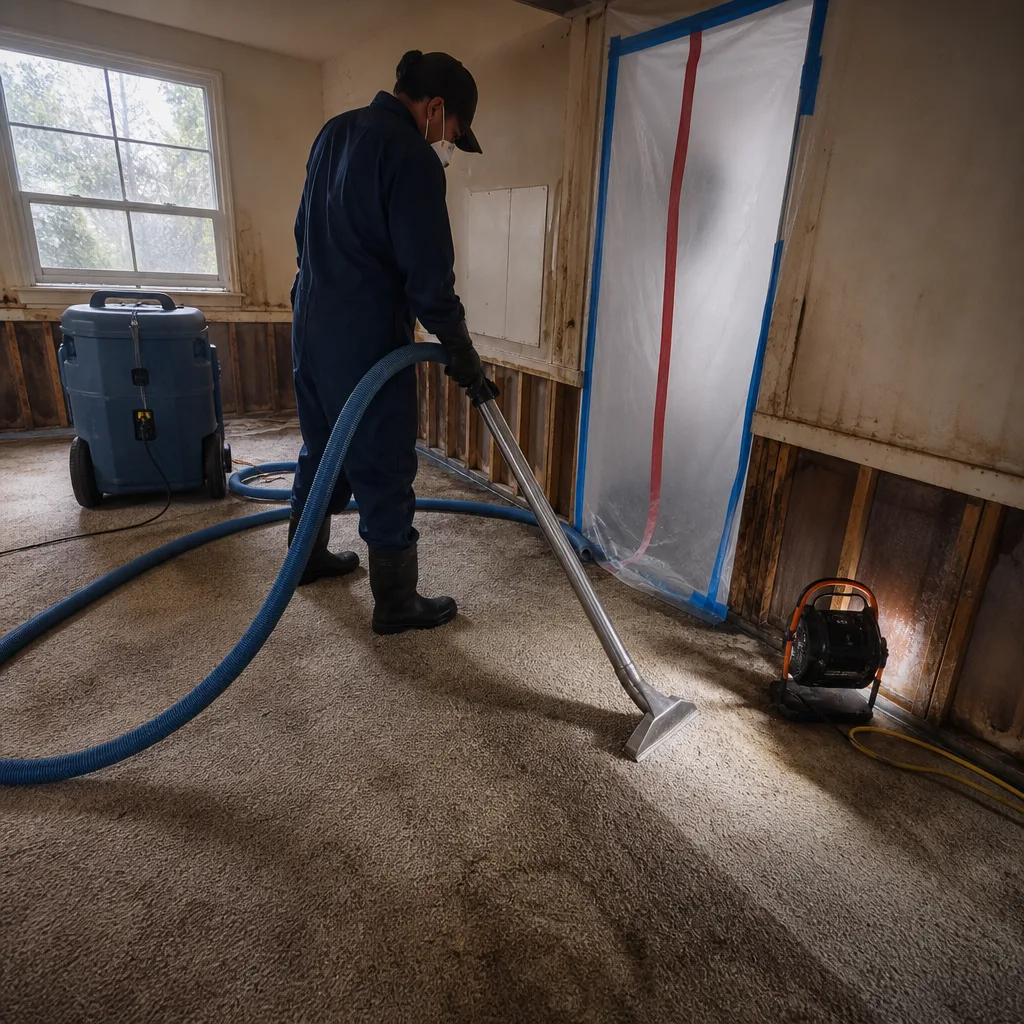
- 45-minute response commitment to Culver City properties, with crews staged for the corridor and live GPS dispatch tracking your van’s arrival.
- 24/7 live answer by a real person, never an automated system or voicemail tree - because water moving through a ceiling at 2 a.m. doesn’t leave a callback number.
- IICRC-certified crews holding WRT (Water Damage Restoration Technician), ASD (Applied Structural Drying), and AMRT (Applied Microbial Remediation Technician) credentials, with license numbers documented on every job file.
- Free visual inspection and moisture assessment before any work begins or any price is discussed - Haven Standard, Clause 1: written price before work starts, every time.
- Direct insurance billing with photo-documented estimates in Xactimate format, and a single point of contact who speaks with your adjuster so you don’t have to chase both sides.
- One team from extraction through reconstruction - no handoffs to subcontractors who weren’t in the house when the water first came down.
 Before
 After
AfterOur Water Damage Restoration Process
1. Inspection & Assessment
We arrive with thermal imaging cameras, penetrating and non-penetrating moisture meters, and hygrometers to map the full extent of the water migration. In Culver City’s older homes, we borescope wall cavities and crawl spaces to find what plaster-over-lathe hides. You get a written scope with line-item pricing before anyone touches equipment - Haven Standard, Clause 1.
2. Extraction & Stabilization
Standing water comes out first: truck-mounted extraction for deep saturation, portable units for tight access, and submersible pumps for basement or crawl space pooling. We document gallons removed and pre-extraction moisture readings. The faster we get water out, the less material we have to remove and replace.
3. Drying & Dehumidification
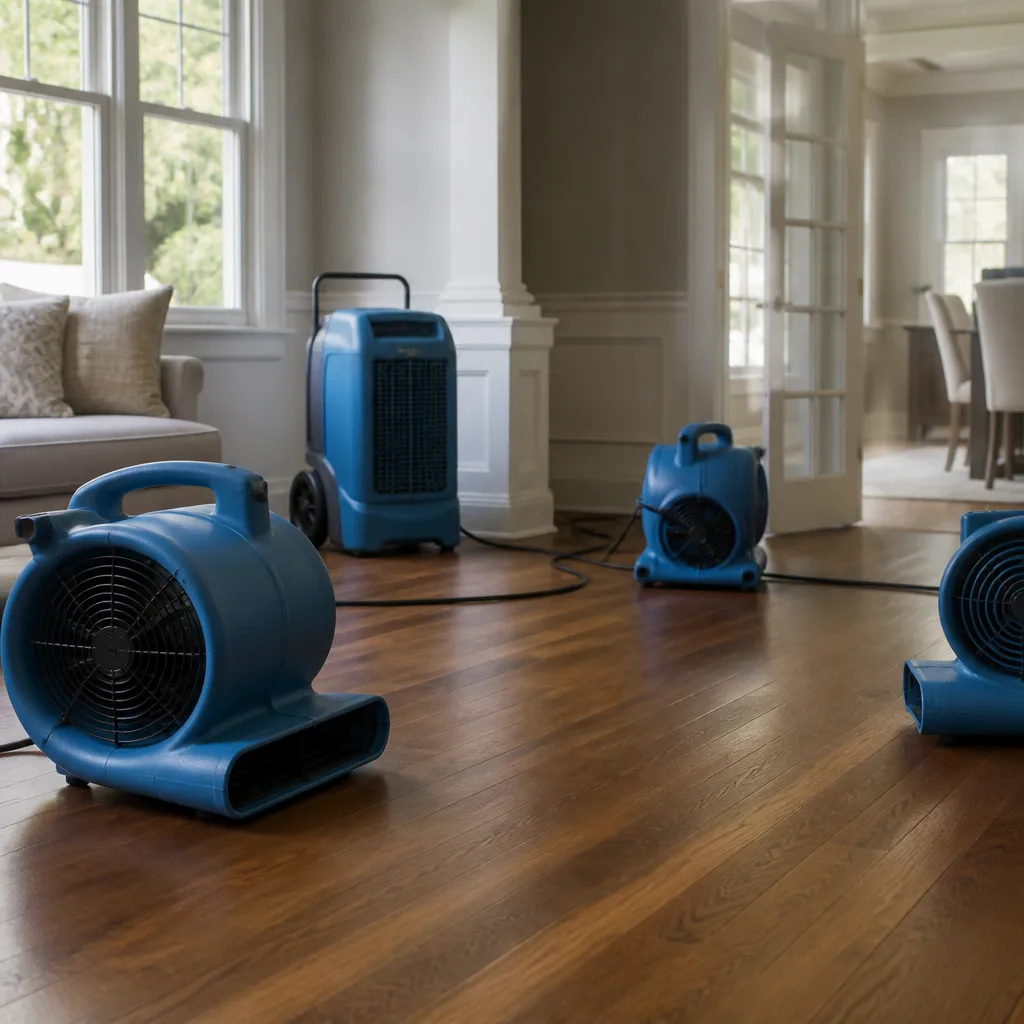
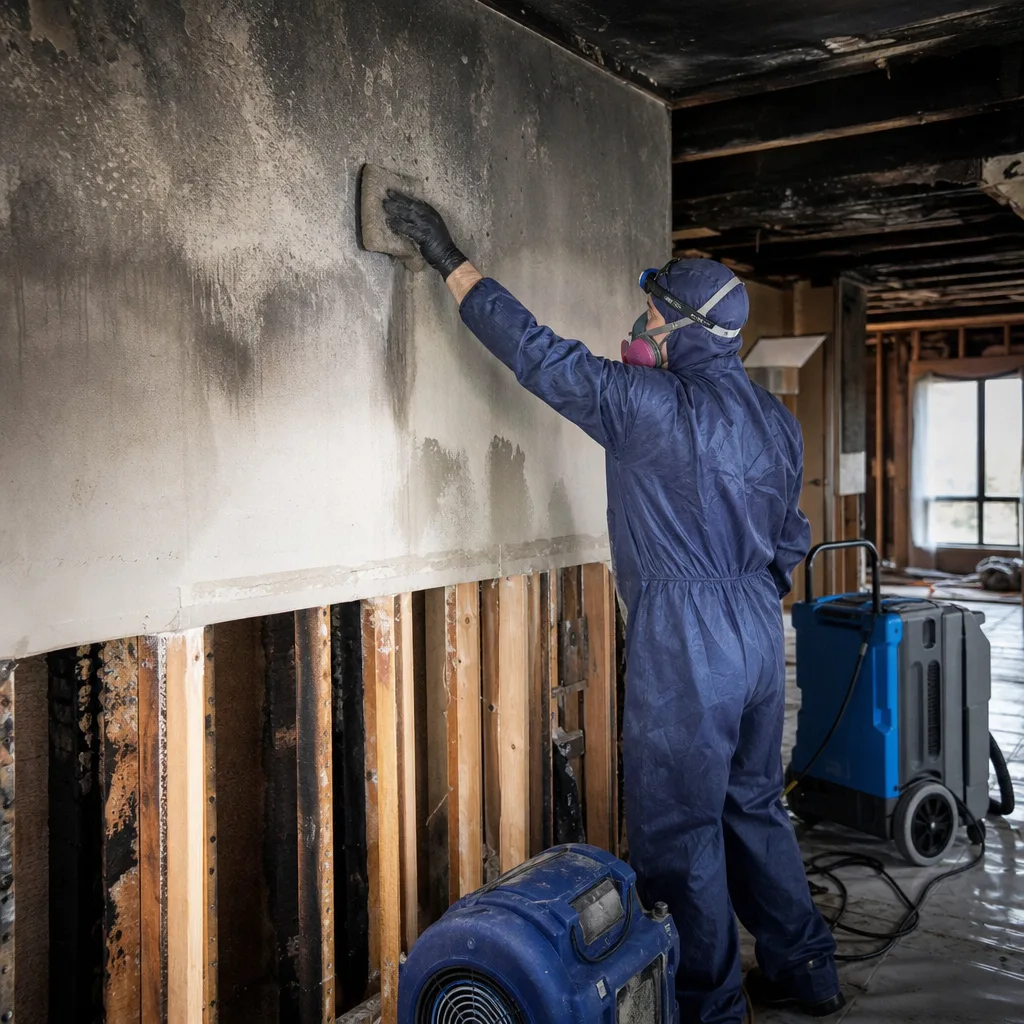
We deploy Phoenix and Dri-Eaz LGR dehumidifiers alongside XPOWER and B-Air air movers positioned for optimal airflow patterns. In Culver City’s plaster-over-lathe homes, we often run Injectidry mat systems or wall-cavity injection drying to force dry air into sealed cavities without destructive demolition. Psychrometric data - temperature, relative humidity, and vapor pressure differential - gets logged daily to prove progress to your insurer and to Culver City’s Building Safety Division.
4. Cleaning & Sanitization
Category 2 and 3 losses receive antimicrobial treatment of affected surfaces and HEPA air scrubbing to capture airborne particulates. We clean to IICRC S500 standards and document every treated area with before-and-after photos. Containment barriers go up where needed to protect unaffected rooms.
5. Mold Assessment & Remediation Protocol
If moisture mapping reveals hidden colonization - common in Culver City’s marine-layer climate - we develop a signed mold remediation protocol with containment strategy, negative air pressure plan, and clearance criteria. This documentation is what Culver City’s Building Safety Division requires before final sign-off; regional firms accustomed to LA County oversight often stall here because they didn’t prepare it upfront.
6. Repairs & Restoration
Once dry and cleared, our crew repairs or replaces what came out: drywall, flooring, trim, paint. The same team that extracted the water finishes the rebuild, so nothing gets lost in translation. Every job closes with a signed 365-Day Done Right Promise under The Haven Standard.
Need Emergency Water Damage Restoration in Culver City Now?
Crews minutes away, answering live 24 hours a day. The sooner we start, the less it costs.
Working With Your Insurance Company
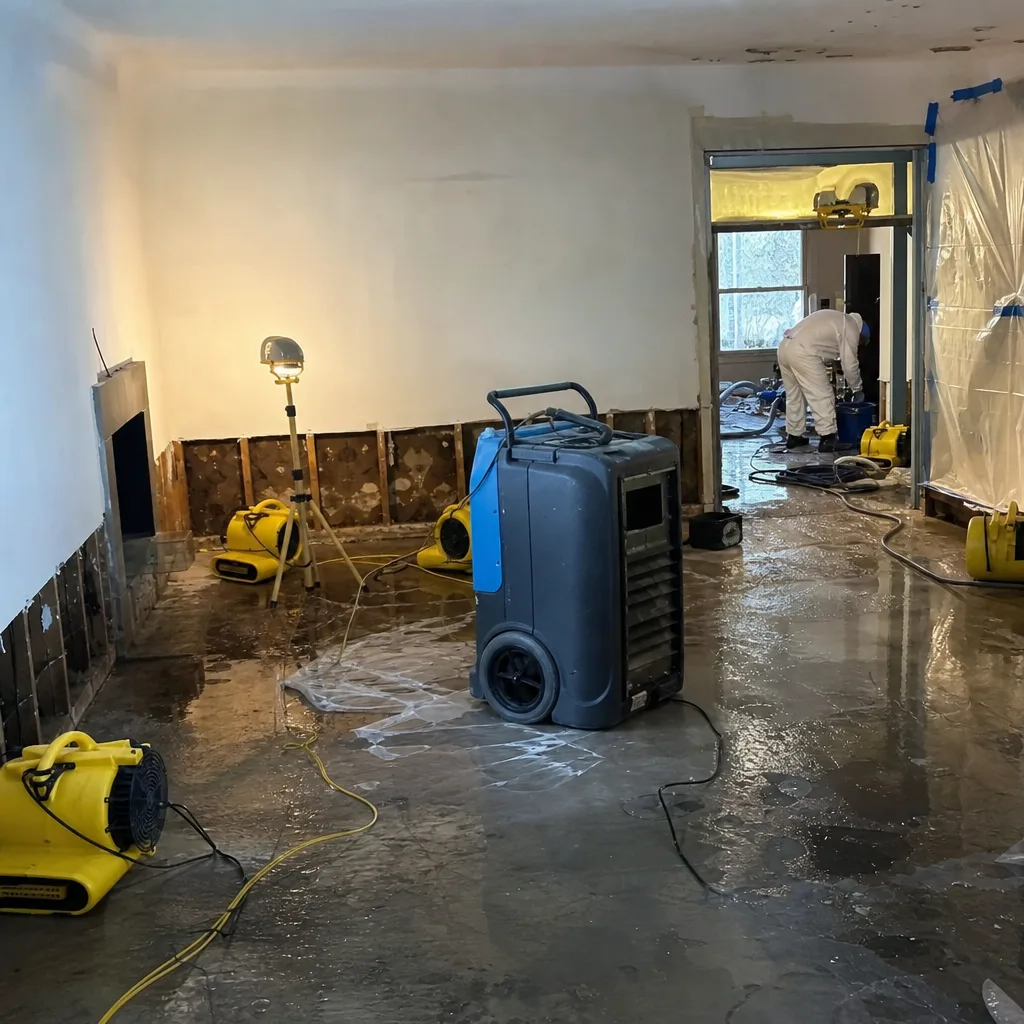
Insurance claims fail on documentation gaps, and water damage claims fail more often than most because the damage is progressive and the proof evaporates with the moisture. We close that gap from hour one. Our technician photographs every affected room before touching anything, records moisture readings on every surface, and maintains a daily drying log with psychrometric data that shows your carrier exactly what was wet, how wet it was, and when it dried to acceptable levels. We write estimates in Xactimate, the industry-standard format adjusters recognize, and we coordinate directly with your adjuster so you’re not translating between two parties who speak different versions of the same language.
The Haven Standard requires this documentation on every job, not just the ones going to insurance. But when your carrier is involved, that documentation becomes the difference between a paid claim and a denied one. We’ve been on both sides of that table - Alicia Brennan founded Back to Dry in 2011 after working as a claims adjuster and watching homeowners lose legitimate claims over missing photos and incomplete drying logs.
What We Provide Your Insurer
- Thorough documentation of the loss
- Photos of all damage, room by room
- Moisture readings and drying logs
- A detailed, line-item scope of work
- Direct coordination with your carrier
Built for Culver City’s Loss Calendar
Culver City’s water damage calendar runs on three clocks, not one. January through March brings El Niño-driven atmospheric river events that overwhelm Ballona Creek and flood properties along Washington and Jefferson Boulevards; FEMA flood-zone designations in the creek’s floodplain turn minor storms into Category 3 losses when groundwater and sewage mix with storm surge. April through June, the marine layer thickens and lingers, keeping relative humidity above 70 percent on many mornings - the window when a small supply-line leak in a poorly ventilated 1940s crawl space becomes a mold job before the homeowner notices the musty smell.
July through October dries the surface but bakes the clay soils, creating foundation shifts that crack aging cast-iron and galvanized supply lines in the oldest Culver Crest homes. November through December brings the first heavy rains, testing the repairs that weren’t made in summer and finding the roof leaks that opened during the hot months. Studio-adjacent properties near Sony Pictures, Amazon Studios, and Apple TV+ facilities face their own calendar: production schedules don’t pause for water damage, and a single day of downtime on an active stage can cost more than the restoration itself. We scope those jobs with parallel timelines - dry the structure, protect the production - documented to standards that satisfy both the insurer and the studio risk manager.
Water Damage Restoration Across Culver City’s Neighborhoods
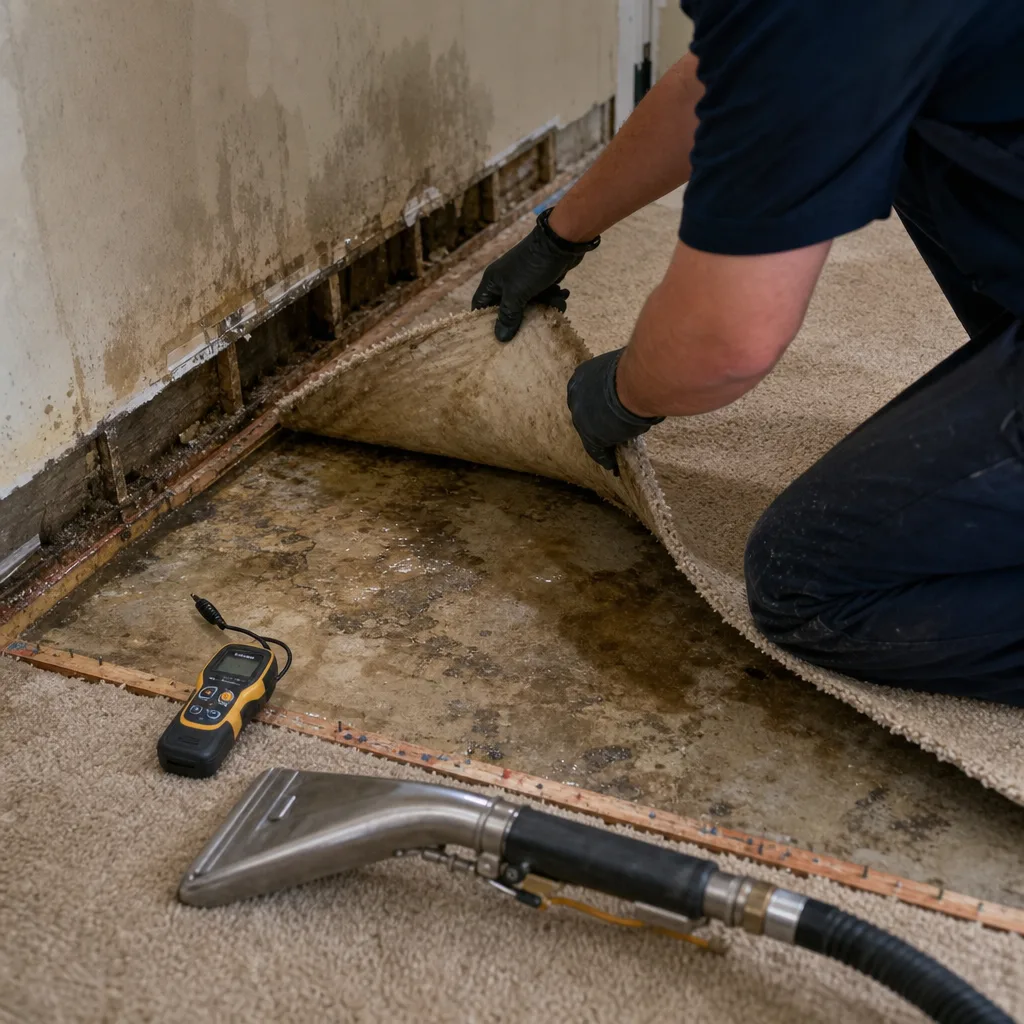
In Sunkist Park, the 1920s and 1930s bungalows sit close together on small lots with mature tree root systems that invade and crack sewer laterals. We’ve pulled tree roots and sediment from backed-up lines on Braddock Drive, then extracted the Category 2 overflow and documented the full scope for insurance before any drying began. The homes here have minimal crawl space clearance - eighteen inches in some cases - which means our techs work flat on their backs with portable extraction tools and position dehumidifiers in the living space with ducting into the cavity.
Blair Hills climbs toward the Baldwin Hills, and the grade change creates hydrostatic pressure against foundation walls that drives seepage through century-old concrete. We’ve installed perimeter drainage and sump systems after extracting repeated seasonal flooding, always with moisture mapping that shows the insurer why the fix isn’t just a surface dry-out. Culver Crest properties, many built in the 1940s and 1950s with early ranch layouts, have the original galvanized plumbing reaching end of service life; a burst pipe there sends water through oak hardwood that our Injectidry mat system can often save if we get there fast enough.
Near the studio corridor along Washington Boulevard, we handle water damage in mixed-use buildings where residential units sit above commercial space, requiring containment strategies that protect businesses below while drying the unit above. The Ballona Creek-adjacent streets - those low-lying blocks between the creek and Jefferson Boulevard - carry the genuine flood risk, and when the creek overtops, we’re extracting Category 3 water with full PPE, removing porous materials, and documenting for FEMA flood claims as well as standard homeowner policies.
Specialized Water Damage Restoration Services We Offer in Culver City
Emergency Water Extraction
Standing water multiplies damage by the hour. Our truck-mounted extraction units remove thousands of gallons per hour, with portable units for crawl spaces and tight access. On a 1938 plaster-over-lathe bungalow off Braddock Drive near Sunkist Park, a supply line let go overnight and our tech pulled 40 gallons with water extraction before moisture mapping showed the wall cavity reading saturated two feet above the visible stain - the marine layer had kept that cavity damp and hidden mold was already colonizing. We set containment, ran Injectidry mats on the plaster and Dri-Eaz dehumidification with air movers to hold a documented drying log, then handed the Building Safety Division moisture readings and the remediation protocol they wanted before sign-off on the scope of work.
Structural Drying & Dehumidification
Drying a structure means controlling vapor pressure differential - the force that moves moisture from wet materials to dry air. We calculate this with psychrometric data and adjust our equipment daily. In Culver City’s plaster-over-lathe homes, standard surface drying leaves the lath wet; we use Injectidry cavity drying or controlled demolition with directed airflow to reach the hidden moisture. Every day’s readings go into your drying log, the document that proves to your insurer and to Culver City’s inspectors that the structure is actually dry, not just dry-looking.
Flood Cleanup
Properties in the Ballona Creek floodplain and along low-lying stretches of Washington and Jefferson Boulevards face genuine inundation risk during atmospheric river events. Floodwater is Category 3 by definition: soil, sewage, chemical runoff, and whatever else the creek carried. We extract, remove all porous materials that contacted the water, apply antimicrobial treatment, and document for both standard insurance and FEMA flood claims where applicable. The Building Safety Division will want to see that protocol before they issue repair permits.
Burst Pipe Restoration
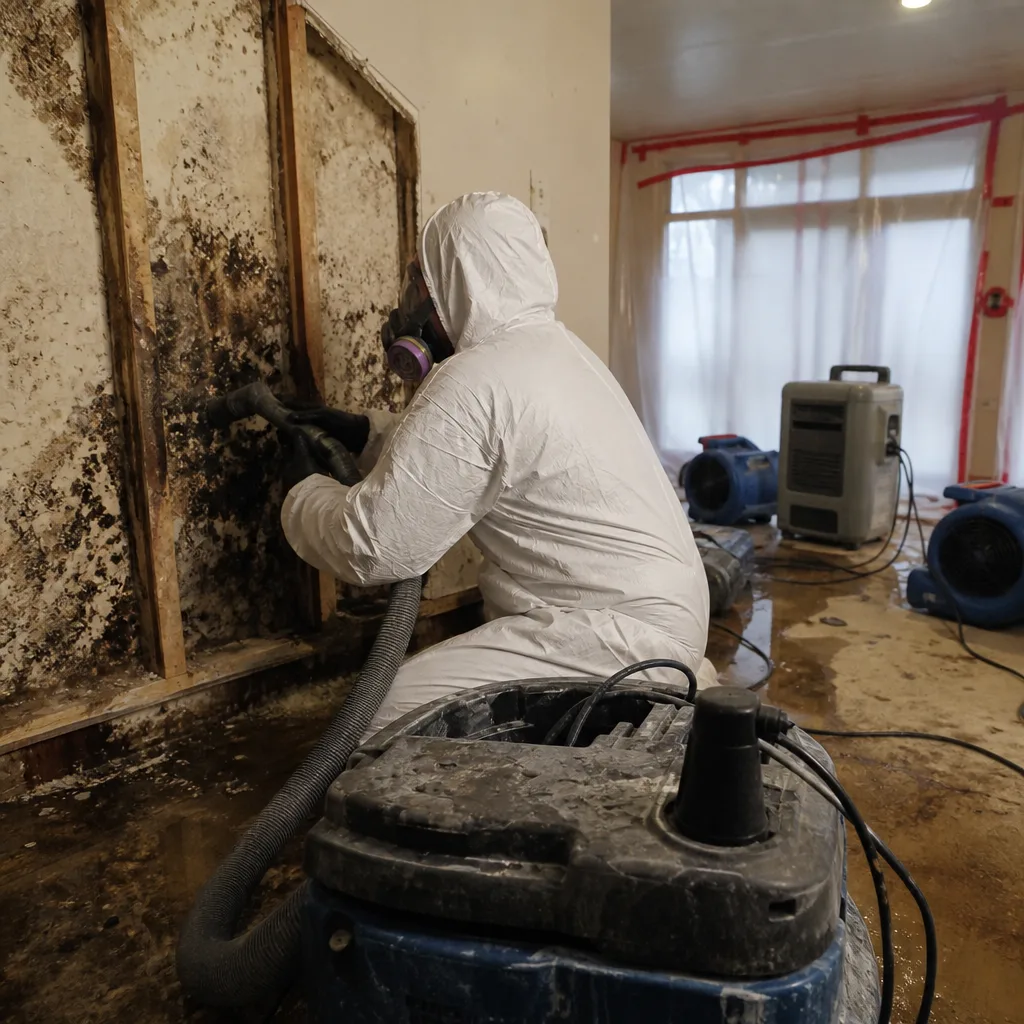
Culver Crest’s 1940s and 1950s homes run original galvanized supply lines with interior corrosion that narrows flow and weakens walls until they split, often at the worst possible hour. We extract the water, dry the structure, and coordinate with licensed plumbers for the line replacement - then repair the walls, floors, and finishes our drying process required us to open. One team handles it all, with one written scope and one point of contact.
Basement Water Removal
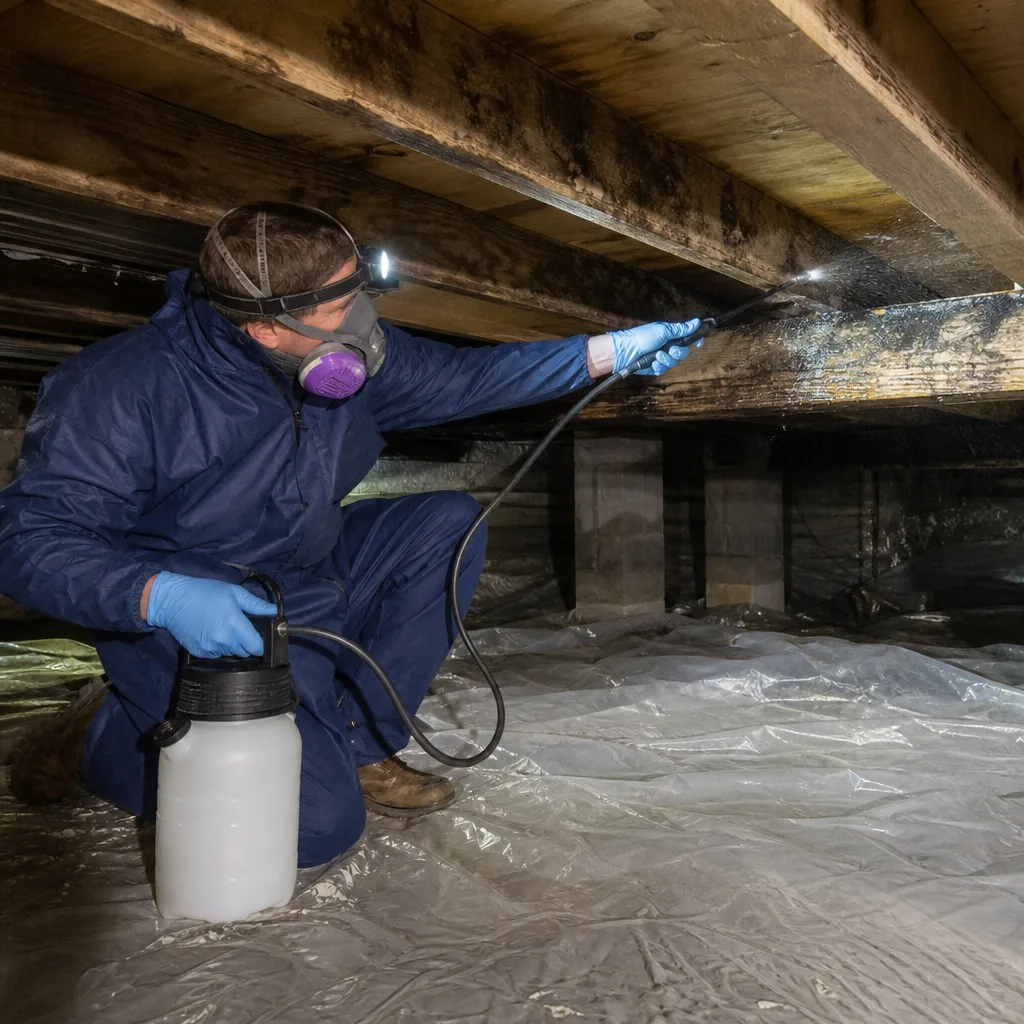
True basements are rare in Culver City, but partial daylight basements and converted crawl spaces appear in the older stock near Sunkist Park. Low clearance, poor ventilation, and dirt floors complicate extraction and drying; we use portable submersible pumps, low-grain refrigerant dehumidifiers, and sometimes temporary encapsulation to create a controlled drying environment. Moisture mapping includes the floor plate and rim joist, common failure points in these structures.
Ceiling & Roof Leak Water Damage
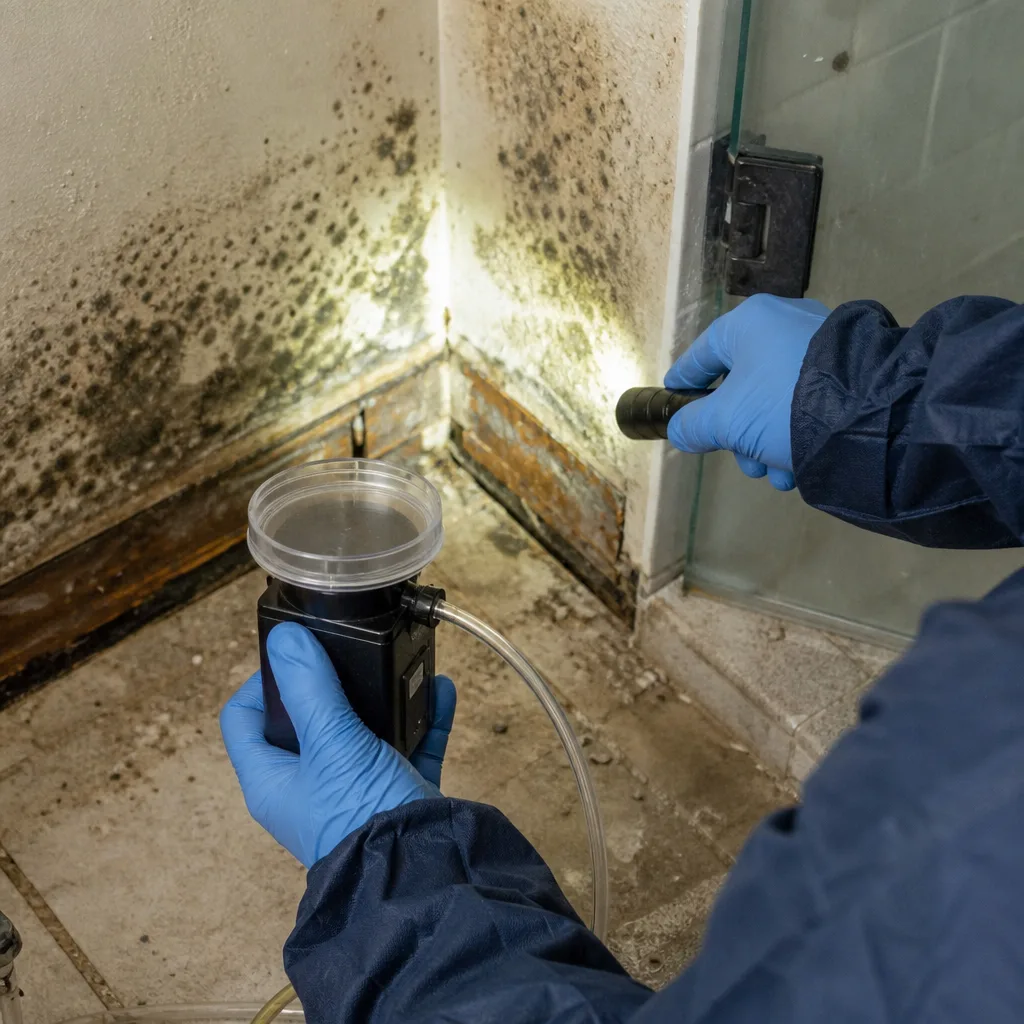
Roof leaks in Culver City’s marine-layer climate often start small and run along rafters before showing at the ceiling, meaning the visible stain is the last place the water touched, not the first. We trace the migration with thermal imaging, document the full path for insurance, and dry the cavity without unnecessary ceiling demolition where Injectidry or directed airflow can reach it. When demolition is necessary, we contain the work area to protect living space below.
What happens when you call
- 1
A real person answersNo phone trees - you reach a local pro.
- 2
You get an upfront price rangeHonest numbers before anyone is dispatched.
- 3
A background-checked tech heads outLicensed & insured, dispatched right away.
- 4
You approve before work beginsNothing starts until you say go.
Water Damage Restoration Costs in Culver City, CA
Emergency water extraction in Culver City runs $180-$340 per hour, with most residential jobs requiring two to four hours. Structural drying with professional dehumidification and air movement costs $150-$280 per day, typically three to five days for a standard residential loss, longer for plaster-over-lathe homes with cavity drying needs. Category 1 clean-water dry-out of a single room generally totals $2,800-$4,200. Category 2 or 3 losses requiring material removal, antimicrobial treatment, and reconstruction range $5,500-$7,500 and can exceed that for whole-house flooding or Ballona Creek floodplain properties with foundation-level inundation.
What moves the price: square footage affected, water category, whether plaster-over-lathe or drywall needs removal, and whether mold remediation protocols are required before the Building Safety Division will sign off. Insurance typically covers sudden and accidental water damage from burst pipes or storm intrusion; gradual leaks and maintenance-related issues often fall to the homeowner. We provide a free visual inspection and written scope before any work begins - Haven Standard, Clause 1 - and we offer a Free Second Opinion on any competitor’s written estimate. Call (424) 365-9728 for an exact quote on your specific loss.
We Also Serve Cities Near Culver City
Our crews route regularly through Culver City and the surrounding corridor, including Marina del Rey with its waterfront condominiums and dock-level flooding exposure, Playa del Rey’s coastal bungalows facing salt-air corrosion and storm surge, Venice’s mixed-use canalside properties with unique hydrostatic challenges, and Beverly Hills’ larger estates with complex mechanical systems and secondary damage potential. Each area gets the same documentation-first approach, adjusted for local building stock and climate conditions.
Serving Culver City, CA - Our Local Coverage Area
We’re based in the Culver City area and know this community well. Use the map below to see our service coverage - if you’re nearby, we can almost certainly help.
Culver City Water Damage Restoration Questions, Answered
Why does water damage dry-out in Culver City take longer to close out than in neighboring LA neighborhoods?
Culver City’s Building Safety Division operates as a separate jurisdiction from LA City and LA County, and their inspectors routinely require moisture-mapping documentation and signed mold remediation protocols before issuing final clearance. Regional firms accustomed to looser county-level oversight often complete the dry-out quickly, then stall for weeks trying to assemble the documentation they didn’t collect during the job. We build that documentation from day one, so clearance moves on schedule. Call (424) 365-9728 for an exact quote - estimates are free.
Why do 1920s-1940s Culver City bungalows hide moisture so well?
Plaster-over-lathe walls wick water laterally through wood lath and upward by capillary action, often saturating two feet above any visible stain while the surface reads nearly dry. Minimal subfloor ventilation and uninsulated crawl spaces in this era’s construction trap that moisture where homeowners can’t see it. Our moisture meters and thermal imaging find what eyes miss. Call (424) 365-9728 for an exact quote - estimates are free.
Does the marine layer near Ballona Creek really affect how we dry a house in Sunkist Park?
Yes. The marine layer pushing inland through the Ballona Creek corridor keeps ambient relative humidity elevated well into summer mornings, often above 70 percent. That humidity slows natural evaporation and can re-wet partially dried materials if dehumidification isn’t aggressively maintained. We size our dehumidifier capacity for the actual conditions, not the theoretical ones, and we log daily psychrometric data to prove the structure reached true dryness, not just drier-than-fog. Call (424) 365-9728 for an exact quote - estimates are free.
What’s different about water damage near a Culver City production campus?
Sony Pictures, Amazon Studios, and Apple TV+ facilities operate active production stages with commercially sensitive environments: server infrastructure, historically significant studio buildings, and schedules where a single day of downtime exceeds the restoration cost. We scope these jobs with parallel timelines that protect production continuity while drying the structure, and we document to standards that satisfy studio risk managers as well as insurers. Call (424) 365-9728 for an exact quote - estimates are free.
Are properties along Washington and Jefferson Boulevards at real flood risk?
Yes. The Ballona Creek floodplain carries active FEMA flood-zone designations, and low-lying streets along Washington and Jefferson Boulevards face genuine inundation during El Niño-driven atmospheric river events. Floodwater from these events is Category 3 by definition, requiring more extensive material removal and antimicrobial treatment than clean-water intrusion. We document for both standard insurance and FEMA flood claims where applicable. Call (424) 365-9728 for an exact quote - estimates are free.
How fast can someone actually get to my Culver City property?
We commit to a 45-minute response time for Culver City properties, with crews staged for the corridor and live GPS dispatch. Our Los Angeles office coordinates routing through Sunkist Park, Blair Hills, Culver Crest, and the studio corridor based on real-time traffic. A live person answers every call, 24 hours a day, with no voicemail trees. Call (424) 365-9728 - we’re answering now.
Will insurance cover my water damage restoration?
Most sudden and accidental water damage from burst pipes, storm intrusion, or appliance failures is covered by standard homeowner policies. Gradual leaks, maintenance neglect, and groundwater flooding typically are not, though FEMA flood policies cover the latter in designated flood zones. We document every loss to insurance standards from the first hour, write estimates in Xactimate format, and coordinate directly with your adjuster. Call (424) 365-9728 for an exact quote - estimates are free.
What should I do in the first 30 minutes after finding water damage?
Shut off the water source if you can locate it safely, then turn off electricity to affected areas if water has reached outlets or switches. Move small valuables and documents to dry ground, then call us. Don’t enter standing water if electrical hazards are present, don’t run a household vacuum on wet surfaces, and don’t assume the visible water is the full extent of the damage - especially in Culver City’s plaster-over-lathe homes. Call (424) 365-9728 and we’ll guide you through immediate steps while the crew is en route.
Water damage in Culver City demands more than fast extraction. It demands documentation that satisfies a separate city jurisdiction, equipment sized for marine-layer humidity, and crews who understand what 1920s construction hides. We’ve restored 12,000+ homes since 2011, every one with a written price before work started and a documented record when we left. If your property is wet now, call (424) 365-9728. A live person will answer, and a crew will be on the way.
Written by Alicia Brennan, Owner at Back to Dry Restoration, serving Culver City since 2011.
Water Damage Restoration in Nearby Areas