
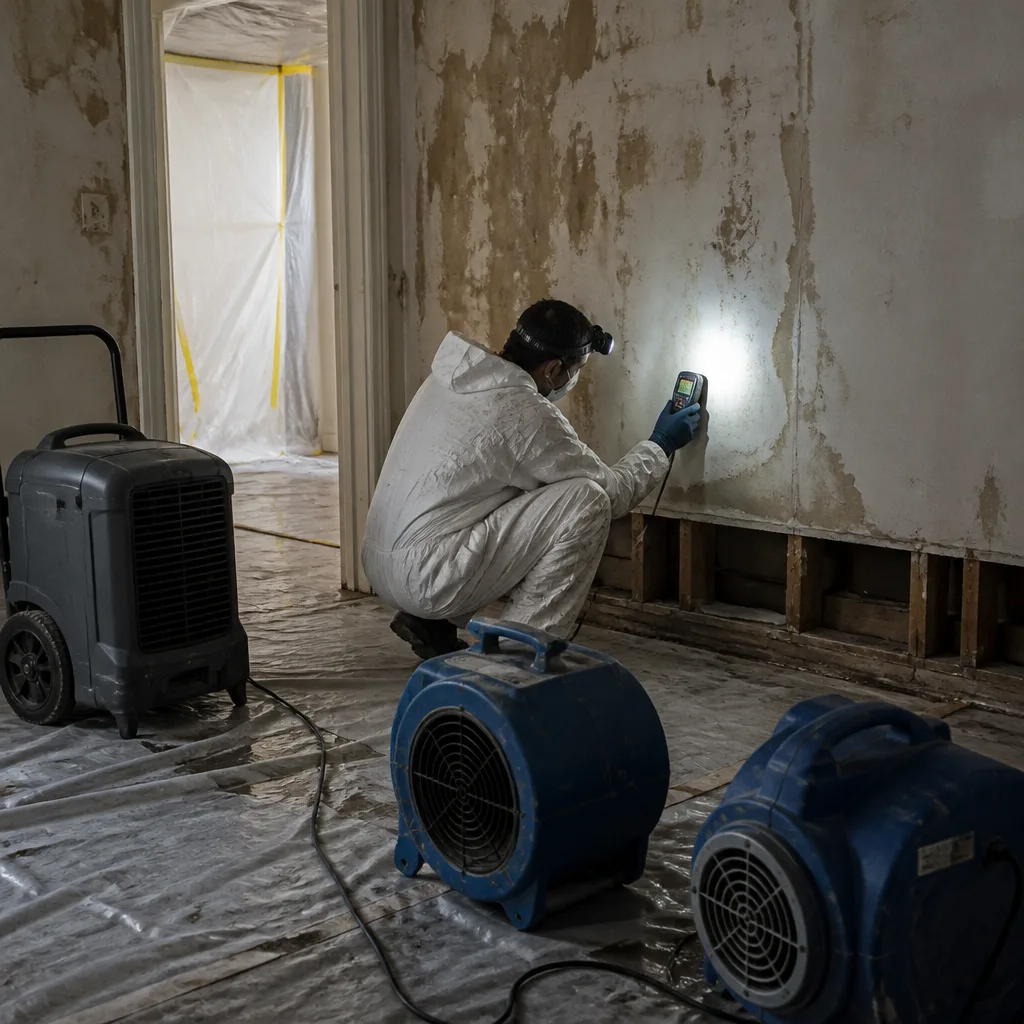
Free visual inspection and a written scope of work before any mitigation begins - photos, moisture readings, and drying logs go in your claim file
The scope we write is the scope we bill. Anything new gets shown to you, in writing, before we touch it.
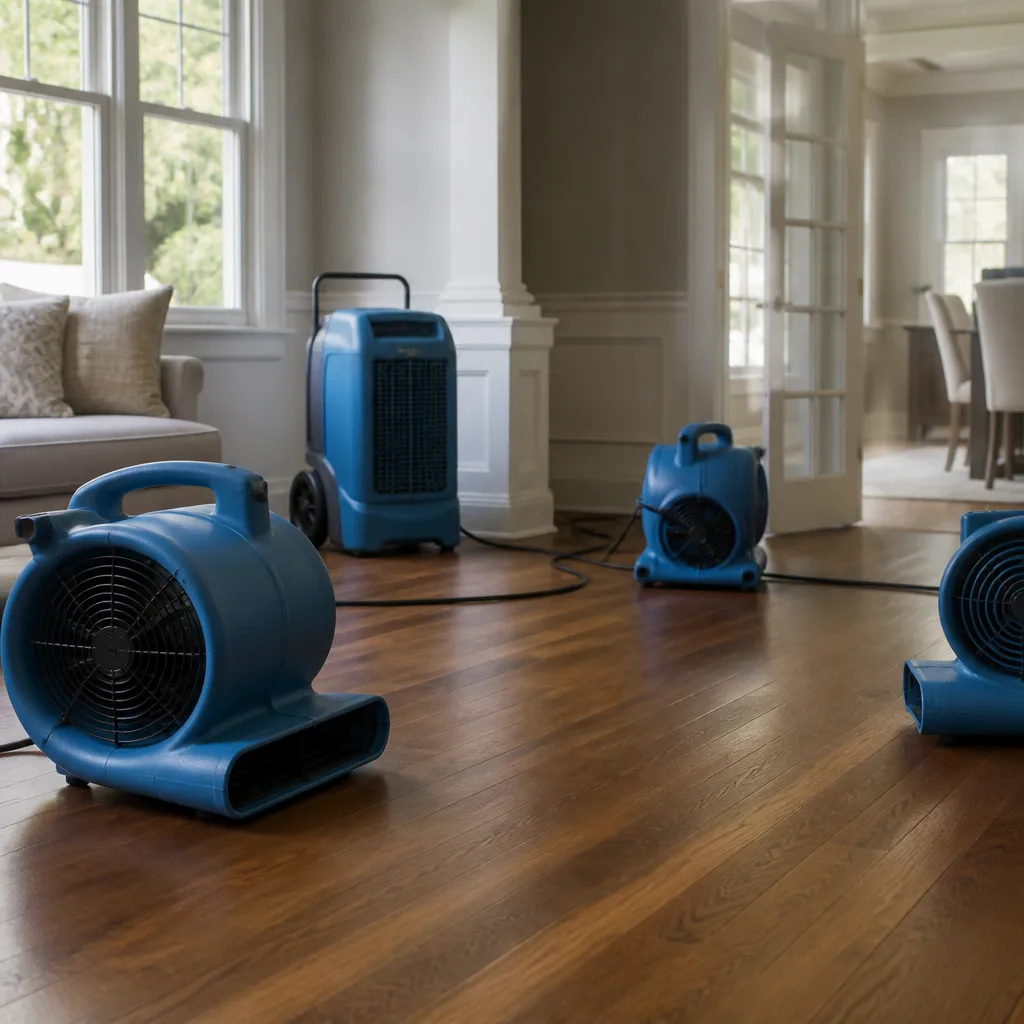
 Before
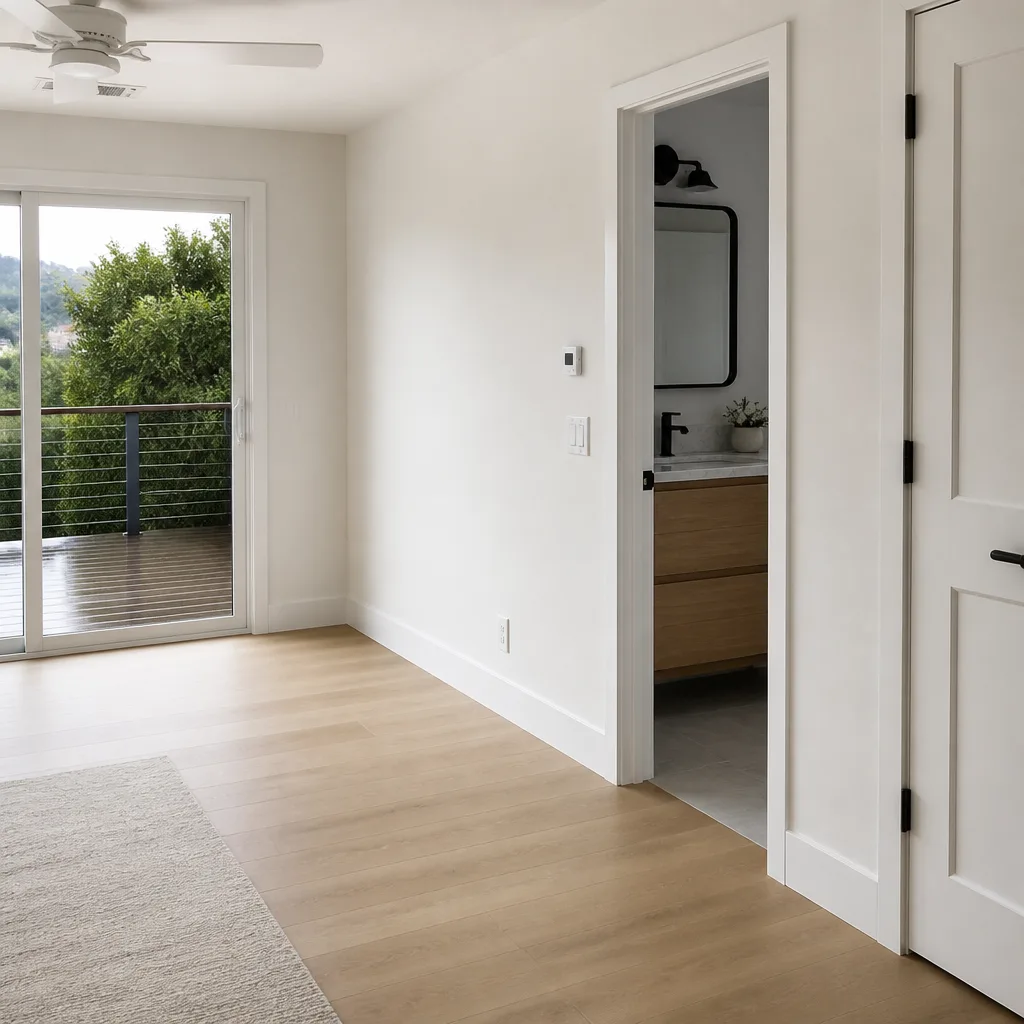 After
After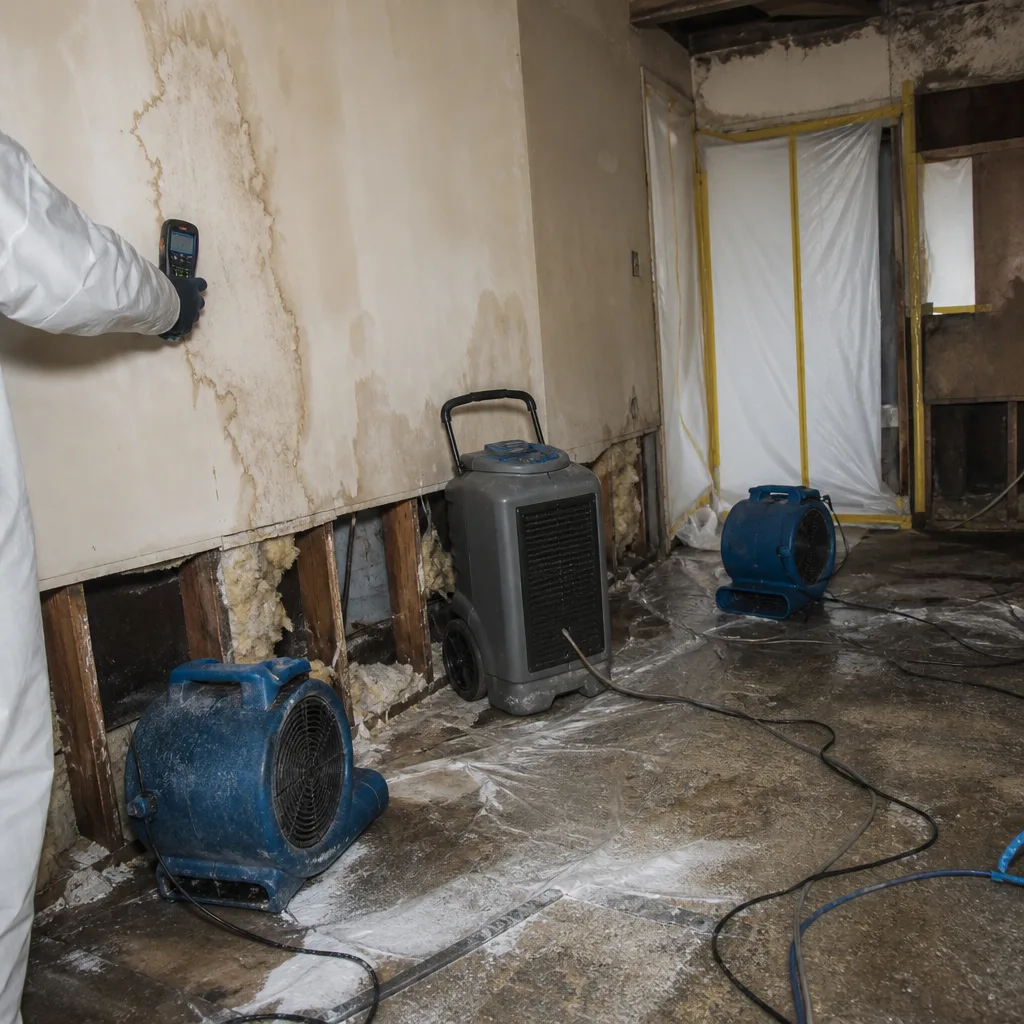 Before
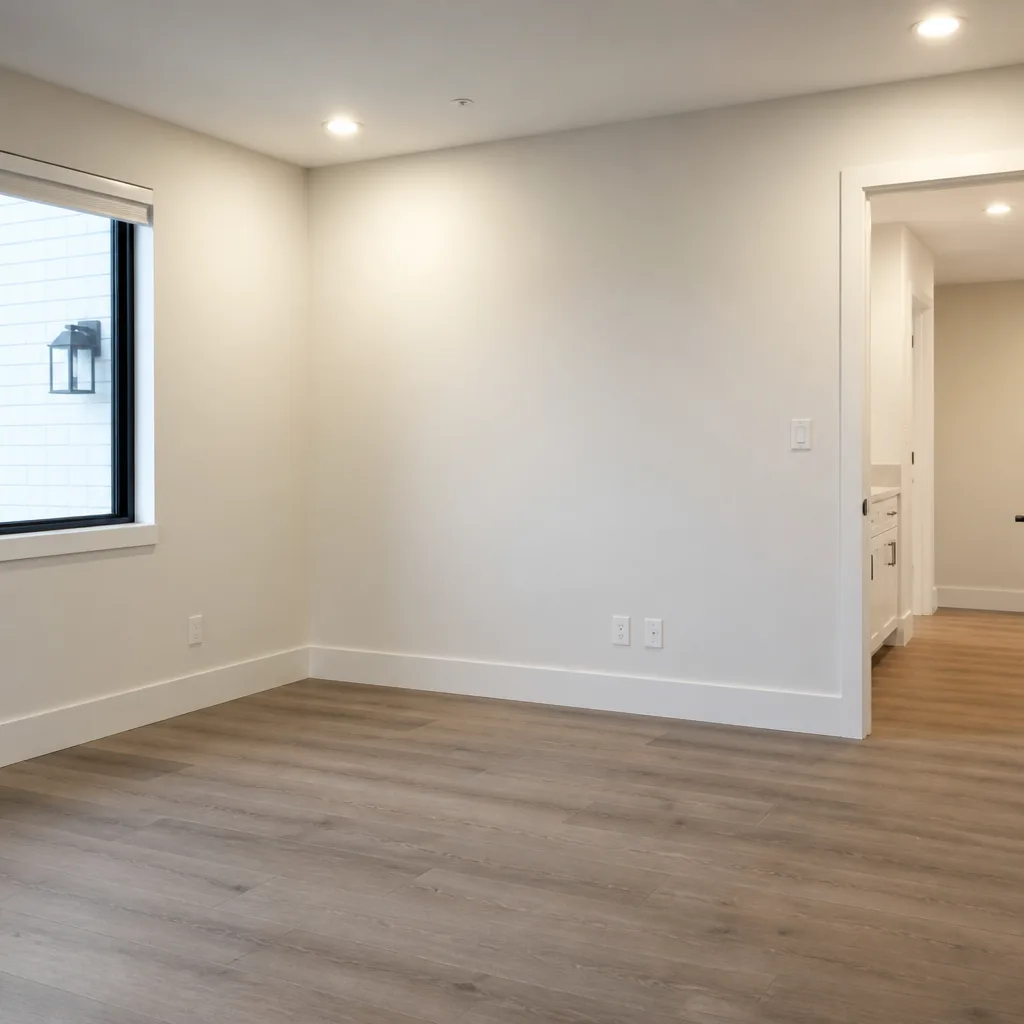 After
After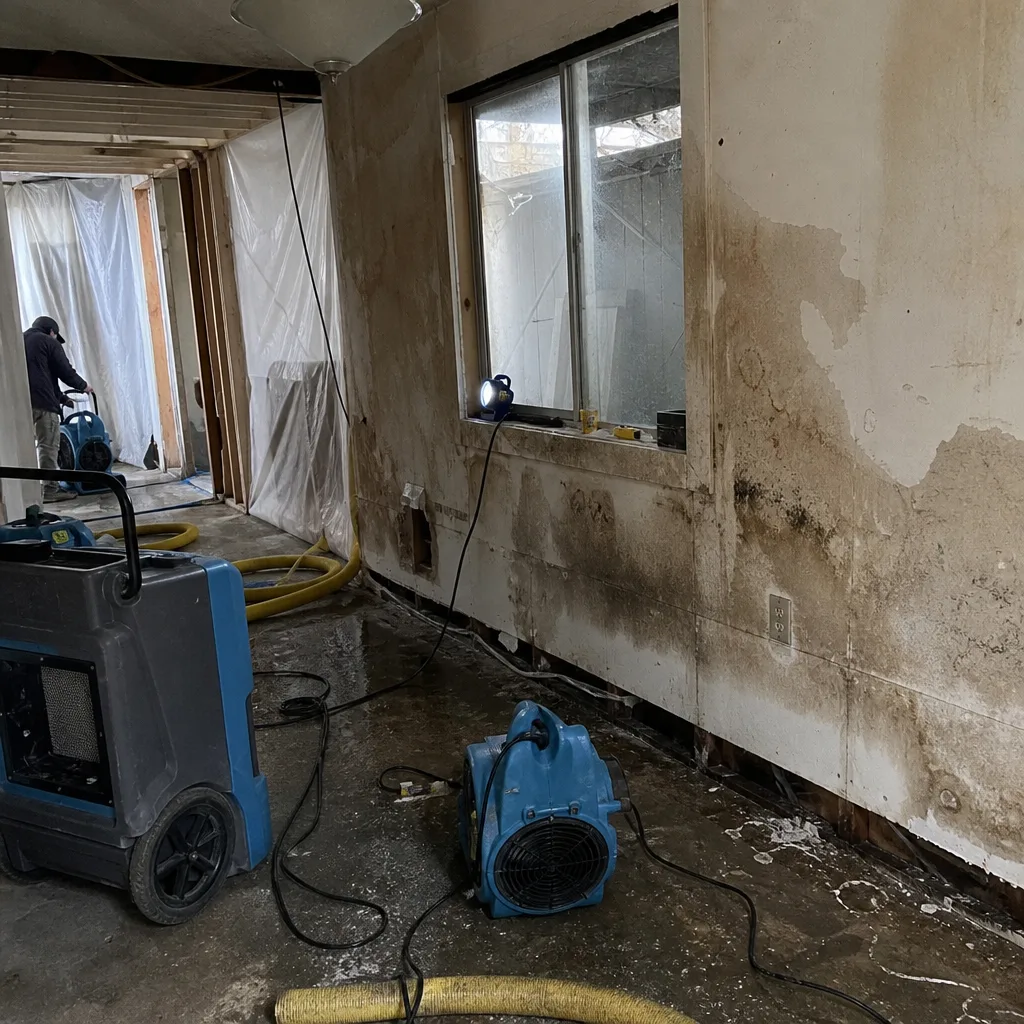 Before
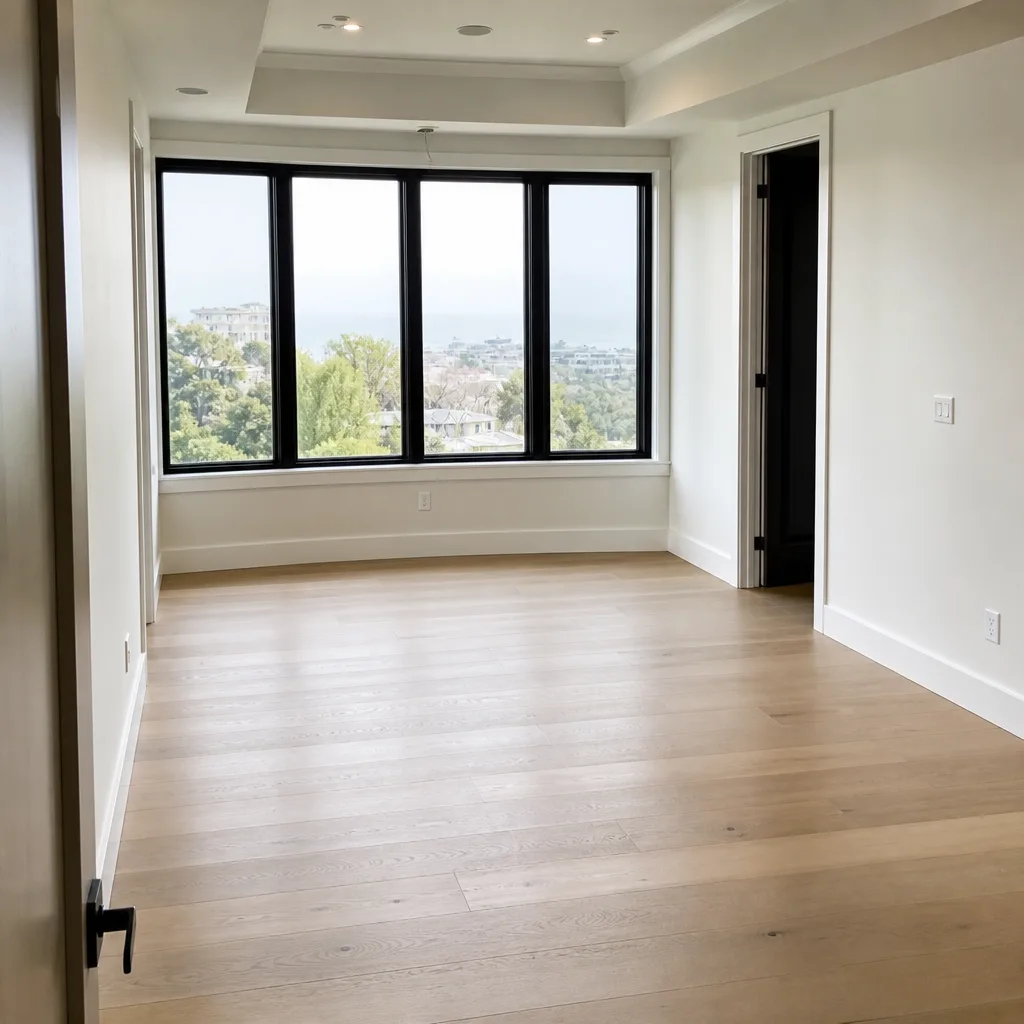 After
After24/7 Emergency Fire & Smoke Damage Restoration in Santa Monica
Fire and smoke damage in Santa Monica typically costs $3,200-$18,500 to remediate, with most residential kitchen and electrical fires falling in the $5,800-$12,000 range depending on square footage affected and whether water from suppression adds a secondary drying protocol. Our crews answer live at (424) 365-9728, 24 hours a day, with no voicemail trees, and can be on-site anywhere in Santa Monica within 45 minutes. The first hour after a fire is contained determines whether soot residue wipes clean or etches permanently into surfaces, whether smoke odor lingers in wall cavities for months, and whether fire-suppression water sitting in framing triggers mold before the smoke work is even finished.
We dispatch from our Los Angeles office and coordinate crews who work Santa Monica daily. Every job starts with a free visual inspection and a written price before any work begins, Haven Standard, Clause 1. If you’re staring at charred cabinetry, acrid smoke haze, or water pooled from the fire department’s hose, call now and we’ll talk through what’s urgent and what can wait for the written scope.
Understanding Fire & Smoke Damage Restoration Severity in Santa Monica Properties
Fire damage breaks into three severity bands, and Santa Monica’s building stock pushes most losses toward the complex end of the spectrum. Light damage, limited to a single room with superficial soot and no structural compromise, still demands immediate attention here because the marine layer keeps surfaces damp enough that dry chemical sponges clog and smear rather than lift residue. Moderate damage, involving charred framing, smoke migration through shared walls, and fire-suppression water, is what we see most often in the city’s dense apartment courts and townhome clusters off streets like Ocean Park Blvd and Montana Ave. Heavy damage, with structural compromise, widespread smoke infiltration, and standing water, requires board-up, containment, and a phased protocol that can run two to three weeks.
Smoke itself travels farther than flames. In a 1960s dingbat walk-up on the 900 block of Pico, we’ve seen kitchen smoke push through a single stucco wall cavity into three neighboring units, carrying odor and acidic soot that corrodes copper wiring and etches glass if left untreated. The residue type matters: dry smoke from fast-burning wood and paper leaves a powdery, relatively removable film; wet smoke from plastics and synthetics smears and bonds to surfaces; protein residue from kitchen fires is nearly invisible but carries a rancid, persistent odor that standard cleaners won’t touch. Our Fire & Smoke Damage Restoration crews identify residue type with field tests before selecting cleaning chemistry, because the wrong agent sets the stain permanently.
Why Santa Monica Property Owners Choose DryMark Restoration Pacific Palisades
- 45-minute response commitment to any Santa Monica address, with crews who know the alley-load patterns and gate-access protocols of the city’s dense multi-family stock.
- 24/7 live answer - a real person picks up every call, never an automated system or next-business-day callback while your unit sits open to weather and unauthorized entry.
- IICRC-certified crews holding FSRT (Fire and Smoke Restoration Technician) and WRT (Water Damage Restoration Technician) certifications, with AMRT (Applied Microbial Remediation Technician) cross-training for the mold risk that fire water introduces in Santa Monica’s humid conditions.
- Free visual inspection with a written scope and price delivered before any equipment is unloaded or any surface is touched.
- Direct insurance billing with photo-documented estimates, daily drying logs, and direct adjuster coordination - the documentation package that turns restoration invoices into payable claims.
- One team from board-up to reconstruction, so you’re not coordinating between a board-up contractor, a separate cleaning crew, and a rebuild crew who’ve never seen the original loss.
 Before
 After
AfterOur Fire & Smoke Damage Restoration Process
1. Inspection & Assessment
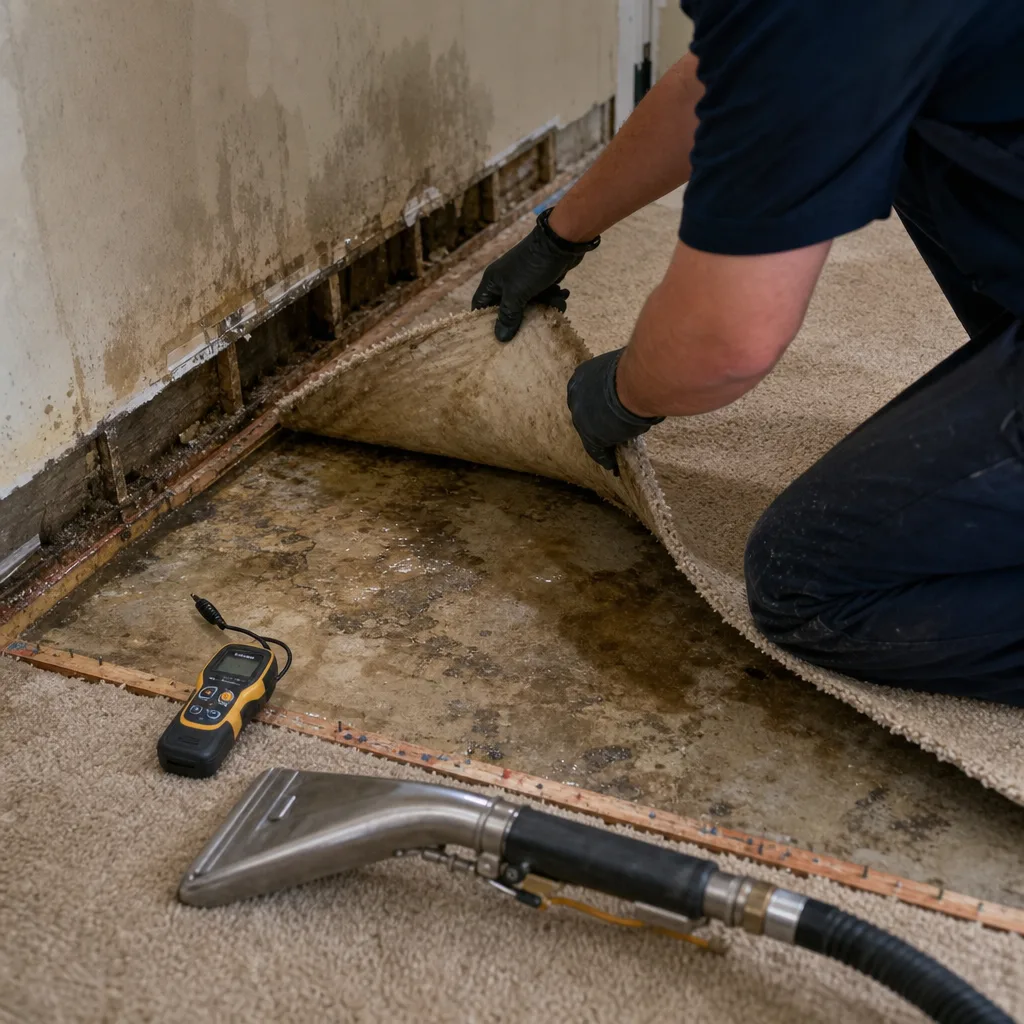
We walk the loss with thermal imaging and moisture meters to map smoke migration, char depth, and fire-suppression water saturation. In Santa Monica’s marine-layer environment, we pay particular attention to whether charred framing is already reading above 16% moisture content, the threshold where mold colonization accelerates. Every reading is logged for the insurer.
2. Emergency Board-Up & Tarping
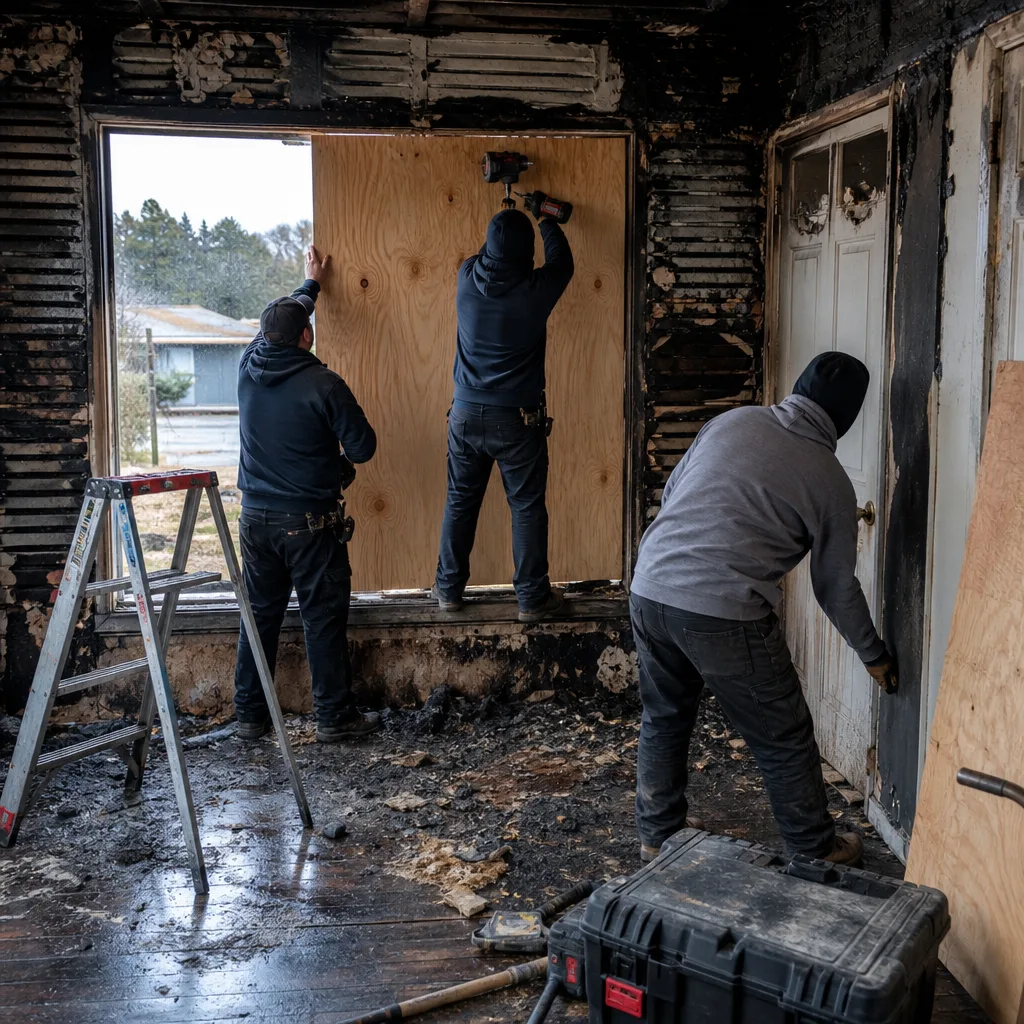
Securing the structure comes before any interior work. For Santa Monica’s alley-load townhomes and gated apartment courts, we carry rolling-code remote programmers and coordinate with property managers for rear-access doors. We document every entry point secured with photo timestamps for both the property owner and the insurance file.
3. Water Extraction & Structural Drying
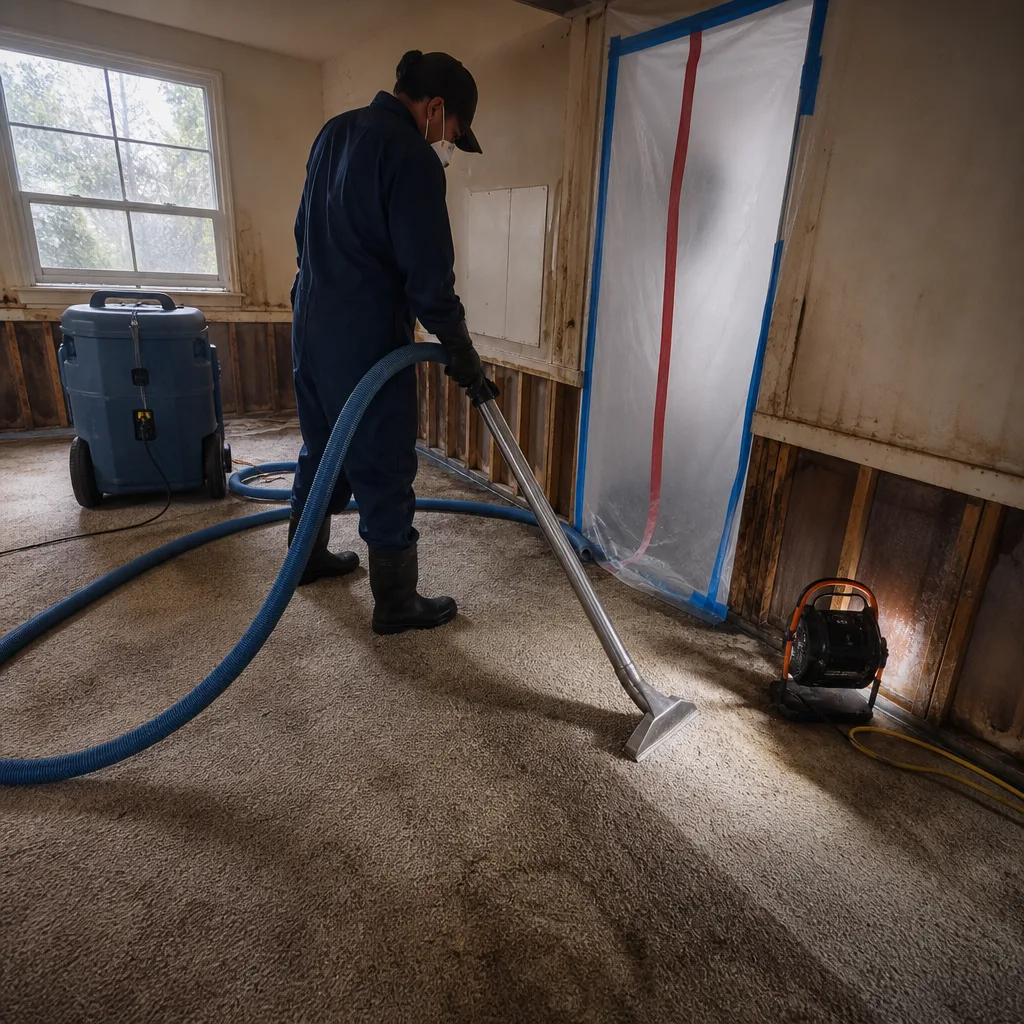
Fire suppression typically leaves 50-200 gallons in a residential unit. We deploy Dri-Eaz and Phoenix dehumidifiers sized to the space, but calibrated for Santa Monica’s ambient humidity, which runs 75-85% most mornings. Drying targets that inland crews hit in 3 days routinely take 5-7 days here; we log daily moisture readings and adjust equipment rather than pulling it early.
4. Smoke & Soot Removal
Chemical sponges, HEPA vacuums, and ultrasonic cleaning for contents. In Santa Monica’s damp conditions, we run hydroxyl generators and HEPA air scrubbers simultaneously to manage both particulate and moisture, preventing the smearing that dry-wipe crews cause when they ignore the humidity factor.
5. Odor Removal & Deodorization
Thermal fogging and ozone treatment for light odor; sealed-chamber hydroxyl treatment for heavy protein or synthetic smoke. In shared-wall buildings common from Wilshire to the Palisades, we test adjacent units with particle counters to confirm odor hasn’t migrated before we clear the job.
6. Repairs & Reconstruction
Structural repair, drywall replacement, finish matching, and full rebuild to pre-loss condition. For work in Santa Monica’s Coastal Zone, we handle the dual-track permitting through City Building & Safety and the California Coastal Commission, so reconstruction doesn’t stall for weeks while an out-of-area contractor learns the local process.
Need Emergency Fire & Smoke Damage Restoration in Santa Monica Now?
Crews minutes away, answering live 24 hours a day. The sooner we start, the less it costs.
Working With Your Insurance Company
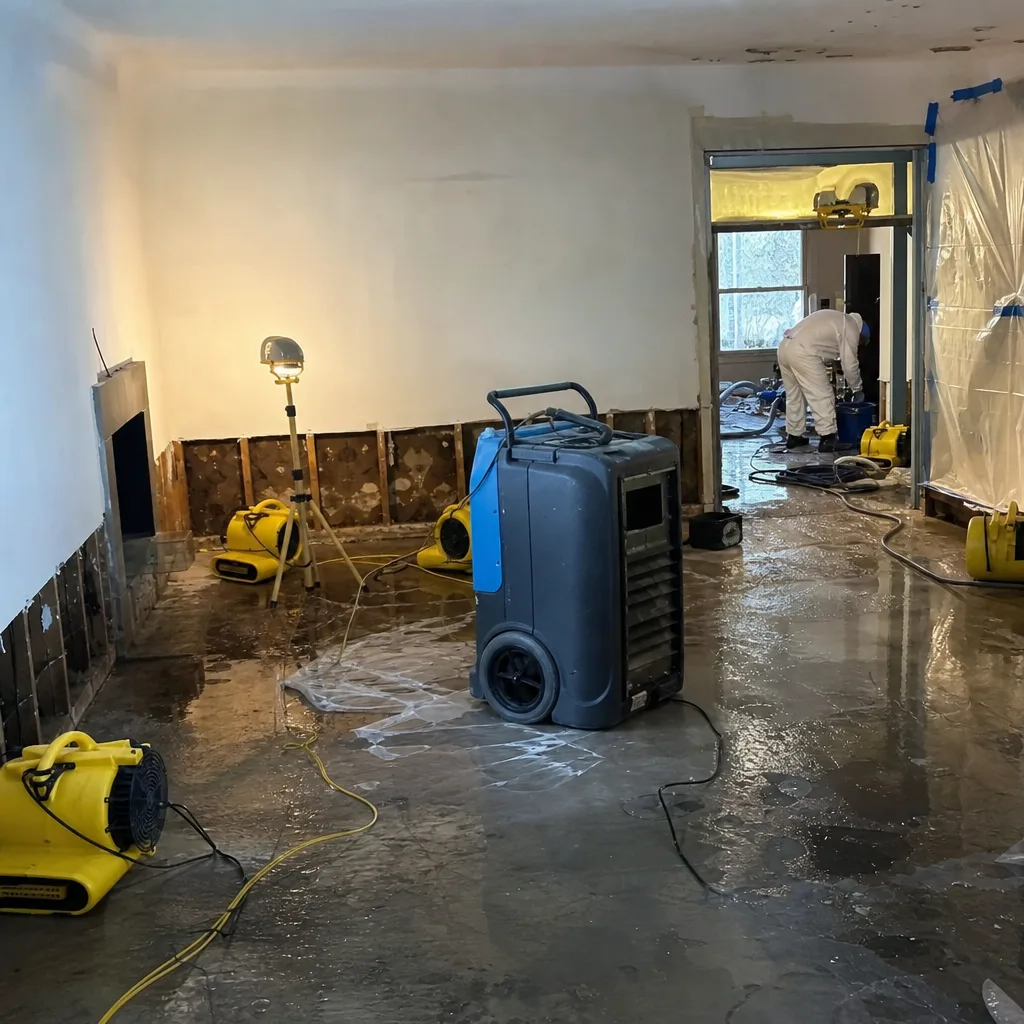
Fire claims are documentation-dependent from minute one. The adjuster needs to see what burned, what smoked, what water damaged, and what was done about it, in that order. We start photo documentation at the initial walkthrough and maintain it through every phase: board-up shots, moisture readings with timestamps, equipment placement photos, daily drying logs, and final clearance documentation. Our estimates are written in Xactimate, the industry standard that carriers recognize and process without back-and-forth revision requests.
We communicate directly with your adjuster, not through you as a relay. That means we field scope questions, provide supplemental documentation when hidden damage extends the loss, and negotiate line items that an initial estimate might have missed. Alicia Brennan founded Back to Dry in 2011 after working as a claims adjuster and watching homeowners lose legitimate coverage because their restoration contractor’s paperwork was incomplete or late. That origin is why documentation is built into every job, not offered as an upsell.
What We Provide Your Insurer
- Thorough documentation of the loss
- Photos of all damage, room by room
- Moisture readings and drying logs
- A detailed, line-item scope of work
- Direct coordination with your carrier
Built for Santa Monica’s Loss Calendar
Santa Monica’s fire risk doesn’t follow a simple seasonal pattern, but the conditions that complicate fire restoration do. January through March brings the heaviest atmospheric river storms, and when electrical fires strike during these periods, crews are already managing elevated ambient humidity that slows every drying protocol. Summer’s dry Santa Ana events increase brush and structural fire risk, particularly in the canyon-adjacent areas, but the marine layer still rolls in overnight to complicate morning soot work.
The bigger pattern is building age and density. The city’s rent-controlled pre-1979 stock, protected under one of California’s strictest ordinances, carries decades of deferred electrical and plumbing work. Aluminum wiring, overloaded panels, and aging galvanized gas lines in Spanish Colonial bungalows and mid-century walk-ups produce the slow electrical smolders and kitchen flare-ups that generate wet, plastic-heavy smoke rather than clean wood burns. Multi-unit buildings mean single-source fires routinely become multi-party claims, with smoke migration through shared stucco cavities and attic spaces that out-of-area crews miss because they scope only the unit with visible damage.
Fire & Smoke Damage Restoration Across Santa Monica’s Neighborhoods
Ocean Park, from the beach to Lincoln Boulevard, is dense with 1950s-60s dingbat walk-ups and small apartment courts. Fires here are typically kitchen or electrical, and the shared wall construction means our first move is always containment and adjacent-unit testing, not just surface cleaning in the source unit. The alley-load access off streets like Ocean Park Blvd requires coordination with property managers for rolling-code gates, and our crews carry the programming equipment to avoid delays.
Montana Avenue and the North of Montana corridor is single-family and small multi-family stock from the 1920s-40s, with original plaster and lath, clay tile roofs, and mature landscaping that complicates ladder access for board-up. Fires in these structures often involve older electrical systems and produce dry smoke that penetrates deeply into porous plaster. We use gentler cleaning chemistry and longer contact times to avoid etching historic finishes.
Downtown Santa Monica and the Pico corridor mix commercial and residential, with ground-floor retail and apartments above. Restaurant kitchen fires in this zone send protein-heavy smoke upward through utility chases, and our protocol includes sealing HVAC returns and running negative air pressure to prevent redistribution.
The Palisades bluff base and lower-lying streets near San Vicente see the combined fire-plus-water pattern most acutely, because these buildings sit where storm drainage struggles and the marine layer is thickest. A fire here almost always means extended dehumidification alongside the smoke work, and we plan equipment runs accordingly rather than discovering the moisture problem after the soot crew has left.
Specialized Fire & Smoke Damage Restoration Services We Offer in Santa Monica
Fire Damage Cleanup
Structural cleaning from char removal through finish restoration, with moisture mapping included as standard because Santa Monica’s humidity turns charred wood into a mold substrate within 48 hours. We document every square foot of affected material for the insurance scope.
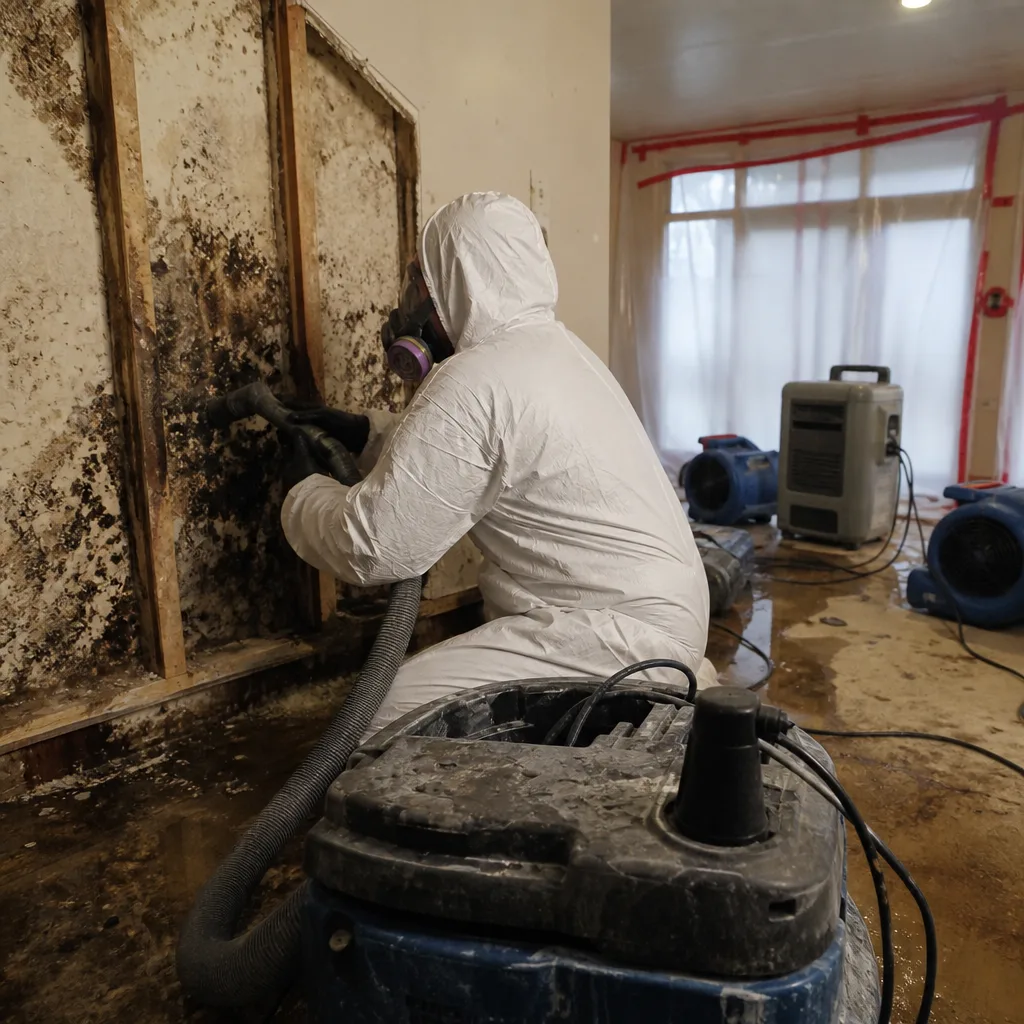
Smoke & Soot Removal
Dry, wet, and protein residue identification followed by chemistry-matched cleaning. In Santa Monica’s damp mornings, we never dry-wipe; chemical sponges and HEPA vacuuming with concurrent dehumidification prevent the smearing and etching that ruin salvageable surfaces.
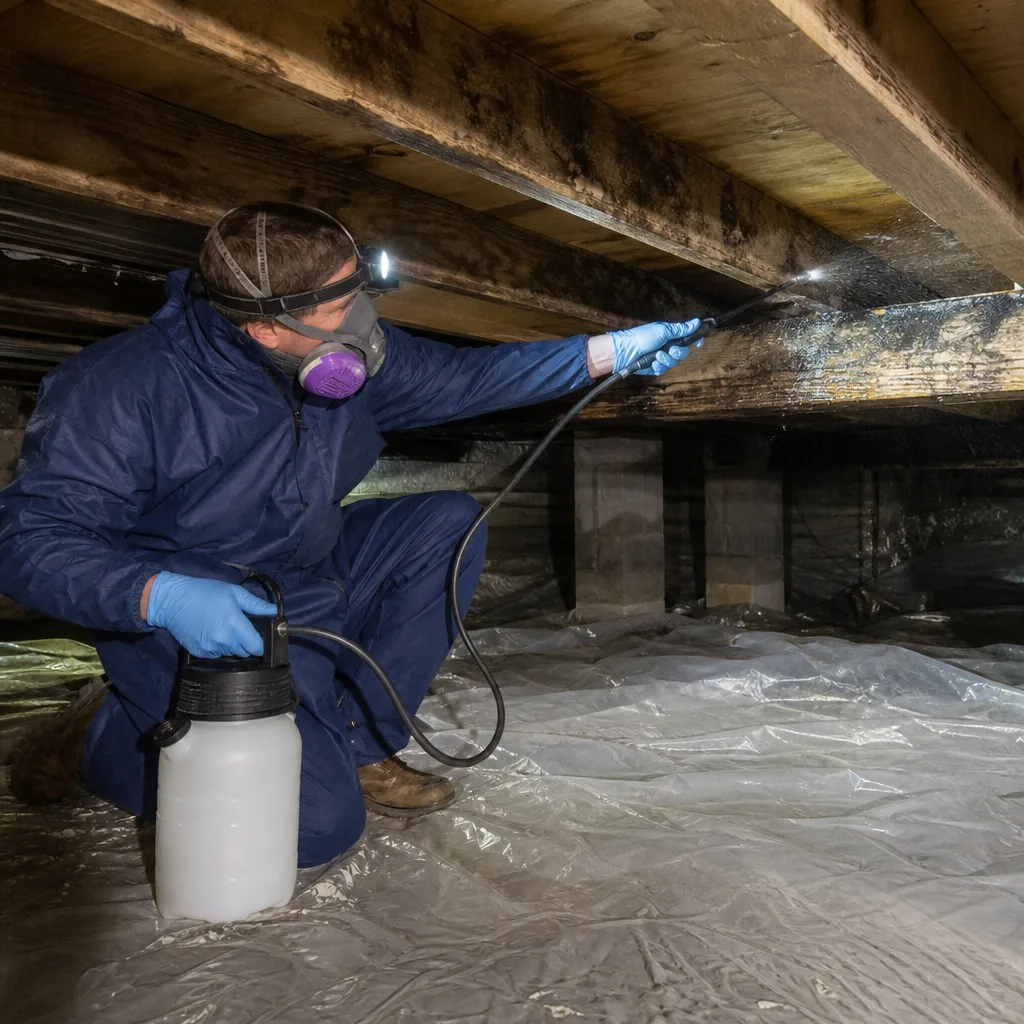
Odor Removal & Deodorization
Hydroxyl generators, thermal fogging, and sealed-chamber treatment for contents. For the persistent protein odors common in Santa Monica’s dense apartment court kitchen fires, we run multi-day hydroxyl protocols with daily odor threshold testing rather than masking with fragrances.
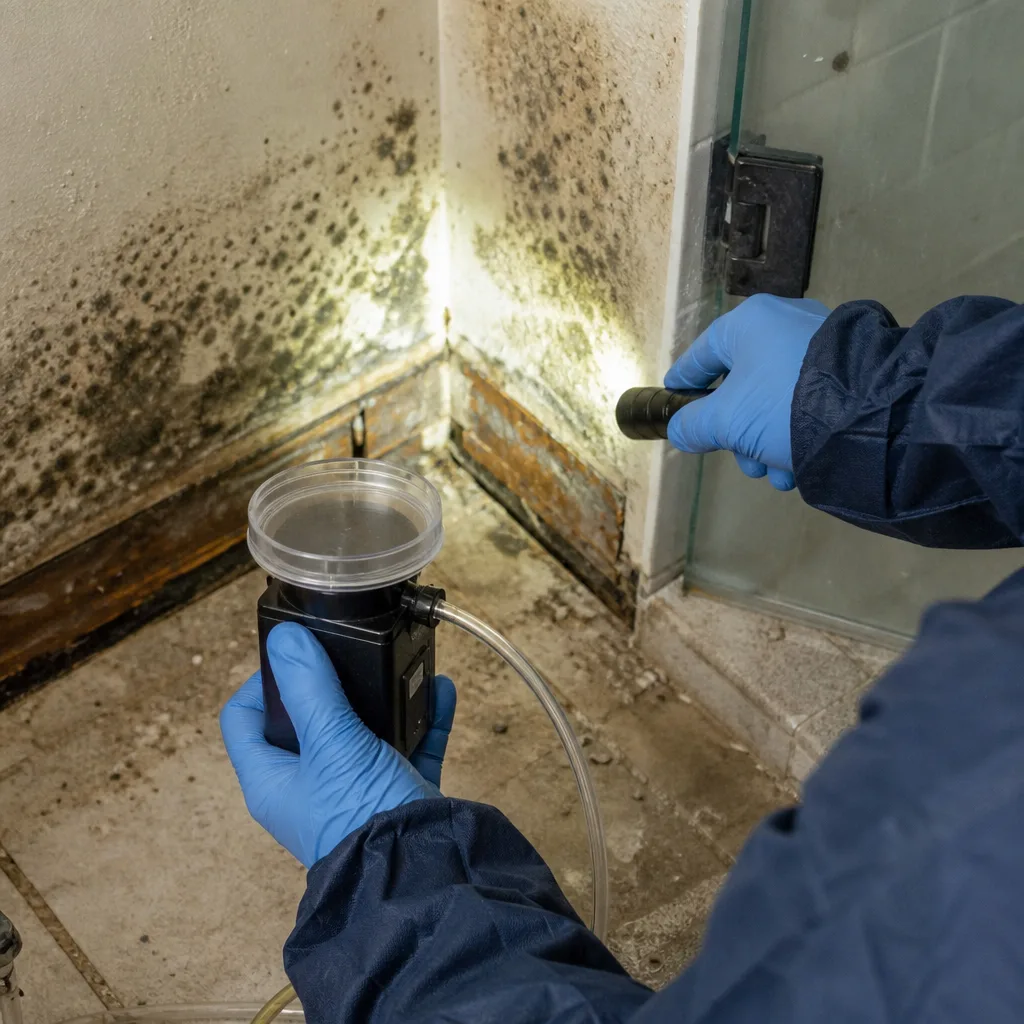
Contents Cleaning & Pack-Out
On-site cleaning where possible; ultrasonic and ozone chamber treatment for smoke-affected items at our facility. We inventory every item with photo documentation for the contents claim, a step many crews skip.
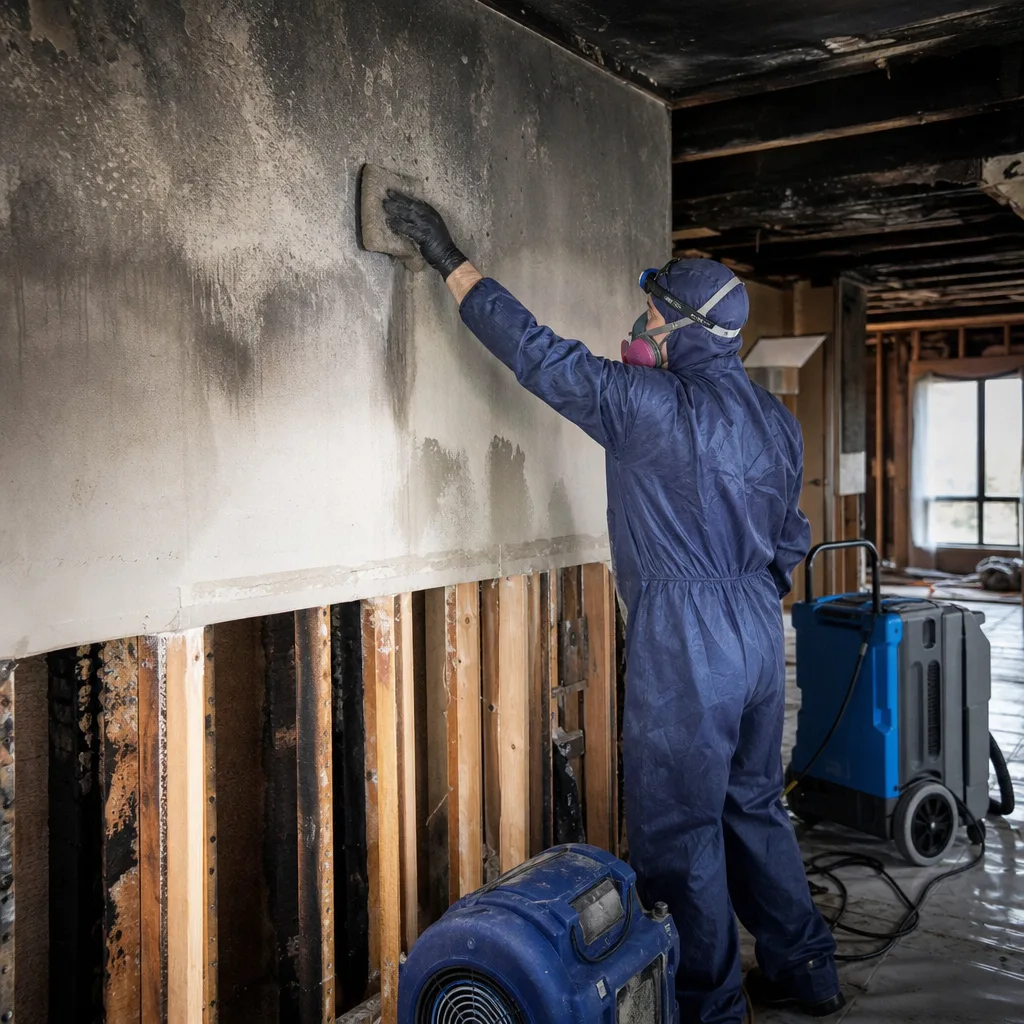
Emergency Board-Up & Tarping
Immediate structural security with materials matched to Santa Monica’s coastal wind exposure. For gated properties and alley-load access points, we program rolling-code remotes and coordinate with HOA or property management for rear-entry board-up that doesn’t leave the building exposed.
What happens when you call
- 1
A real person answersNo phone trees - you reach a local pro.
- 2
You get an upfront price rangeHonest numbers before anyone is dispatched.
- 3
A background-checked tech heads outLicensed & insured, dispatched right away.
- 4
You approve before work beginsNothing starts until you say go.
Fire & Smoke Damage Restoration Costs in Santa Monica, CA
Light smoke and soot cleanup in a single Santa Monica room typically runs $3,200-$5,500. Moderate damage with charred framing, smoke migration to adjacent spaces, and fire-suppression water falls in the $7,500-$14,000 range. Heavy structural damage with reconstruction, particularly in Coastal Zone properties requiring dual-track permitting, can reach $18,500-$35,000.
What moves the price: square footage affected, residue type (protein and wet smoke require more labor hours than dry smoke), whether fire-suppression water adds a full drying protocol, and whether smoke migrated to adjacent units triggering multi-party claims. The marine-layer humidity extends equipment runs and labor hours compared to inland LA quotes, but skipping that extension produces callbacks for mold and persistent odor that cost far more than doing it right initially.
Most residential fire damage is covered by standard homeowners or renters policies, less the deductible. We provide the documentation package that gets claims paid, and we offer a Free Second Opinion on any competitor’s written estimate if you’re comparing scopes. Call (424) 365-9728 for a free visual inspection and written price before any work begins, Haven Standard, Clause 1.
We Also Serve Cities Near Santa Monica
Our crews work daily in Santa Monica and the surrounding beach cities: Venice to the south, with its canal-district walk-ups and dense multi-family stock; Pacific Palisades to the north, where canyon brush-fire risk meets coastal humidity; Marina del Rey, with its marina-adjacent condos and ground-floor commercial; and Playa del Rey, where the Ballona Wetlands proximity creates unique moisture conditions in fire-damaged structures. Same documentation standards, same written-price-first protocol, same 45-minute response.
Serving Santa Monica, CA - Our Local Coverage Area
We’re based in the Santa Monica area and know this community well. Use the map below to see our service coverage - if you’re nearby, we can almost certainly help.
Santa Monica Fire & Smoke Damage Restoration Questions, Answered
We’re in a rent-controlled Santa Monica apartment court and had a kitchen fire - will the smoke smell reach the units above and beside us?
Yes, almost certainly. Santa Monica’s 1920s-1960s apartment courts and dingbat walk-ups share stucco wall cavities and attic spaces that smoke penetrates readily. In our field work, we’ve traced kitchen smoke from a ground-floor unit into two or three neighboring units through a single shared wall chase. We test adjacent units with particle counters and odor threshold evaluation as standard, not as an add-on, and we document findings for both your insurer and the neighboring policies. Call (424) 365-9728 and we’ll scope the full building impact, not just the visible source.
Our building has a rolling-code gate and a rear alley-load door. How do you get in fast for a fire board-up?
We carry rolling-code remote programmers and maintain current frequency libraries for the common gate systems used in Santa Monica’s multi-family stock. For alley-load doors, we coordinate with property managers or HOA contacts who have rear-access keys, and we document every entry point secured with timestamped photos for the insurance file. If you’re the property manager or owner, call (424) 365-9728 and we’ll confirm access protocols in advance so there’s no delay when minutes matter.
Why does fire cleanup here seem to take longer than what an inland LA crew quotes?
Santa Monica’s near-permanent marine layer holds indoor relative humidity at 75-85% most mornings, which means two things for fire restoration: soot residue pulls surface moisture and smears instead of wiping clean, requiring chemical sponges and slower, more controlled cleaning; and charred framing stays wet far longer than manufacturer drying specs assume, extending dehumidification runs by 40-60% compared to drier inland conditions. Inland crews quoting standard timelines either don’t know this or plan to pull equipment early and leave you with mold callbacks. We quote realistic timelines based on actual psychrometric data from your structure. Call (424) 365-9728 for a scope that accounts for local conditions.
Do you handle the Coastal Zone and City of Santa Monica permitting for fire repair, or do we have to chase that ourselves?
We handle it. Restoration permits in Santa Monica go through the City’s own Building & Safety division, separate from LA City, and any structural or exterior work within the Coastal Zone may require California Coastal Commission sign-off. Out-of-area contractors routinely stall here for weeks. Our reconstruction team submits both tracks simultaneously and tracks review status, so rebuild scheduling isn’t held up by a permitting gap. That’s included in our reconstruction scope, not billed separately. Call (424) 365-9728 to discuss your specific repair needs.
If a fire was put out with water, does that water become a Category 3 or black-water problem too?
Not automatically, but it can. Water from fire suppression starts as Category 1 if it’s clean municipal supply, but it degrades based on contact time and what it passes through: ash, soot, charred debris, and the chemicals in burned plastics and synthetics. In Santa Monica’s older buildings, it may also pick up lead or asbestos from legacy materials. We test and classify on-site, document the classification for the insurer, and treat accordingly. Category 3 protocol adds removal and antimicrobial steps that a simple drying job skips. Call (424) 365-9728 and we’ll test your specific loss.
How fast can someone actually get here?
45 minutes to any Santa Monica address, 24 hours a day, with a live person answering every call. We dispatch from our Los Angeles office and coordinate crews who work Santa Monica daily, so they know the traffic patterns, alley configurations, and gate-access protocols. The first crew brings board-up materials, moisture meters, and initial cleaning equipment, not just a clipboard and a promise. Call (424) 365-9728 now if you’re waiting.
Will insurance cover the full restoration, or will we have out-of-pocket costs?
Most standard homeowners and renters policies cover fire and smoke damage restoration, including smoke migration to adjacent units, less your deductible. Out-of-pocket costs typically arise from: upgrades beyond like-kind replacement, deductibles, and coverage limits on contents or additional living expenses. We document every aspect of the loss to support your full claim, provide direct adjuster coordination, and offer a Free Second Opinion on any competitor’s estimate if you’re concerned about scope gaps. Call (424) 365-9728 and we’ll review your policy limits as part of the initial inspection.
Can we stay in the home during fire and smoke restoration?
Usually not during active cleaning and especially not during odor treatment with hydroxyl or ozone, which require sealed environments and occupancy restrictions. For light, contained damage to a single non-essential room, partial occupancy may be possible with containment barriers and HEPA air scrubbers running. We make this call based on air quality testing, not guesswork, and we document the safety determination for your insurer’s additional living expense coverage. Call (424) 365-9728 and we’ll assess your specific situation.
Written by Alicia Brennan, Owner at Back to Dry Restoration, serving Santa Monica since 2011.
Fire & Smoke Damage Restoration in Nearby Areas