
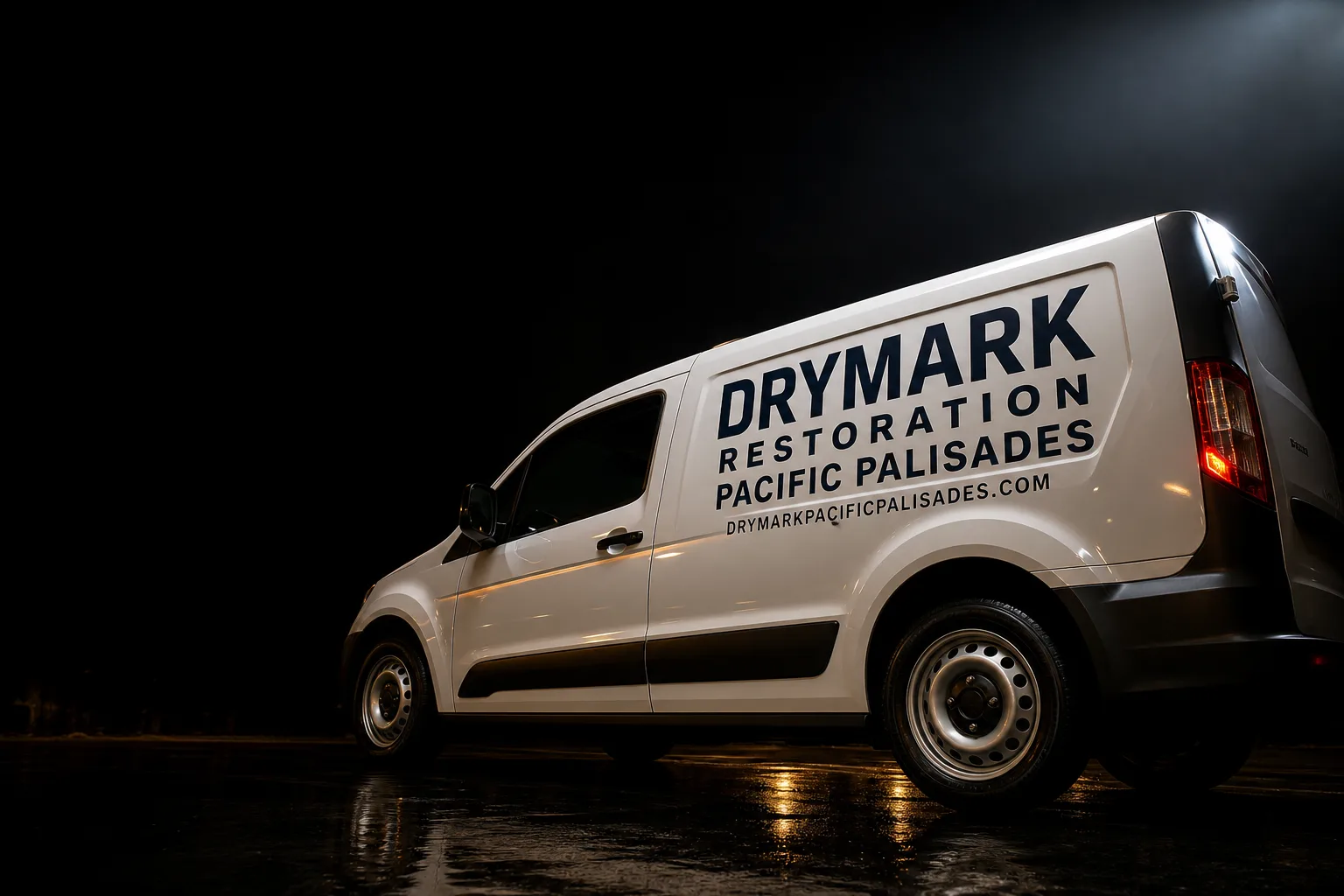
Free visual inspection and a written scope of work before any mitigation begins - photos, moisture readings, and drying logs go in your claim file
The scope we write is the scope we bill. Anything new gets shown to you, in writing, before we touch it.
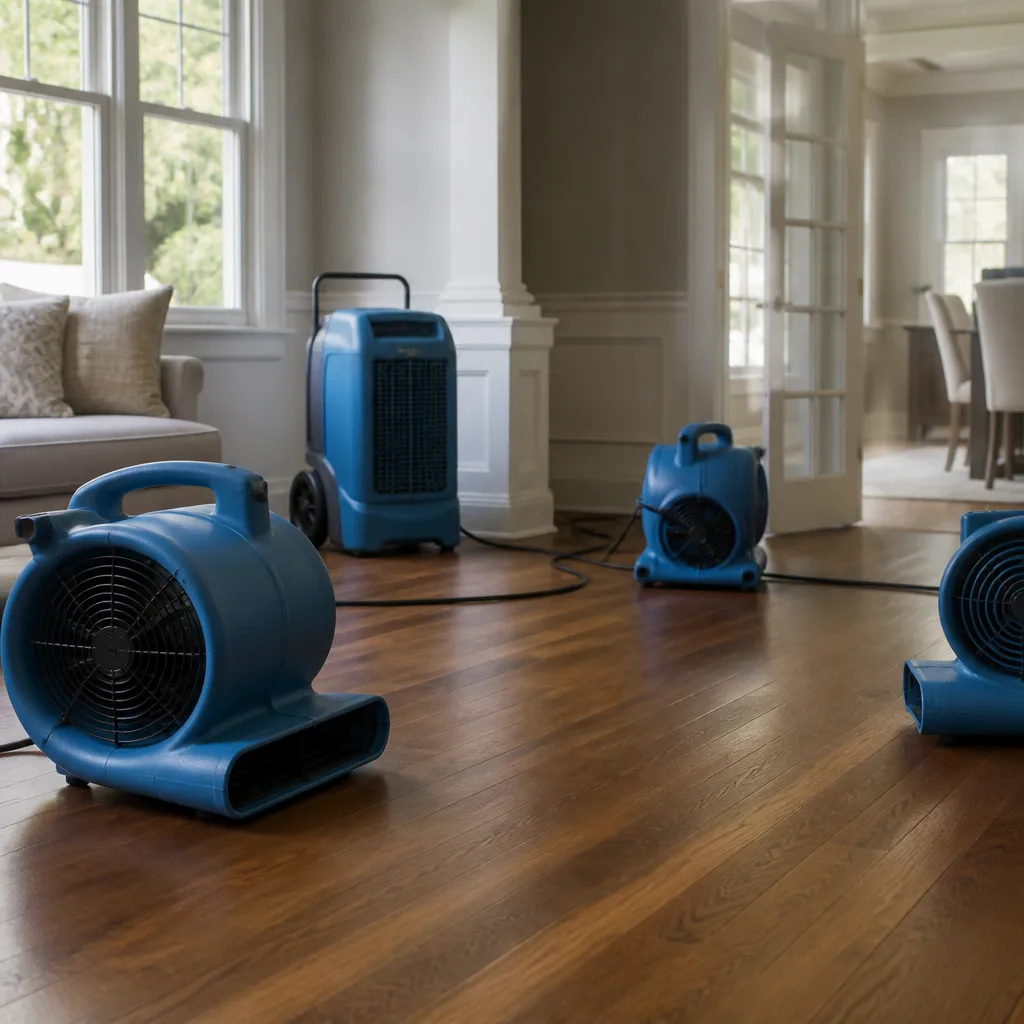
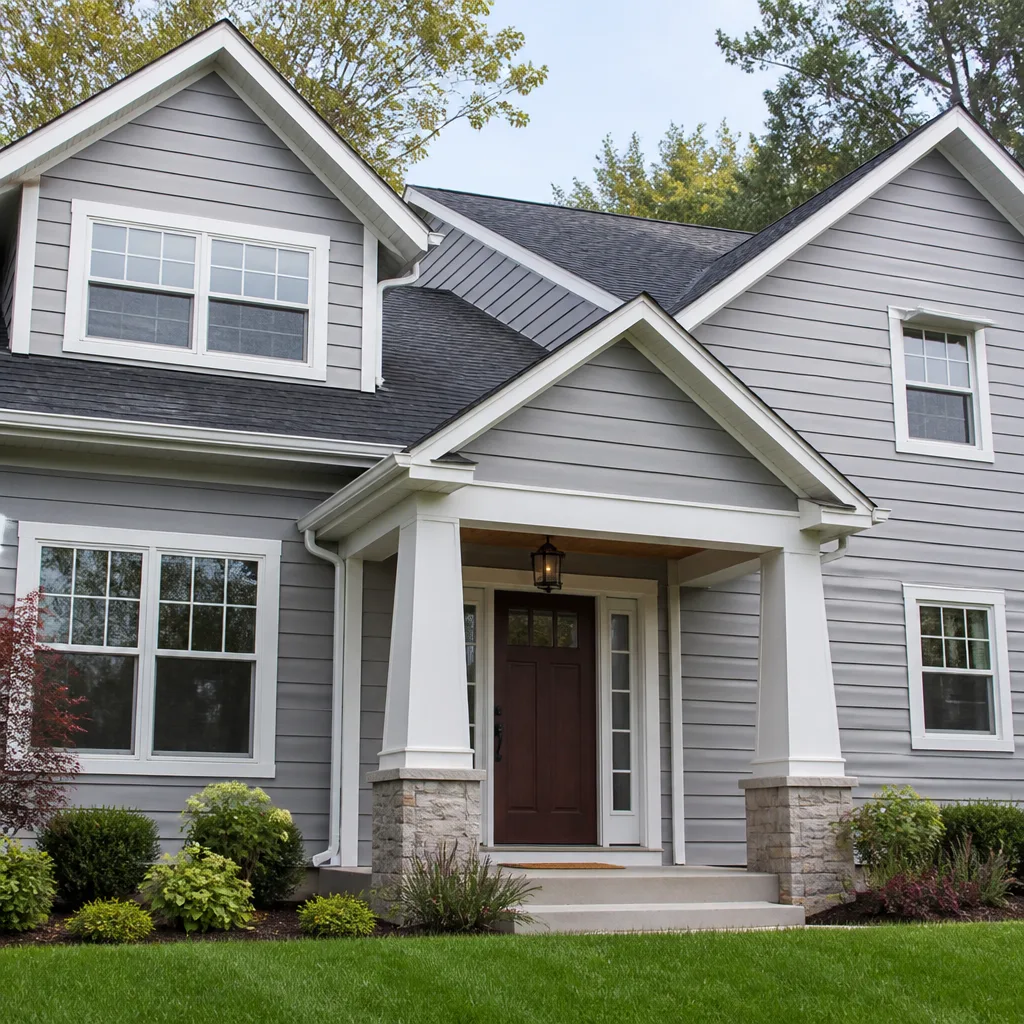
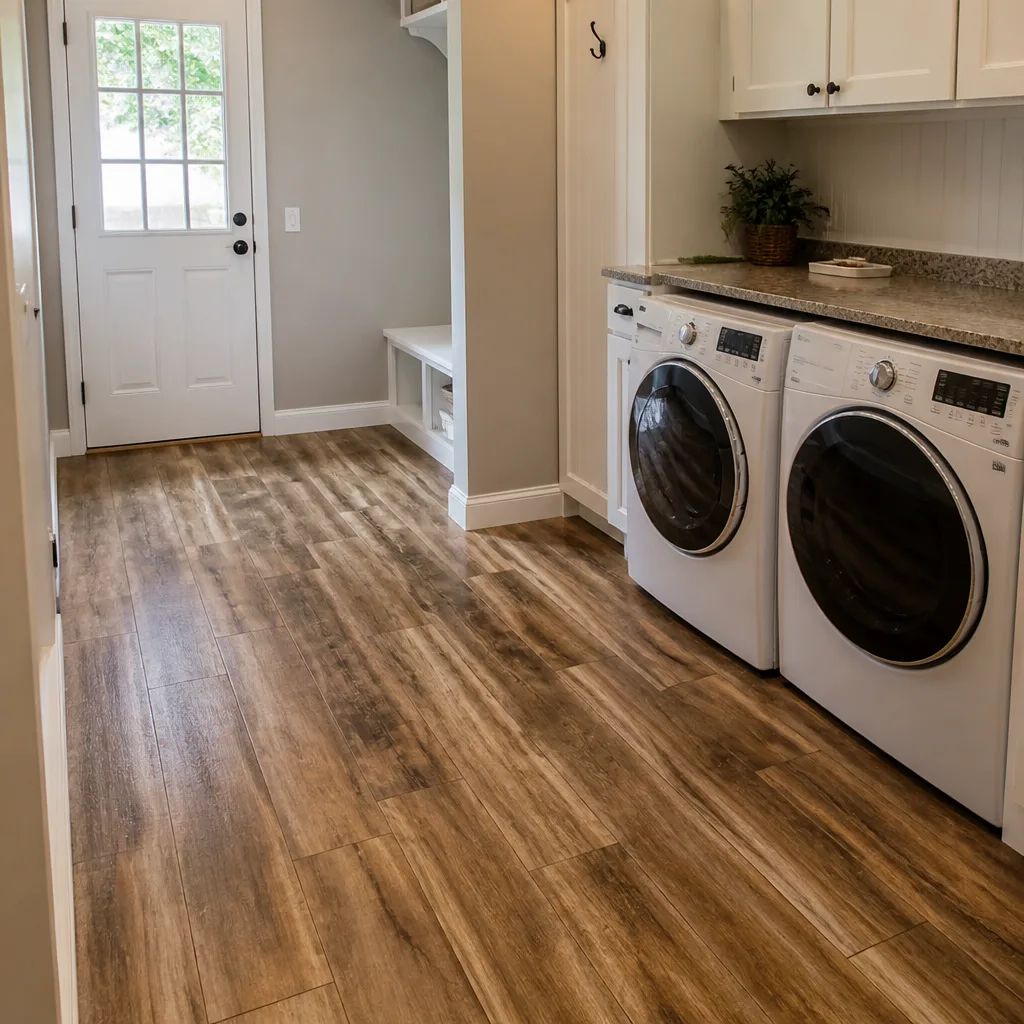
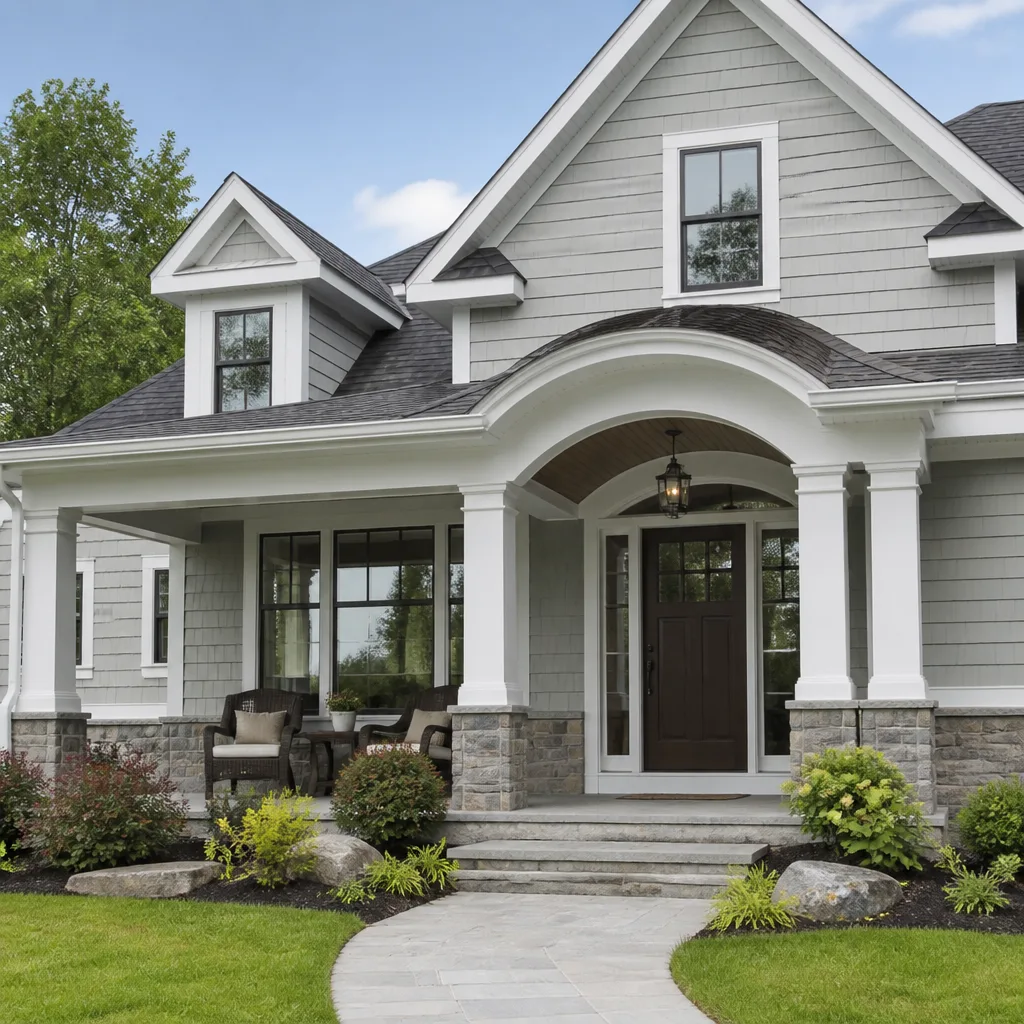
 Before
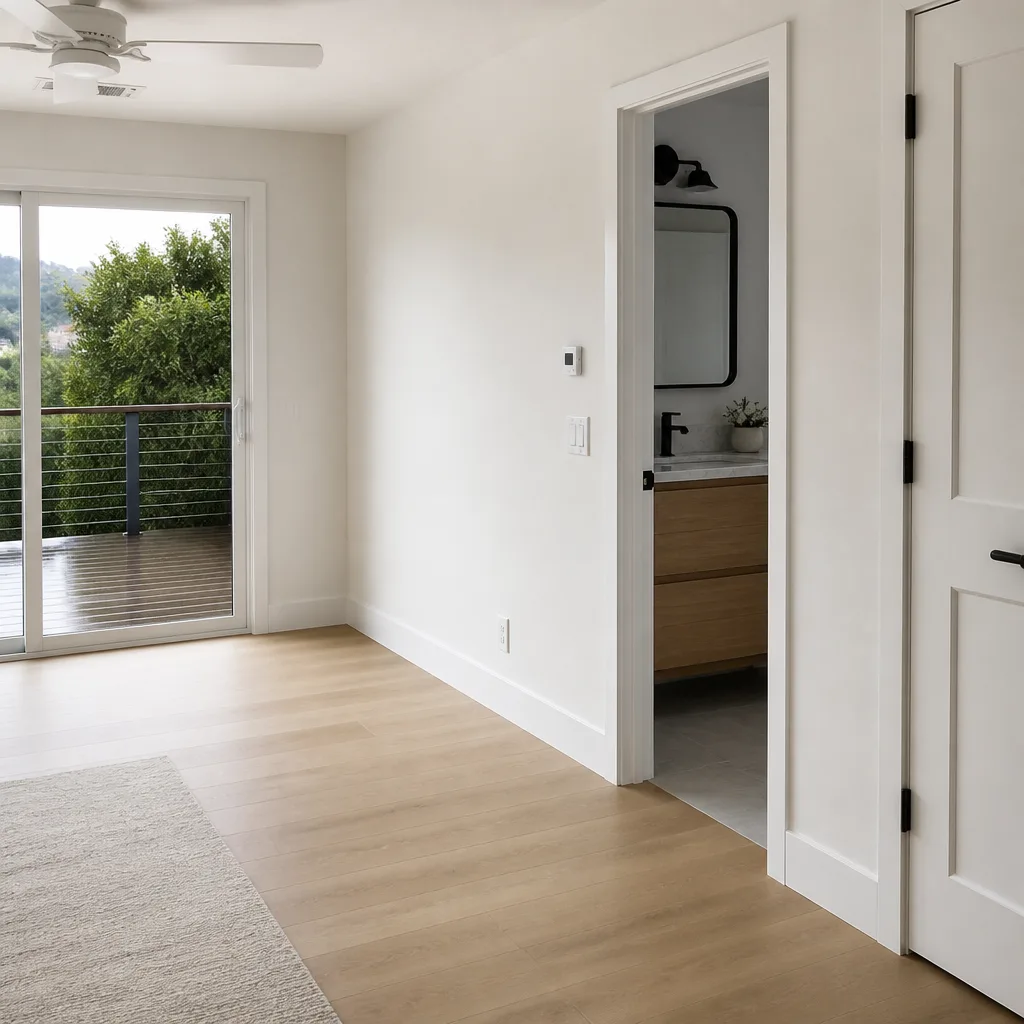 After
After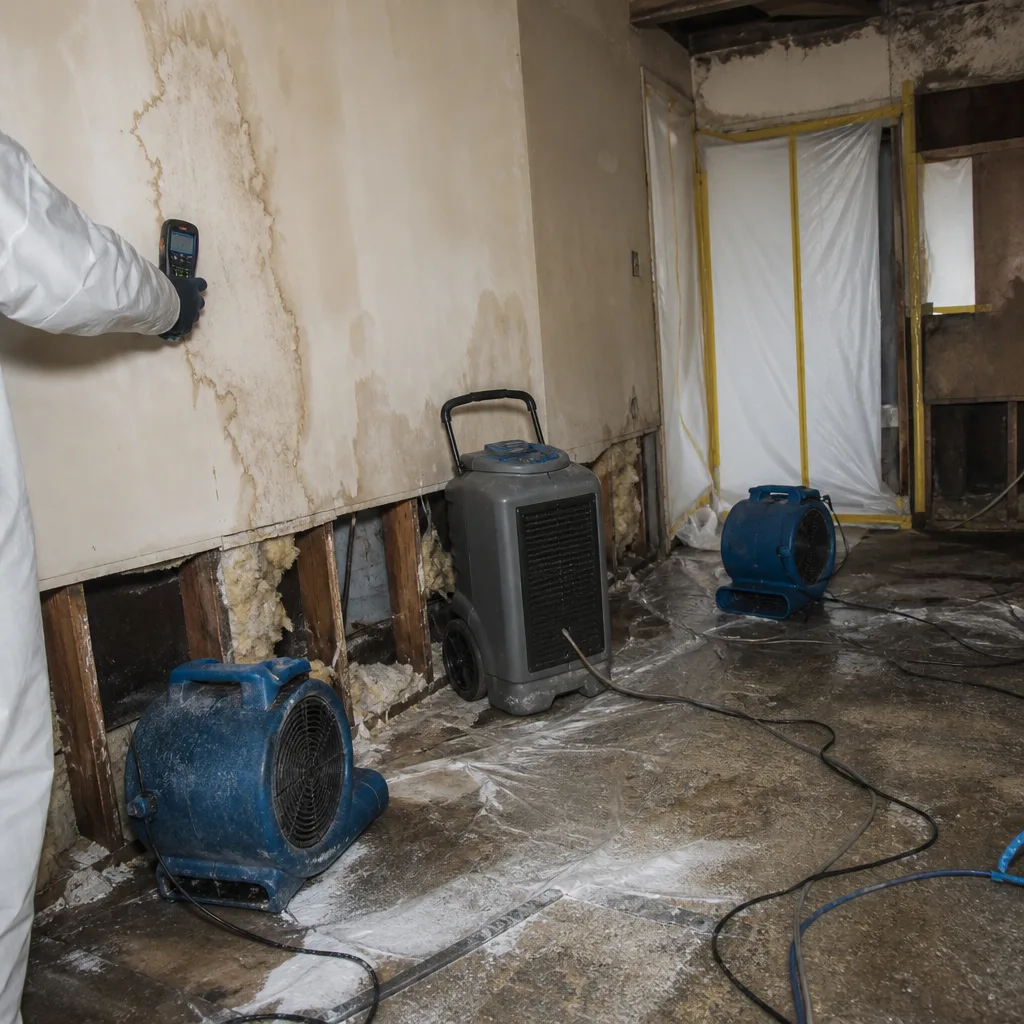 Before
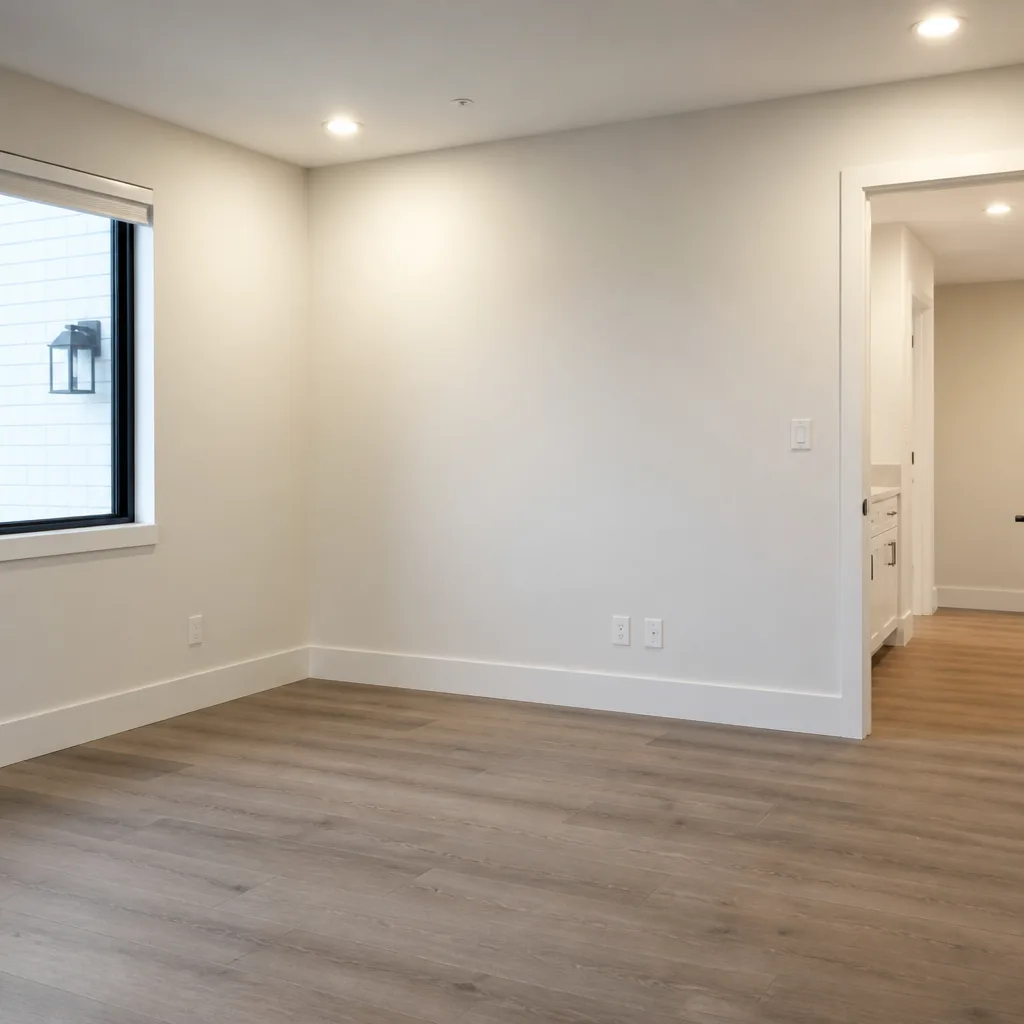 After
After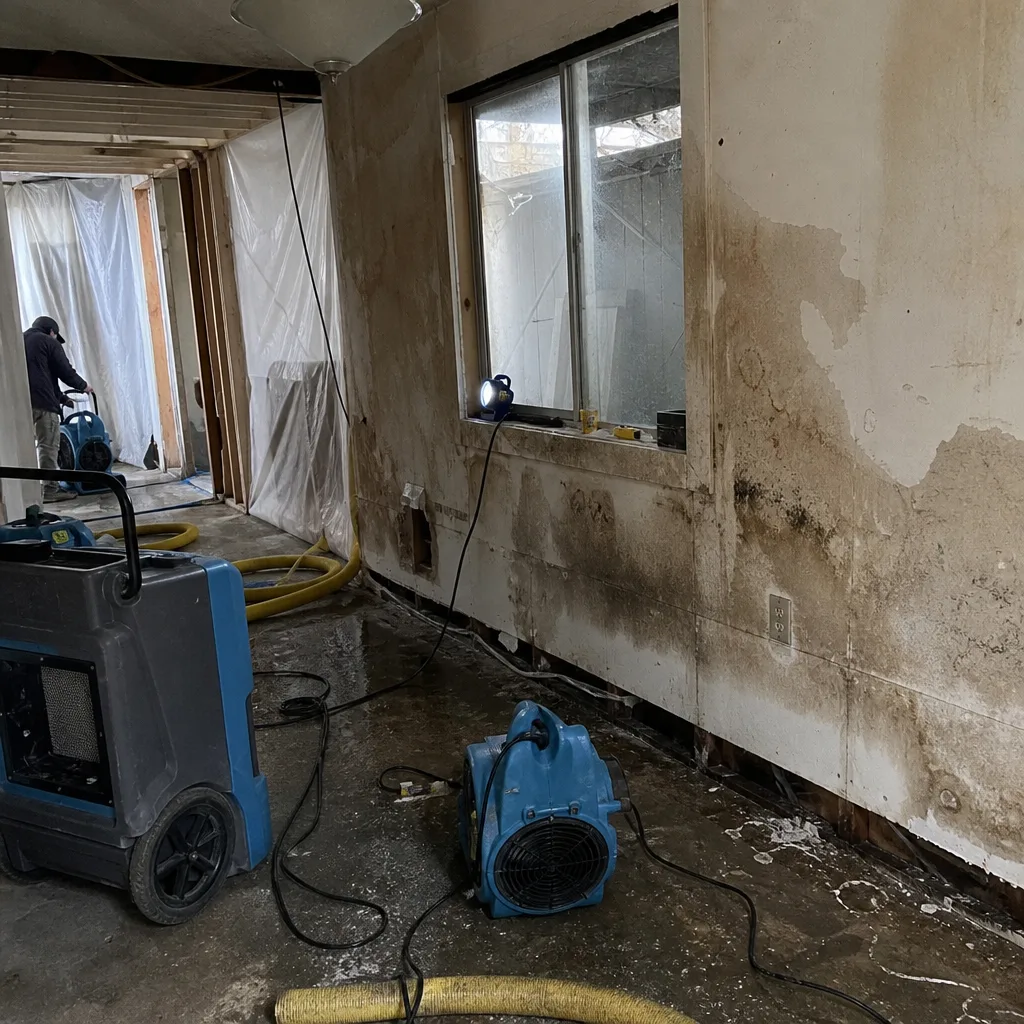 Before
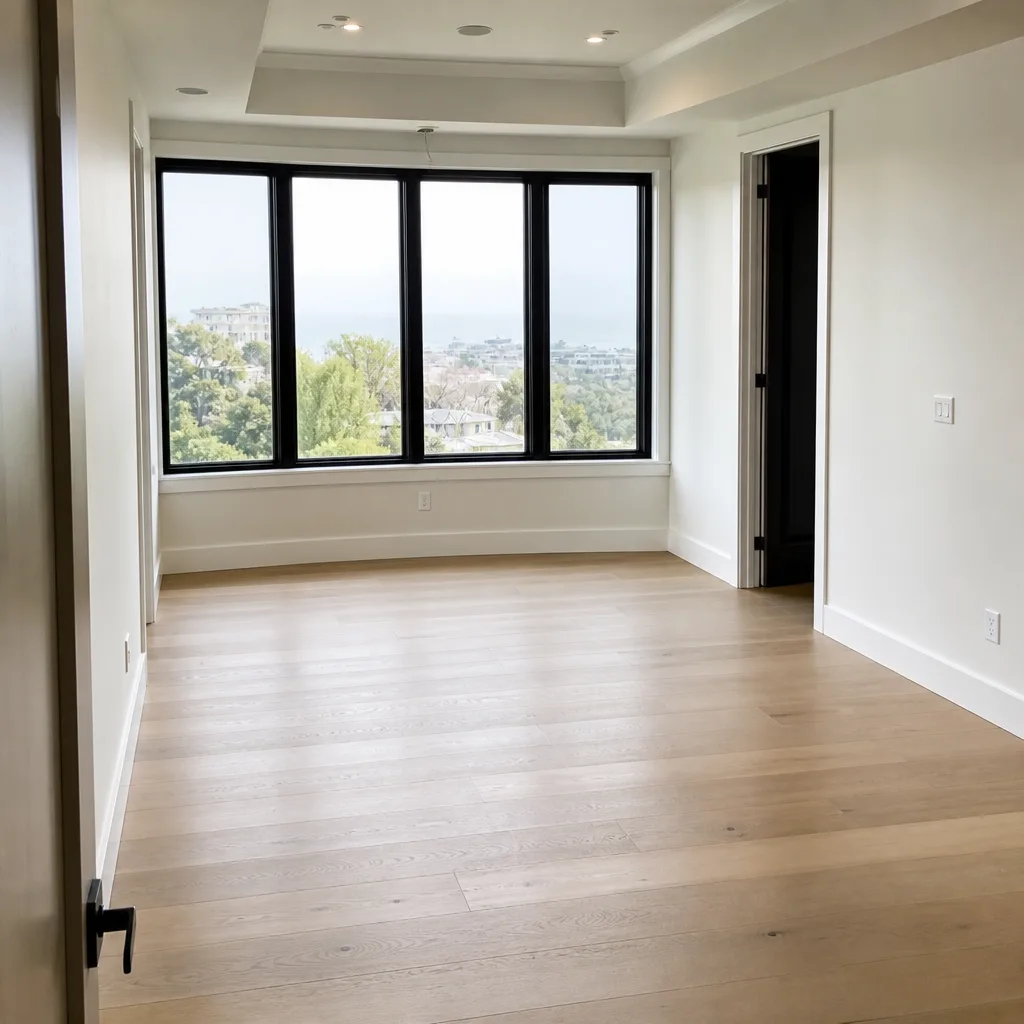 After
After24/7 Emergency Fire & Smoke Damage Restoration in West Hollywood
Fire and smoke damage restoration in West Hollywood typically costs between $4,200 for limited kitchen smoke cleanup and $38,000+ for full structural fire repair in a multi-unit courtyard building, with most single-family or condo jobs falling in the $8,500-$22,000 range. Our crews answer live at (424) 365-9728 twenty-four hours a day, seven days a week - no voicemail, no callback queue. We dispatch from our Los Angeles office to West Hollywood properties inside forty-five minutes because the first hour after a fire determines whether smoke residues set permanently into plaster and whether water from firefighting creates secondary mold issues in WeHo’s poorly ventilated older buildings.
A kitchen fire in a 1930s courtyard apartment on Fountain Avenue or a smoldering electrical issue in a 1960s soft-story dingbat near Santa Monica Boulevard both share the same clock: smoke migrates through shared attic voids and wall chases within minutes, and every hour of delay adds square footage to the remediation scope. We provide a free visual inspection, document everything with photos before any equipment moves, and deliver a written price before work begins - Haven Standard, Clause 1.
Understanding Fire & Smoke Damage Restoration Severity in West Hollywood Properties
Fire damage in West Hollywood breaks into three severity tiers, each demanding different equipment, timelines, and documentation. A Category 1 fire loss involves smoke and soot confined to a single room with no structural compromise - think a contained kitchen grease fire with protein smoke residue on surfaces but intact drywall and framing. Category 2 adds water intrusion from suppression, smoke migration into HVAC ducts or shared wall voids, and partial material removal. Category 3 means structural involvement: compromised load-bearing elements, extensive demolition, and mandatory asbestos and lead abatement before rebuild can start.
West Hollywood’s housing stock makes Category 2 and 3 losses more common than in newer cities. The 1920s-1940s Spanish Colonial Revival courtyard bungalows and Streamline Moderne complexes along Harper Avenue and Havenhurst Drive were built with lath-and-plaster walls, shared attic spaces, and no fire-stopping between units. Smoke travels horizontally through these voids in ways that drywall-framed construction doesn’t permit. The 1950s-60s dingbat apartments on Sweetzer and Genesee, with their open carports and soft-story wood frames, offer minimal fire resistance between units. Our crews map smoke migration with thermal imaging, test all pre-1950 materials for asbestos insulation and lead paint before demo, and build drying scopes around the marine layer’s persistent overnight humidity that keeps soot-acid residues active behind stucco even when surfaces feel dry.
Why West Hollywood Property Owners Choose DryMark Restoration Pacific Palisades
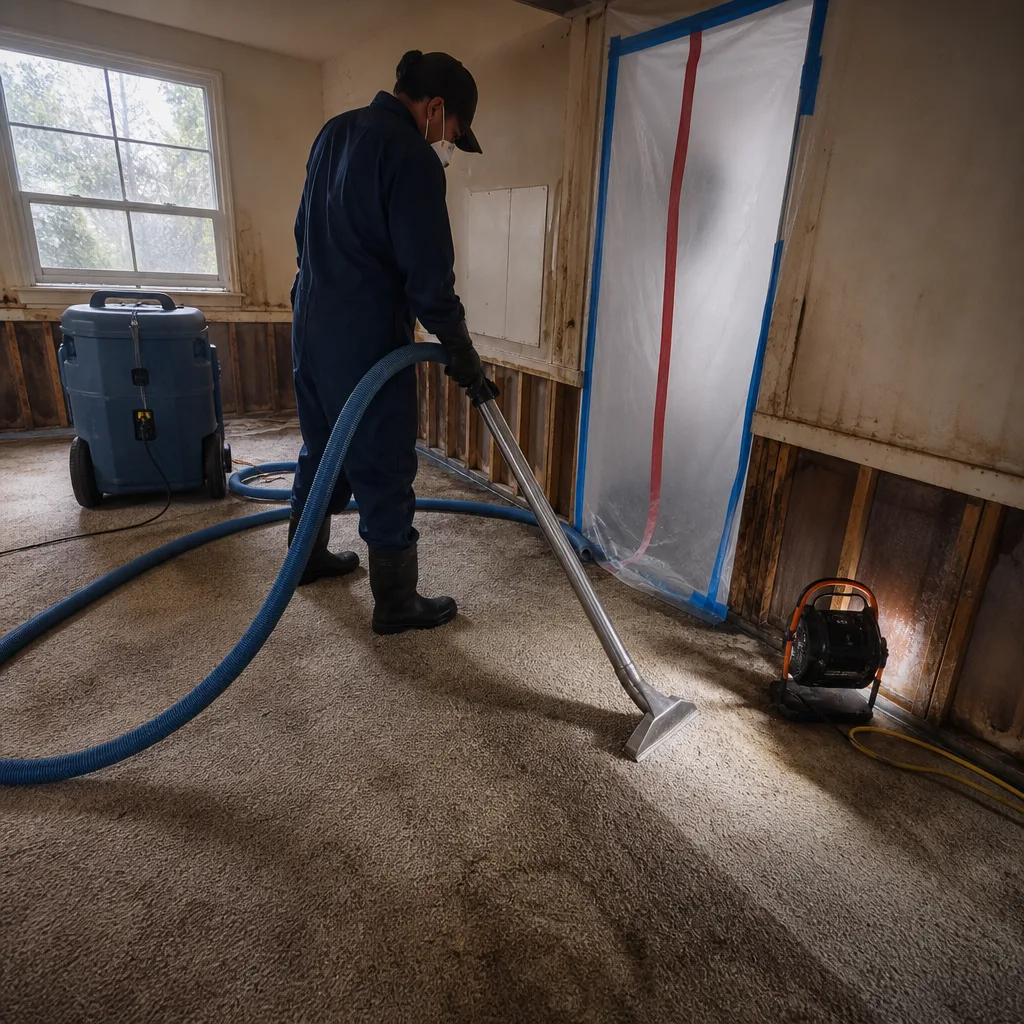
- Forty-five-minute response commitment to West Hollywood from dispatch, with crews staged for the dense street grid between Santa Monica Boulevard and Melrose.
- Twenty-four-hour live answer by a real person - no automated attendant, no “press 1 for emergencies” while smoke is still settling.
- IICRC-certified crews holding FSRT (Fire and Smoke Restoration Technician) and WRT (Water Damage Restoration Technician) credentials, with documentation to RIA and IFA standards on every job.
- Free visual inspection with photo documentation before any equipment is deployed or any price is discussed.
- Direct insurance billing with adjuster coordination from day one - we speak Xactimate, not sales language.
- One team from emergency board-up through final reconstruction, so no handoff gaps in documentation or accountability.
 Before
 After
AfterOur Fire & Smoke Damage Restoration Process
1. Inspection & Assessment
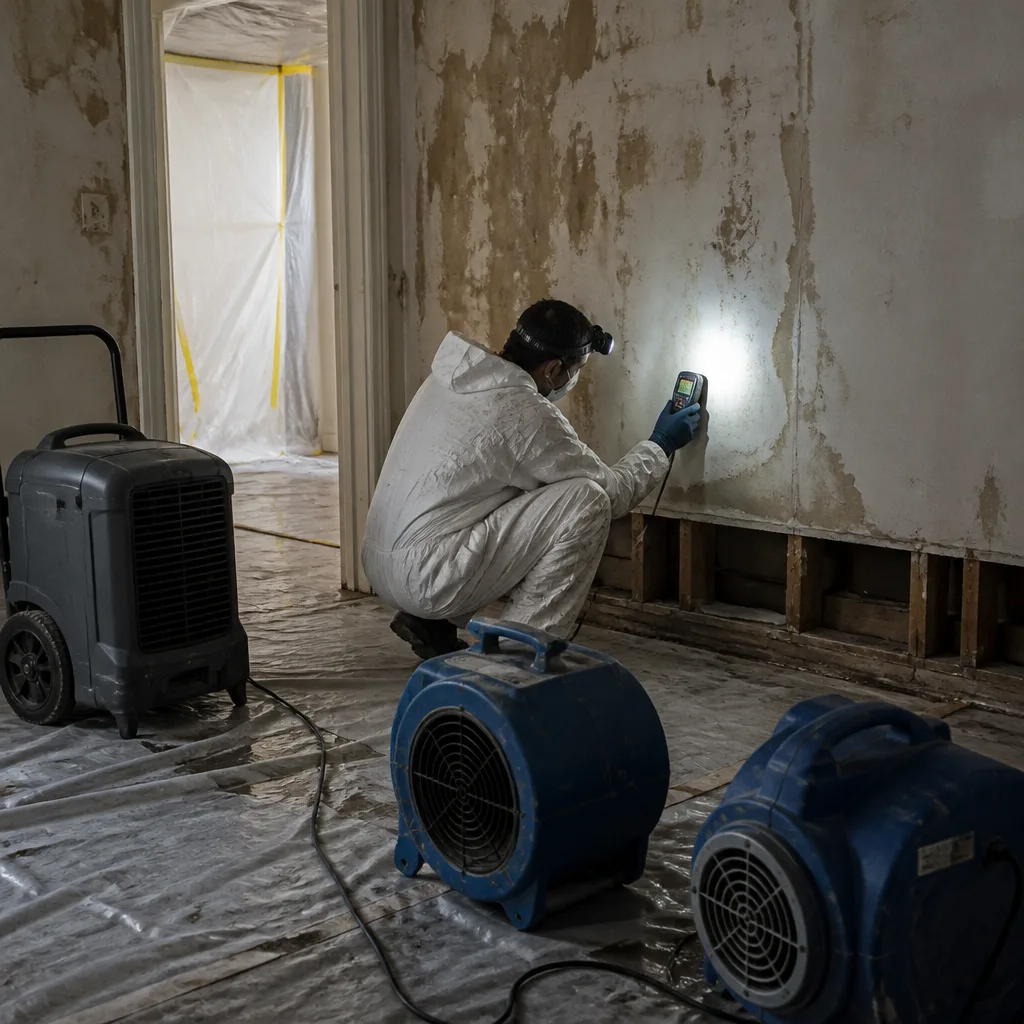
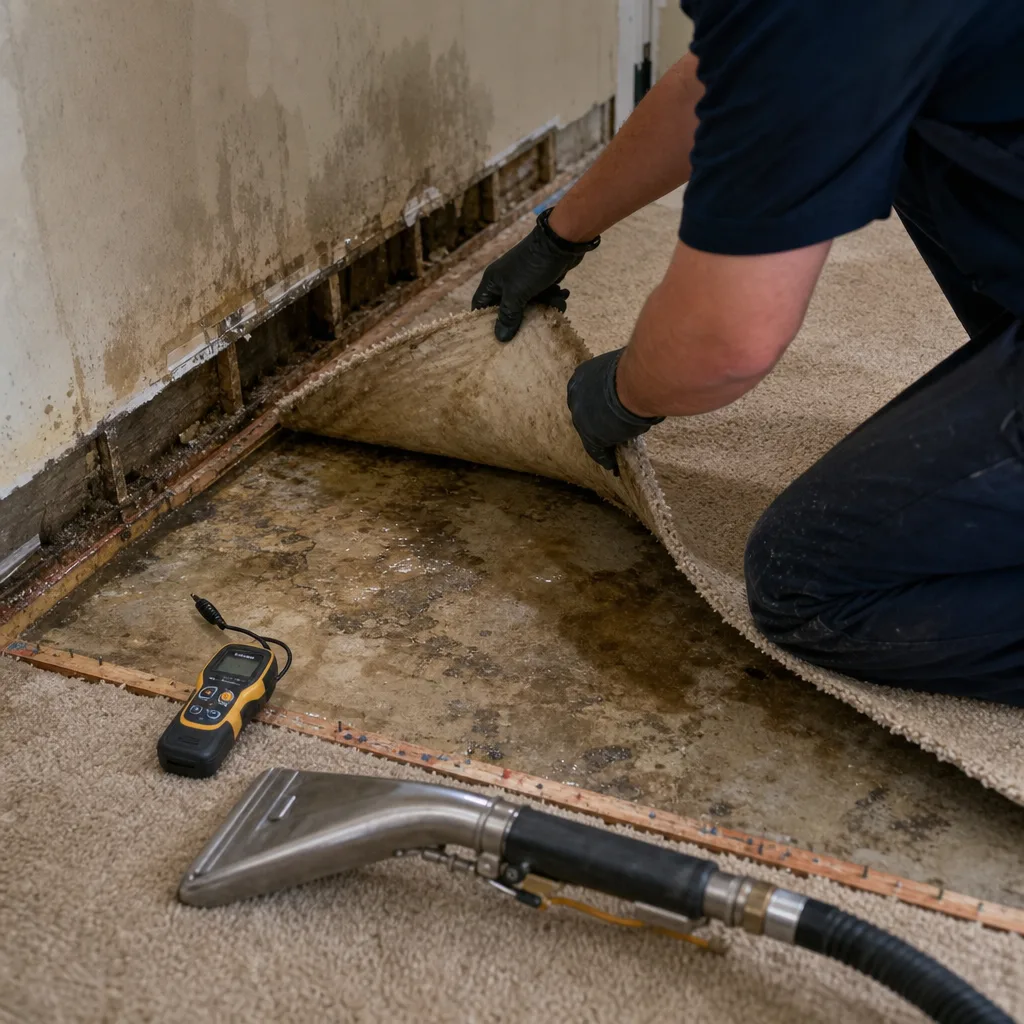
We arrive with thermal imaging cameras, moisture meters, and hygrometers to map the full extent of fire, smoke, and water damage. In West Hollywood’s courtyard buildings, we pay particular attention to shared attic voids and the cast-iron drain chases where firefighting water often tracks undetected. Every reading is logged.
2. Emergency Board-Up & Stabilization
Broken windows, compromised doors, and damaged roofing get secured with plywood and tarps the same day. For soft-story dingbat buildings with open carport structures, we engineer temporary supports to protect the weakened frame from Santa Ana wind loading.
3. Water Extraction & Structural Drying
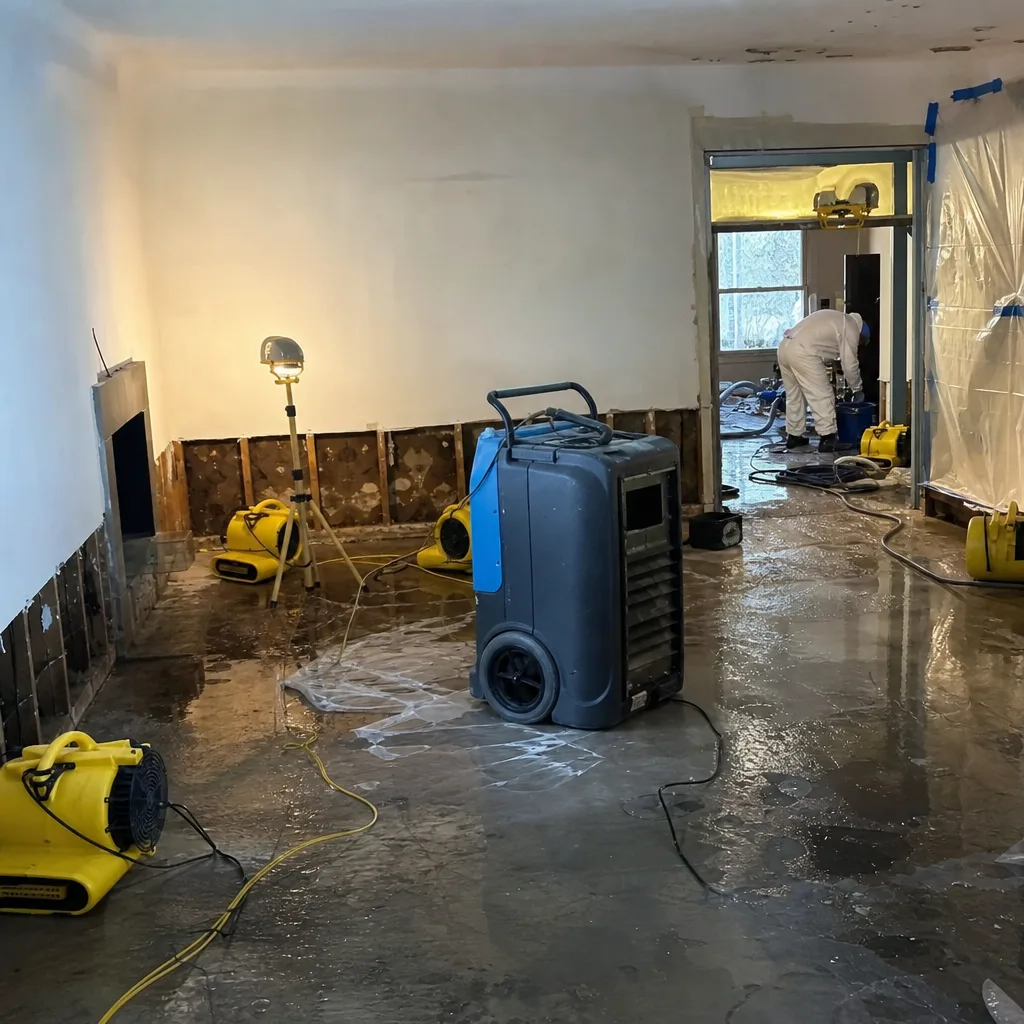
Firefighting water gets extracted with truck-mounted systems, then we deploy Dri-Eaz and Phoenix dehumidifiers with XPOWER air movers positioned for the specific airflow patterns of lath-and-plaster construction. Psychrometric data - temperature, relative humidity, vapor pressure differential - gets logged daily until materials reach dry standard.
4. Smoke & Soot Cleaning
Dry smoke, wet smoke, protein residue, and fuel oil soot each demand different cleaning chemistry. We match the residue type to the surface: HEPA vacuuming for dry smoke on structural elements, ultrasonic cleaning for contents, and chemical sponges for the delicate plaster finishes common in WeHo’s pre-1950 stock.
5. Odor Removal & Deodorization
Thermal fogging, hydroxyl generators, and ozone treatment (where unoccupied) neutralize odor at the molecular level. In West Hollywood’s marine-layer climate, we run extended deodorization cycles because overnight humidity reactivates smoke odors trapped behind stucco and in porous plaster.
6. Repairs & Restoration
After asbestos and lead clearance, we rebuild to pre-loss condition with matching materials. Our written scope specifies every line item before work starts - Haven Standard, Clause 1 - and the 365-Day Done Right Promise covers everything we touch.
Need Emergency Fire & Smoke Damage Restoration in West Hollywood Now?
Crews minutes away, answering live 24 hours a day. The sooner we start, the less it costs.
Working With Your Insurance Company
Fire claims live or die on documentation. Our founder built Back to Dry Restoration in 2011 after years as a claims adjuster watching homeowners lose coverage because contractors couldn’t produce moisture logs, photo sequences, or line-item scopes that matched carrier requirements. We start documenting from the first truck roll: every damaged room photographed before anything moves, every moisture reading timestamped, every piece of equipment noted by serial number and placement.
We write Xactimate-compatible estimates with trade-standard line items, not lump-sum guesses. Your adjuster gets the same documentation you do, updated after every site visit, with direct phone and email access to our project manager. No games, no delays, no “we’ll get back to you in three business days” while your claim stalls.
What We Provide Your Insurer
- Thorough documentation of the loss
- Photos of all damage, room by room
- Moisture readings and drying logs
- A detailed, line-item scope of work
- Direct coordination with your carrier
Built for West Hollywood’s Loss Calendar
West Hollywood’s fire damage patterns follow a distinct seasonal rhythm shaped by climate, building age, and how residents actually live. January through March brings the heaviest load: space heaters and overloaded circuits in buildings with original 1920s-40s wiring, plus holiday cooking fires in compact kitchens with inadequate ventilation. The Santa Ana wind events of October through January compound these losses by driving fires rapidly through soft-story wood-frame dingbat complexes with open carports that act as wind tunnels.
Spring and early summer see more electrical fires as the marine layer’s persistent humidity corrodes old connections in exterior panels and rooftop junction boxes. July through September, the combination of intense dry heat and rare but powerful dry lightning strikes stresses the same aging infrastructure. Every season, the underlying constant is West Hollywood’s building stock: original galvanized supply lines, cast-iron drains, early wiring with asbestos insulation, and lath-and-plaster construction that conceals damage until it has spread through shared voids. Our Fire & Smoke Damage Restoration team plans for this reality on every dispatch.
Fire & Smoke Damage Restoration Across West Hollywood’s Neighborhoods
West Hollywood isn’t uniform, and neither are its fire losses. The West Hollywood West corridor between Doheny and La Cienega, with its 1930s-40s courtyard apartments and single-family pockets, sees frequent kitchen fires in compact units where grease residue builds up in original ventilation ducts. Smoke migrates through shared attics into neighboring units fast; our crews map these buildings’ void patterns from prior jobs and set containment within the first hour.
The Norma Triangle and Spaulding Square areas, dense with 1920s Spanish Colonial Revival duplexes and fourplexes, present the full pre-1950 challenge: lath-and-plaster walls, original fir framing, and the mandatory asbestos/lead testing hold before any demo. We’ve restored fire-damaged properties on Havenhurst, on Fountain, and along the quiet residential stretches of Harper where courtyard buildings sit back from the street with limited truck access.
Santa Monica Boulevard and the eastern commercial corridor, with its mixed-use buildings and 1960s soft-story apartments, generates different losses: electrical panel fires, rooftop HVAC issues, and the occasional commercial kitchen event that sends smoke through multiple tenant spaces. The Sunset Strip’s high-rise and hillside properties demand rope-access and high-reach equipment for exterior board-up, plus coordination with West Hollywood Building and Safety for any structural compromise on slopes.
Every neighborhood gets the same documentation standard. The response route changes; the Haven Standard doesn’t.
Specialized Fire & Smoke Damage Restoration Services We Offer in West Hollywood
Fire Damage Cleanup
From contained single-room events to full-structure involvement, we remove damaged materials, clean salvageable surfaces, and document every square foot for your insurer. In West Hollywood’s RSO-governed buildings, we coordinate timelines to minimize tenant displacement exposure.
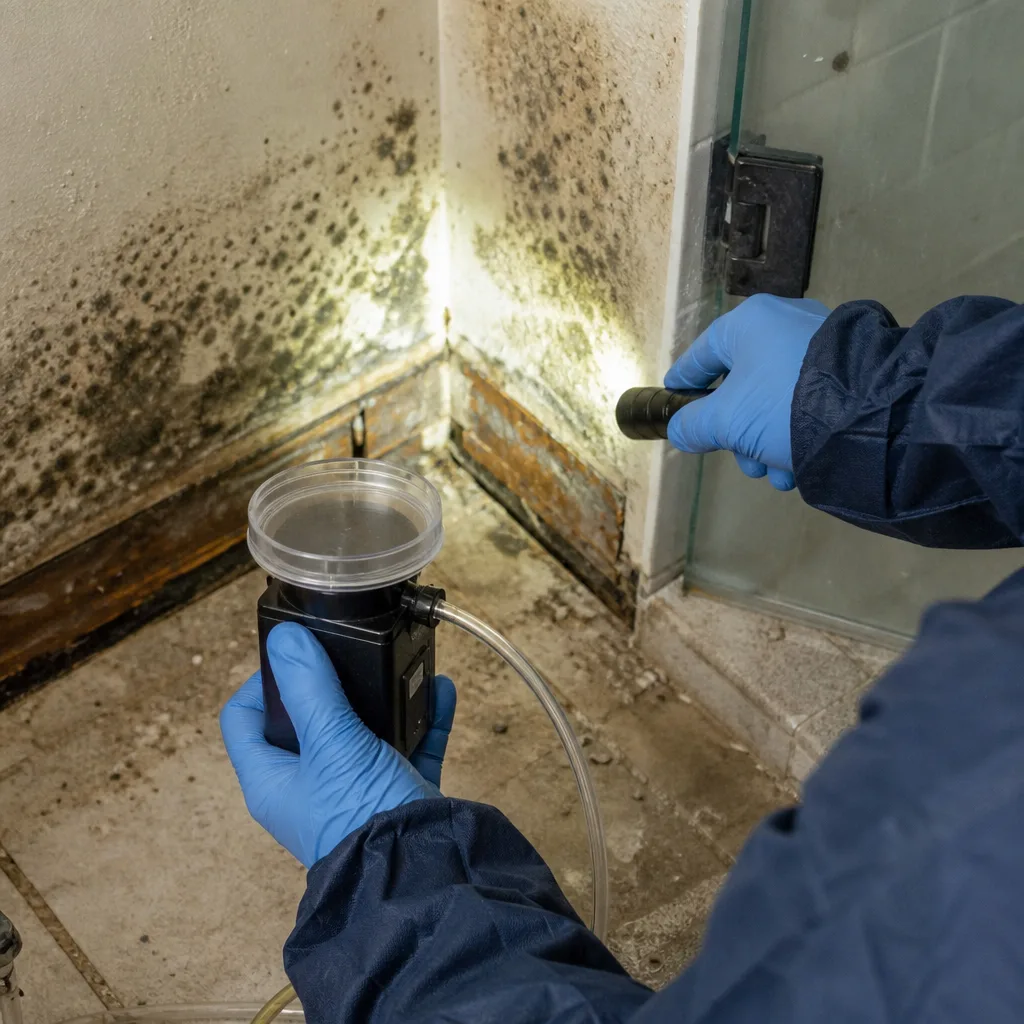
Smoke & Soot Removal
Dry smoke, wet smoke, protein residue, and fuel oil soot each behave differently on plaster versus drywall, on original fir framing versus modern lumber. We identify the residue type with field testing, then match chemistry and technique to the surface. This matters enormously in WeHo’s pre-1950 stock where replacement materials can’t be sourced at Home Depot.
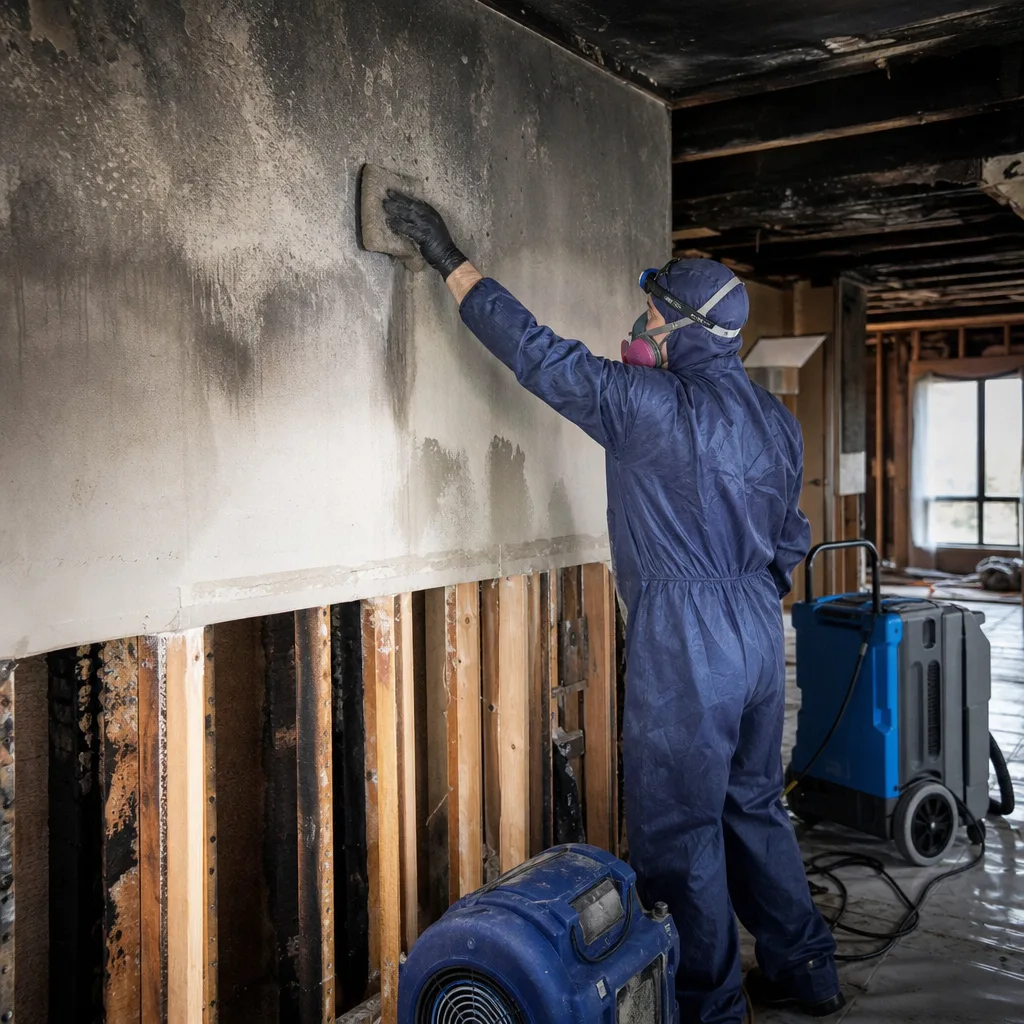
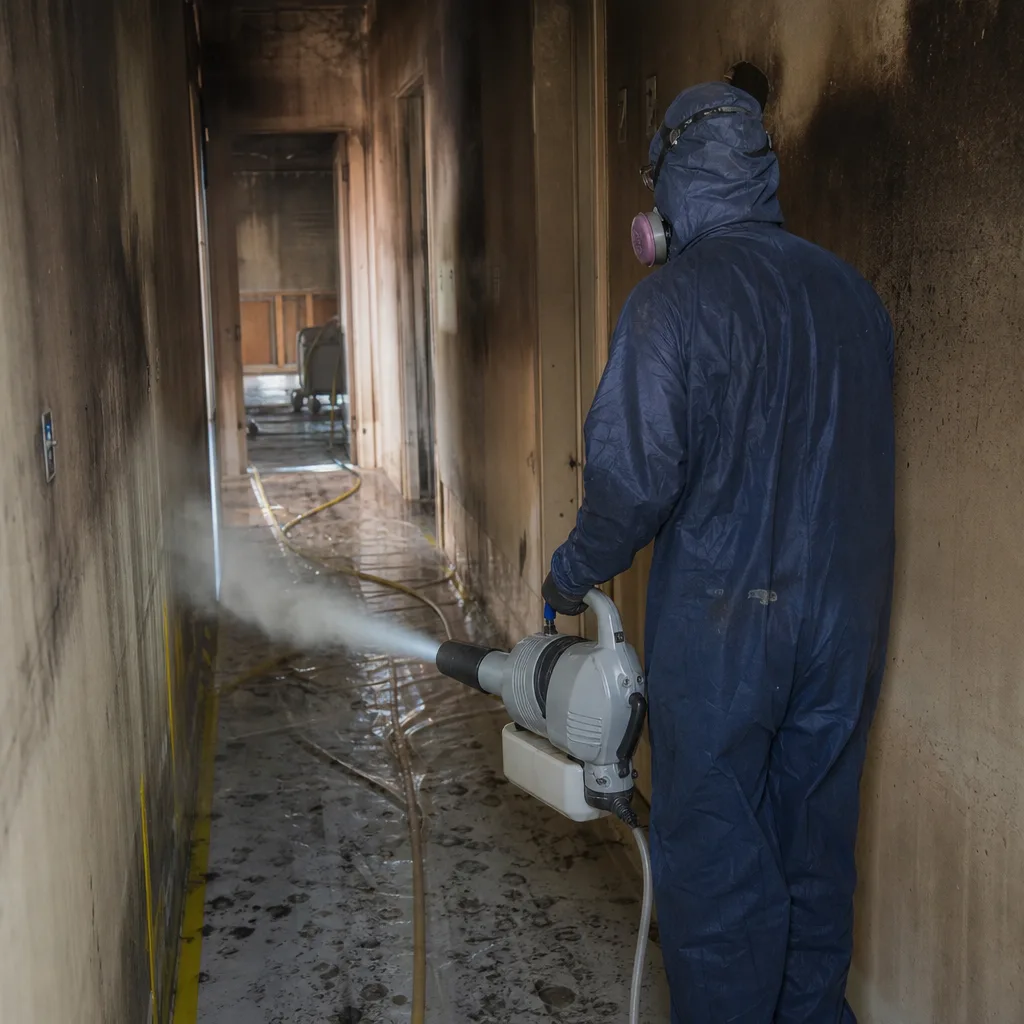
Odor Removal & Deodorization
Smoke odor in West Hollywood’s older buildings persists because marine-layer humidity keeps residues active behind stucco and in plaster voids. We run thermal fogging, hydroxyl generators, and extended ozone cycles with daily odor monitoring until neutralization is confirmed, not assumed.
Contents Cleaning & Pack-Out
When tenants need their belongings secured and cleaned fast to avoid triggering RSO relocation assistance, we execute pack-outs with photo inventory, ultrasonic and dry-cleaning restoration for textiles and hard goods, and climate-controlled storage until rebuild completes. Speed here saves landlords thousands in per-tenant hotel and per-diem exposure.
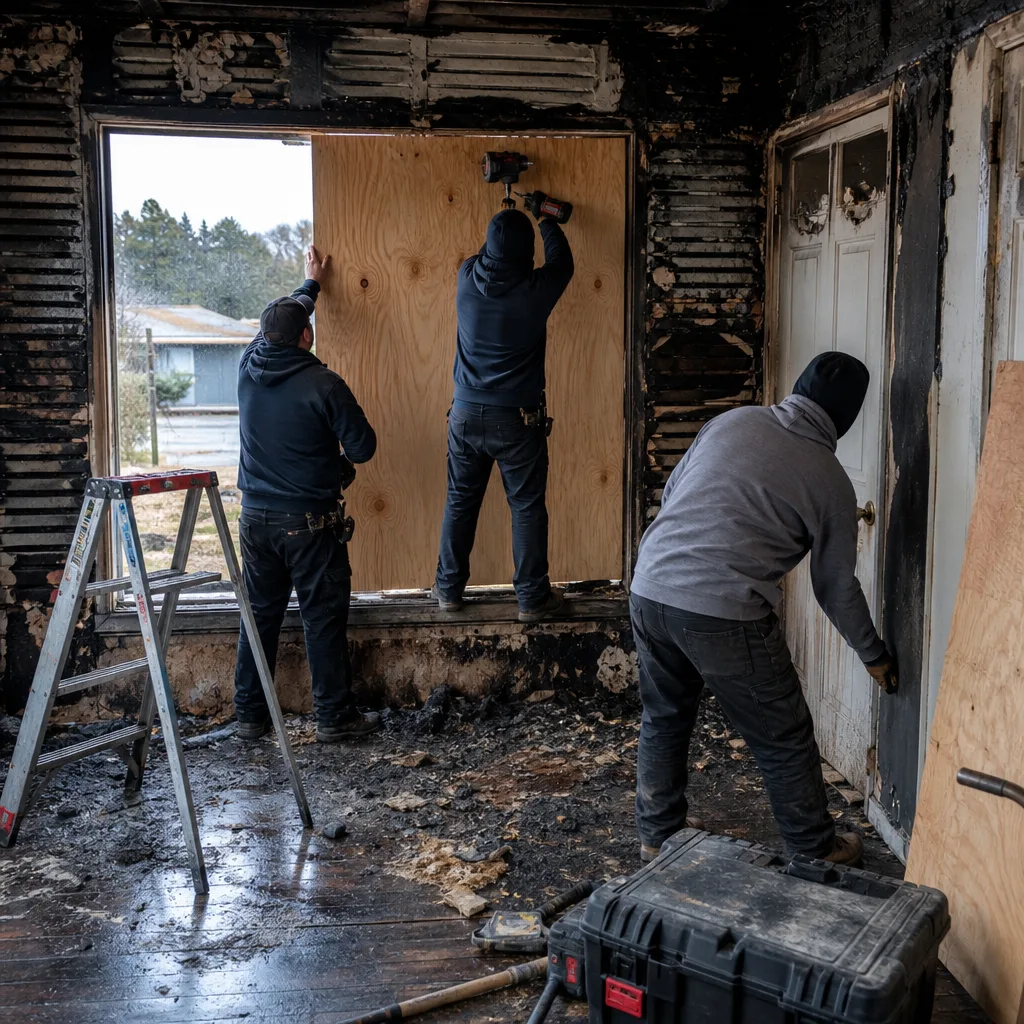
Emergency Board-Up & Tarping
Same-day securing of fire-damaged openings with plywood, tarps, and temporary structural supports. For WeHo’s soft-story dingbat buildings, we engineer wind-load bracing before Santa Ana conditions can exploit compromised frames.
What happens when you call
- 1
A real person answersNo phone trees - you reach a local pro.
- 2
You get an upfront price rangeHonest numbers before anyone is dispatched.
- 3
A background-checked tech heads outLicensed & insured, dispatched right away.
- 4
You approve before work beginsNothing starts until you say go.
Fire & Smoke Damage Restoration Costs in West Hollywood, CA
These are actual ranges for West Hollywood’s market, based on the building stock and regulatory environment we work in:
| Service | Typical Range in West Hollywood |
|---|---|
| Limited smoke cleanup (single room, no structural damage) | $4,200 - $7,800 |
| Moderate fire/smoke with partial material removal | $8,500 - $16,000 |
| Full structural fire repair with asbestos/lead abatement | $22,000 - $38,000+ |
| Emergency board-up and tarping | $850 - $2,400 |
| Contents pack-out with cleaning and storage | $3,200 - $8,500 |
| Odor removal and deodorization (whole-unit) | $2,800 - $6,200 |
What moves the price: square footage affected, smoke residue type, whether firefighting water requires full structural drying, mandatory asbestos and lead abatement in pre-1950 construction, and the compressed timeline required to avoid RSO relocation-assistance triggers. Most fire damage in West Hollywood is insurance-covered; we provide a free inspection that produces a firm written scope you can submit to your carrier before any work starts. Call (424) 365-9728 to schedule.
We Also Serve Cities Near West Hollywood
Our crews respond throughout the central LA basin. We regularly handle fire and smoke restoration in West Hollywood and the surrounding communities: Beverly Hills with its estate-scale losses and stringent building codes, Sherman Oaks and its hillside fire exposure, Culver City’s mixed industrial-residential stock, and Santa Monica’s coastal humidity challenges. Same documentation standard, same Haven Standard commitment, every city.
Serving West Hollywood, CA - Our Local Coverage Area
We’re based in the West Hollywood area and know this community well. Use the map below to see our service coverage - if you’re nearby, we can almost certainly help.
West Hollywood Fire & Smoke Damage Restoration Questions, Answered
Does a kitchen fire in a West Hollywood courtyard apartment trigger relocation payments for the landlord?
Yes, if tenants are displaced for more than a brief period, West Hollywood’s Rent Stabilization Ordinance can require the landlord to provide relocation assistance including hotel costs and per-diem payments.
The exact timeline depends on the displacement duration and unit count, but the exposure typically starts within days, not weeks. This is why we design fire and smoke scopes in WeHo around compressed timelines from the first assessment - a standard ten-day job elsewhere gets re-engineered here to avoid triggering that liability. We coordinate directly with property managers and the city’s RSO enforcement office when needed. Call (424) 365-9728 and we’ll explain how this applies to your specific situation.
Why do you test for asbestos and lead before fire damage demo in West Hollywood?
Because virtually every pre-1950 building in West Hollywood contains asbestos insulation on original wiring, lead paint on trim and plaster, or both, and California law mandates testing before disturbance.
Demo without clearance exposes the contractor, occupants, and property owner to legal liability and can halt a restoration job mid-stream. We build the testing phase into every scope for 1920s-40s courtyard buildings and 1950s-60s dingbat structures. The hold adds time upfront, but it prevents the far costlier stop-work order that an unplanned positive finding triggers. Our written scope includes this timeline and cost before any work begins - Haven Standard, Clause 1.
How does the coastal marine layer affect smoke and soot cleanup in older WeHo buildings?
The marine layer keeps overnight humidity elevated in West Hollywood’s poorly ventilated courtyard buildings, which reactivates acidic soot residues and keeps smoke odors alive in porous plaster and behind stucco even when surfaces feel dry.
A Santa Ana wind event can then rapidly dry the exterior, producing moisture meter readings that suggest a wall assembly is ready for sealant and paint when the interior is still actively off-gassing. We run extended deodorization cycles and validate dryness with multiple measurement points, not surface readings. The daily drying log documents vapor pressure differential across the assembly, not just ambient humidity.
What does a contents pack-out look like when tenants need to get back into a West Hollywood unit fast?
We arrive with photo inventory systems, specialized packing materials for fire-damaged goods, and a direct line to our climate-controlled storage facility.
Every item gets photographed, catalogued, and assessed for restoration versus replacement. Textiles and soft goods go to dry cleaning or ultrasonic processing; hard goods get cleaned on-site or at our facility when appropriate. For RSO-sensitive timelines, we prioritize the tenant’s immediate necessities - clothing, electronics, medications - for fastest return. The full pack-out for a typical two-bedroom courtyard unit runs 24-72 hours from authorization. Call (424) 365-9728 to discuss timeline for your property.
Can you board up and tarp a fire-damaged soft-story ‘dingbat’ in West Hollywood the same day?
Yes, we complete emergency board-up and tarping the same day for all West Hollywood properties including soft-story dingbat buildings.
These structures present specific challenges: open carports that expose the frame to wind loading, minimal fire resistance between units, and often compromised structural connections after even moderate fire involvement. We engineer temporary bracing for the soft-story condition and use wind-rated tarps and fastening systems. The board-up gets photographed and documented for your insurer before we leave the site. Same-day service is standard, not an upgrade.
How fast can your crew actually get to a fire damage call in West Hollywood?
Our commitment is forty-five minutes from dispatch to arrival anywhere in West Hollywood.
We stage equipment and crews to reach the dense grid between Santa Monica Boulevard and Melrose, the residential corridors of Norma Triangle and Spaulding Square, and the commercial stretch of the Sunset Strip without fighting cross-town traffic from distant yards. The live dispatcher who answers your call at (424) 365-9728 confirms crew status and estimated arrival in real time - no callback, no uncertainty.
Will my insurance cover the full fire and smoke restoration, or will I pay out of pocket?
Most fire and smoke damage in West Hollywood is covered by standard homeowner’s or landlord insurance policies, though coverage limits and deductibles vary.
We provide the documentation your adjuster needs to approve the full scope: photo records, moisture logs, line-item estimates in Xactimate format, and direct coordination. Our Free Second Opinion on any competitor’s written estimate helps you verify that the scope your carrier received is complete and accurate. We never ask you to pay upfront for insurance-covered work; our direct billing arrangement handles that. Call (424) 365-9728 to review your policy specifics.
What should I do in the first 30 minutes after a fire is extinguished in my West Hollywood property?
Ensure everyone is safe and accounted for, then call us at (424) 365-9728 before touching anything or attempting cleanup.
Smoke residues are chemically active and can set permanently into surfaces within hours; water from suppression continues migrating through wall voids and into lower units. Do not operate HVAC systems, which will distribute smoke particles throughout the building. Do not enter until the fire department clears the structure. Our crew will arrive with containment materials, testing equipment, and the documentation tools to start your claim file correctly from minute one.
Written by Alicia Brennan, Owner at Back to Dry Restoration, serving West Hollywood since 2011.
Fire & Smoke Damage Restoration in Nearby Areas