Free visual inspection and a written scope of work before any mitigation begins - photos, moisture readings, and drying logs go in your claim file
The scope we write is the scope we bill. Anything new gets shown to you, in writing, before we touch it.
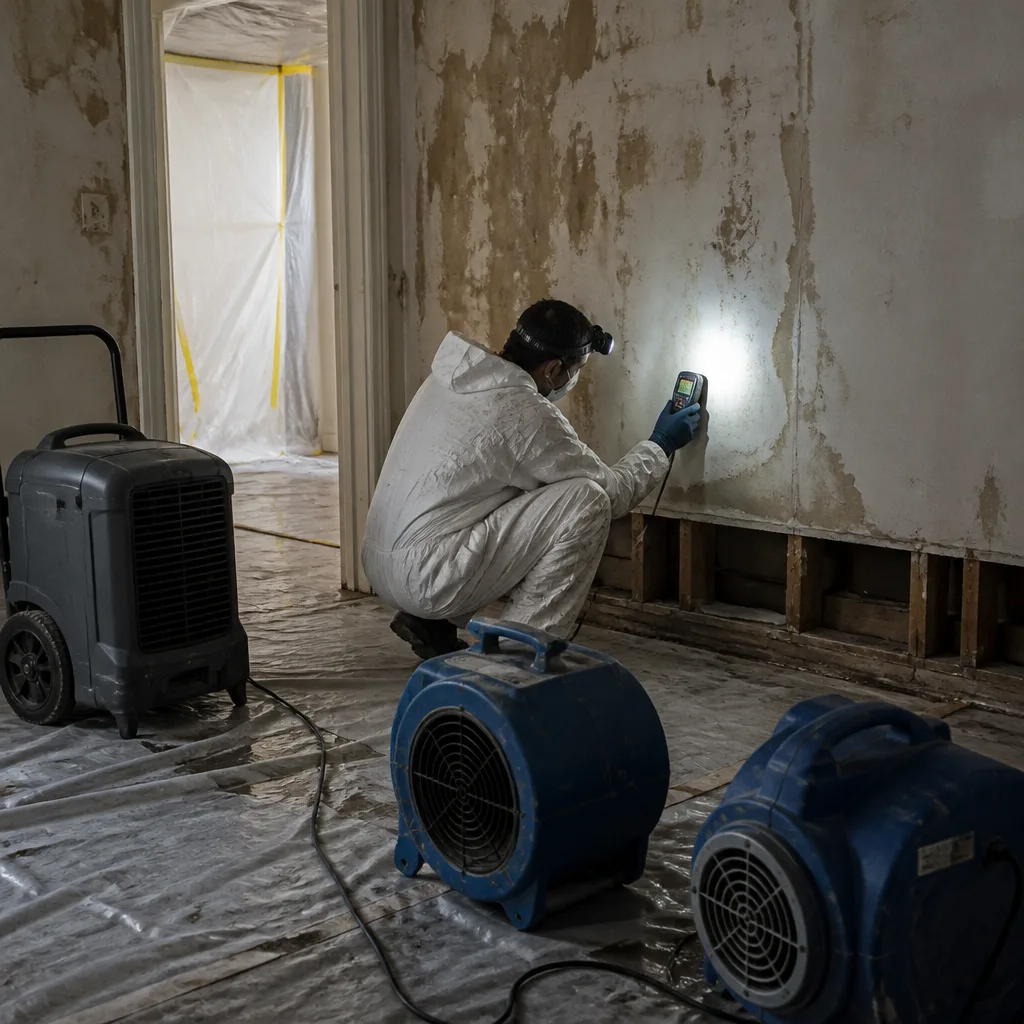 Before
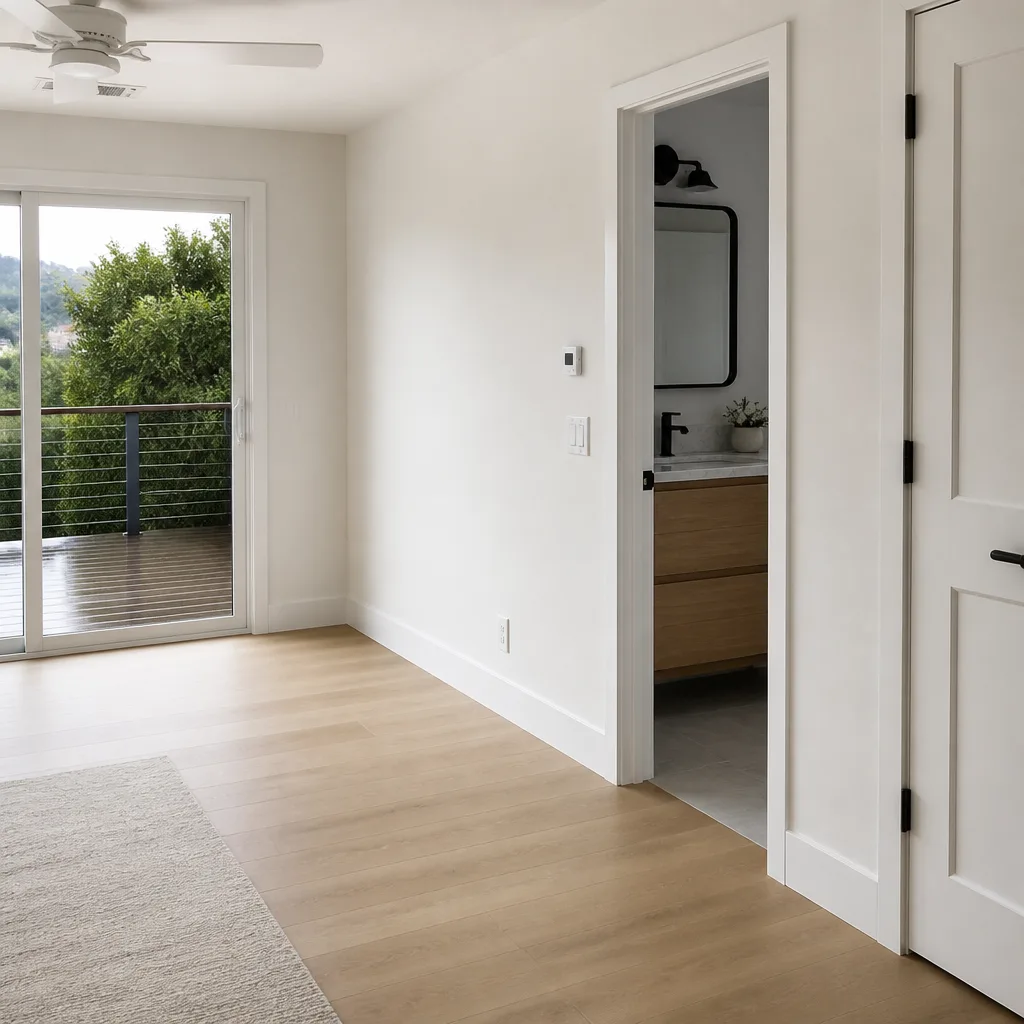 After
After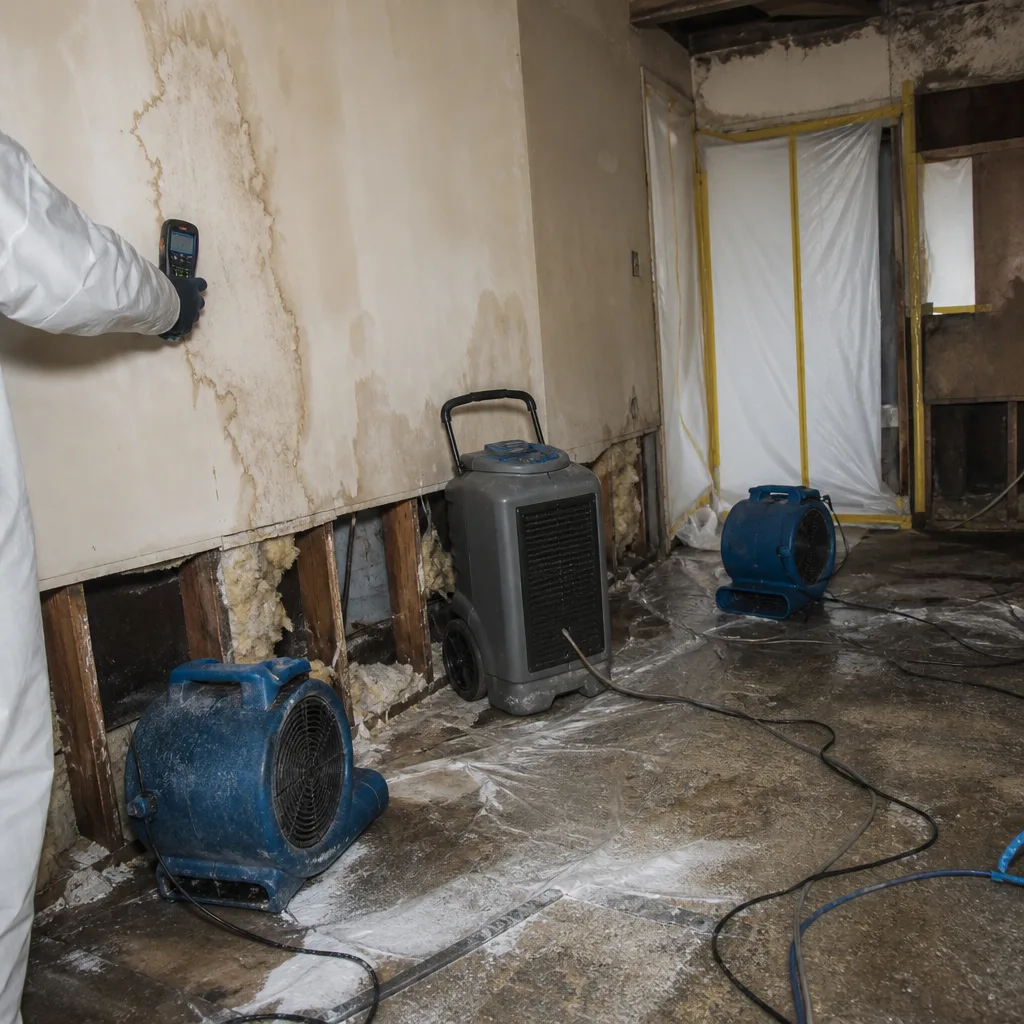 Before
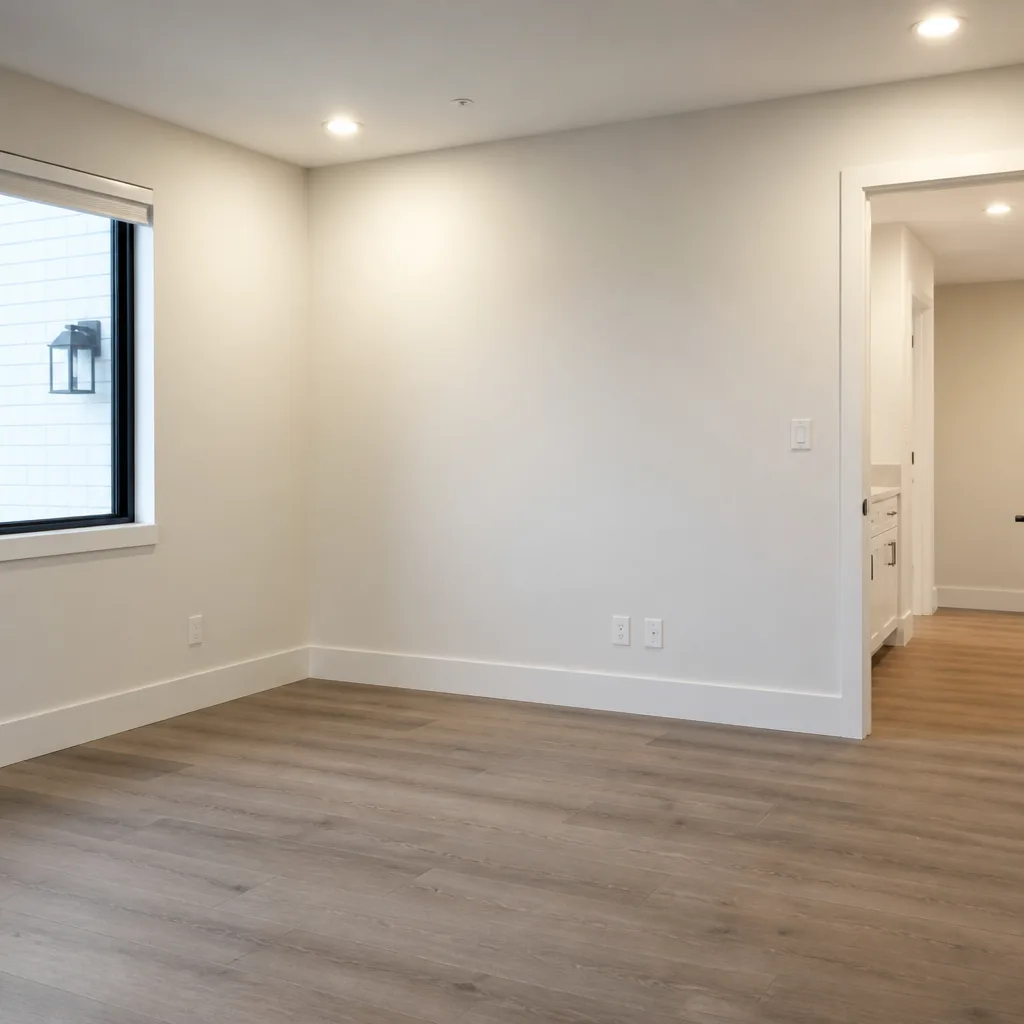 After
After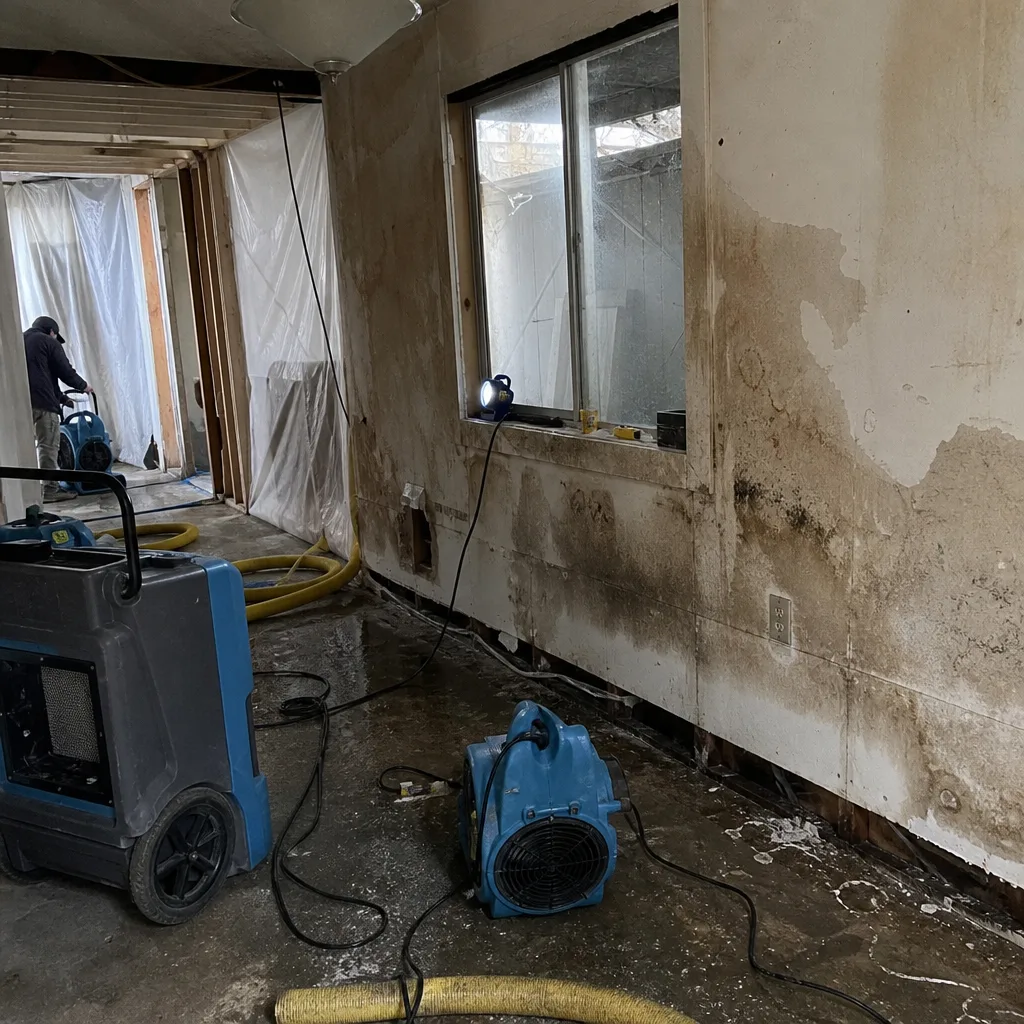 Before
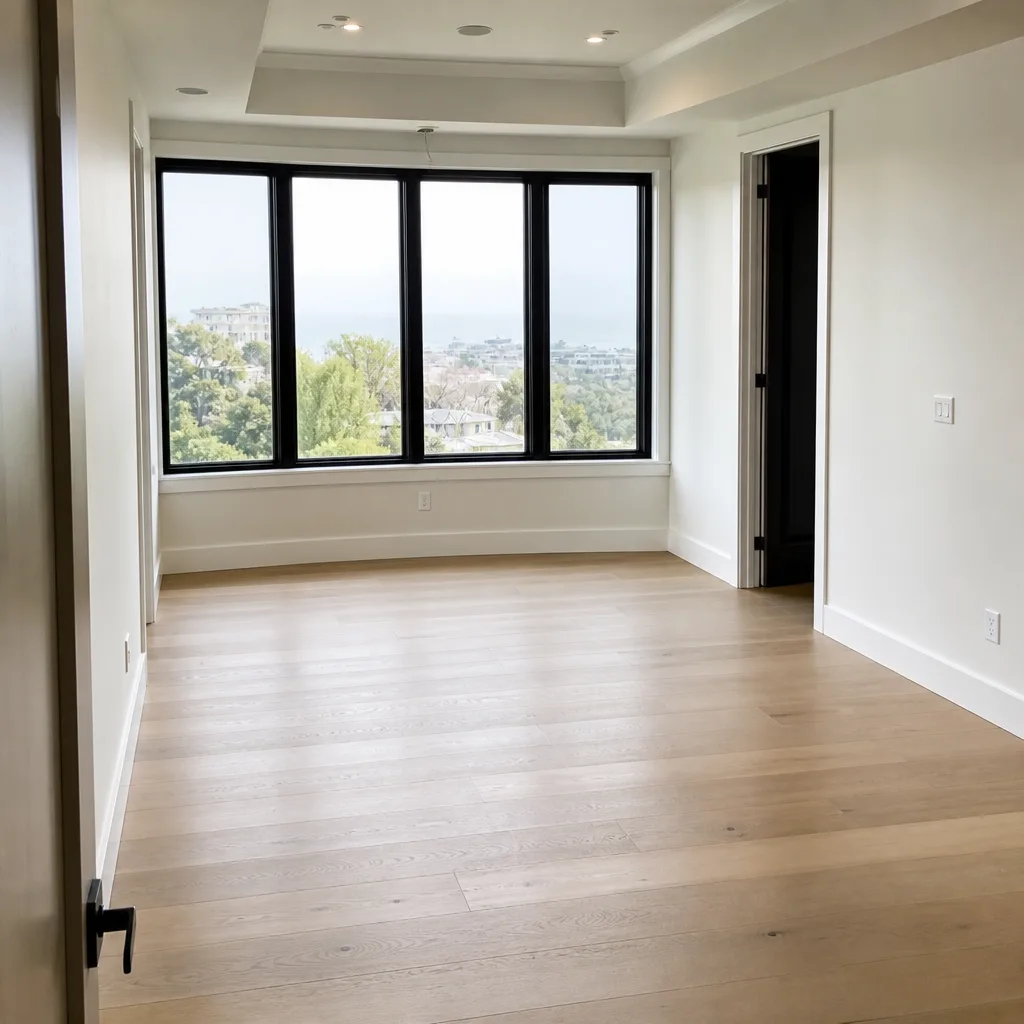 After
After24/7 Emergency Fire & Smoke Damage Restoration in Los Angeles
Fire and smoke damage restoration in Los Angeles typically costs $4,200-$18,500 depending on structural involvement, with emergency board-up and stabilization starting at $1,800-$3,400. Crews from our Los Angeles office can be on-site in Pacific Palisades, Altadena, or the Hollywood Hills within 45 minutes of your call to (424) 365-9728, and every emergency response includes a free visual inspection with a written scope before any work begins. The first hour after a fire determines whether smoke residues set into porous surfaces permanently and whether fire-suppressant water begins colonizing mold inside wall cavities.
Our Fire & Smoke Damage Restoration team answers live, 24 hours a day, 7 days a week. No voicemail trees. No next-business-day callbacks while ash is still settling into your HVAC system. We dispatch with the documentation equipment already loaded: moisture meters, thermal imaging cameras, HEPA air scrubbers from XPOWER and Phoenix, and the containment materials needed to secure your property against the Santa Ana winds that often follow a fire event in Los Angeles.
Understanding Fire & Smoke Damage Restoration Severity in Los Angeles Properties
Fire damage in Los Angeles presents a layered severity scale that maps directly to the city’s housing stock and its unique two-phase disaster cycle. Dry smoke residue, produced by fast-burning, high-heat fires common in Santa Ana wind conditions, leaves a powdery, alkaline deposit that fractures and embeds into porous surfaces. Wet smoke residue, from slow-burning, oxygen-starved fires in enclosed spaces like the post-and-pier bungalows of Laurel Canyon, is sticky, acidic, and penetrates deep into structural members. Protein residue, nearly invisible but pungent, results from kitchen fires in the dense apartment stock of Koreatown and West Hollywood.
Smoke migration follows the path of least pressure differential, traveling through plumbing chases, HVAC ducts, and the seismic cracks that open in stucco cladding after every significant tremor. In hillside stilt-foundation homes throughout Silver Lake and the Hollywood Hills, this migration pattern is unpredictable because the structures shift and settle continuously, creating new pathways seasonally. The fire-suppressant water used by LAFD, while saving the structure, introduces a secondary damage category: when this water mixes with wildfire ash containing heavy metals and combustion byproducts, it becomes category 2 or 3 water by IICRC standards, requiring antimicrobial treatment and structural drying before any cosmetic restoration can begin.
Why Los Angeles Property Owners Choose DryMark Restoration Pacific Palisades
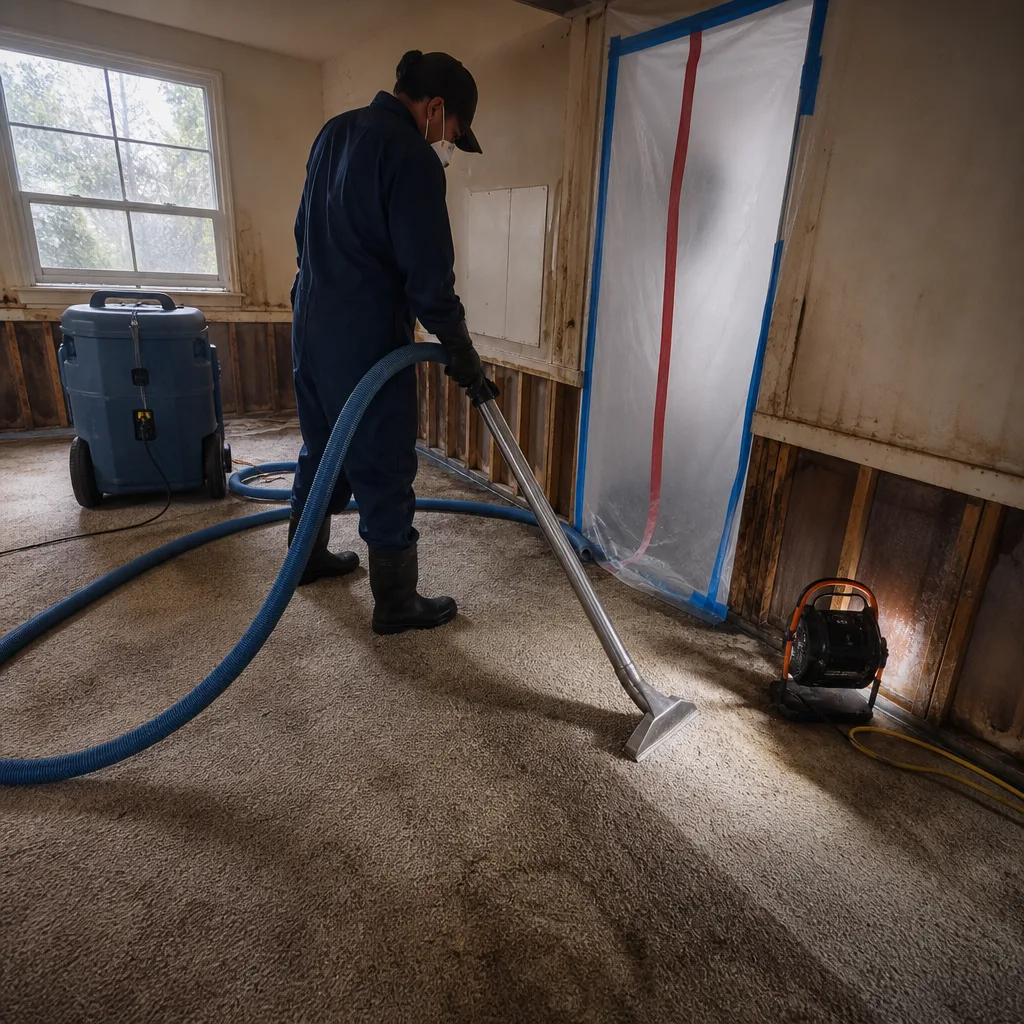
- 45-minute response commitment to any Los Angeles address, with crews staged for Pacific Palisades, Altadena, and Hollywood Hills dispatch.
- 24/7 live answer - a real person, never an automated system, on every call to (424) 365-9728.
- IICRC-certified crews holding FSRT (Fire and Smoke Restoration Technician) and WRT (Water Damage Restoration Technician) certifications, with license numbers provided on request.
- Free visual inspection with a written, line-item scope delivered before any work starts - Haven Standard, Clause 1.
- Direct insurance billing with photo-documented estimates and daily drying logs that adjusters recognize and pay without dispute.
- One team from board-up to rebuild - no handoffs between mitigation contractors and reconstruction crews that lose documentation continuity.
 Before
 After
AfterOur Fire & Smoke Damage Restoration Process
1. Inspection & Assessment
We document the full loss perimeter with thermal imaging and moisture mapping, testing for heavy metals and asbestos in any pre-1980 debris per LA County and Cal/OSHA requirements. A written scope with line-item pricing is delivered before work begins - Haven Standard, Clause 1.
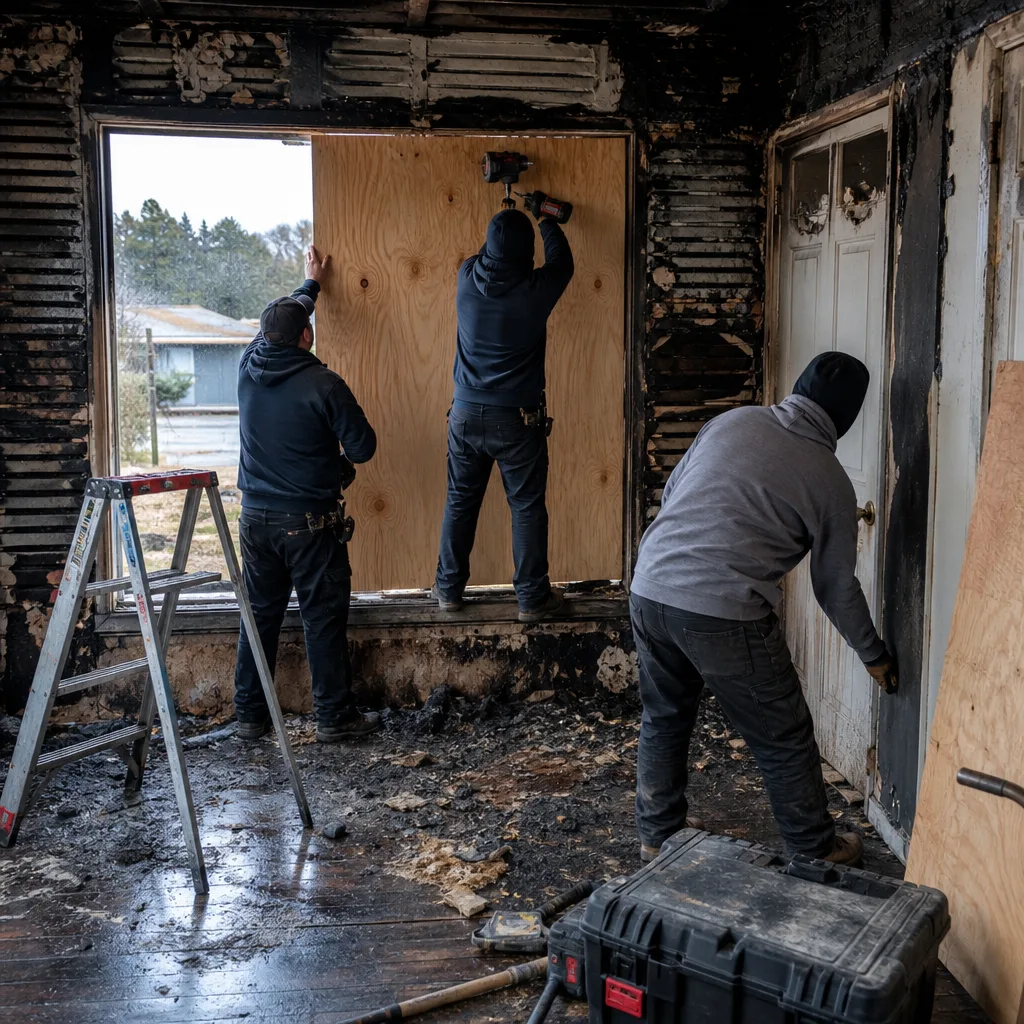
2. Emergency Board-Up & Tarping
Wind-rated plywood and reinforced tarps secure the structure against Santa Ana wind events that frequently follow fire season in Los Angeles. We inventory every opening, photograph the seal quality, and log materials for the carrier.
3. Water Extraction & Structural Drying
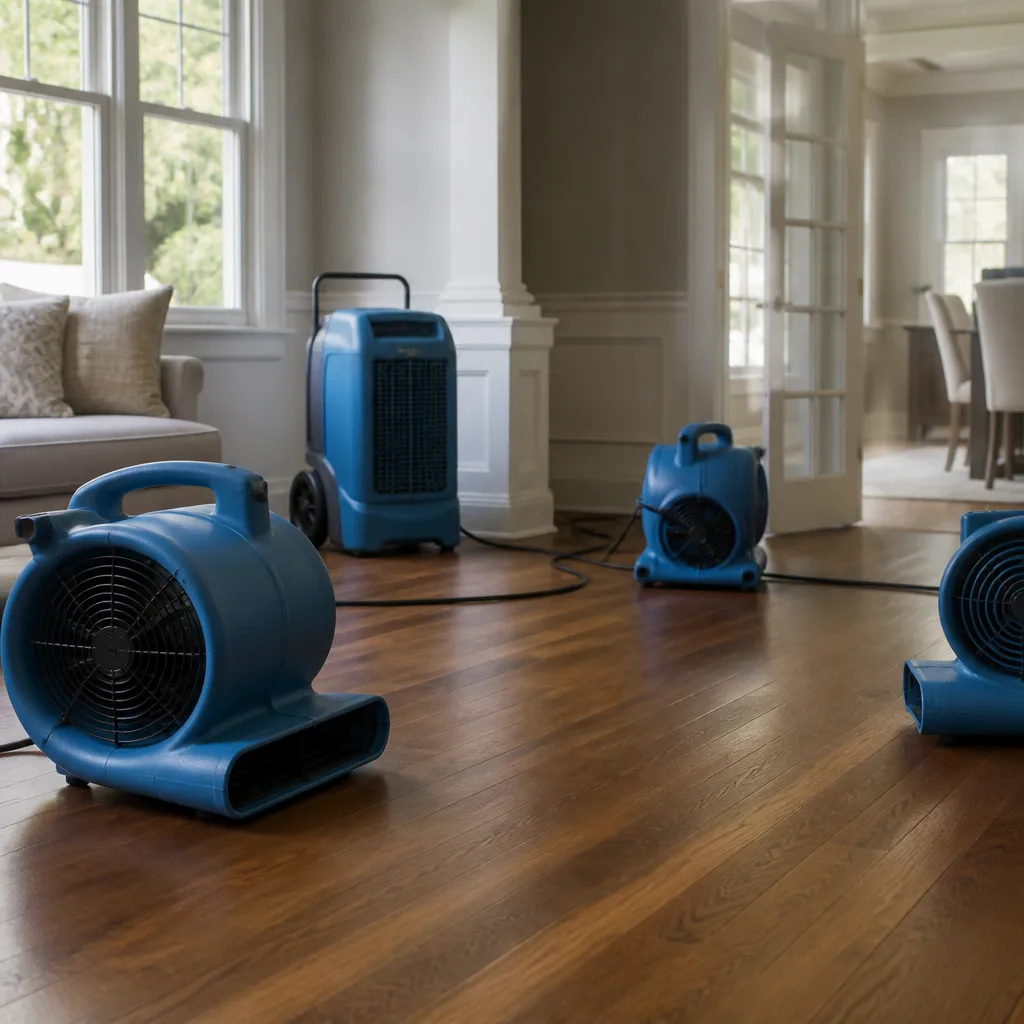
Fire-suppressant water is extracted and classified correctly - category 2 or 3 when mixed with ash and char - then dried with Dri-Eaz and Phoenix dehumidifiers, air movers, and Injectidry cavity-drying systems. Daily moisture readings are logged to IICRC standards.
4. Smoke & Soot Removal
HEPA air scrubbers run continuously while surfaces are cleaned with media blasting, ultrasonic washing, or chemical sponges matched to the specific soot type. Residue testing confirms removal before any sealant or paint application.
5. Odor Neutralization & Decontamination
Thermal fogging and ozone treatment penetrate porous materials where smoke odors hide. In Los Angeles’s hillside homes, we pay particular attention to redwood decking and open-beam ceilings that absorb protein residues from kitchen fires.
6. Structural Fire Repair & Wind-Rated Rebuild
Damaged framing, sheathing, and finishes are replaced to current Los Angeles wind-load codes, with wind-rated doors and windows specified for hillside zones. The 365-Day Done Right Promise covers every repair under The Haven Standard.
Need Emergency Fire & Smoke Damage Restoration in Los Angeles Now?
Crews minutes away, answering live 24 hours a day. The sooner we start, the less it costs.
Working With Your Insurance Company
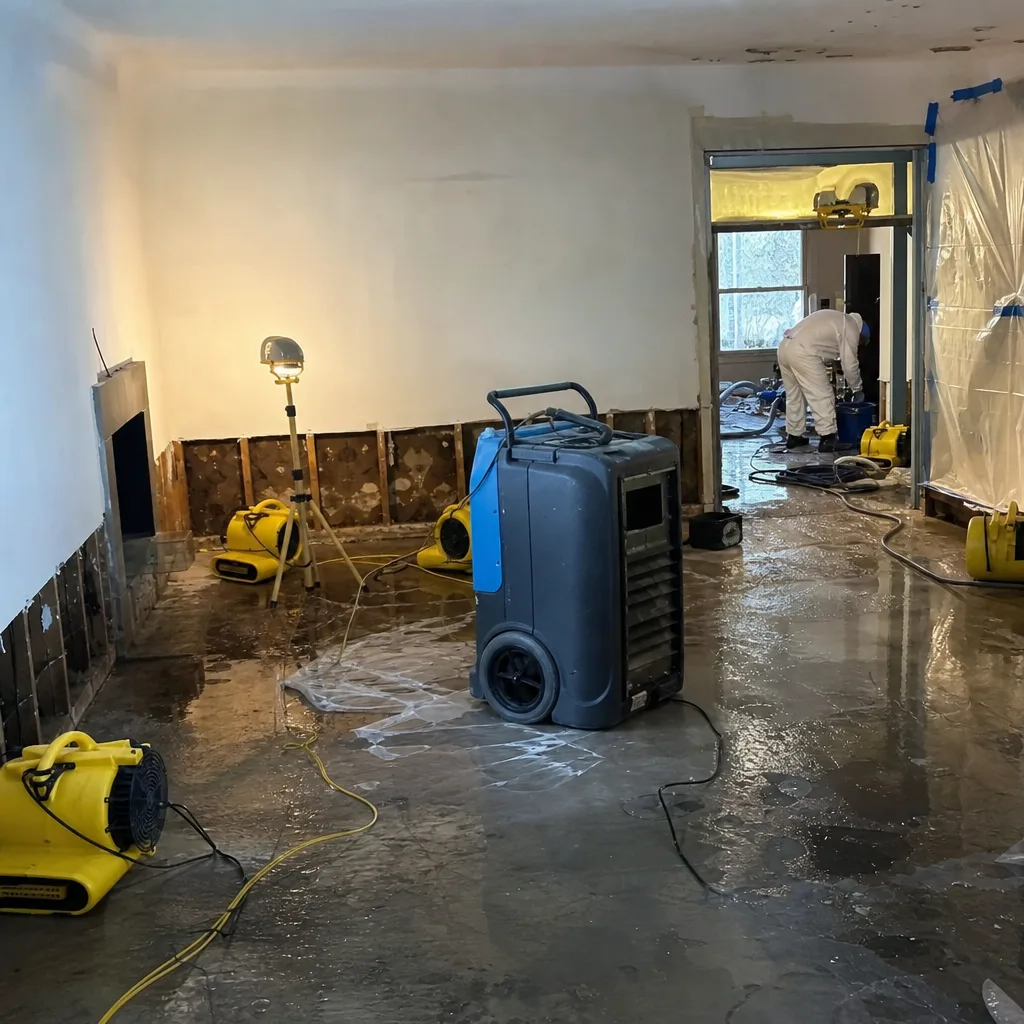
Every fire and smoke claim in Los Angeles begins with documentation that an adjuster can read and approve without back-and-forth. We arrive with cameras running, capture the loss condition room by room, and produce moisture readings and psychrometric data - temperature, relative humidity, and vapor pressure differential - that explain why specific drying equipment is necessary. Our estimates follow industry-standard formats that carriers recognize, and we coordinate directly with your adjuster rather than handing you a bill to submit yourself.
The photo record is included as standard, never sold as an upsell. Daily drying logs track progress numerically. The written scope is signed by both parties before work starts, preventing the scope-creep additions that turn restoration invoices into disputed claims.
What We Provide Your Insurer
- Thorough documentation of the loss
- Photos of all damage, room by room
- Moisture readings and drying logs
- A detailed, line-item scope of work
- Direct coordination with your carrier
Built for Los Angeles’s Loss Calendar
Los Angeles does not have a single fire season. It has a layered disaster calendar that no other major U.S. city replicates at this scale. October through January brings the Santa Ana wind cycle, with humidity dropping below 10% and wind speeds exceeding 60 mph in the canyons - the conditions that drove the 2025 Palisades fire and the 2008 Sylmar fire before it. These wind-driven wildfires create a smoke halo of ash and char contamination that extends for miles beyond the burn perimeter, affecting thousands of homes that never caught fire.
Then, weeks or months later, winter atmospheric-river storms hit the denuded burn scars. In January 2025, this sequence played out across Pacific Palisades and Altadena: homes that had survived the fire with smoke damage were then threatened by debris flows through the same canyons. Contractors who understand this two-phase cycle - fire hardening followed by flood mitigation on the identical address - command a market niche that simply does not exist elsewhere. Our crews carry both the wind-rated board-up materials and the water-extraction equipment on every Los Angeles dispatch during these transition months.
Fire & Smoke Damage Restoration Across Los Angeles’s Neighborhoods
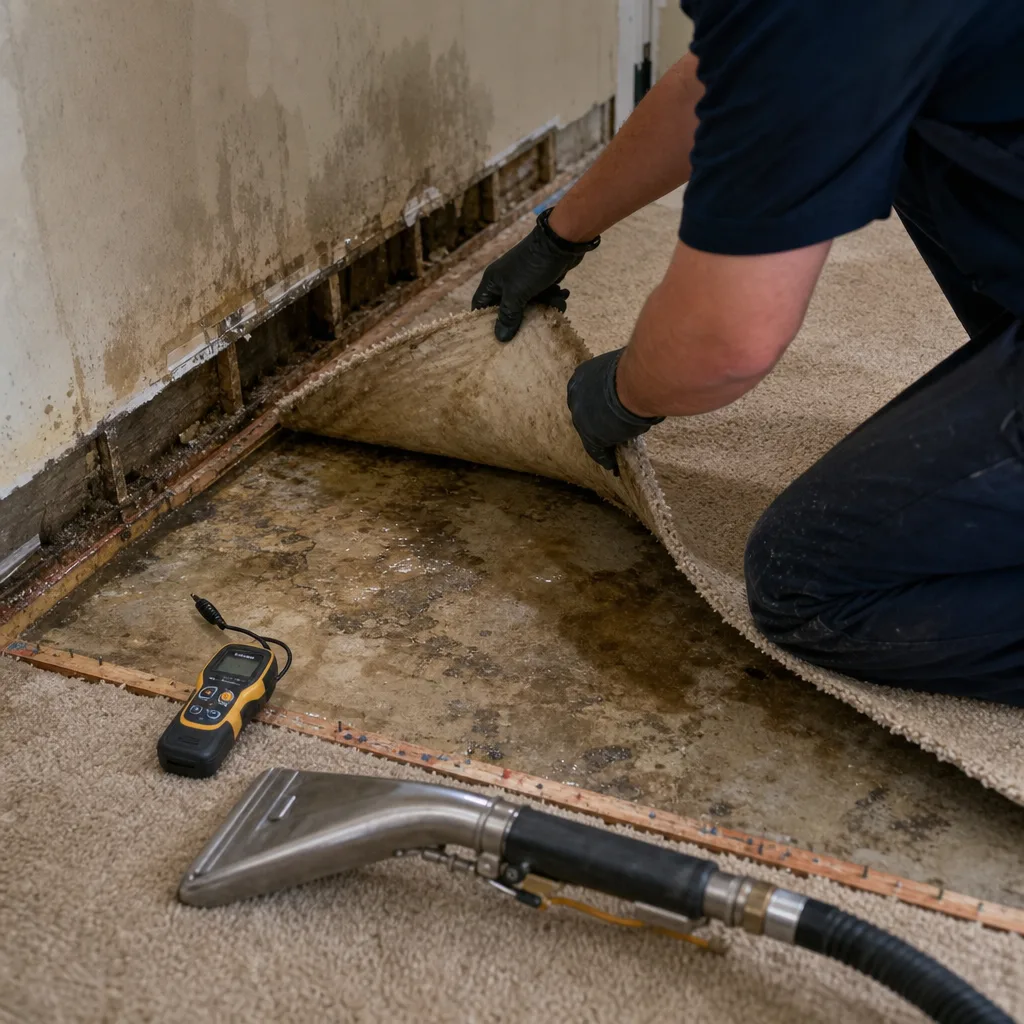
In Pacific Palisades, the 2025 fire demonstrated how smoke halo contamination spreads through hillside communities. Homes on Chautauqua Boulevard and Temescal Canyon Road that never burned still required full contents pack-outs, HEPA scrubbing, and exterior sheathing replacement after wind-driven ash saturated porous surfaces for days. The stilt-foundation mid-century moderns common here shift in Santa Ana winds, opening weatherstripping seals that let smoke and later rainwater penetrate.
Altadena presents the pre-1980 housing stock challenge in concentrated form. The craftsman bungalows and early ranch homes built before modern fire codes contain asbestos-containing materials and lead-based finishes that Cal/OSHA classifies as hazardous when disturbed by fire or demolition. Every debris-removal operation requires air monitoring and PPE protocols that add time and cost to the scope - but skipping them invalidates both the regulatory compliance and the insurance claim.
The Hollywood Hills and Laurel Canyon combine seismic vulnerability with canyon wind exposure. Post-and-pier foundations shift continuously, cracking stucco and opening pathways for smoke migration that follows no predictable pattern. After a structure fire in these areas, we moisture-map not just the fire room but the full pressure-differential path, often finding smoke residue in bathrooms two floors below the origin point.
Silver Lake and Koreatown add the soft-story apartment building factor. Pre-Northridge-code structures with tuck-under parking present compartmentalized fire spread and complex smoke migration between units. Restoration here requires coordination with multiple tenants, HOA boards, and city housing inspectors - documentation that our photo record and written scope format is built to satisfy.
Specialized Fire & Smoke Damage Restoration Services We Offer in Los Angeles
Fire Damage Cleanup
Structural cleaning after a Los Angeles fire addresses the full residue spectrum: dry smoke from fast-burning wind-driven fires, wet smoke from oxygen-starved interior burns, and protein residue from kitchen fires in dense apartment stock. We classify the residue type before selecting cleaning media, then test for complete removal before any sealant application.
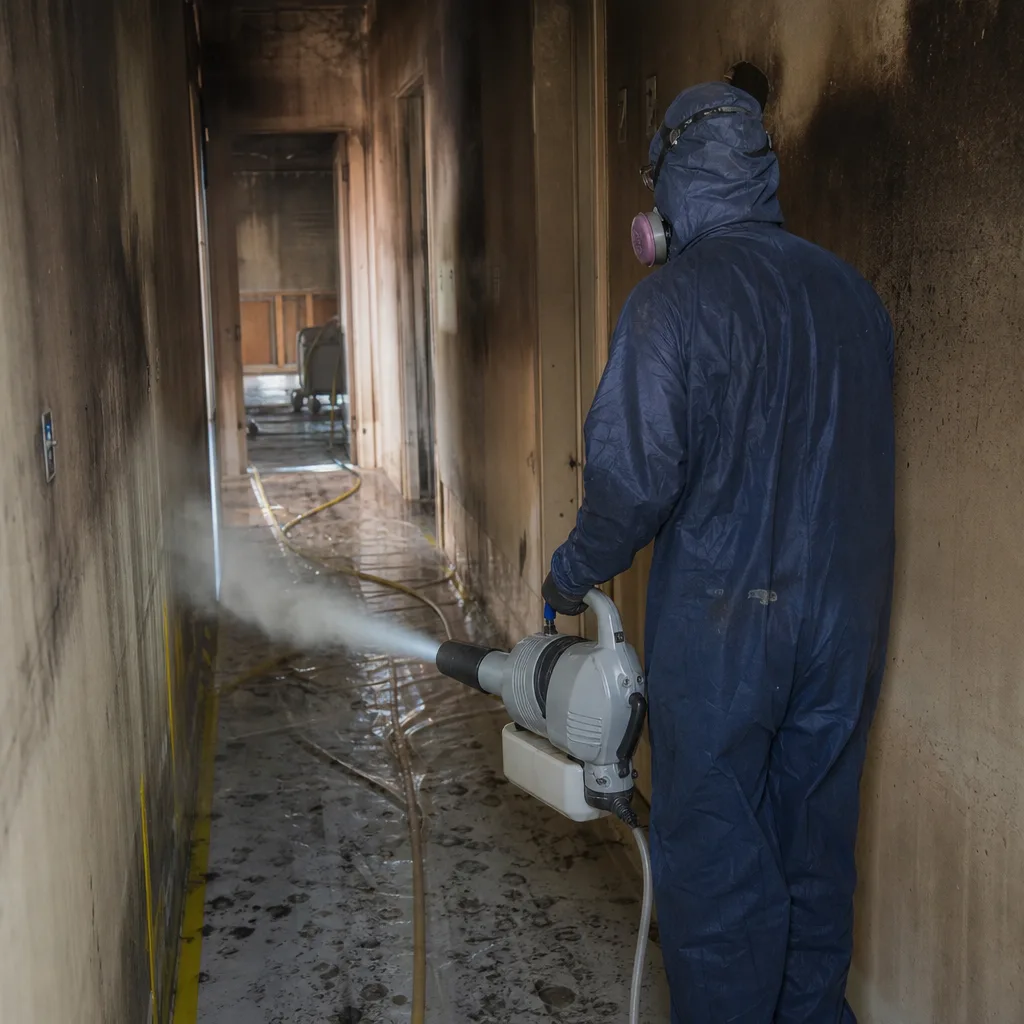
Smoke & Soot Removal
Smoke migration in Los Angeles hillside homes follows seismic cracks and pressure differentials that change with the Santa Ana wind cycle. Our crews map the full migration path with thermal imaging, then deploy HEPA air scrubbers, media blasting, and ultrasonic cleaning matched to the specific surface and residue type. After the 2025 Palisades fire, we ran XPOWER scrubbers continuously for 72 hours in a Chautauqua Boulevard home before soot levels dropped below detectable thresholds.
Odor Removal & Deodorization
Thermal fogging and ozone treatment neutralize smoke odors at the molecular level in porous materials - redwood decking, open-beam ceilings, upholstered furniture - that standard cleaning cannot reach. In Los Angeles’s dry climate, odors desiccate and bind to surfaces more aggressively than in humid markets, requiring extended treatment cycles.
Contents Cleaning & Pack-Out
When smoke saturation is extensive, we inventory, photograph, and transport contents to our cleaning facility for ultrasonic washing, deodorization, and sealed storage. The photo inventory becomes part of the claim documentation, with each item’s condition logged before and after treatment.
Emergency Board-Up & Tarping
Los Angeles’s post-fire board-up must account for the Santa Ana winds that frequently follow a fire event. We use wind-rated plywood, reinforced fasteners, and tensioned tarps that meet hillside wind-load requirements, not the minimal temporary seals that fail in the next gust event. Every opening is photographed, measured, and logged for the carrier.
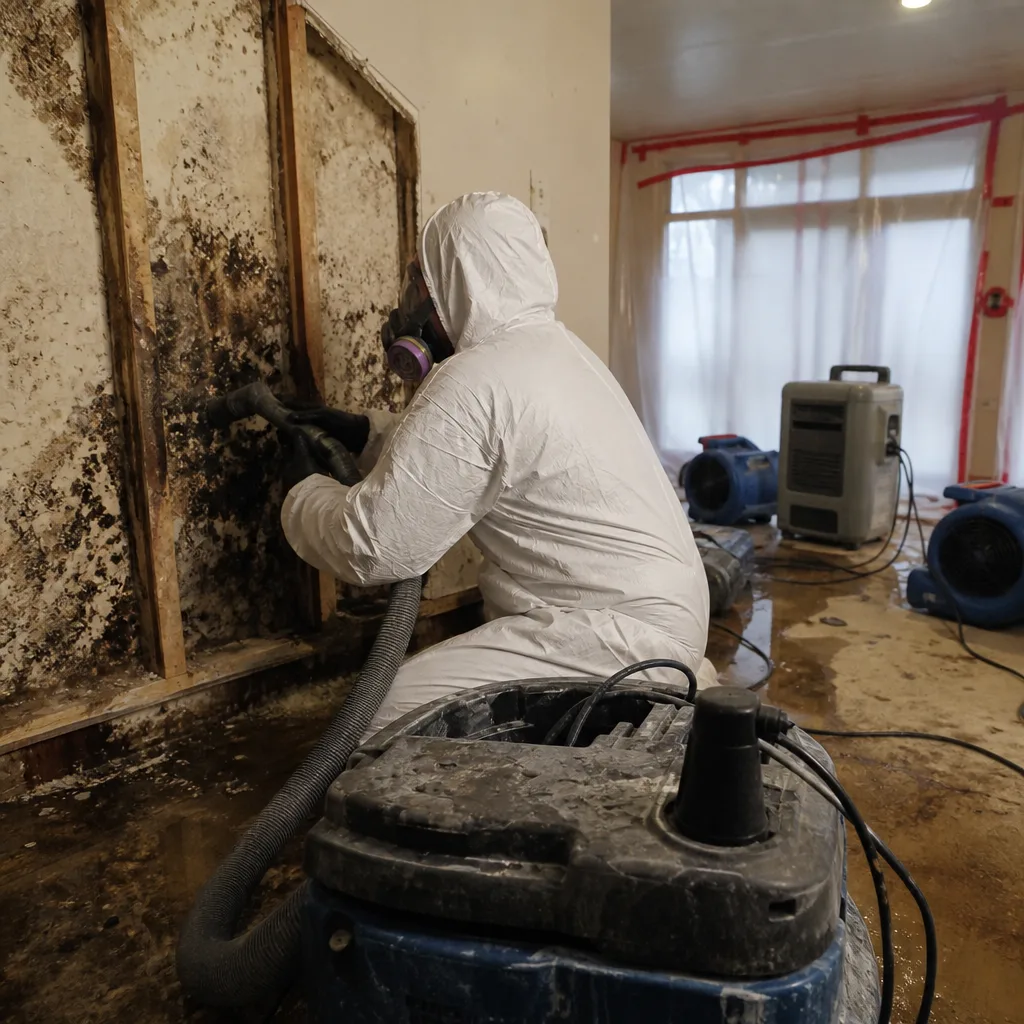
Structural Fire Repair
Rebuild work in Los Angeles hillside zones requires wind-rated door and window assemblies that meet current code for Santa Ana exposure. We specify and install impact-rated and wind-rated products, document the ratings for permit approval, and warranty the installation under The Haven Standard’s 365-Day Done Right Promise.
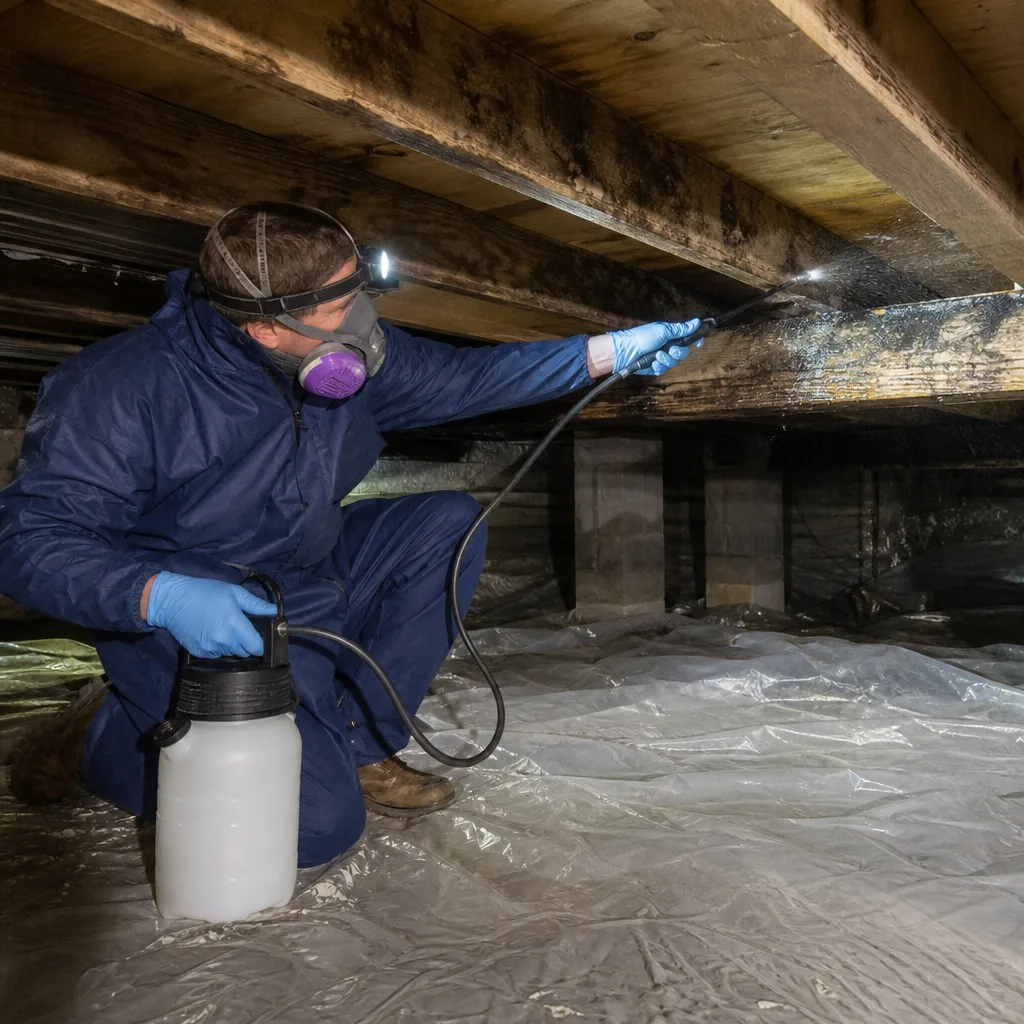
What happens when you call
- 1
A real person answersNo phone trees - you reach a local pro.
- 2
You get an upfront price rangeHonest numbers before anyone is dispatched.
- 3
A background-checked tech heads outLicensed & insured, dispatched right away.
- 4
You approve before work beginsNothing starts until you say go.
Fire & Smoke Damage Restoration Costs in Los Angeles, CA
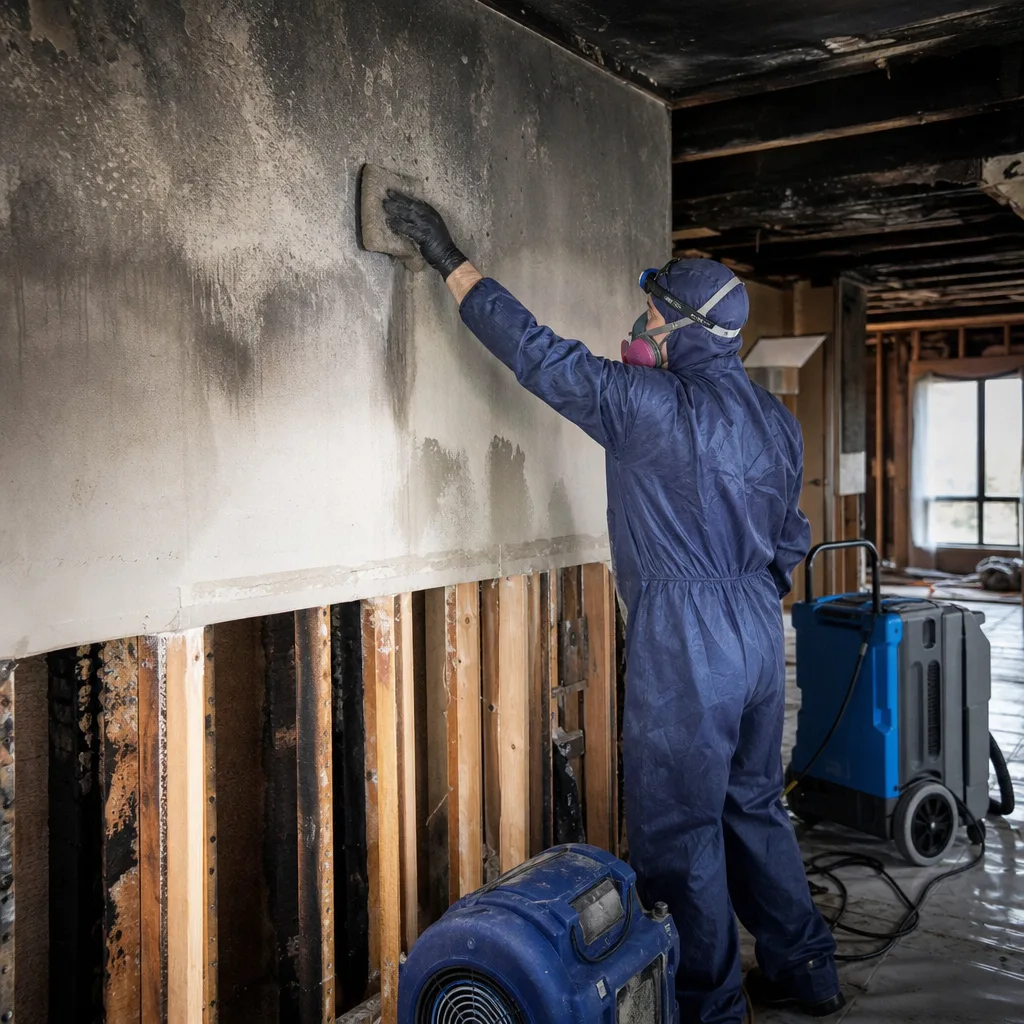
Emergency board-up and stabilization in Los Angeles runs $1,800-$3,400 for a typical single-family home, with larger hillside properties and multi-unit structures at the higher end. Smoke and soot removal for a home inside the smoke halo but not directly burned typically costs $4,200-$8,500, depending on square footage, HVAC contamination, and contents involvement. Full structural fire repair with rebuild, including wind-rated door and window upgrades for hillside zones, ranges from $12,500-$18,500 and higher for extensive charring or foundation damage.
What moves the price: pre-1980 hazmat debris adds $800-$2,400 for testing, air monitoring, and compliant disposal; contents pack-out and cleaning adds $2,000-$5,500; and wind-rated assembly upgrades above standard replacement add $1,200-$3,800 per opening. Most residential fire and smoke claims in Los Angeles are covered by standard homeowner’s policies, with out-of-pocket exposure typically limited to the deductible. We provide a free visual inspection and written scope before any work begins - Haven Standard, Clause 1 - so you know the exact price before committing. Call (424) 365-9728 for your free estimate.
We Also Serve Cities Near Los Angeles
Our Los Angeles office dispatches crews throughout the metro area, including Culver City, where the Fox Hills and Carlson Park neighborhoods see smoke migration from nearby brush fires; Playa del Rey, with its low-lying coastal homes vulnerable to both fire-suppressant flooding and salt-air corrosion of fire-damaged metal; West Hollywood, where dense soft-story apartment stock requires coordinated multi-unit restoration; and Beverly Hills, with its mix of historic estates and new construction each presenting distinct documentation requirements for carrier approval.
Serving Los Angeles, CA - Our Local Coverage Area
We’re based in the Los Angeles area and know this community well. Use the map below to see our service coverage - if you’re nearby, we can almost certainly help.
Los Angeles Fire & Smoke Damage Restoration Questions, Answered
Does a Santa Ana wind event change how you scope fire and smoke damage restoration in Pacific Palisades?
Yes. Santa Ana winds drive embers miles ahead of the fire front and create pressure differentials that force smoke into structures that never burn, so our scope always includes full exterior inspection for ember intrusion, wind-damaged seals, and pressure-driven smoke migration paths that a standard interior-only assessment would miss.
We also specify wind-rated board-up materials and document seal integrity for the carrier, because the same winds that drove the fire can destroy inadequate temporary protection. Call (424) 365-9728 for a free inspection with written scope.
What does ‘smoke halo’ contamination mean for a home that survived the fire?
Smoke halo means your home was close enough to a wildfire to receive sustained ash, char particulate, and combustion gas exposure without direct flame contact - and in Los Angeles, this contamination often contains heavy metals and asbestos from pre-1980 structure burns, classifying the debris as hazardous material.
We test before cleaning, contain the work area, and document hazmat handling for both regulatory compliance and insurance coverage. The damage is real and claimable even without structural fire loss. Call (424) 365-9728 for assessment.
Can you board up and tarp a fire-damaged roof before the rainy season hits?
Yes, and in Los Angeles this timing is critical because atmospheric-river storms typically follow fire season by weeks, not months. Our emergency board-up uses wind-rated plywood and tensioned tarps secured for hillside wind exposure, not minimal temporary covers.
We photograph every opening, log materials, and provide the documentation your carrier needs to approve the emergency mitigation scope. Call (424) 365-9728 for immediate dispatch.
How do you handle ash and debris from a pre-1980 home in Altadena?
We treat all pre-1980 fire debris as presumed hazardous until tested negative, per LA County and Cal/OSHA requirements. This means air monitoring, PPE protocols, and licensed hazmat disposal - steps that add cost but are non-negotiable for regulatory compliance and insurance validity.
Skipping this screening invalidates the scope and the claim. We build the testing and compliant removal into every written estimate for Altadena properties. Call (424) 365-9728 for a free inspection.
What wind-rated door and window upgrades do you recommend after fire damage in the Hollywood Hills?
We specify assemblies rated for the Santa Ana wind exposure zone, typically DP-50 or higher for hillside locations, with impact-resistant glazing where ember intrusion is a recurring risk. Standard replacement windows and doors that merely match the pre-loss condition often fail the next wind event and may not meet current Los Angeles building code for the zone.
We document the rating, permit the installation, and warranty the work under The Haven Standard. Call (424) 365-9728 for specifications written into your scope.
How fast can someone actually get here?
Our crews average 45 minutes to Los Angeles addresses, with Pacific Palisades, Altadena, and Hollywood Hills among our primary dispatch zones. The phone is answered live, 24 hours a day, by a person who can dispatch immediately.
Every minute matters for smoke residue setting and fire-suppressant water beginning mold colonization. Call (424) 365-9728 now.
Will insurance cover this, or do I pay out of pocket?
Standard homeowner’s policies in Los Angeles typically cover fire and smoke damage, including smoke halo contamination, emergency board-up, and structural repair, with your deductible as the primary out-of-pocket cost. We provide the documentation - photo record, moisture readings, written scope, daily logs - that turns your claim into a payable invoice.
We also offer direct billing to your carrier and a free second opinion on any competitor’s written estimate. Call (424) 365-9728 to discuss your specific policy.
How long does the full restoration take?
Emergency stabilization and board-up are same-day. Smoke and soot removal typically requires 3-7 days for a residential property, with hazmat debris adding 2-4 days for testing and compliant disposal. Structural drying after fire-suppressant water intrusion runs 3-5 days with daily logged readings.
Full rebuild with wind-rated upgrades is scheduled and scoped in writing like a remodel, not rushed. The total timeline depends on permit approval and material lead times. Call (424) 365-9728 for a written schedule with your scope.
Fire and smoke damage in Los Angeles demands a restoration contractor who understands the Santa Ana wind cycle, the two-phase fire-then-flood calendar, and the regulatory landscape that governs post-wildfire debris. Our crews are trained to this specific environment, equipped with the documentation systems that insurers pay without dispute, and bound by The Haven Standard to deliver a written price before any work starts and a 365-Day Done Right Promise when the job is done.
Written by Alicia Brennan, Owner at Back to Dry Restoration, serving Los Angeles since 2011.
Fire & Smoke Damage Restoration in Nearby Areas