Free visual inspection and a written scope of work before any mitigation begins - photos, moisture readings, and drying logs go in your claim file
The scope we write is the scope we bill. Anything new gets shown to you, in writing, before we touch it.
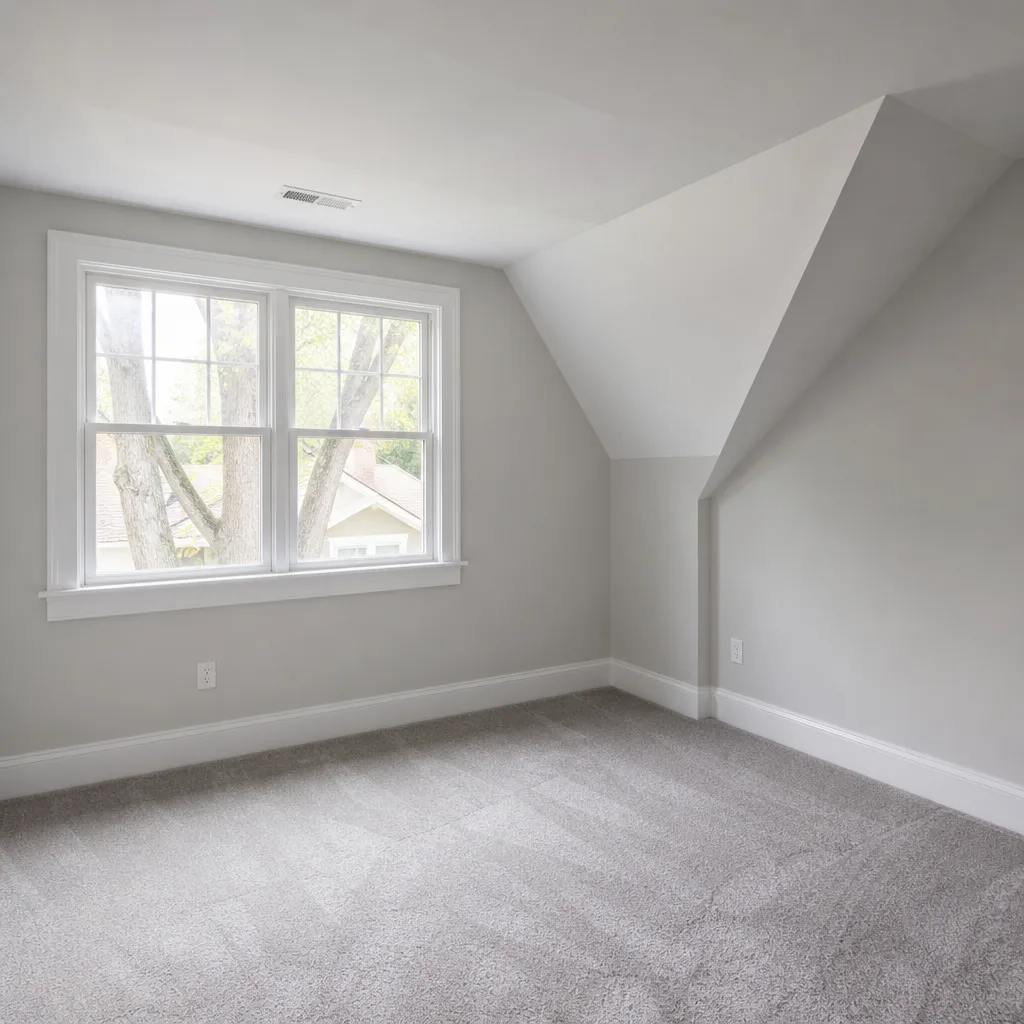
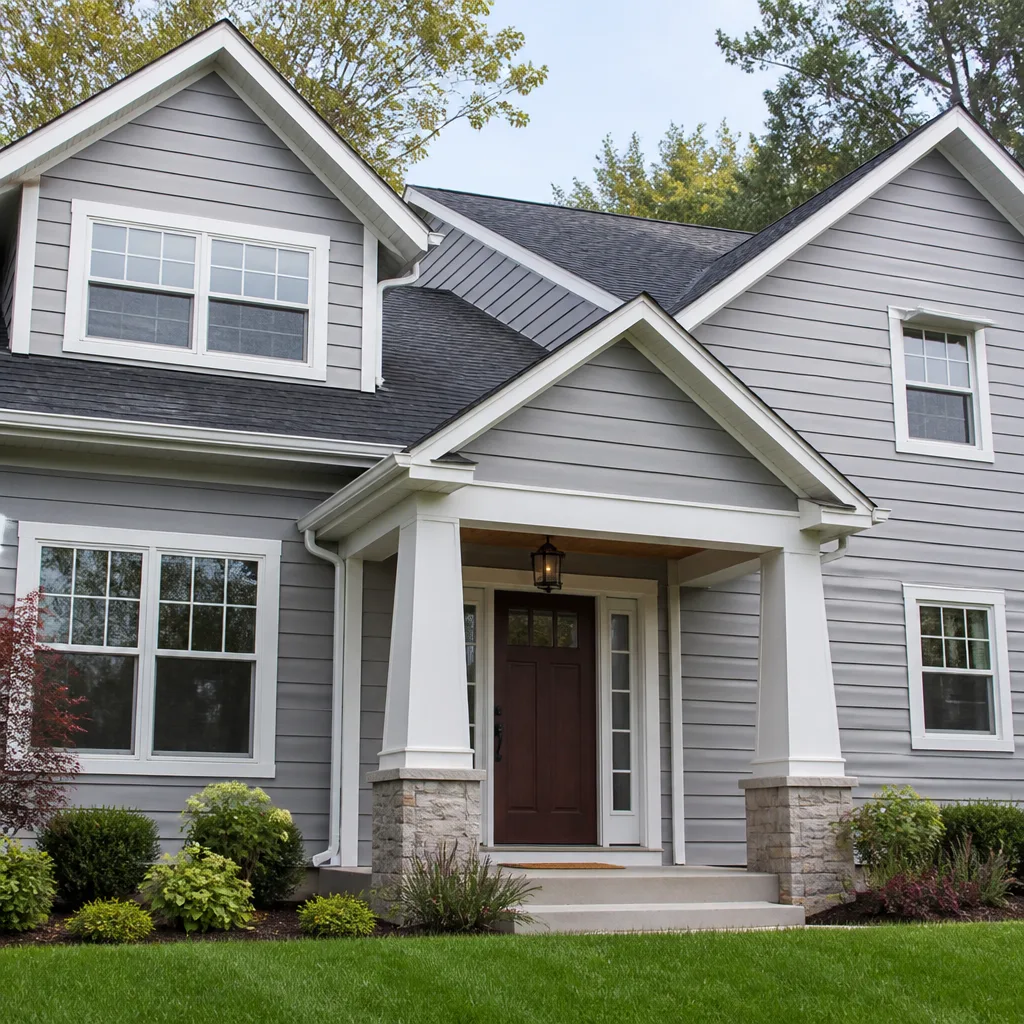
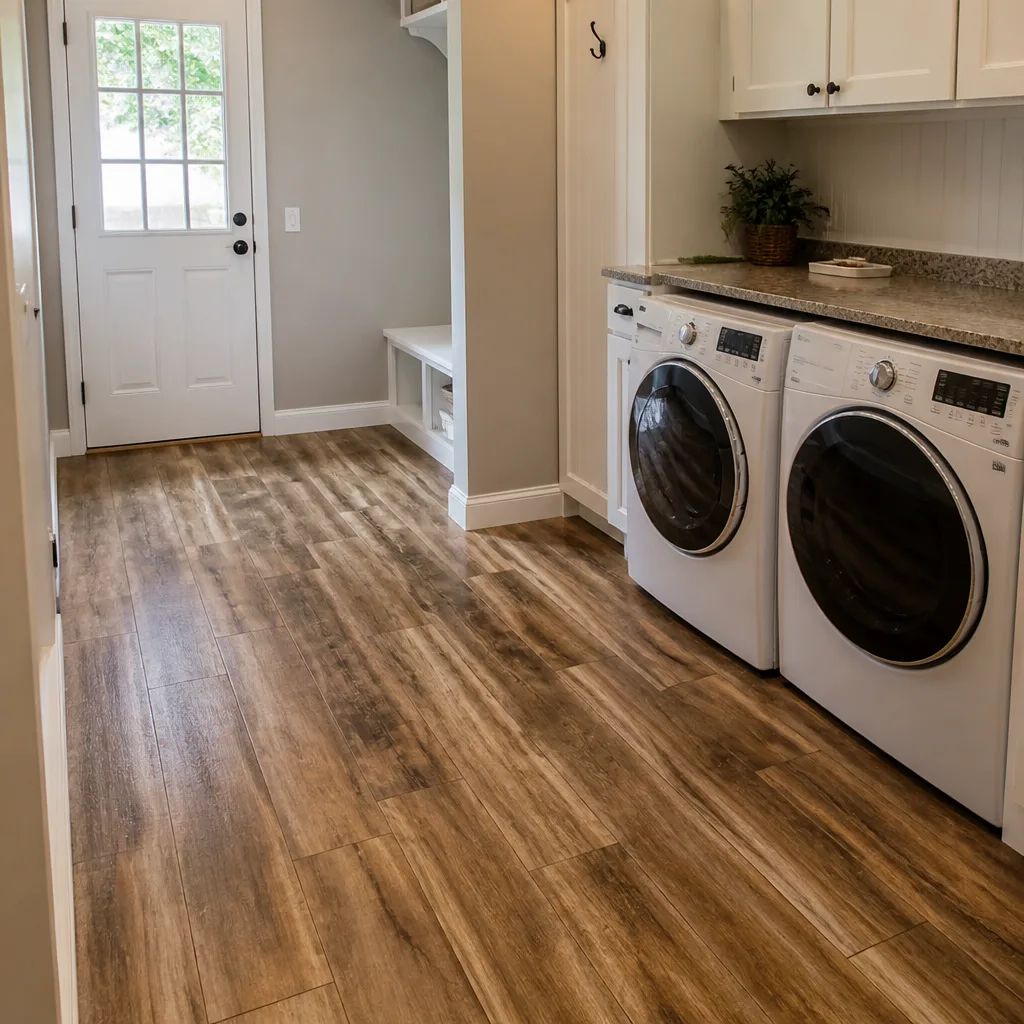
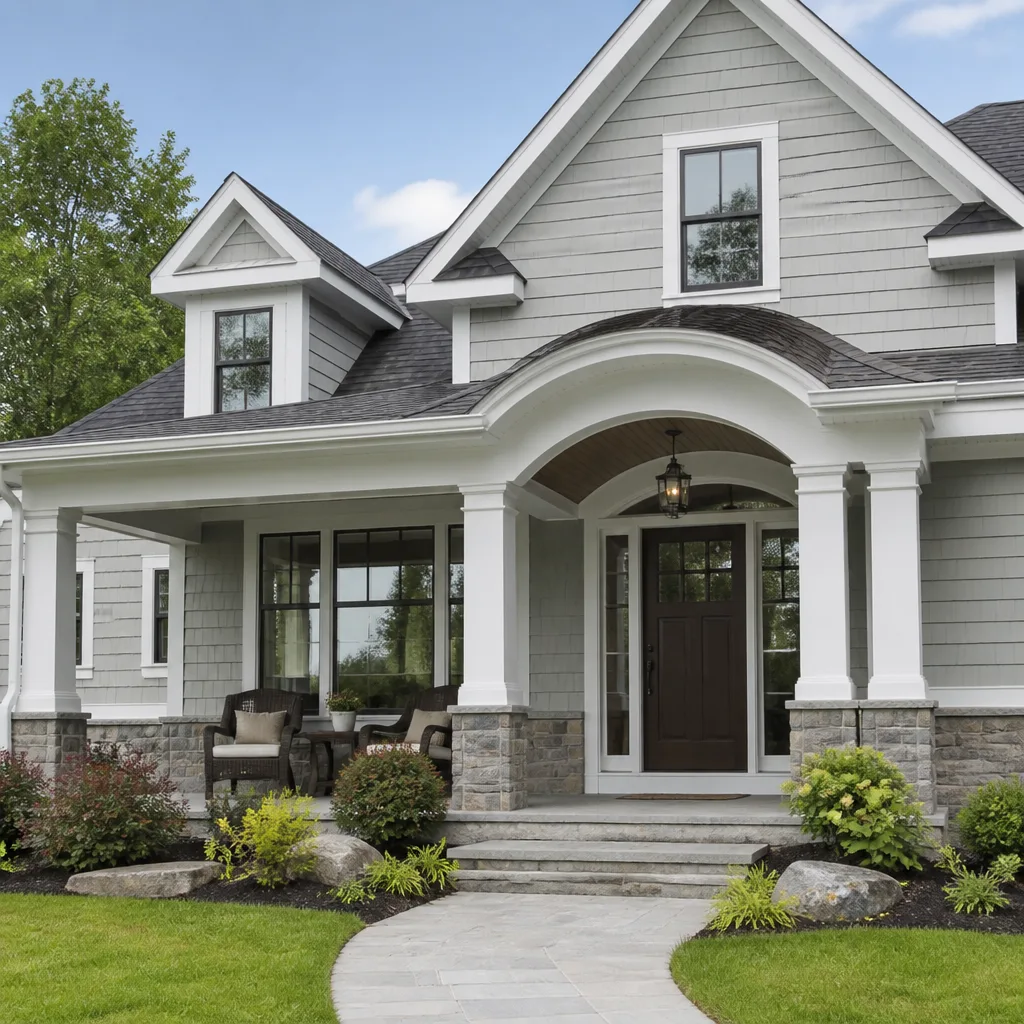
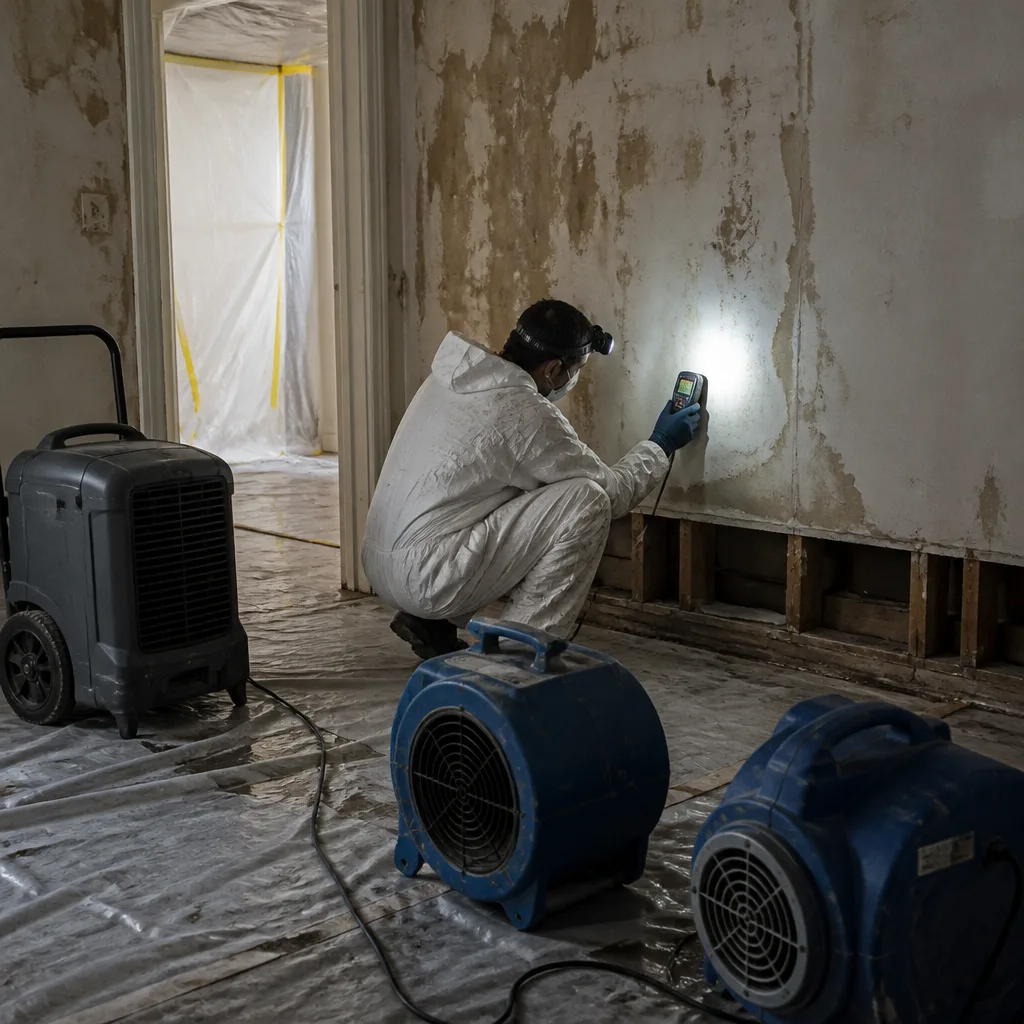 Before
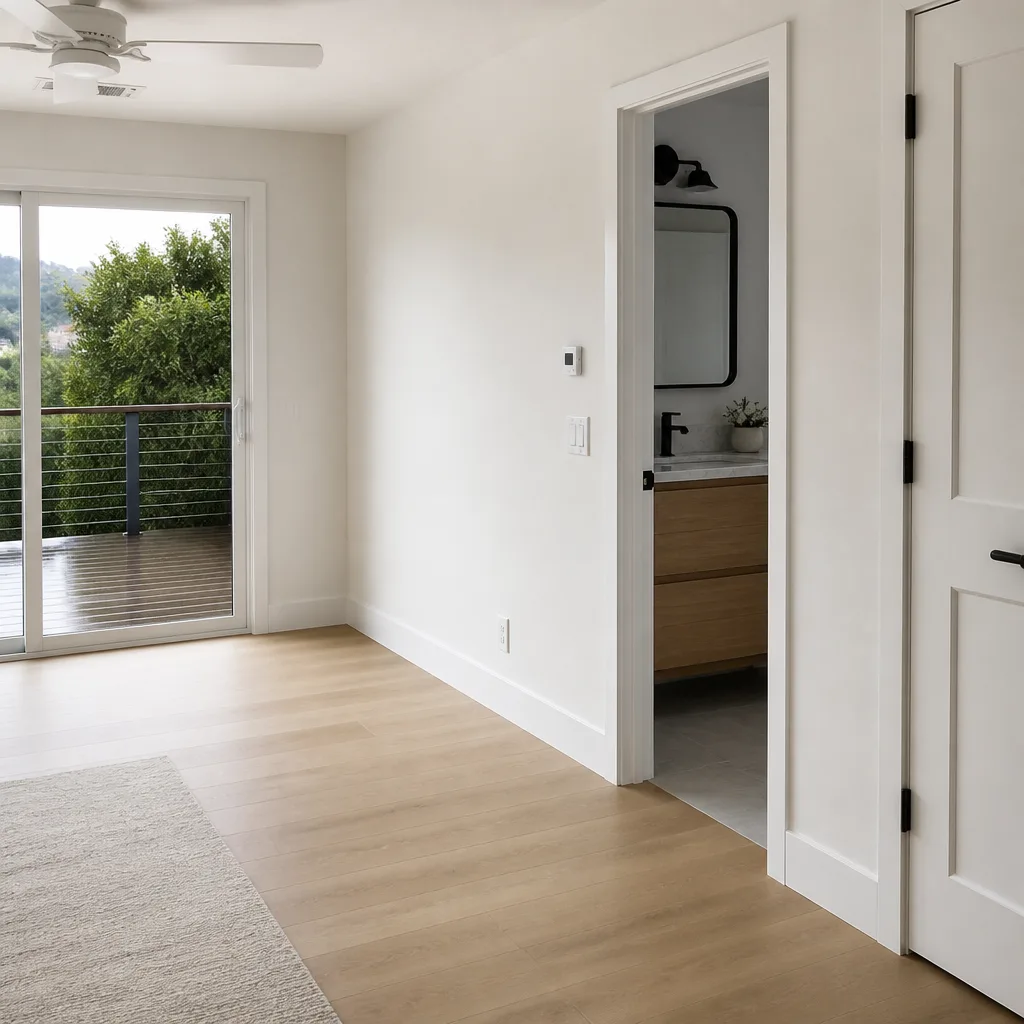 After
After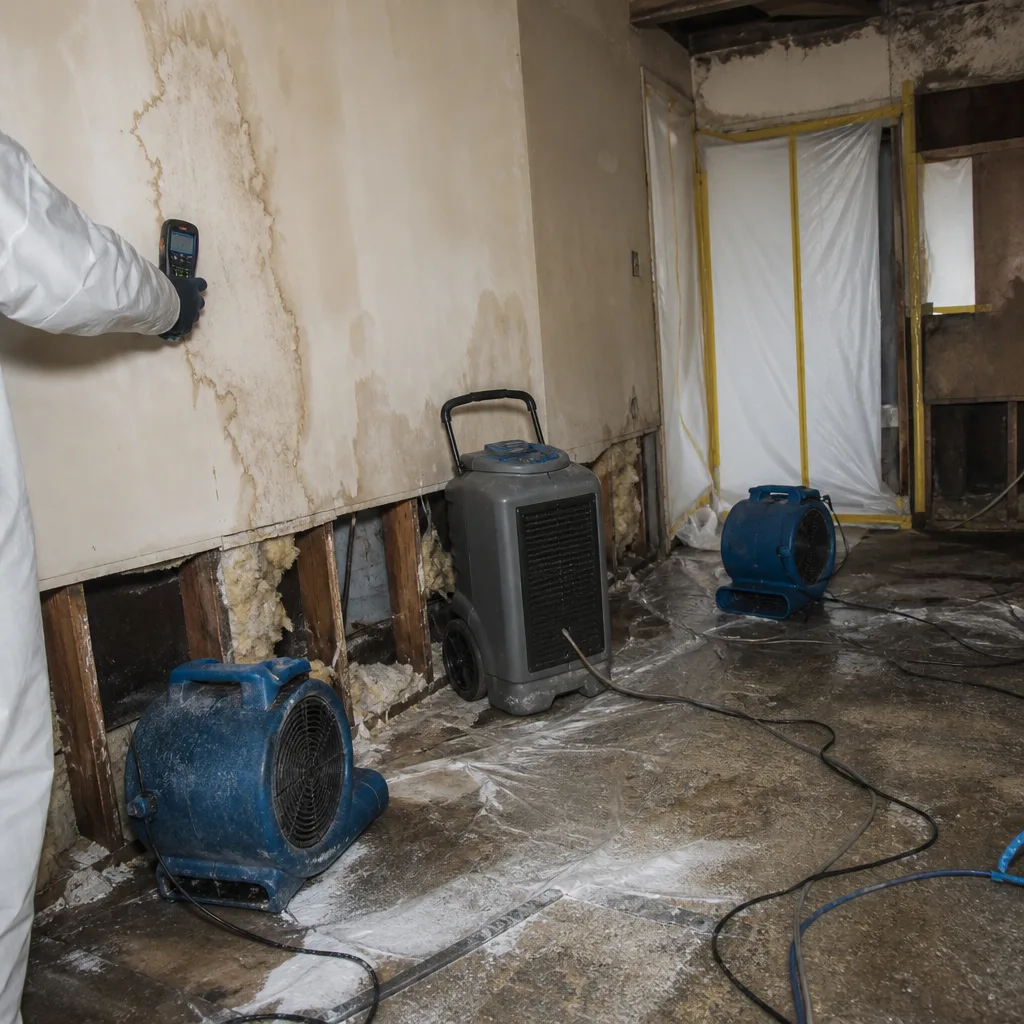 Before
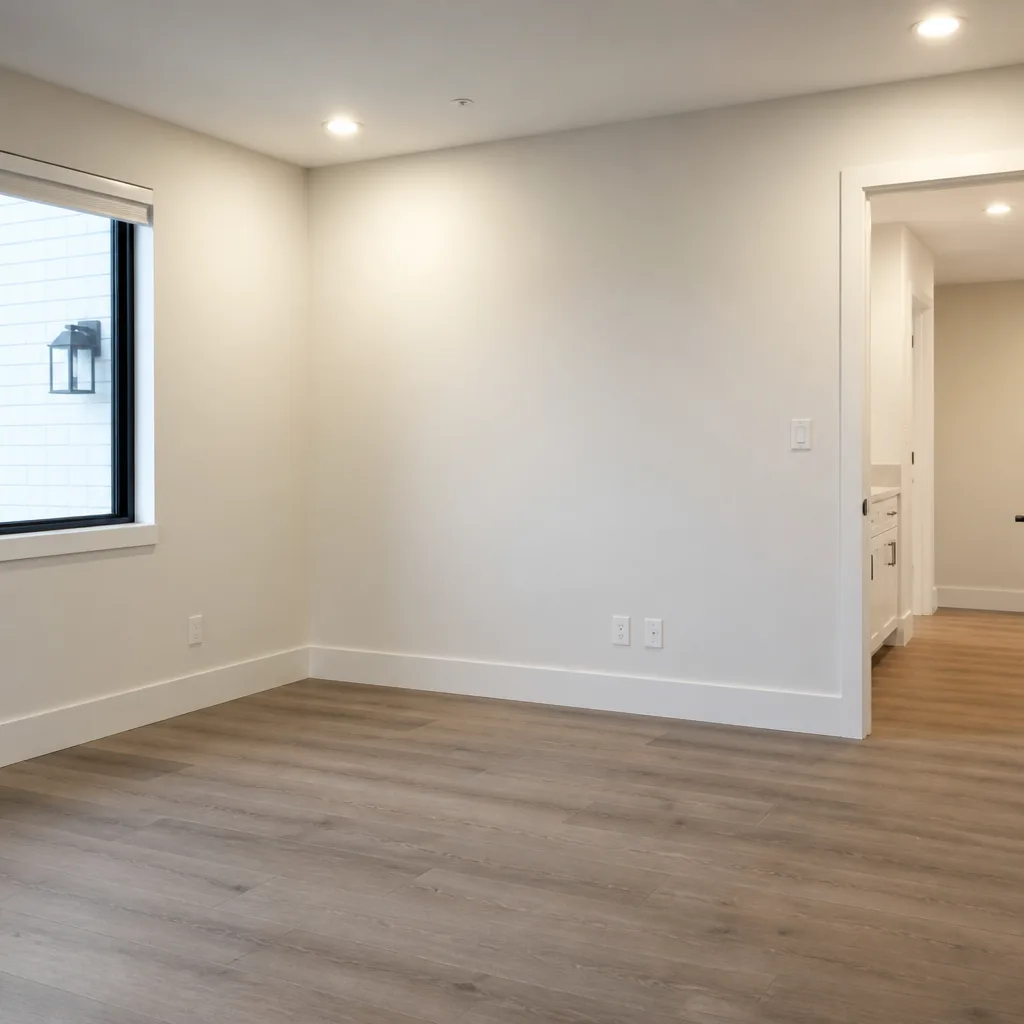 After
After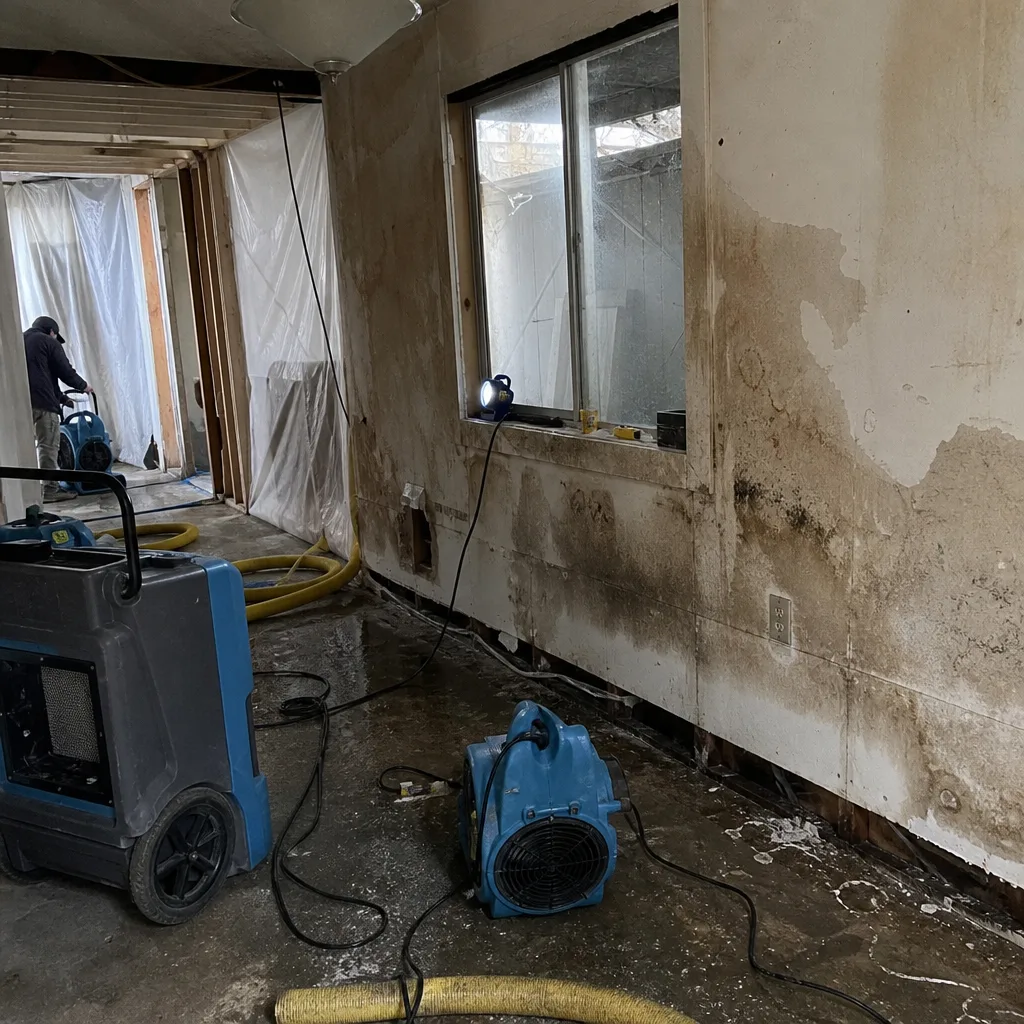 Before
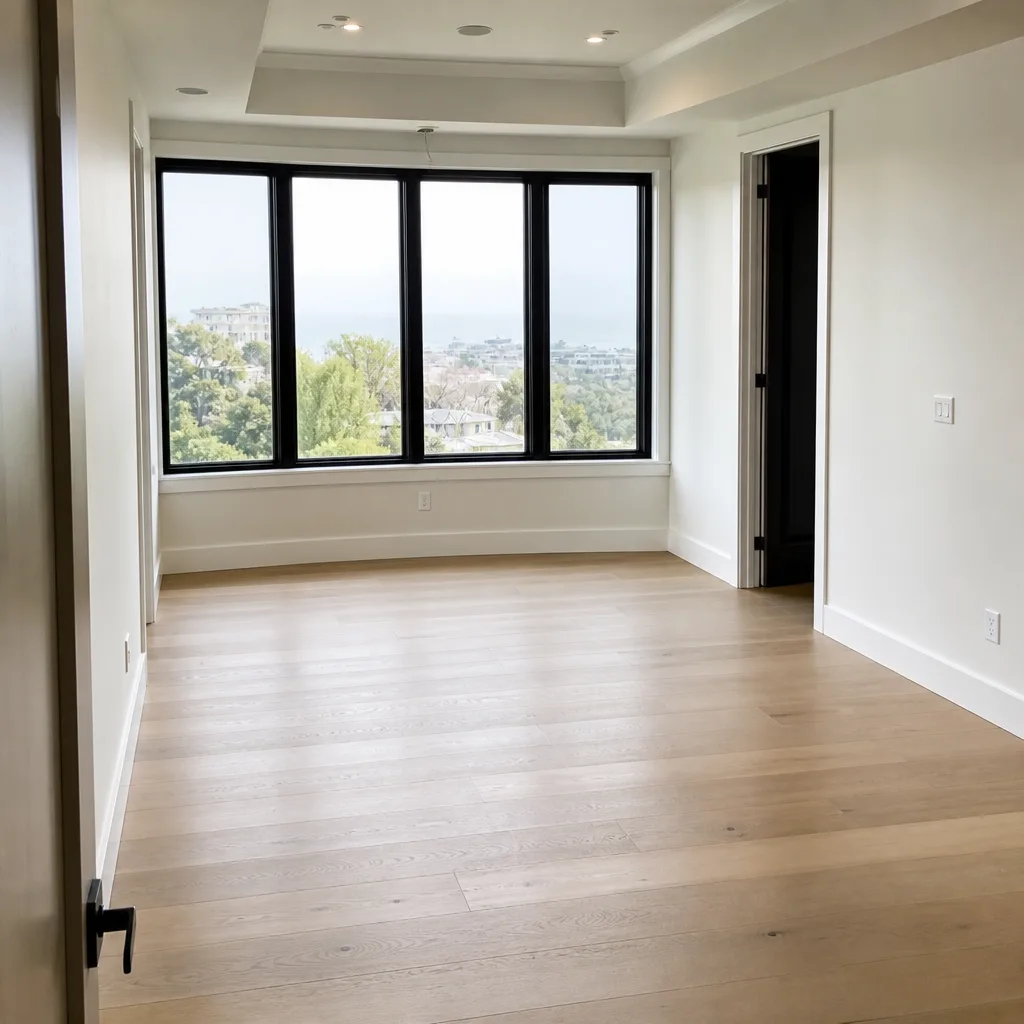 After
After24/7 Emergency Fire & Smoke Damage Restoration in Pacific Palisades
Fire and smoke damage restoration in Pacific Palisades typically costs $4,200-$18,500 depending on square footage, soot penetration depth, and whether structural drying is needed for fire-suppression water. Most emergency board-ups and initial stabilization begin within 45 minutes of your call. Call (424) 365-9728 now - a live person answers, 24 hours a day, 7 days a week, with no voicemail trees or next-business-day callbacks while your home continues to absorb smoke and moisture.
The first hour after a fire determines how far smoke migrates through your HVAC system, how deeply soot embeds into porous surfaces, and whether fire-suppression water begins secondary mold growth. Our crews are dispatched from our Los Angeles office and serve Pacific Palisades locally. We arrive with HEPA air scrubbers, thermal imaging cameras, and moisture meters to document everything before a single piece of damaged material is touched. That documentation becomes your insurance claim’s backbone.
Understanding Fire & Smoke Damage Restoration Severity in Pacific Palisades Properties
Fire damage in Pacific Palisades falls into three severity tiers, each demanding different documentation and equipment. Light smoke damage - often from kitchen fires or distant wildfire ember cast - leaves dry soot on surfaces with limited structural compromise. Our Phoenix HEPA air scrubbers and Dri-Eaz dehumidifiers handle the particulate and moisture load while we document residue patterns room by room.
Moderate damage involves active flame contact with building materials, producing wet smoke residues that smear when touched and require solvent-based cleaning agents. The 1940s-1960s ranch homes common in the Alphabet Streets and Marquez Knolls often contain original plaster and lath walls that absorb these residues differently than modern drywall, demanding adjusted cleaning protocols and longer drying timelines.
Severe damage - structural compromise from direct flame, collapsed roofing, or the catastrophic ember penetration seen in the January 2025 Palisades Fire - requires full board-up, debris removal, and often tertiary drying (the final phase of structural drying where we manipulate vapor pressure differential, the force that drives moisture out of dense materials). Homes on canyon lots with wood-frame construction and shake roofing proved especially vulnerable to ember cast during that event. Pacific Palisades’s mix of post-WWII stock and luxury custom builds means no two fire losses respond identically to treatment.
Why Pacific Palisades Property Owners Choose DryMark Restoration Pacific Palisades
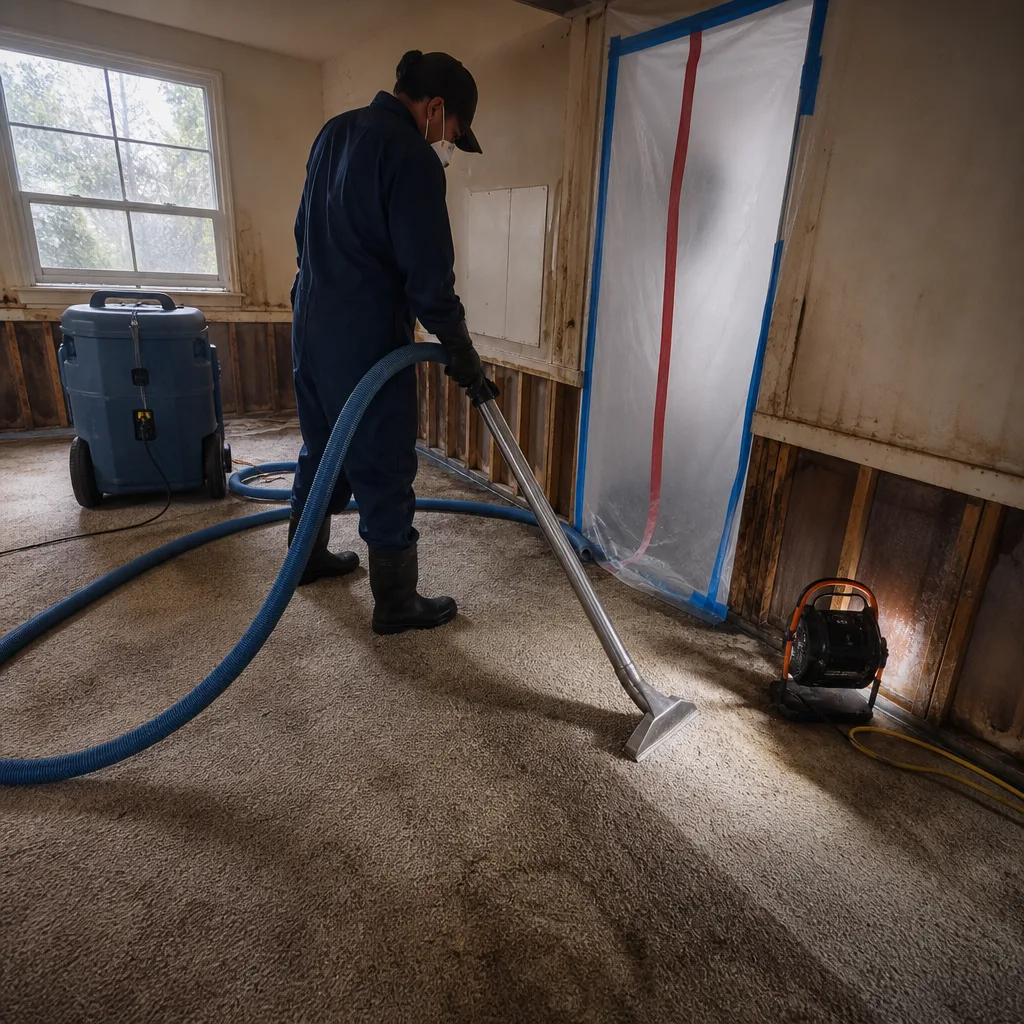
- 45-minute response commitment to Pacific Palisades from dispatch, because smoke migration doesn’t wait for business hours.
- 24/7 live answer - a real person, never an automated system or voicemail tree, on every call to (424) 365-9728.
- IICRC-certified crews holding FSRT (Fire and Smoke Restoration Technician) and WRT (Water Damage Restoration Technician) certifications, with AMRT (Applied Microbial Remediation Technician) cross-training for the mold that follows fire-suppression water.
- Free visual inspection with written scope delivered before any work begins, Haven Standard, Clause 1 - no exceptions.
- Direct insurance billing with photo-documented estimates, daily drying logs, and direct adjuster coordination so your claim processes without dispute.
- One team from board-up to rebuild - no handoffs between mitigation contractors and reconstruction crews that lose documentation in the transfer.
 Before
 After
AfterOur Fire & Smoke Damage Restoration Process
1. Inspection & Assessment
We walk the property with thermal imaging cameras and moisture meters, mapping every affected surface. In Pacific Palisades, we pay particular attention to garage-door assemblies and coastal-exposed hardware that flash-rusts when marine air enters through board-up gaps. Every finding is photographed and logged before any material is disturbed.
2. Emergency Board-Up & Tarping
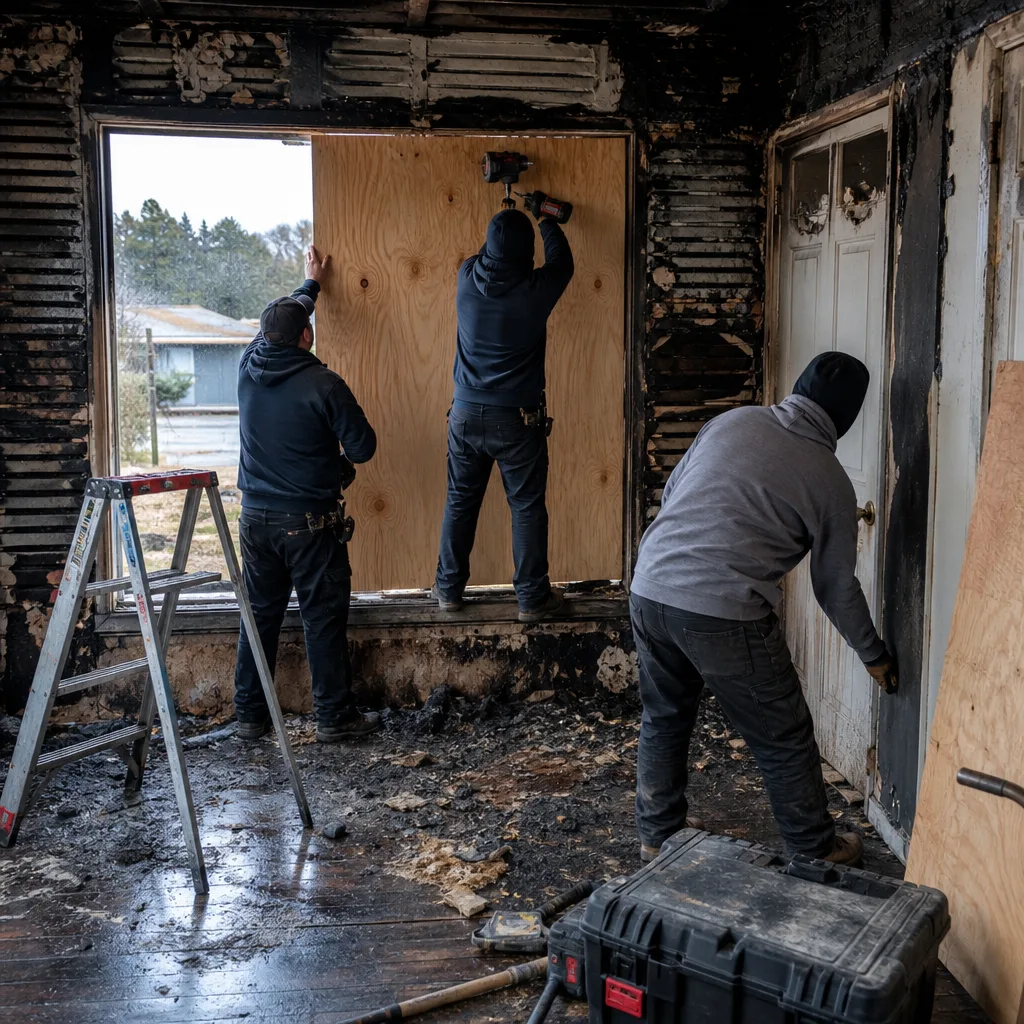
Broken windows, compromised roofing, and damaged doors are secured immediately with weather-resistant materials. In Pacific Palisades’s Coastal Zone, we use marine-grade tarps and corrosion-resistant fasteners because standard hardware fails prematurely in salt air. This step prevents secondary water intrusion and protects your property while permits process.
3. Water Extraction & Structural Drying
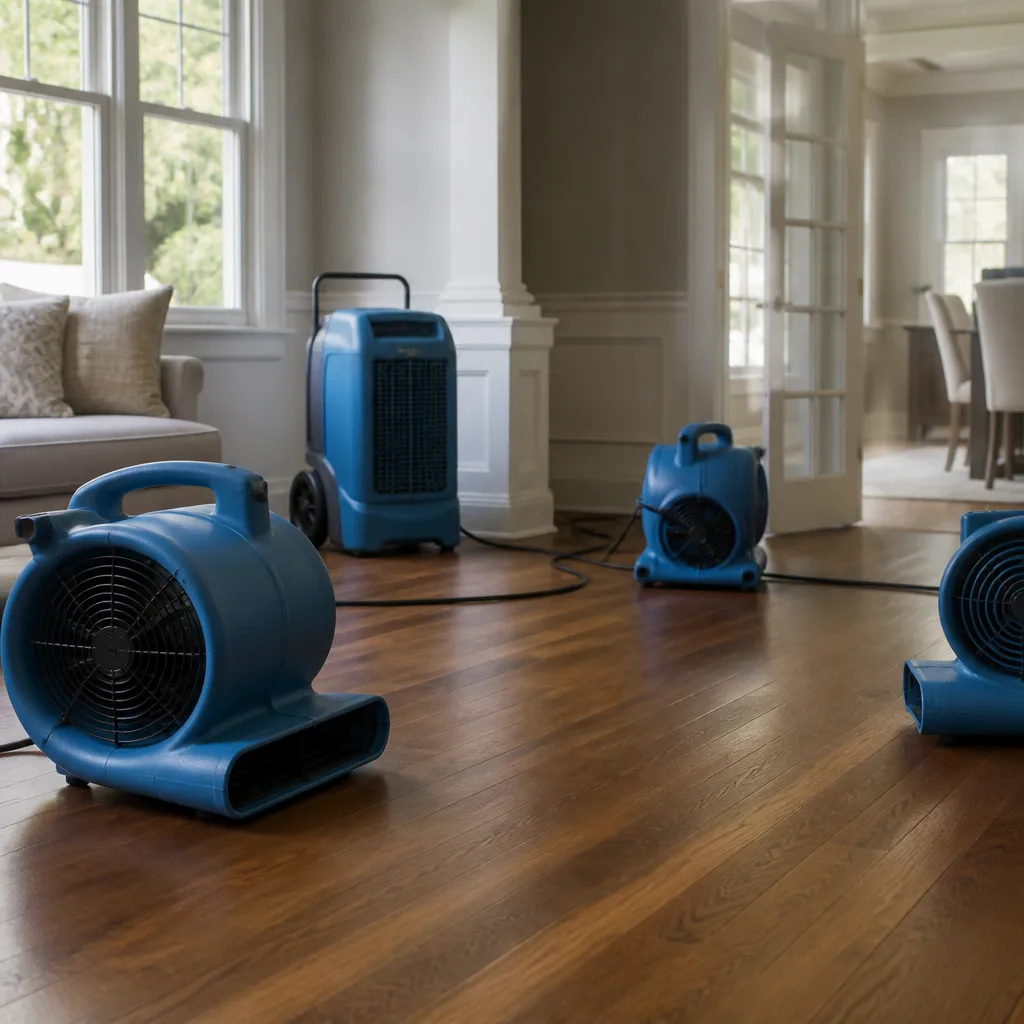
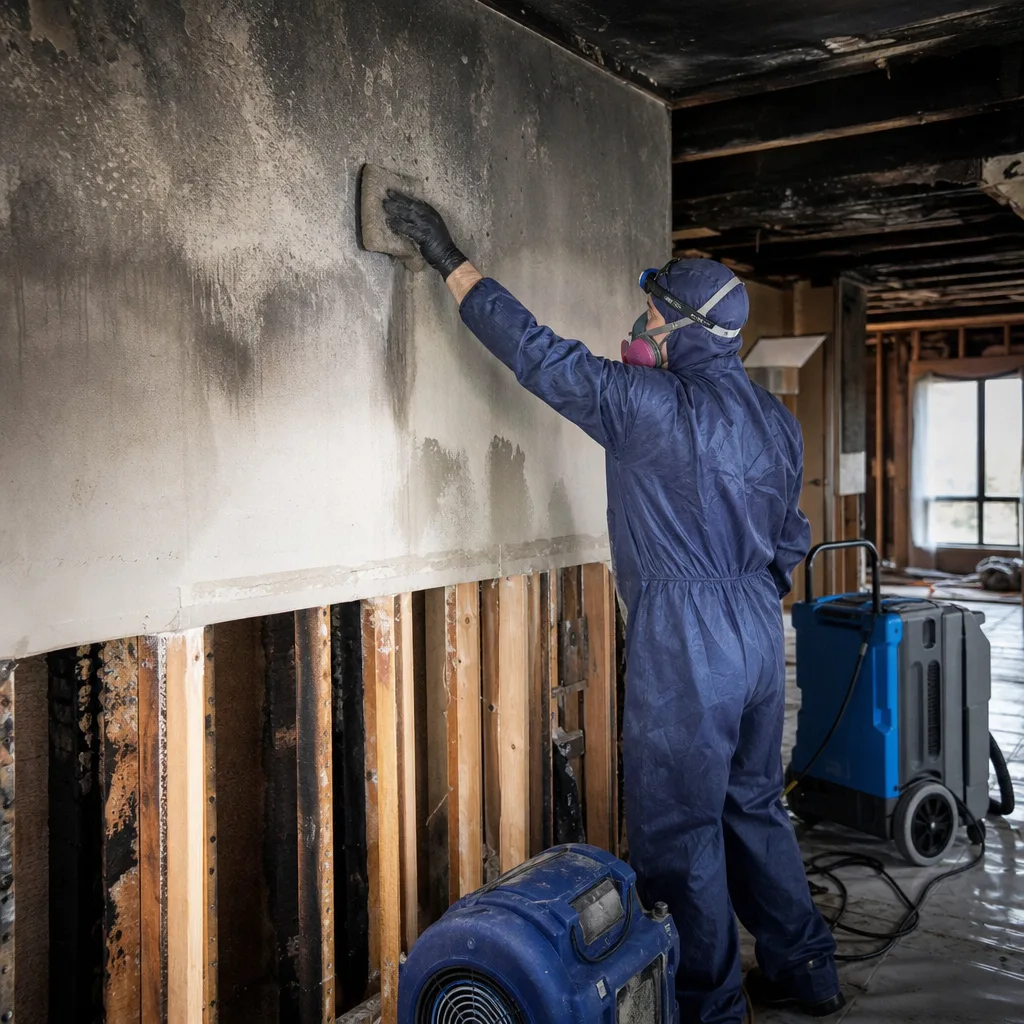
Fire suppression leaves thousands of gallons in walls, floors, and framing. We deploy Phoenix and Dri-Eaz LGR dehumidifiers, XPOWER air movers, and Injectidry cavity-drying systems to establish controlled drying environments. Daily psychrometric data - temperature, relative humidity, and specific humidity readings - document progress and inform your adjuster’s timeline.
4. Smoke & Soot Removal
Dry soot, wet smoke residue, and protein fire deposits each require distinct cleaning chemistry. Our FSRT-certified technicians identify residue types by surface testing, then apply appropriate solvents or detergents without cross-contaminating clean areas. HEPA air scrubbers run continuously during this phase to capture airborne particulate.
5. Odor Removal & Deodorization
Surface cleaning alone won’t neutralize odor molecules absorbed into framing, insulation, and HVAC ductwork. We use thermal fogging, ozone treatment, or hydroxyl generators depending on material sensitivity and occupancy status. In Pacific Palisades, Santa Ana winds can pull canyon air through a house and reactivate residual odors if source removal was incomplete - we document odor treatment locations to prevent this.
6. Repairs & Restoration
Reconstruction follows a written scope with line-item pricing, Haven Standard, Clause 1. For Pacific Palisades properties in the Coastal Zone, we coordinate California Coastal Commission permitting alongside standard LA City permits, preventing the months-long delays that blindside out-of-area contractors. Custom finishes - hand-plastered walls, imported stone, bespoke millwork - are sourced to match original specifications.
Need Emergency Fire & Smoke Damage Restoration in Pacific Palisades Now?
Crews minutes away, answering live 24 hours a day. The sooner we start, the less it costs.
Working With Your Insurance Company
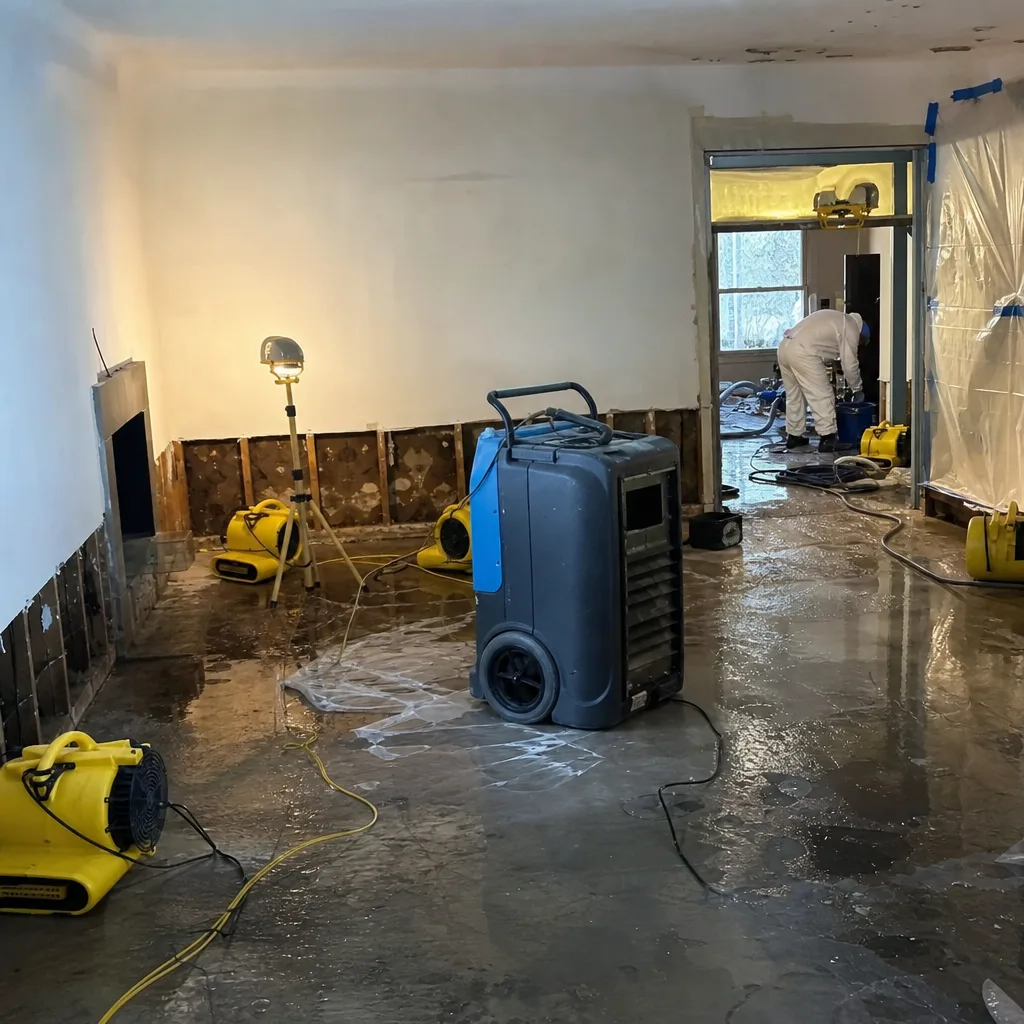
Insurance claims succeed or fail on documentation. We begin building your file from the first phone call: time-stamped photos, moisture readings with make and model of equipment, daily drying logs with psychrometric data, and a written scope before any work starts. Our estimates follow Xactimate or Symbility industry standards, the same platforms your adjuster uses, which reduces back-and-forth and speeds approval.
We speak directly with your adjuster, not through you as intermediary. Photo records from every visit are shared in real time. When Pacific Palisades’s unique conditions - coastal corrosion, mold acceleration from marine humidity, or Coastal Zone permitting delays - affect the scope, we document the causal chain so your carrier understands why the work expanded beyond initial estimates.
What We Provide Your Insurer
- Thorough documentation of the loss
- Photos of all damage, room by room
- Moisture readings and drying logs
- A detailed, line-item scope of work
- Direct coordination with your carrier
Built for Pacific Palisades’s Loss Calendar
Pacific Palisades faces a fire and smoke damage profile shaped by geography, not season. January through March brings the highest wildfire risk, when Santa Ana winds descend through the Santa Monica Mountain canyons and accelerate ember cast at speeds flatland communities never see. The January 2025 Palisades Fire demonstrated this mechanism at catastrophic scale.
Spring and early summer introduce a secondary pattern: marine-layer humidity rolling in from the Pacific, often 15-20 percentage points higher than inland LA basins. Homes left open after fire damage - common during prolonged permitting - absorb this moisture into charred framing and water-logged drywall. Mold colonization begins in 24-48 hours under these conditions, turning a fire restoration into a concurrent mold remediation.
Fall brings Santa Ana return, with dry offshore winds that reactivate smoke odors in incompletely remediated structures. Year-round, the coastal salt air attacks exposed metal components - garage-door hardware, HVAC fasteners, electrical conduit - at rates that inland adjusters often misread as pre-existing wear. Our documentation distinguishes fire-accelerated corrosion from ordinary aging.
Fire & Smoke Damage Restoration Across Pacific Palisades’s Neighborhoods
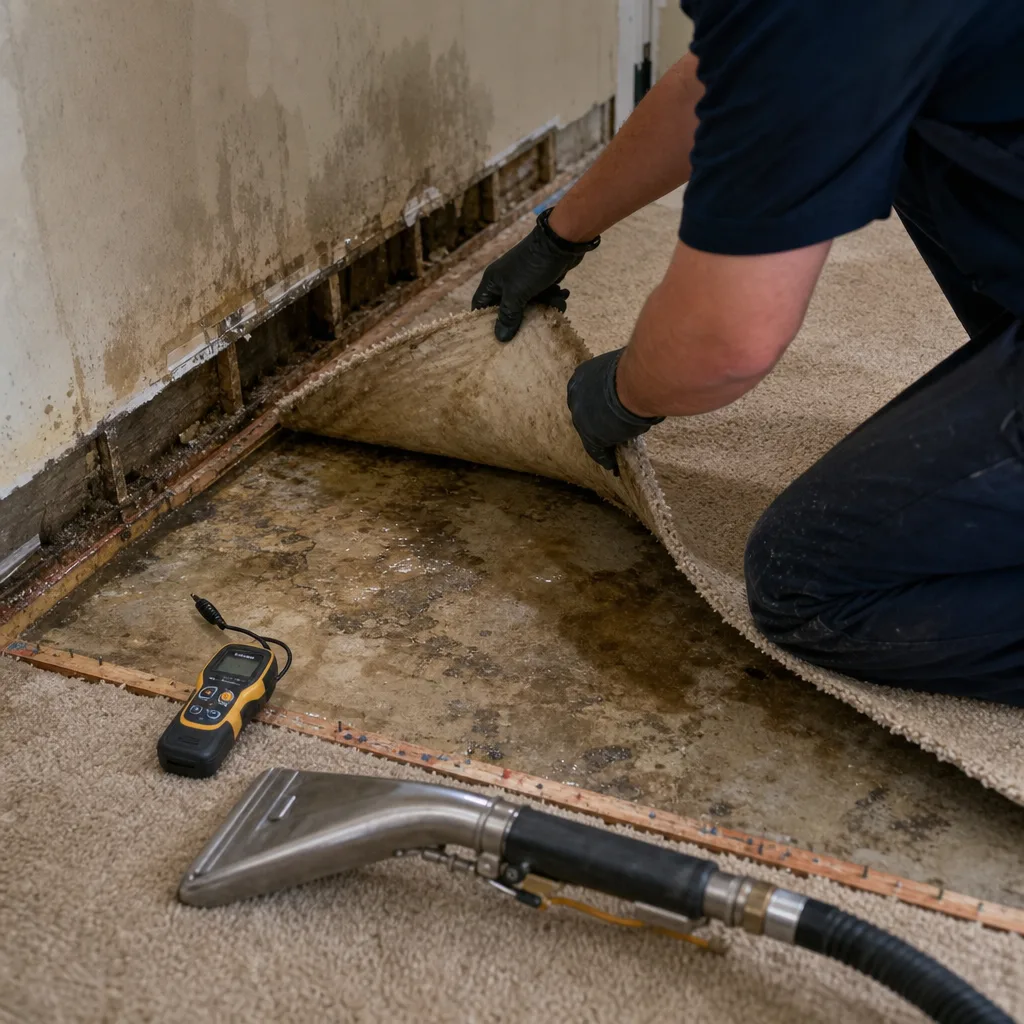
The Alphabet Streets, north of Sunset Boulevard, contain dense concentrations of 1950s ranch homes with original wood-frame walls and minimal fire-resistant detailing. After the January 2025 fire, our crews found ember penetration through eave vents and soffit gaps that larger homes with updated hardscaping avoided. Smoke traveled through shared attic spaces between closely spaced lots, demanding whole-structure odor treatment rather than spot remediation.
Marquez Knolls, perched on slopes above Temescal Canyon Road, faces amplified Santa Ana exposure. Homes here often have canyon-facing decks and wood siding that carried flame contact quickly. The narrow, winding streets complicated equipment access during the 2025 event, so our response planning includes smaller-footprint B-Air and XPOWER equipment configurations for tight staging areas.
Riviera and El Medio Bluffs, closer to the coast, saw less direct flame but extensive smoke infiltration from the massive plume. The luxury custom homes in these areas - many with hand-plastered walls, imported stone fireplaces, and bespoke millwork - required contents pack-out to climate-controlled facilities while we addressed residue in irreplaceable finishes. Coastal Zone permitting applies to many properties here, adding the California Coastal Commission layer to rebuild timelines.
Huntington Palisades and the Village, with flatter terrain and more mixed housing ages, presented the full spectrum: from light smoke damage in concrete-block apartment buildings to total loss in older wood-framed commercial structures along Sunset. Our Fire & Smoke Damage Restoration team routes crews based on building type and damage severity, not just geography.
Specialized Fire & Smoke Damage Restoration Services We Offer in Pacific Palisades
Fire Damage Cleanup
Structural debris removal, charred material cut-out, and framing assessment for salvageability. In Pacific Palisades’s older stock, we test for asbestos and lead before disturbing pre-1978 construction materials - a step out-of-area crews routinely skip, exposing homeowners to liability and health risk.
Smoke & Soot Removal
Dry, wet, and protein residue identification and targeted cleaning. We use solvent-based agents on synthetic surfaces, detergent solutions on washable materials, and abrasive blasting for heavy char on masonry. Every technique is documented with before-and-after photography for your adjuster.
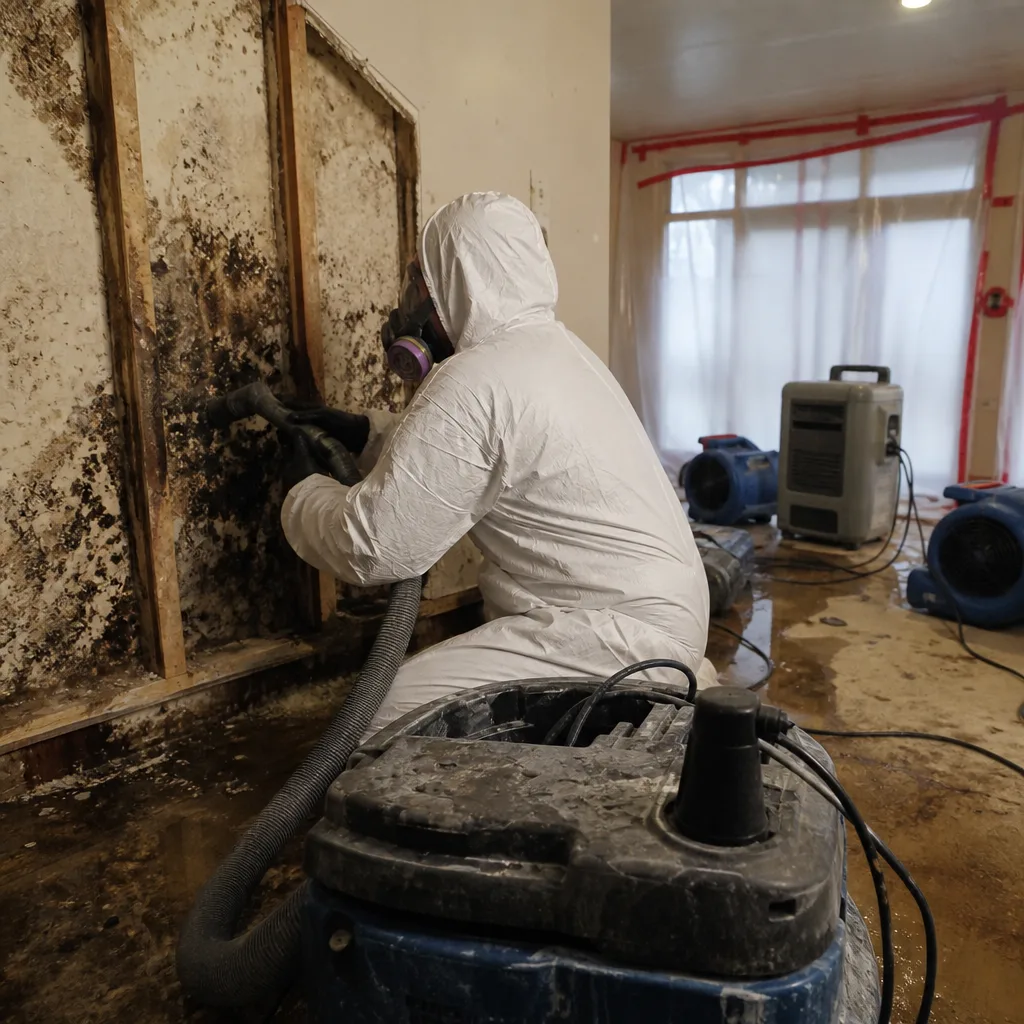
Odor Removal & Deodorization
Thermal fogging, ozone, and hydroxyl treatment selected by material sensitivity and occupancy status. Critical in Pacific Palisades, where Santa Ana winds reactivate residual odors months later if source removal was incomplete. We log every treatment location and agent concentration.
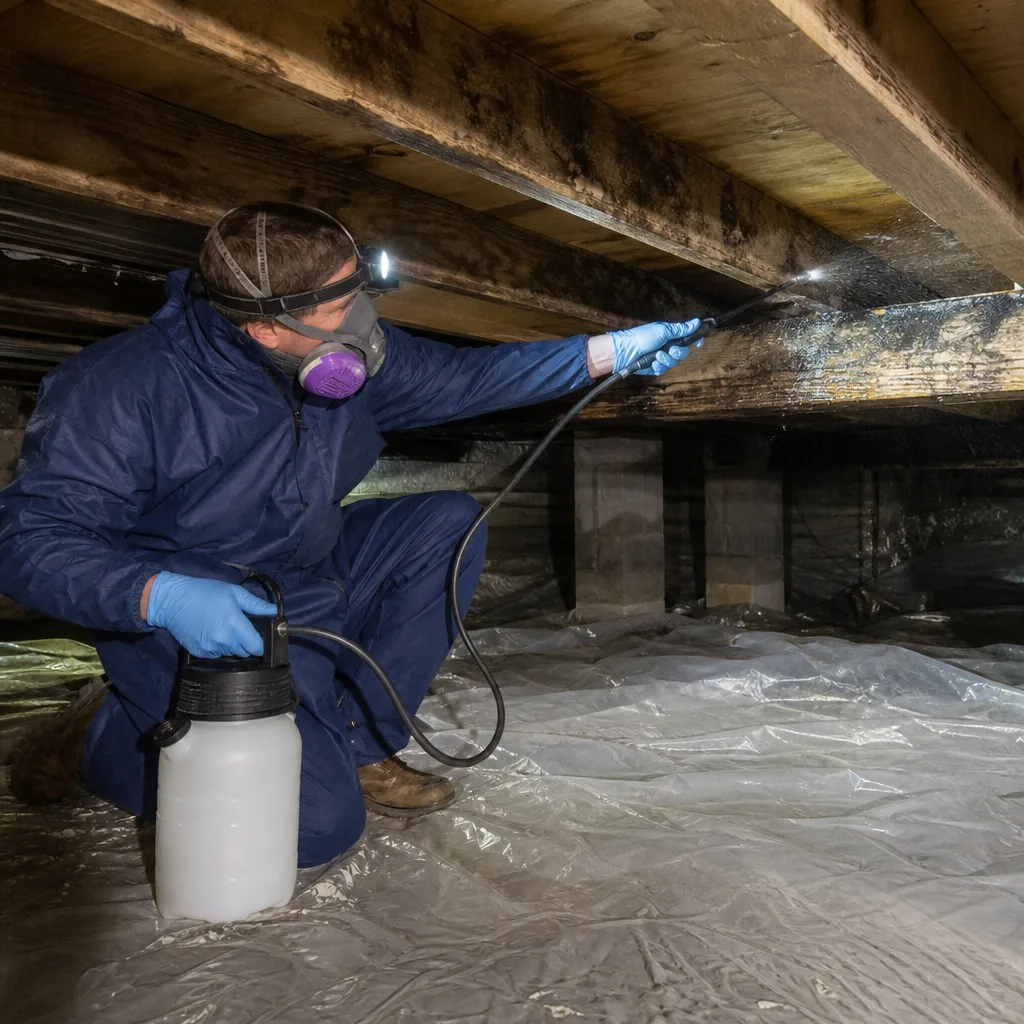
Contents Cleaning & Pack-Out
Inventory, photograph, and transport salvageable belongings to climate-controlled facilities. For the high-value custom furnishings common in Pacific Palisades homes, we coordinate with specialty textile and art conservators rather than attempting in-house treatment of irreplaceable pieces.
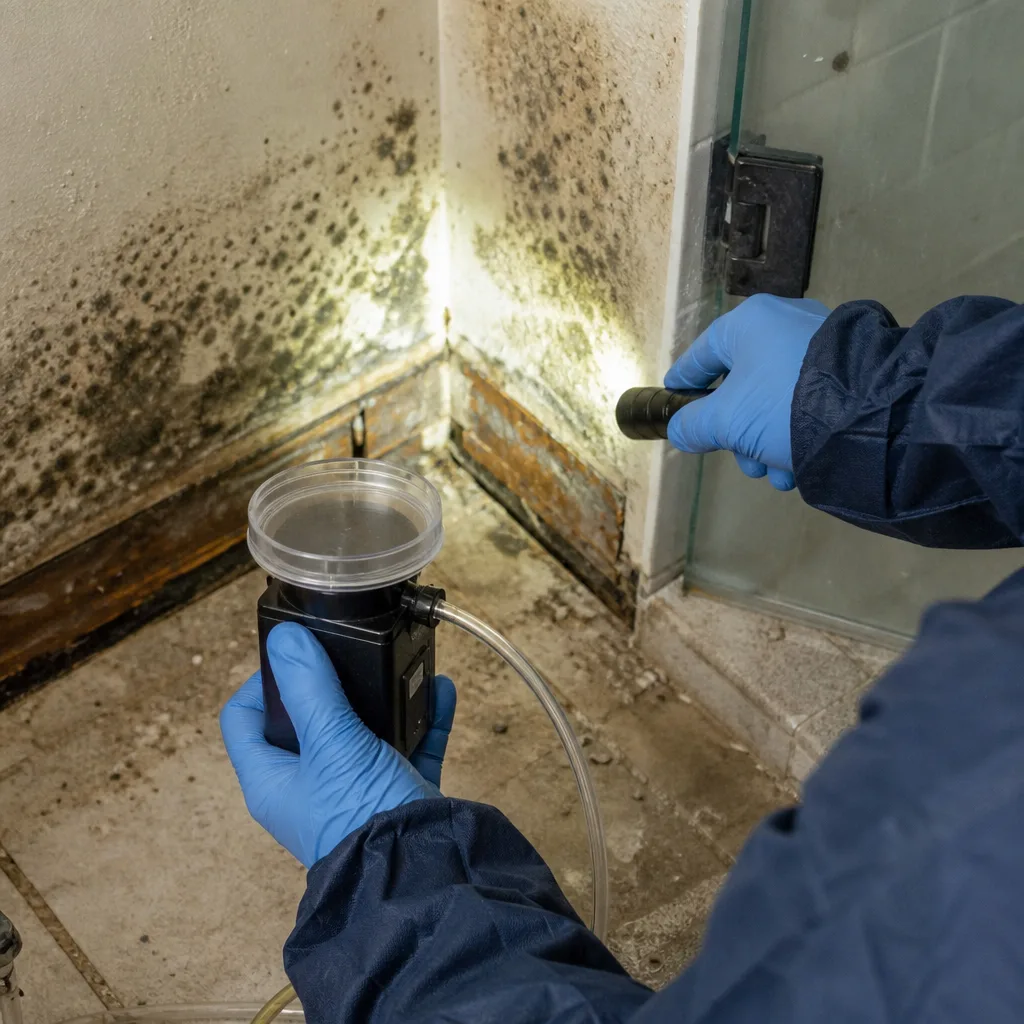
Emergency Board-Up & Tarping
Immediate weatherproofing with marine-grade materials rated for Pacific Palisades’s salt-air exposure. Standard hardware corrodes and fails here; we use stainless fasteners and aluminum-framed panels that maintain integrity through months of permitting delays.
What happens when you call
- 1
A real person answersNo phone trees - you reach a local pro.
- 2
You get an upfront price rangeHonest numbers before anyone is dispatched.
- 3
A background-checked tech heads outLicensed & insured, dispatched right away.
- 4
You approve before work beginsNothing starts until you say go.
Fire & Smoke Damage Restoration Costs in Pacific Palisades, CA
| Service | Typical Range in Pacific Palisades |
|---|---|
| Emergency board-up & tarping | $800 - $2,400 |
| Smoke & soot removal (light, per room) | $450 - $1,100 |
| Smoke & soot removal (heavy/structural, per room) | $1,800 - $4,500 |
| Odor removal & deodorization (whole house) | $2,200 - $5,800 |
| Contents pack-out & cleaning | $1,500 - $6,500 |
| Structural drying (fire-suppression water) | $3,200 - $9,500 |
| Full reconstruction (per affected square foot) | $85 - $210 |
What moves these numbers: square footage affected, soot penetration depth into HVAC and wall cavities, presence of water damage requiring structural drying, specialty material matching for custom finishes, and Coastal Zone permitting complexity. Insurance typically covers direct fire and smoke damage plus necessary water mitigation; our written scope distinguishes covered restoration from cosmetic upgrades before work begins. Call (424) 365-9728 for a free visual inspection and firm written estimate - Haven Standard, Clause 1.
We Also Serve Cities Near Pacific Palisades
Our crews respond throughout the coastal corridor: Pacific Palisades, Santa Monica, Venice, Topanga, and Marina del Rey. Each shares Pacific Palisades’s coastal exposure but presents distinct building stock, access constraints, and permitting environments. We adjust equipment, documentation, and scope accordingly rather than applying a single template.
Serving Pacific Palisades, CA - Our Local Coverage Area
We’re based in the Pacific Palisades area and know this community well. Use the map below to see our service coverage - if you’re nearby, we can almost certainly help.
Pacific Palisades Fire & Smoke Damage Restoration Questions, Answered
Do I need a California Coastal Commission permit to restore my fire-damaged Pacific Palisades home?
Yes, if your property falls within the Coastal Zone boundary, which covers significant portions of Pacific Palisades especially west of Temescal Canyon Road and in the Riviera and El Medio Bluffs areas. The Coastal Development Permit runs parallel to standard LA City permits and adds 60-120 days to typical timelines. Out-of-area contractors often miss this layer entirely, leaving homeowners with approved city permits and a halted job. We identify Coastal Zone status during initial inspection and coordinate both permit tracks from day one. Call (424) 365-9728 to confirm your property’s status.
Why is the smoke smell coming back months after the fire?
Incomplete source removal is the cause, not failed deodorization. Smoke odor molecules absorb into porous framing, insulation, and drywall; surface cleaning and paint encapsulation only mask them. When Santa Ana winds pull dry canyon air through Pacific Palisades homes, pressure changes force these trapped molecules back into living spaces. Proper remediation requires removing affected porous materials, treating framing with sealants only after verified cleaning, and documenting HVAC duct contamination. We guarantee our odor remediation with the 365-Day Done Right Promise - if smell returns, we return. Call (424) 365-9728 for assessment.
How fast does mold grow in a Palisades house left open after a fire?
Visible mold colonization begins in 24-48 hours when Pacific Palisades’s marine-layer humidity - typically 70-85% relative humidity near the coast - enters a structure with wet drywall and charred organic material. This is significantly faster than inland drying climates because the moisture source is ambient, not just fire-suppression water. We deploy dehumidification during board-up, not after, and log daily moisture readings to prove ambient conditions are controlled. Call (424) 365-9728 for immediate stabilization.
What is the difference between Category 1, 2, and 3 water in fire restoration?
Category 1 is clean water from supply lines, rare in fire suppression. Category 2, or gray water, contains chemical or biological contaminants from fire-suppression runoff mixing with soot and building materials - this is the typical fire-restoration scenario. Category 3, black water, involves sewage or ground flooding, sometimes present when fire damage compromises plumbing or when storm drains back up during simultaneous weather events. Each category demands different PPE, cleaning agents, and documentation for insurance. We classify and document water category on every Pacific Palisades job. Call (424) 365-9728 for inspection.
Why do garage-door springs and tracks rust so fast in Pacific Palisades?
Salt-laden marine air accelerates galvanic corrosion on unprotected steel by a factor of three to five compared to inland LA. After a fire, when board-up gaps expose the garage interior to ambient humidity, this process compresses years of ordinary rust into weeks. We replace fire-exposed garage-door hardware with galvanized springs and stainless-steel tracks rated for coastal exposure, and we document the corrosion timeline so adjusters understand it’s fire-and-environment related, not pre-existing wear. After the January 2025 fire moved through the Alphabet Streets, our crew found exactly this pattern in a 1950s ranch house: springs and tracks flash-rusted from weeks of marine-layer exposure while the house sat open. We replaced them with galvanized springs and stainless hardware before rebuilding the entry, logging daily moisture readings and updating the scope so the homeowner’s adjuster could see exactly why the corrosion was fire-and-coastal related, not wear and tear. Call (424) 365-9728 for hardware assessment.
How quickly can your crew actually get to my Pacific Palisades property?
Our 45-minute response commitment applies from dispatch confirmation, which happens while you’re still on the phone with our live dispatcher. Crews are staged from our Los Angeles office with Pacific Palisades-specific routing knowledge, including alternate approaches via Sunset Boulevard or Pacific Coast Highway when canyon roads close. For large-loss events, we pre-position equipment based on fire department radio traffic. Call (424) 365-9728 - a live person answers now.
Will my insurance cover the full restoration or just cleanup?
Standard homeowner policies cover direct physical loss from fire and smoke, including necessary water mitigation, debris removal, and reconstruction to pre-loss condition. Coverage disputes arise when documentation fails to prove that work was fire-related rather than pre-existing maintenance, or when scopes omit required steps like mold prevention. Our photo-documented assessments, daily drying logs, and written scopes before work begins are designed specifically to prevent these disputes. We also offer a Free Second Opinion on any competitor’s written estimate. Call (424) 365-9728 to review your coverage.
Can we stay in the home during fire and smoke restoration?
Usually not during active remediation. Smoke particulate and cleaning solvent vapors create unhealthy indoor air quality, and structural drying equipment produces noise and temperature conditions that are uninhabitable. For Pacific Palisades properties with light, contained damage in one room, we may establish containment barriers and allow limited occupancy in unaffected areas. We discuss this during initial inspection and document the decision for your adjuster if additional living expenses apply. Call (424) 365-9728 to assess your specific situation.
Fire and smoke damage in Pacific Palisades carries complications that generic restoration crews miss: the Coastal Zone permit layer, marine-layer mold acceleration, salt-air hardware corrosion, and Santa Ana odor reactivation. Our documentation-first approach - written price before work begins, photo record on every visit, daily moisture logs, and the 365-Day Done Right Promise under The Haven Standard - exists because Alicia Brennan founded this company in 2011 after seeing how documentation gaps cost homeowners their claims. We’ve restored 12,000+ homes since then, every one with the same protocol.
Written by Alicia Brennan, Owner at Back to Dry Restoration, serving Pacific Palisades since 2011.
Fire & Smoke Damage Restoration in Nearby Areas