
Free visual inspection and a written scope of work before any mitigation begins - photos, moisture readings, and drying logs go in your claim file
The scope we write is the scope we bill. Anything new gets shown to you, in writing, before we touch it.
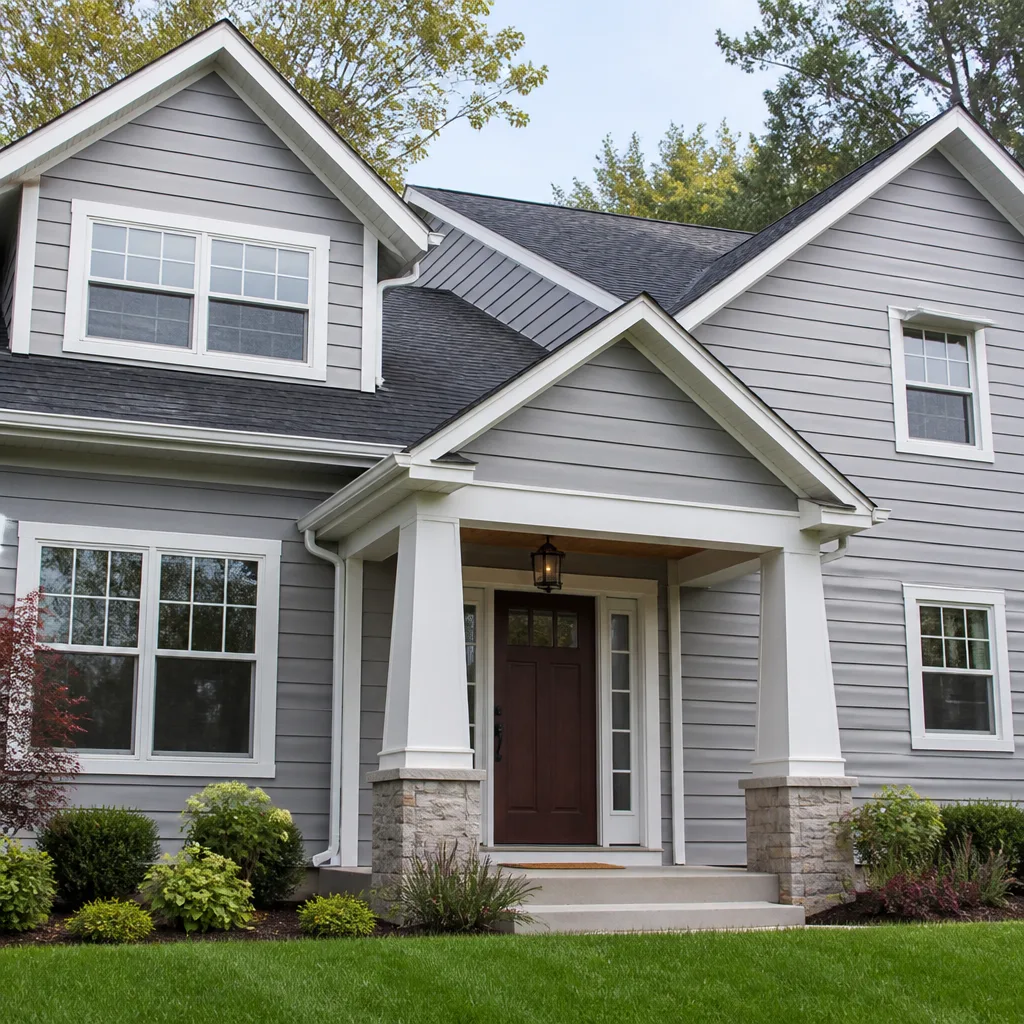
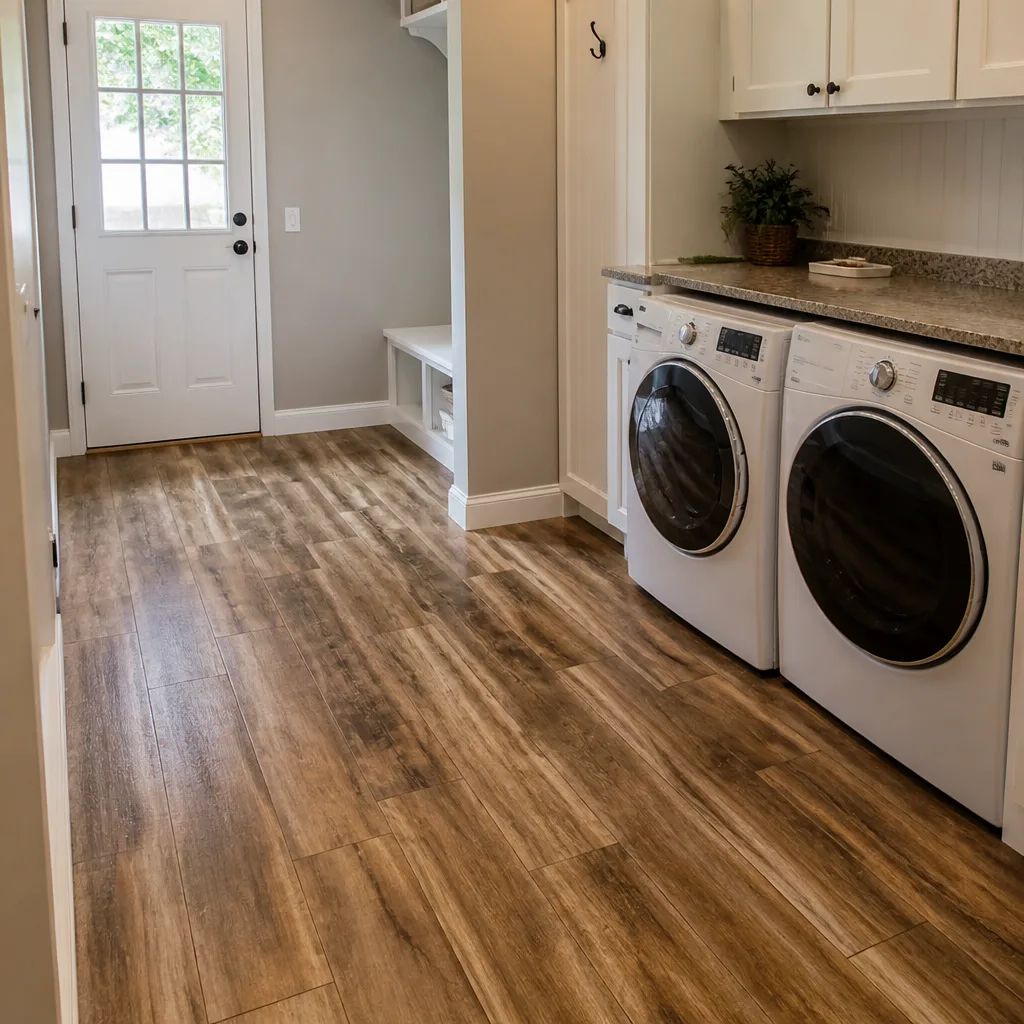
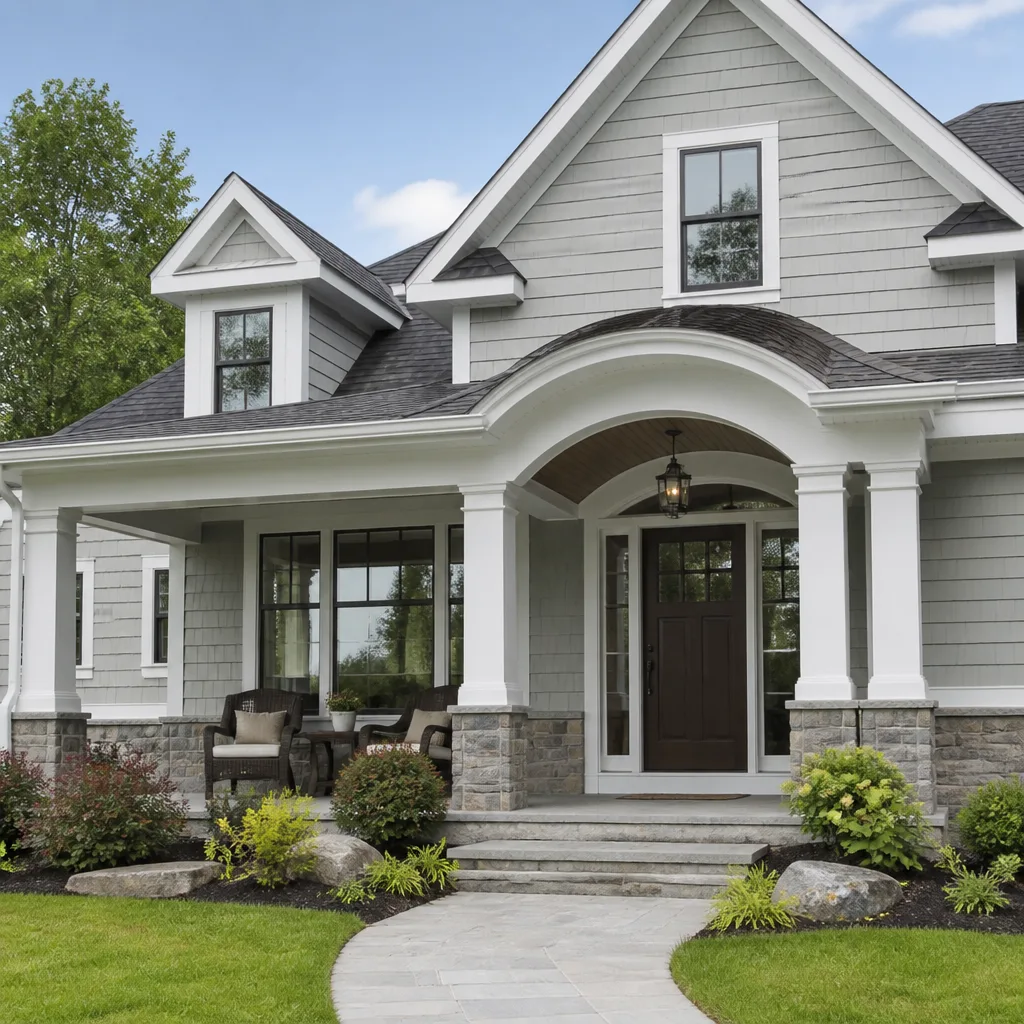
 Before
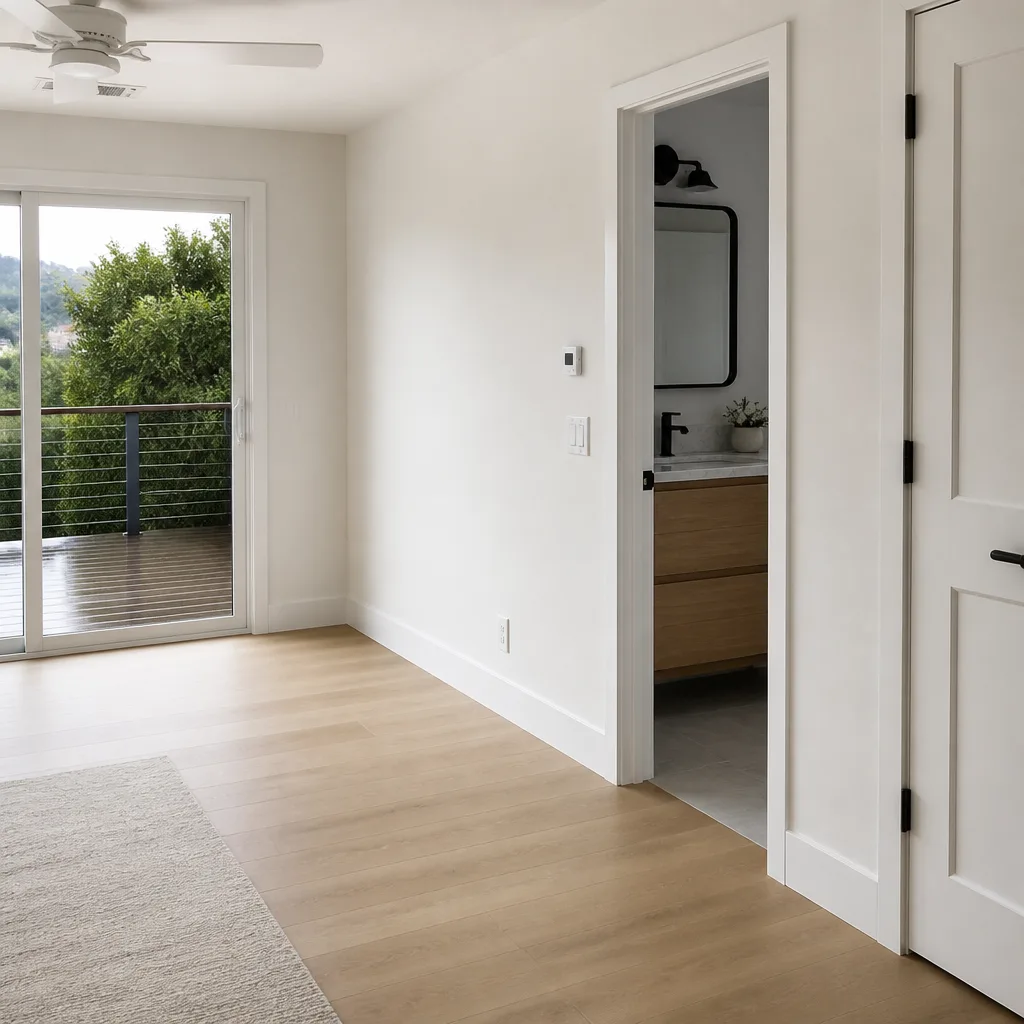 After
After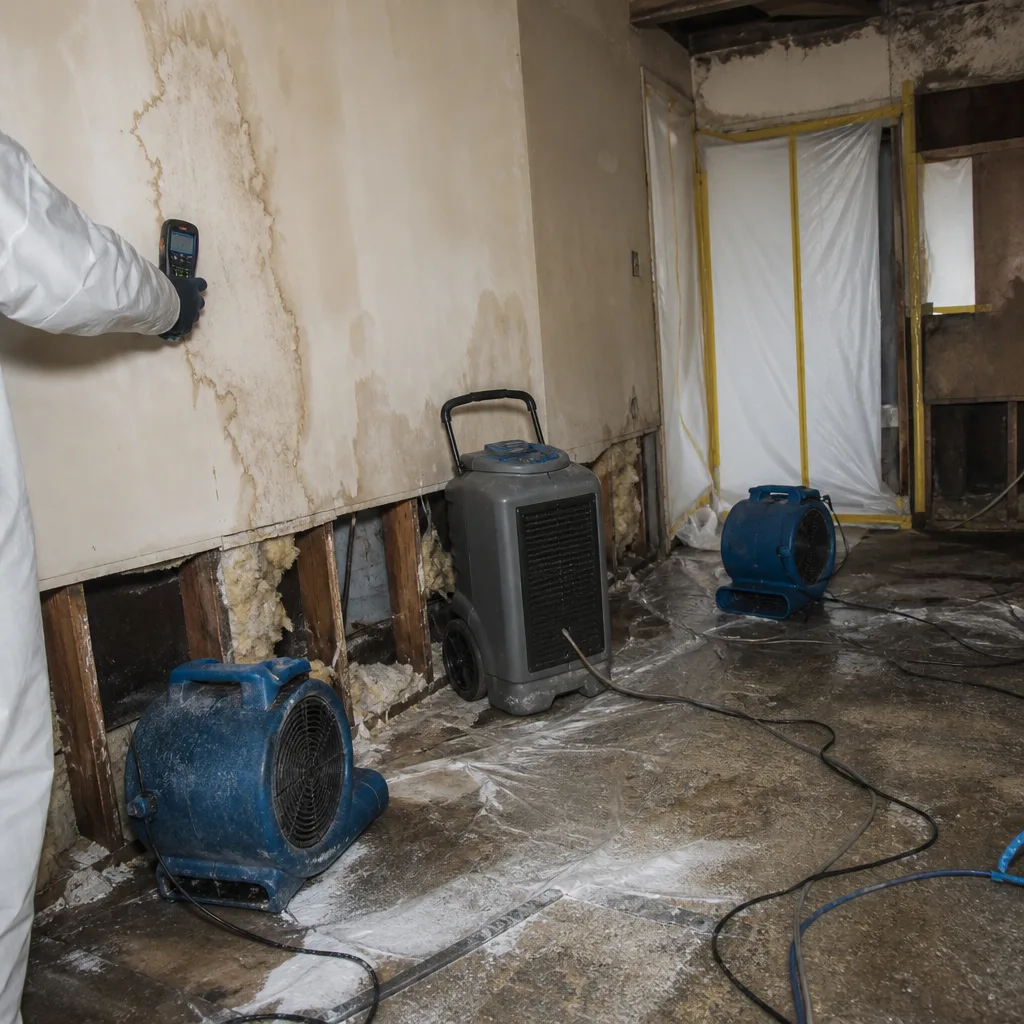 Before
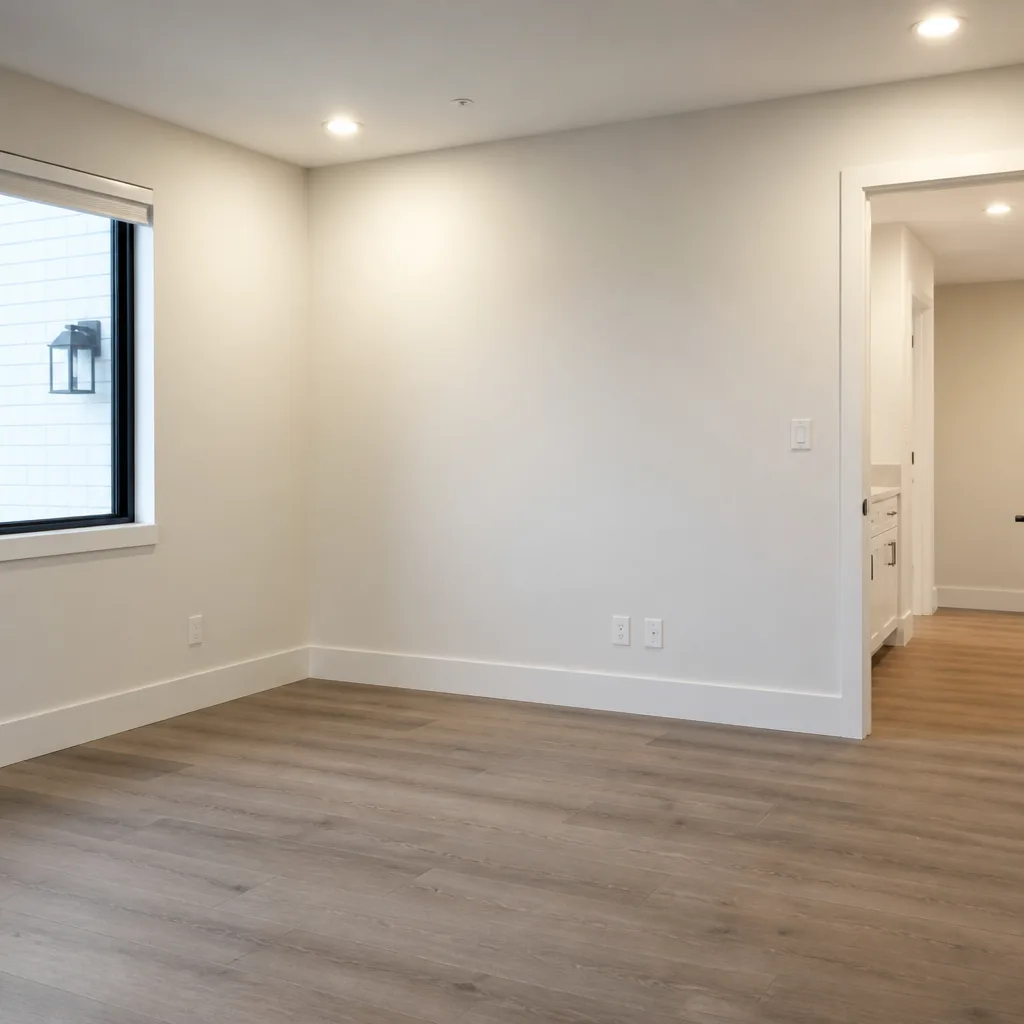 After
After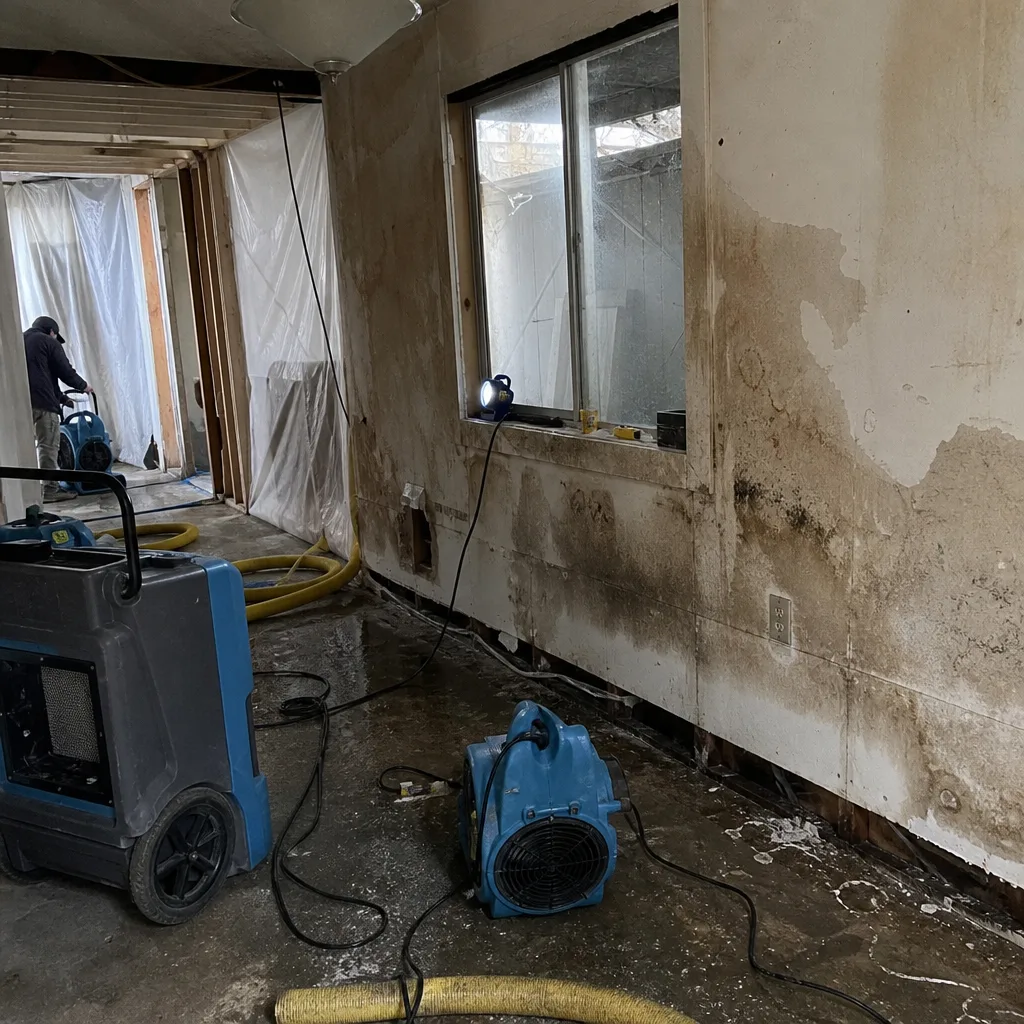 Before
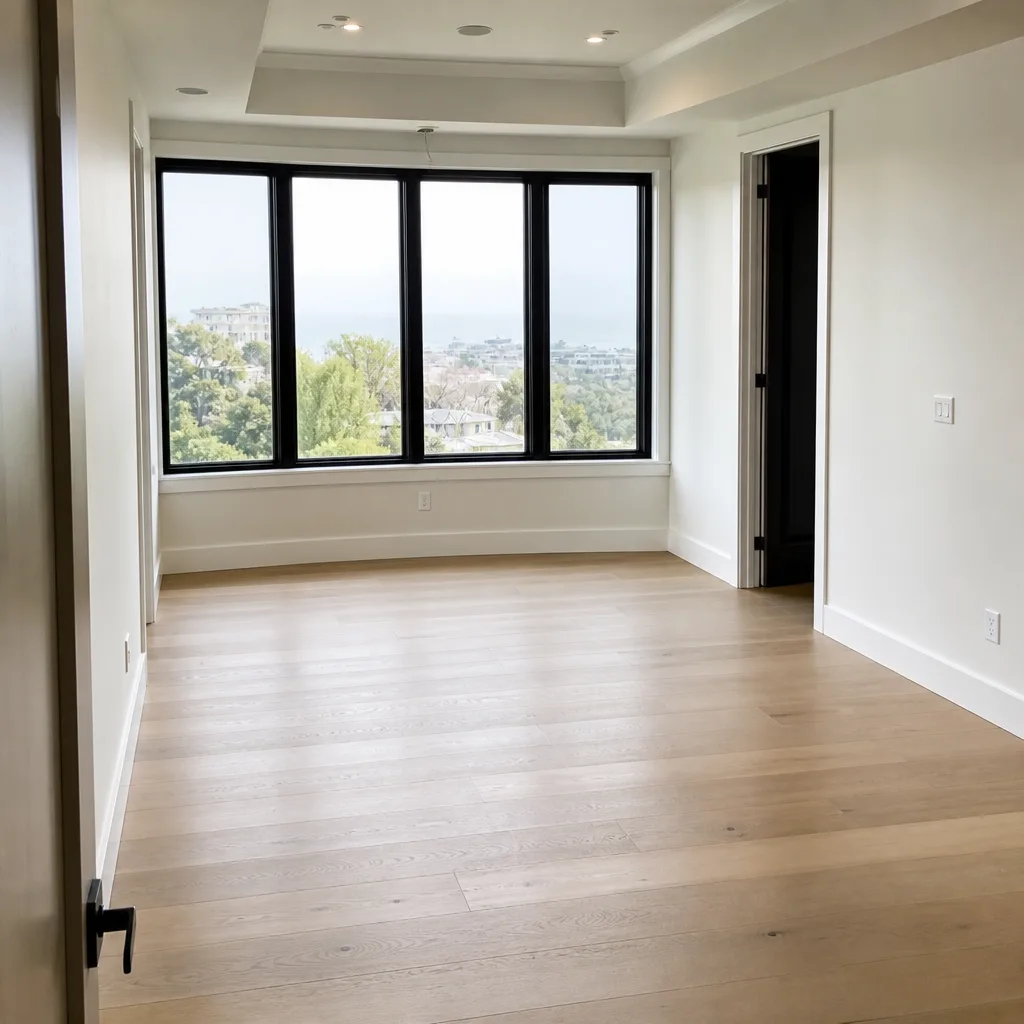 After
After24/7 Emergency Water Damage Restoration in Tarzana
Water damage restoration in Tarzana typically costs $2,800-$7,500 for a standard residential drying job, with emergency extraction starting at $450-$950 and full reconstruction reaching $15,000+ when category 3 water or mold colonization has set in. Most Tarzana homes we dry hit dry standard in 3-5 days, provided we start within the first 24 hours.
Our crews answer live at (424) 365-9728, 24 hours a day, 7 days a week. No voicemail trees. No next-business-day callbacks while water is still wicking through your subfloor. We dispatch from our Los Angeles office and can be on-site anywhere in Tarzana inside 45 minutes. The first hour matters because category 1 clean water becomes category 2 gray water in 24 hours and category 3 black water in 48, especially in Tarzana’s July and August heat when wall cavity temperatures push mold colonization past the threshold where drying alone can save the assembly.
We provide a free visual inspection, a written price before any work starts, and a photo-documented record on every visit. Haven Standard, Clause 1.
Understanding Water Damage Restoration Severity in Tarzana Properties
Water damage falls into three categories, and Tarzana’s housing stock makes the distinction expensive to ignore. Category 1 is clean water from a supply line, ice maker, or overflowing sink. Category 2 carries contaminants, water from dishwasher discharge, washing machine overflow, or a sump pump failure. Category 3 is black water: sewage, ground flooding, or any water that has sat long enough to breed bacterial and fungal colonies.
Moisture mapping with thermal imaging and penetrating meters tells us which category we’re dealing with and where the water has traveled. In Tarzana’s 1950s-1970s stucco ranch homes, we routinely find category 1 supply-line losses that have migrated behind the stucco veneer through cracks in stem walls or separated chimney chases, remnants of the 1994 Northridge earthquake that were surface-patched rather than structurally repaired. The stucco reads dry on the surface. The cavity behind it reads 28 percent moisture content, well above the 16 percent dry standard for wood framing.
Structural drying uses psychrometric data, temperature, relative humidity, and vapor pressure differential, to calculate exactly how much moisture the air can hold and how fast we can pull it from wet materials without causing secondary damage like warping or cracking. Tertiary drying targets the bound water in dense materials like hardwood or plaster that primary air movement and secondary dehumidification cannot reach.
Why Tarzana Property Owners Choose DryMark Restoration Pacific Palisades
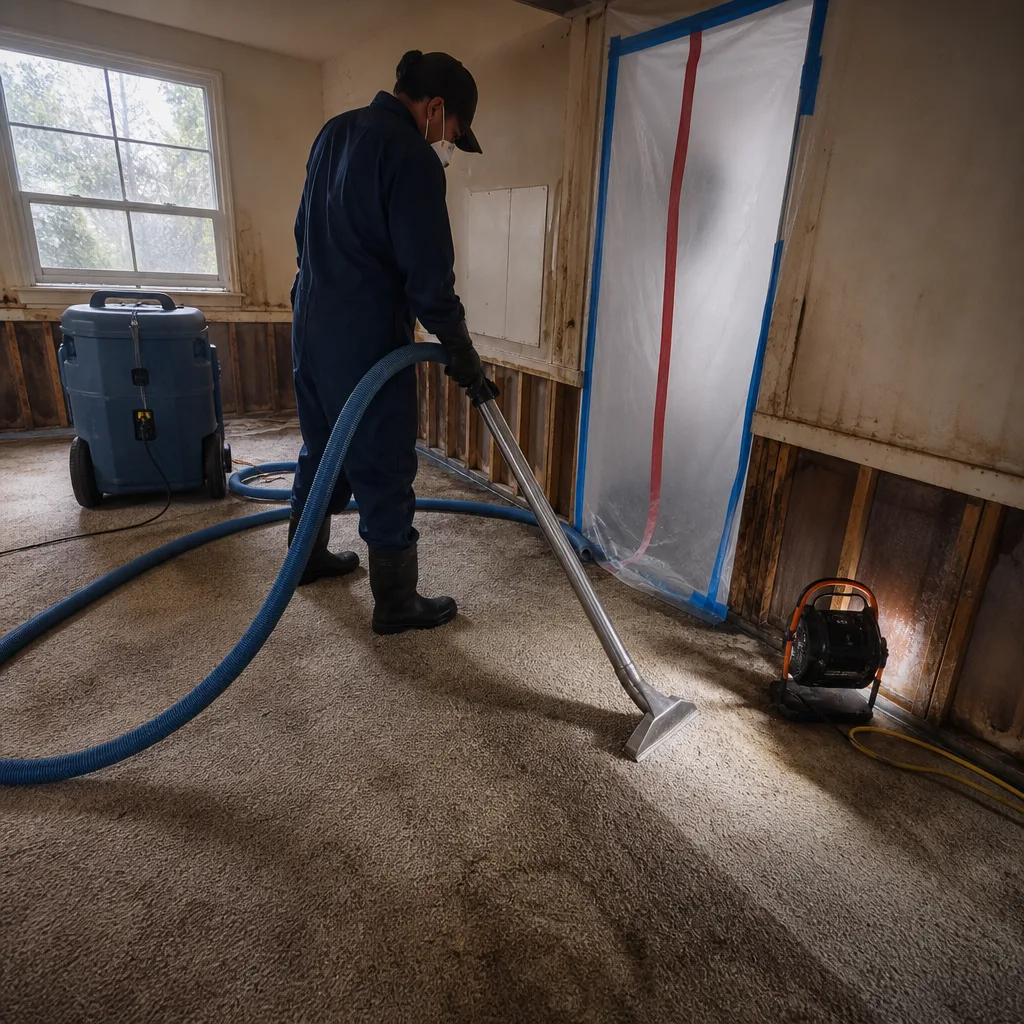
- 45-minute response commitment to any Tarzana address, from the flat-grid blocks north of Ventura Boulevard to the canyon-edge streets south of it.
- 24/7 live answer by a real person, never an automated system or voicemail queue.
- IICRC-certified crews holding WRT (Water Damage Restoration Technician), FSRT (Fire & Smoke Restoration Technician), and AMRT (Applied Microbial Remediation Technician) certifications.
- Free visual inspection with moisture readings and thermal imaging before any commitment.
- Direct insurance billing with photo-documented estimates and adjuster coordination.
- One team from extraction through reconstruction, no handoffs to unknown subcontractors.
 Before
 After
AfterOur Water Damage Restoration Process
Inspection & Assessment
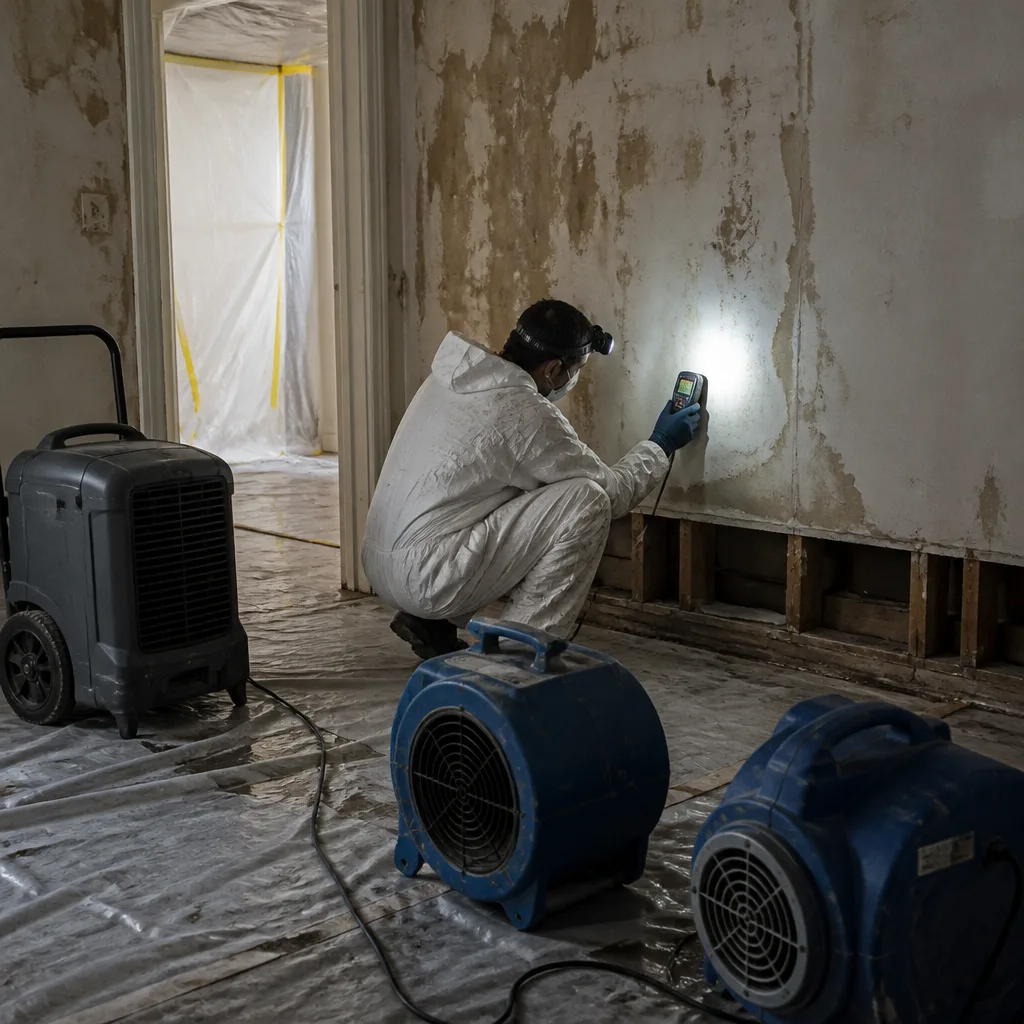
We document the loss with thermal imaging, moisture meters, and hygrometers to map the full extent of water migration. In Tarzana’s older stucco ranches, this means probing behind veneers and checking cripple walls for hidden saturation that surface readings miss.
Extraction & Stabilization
Standing water is removed with truck-mounted and portable extraction systems. We stabilize the environment to prevent further migration, seal off affected areas, and set initial drying targets based on material classifications and psychrometric calculations.
Drying & Dehumidification
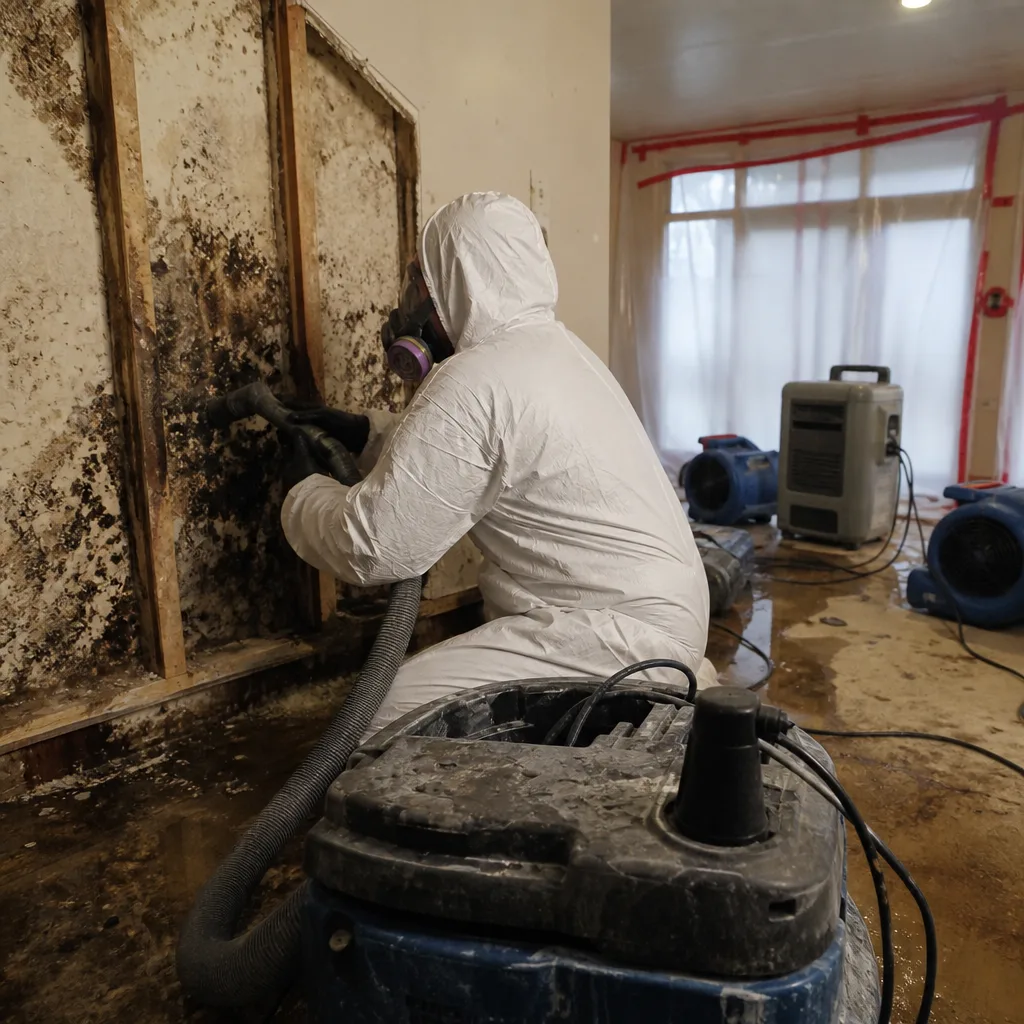
We deploy Dri-Eaz, Phoenix, and XPOWER air movers with LGR dehumidifiers to create controlled airflow and vapor pressure differential. Daily moisture logs track progress to dry standard, the documentation your insurer needs to approve the invoice.
Cleaning & Sanitization
Category 2 and 3 losses receive antimicrobial treatment and HEPA air scrubbing to remove airborne particulates. We clean salvageable contents on-site or pack them out for specialized processing.
Specialty Treatment: Mold Prevention & Post-Earthquake Structural Review
Tarzana’s combination of unbolted cripple walls, post-Northridge cosmetic patches, and 100°F summer heat demands aggressive mold prevention. We apply EPA-registered antimicrobials and recommend structural review when moisture mapping reveals earthquake-related compromise.
Repairs & Restoration
We rebuild to pre-loss condition with a written scope agreed before work begins. Drywall, flooring, cabinetry, and paint, all documented with photo records and covered by our 365-Day Done Right Promise under The Haven Standard.
Need Emergency Water Damage Restoration in Tarzana Now?
Crews minutes away, answering live 24 hours a day. The sooner we start, the less it costs.
Working With Your Insurance Company
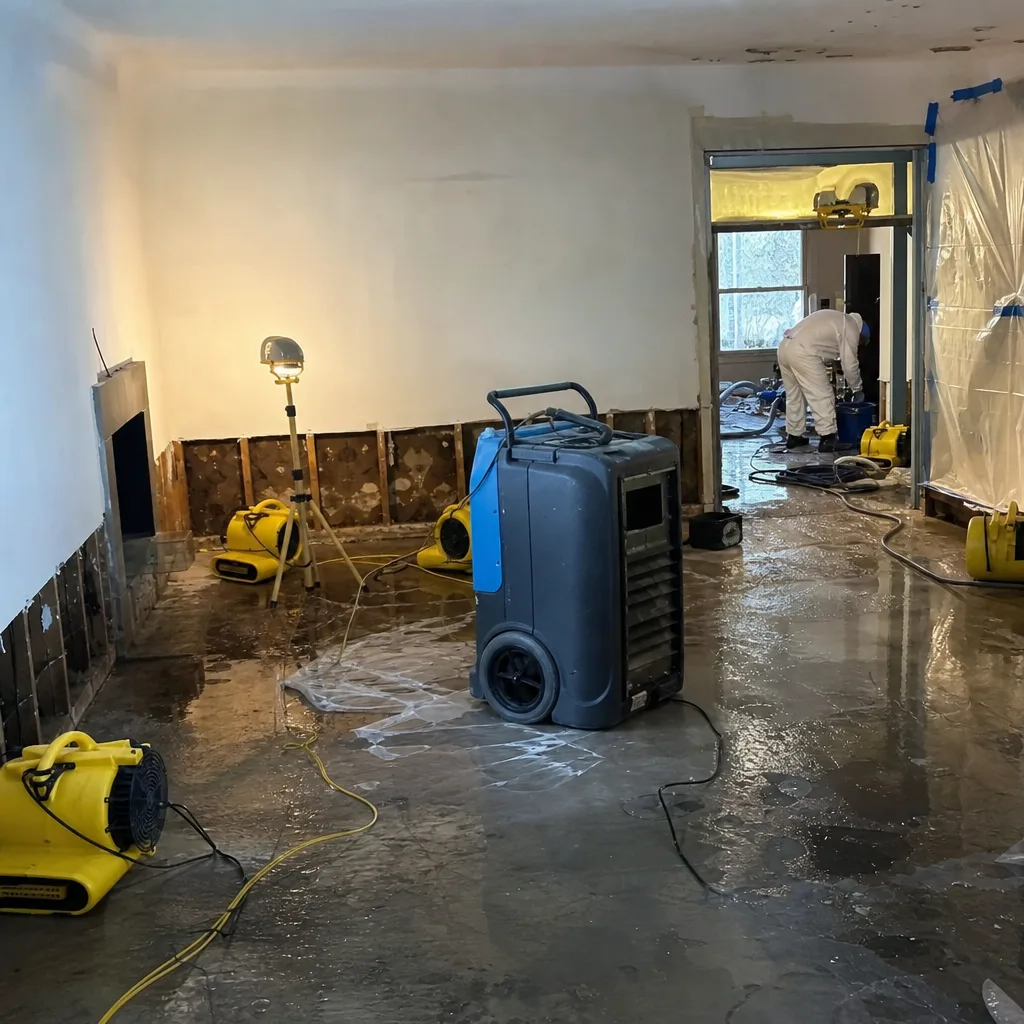
We built our documentation protocol around what a claims adjuster actually needs to see: a clear chain of evidence from the first moisture reading to the final dry-standard verification. Every photo is time-stamped and geo-tagged. Every drying log shows daily humidity, temperature, and material moisture content. Every scope is line-itemed by room and trade.
This matters because Tarzana’s housing stock, older stucco ranches with legacy earthquake damage, triggers extra scrutiny from carriers who have paid for Northridge-related claims before. Our documentation answers their questions before they ask them.
What We Provide Your Insurer
- Thorough documentation of the loss
- Photos of all damage, room by room
- Moisture readings and drying logs
- A detailed, line-item scope of work
- Direct coordination with your carrier
Built for Tarzana’s Loss Calendar
January through March brings the heaviest rain months to the western San Fernando Valley, and Tarzana’s flat-grid neighborhoods north of Ventura Boulevard see the bulk of our burst pipe and roof leak calls. Older galvanized supply lines in 1960s ranches finally give way. Clay tile roofs with degraded underlayment let water track along rafters before it ever shows on the ceiling.
April and May shift to irrigation backflow and slab seepage as homeowners restart sprinkler systems that have cracked over winter. June through September is mold season. When Tarzana hits 100°F for three straight days, wall cavities that held moisture from a May leak become incubators. We see category 1 losses that sat undetected turn into full gut jobs.
October and November bring Santa Ana wind events. Embers from the Santa Monica Mountains generate fire and smoke claims on the hillside fringe. The same winds tear shingles and clay tiles, creating the roof-damage water intrusions that keep us busy through December.
Water Damage Restoration Across Tarzana’s Neighborhoods
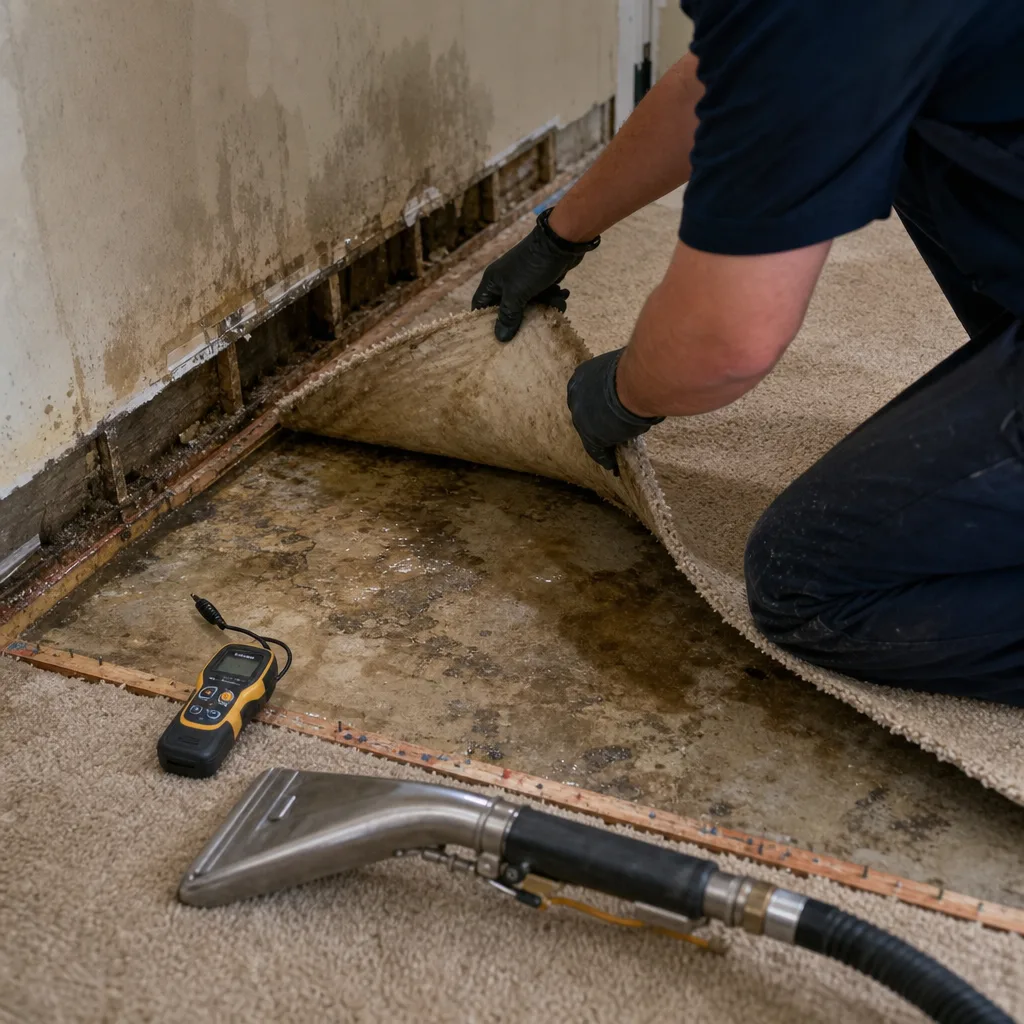
North of Ventura Boulevard, the flat-grid streets between Reseda Boulevard and Corbin Avenue hold dense concentrations of 1950s-1960s ranch homes with original galvanized plumbing and unbolted cripple walls. We respond here often for slab leaks and supply-line failures where water has migrated under foundation pads. Moisture mapping is critical; the visible damage is rarely the full damage.
The Tarzana neighborhood around Tarzana Park and the commercial corridor along Ventura Boulevard itself mixes older single-family homes with 1980s-1990s townhome developments. These newer structures have better earthquake bracing but worse roof drainage design, so we see more ceiling and roof leak water damage from concentrated downspout discharge.
South of Ventura Boulevard, streets like Vanalden Avenue and those climbing toward Mulholland Drive back directly against the Santa Monica Mountains. These hillside properties fall inside CAL FIRE’s Very High Fire Hazard Severity Zone, and our Water Damage Restoration crews carry wildfire smoke protocols alongside water damage equipment. FHSZ permitting adds a compliance layer that flat-grid contractors never touch.
The canyon-edge enclaves near Marvin Braude Mulholland Gateway Park present access challenges: narrow streets, tight turnarounds for our truck-mounted extraction units, and hillside grading that channels groundwater toward foundation walls. We plan these dispatches with smaller portables and longer hose runs.
Specialized Water Damage Restoration Services We Offer in Tarzana
Emergency Water Extraction
Truck-mounted and portable extraction systems remove standing water within hours of your call. In Tarzana’s summer heat, every hour of delay expands the affected square footage as evaporation drives humidity into unaffected rooms.
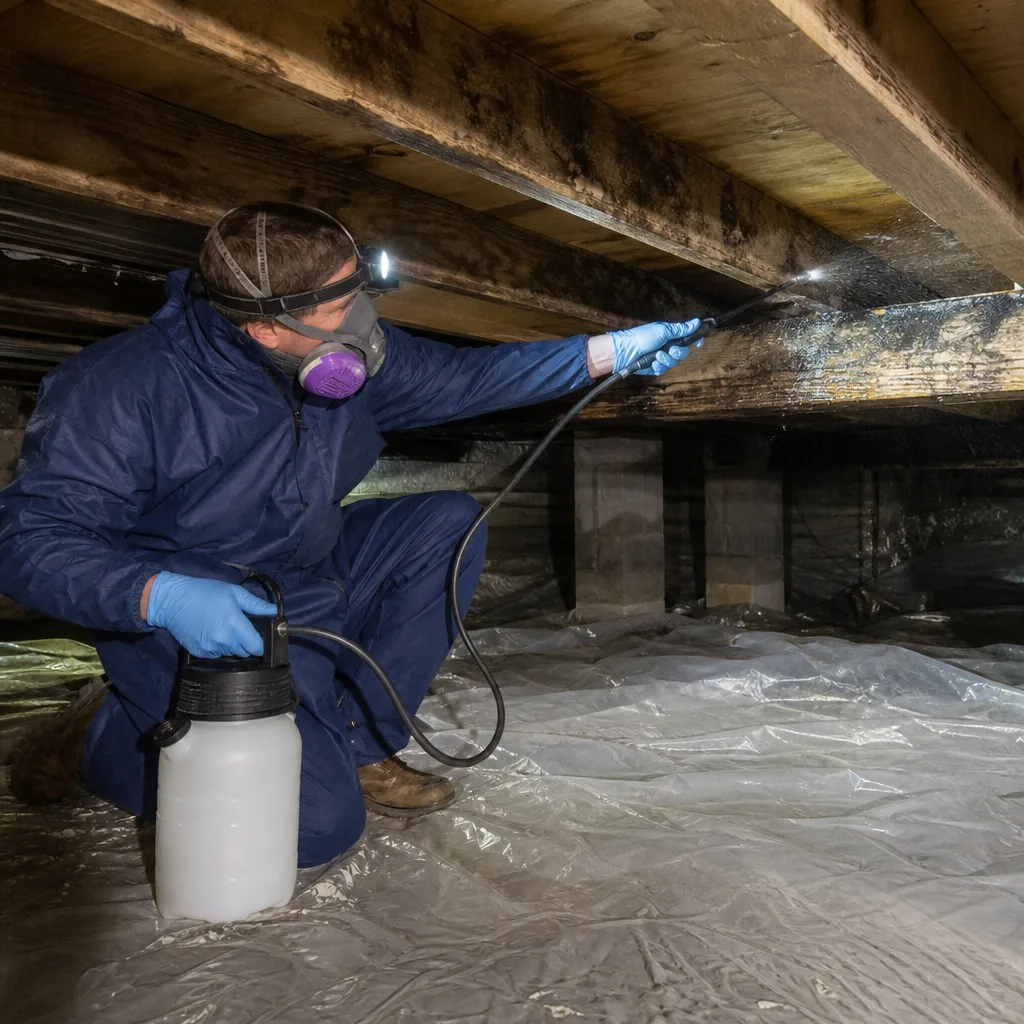
Structural Drying & Dehumidification
Our Dri-Eaz, Phoenix, and XPOWER systems create controlled drying environments with documented daily moisture logs. For Tarzana’s stucco ranches, this means drying the cavity behind the veneer, not just the surface, to prevent mold colonization in the 24-to-48-hour window.
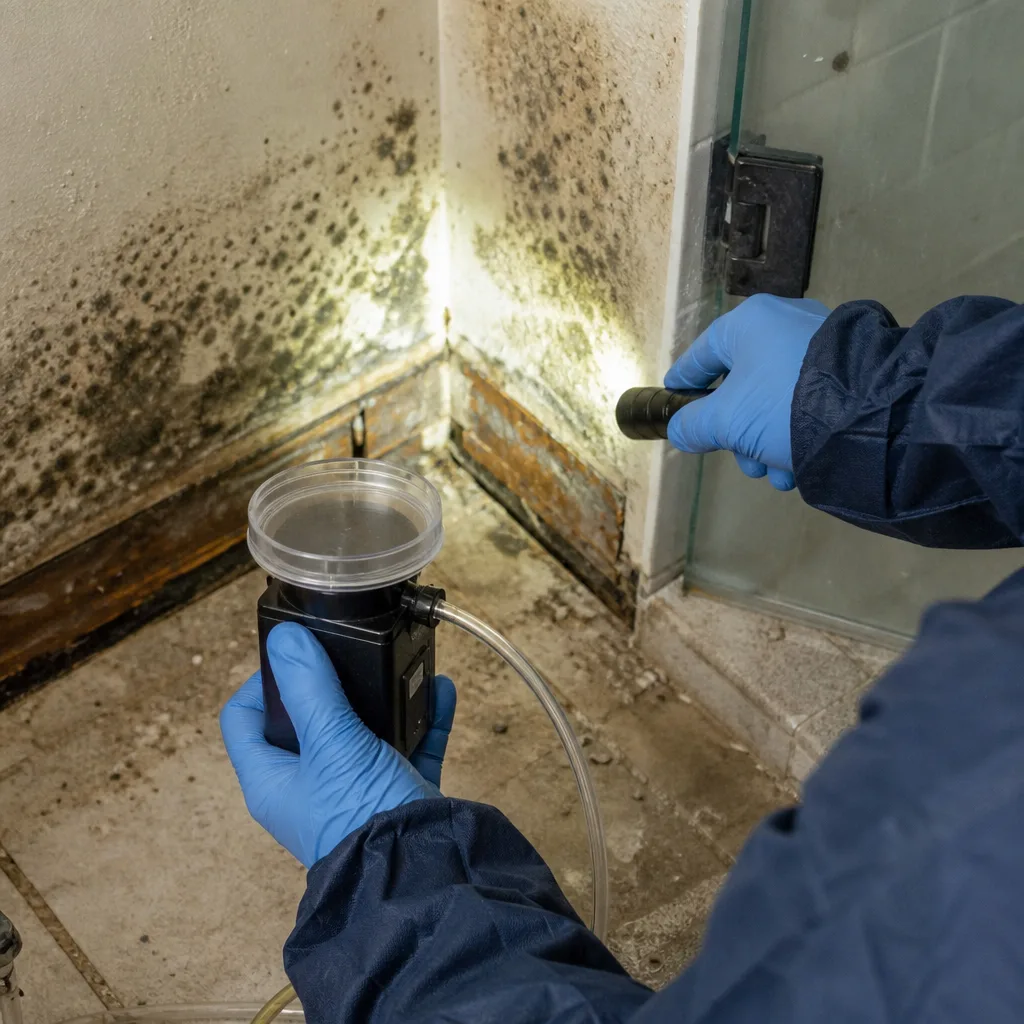
Flood Cleanup
Ground flooding and storm intrusion in Tarzana’s hillside neighborhoods carries debris, sediment, and potential chemical contamination from wildfire burn scars. We treat these as category 3 losses with full PPE, containment, and disposal protocols.
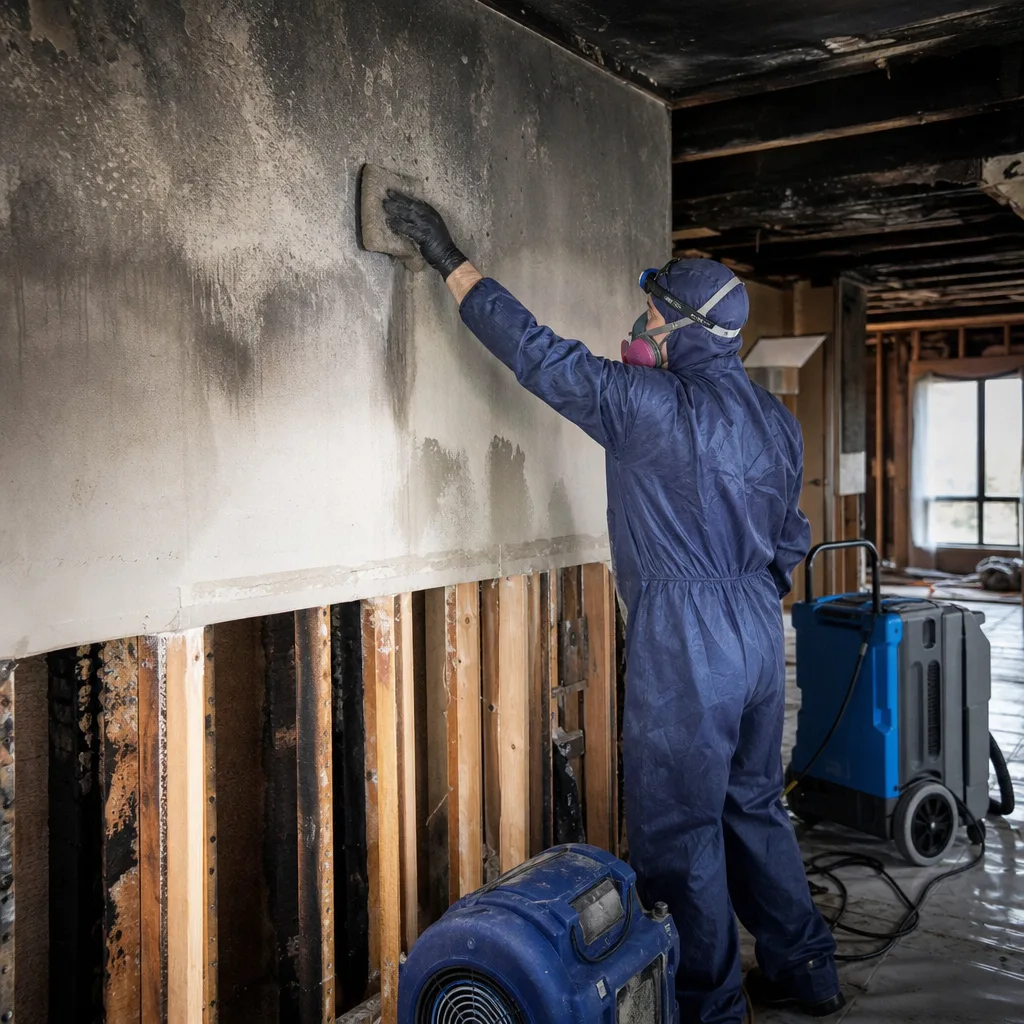
Burst Pipe Restoration
Galvanized supply lines in Tarzana’s 1960s ranches corrode from the inside; the first sign is often a ceiling collapse or a wall cavity saturated before any visible leak appears. We locate the breach, extract, dry, and replumb with modern PEX or copper.
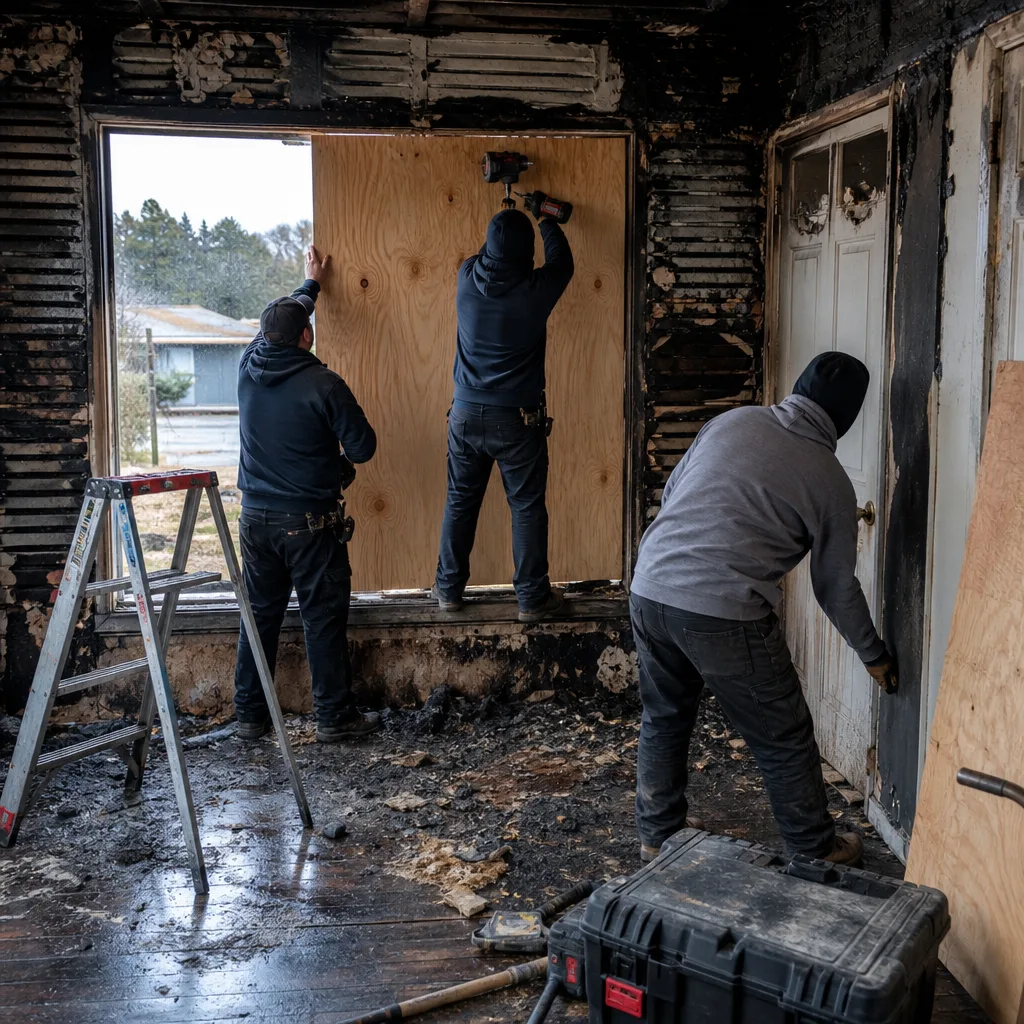
Basement Water Removal
Few Tarzana homes have true basements, but hillside properties with daylight or walk-out lower levels face hydrostatic pressure from upslope drainage. We install temporary sump systems during drying and recommend permanent solutions.
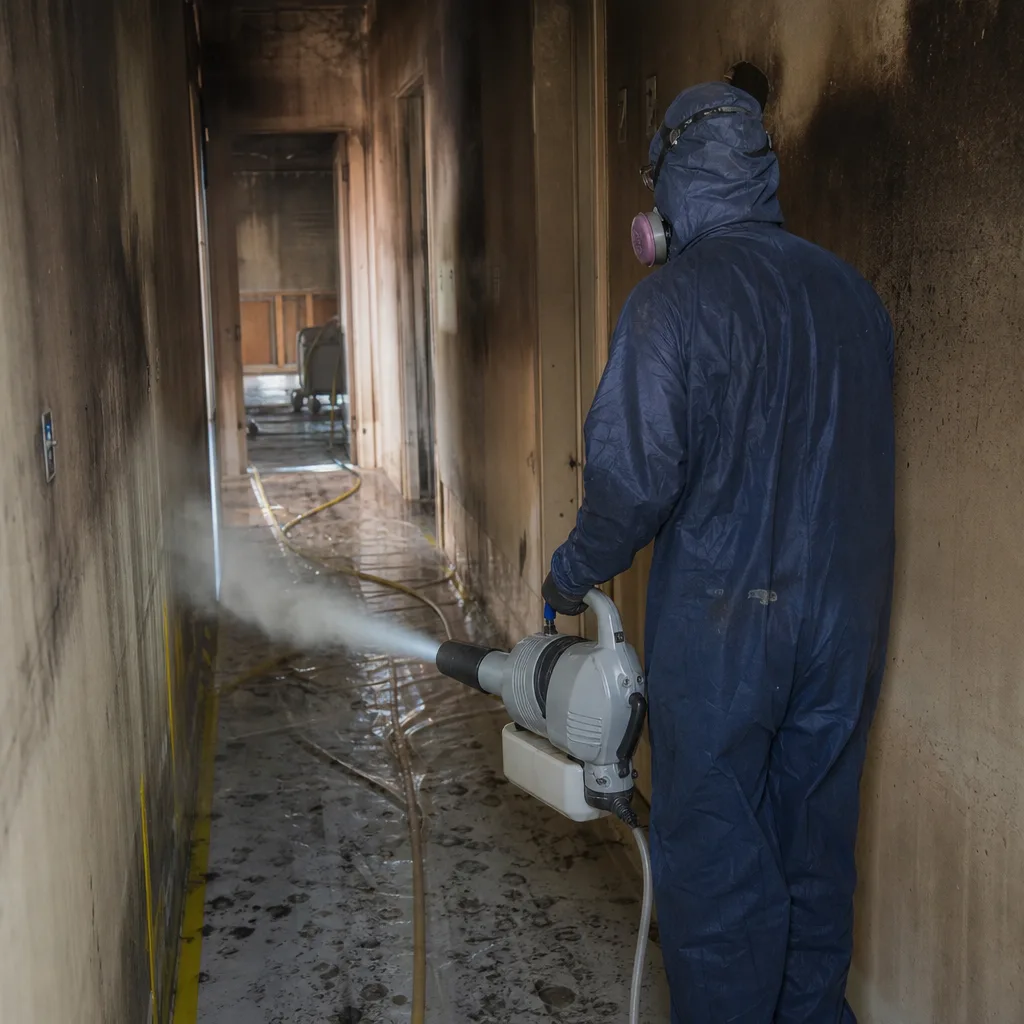
Ceiling & Roof Leak Water Damage
Santa Ana winds tear tiles and compromise flashing on Tarzana’s older roofs. Water tracks along rafters and can saturate insulation for weeks before staining drywall. Thermal imaging finds the source; controlled drying prevents collapse.
What happens when you call
- 1
A real person answersNo phone trees - you reach a local pro.
- 2
You get an upfront price rangeHonest numbers before anyone is dispatched.
- 3
A background-checked tech heads outLicensed & insured, dispatched right away.
- 4
You approve before work beginsNothing starts until you say go.
Water Damage Restoration Costs in Tarzana, CA
Emergency water extraction in Tarzana runs $450-$950 for a standard single-family home. Structural drying and dehumidification typically costs $2,800-$5,200 for a 1,500-square-foot affected area, depending on material classifications and how many days to dry standard. Burst pipe restoration with limited drywall repair adds $1,800-$4,500. Full category 3 sewage or mold-contaminated gut-and-rebuild work reaches $12,000-$22,000.
What moves the price: the water category, the square footage affected, whether we need to open stucco veneers or remove tile to access wet assemblies, and how long the water sat before we were called. A category 1 supply-line loss caught in 4 hours dries in 3 days. The same loss discovered after a two-week vacation in July becomes a category 3 mold remediation.
Most Tarzana water damage claims are covered by standard homeowner’s insurance, minus your deductible. We provide a written scope before work begins and coordinate directly with your adjuster. Bring a competitor’s written estimate and we’ll review it free under our Second Opinion policy.
We Also Serve Cities Near Tarzana
Our crews respond throughout the west Valley and adjacent foothill communities: Water Damage Restoration in Tarzana is our focus, and we also serve Sherman Oaks to the east, Topanga to the south and west, Pacific Palisades across the Santa Monica Mountains, and Beverly Hills for properties with combined water and smoke restoration needs.
Serving Tarzana, CA - Our Local Coverage Area
We’re based in the Tarzana area and know this community well. Use the map below to see our service coverage - if you’re nearby, we can almost certainly help.
Tarzana Water Damage Restoration Questions, Answered
How does Tarzana’s 1994 Northridge earthquake history affect a water damage restoration job today?
Cosmetic patches over cracked stem walls and separated chimney chases from 1994 created hidden moisture pathways behind stucco veneers that crews must probe with thermal imaging and penetrating meters to find the real saturation zone.
We ran a water damage restoration job on a 1962 wood-frame stucco ranch near the canyon edge off Vanalden Avenue, where a corroded galvanized supply line had fed a slow leak behind the original stucco veneer. Our tech did moisture mapping with thermal imaging and meter readings, found category 2 water wicking up into an unbolted cripple wall that had been cosmetically patched after the 1994 Northridge earthquake, and cut a contained drying zone with Dri-Eaz and Phoenix equipment to hit dry standard before the July heat pushed mold colonization past the 24-to-48-hour window.
Any Tarzana restoration crew that skips this step leaves saturated framing behind a dry-looking surface. Call (424) 365-9728 for an inspection that actually finds the water.
Why does water damage restoration in Tarzana move faster than in neighboring Valley cities?
Tarzana’s western San Fernando Valley location regularly pushes summer temperatures above 100°F, which compresses the safe drying window from 48 hours to often less than 24 before mold colonization begins in wall cavities.
Reseda and Canoga Park, slightly cooler on average, give crews more margin. In Tarzana, we deploy equipment the same day we extract and run overnight drying cycles from day one. Delay by even one day in July and a category 1 loss becomes a category 3 gut job with antimicrobial treatment and rebuild costs. Our 45-minute response commitment exists specifically for this climate reality.
What is the difference between category 1, 2, and 3 water in a Tarzana home?
Category 1 is clean water from a supply line, ice maker, or sink overflow. Category 2 is gray water with contaminants from dishwashers, washing machines, or sump failures. Category 3 is black water: sewage, ground flooding, or any water that has sat long enough to breed bacterial and fungal colonies.
In Tarzana’s heat, category 1 becomes category 2 in roughly 24 hours and category 3 in 48-72 hours if left untreated. The category determines everything: PPE level, antimicrobial protocol, disposal requirements, and whether materials can be dried in place or must be removed. We test and document the category on arrival so your insurer has no basis to dispute coverage later.
Do hillside Tarzana properties south of Ventura Boulevard require different water damage protocols?
Yes. These properties fall inside CAL FIRE’s Very High Fire Hazard Severity Zone, so restoration work that involves opening structures or running high-draw electrical equipment requires FHSZ coordination and sometimes additional permitting that flat-grid jobs north of Ventura Boulevard do not trigger.
Our crews working these streets carry wildfire smoke protocols alongside water damage equipment. If your property has experienced both fire and water damage, or if smoke residue is present from a recent wildfire event, the remediation plan must address both simultaneously, including Fire & Smoke Damage Restoration in Tarzana. Contractors unfamiliar with FHSZ requirements often stall at the permit stage. We coordinate this in advance as part of our standard scope.
Can a roof leak from Santa Ana winds in Tarzana turn into a mold problem before I notice?
Yes, and it happens faster than most homeowners expect. Santa Ana winds in October and November tear shingles and compromise flashing; water tracks along rafters and saturates insulation for days or weeks before any ceiling stain appears.
By the time you see discoloration, mold colonization has often already begun in the attic or wall cavity, especially if the leak occurred during one of Tarzana’s 100°F heat waves when attic temperatures exceed 140°F. We recommend annual roof inspections before wind season and immediate thermal imaging after any major Santa Ana event. If you suspect a leak, call (424) 365-9728 for moisture mapping before visible damage appears.
Will my insurance cover water damage restoration in Tarzana?
Most standard homeowner’s policies cover sudden and accidental water damage from burst pipes, appliance failures, and roof leaks, but exclude gradual leaks, flooding, and sewer backup unless you carry separate riders.
We document every loss with photo records, moisture logs, and line-item scopes that satisfy adjuster requirements. Our direct billing means you are not paying out of pocket and waiting for reimbursement. Bring your policy declaration page to our free inspection and we’ll identify coverage limits before work begins. Haven Standard, Clause 1: written price before work starts, always.
How long does structural drying take in a typical Tarzana home?
3-5 days for most category 1 and 2 losses in single-family homes, assuming we start within 24 hours. Category 3 losses, or jobs where water has sat longer, extend to 7-10 days and often require material removal.
Tarzana’s stucco ranches with post-Northridge hidden damage sometimes need an extra 1-2 days because we must dry the cavity behind the veneer, not just the interior surface. We verify dry standard with moisture meter readings, not visual inspection, and provide you and your insurer the daily drying logs as documentation.
Can my family stay in the home during water damage restoration?
For contained category 1 losses affecting one or two rooms, usually yes. For category 2 or 3 losses, or any job requiring antimicrobial treatment, we recommend temporary relocation until air scrubbing confirms safe particulate levels.
In Tarzana’s hillside properties with FHSZ restrictions, temporary power for drying equipment may limit occupancy. We discuss this during our free inspection and can coordinate with your insurer for additional living expense coverage if your policy includes it. Your safety and the crew’s access to work efficiently are the deciding factors.
Written by Alicia Brennan, Owner at DryMark Restoration Pacific Palisades, serving Tarzana since 2011.