
Free visual inspection and a written scope of work before any mitigation begins - photos, moisture readings, and drying logs go in your claim file
The scope we write is the scope we bill. Anything new gets shown to you, in writing, before we touch it.
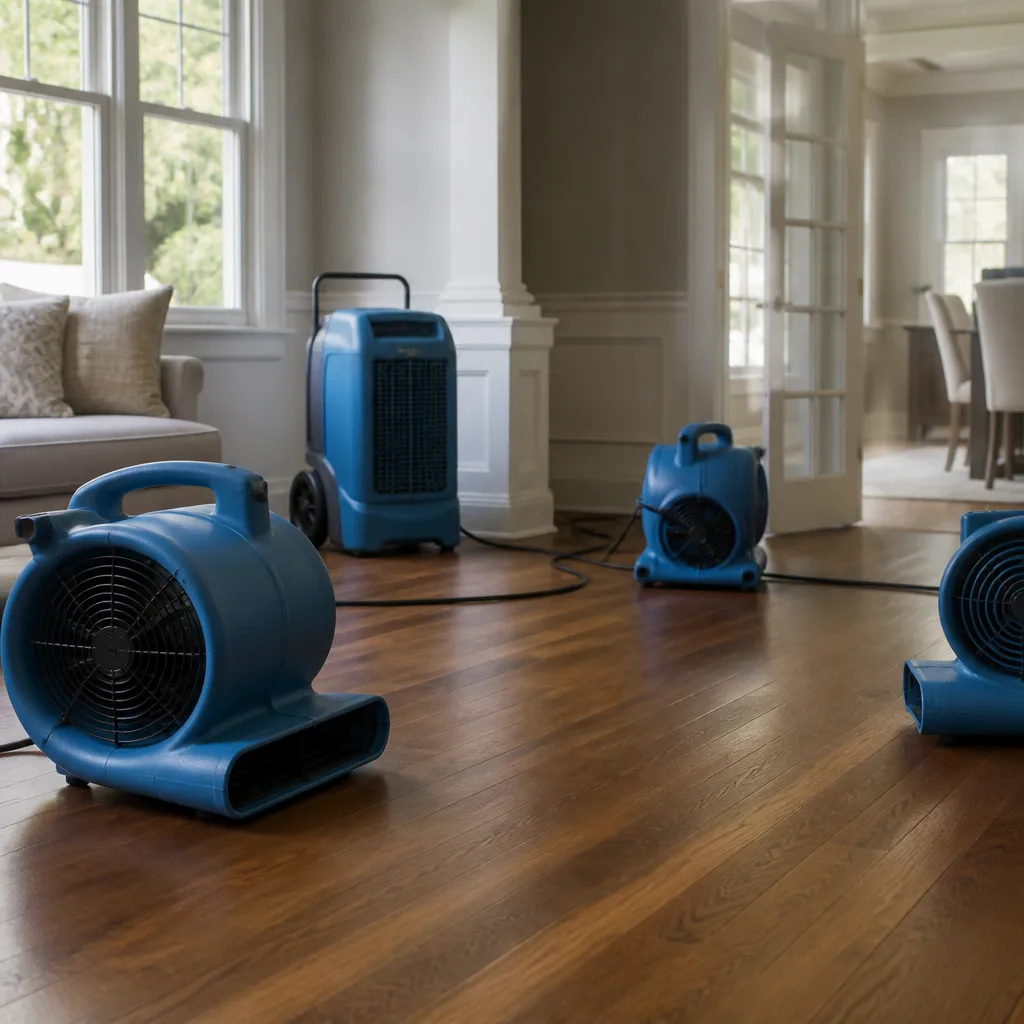
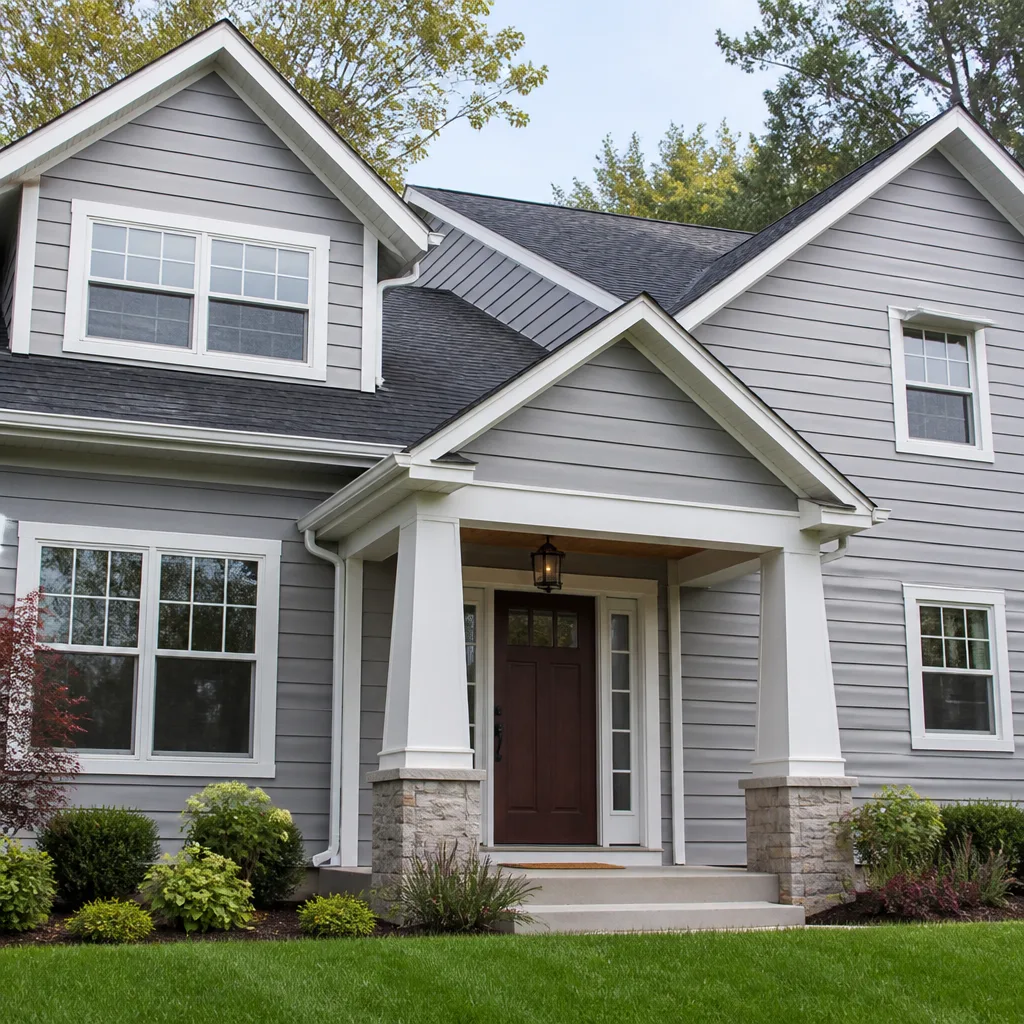
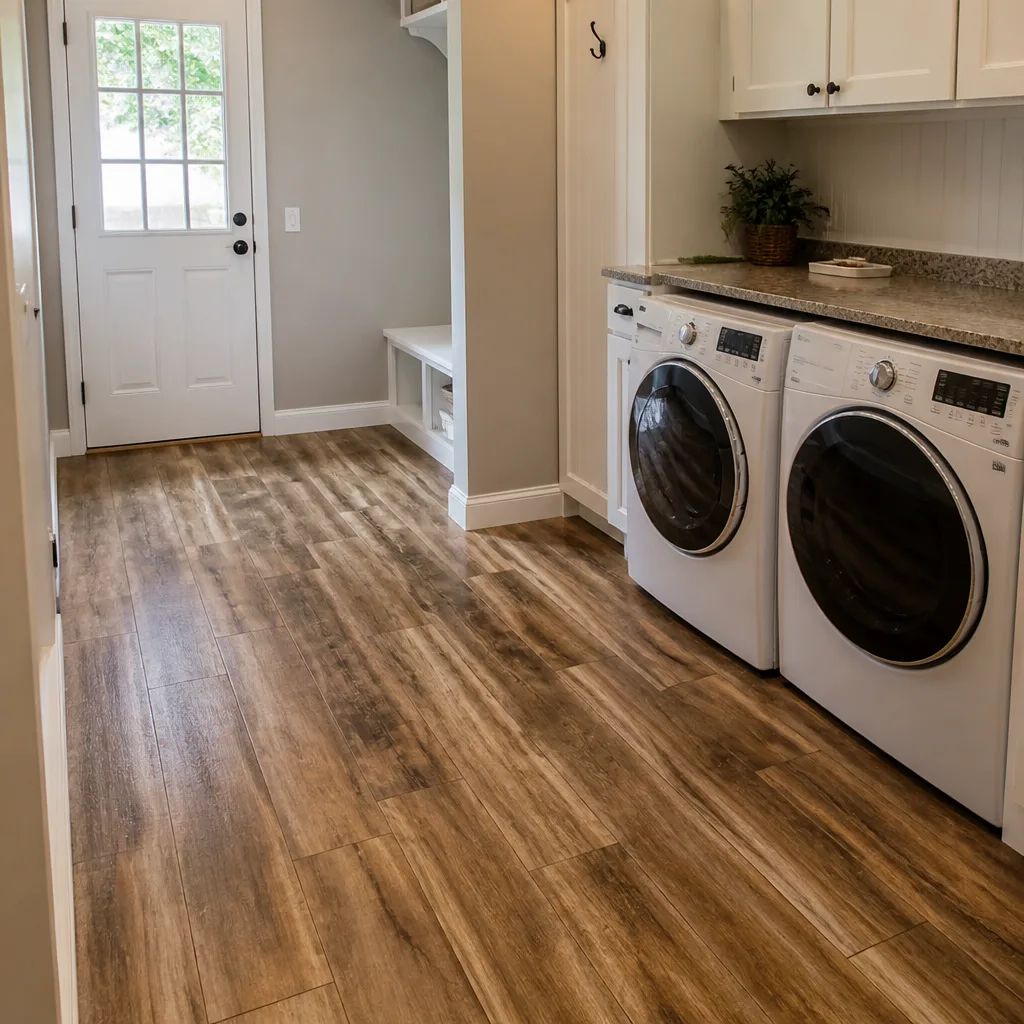
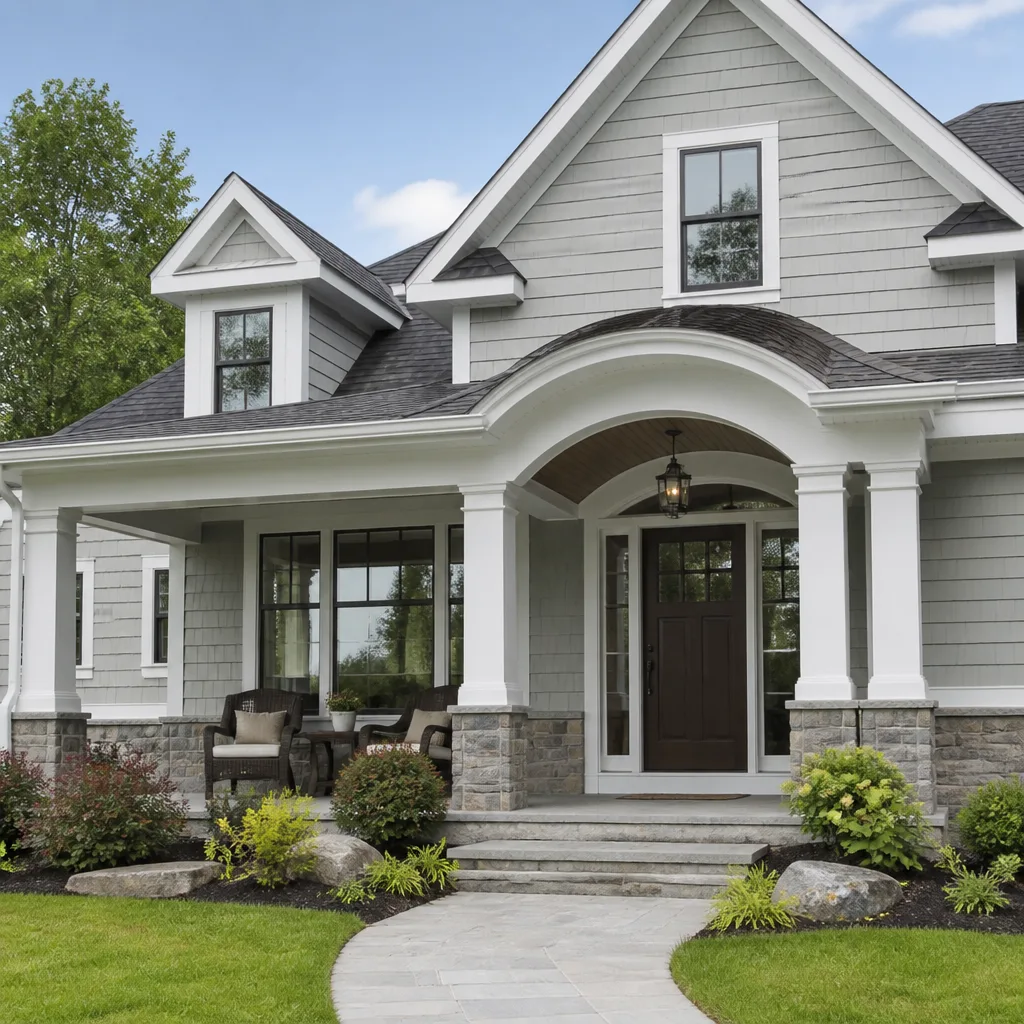
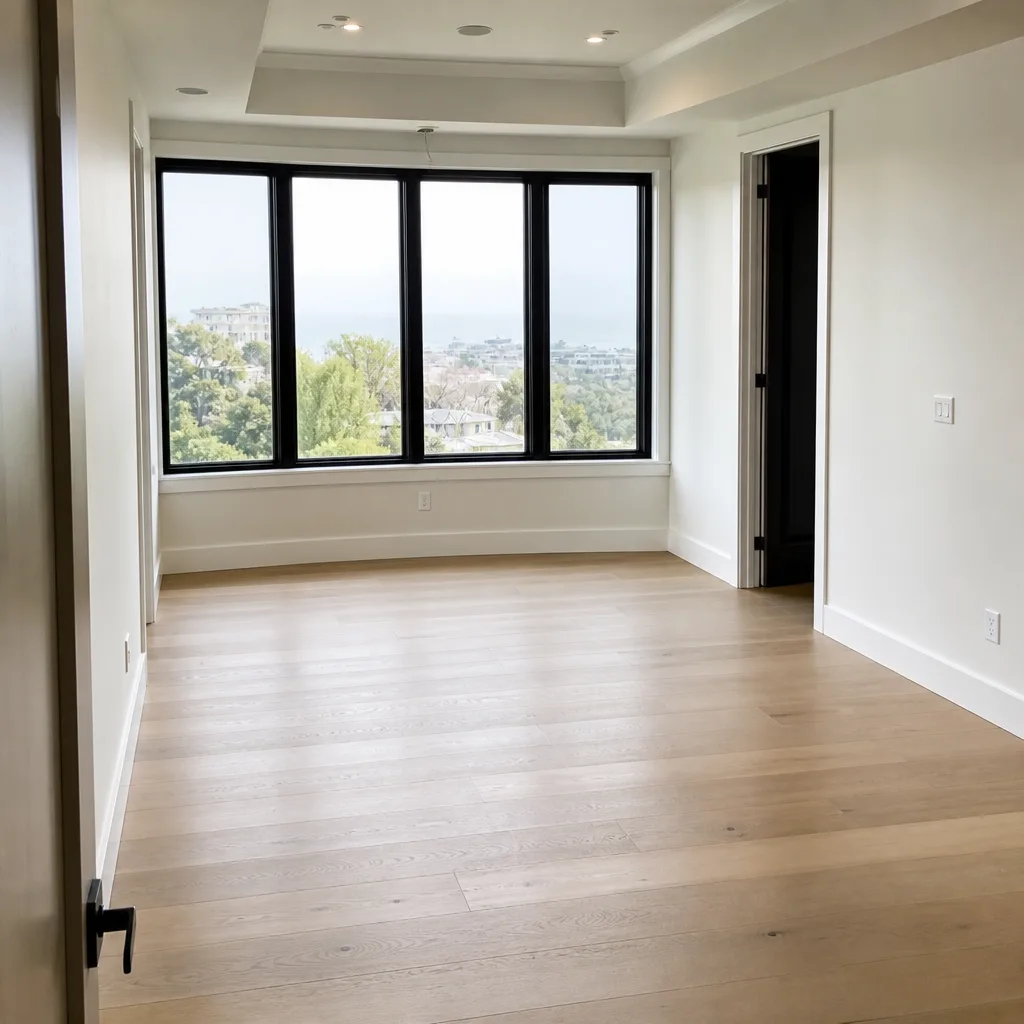
 Before
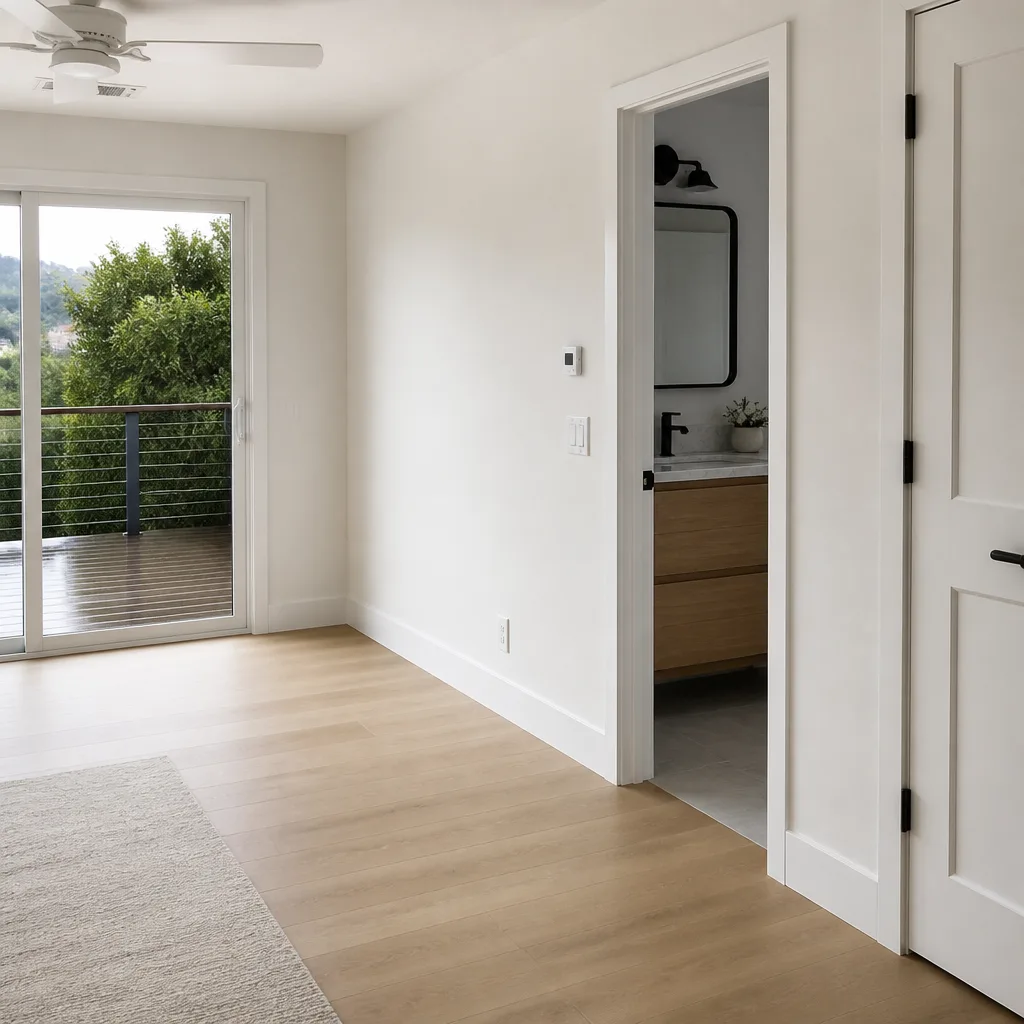 After
After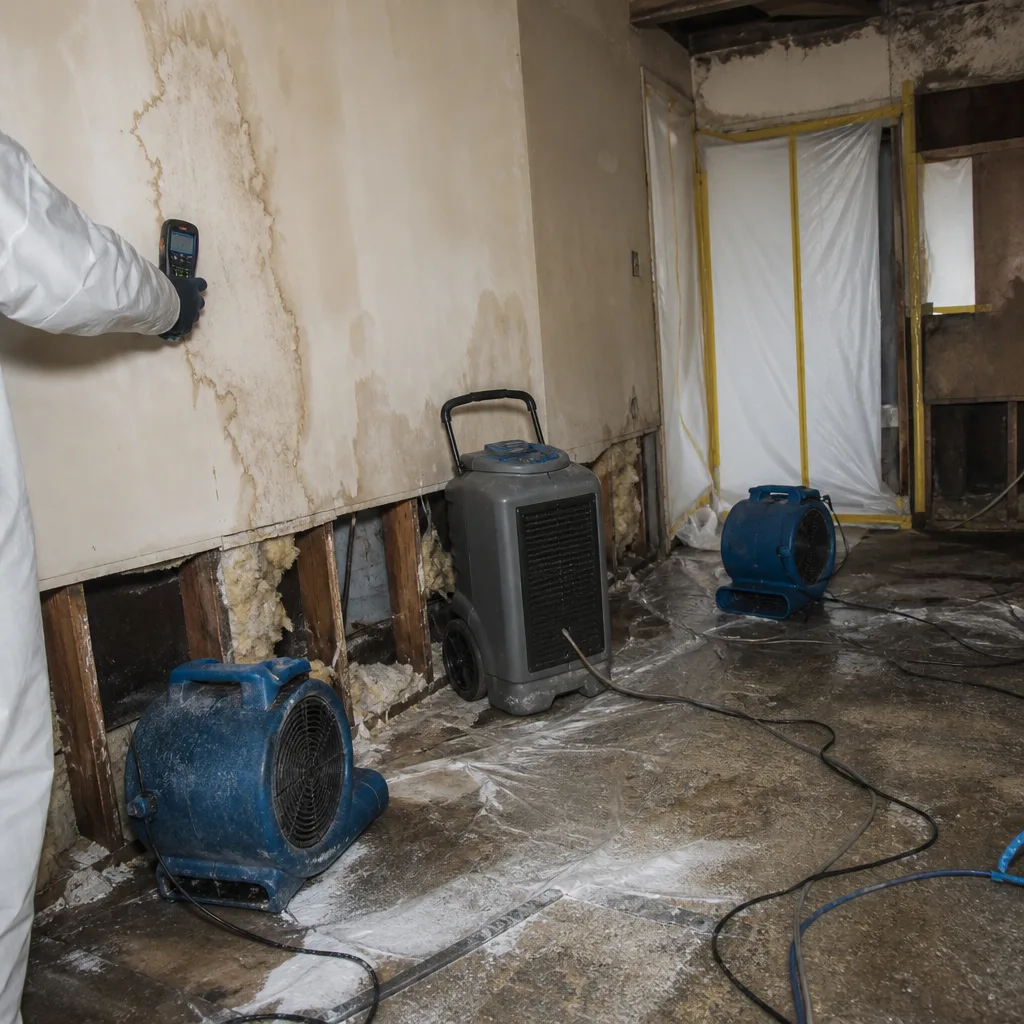 Before
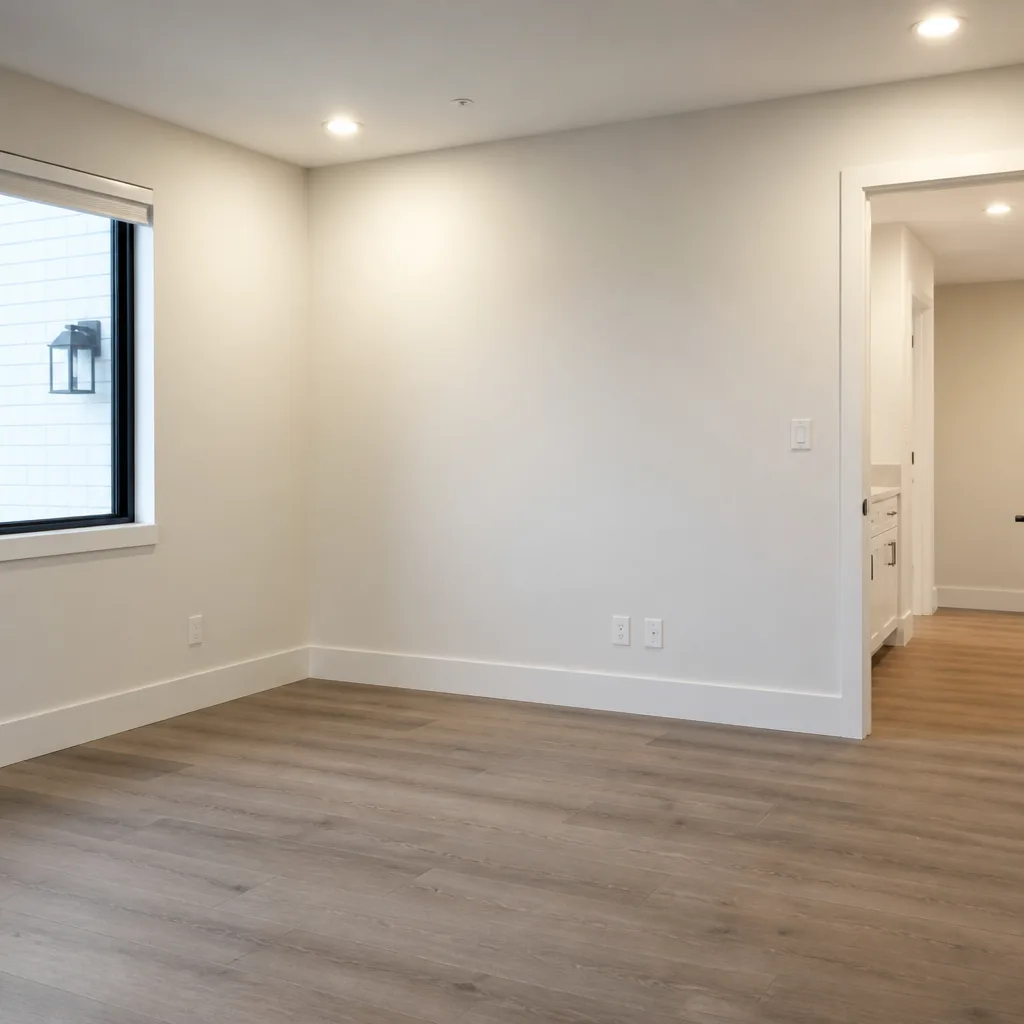 After
After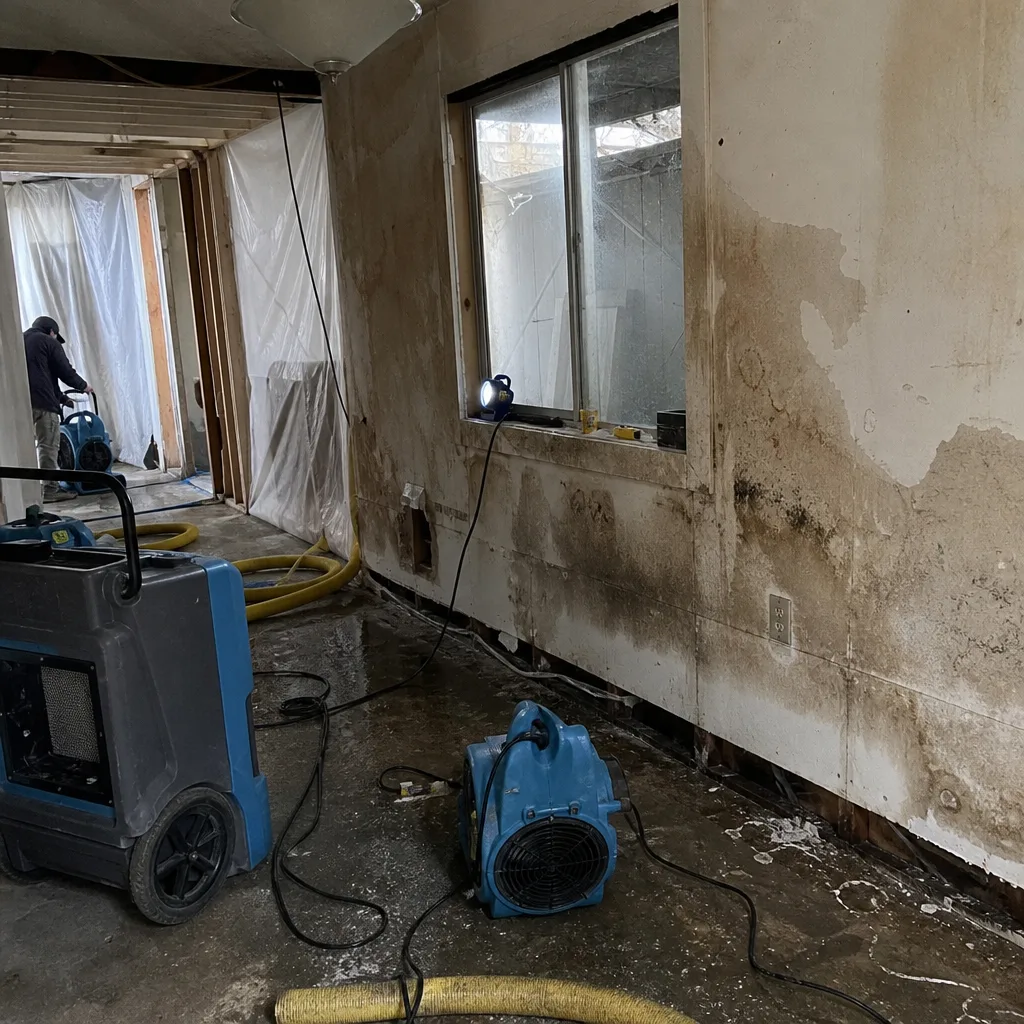 Before
 After
After24/7 Emergency Water Damage Restoration in West Hollywood
Water damage restoration in West Hollywood typically costs $2,800-$6,500 for a standard residential dry-down and is usually started within 45 minutes of your call. Our crews are staged throughout the West Hollywood area and arrive with extraction equipment, moisture meters, and thermal imaging already loaded.
We answer live at (424) 365-9728, 24 hours a day, 7 days a week. No voicemail trees. No next-business-day callbacks while water is still wicking into plaster and subfloor. The first hour determines whether a loss stays contained to one room or migrates through three units of a courtyard building. Our Water Damage Restoration team dispatches from our Los Angeles office with direct routes into WeHo via Santa Monica Boulevard and Melrose Avenue.
Every emergency call starts with a free visual inspection. We document what we find, explain what needs to happen, and deliver a written price before any work begins. Haven Standard, Clause 1.
Understanding Water Damage Restoration Severity in West Hollywood Properties
Water damage in West Hollywood falls into three categories that dictate equipment, timeline, and documentation requirements. Category 1 is clean water from a supply line break. Category 2 carries contaminants from dishwasher or washing machine discharge. Category 3 is sewage or groundwater intrusion, requiring full PPE, containment, and antimicrobial treatment.
West Hollywood’s building stock complicates every category. The 1920s-1940s Spanish Colonial Revival courtyard bungalows and Streamline Moderne apartment complexes that dominate the city were built with galvanized steel supply lines, cast-iron drain stacks, and plaster-over-lath wall assemblies. When these systems fail, water doesn’t behave the way it does in modern drywall construction. Plaster absorbs slowly but releases slowly, and the marine layer keeps cavity humidity elevated year-round. Moisture mapping with thermal imaging and pinless meters is non-negotiable. Psychrometric data, vapor pressure differential, and tertiary drying protocols are documented to IICRC S500 standards on every job.
Many WeHo buildings also contain asbestos insulation on original pipes and lead paint under decades of newer coatings. Any demolition beyond minimal drying access triggers mandatory testing and abatement steps that add 24-72 hours to the front of a project. Contractors who skip this step expose the property owner to California DTSC liability and void insurance coverage for the abatement portion.
Why West Hollywood Property Owners Choose DryMark Restoration Pacific Palisades
- 45-minute response commitment to West Hollywood addresses, with crews pre-staged for Santa Monica Boulevard corridor access.
- 24/7 live answer by a real person, never an automated system or voicemail queue, on every call to (424) 365-9728.
- IICRC-certified crews holding WRT (Water Damage Restoration Technician) and AMRT (Applied Microbial Remediation Technician) certifications, with license numbers verified before arrival.
- Free visual inspection and written scope delivered on-site before any equipment is plugged in or any demolition begins.
- Direct insurance billing with photo-documented estimates, daily drying logs, and adjuster coordination as a standard service.
- One team from extraction through reconstruction, eliminating handoff gaps that delay permit closure and final inspection.
 Before
 After
AfterOur Water Damage Restoration Process
1. Inspection & Assessment
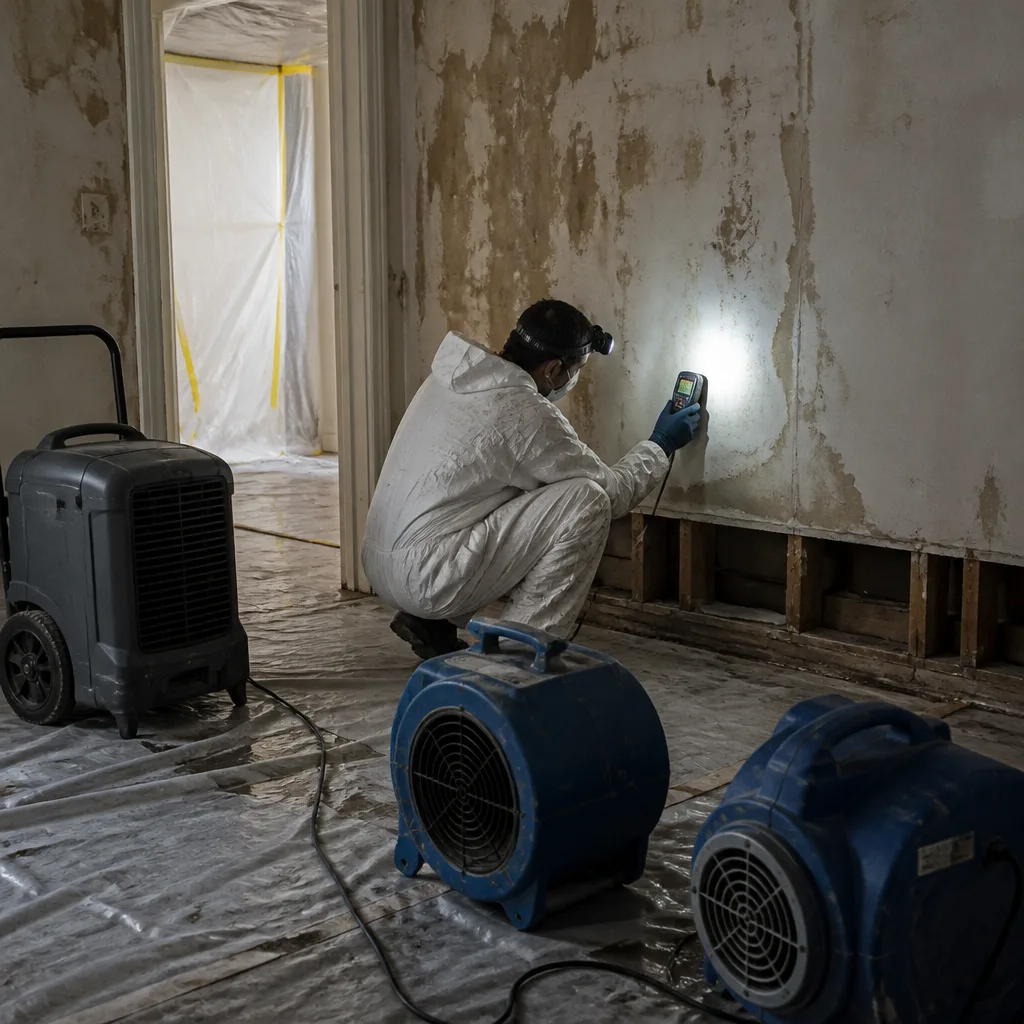
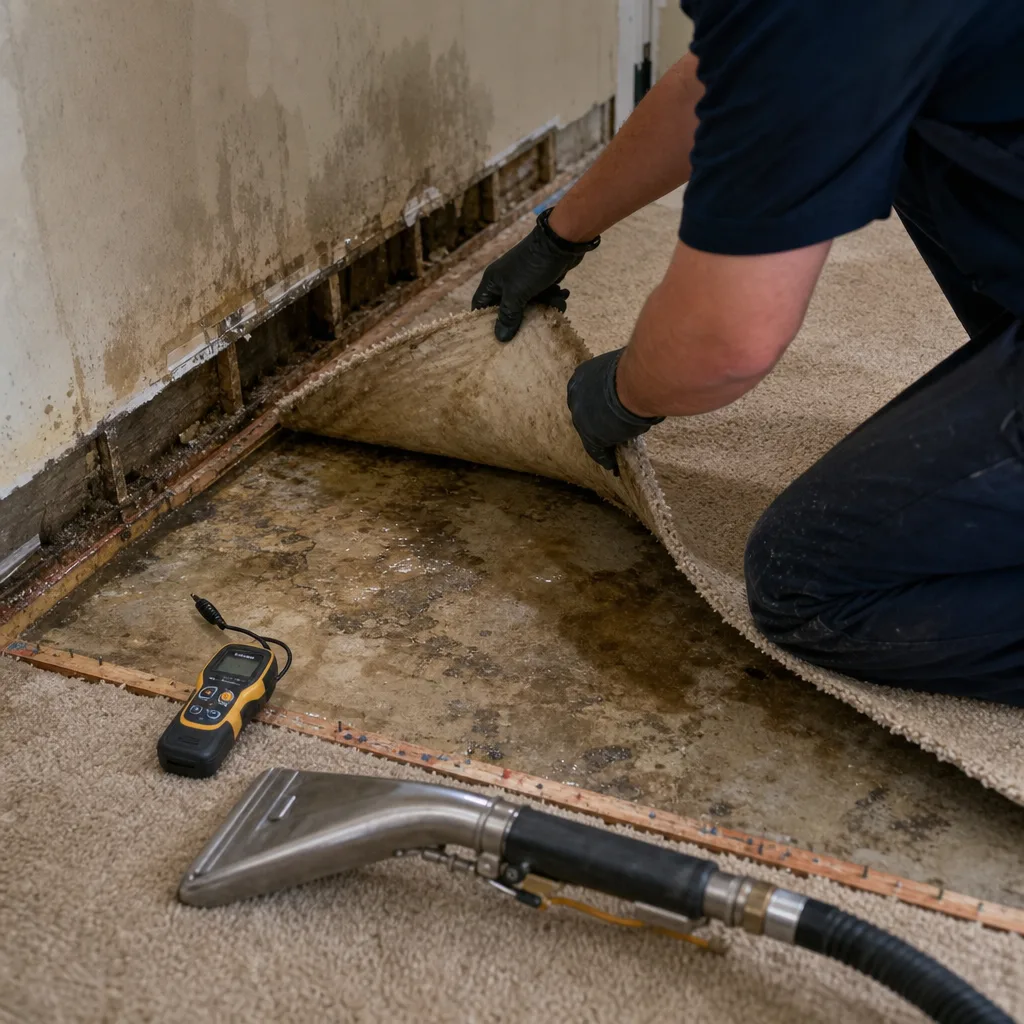
We arrive with thermal imaging cameras, pin and pinless moisture meters, and hygrometers to map the full extent of migration. In West Hollywood’s plaster-wall buildings, we check behind baseboards and inside wall cavities where water travels horizontally along lath channels. Every reading is logged.
2. Extraction & Stabilization
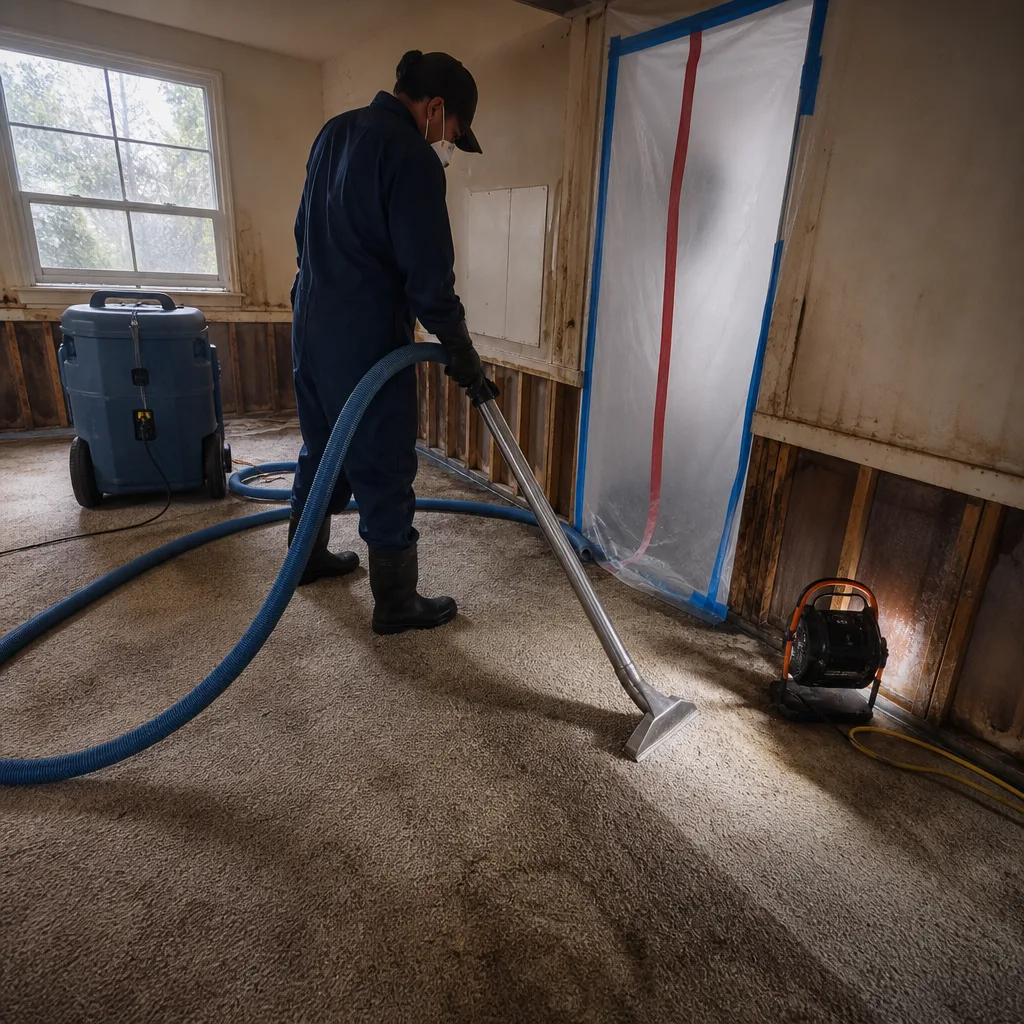
Standing water is removed with truck-mounted and portable extraction systems. We deploy weighted water claws on carpet and hard-surface wands on tile or concrete. For West Hollywood’s multi-unit courtyards, we contain the affected area with 6-mil poly barriers to prevent cross-contamination into adjacent units.
3. Drying & Dehumidification
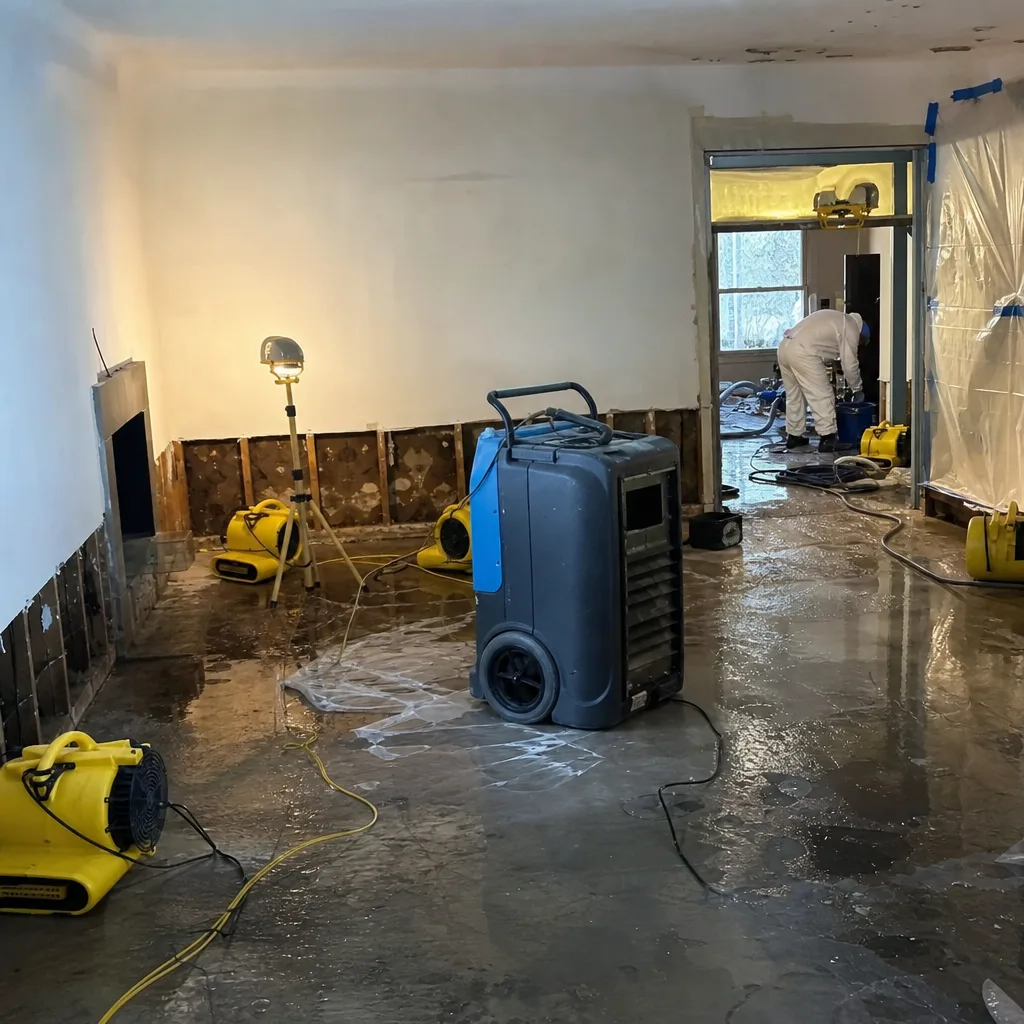
We calculate equipment density based on cubic footage, material class, and vapor pressure differential. Standard jobs get air movers and LGR dehumidifiers from Phoenix and Dri-Eaz. For WeHo’s plaster-and-stucco assemblies, we add Injectidry wall-cavity drying panels and B-Air axial fans to force air through closed cavities.
4. Cleaning & Sanitization
Category 2 and 3 losses receive antimicrobial treatment with EPA-registered products. HEPA air scrubbers run continuously during this phase. We document product lot numbers and application times for insurance and regulatory files.
5. Asbestos & Lead-Safe Demo Coordination
When pre-1950 materials test positive, we pause, seal the containment, and bring in certified abatement contractors. This is standard on most West Hollywood water losses. We coordinate the schedule so drying resumes the moment clearance is issued, with no gap in documentation.
6. Repairs & Restoration
Our reconstruction crew matches original plaster profiles, period trim, and stucco textures. We deliver a photo record of every phase, a signed drying log, and the 365-Day Done Right Promise under The Haven Standard. The job isn’t closed until the moisture readings and the visual finish both pass.
Need Emergency Water Damage Restoration in West Hollywood Now?
Crews minutes away, answering live 24 hours a day. The sooner we start, the less it costs.
Working With Your Insurance Company
Documentation from the first hour is what turns a restoration invoice into a paid claim. We photograph every room before we move anything. We record moisture readings at arrival, every 24 hours during drying, and at final validation. We write line-item scopes with Xactimate or Symbility pricing, and we speak directly with your adjuster when questions arise.
Our founder built this company after seeing how many homeowners lost thousands to documentation gaps. That origin shapes every file we open. We don’t guess at what your carrier needs. We know, because we’ve been on both sides of the desk.
What We Provide Your Insurer
- Thorough documentation of the loss
- Photos of all damage, room by room
- Moisture readings and drying logs
- A detailed, line-item scope of work
- Direct coordination with your carrier
Built for West Hollywood’s Loss Calendar
January through March brings the heaviest rain months to Southern California, and West Hollywood’s flat-roofed 1950s dingbat apartments collect standing water that finds every seam in aging tar-and-gravel roofing. We see ceiling collapses along Fountain Avenue and Havenhurst Drive every winter.
April and May shift to supply-line failures as temperature swings stress the original galvanized pipes in courtyard buildings. June through October is wildfire season, but for water damage it’s the dry period when Santa Ana winds complicate our work: a wall that reads dry on the surface can still harbor active mold colonies behind plaster, masked by rapid surface evaporation. If a fire does occur, our Fire & Smoke Damage Restoration in West Hollywood team can address both the immediate fire damage and any resulting water damage from suppression efforts.
November and December bring the second rain peak, plus holiday travel that leaves leaks undetected for days. The marine layer never really leaves WeHo, so mold colonization behind stucco is a year-round risk that doesn’t follow a neat seasonal calendar.
Water Damage Restoration Across West Hollywood’s Neighborhoods
West Hollywood’s eastern zone, along the Sunset Strip and up into the Hollywood Hills West foothills, mixes 1960s hillside homes with dense multi-family along Sunset Boulevard. Water losses here tend to be supply-line bursts in older hillside structures and roof leaks in flat-topped commercial-residential mixed buildings. Access is tight, and parking for our extraction rigs requires coordination with WeHo parking enforcement.
The central corridor, roughly between Santa Monica Boulevard and Melrose Avenue, is where the 1920s-1940s courtyard apartments concentrate. These are the buildings with the galvanized lines, the plaster walls, and the RSO relocation clock. We stage extra equipment on every truck serving this zone because standard drying timelines don’t apply.
The Norma Triangle and West Hollywood West neighborhoods, west of La Cienega Boulevard, include more 1950s-60s soft-story dingbat construction. These wood-frame buildings with tuck-under parking are seismically vulnerable and hydraulically complicated: a burst pipe on the parking level can flood storage and vehicle spaces with Category 2 or 3 water before anyone upstairs notices.
Along the northern edge near Beverly Hills, the housing stock upgrades to larger condo complexes and some single-family, but even here the infrastructure is aging. We respond to main-line backups on Doheny Drive and flooding from failed water heaters in 1980s-era townhome clusters.
Specialized Water Damage Restoration Services We Offer in West Hollywood
Emergency Water Extraction
We extract standing water within the first hour of arrival using truck-mounted systems and portable submersible pumps. In West Hollywood’s multi-unit buildings, we prioritize containment to prevent migration into neighboring units, which can trigger the RSO displacement chain reaction.
Structural Drying & Dehumidification
Our drying protocols are scoped to the material, not the calendar. Plaster over lath, stucco exteriors, and the persistent marine-layer humidity in WeHo require higher equipment density and longer monitoring periods than standard drywall jobs. We document psychrometric data to IICRC S500.
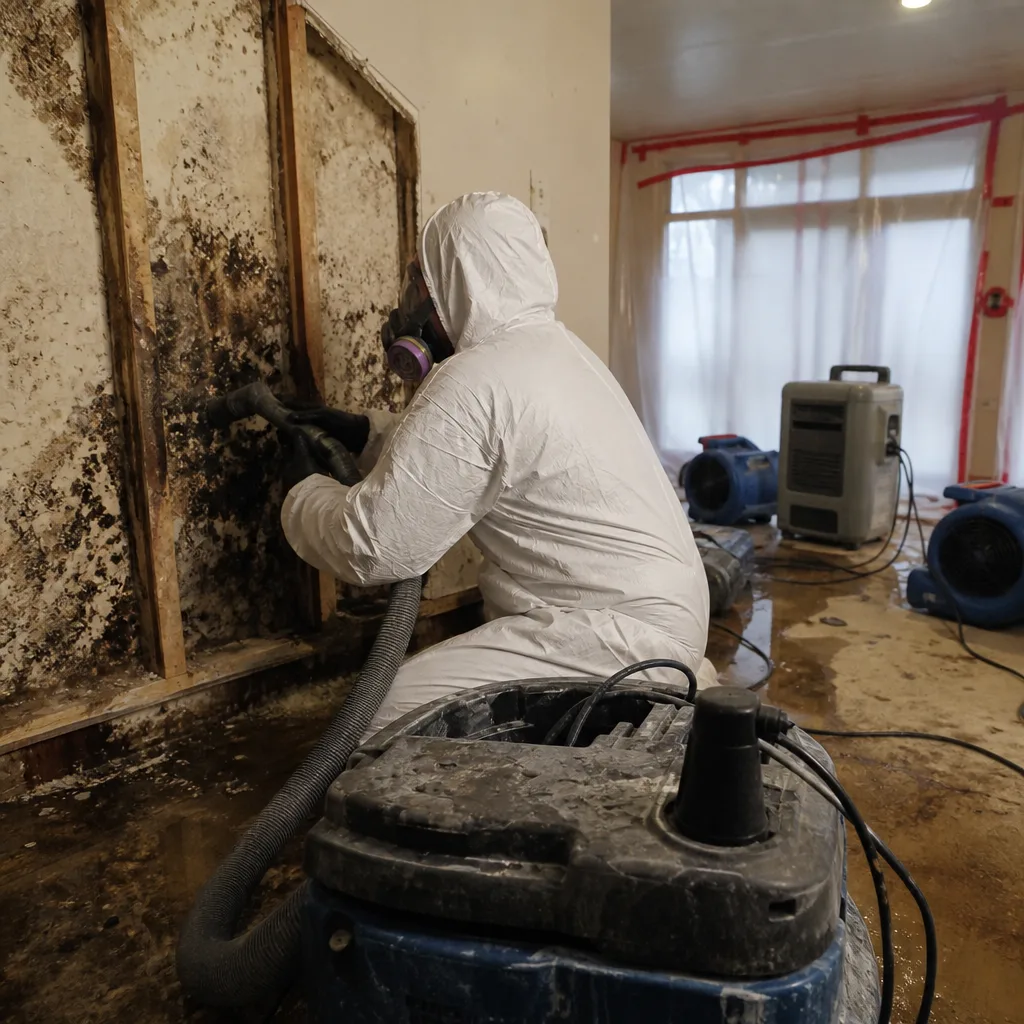
Flood Cleanup
Flash flooding from overwhelmed drains hits the low-lying sections near Santa Monica Boulevard hardest. Category 3 floodwater carries silt, hydrocarbons, and biological contaminants. We remove porous materials, treat non-porous surfaces with antimicrobial agents, and document every step for health department and insurance files.
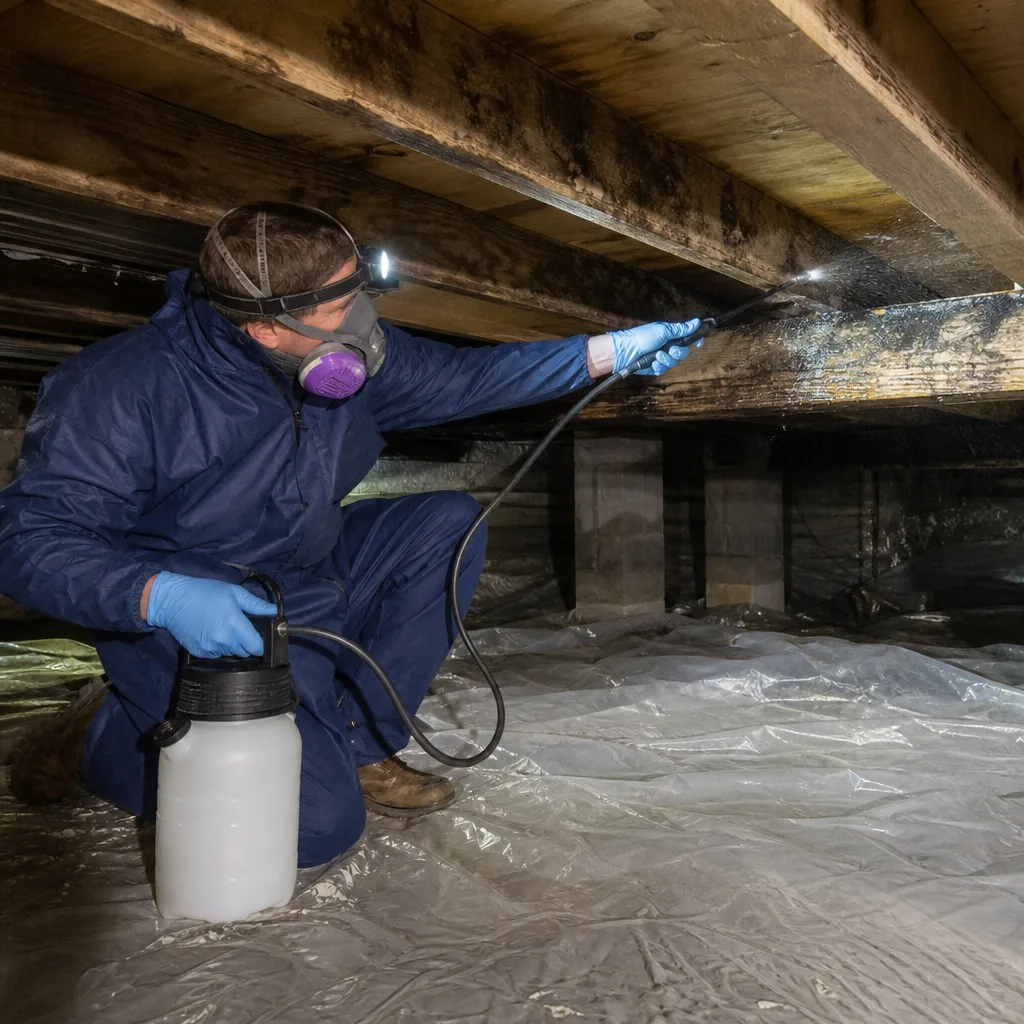
Burst Pipe Restoration
Galvanized steel supply lines in pre-1950 West Hollywood buildings corrode from the inside, thinning until they fail without warning. We extract, dry, and coordinate the plumbing repair, then scope reconstruction to match original plaster and trim. Many landlords use the moment to repipe with copper or PEX.
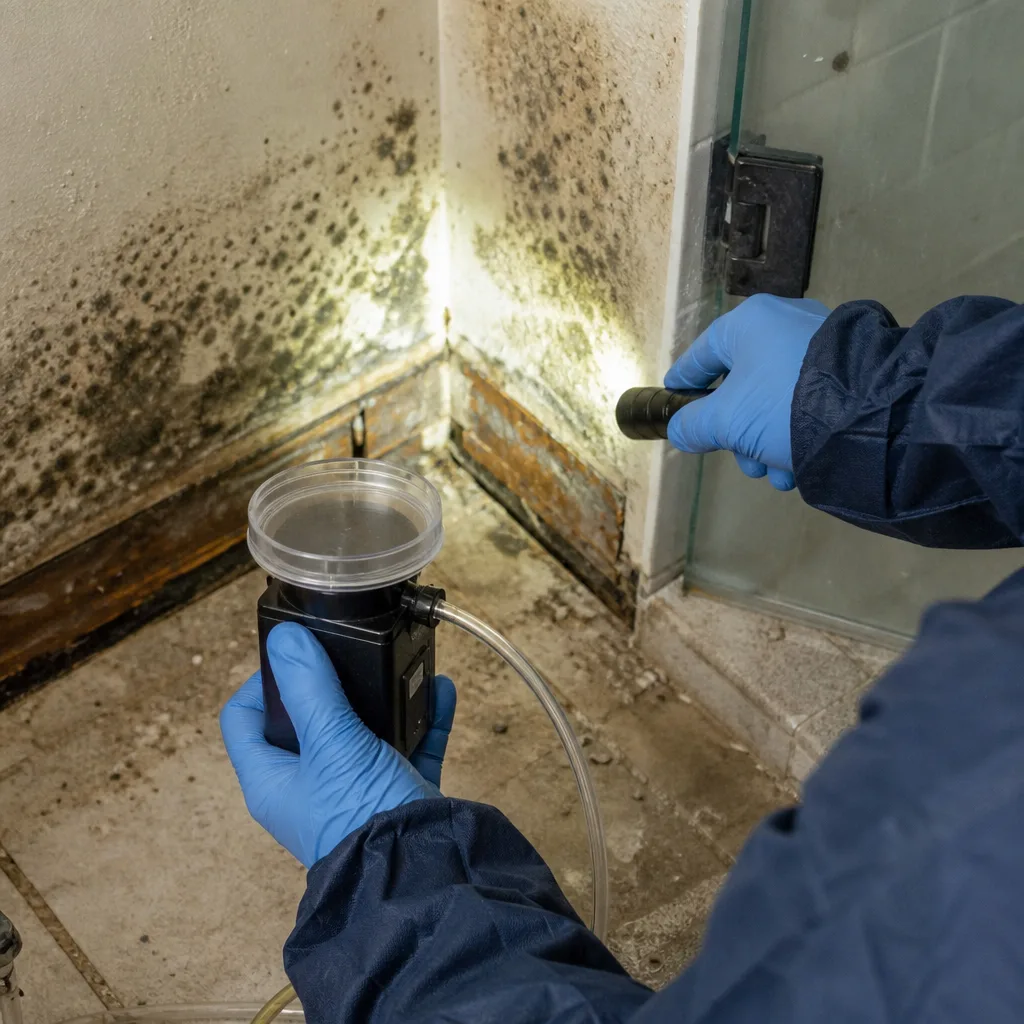
Basement Water Removal
WeHo’s limited basement stock is mostly in older commercial buildings and some 1920s courtyard structures with partial sub-grade storage. These spaces flood from drain backups and foundation seepage. We pump, extract, and deploy specialized cavity drying for below-grade concrete and block walls.
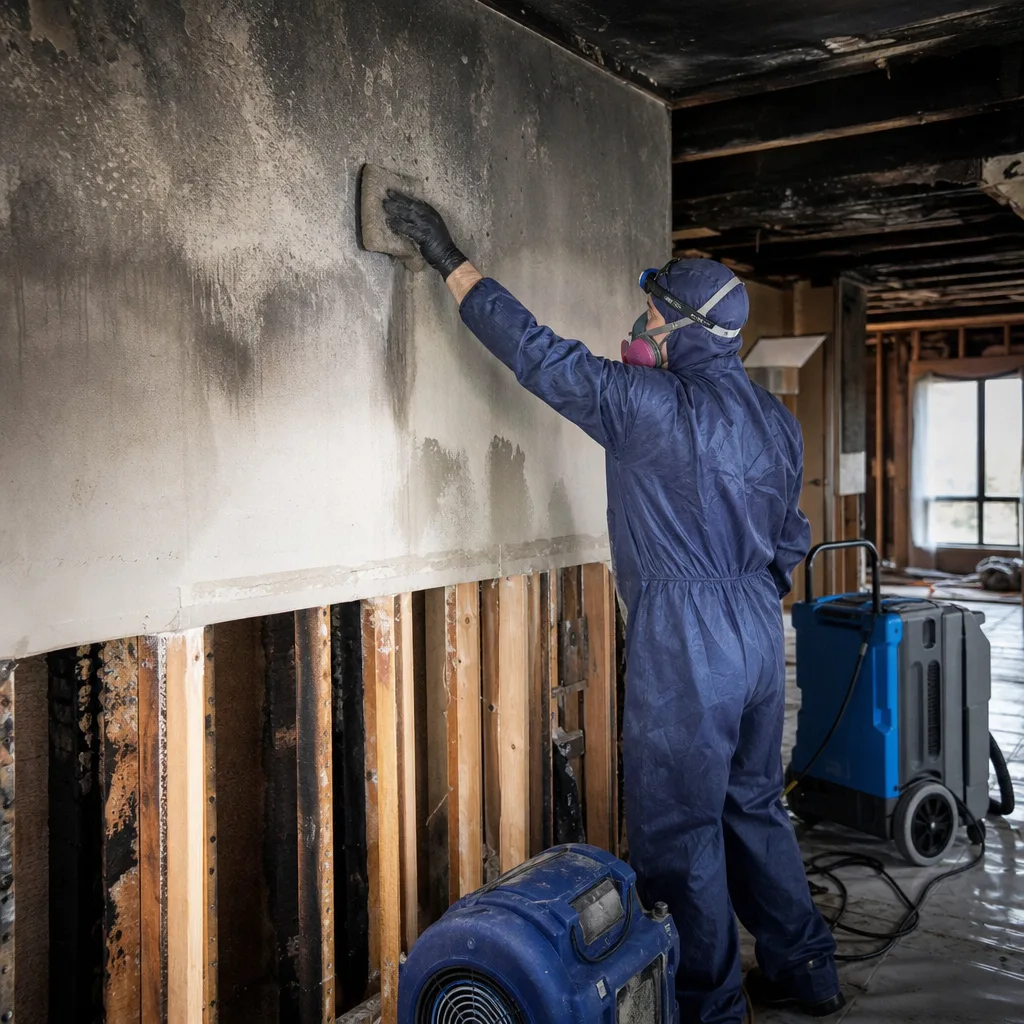
What happens when you call
- 1
A real person answersNo phone trees - you reach a local pro.
- 2
You get an upfront price rangeHonest numbers before anyone is dispatched.
- 3
A background-checked tech heads outLicensed & insured, dispatched right away.
- 4
You approve before work beginsNothing starts until you say go.
Water Damage Restoration Costs in West Hollywood, CA
A typical emergency water extraction and structural drying job in West Hollywood runs $2,800-$6,500 for a one-to-two-room residential loss. Category 3 sewage or flood cleanup adds $1,500-$3,500 for antimicrobial treatment, PPE, and disposal. Burst pipe restoration with plaster repair and repainting runs $4,200-$9,800 depending on linear feet of wall affected.
What moves the price: square footage affected, material classification (plaster costs more to dry and repair than drywall), asbestos or lead abatement requirements, and whether the job must compress into a 72-hour sprint to avoid tenant displacement. Insurance typically covers sudden and accidental water damage from supply lines and storms, but not gradual leaks or maintenance neglect. We review your policy with you and document the cause for your adjuster.
Every estimate starts with a free visual inspection. We deliver a written scope and price before any work begins. Haven Standard, Clause 1. Call (424) 365-9728.
We Also Serve Cities Near West Hollywood
Our crews respond throughout the Westside and San Fernando Valley, including Water Damage Restoration in West Hollywood and surrounding communities: Beverly Hills to the west, Sherman Oaks to the north, Culver City to the south, and Santa Monica to the southwest. Each city has its own building stock, code environment, and loss patterns. We adjust our protocols accordingly.
Serving West Hollywood, CA - Our Local Coverage Area
We’re based in the West Hollywood area and know this community well. Use the map below to see our service coverage - if you’re nearby, we can almost certainly help.
West Hollywood Water Damage Restoration Questions, Answered
How fast can you dry a water loss in a West Hollywood courtyard apartment without displacing the tenants?
We routinely compress standard 10-day drying jobs into 72-hour sprints by doubling equipment density and running moisture mapping every four hours.
This requires Injectidry cavity drying panels, supplemental dehumidification, and a crew that understands how plaster over lath releases moisture differently than drywall. We coordinate the timeline with the landlord from the first truck roll to keep the RSO relocation clock from starting. Not every loss qualifies for this protocol, but when the alternative is $2,000-$5,000 per tenant in hotel and per-diem, the math is clear. Call (424) 365-9728 and we’ll assess whether your building fits the sprint criteria.
Do the original galvanized pipes in West Hollywood’s 1920s-1940s buildings cause more water damage than newer plumbing?
Yes, galvanized steel supply lines corrode internally and fail catastrophically without warning, often at joints behind walls.
We’ve responded to dozens of these on Havenhurst Drive, Fountain Avenue, and throughout the central courtyard zone. The pipe doesn’t drip; it blows a pinhole that becomes a spray in seconds. Because the lines run through plaster walls, the first sign is often water bubbling through paint in an adjacent room. We extract, dry, and document the cause for insurance, then coordinate with your plumber on repiping options. Call (424) 365-9728 for a free inspection.
Because West Hollywood has a rent stabilization ordinance, does a water loss require special coordination?
Yes, any restoration job that displaces tenants can trigger mandatory landlord-funded relocation assistance under WeHo’s RSO.
This means contractors must coordinate timelines with the landlord’s RSO file and sometimes with the city’s enforcement office directly. We understand this dynamic because we’ve worked it repeatedly. Our documentation package includes sealed drying logs formatted for RSO submission, and we scope emergency jobs specifically to avoid triggering displacement when possible. Contractors from outside WeHo who don’t know this system have cost landlords thousands in avoidable penalties. Call (424) 365-9728.
Do you have to test for asbestos or lead before demo on a WeHo water-damage job?
Yes, virtually every pre-1950 building in West Hollywood requires testing before demolition beyond minimal drying access.
Original plaster, pipe insulation, and flooring mastics in these buildings commonly contain asbestos, and lead paint is presumed present until tested negative. We work with certified environmental consultants to collect samples and wait for lab results before expanding the work area. This adds 24-72 hours to the front of the project, but skipping it exposes the property owner to DTSC fines and voids insurance coverage for abatement. We build this timeline into our initial scope so there are no surprises. Call (424) 365-9728.
Will the marine layer in West Hollywood make mold come back after a water-damage repair?
The marine layer keeps overnight humidity elevated year-round, which accelerates mold colonization in poorly ventilated cavities.
This is why surface moisture readings alone aren’t sufficient validation in WeHo. We use thermal imaging and pinless meters to confirm cavity dryness, and we run dehumidification longer than the standard protocol specifies. Santa Ana wind events can then mask residual moisture by rapidly drying surfaces while colonies continue growing behind plaster. Our drying logs document vapor pressure differential and equilibrium moisture content, not just “looks dry.” If mold does recur within 365 days, the Done Right Promise covers remediation. Call (424) 365-9728.
How fast can someone actually get here?
Our commitment is 45 minutes to any West Hollywood address, and we typically beat it for calls along the Santa Monica Boulevard corridor.
Crews are pre-staged with equipment loaded, not dispatched from a warehouse after your call. We answer live at (424) 365-9728, 24 hours a day. The first hour is when water migration is still containable. After that, you’re chasing it through walls and into other units.
Will insurance cover this, or am I paying out of pocket?
Sudden and accidental water damage from supply lines, storms, or appliance failures is typically covered under standard homeowner and commercial policies.
Gradual leaks, maintenance neglect, and flood damage from external rising water usually are not. We document the cause from the first hour, photograph everything before anything moves, and write line-item scopes in industry-standard estimating software. We also offer a Free Second Opinion on any competitor’s written estimate. Call (424) 365-9728 and we’ll review your situation.
What should I do in the first 30 minutes before you arrive?
Shut off the water source if you can locate and safely operate the main valve.
Do not enter standing water if electrical outlets or equipment are submerged. Move small valuables and documents to a dry area if safe to do so. Do not run a household vacuum on water, and do not start demolition or discard anything before we document it. Your adjuster will need to see what failed and what it damaged. Call (424) 365-9728 and we’ll talk you through immediate steps while the crew is en route.
We got a call on a Streamline Moderne courtyard complex off Havenhurst Drive where a 1938 galvanized supply line had finally let go behind a bathroom wall, and the landlord was already counting the days before WeHo’s RSO relocation clock kicked in. Our tech staged double equipment density from the first truck roll - Dri-Eaz and Phoenix air movers paired with Injectidry wall-cavity drying panels - and ran moisture mapping through the original plaster every four hours so we could compress a standard ten-day structural drying job into a 72-hour sprint. We kept the two tenants in place, delivered a sealed drying logs package to the landlord’s RSO file, and avoided a displacement that would have triggered per-tenant hotel and per-diem liability.
That’s how West Hollywood water damage restoration works when the contractor understands the building stock, the regulatory environment, and the documentation standard your insurer expects. If you’re facing a water loss now, or you’ve received an estimate you want reviewed, call (424) 365-9728. We answer live. We show up with a written price. And we document every step.
Written by Alicia Brennan, Owner at DryMark Restoration Pacific Palisades, serving West Hollywood since 2011.