
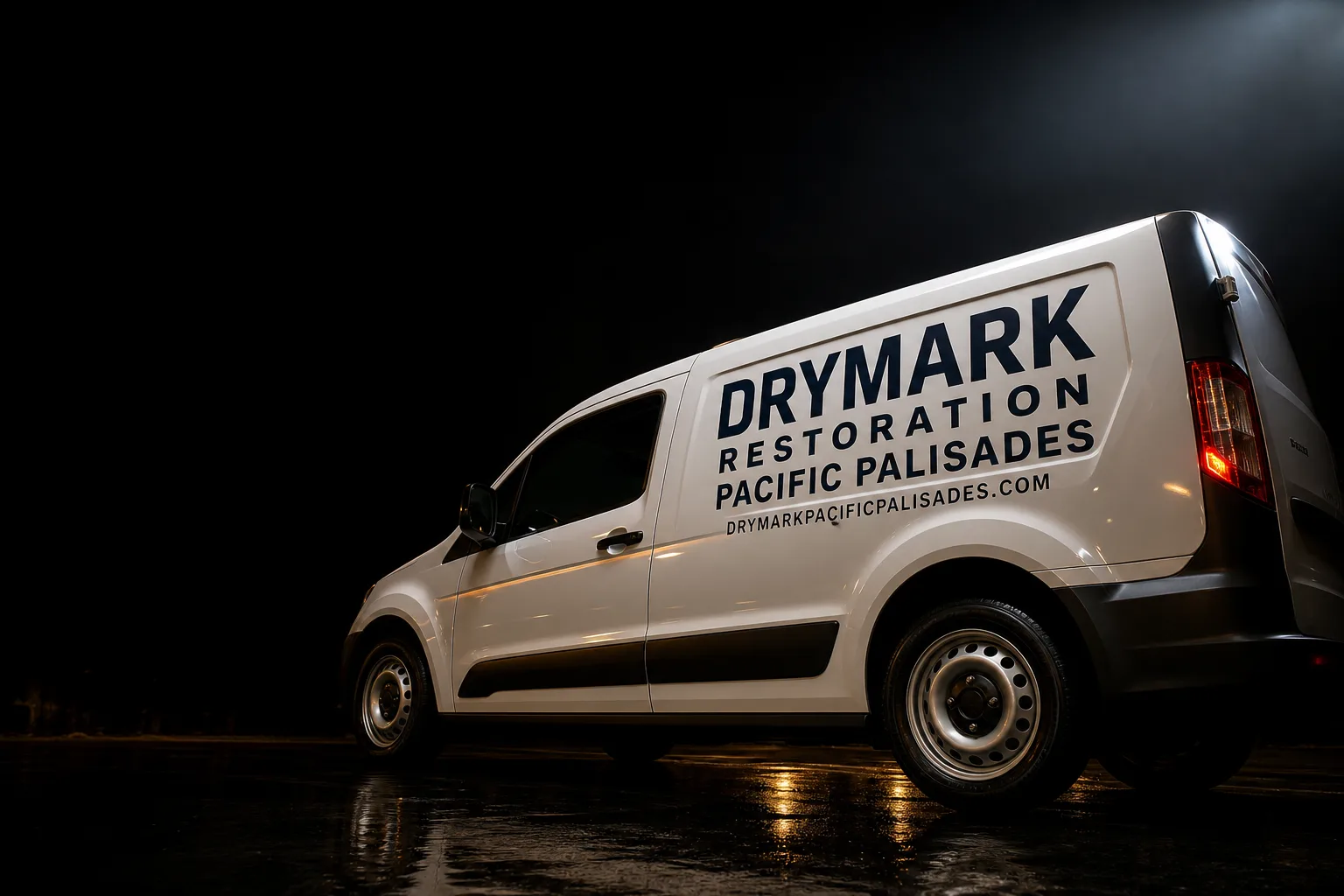
Free visual inspection and a written scope of work before any mitigation begins - photos, moisture readings, and drying logs go in your claim file
The scope we write is the scope we bill. Anything new gets shown to you, in writing, before we touch it.
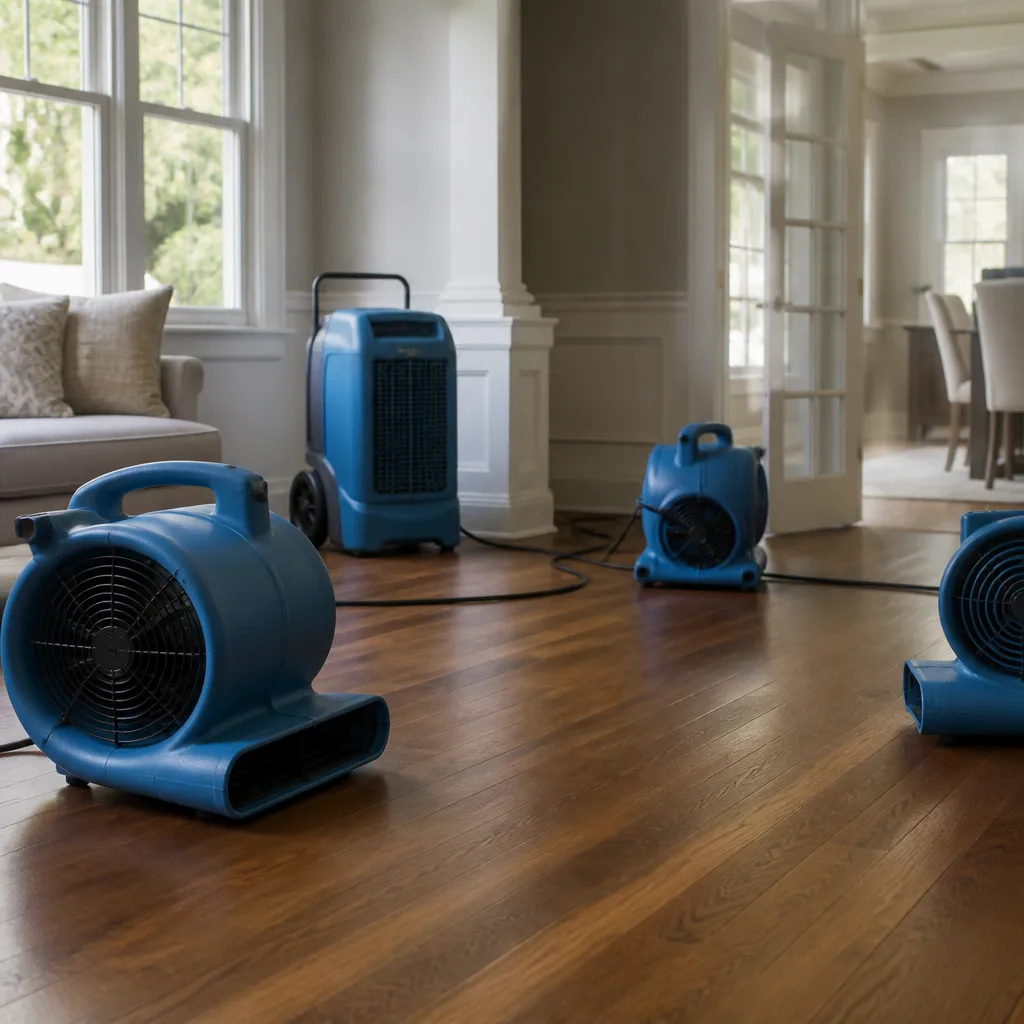
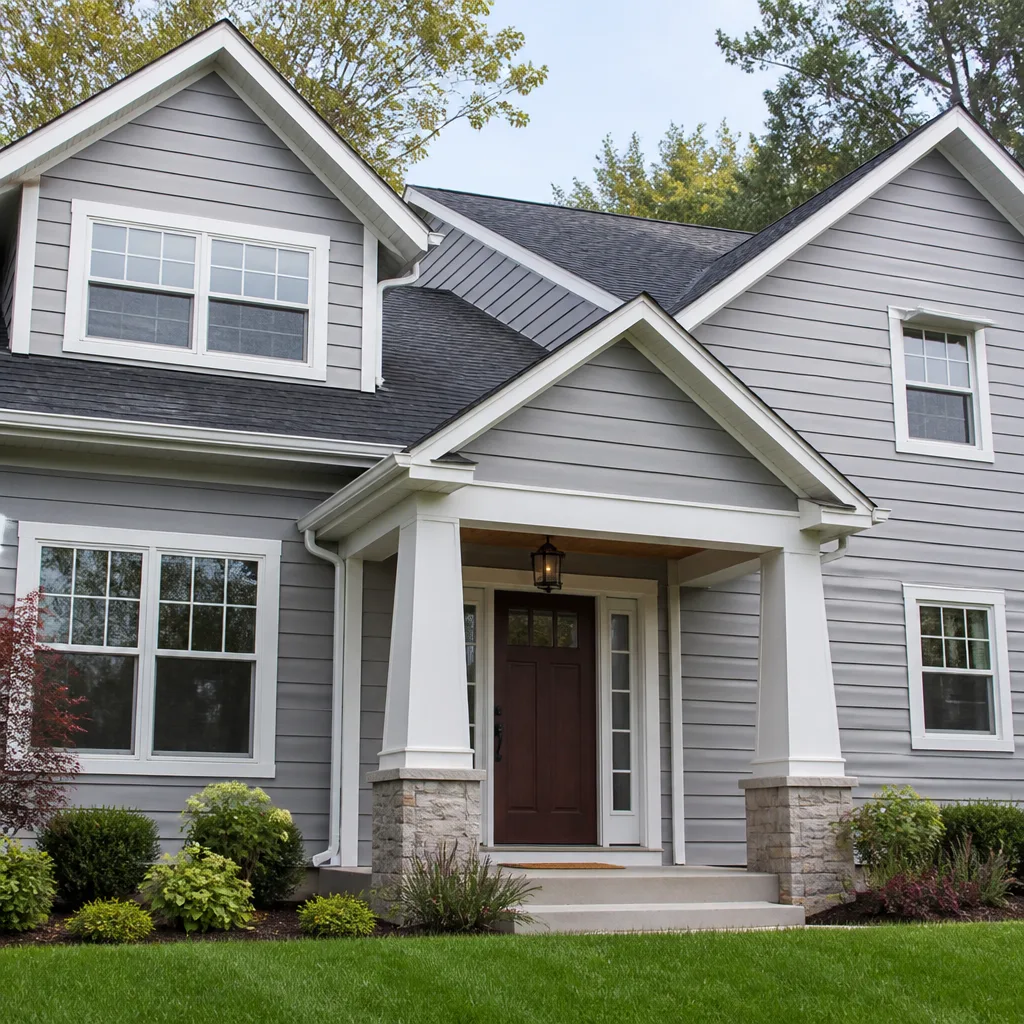
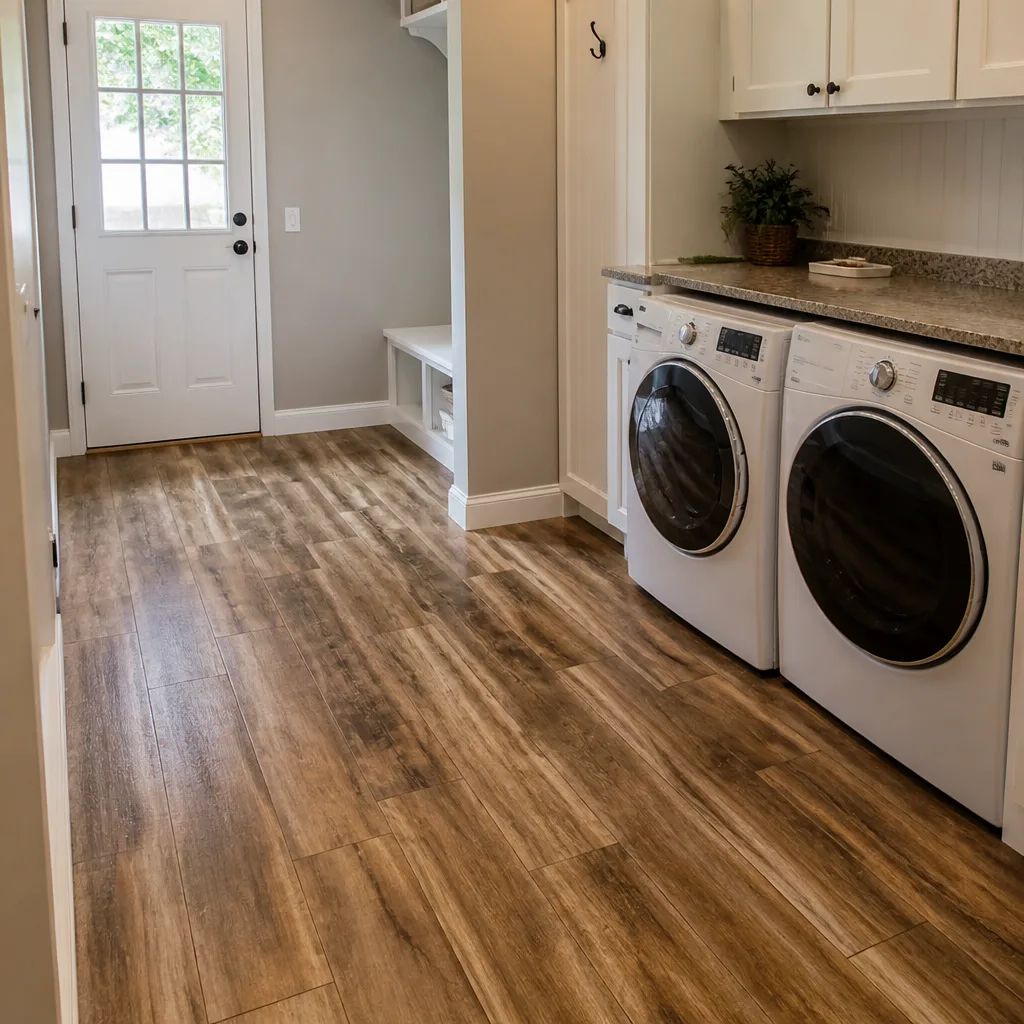
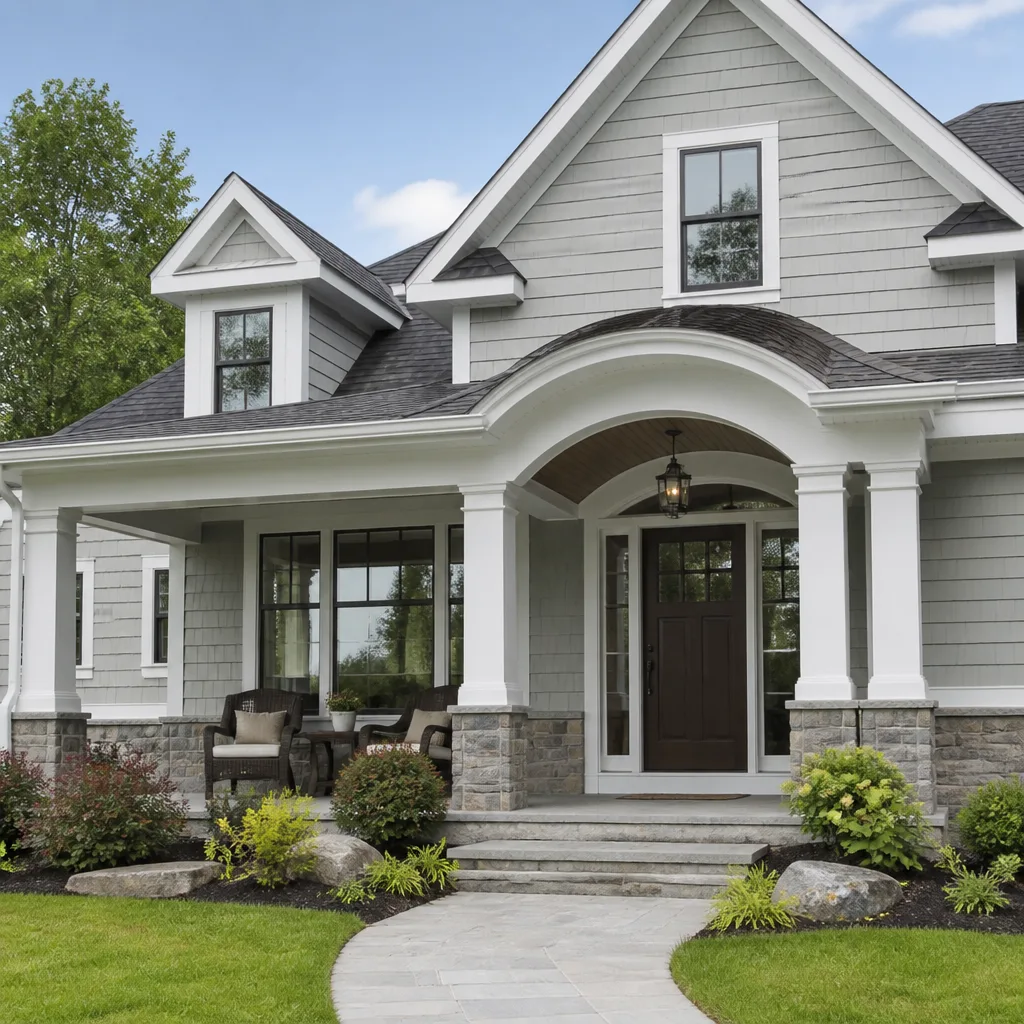
 Before
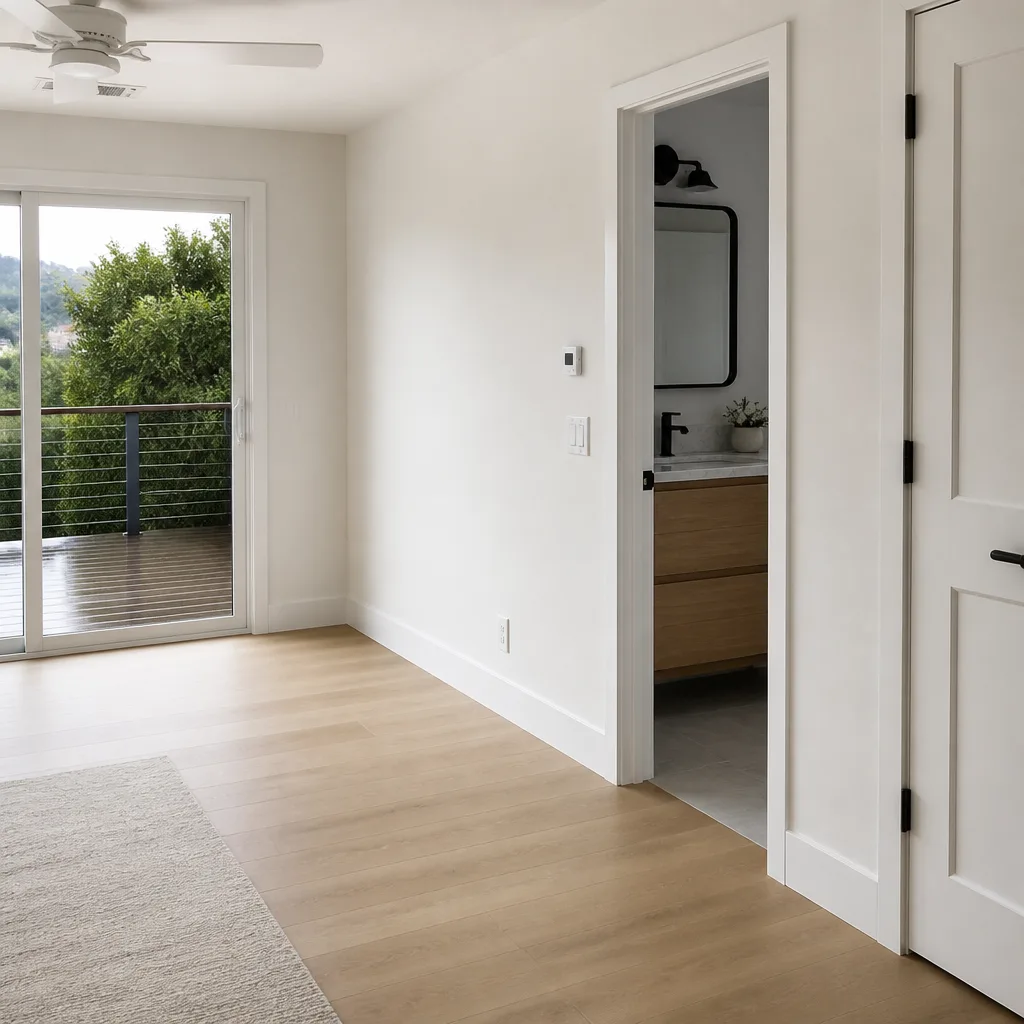 After
After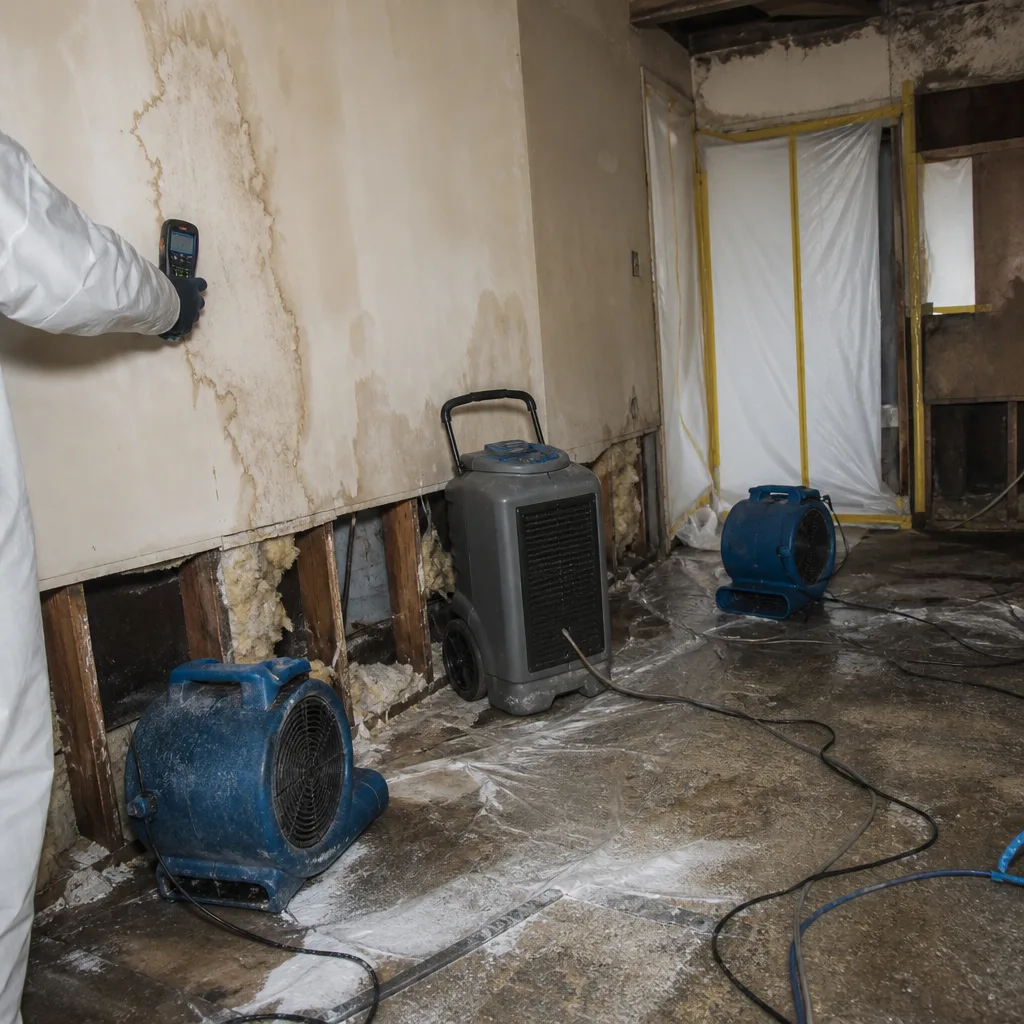 Before
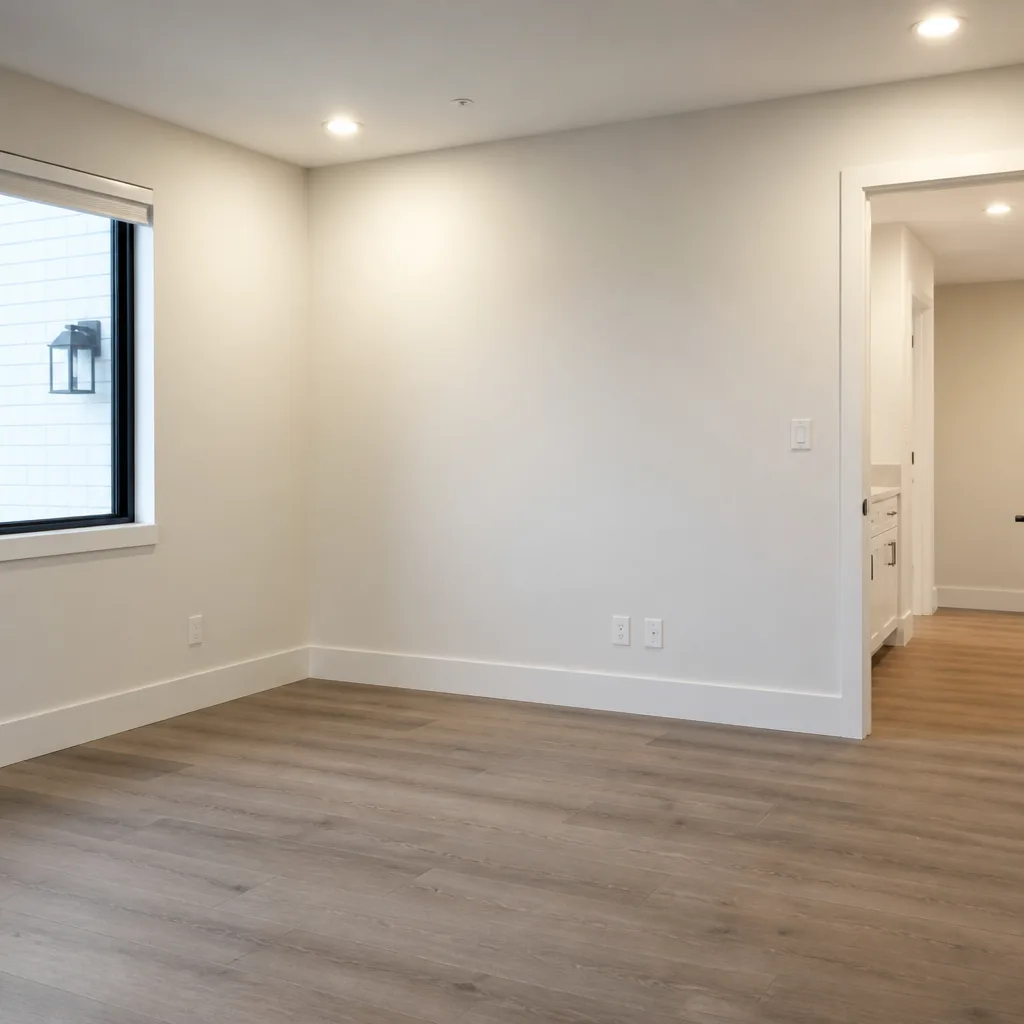 After
After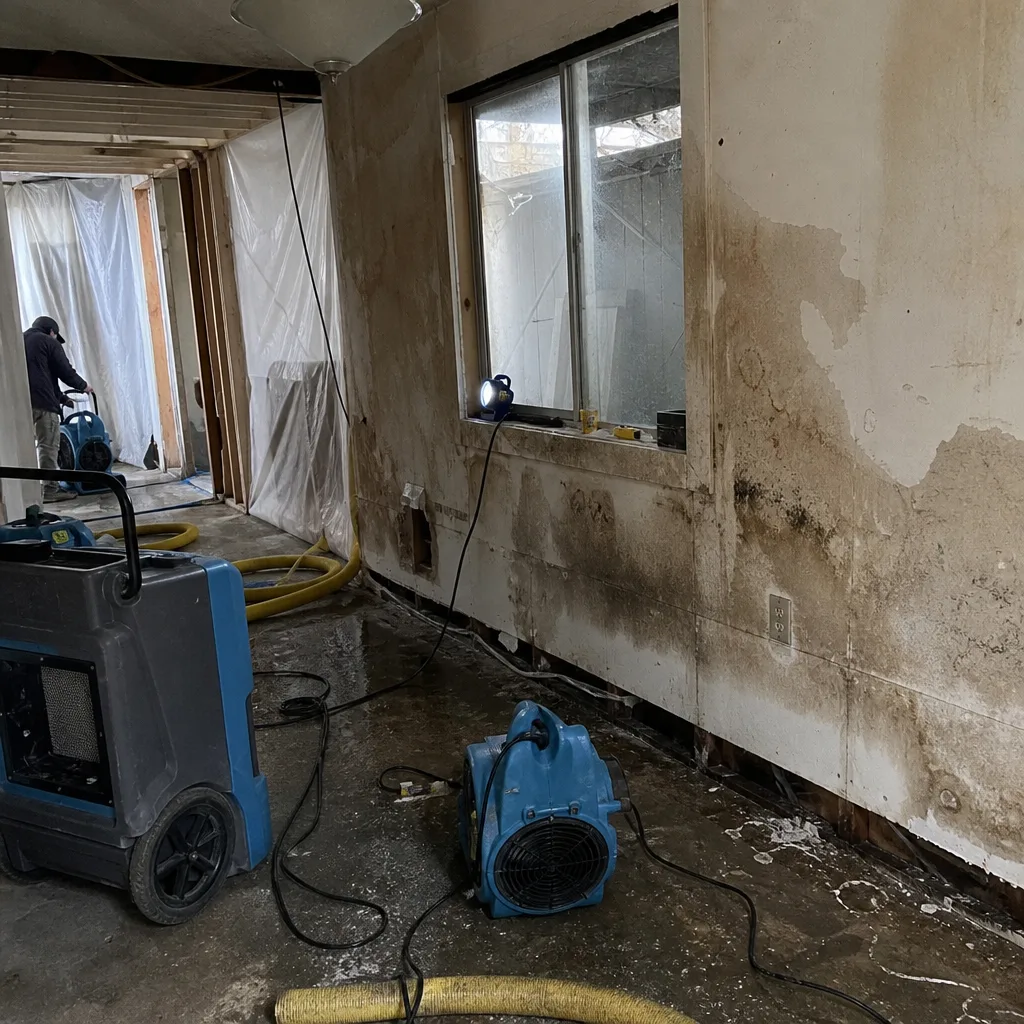 Before
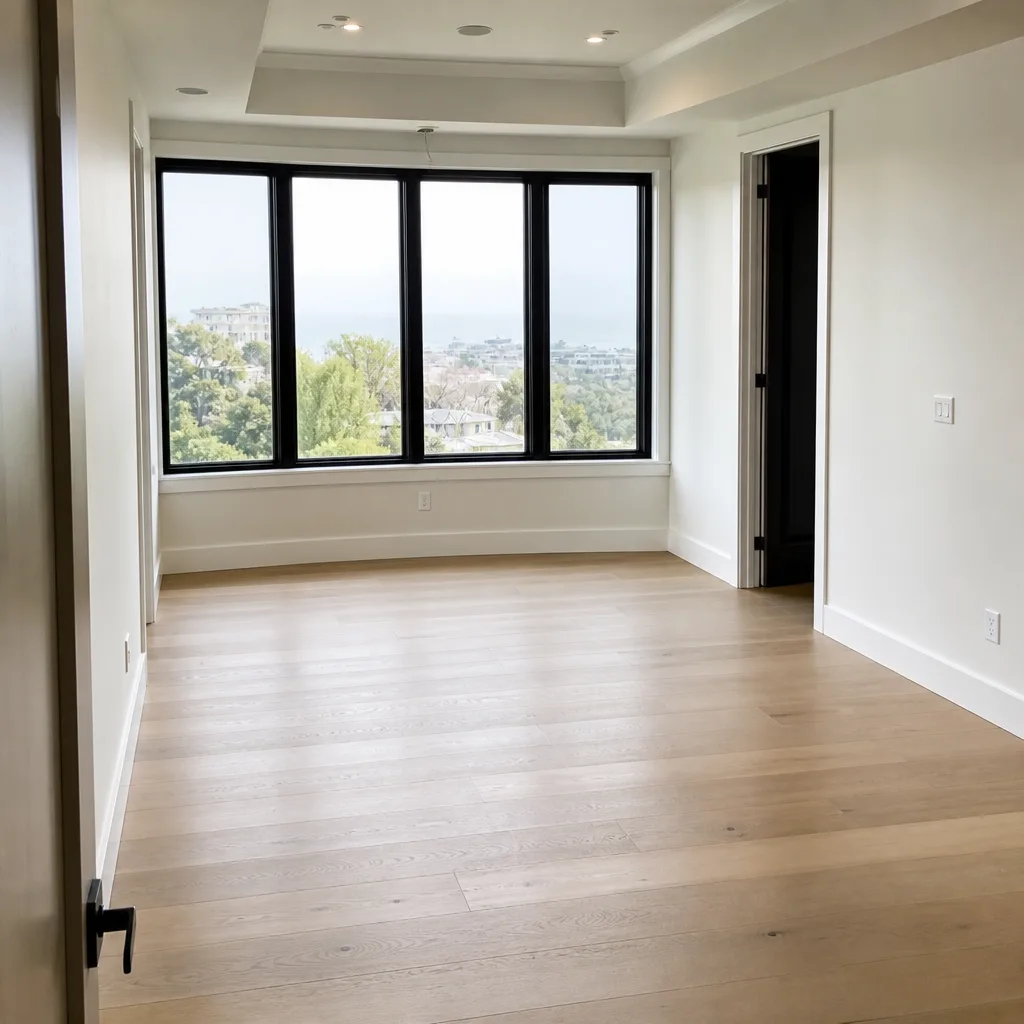 After
After24/7 Emergency Water Damage Restoration in Los Angeles
Water damage restoration in Los Angeles typically costs $2,800-$7,500 for a standard residential drying job, with emergency extraction running $800-$2,400 depending on affected square footage and water classification. Most Los Angeles properties we dry take 3-5 days for structural drying, though hillside homes with post-and-pier construction or hidden mold behind stucco can extend to 7-10 days. Call (424) 365-9728 now - a live person answers, 24 hours a day, and crews are dispatched from our Los Angeles office without voicemail delays.
The first hour determines whether you’re looking at extraction and drying or full gut-and-rebuild. Water migrates horizontally through LA’s slab-on-grade Valley tract homes and vertically through hillside stilt foundations at roughly the same speed - about one inch per hour across drywall, faster through grout lines and slab cracks. Our Water Damage Restoration team runs emergency extraction across Los Angeles with Phoenix and XPOWER truck-mounted systems, then documents every moisture reading before the first air mover starts. Free visual inspection. Written price before work begins, every time - Haven Standard, Clause 1.
Understanding Water Damage Restoration Severity in Los Angeles Properties
Water damage breaks into three categories under IICRC S500 standards, and getting the classification wrong in Los Angeles costs homeowners their claims. Category 1 is clean water - burst supply lines, ice-maker failures, tank water heaters. Category 2 carries significant contamination: dishwasher discharge, washing machine overflow, sump pump failures. Category 3 is grossly contaminated groundwater, sewage, or any water that has passed through soil or building materials. The distinction matters because Category 3 triggers mandatory removal of porous materials - drywall, insulation, carpet pad - while Category 1 may allow in-place drying if caught fast.
LA’s housing stock complicates every classification. The 1950s-70s wood-frame tract homes across the San Fernando Valley have original galvanized supply lines now past 50 years of service life; when they fail, the leak often runs inside walls for weeks during the dry season, evaporating before it reaches visible surfaces. By the time a homeowner spots staining, Category 1 has become Category 2 from microbial growth, or worse - the leak has attracted actual groundwater through slab cracks during the next atmospheric-river event, creating a mixed-category loss that adjusters dispute. Our crews moisture-map every wall with thermal imaging and pinless meters, then log psychrometric data - temperature, relative humidity, vapor pressure differential - to prove what category they’re actually drying.
Post-and-pier bungalows in Silver Lake and the Hollywood Hills present a separate challenge. Seismic settling cracks stucco cladding, opening intrusion pathways that accelerate mold growth behind walls. Moisture mapping in these homes must include the pier line and subfloor cavity, not just the visible wall plane. Tertiary drying - the final phase where bound moisture is removed from dense materials - takes longer in these structures because pier foundations create microclimates with different vapor pressure differentials than slab construction.
Why Los Angeles Property Owners Choose DryMark Restoration Pacific Palisades
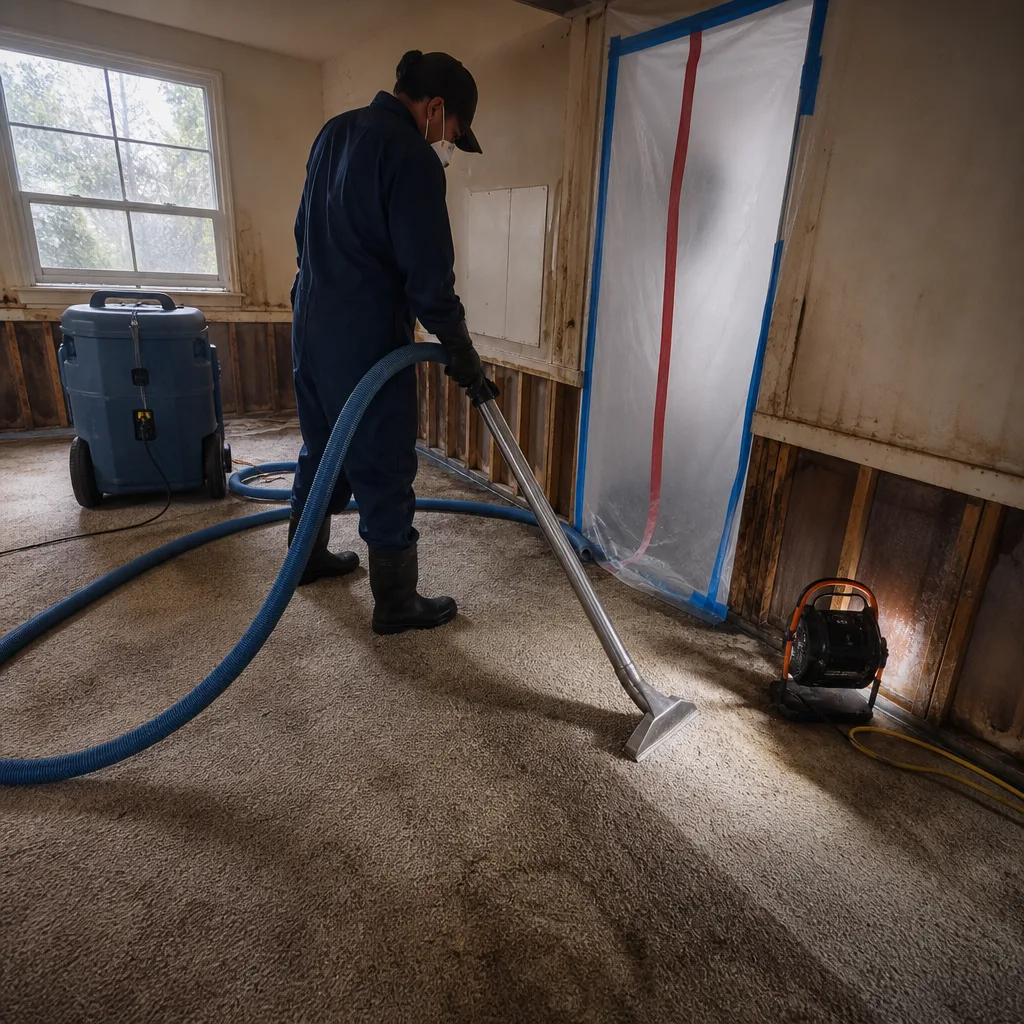
- 45-minute response commitment to any Los Angeles address - from Downtown to the Valley to the Westside - because water doesn’t wait for business hours.
- 24/7 live answer by a real person, never an automated system or voicemail tree; your emergency line rings to our Los Angeles dispatch office where a trained coordinator logs your loss and assigns the next available IICRC-certified crew.
- IICRC-certified technicians holding WRT (Water Damage Restoration Technician), FSRT (Fire & Smoke Restoration Technician), and AMRT (Applied Microbial Remediation Technician) credentials - license numbers provided on request before anyone enters your home.
- Free visual inspection with moisture readings documented on-site; you receive a written price before any work starts, with no scope-creep additions once the crew is inside - Haven Standard, Clause 1.
- Direct insurance billing with photo-documented drying logs, room-by-room moisture readings, and line-item scopes formatted to your carrier’s standards; we coordinate with adjusters so you don’t chase paperwork.
- One team from extraction through reconstruction - no handoffs to unknown subcontractors, no gaps in documentation, and the 365-Day Done Right Promise backed by The Haven Standard on every phase.
 Before
 After
AfterOur Water Damage Restoration Process
1. Inspection & Assessment
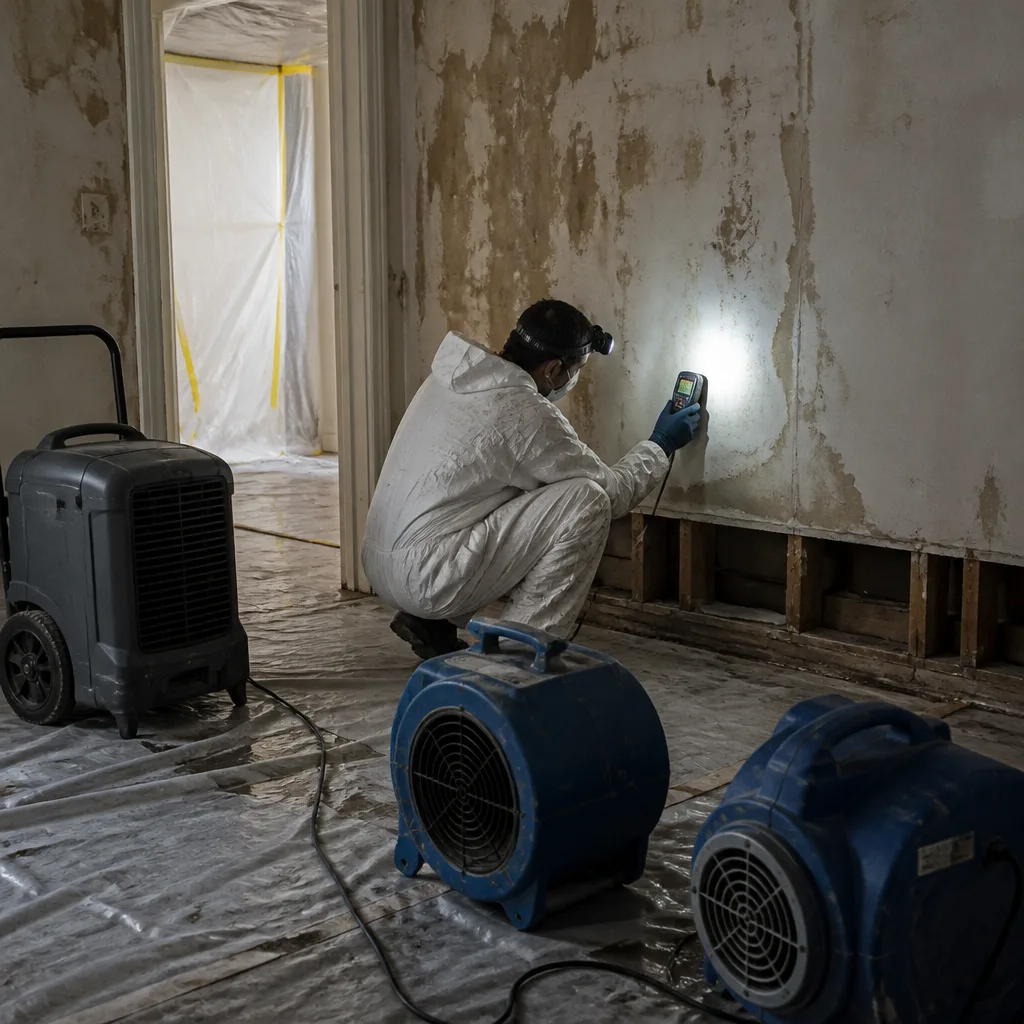
We arrive with thermal imaging cameras, pin and pinless moisture meters, and hygrometers to map the full extent of water migration - not just what you can see. In Los Angeles, this means checking slab perimeters in Valley tract homes and pier lines in hillside construction, because water travels differently in each. You get a written scope with a firm price before any equipment runs.
2. Water Extraction & Stabilization
Truck-mounted Phoenix and XPOWER extraction systems remove standing water at rates up to 25 gallons per minute. For Category 2 and 3 losses, we establish containment barriers and negative air pressure with HEPA scrubbers before extraction begins, protecting unaffected areas from cross-contamination.
3. Structural Drying & Dehumidification
We deploy Dri-Eaz and B-Air low-grain refrigerant dehumidifiers alongside axial and centrifugal air movers positioned for optimal airflow patterns. Daily moisture logs track every room’s progress against dry-standard targets, with psychrometric data recorded each visit - the documentation that turns restoration invoices into payable claims.
4. Cleaning & Sanitization
Antimicrobial treatment applied to all affected structural materials, with EPA-registered products selected for the water category and material type. Porous materials saturated by Category 2 or 3 water are removed per IICRC S500 standards, not merely surface-treated.
5. Moisture Verification & Clearance Documentation
We don’t rebuild until we prove dryness. Final moisture readings at the structural level, compared against established dry standards for Los Angeles’s coastal-to-inland humidity range, are logged and photographed. This clearance documentation protects your warranty and satisfies insurer requirements.
6. Repairs & Restoration
Our reconstruction team replaces removed drywall, insulation, flooring, and finish materials to match existing conditions. One team from extraction through final paint means continuous documentation and accountability - Haven Standard, Clause 1 on pricing extends to the rebuild phase.
Need Emergency Water Damage Restoration in Los Angeles Now?
Crews minutes away, answering live 24 hours a day. The sooner we start, the less it costs.
Working With Your Insurance Company
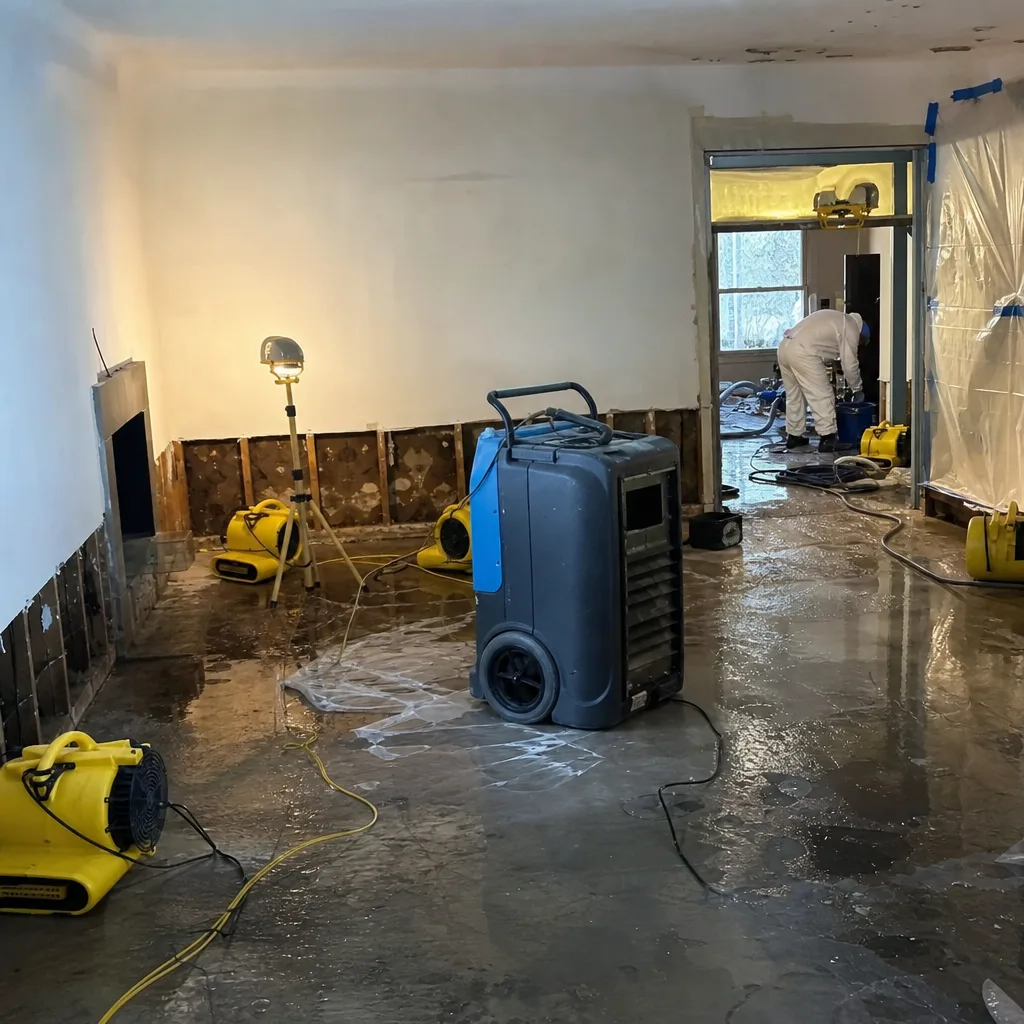
Insurance claims fail on documentation gaps. We’ve seen it from the adjuster’s side - our founder, Alicia Brennan, built Back to Dry in 2011 after watching homeowners lose legitimate claims because drying logs were incomplete or moisture readings weren’t dated. Every Los Angeles job we run produces a claim file that speaks the language adjusters need: timestamped photos, room-by-room moisture maps, daily psychrometric data, and a line-item scope tied to industry-standard pricing databases.
We bill direct to most major carriers and coordinate adjuster site visits on your schedule, not ours. If your carrier disputes coverage or scope, we provide the technical documentation to support your position - vapor pressure differentials that prove active drying was necessary, material classifications that justify removal vs. restoration, and moisture logs that demonstrate the job reached dry standard before rebuild.
What We Provide Your Insurer
- Thorough documentation of the loss
- Photos of all damage, room by room
- Moisture readings and drying logs
- A detailed, line-item scope of work
- Direct coordination with your carrier
Built for Los Angeles’s Loss Calendar
Los Angeles water damage doesn’t follow the seasonal patterns of wet-climate cities. Our six-month dry season, typically May through October, creates a hidden leak ecosystem that humid markets never see. A slow supply-line weep behind a bathroom wall in a Hollywood Hills bungalow evaporates daily, leaving no puddle, no stain, no musty smell - until the mold colony behind the stucco has spread across multiple wall cavities and into the insulation. These are the most expensive water claims we handle: Category 1 sources discovered as Category 2 or 3 situations with extensive secondary damage.
Then the atmospheric rivers arrive, usually December through March. Rain falls in compressed high-intensity bursts onto soil with zero percolation capacity after half a year of drought. Flat and low-slope roofs common on mid-century moderns and Spanish Colonial homes in Los Feliz and Eagle Rock pond at scuppers and overflow into wall assemblies. Concrete-channeled watersheds flash-flood, pushing groundwater through slab cracks in Valley homes and overwhelming foundation drainage in hillside construction. The same zip codes hit by Santa Ana wind-driven wildfires - Pacific Palisades, Altadena, Malibu, Sylmar - face second-round losses when debris flows run off burn scars into homes that survived the fire itself, making Fire & Smoke Damage Restoration in Los Angeles a critical companion service.
Our Los Angeles crews carry equipment for both phases: drying systems for the routine plumbing failures that fester invisibly through summer, and full hazmat-capable response for the mudflow and ash-contamination losses that follow wildfire season.
Water Damage Restoration Across Los Angeles’s Neighborhoods
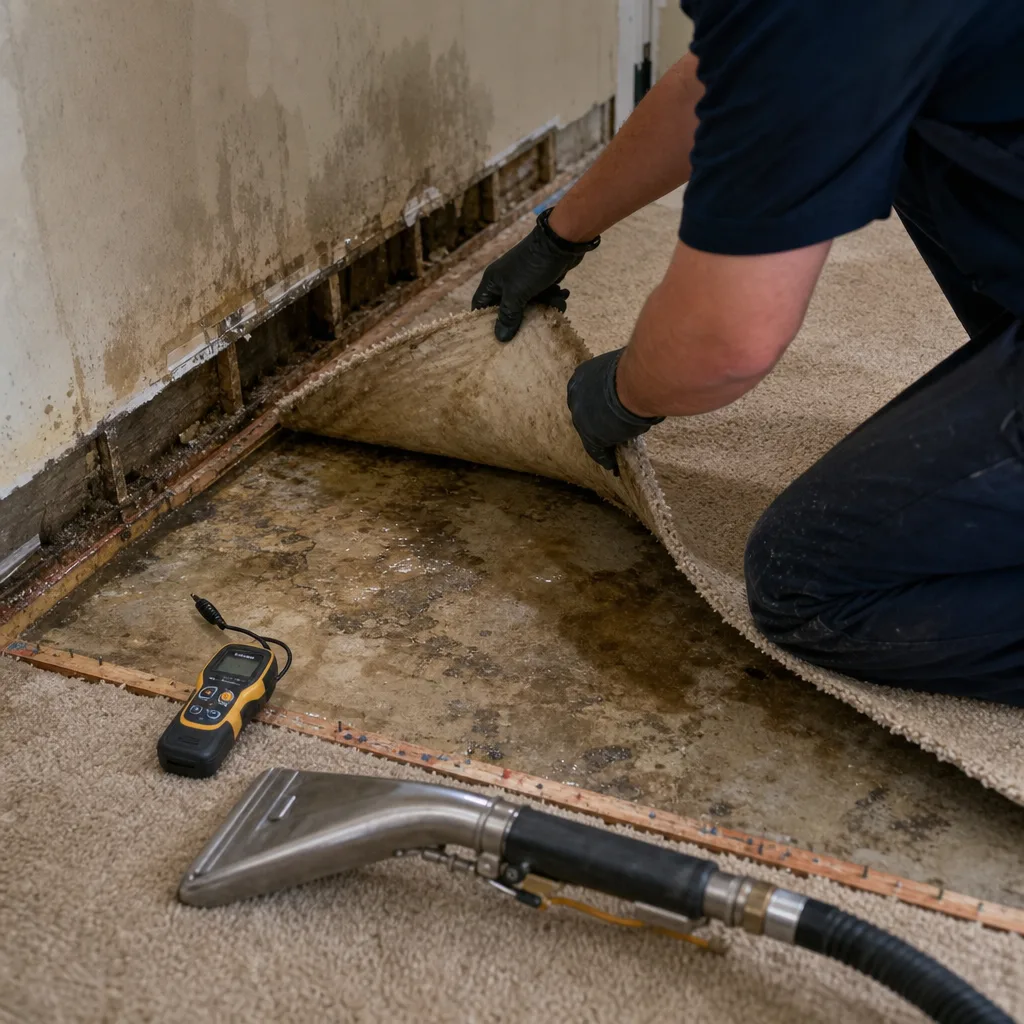
Silver Lake post-and-pier bungalows shift on their foundations with every seismic event. We see the same pattern repeatedly: cracked stucco, opened intrusion pathway, slow leak weeping for weeks, mold colonization behind the north wall where sun never hits. Our field vignette from last spring - a supply-line leak in exactly this scenario - required containment, saturated insulation removal, Dri-Eaz and Phoenix air movers with logged dehumidification, and antimicrobial treatment after drywall came out. Moisture readings at the pier line were mandatory before we closed the scope; the settling that cracked the stucco had also opened gaps at the foundation interface.
The San Fernando Valley’s 1950s-70s wood-frame tract homes in Van Nuys, Reseda, and Northridge present different failure modes. Original galvanized supply lines fail at joints. Slab foundations crack from soil expansion and contraction, creating groundwater intrusion pathways during atmospheric-river events. Pre-Northridge-code soft-story apartment buildings in Koreatown and West Hollywood concentrate routine structural water damage that compounds any single leak into a multi-unit loss requiring coordinated drying across stacked floors.
West Hollywood’s dense 1920s-40s courtyard apartments and newer podium construction on Santa Monica Boulevard need careful moisture mapping because shared walls mean water migrates into neighboring units before the source unit shows damage. We coordinate with building management and multiple insurers from day one.
Playa del Rey and the Marina Peninsula sit on filled wetland with high water tables; basement and garage flooding during king tides and storm surge isn’t rare, and drainage systems that work in summer fail when groundwater rises. Sump pump backup systems are common, and when they fail, Category 3 water enters fast.
Specialized Water Damage Restoration Services We Offer in Los Angeles
Emergency Water Extraction
Standing water in a Los Angeles home moves fast through slab cracks and under flooring. Our truck-mounted Phoenix extraction systems pull 25 gallons per minute, with portable XPOWER units for elevator buildings and tight access in hillside homes where truck positioning is limited. Extraction continues until moisture meters show no free water at the structural level.
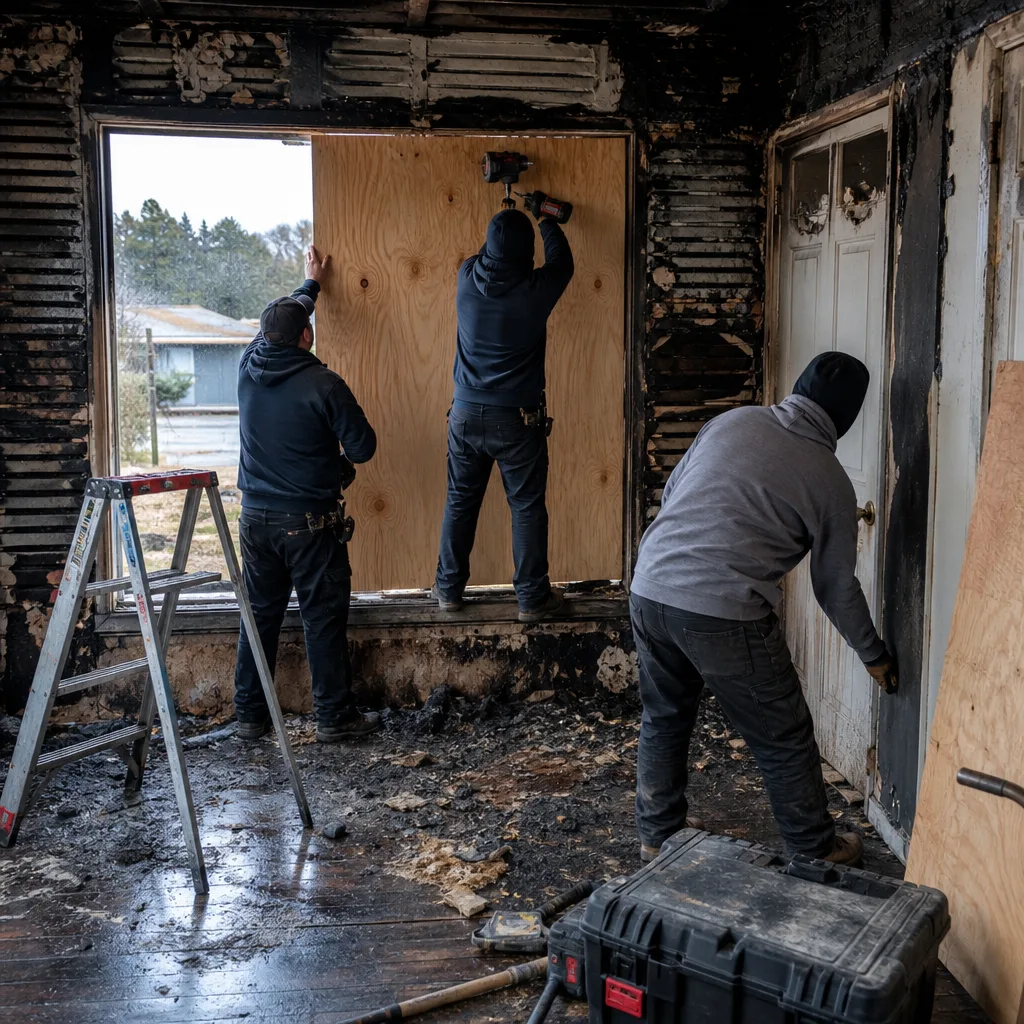
Structural Drying & Dehumidification
LA’s dry season creates a false confidence - surfaces feel dry while bound moisture remains in studs and subfloors. We run low-grain refrigerant dehumidifiers and calculate specific humidity targets for each microclimate, from coastal Playa del Rey to inland Woodland Hills. Daily drying logs prove progress to insurers and prevent premature rebuild that traps moisture.
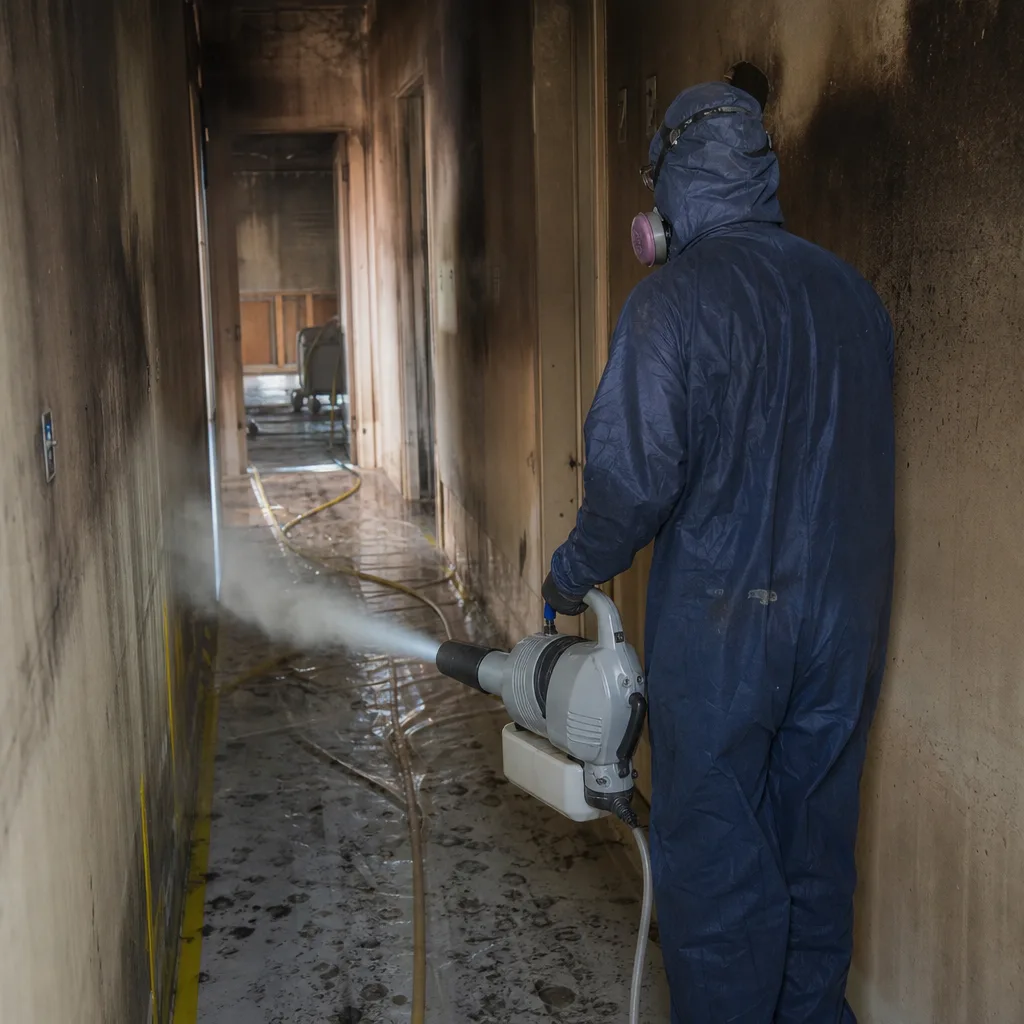
Flood Cleanup
Atmospheric-river flash flooding and post-wildfire debris flows bring Category 3 groundwater and ash-laden mud into Los Angeles homes. These losses require hazmat protocol under LA County and Cal/OSHA regulations - PPE, air monitoring, and documented clearance before structural drying begins. We handle the compliance layer that standard water crews skip.
Burst Pipe Restoration
Galvanized supply lines in Valley tract homes and the recent spike in copper pinhole failures in 1990s construction both produce sudden, high-volume losses. We extract, dry, and document the full migration path - including the slow seepage that preceded the burst if the line was leaking before it failed - so your claim captures the true scope.
Basement Water Removal
True basements are rare in Los Angeles, but hillside homes in Los Feliz and Eagle Rock have excavated lower levels with foundation drainage systems that clog or pump-fail. We extract, assess drainage function, and dry with equipment sized for below-grade humidity loads that differ significantly from above-grade drying.
Ceiling & Roof Leak Water Damage
Flat and low-slope mid-century roofs in the Hollywood Hills and Silver Lake pond during atmospheric-river events, with overflow tracking inside walls and often misread as plumbing failures until moisture mapping shows the true source. We document roof-related vs. plumbing-related damage separately - critical for insurance coverage determination.
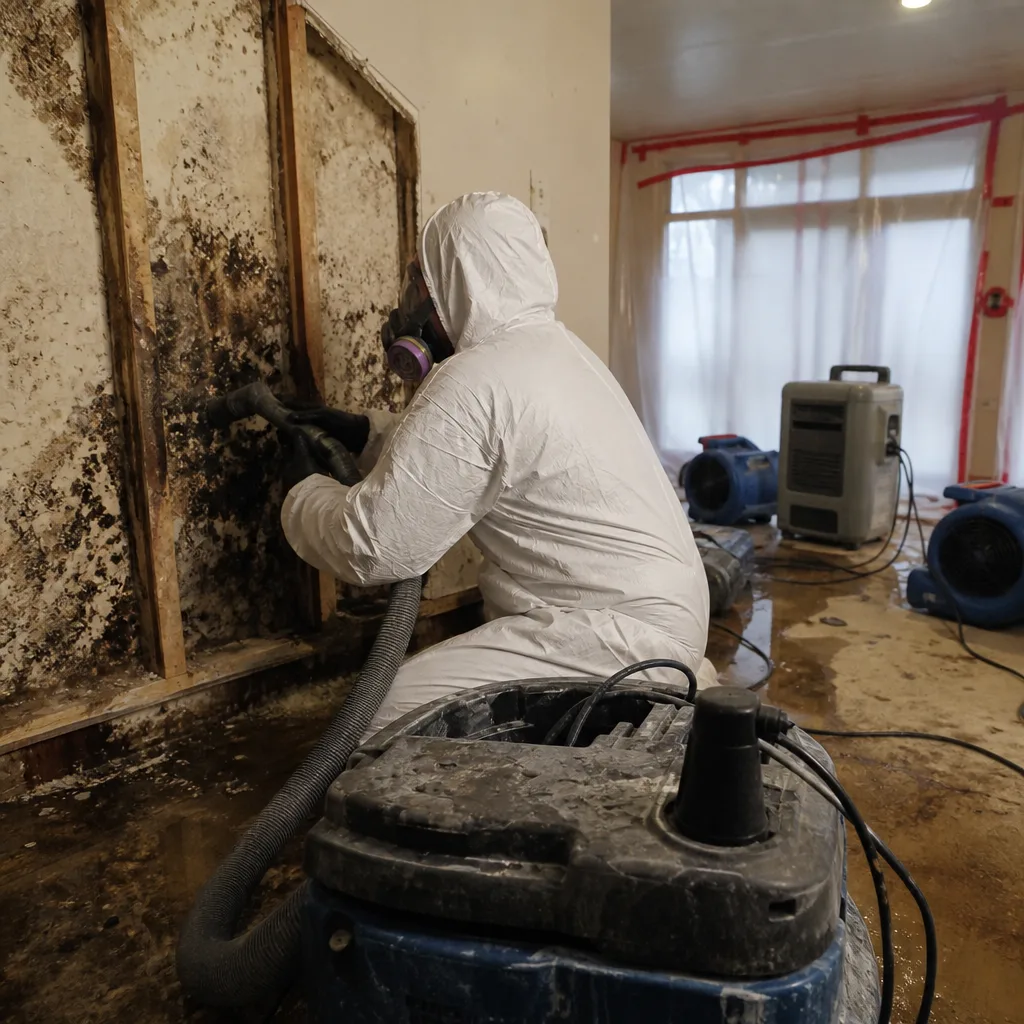
What happens when you call
- 1
A real person answersNo phone trees - you reach a local pro.
- 2
You get an upfront price rangeHonest numbers before anyone is dispatched.
- 3
A background-checked tech heads outLicensed & insured, dispatched right away.
- 4
You approve before work beginsNothing starts until you say go.
Water Damage Restoration Costs in Los Angeles, CA
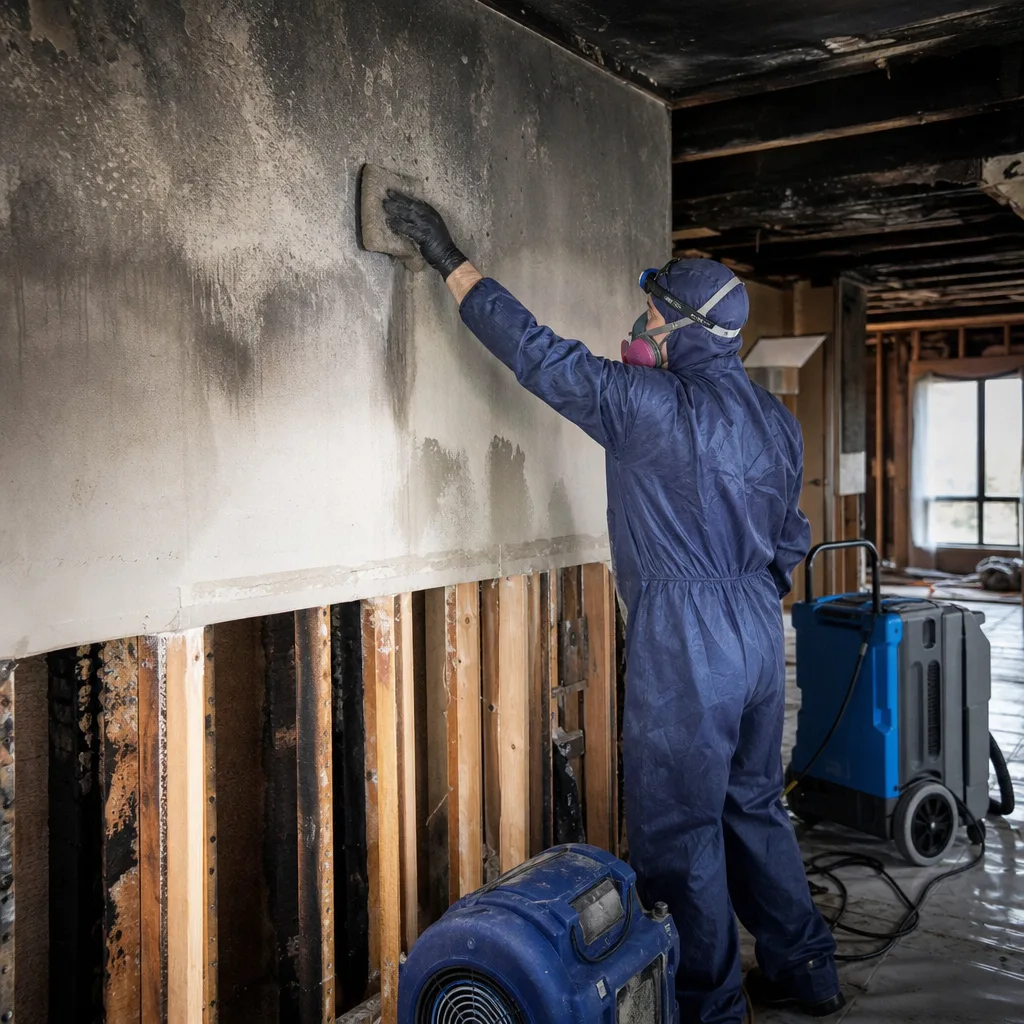
Typical water damage restoration in Los Angeles runs $2,800-$7,500 for residential drying jobs, with pricing driven by water category, affected square footage, and construction type. Emergency extraction alone: $800-$2,400. Structural drying with dehumidification: $1,500-$4,200 for standard 3-5 day schedules. Category 3 losses requiring porous material removal and antimicrobial treatment: $5,500-$12,000+. Hillside homes with post-and-pier construction or hidden mold behind stucco frequently reach the upper range due to extended drying schedules and necessary containment.
What moves the price: water classification (Category 1 vs. 3 changes material removal requirements), affected area (a single bathroom vs. whole-house migration), and access complexity (stilt foundations requiring specialized equipment positioning). Insurance typically covers sudden and accidental water damage from burst pipes or storm intrusion; slow leaks that went undetected during the dry season may face coverage limitations based on policy language - we document the loss to support your position.
Every job starts with a free visual inspection and written price before work begins - Haven Standard, Clause 1. Bring a competitor’s written estimate and we’ll review it at no charge. Call (424) 365-9728 for your exact scope.
We Also Serve Cities Near Los Angeles
Our Los Angeles office dispatches crews throughout the metro area, including Water Damage Restoration in Los Angeles and neighboring communities. We maintain 45-minute response commitment to Culver City, Playa del Rey, West Hollywood, and Beverly Hills, with the same live-answer dispatch, IICRC-certified crews, and documented drying protocols on every job.
Serving Los Angeles, CA - Our Local Coverage Area
We’re based in the Los Angeles area and know this community well. Use the map below to see our service coverage - if you’re nearby, we can almost certainly help.
Los Angeles Water Damage Restoration Questions, Answered
Why does a small leak in an LA hillside home turn into a big mold job?
LA’s six-month dry season lets slow leaks evaporate daily, so they’re never spotted as puddles or stains. By the time a homeowner notices musty odor or surface discoloration, mold has colonized behind stucco and drywall for weeks. Post-and-pier construction in Silver Lake and the Hollywood Hills adds seismic-settling cracks that open continuous intrusion pathways. Moisture mapping with thermal imaging is the only way to find the true extent before rebuild. Call (424) 365-9728 for a free inspection with documented readings.
Does a Silver Lake stilt-foundation home dry the same way as a Valley tract house?
No. Stilt and post-and-pier foundations create microclimates with different vapor pressure differentials than slab-on-grade construction. Air must circulate beneath the floor assembly, and pier lines need direct moisture readings because water wicks down structural members differently than it migrates across a slab. We adjust equipment placement and drying schedules accordingly, with separate psychrometric targets for each zone. Call (424) 365-9728 to discuss your specific structure.
What is Category 1 vs Category 3 water, and why does it matter for my claim?
Category 1 is clean water from supply lines or tank heaters. Category 3 is grossly contaminated groundwater, sewage, or water that passed through soil or building materials. The classification determines whether porous materials can be dried in place or must be removed, which changes the scope and cost by thousands of dollars. Misclassification is a leading cause of claim disputes - we document the category determination with photos and moisture data from the first hour. Call (424) 365-9728 if your adjuster’s category doesn’t match what our readings show.
How do you prove a wall is actually dry before rebuilding?
We don’t use touch or visual inspection. Pinless moisture meters read surface conditions; pin meters probe to structural depth. Both must show readings at or below established dry standards for the material type and Los Angeles’s humidity range. Daily drying logs document the progression, and final clearance readings are photographed and timestamped. This documentation is included standard, never an upsell, and satisfies both our 365-Day Done Right Promise and insurer requirements. Call (424) 365-9728 to schedule verification.
Do you have to test for mold before drying a wall that’s been wet a while?
Not always, but we assess visible microbial growth and odor indicators during initial inspection. If a wall has been wet through LA’s dry season - typically 4-6 weeks or more - we assume colonization has begun and treat accordingly with containment and antimicrobial application. Lab testing is available when needed for insurance documentation or health concerns, but our AMRT-certified technicians can identify likely colonization from field indicators and moisture history. Call (424) 365-9728 for assessment.
How fast can someone actually get here?
45 minutes to any Los Angeles address, 24 hours a day, 7 days a week. A live person answers - no voicemail, no callback queues. Crews carry extraction equipment, moisture meters, and initial drying gear on every truck, so work starts on arrival, not after a second trip. Call (424) 365-9728 now; every minute water sits is additional square footage affected.
Will insurance cover this?
Sudden and accidental water damage from burst pipes or storm intrusion is typically covered under standard homeowner policies. Slow leaks undetected during LA’s dry season may face limitations based on policy language about gradual damage. We document the loss to support coverage determination, photograph the point of origin, and coordinate directly with your adjuster. Our drying logs and written scopes are formatted to carrier standards. Call (424) 365-9728 and we’ll review your situation.
How long does drying take?
Standard Los Angeles residential drying: 3-5 days for Category 1 losses in slab-on-grade construction. Hillside homes with post-and-pier foundations, hidden mold behind stucco, or Category 2/3 contamination: 7-10 days. We don’t guess - daily moisture logs show exactly when each room reaches dry standard, and we don’t authorize rebuild until the data proves it. Call (424) 365-9728 for a timeline based on your specific loss.
Written by Alicia Brennan, Owner at Back to Dry Restoration, serving Los Angeles since 2011.