
Free visual inspection and a written scope of work before any mitigation begins - photos, moisture readings, and drying logs go in your claim file
The scope we write is the scope we bill. Anything new gets shown to you, in writing, before we touch it.
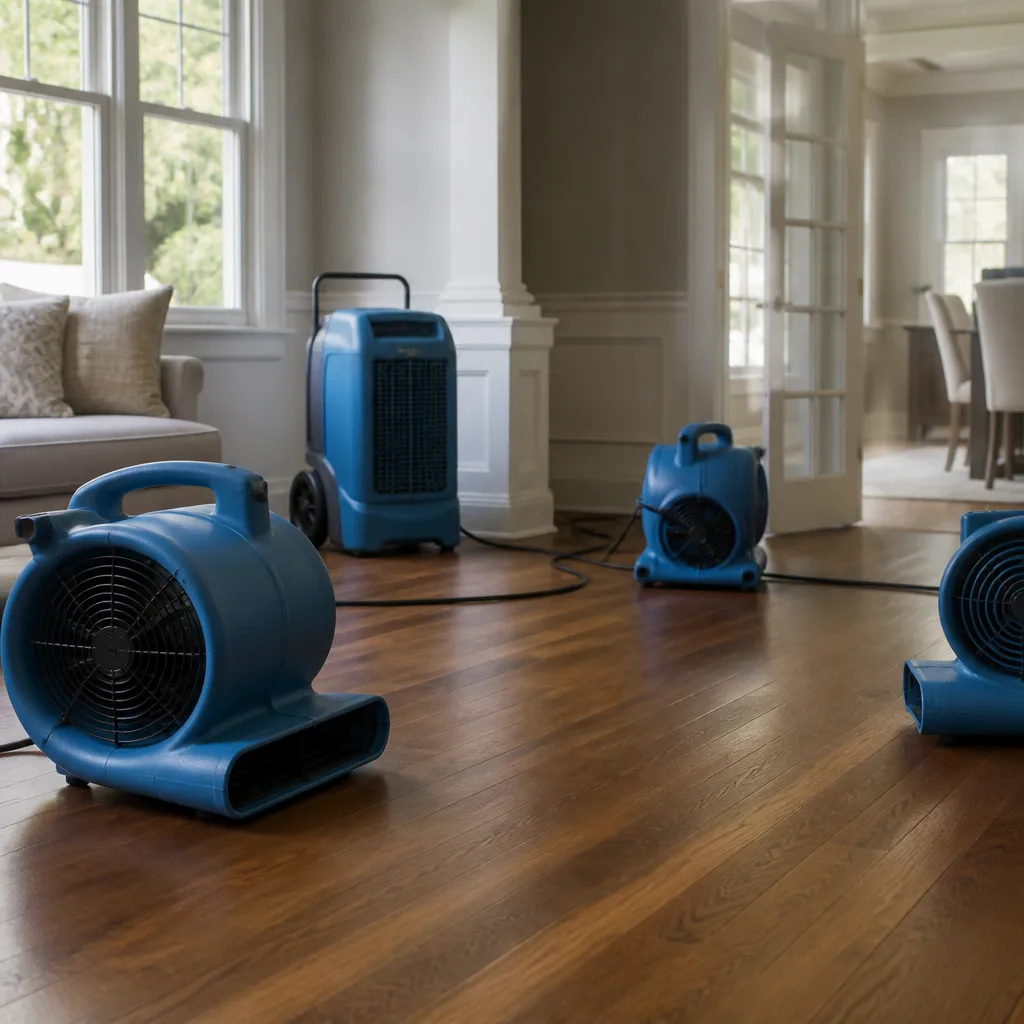
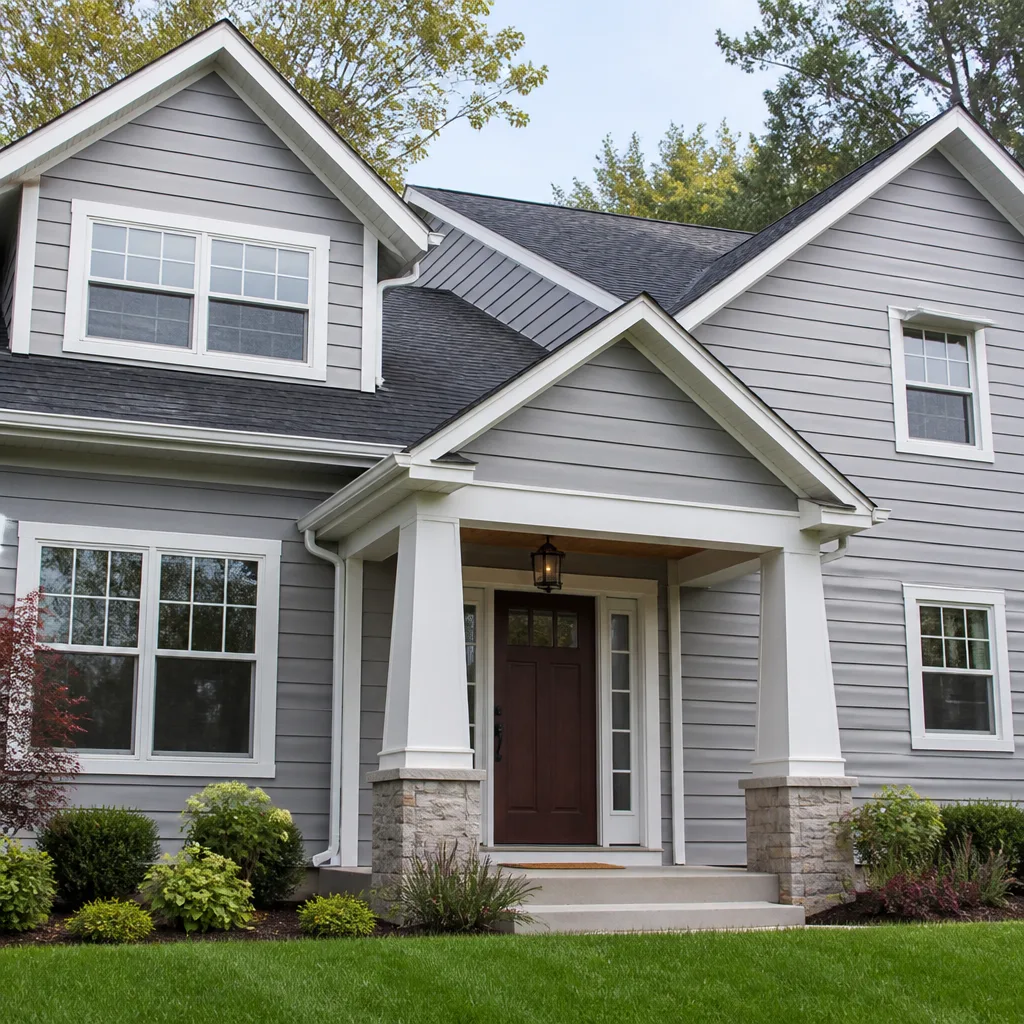
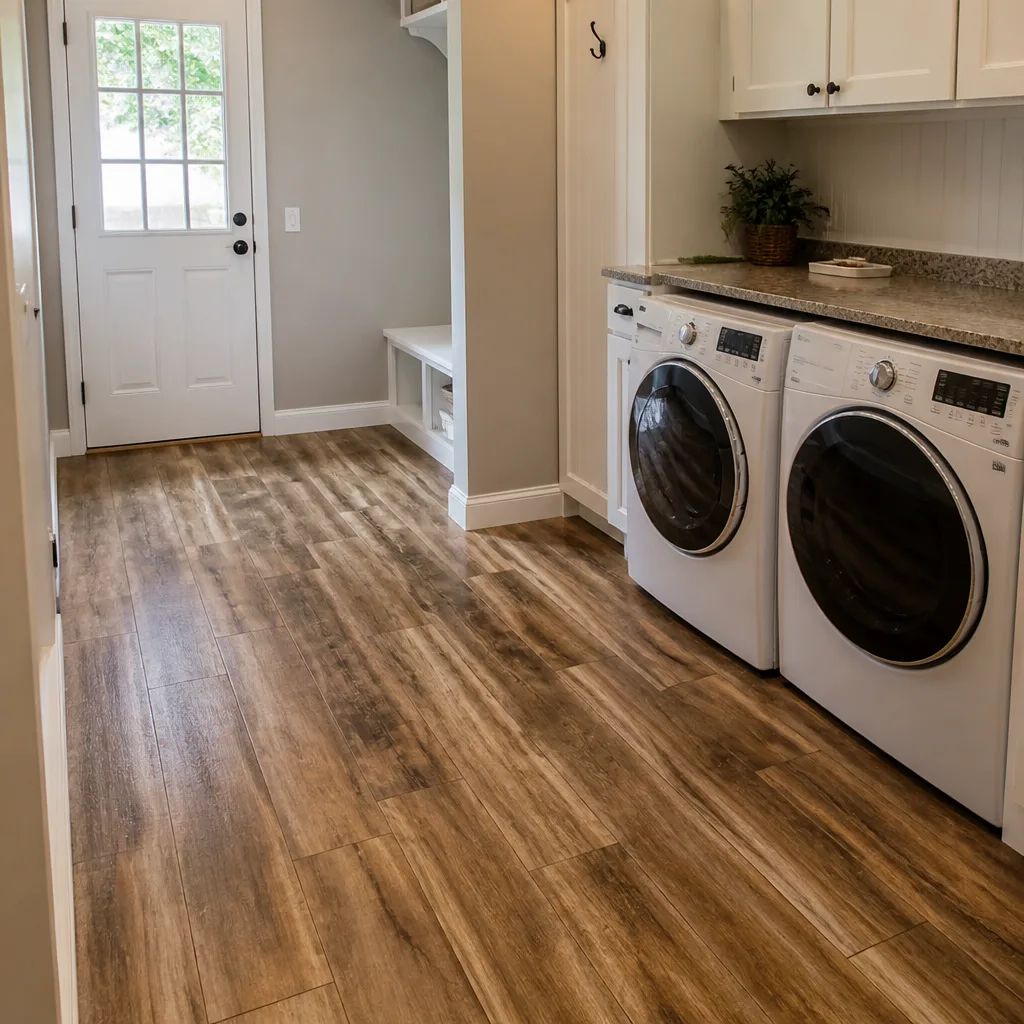

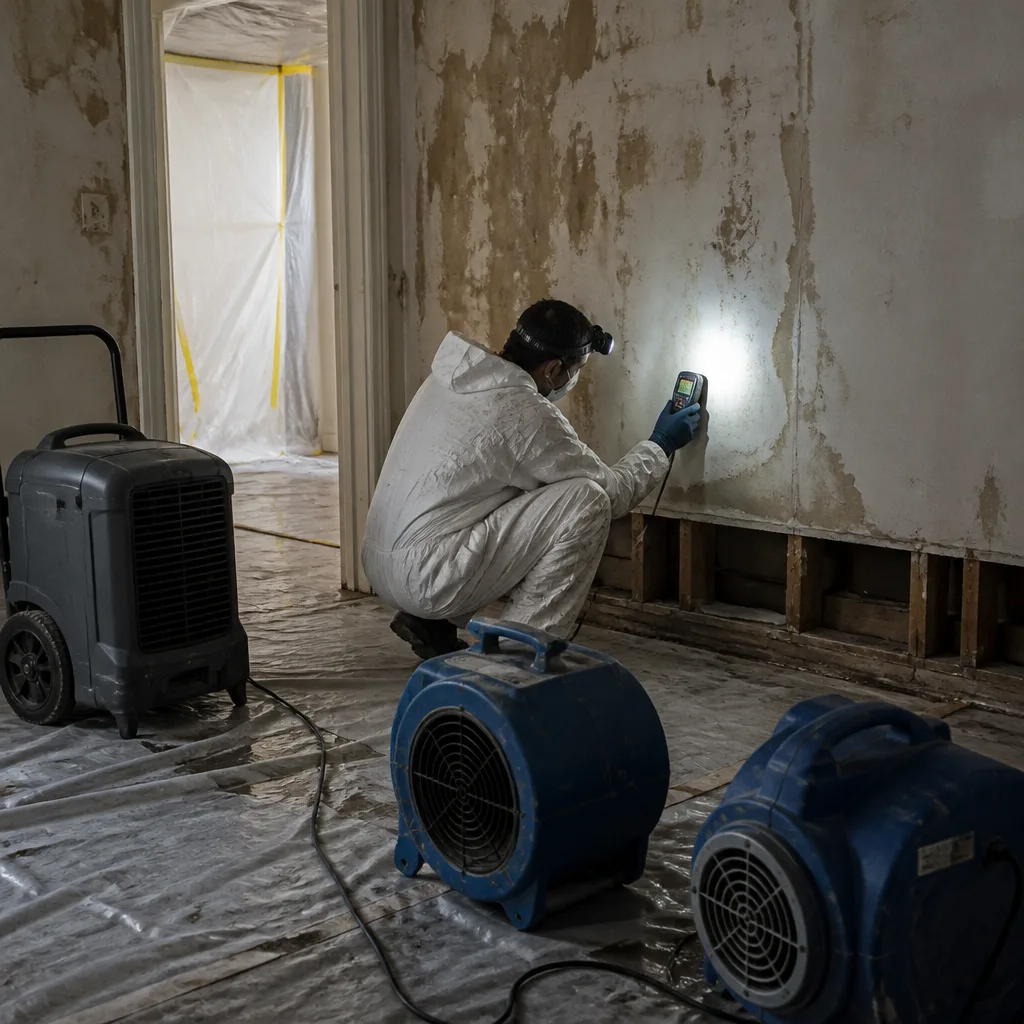 Before
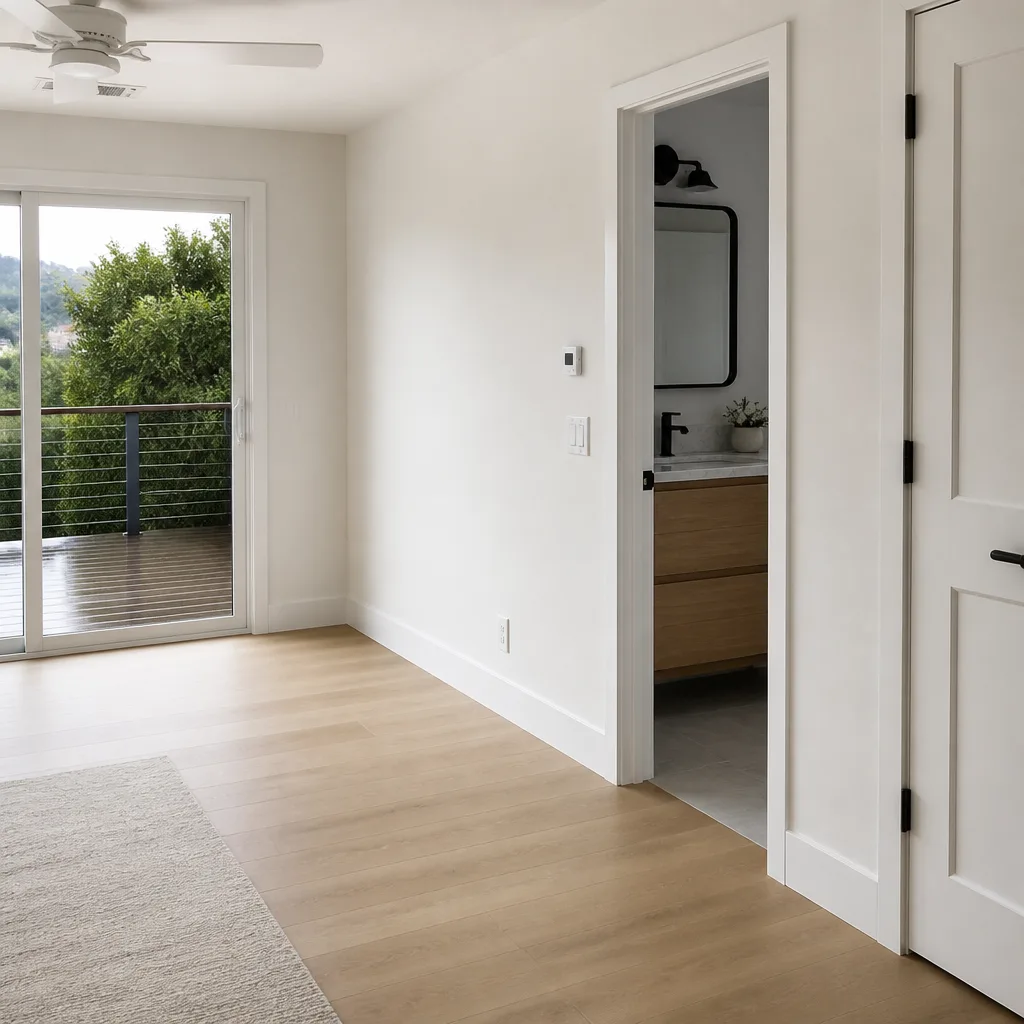 After
After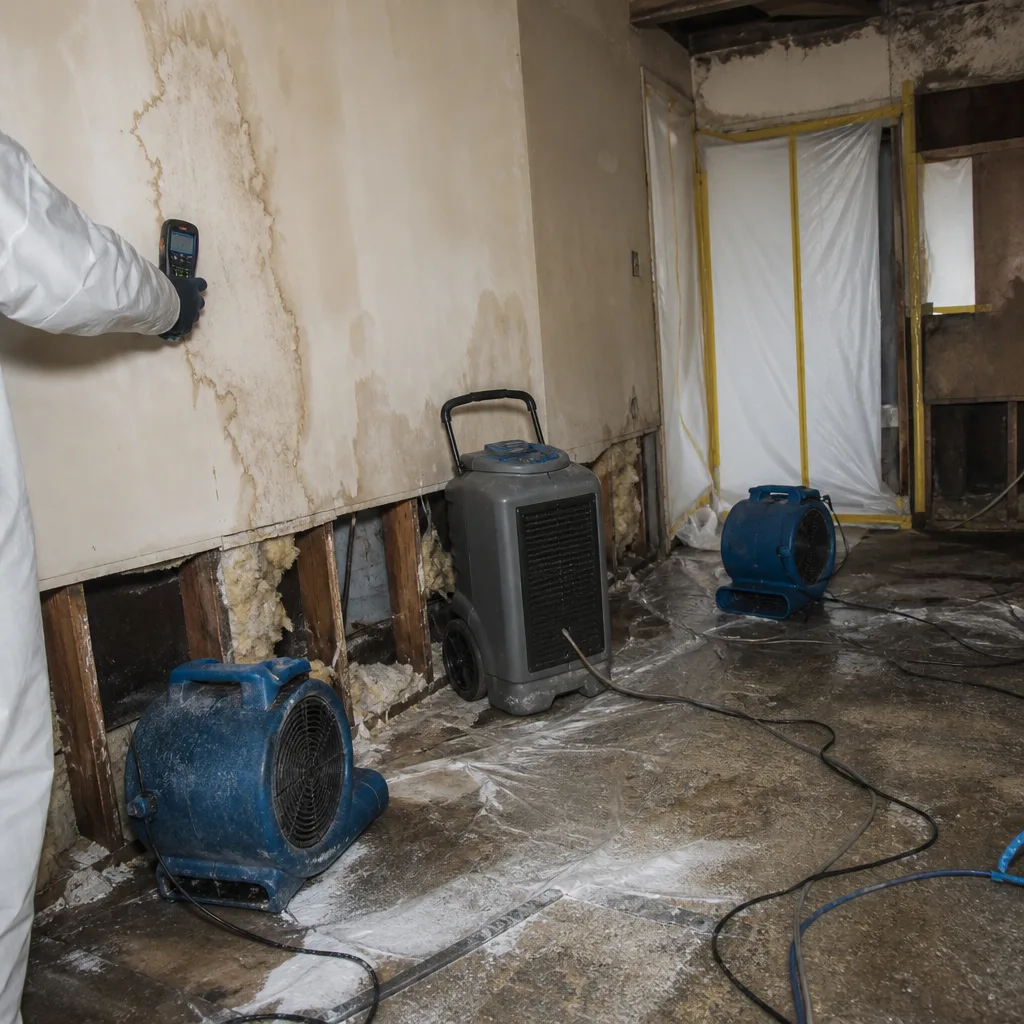 Before
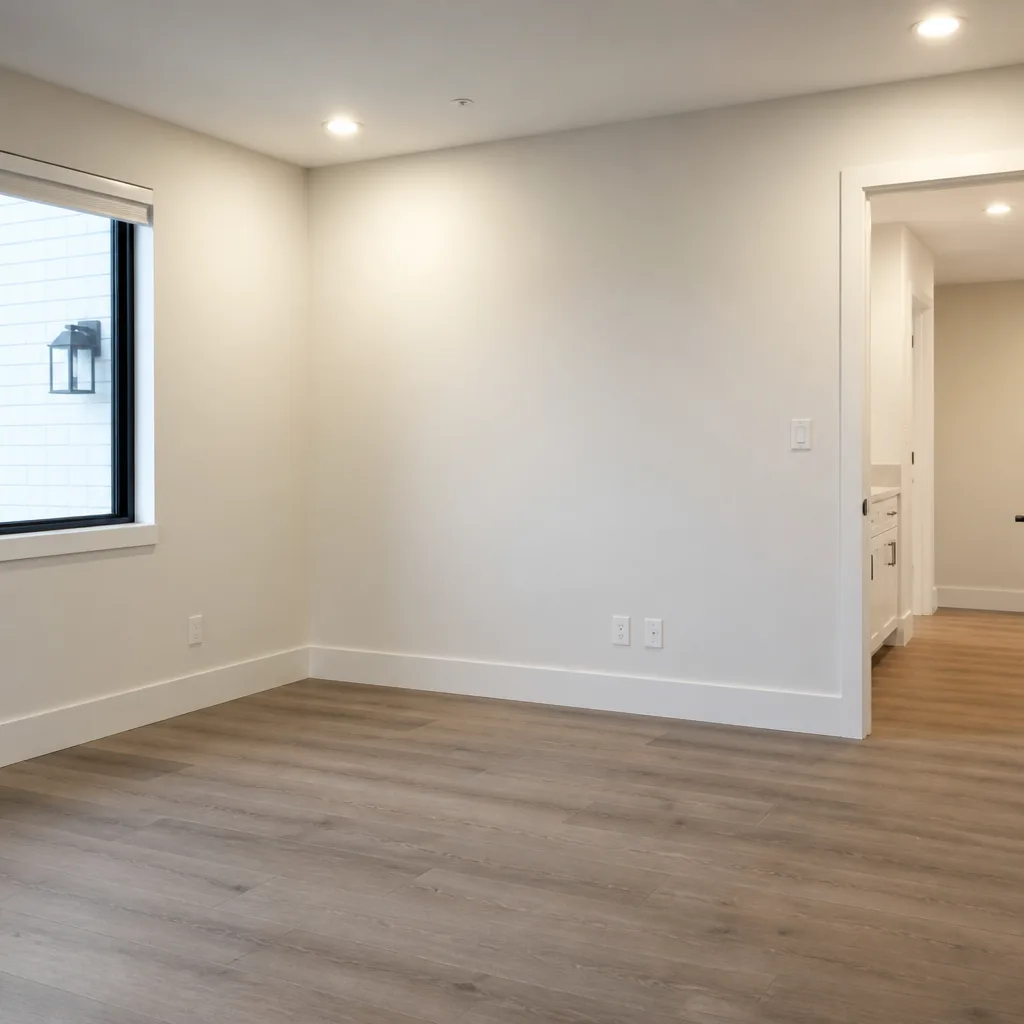 After
After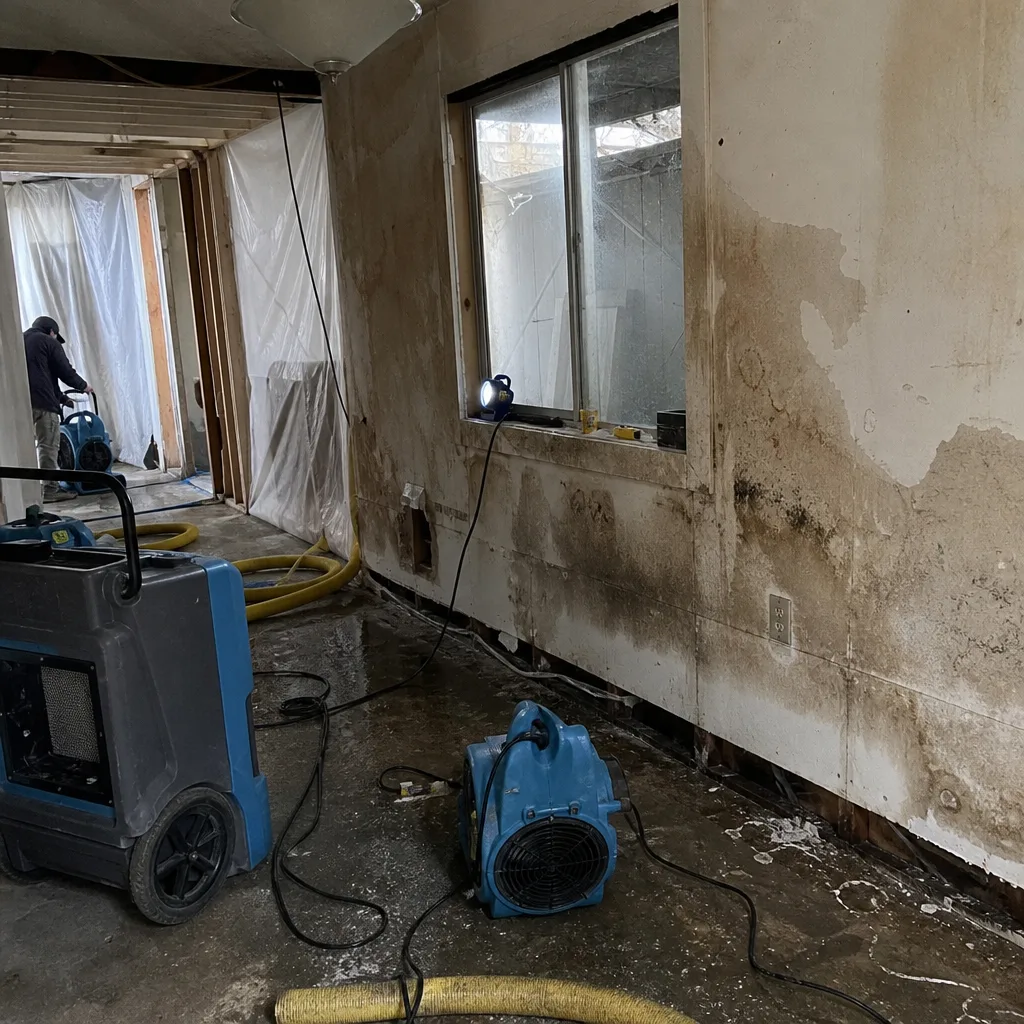 Before
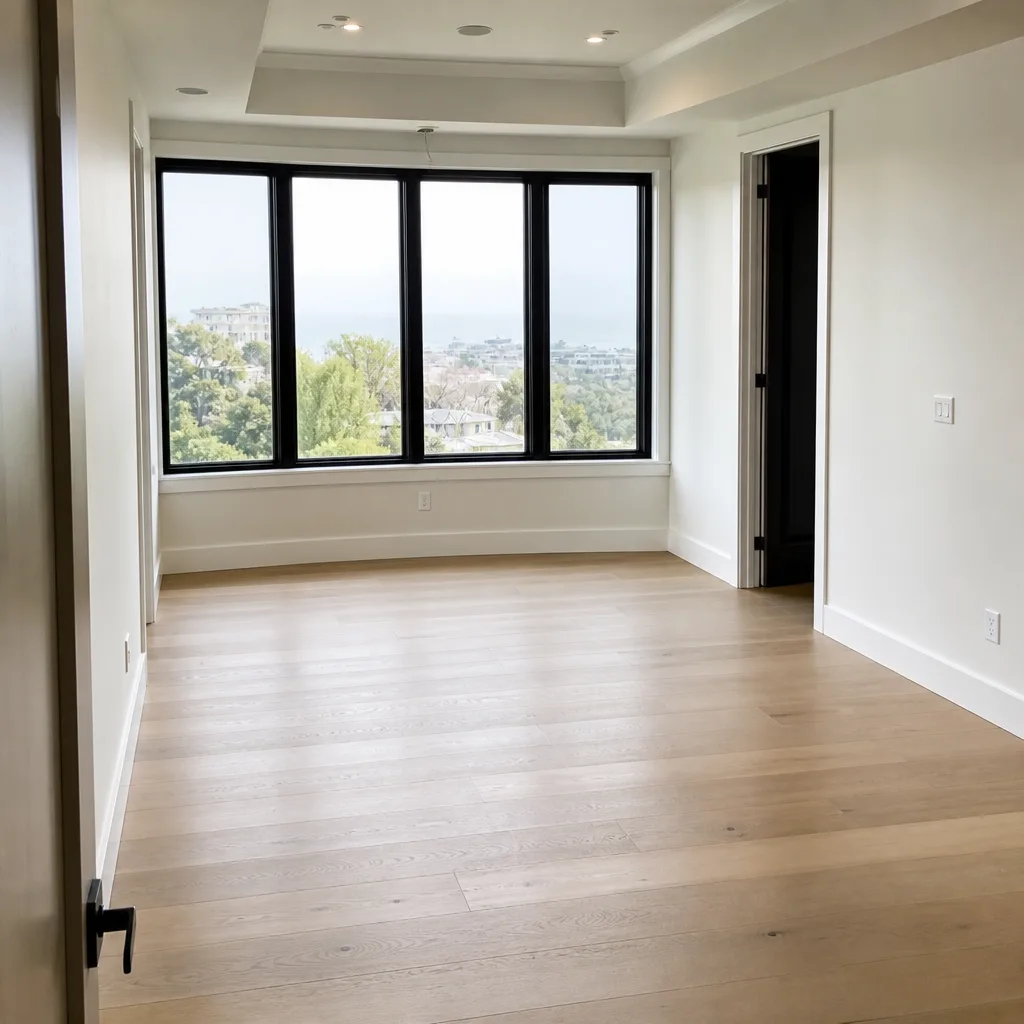 After
After24/7 Emergency Mold Remediation in Culver City
Mold remediation in Culver City typically costs $1,200-$4,500 for residential jobs, with containment and documentation requirements that run stricter than neighboring LA jurisdictions. Our crews answer live at (424) 365-9728, 24 hours a day, with no voicemail trees. The first 24 to 48 hours after water intrusion determines whether a loss stays in mitigation or crosses into full remediation, and in Culver City’s humidity corridor that window closes faster than most property owners realize. We dispatch from our Los Angeles office with crews already routed through the Culver City area, and we do not charge for the initial visual inspection that produces a written scope and price before any work begins.
Understanding Mold Remediation Severity in Culver City Properties
Mold severity in restoration work is classified by affected square footage, material porosity, and whether the underlying moisture source is active or historic. Category 1 water, clean supply-line failures, can escalate to Category 2 or 3 once mold colonizes porous substrates, introducing microbial volatile organic compounds that standard drying alone will not address. In Culver City’s 1920s-1950s housing stock, original plaster-over-lathe walls act as reservoirs, holding moisture behind intact face layers while mold establishes in the cavity. Our crews use thermal imaging to locate these hidden colonies, then build containment with negative air pressure before any disturbance releases spores. Tertiary drying, the final phase where vapor pressure differential drives residual moisture from dense materials, takes longer in Culver City’s marine-layer climate than in drier inland zones. Psychrometric data, the temperature-and-humidity readings that guide equipment placement, gets logged daily and submitted with moisture-mapping documentation to the city’s Building Safety Division for clearance.
Why Culver City Property Owners Choose DryMark Restoration Pacific Palisades
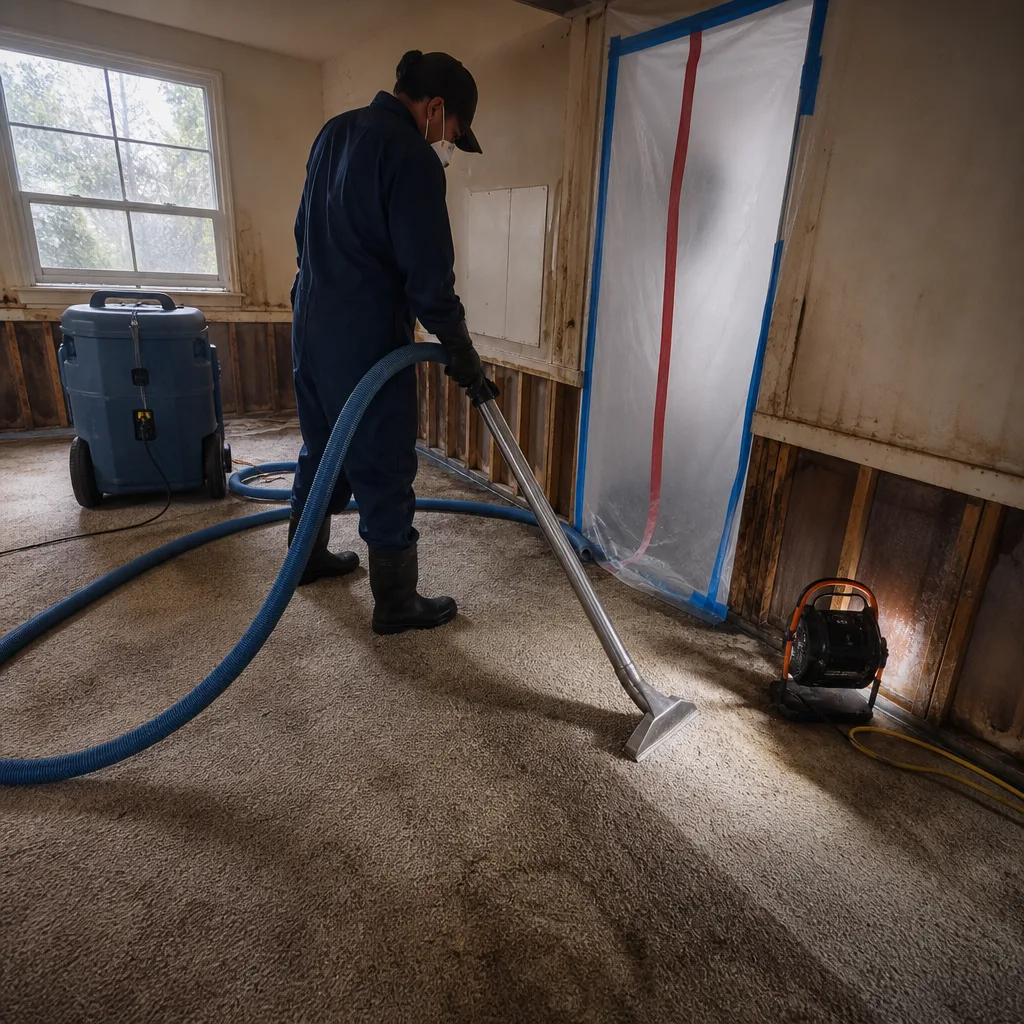
- 45-minute response commitment to Culver City addresses, with crews staged for the Sunkist Park and Blair Hills corridors.
- 24/7 live answer by a real person, never an automated system, on every call to (424) 365-9728.
- IICRC-certified crews holding WRT (Water Damage Restoration Technician) and AMRT (Applied Microbial Remediation Technician) credentials.
- Free visual inspection with a written price before any work starts, every time, with no exceptions.
- Direct insurance billing with photo-documented estimates and adjuster coordination handled in-house.
- One team from containment through final clearance, including the moisture-mapping documentation Culver City’s Building Safety Division requires.
 Before
 After
AfterOur Mold Remediation Process
1. Inspection & Assessment
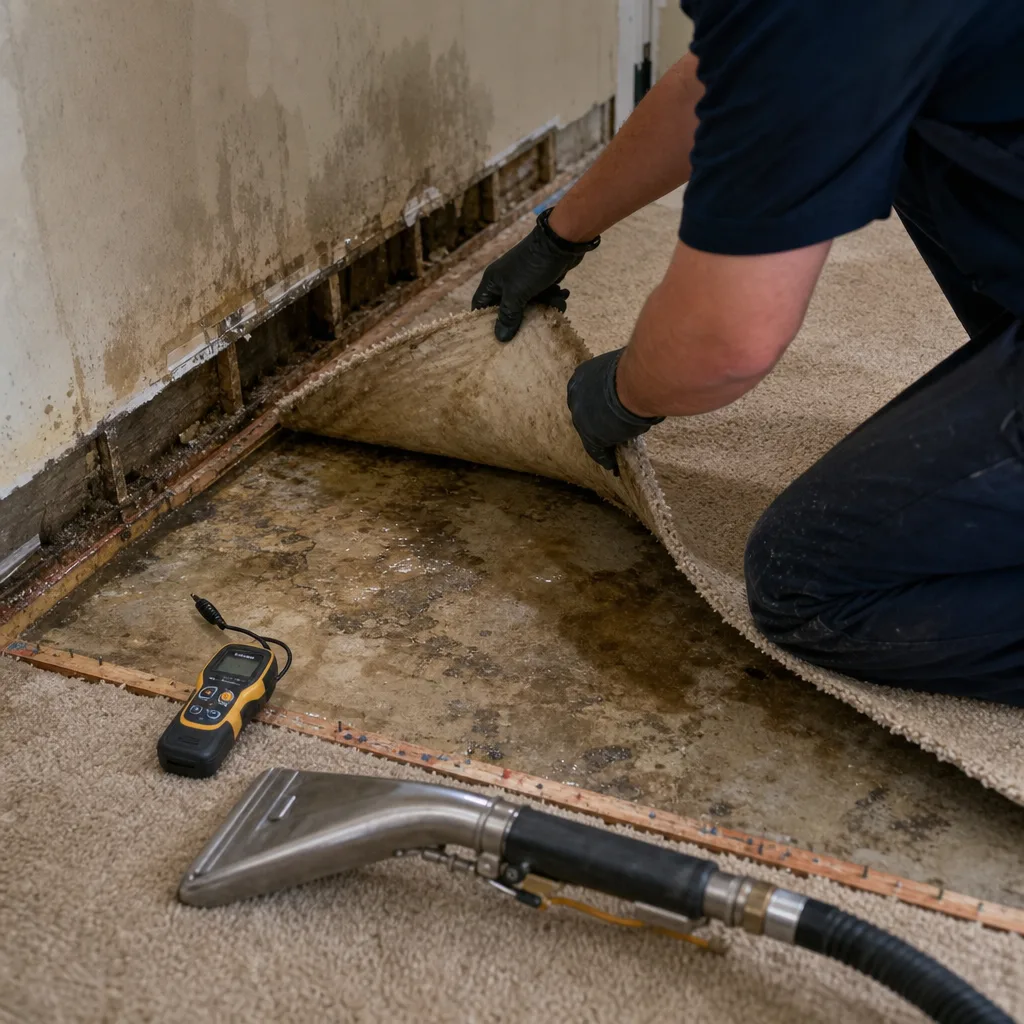
We map moisture readings across all affected and adjacent areas using thermal imaging and penetrating hygrometers, then classify the mold contamination by square footage and substrate type. In Culver City, we specifically check crawl spaces and wall cavities in pre-1950s construction where the marine layer reintroduces humidity after initial drying appears complete.
2. Containment & Air Filtration
Our crew seals the work zone with polyethylene barriers and establishes negative air pressure using HEPA-filtered air scrubbers. This prevents cross-contamination to unaffected rooms, critical in tight Culver City bungalows and alley-loaded townhomes where HVAC systems can carry spores through shared duct runs.
3. Source Removal & Material Disposal
Non-salvageable porous materials, drywall, insulation, and degraded plaster, are removed under containment and disposed of per California waste regulations. Hard surfaces receive HEPA vacuuming and antimicrobial treatment. We document every square foot of removal with photos for the insurance file and the city’s clearance packet.
4. Structural Drying & Dehumidification
We deploy Dri-Eaz and XPOWER dehumidification with targeted air movement to achieve specific humidity targets verified by daily moisture logs. In Culver City’s Ballona Creek corridor, drying runs several extra days to overcome ambient humidity that re-wets cavities overnight.
5. Antimicrobial Treatment & Air Scrubbing
EPA-registered antimicrobial agents are applied to remaining structural elements, followed by continued HEPA air scrubbing until airborne spore counts drop below outdoor baseline levels. Post-treatment air quality testing is available and recommended for properties with occupant health concerns.
6. Clearance Documentation & Restoration
We compile moisture-mapping documentation, drying logs, photos, and signed remediation protocol for submission to Culver City’s Building Safety Division. Only after city clearance do we begin reconstruction, ensuring no rework from inspection failures that stall regional firms unfamiliar with local jurisdiction requirements.
Need Emergency Mold Remediation in Culver City Now?
Crews minutes away, answering live 24 hours a day. The sooner we start, the less it costs.
Working With Your Insurance Company
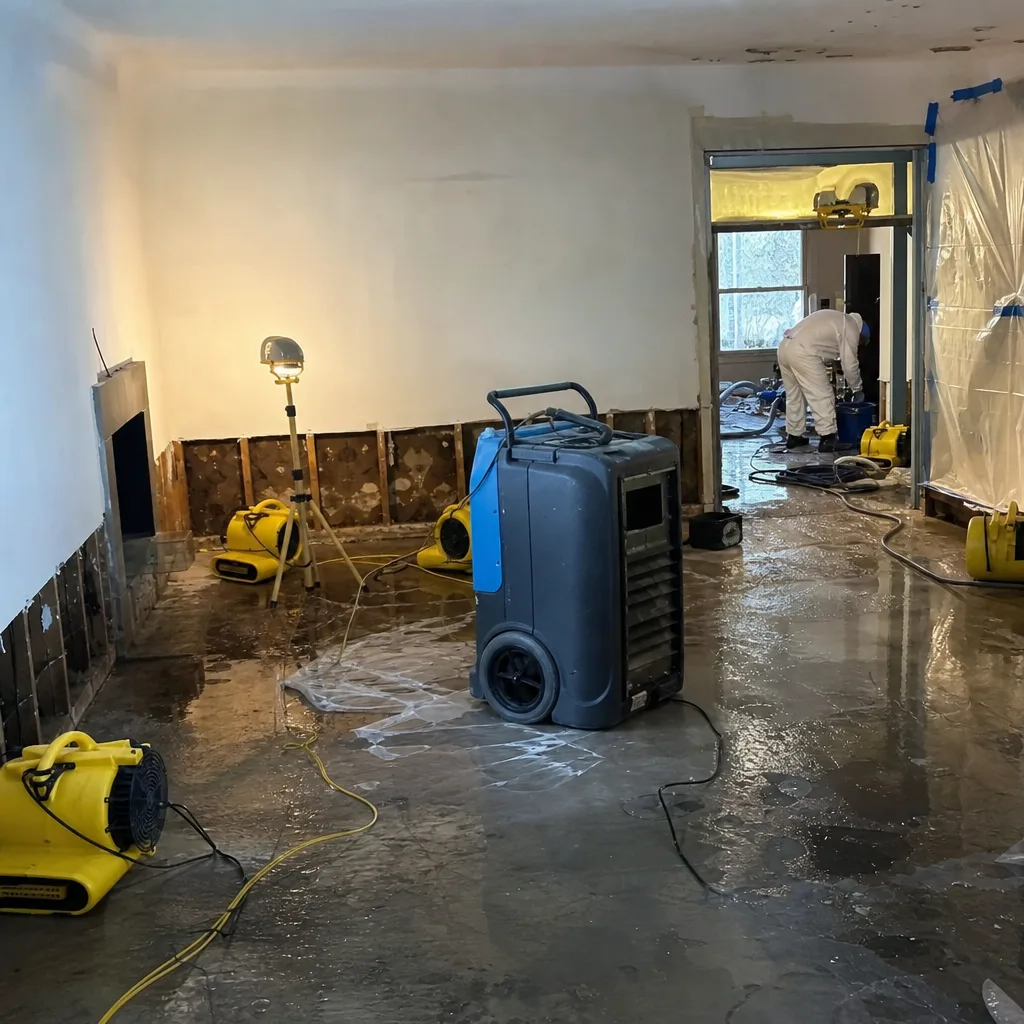
Our documentation starts at the front door. Every moisture reading, every photo, every equipment placement gets logged in a format that adjusters recognize and courts accept. We produce industry-standard estimates using the same pricing databases your carrier uses, and we coordinate directly with your adjuster rather than handing you a bill to fight alone. Our Mold Remediation team has handled claims for every major carrier writing policies in Los Angeles County, and we understand the documentation gaps that cause denials.
What We Provide Your Insurer
- Thorough documentation of the loss
- Photos of all damage, room by room
- Moisture readings and drying logs
- A detailed, line-item scope of work
- Direct coordination with your carrier
Built for Culver City’s Loss Calendar
January through March brings El Niño-driven atmospheric river events that push the Ballona Creek floodplain into FEMA-designated zones along Washington and Jefferson Boulevards, flooding crawl spaces and subfloors that stay wet through spring. April to June, the marine layer thickens and penetrates farther inland, reactivating mold in cavities that dried superficially over winter. July and August offer brief drying windows, but September through November often brings the heaviest marine-layer months, with fog holding past noon in Sunkist Park and Blair Hills. December cold snaps stress original plumbing in 1930s and 1940s Culver City bungalows, producing the supply-line failures that start the cycle again. Our crews maintain equipment staging capacity year-round for this calendar, and we do not reduce drying durations based on calendar optimism.
Mold Remediation Across Culver City’s Neighborhoods
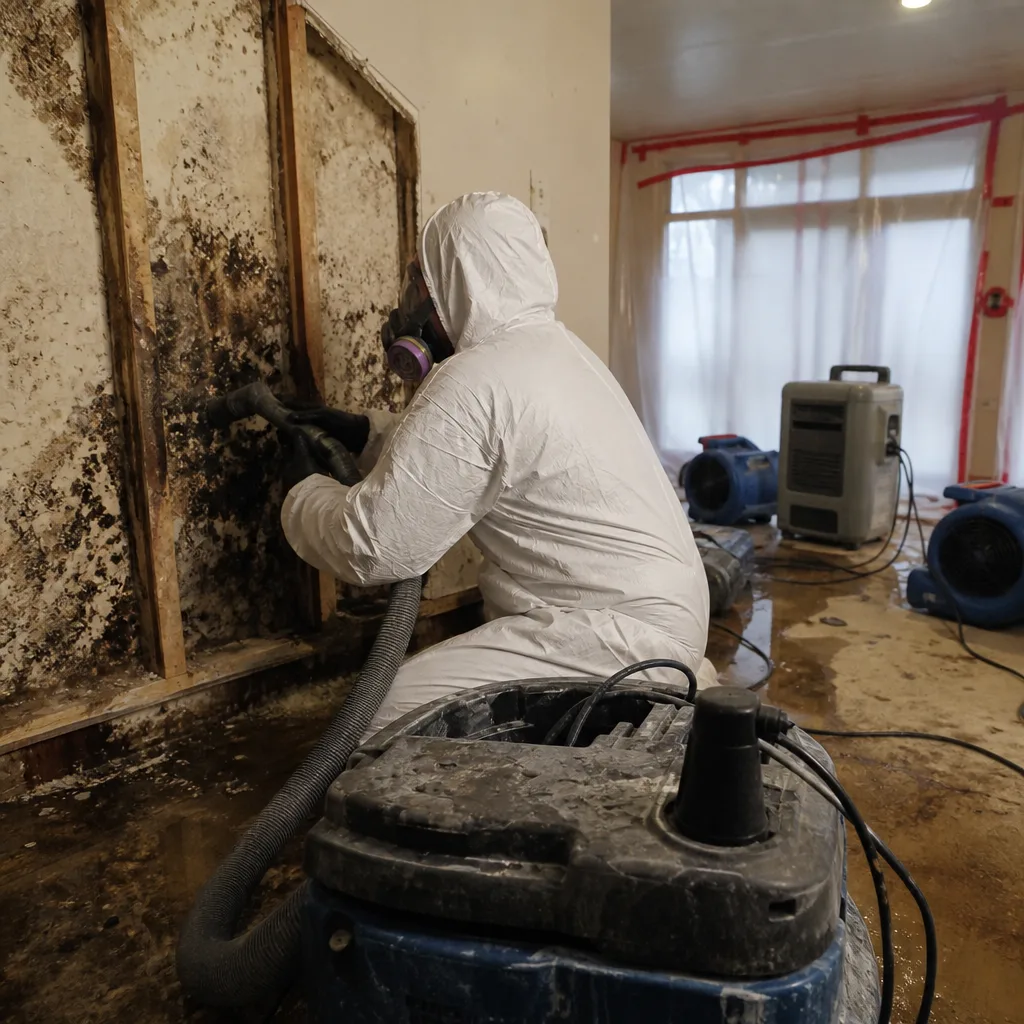
In Sunkist Park, the 1920s-1940s craftsman bungalows and Spanish Colonial Revival homes present the classic Culver City challenge: original plaster-over-lathe walls, minimal subfloor ventilation, and crawl spaces that the marine layer reaches before noon. We stage compact equipment sets for narrow lots and alley-loaded access. Blair Hills, built out in the 1940s and 1950s with early ranch construction, often shows uninsulated crawl spaces and single-pane windows that condense moisture against exterior walls. The Culver Crest area, elevated above the creek corridor, sees less direct marine-layer intrusion but suffers from older clay sewer lines and original galvanized plumbing that fail catastrophically. Properties along Washington and Jefferson Boulevards, in the Ballona Creek floodplain, carry active FEMA flood-zone designations and require mold remediation protocols that account for recurring inundation risk. Downtown Culver City’s mixed-use buildings, many converted from 1930s commercial structures, hide mold above dropped ceilings and behind modern drywall overlays that mask original plaster deterioration. Each neighborhood gets a different equipment configuration and a different documentation emphasis for city clearance.
Specialized Mold Remediation Services We Offer in Culver City
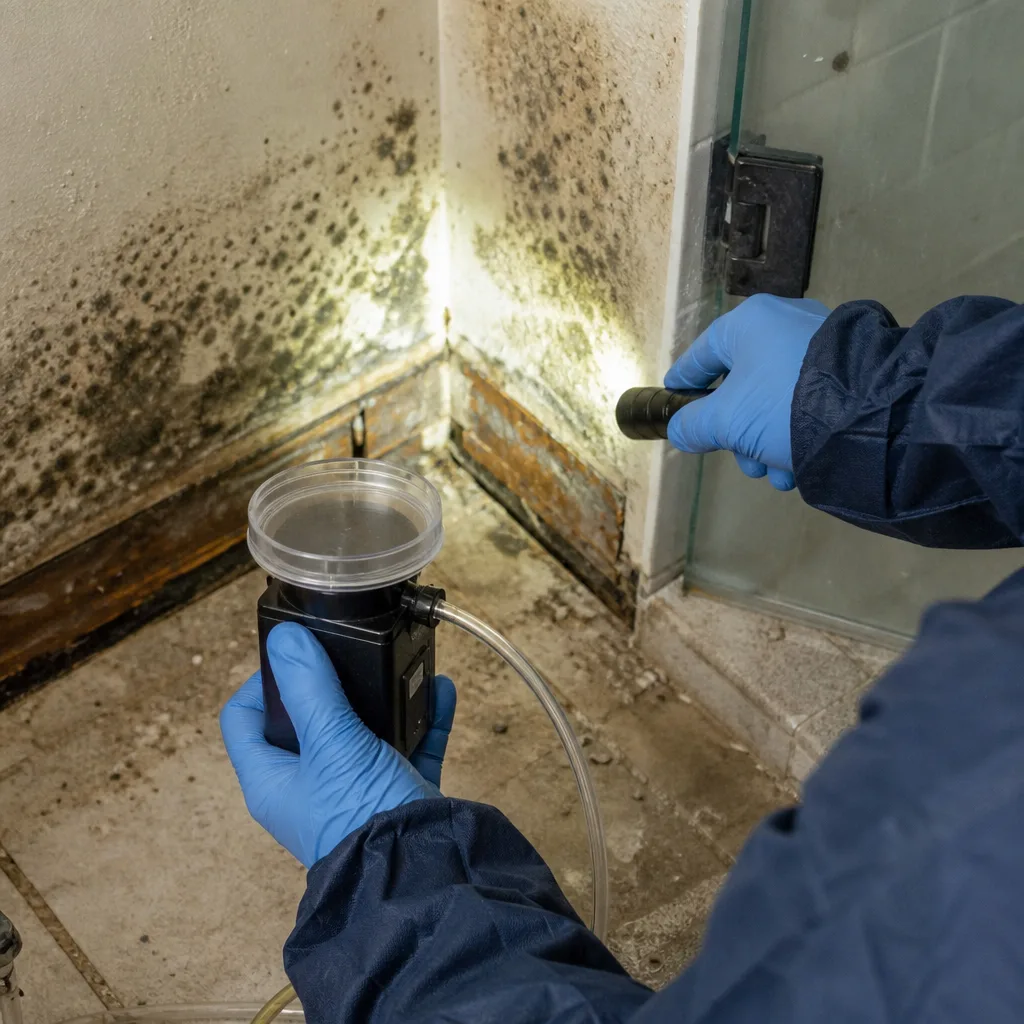
Mold Inspection & Testing
Our inspection protocol in Culver City includes moisture mapping with thermal imaging, air sampling for spore counts, and surface sampling where visible colonization is present. We specifically test wall cavities in pre-1950s construction and crawl spaces in the Ballona Creek corridor where humidity sustains hidden growth. Results are delivered with a written scope and price before any remediation work begins.
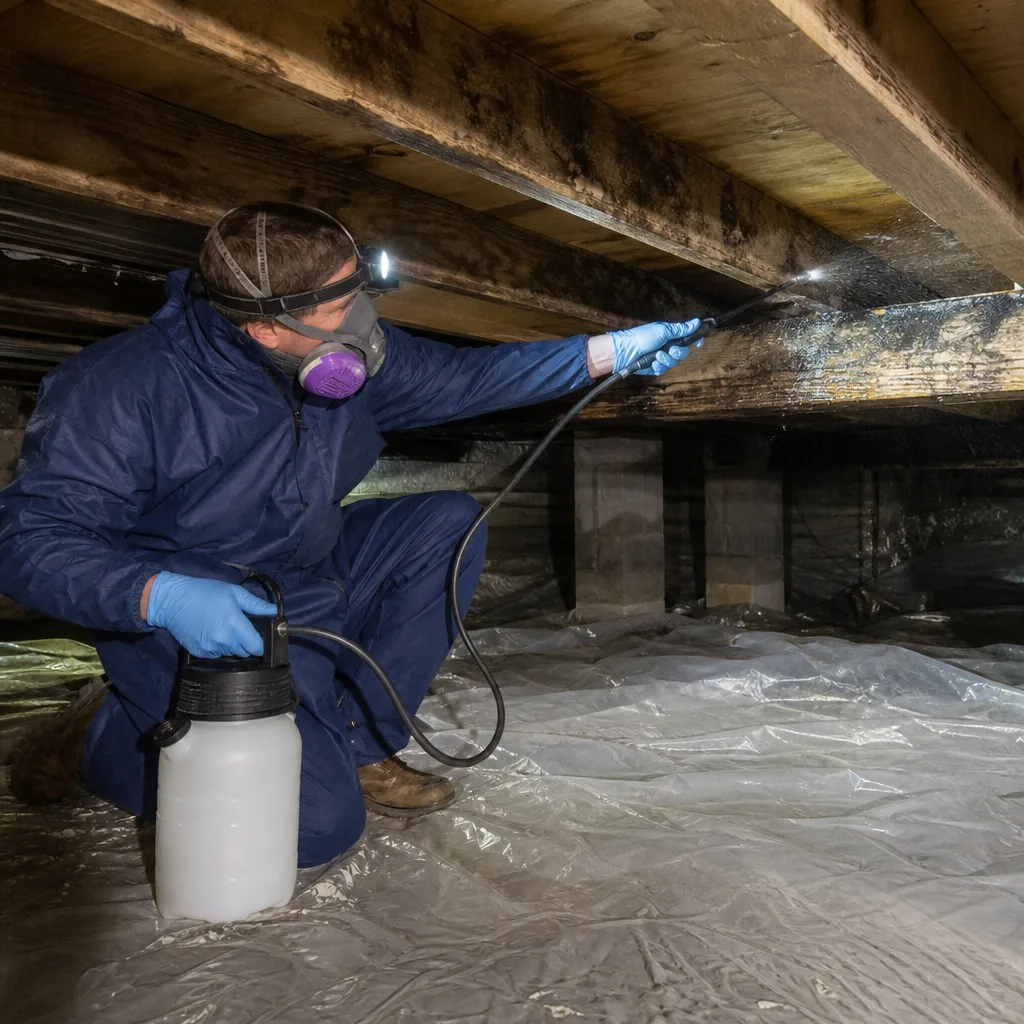
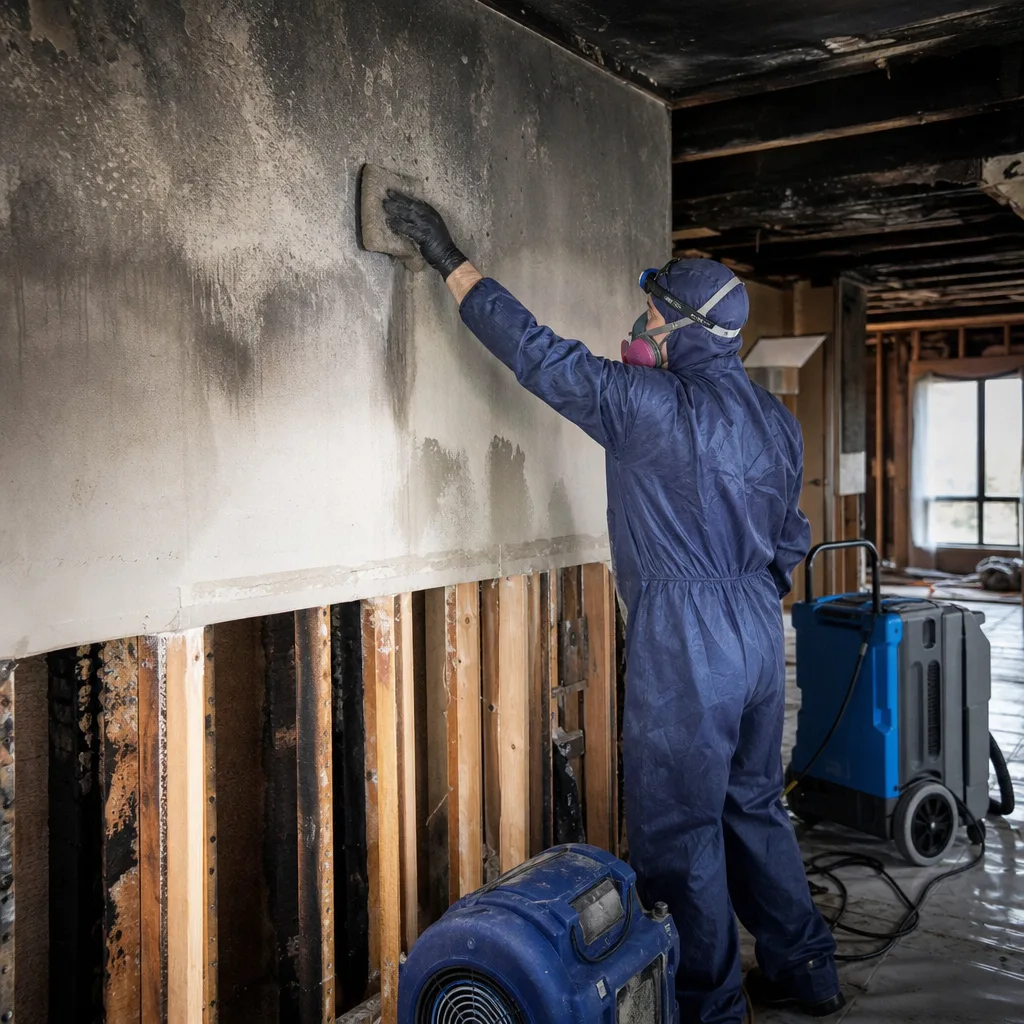
Mold Removal
Removal in Culver City requires containment and negative air pressure before any material is disturbed, per IICRC S520 standards. We handle single-room colonization in bungalows and whole-structure remediation in flood-affected properties, with documentation compiled for the city’s Building Safety Division at every stage.
Black Mold Remediation
Stachybotrys chartarum and other toxigenic species require enhanced containment, full-face respirator protocols, and specialized disposal. In Culver City’s older housing stock, these species establish in cellulose-rich materials, drywall backing, and degraded plaster, that have stayed wet beyond 72 hours. We do not disturb suspect material without containment in place.
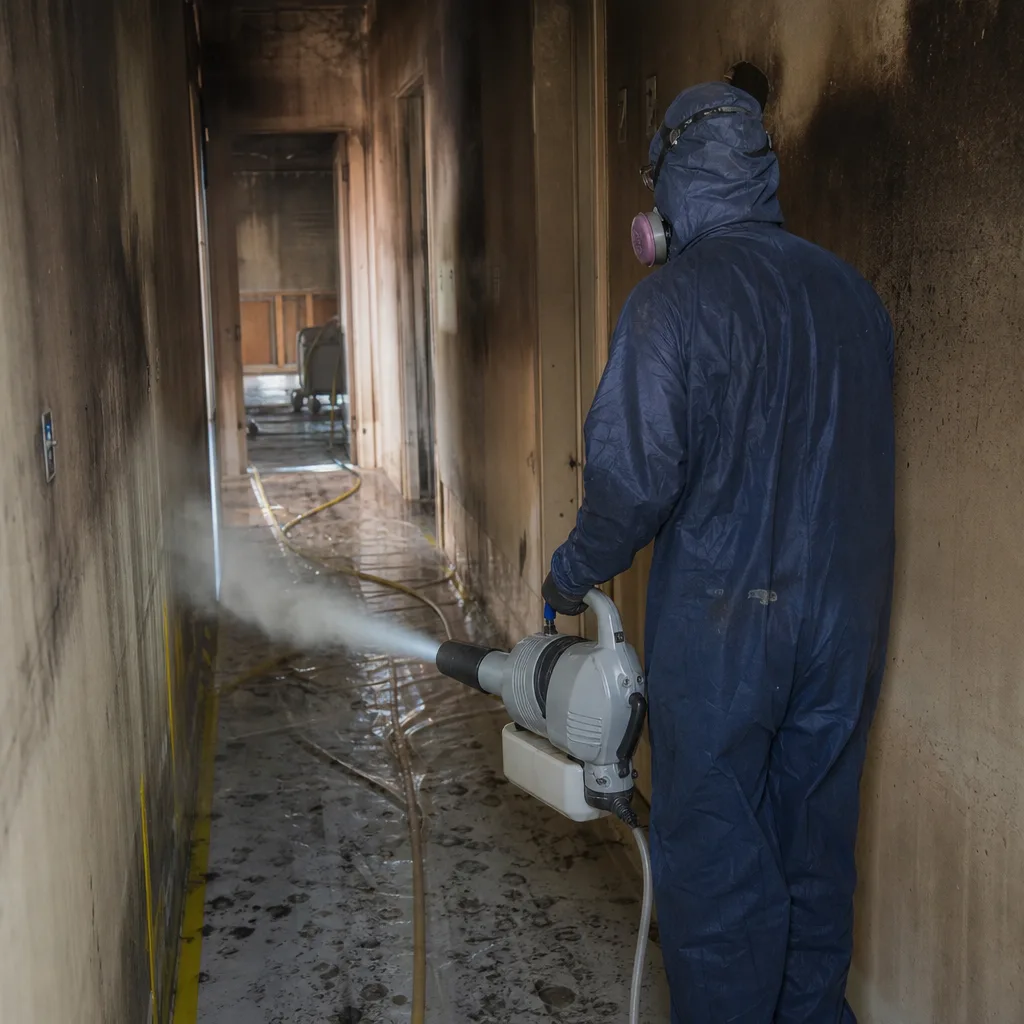
Air Quality Restoration
Post-remediation air quality testing verifies that airborne spore counts have returned to outdoor baseline levels before containment is removed. We recommend this service for Culver City properties with occupant respiratory concerns, and we document results for insurance files and landlord-tenant disputes.
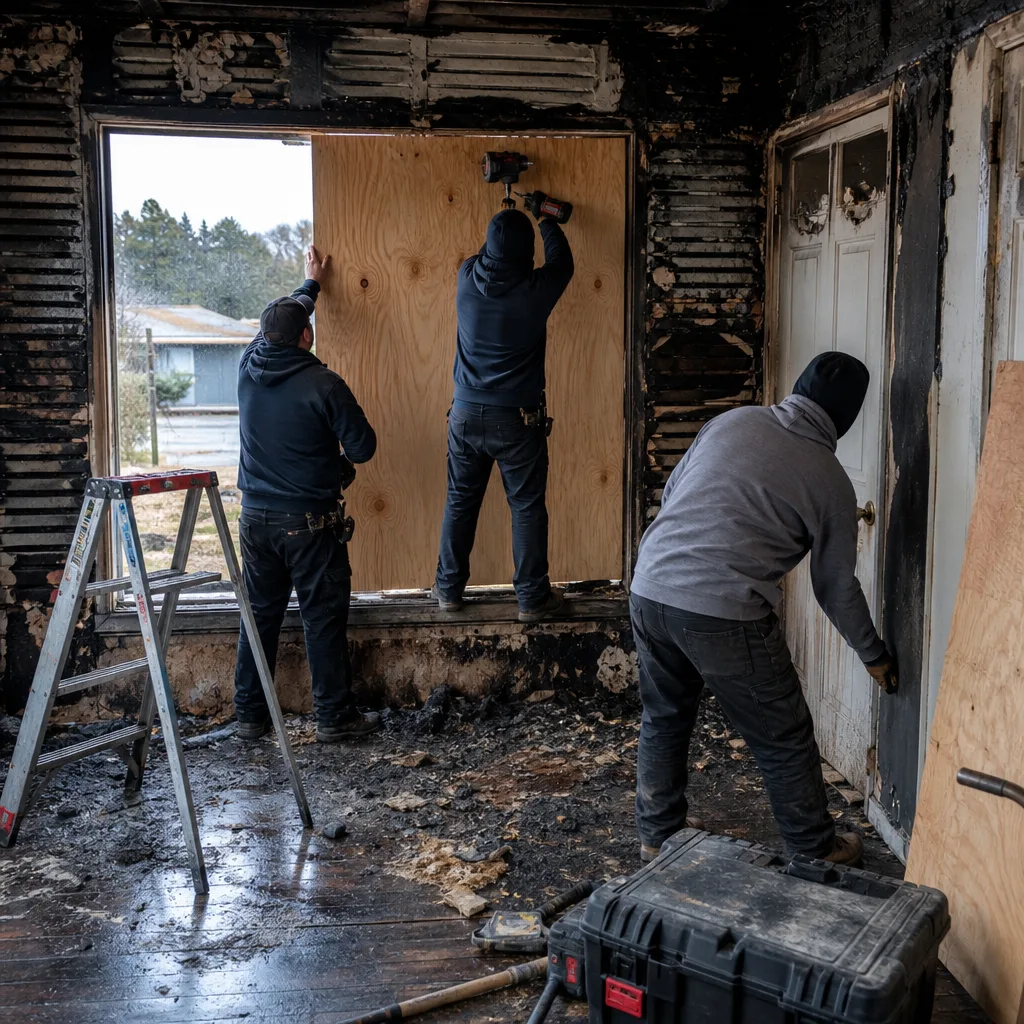
Crawl Space Treatment
Culver City’s uninsulated crawl spaces, common in Sunkist Park and Blair Hills, are the highest-risk zones we encounter. The marine layer penetrates through foundation vents, and the clay soils common to the Ballona Creek watershed hold moisture against subfloors for weeks. We install vapor barriers, dehumidification, and sealed ventilation where appropriate, with moisture logging to prove efficacy to the city’s inspectors.
What happens when you call
- 1
A real person answersNo phone trees - you reach a local pro.
- 2
You get an upfront price rangeHonest numbers before anyone is dispatched.
- 3
A background-checked tech heads outLicensed & insured, dispatched right away.
- 4
You approve before work beginsNothing starts until you say go.
Mold Remediation Costs in Culver City, CA
Typical mold remediation in Culver City runs $1,200-$4,500 for residential jobs, with these ranges by scope:
- Localized single-room remediation (under 50 sq ft): $1,200-$2,200
- Multi-room with containment and air scrubbing: $2,500-$4,000
- Whole-structure or crawl-space remediation: $3,500-$6,500+
- Post-remediation air quality testing: $350-$600
- Crawl space vapor barrier and dehumidification: $2,000-$4,500
What moves the price: affected square footage, whether plaster-over-lathe removal is required, the number of containment zones needed for tight floor plans, and whether the city’s Building Safety Division requires additional moisture-mapping documentation beyond standard scope. Insurance typically covers mold remediation when the underlying cause is a sudden, documented water loss, supply-line failure, or storm inundation. Long-term humidity damage or maintenance-related moisture is usually excluded. We provide a free visual inspection that produces a written, line-item scope and price before any work begins, and we offer a free second opinion on any competitor’s written estimate. Call (424) 365-9728 for an exact quote, estimates are free.
We Also Serve Cities Near Culver City
Our crews respond throughout the Westside and Beverly Hills-adjacent corridor, including Mold Remediation in Culver City and surrounding communities: Marina del Rey, with its marina-adjacent condominiums and salt-air corrosion issues; Playa del Rey, where coastal fog penetration rivals Culver City’s marine layer; Venice, with its mix of historic bungalows and modern construction; and Beverly Hills, where larger estates require scaled containment and extended documentation protocols. Each jurisdiction has its own inspection requirements, and we maintain current familiarity with all of them.
Serving Culver City, CA - Our Local Coverage Area
We’re based in the Culver City area and know this community well. Use the map below to see our service coverage - if you’re nearby, we can almost certainly help.
Culver City Mold Remediation Questions, Answered
Why does mold remediation in Culver City require more paperwork than in neighboring LA neighborhoods?
Culver City operates its own Building Safety Division, separate from LA County, and local inspectors require written moisture-mapping documentation plus a signed remediation protocol before issuing final clearance. Regional firms accustomed to looser county-level oversight routinely get bounced when they submit incomplete packets, restarting the timeline and sometimes the mold growth itself. We build this documentation into every job from day one. Call (424) 365-9728 for an exact quote, estimates are free.
How does the marine layer affect mold risk in Sunkist Park and along the Ballona Creek corridor?
The marine layer pushes inland through the Ballona Creek corridor and low-lying streets along Washington and Jefferson Boulevards, keeping relative humidity elevated well into summer mornings. Properties in these zones, especially those with original plaster-over-lathe walls and minimal ventilation, can re-wet after drying appears complete, restarting mold growth that interior-LA crews assume is finished. We extend drying durations and log psychrometric data until readings hold steady through multiple marine-layer cycles. Call (424) 365-9728 for an exact quote, estimates are free.
Can you do mold remediation in a tight Culver City townhome or alley-loaded property?
Yes. We configure compact equipment sets, negative air scrubbers, and contained work zones for narrow lots and alley access in Sunkist Park, Blair Hills, and downtown Culver City’s mixed-use buildings. Staging takes longer than on open suburban lots, so we build that time into our response protocol without cutting the containment or documentation steps. Call (424) 365-9728 for an exact quote, estimates are free.
What’s the difference between Category 1, 2, and 3 water when mold is already present?
Category 1 is clean water from a supply line; Category 2 carries significant contamination, dishwasher or washing machine discharge; Category 3 is grossly contaminated, sewage or floodwater. Once mold is established, the water category matters less than the material porosity and colonization depth, mold in Category 1-soaked plaster is still a health hazard requiring full remediation protocol. We classify the loss by both the original water source and the current microbial condition. Call (424) 365-9728 for an exact quote, estimates are free.
Do you test air quality before and after remediation in Culver City homes?
We offer pre-remediation and post-remediation air sampling as a standard service, not an upsell. Post-remediation testing is particularly valuable in Culver City’s older housing stock, where hidden cavities may harbor residual colonies even after visible removal. Results are documented for your insurance file and, if needed, for the city’s Building Safety Division. Call (424) 365-9728 for an exact quote, estimates are free.
How fast can your crew actually get to Culver City?
We maintain a 45-minute response commitment to Culver City addresses, with crews staged for the Sunkist Park and Blair Hills corridors. Our Los Angeles office coordinates dispatch; no voicemail trees, no next-business-day callbacks while moisture is still moving. Call (424) 365-9728, we answer live 24 hours a day.
Will my insurance cover mold remediation, or is it out of pocket?
Insurance typically covers mold remediation when the underlying cause is sudden and documented: burst supply lines, storm-driven flooding, or appliance failures. Long-term humidity damage, maintenance neglect, or slow leaks are usually excluded. We document the cause from our first visit, produce photo evidence and moisture logs, and coordinate directly with your adjuster to establish coverage. Call (424) 365-9728 for an exact quote, estimates are free.
Can my family stay in the house during mold remediation?
It depends on the colonization extent, the species identified, and whether containment can fully isolate the work zone from occupied spaces. In tight Culver City bungalows with shared HVAC, we often recommend temporary relocation during active remediation. We discuss this during the initial inspection and include occupancy recommendations in the written scope. Call (424) 365-9728 for an exact quote, estimates are free.
Written by Alicia Brennan, Owner at Back to Dry Restoration, serving Culver City since 2011.
Mold Remediation in Nearby Areas