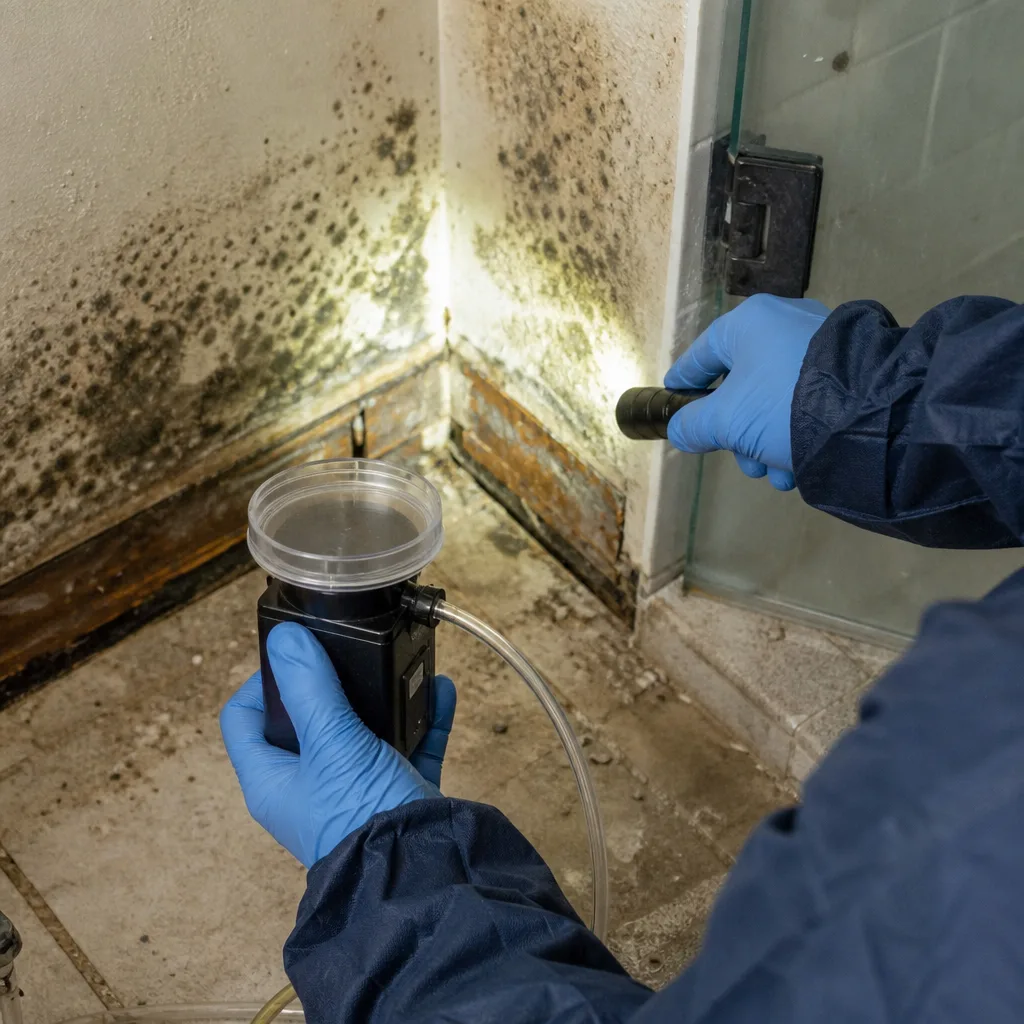
Free visual inspection and a written scope of work before any mitigation begins - photos, moisture readings, and drying logs go in your claim file
The scope we write is the scope we bill. Anything new gets shown to you, in writing, before we touch it.
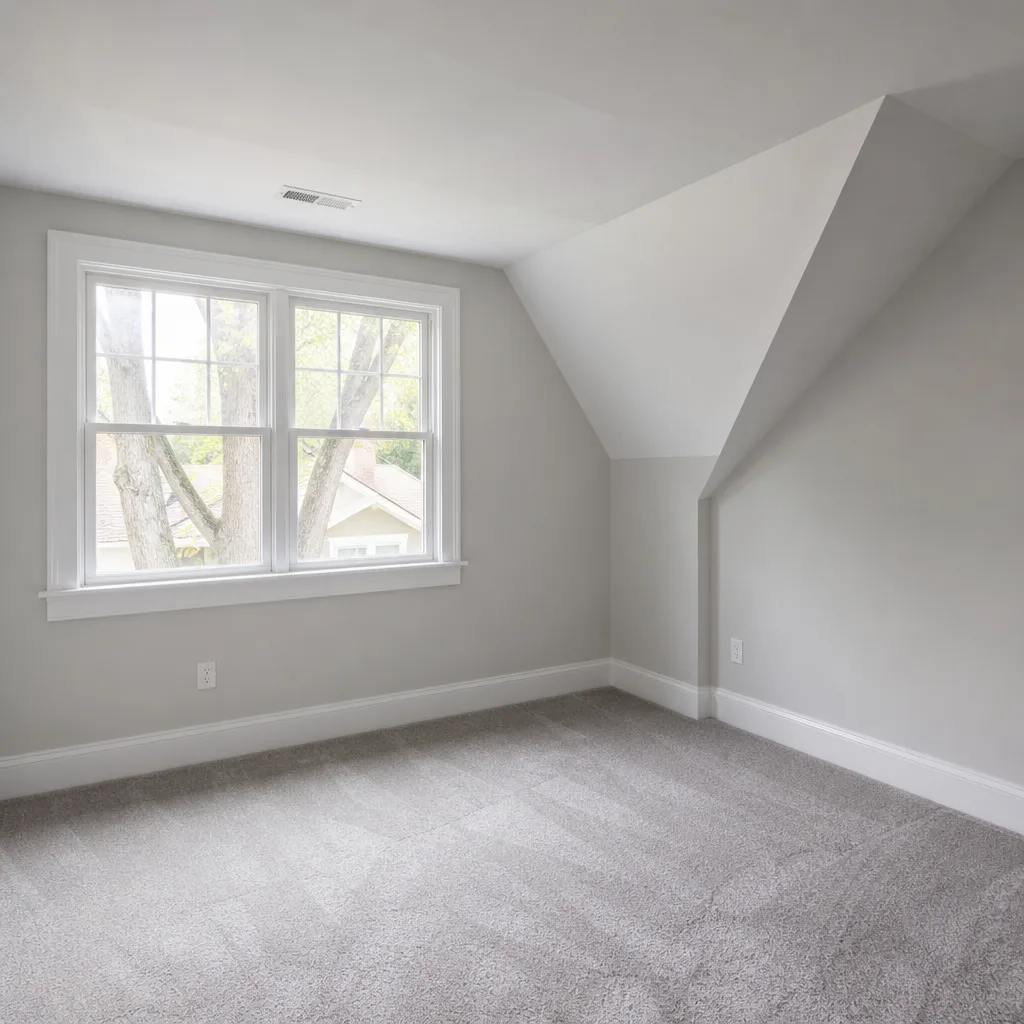
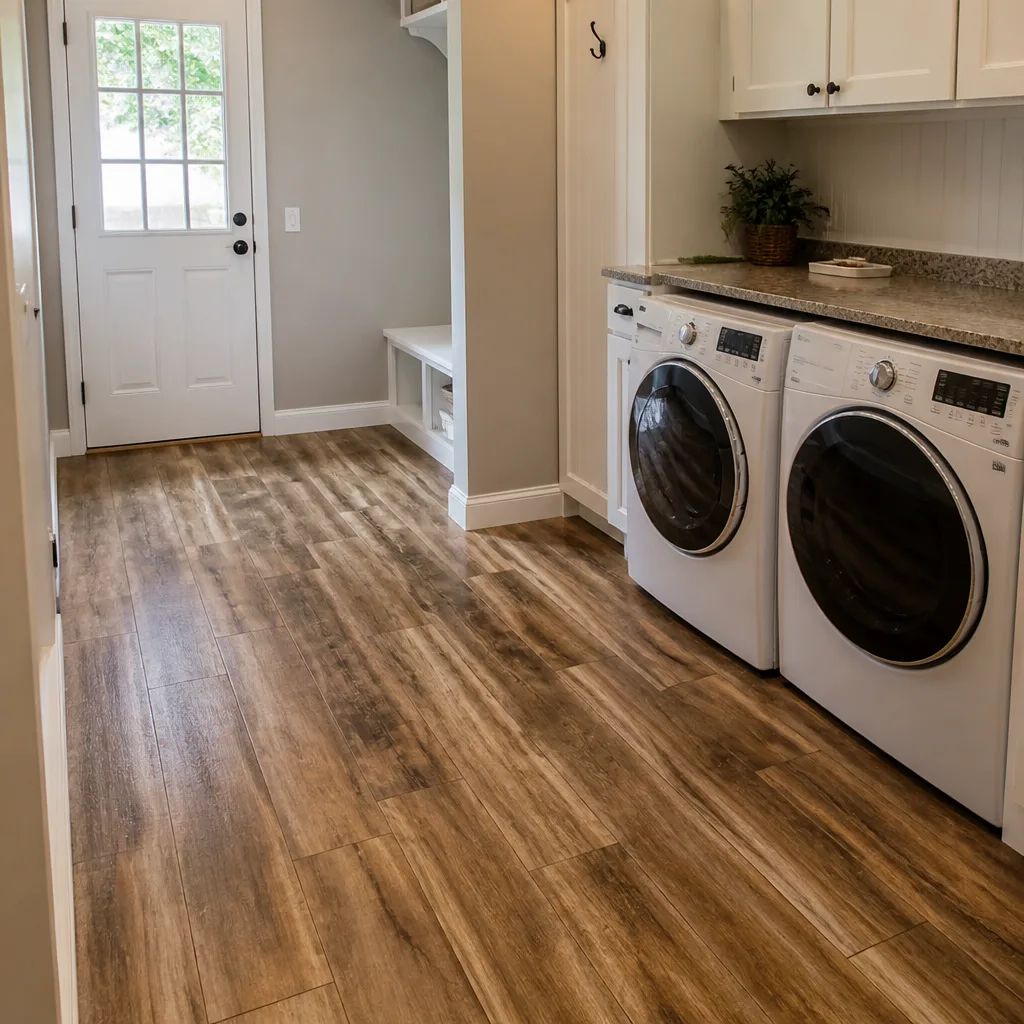
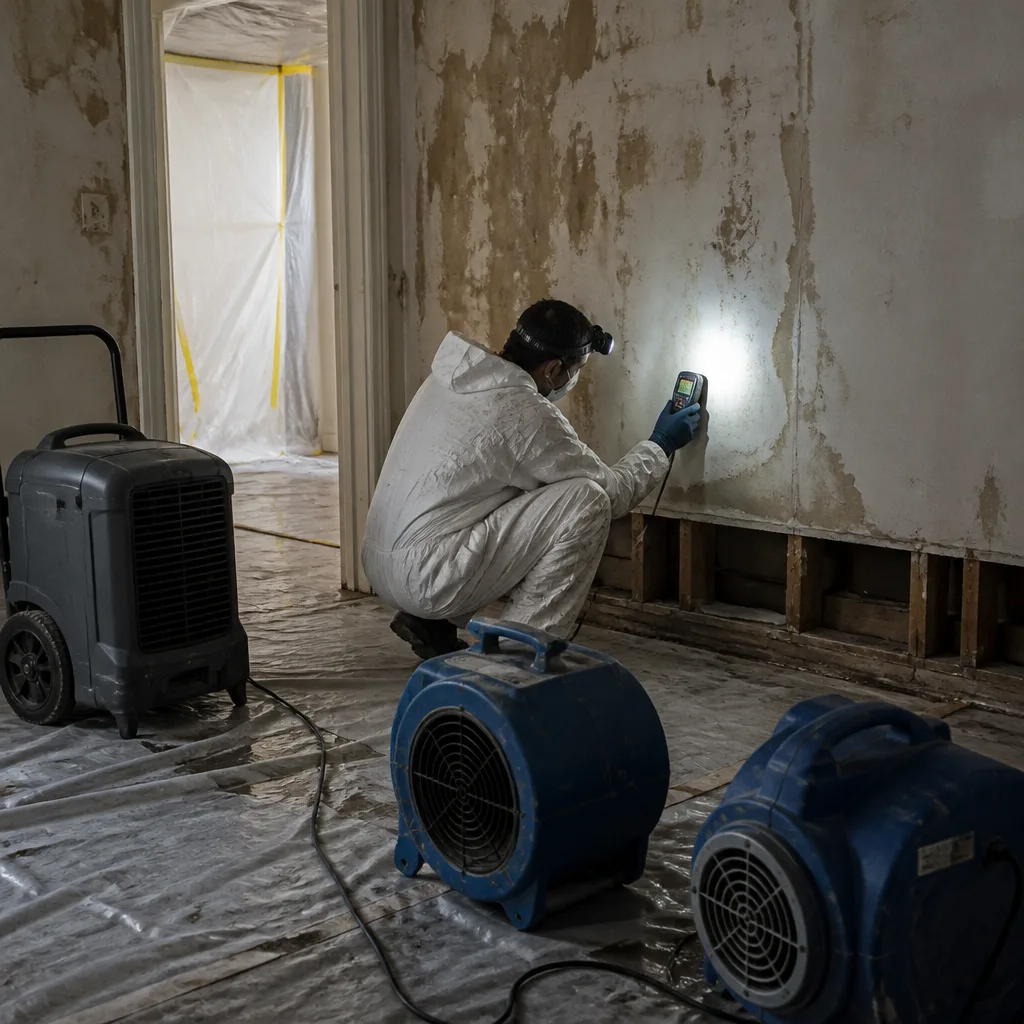 Before
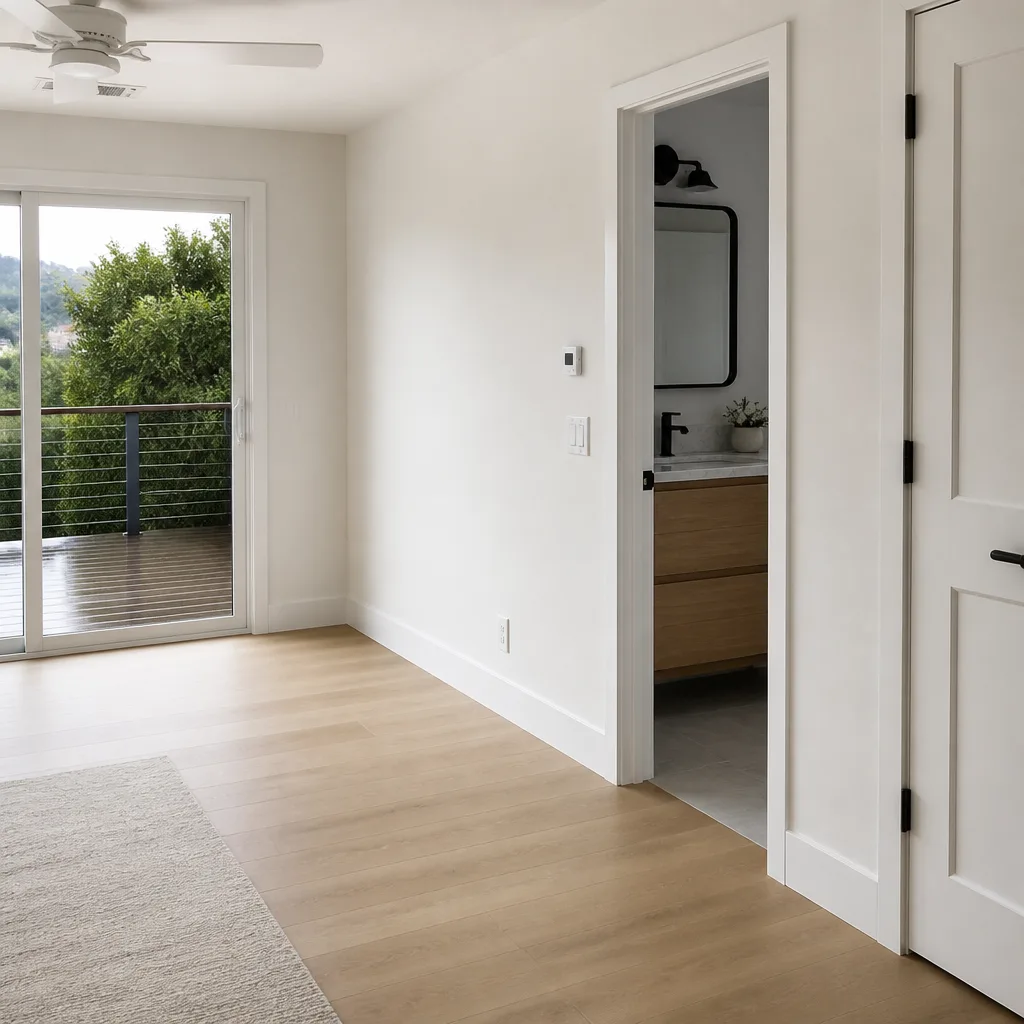 After
After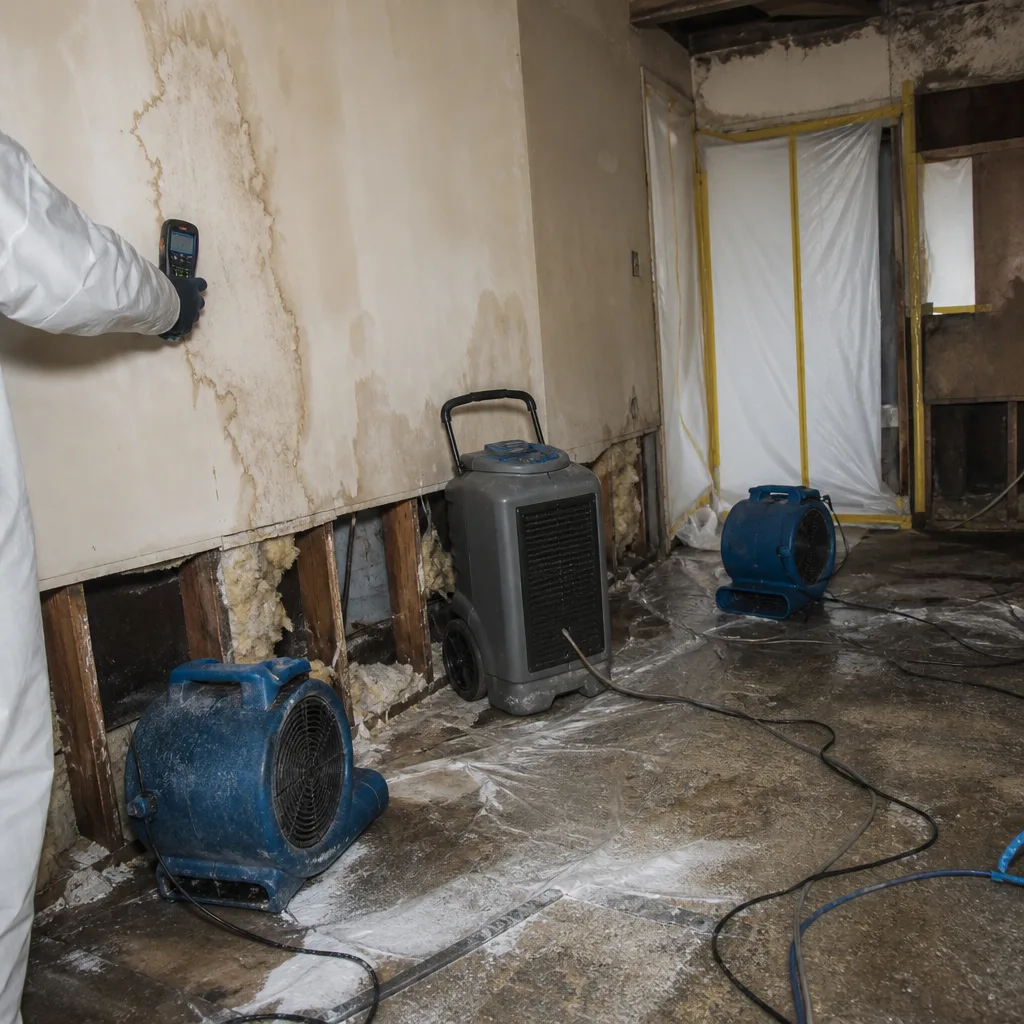 Before
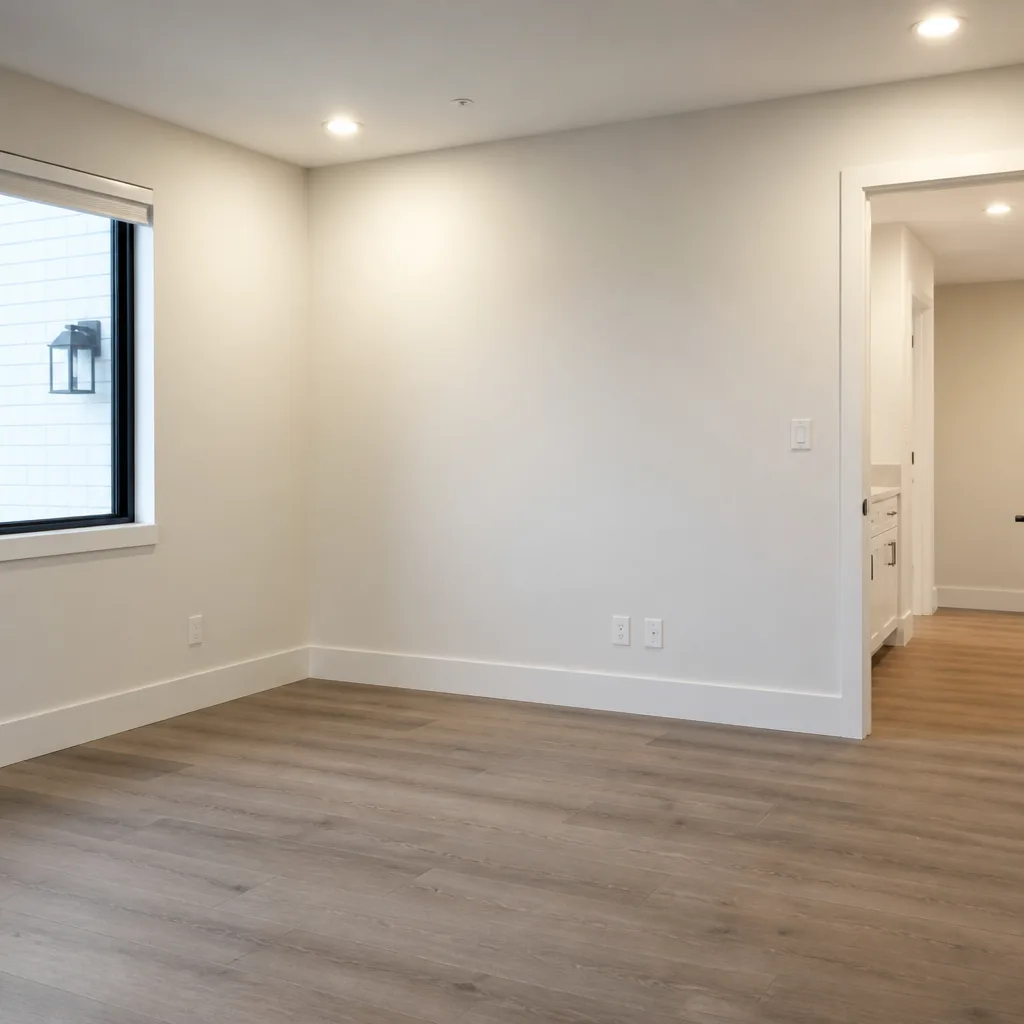 After
After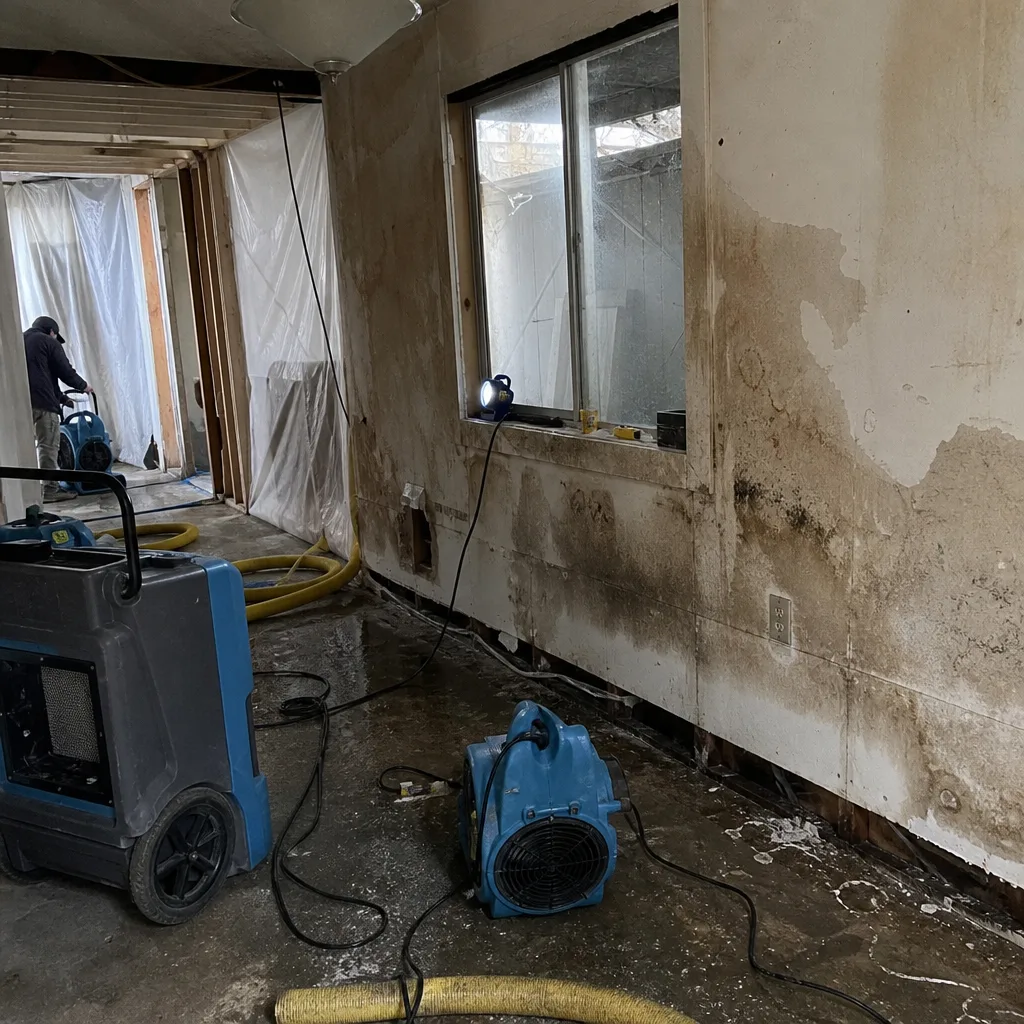 Before
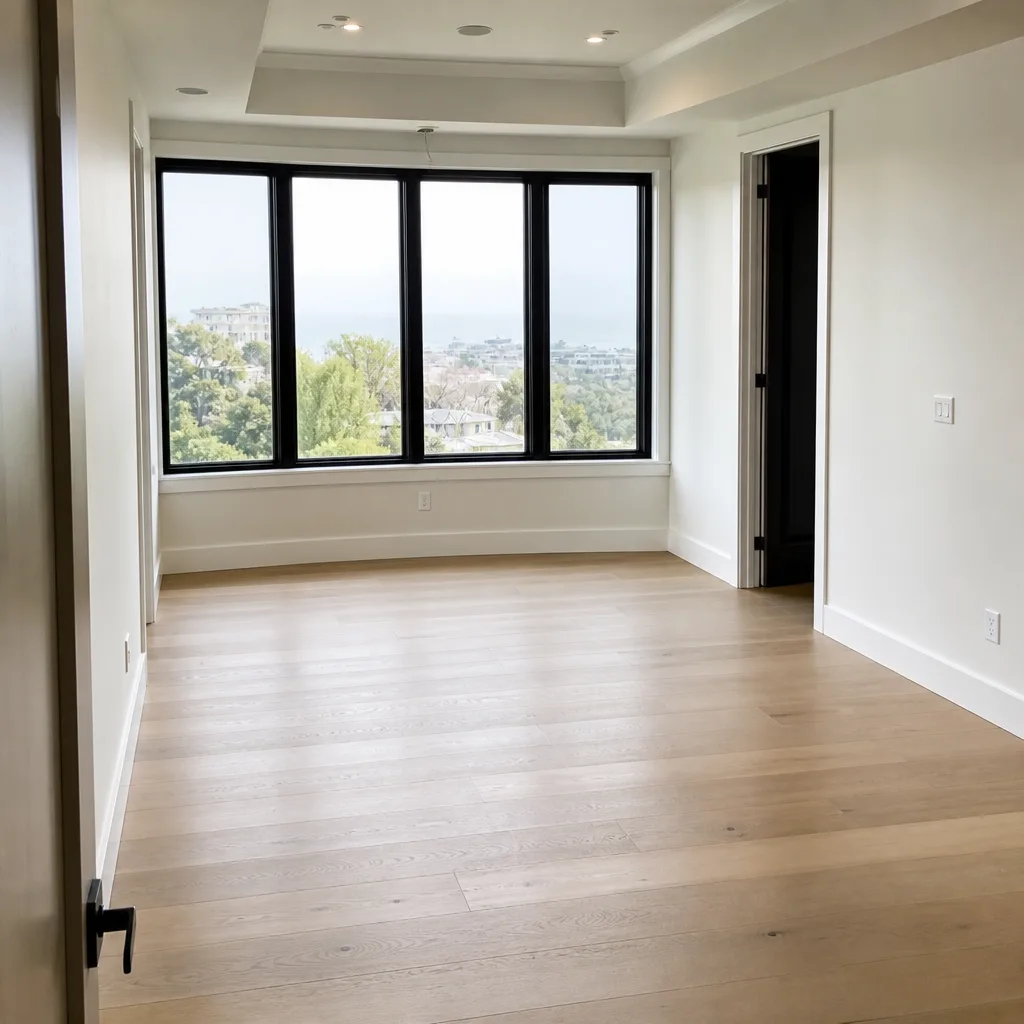 After
After24/7 Emergency Mold Remediation in Marina del Rey
Mold remediation in Marina del Rey typically costs $2,800-$7,500 for contained residential jobs and $8,000-$18,000+ for multi-unit harbor condominiums with shared-assembly migration. Most single-unit containments can begin same day. Call (424) 365-9728 now - we answer live, 24 hours a day, with no voicemail trees while moisture is still moving.
Our crews dispatch throughout the Marina del Rey basin from our Los Angeles office, usually arriving within 45 minutes to properties from Admiralty Way to Via Marina. The first hour determines whether a water intrusion becomes a mold remediation or stays a drying job. In Marina del Rey’s persistent marine-layer humidity, drywall hits the 16% moisture content threshold for mold germination faster than in drier inland neighborhoods. We bring thermal imaging, moisture meters, and containment materials on every emergency call so we can map the damage, build isolation barriers, and start negative-air filtration before spores redistribute through your HVAC system.
Every emergency response includes a free visual inspection and a written scope before any work begins - Haven Standard, Clause 1. No exceptions.
Understanding Mold Remediation Severity in Marina del Rey Properties
Mold severity in Marina del Rey is graded by affected square footage, material porosity, and whether the growth has penetrated shared structural assemblies. Category 1 contamination covers surface growth on non-porous materials like ceramic tile or sealed concrete, typically remediated through HEPA vacuuming and antimicrobial wipe-down. Category 2 involves semi-porous materials - drywall, unsealed wood framing, carpet padding - requiring controlled demolition and air-scrubbed containment. Category 3 indicates extensive colonization inside wall cavities, HVAC ductwork, or across floor-ceiling assemblies in stacked condominiums, demanding full containment with negative pressure, sealed egress, and third-party clearance testing.
Marina del Rey’s housing stock intensifies every category. The 1960s-1980s condominiums that dominate the harbor area use post-tension concrete slabs with galvanized or early-copper supply lines now past their service life. A single pipe weep behind a kitchen cabinet doesn’t stay in one unit. It tracks along the slab, wicks into the shared floor-ceiling assembly, and creates a Category 3 condition in the unit below while the upstairs owner still sees dry paint. Our moisture mapping protocol includes the adjoining unit’s ceiling cavity as standard - missing that migration is the most common remediation failure we correct after out-of-area contractors.
Air scrubbing runs on HEPA filtration rated at 99.97% efficiency at 0.3 microns, paired with carbon pre-filtration for volatile organic compounds released by active mold metabolism. Psychrometric data - temperature, relative humidity, and vapor pressure differential - guides our drying strategy. Vapor pressure differential is simply the force pushing moisture from wet materials into drier air; we manipulate it with dehumidification and targeted airflow until the numbers, not the calendar, tell us the structure is dry.
Why Marina del Rey Property Owners Choose DryMark Restoration Pacific Palisades
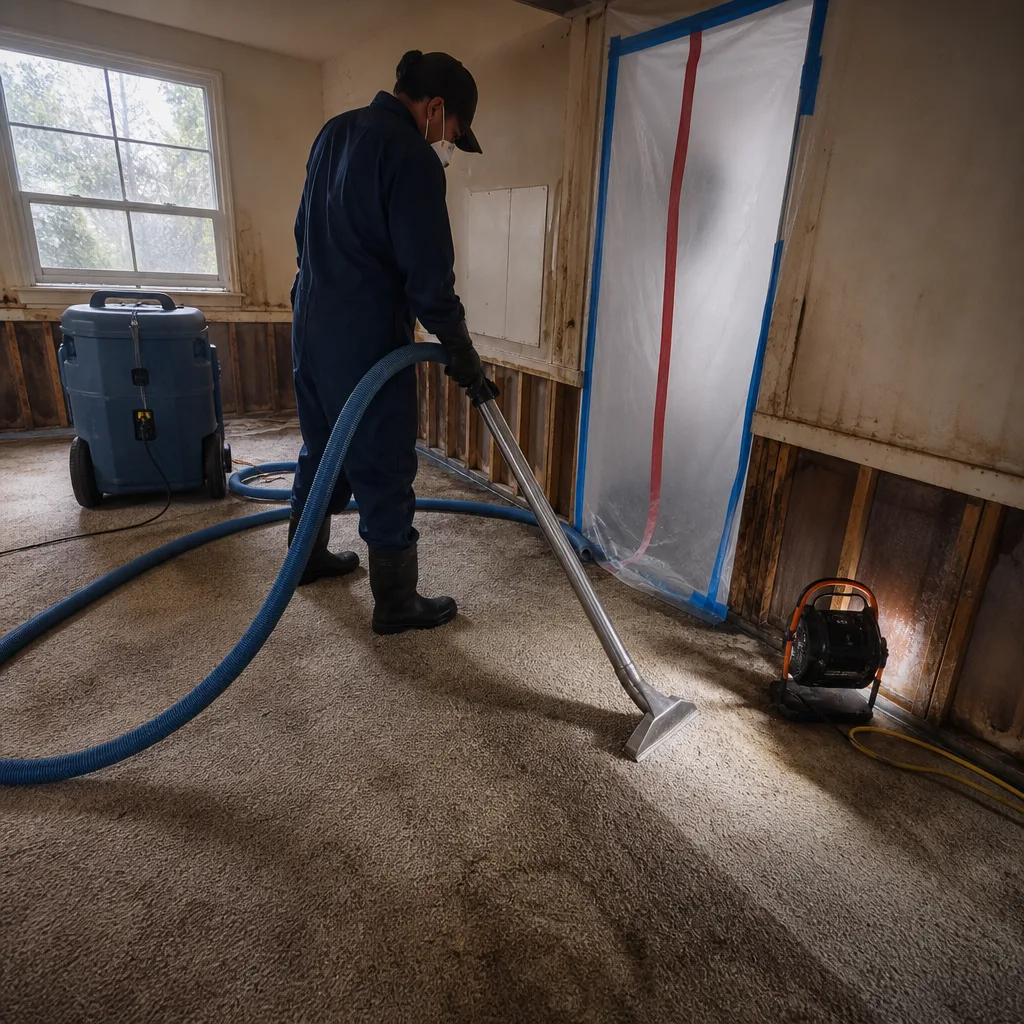
- 45-minute response commitment to anywhere in the Marina del Rey basin, from the Marina Peninsula to the Admiralty Way corridor, with crews carrying containment and air-scrubbing equipment on every truck.
- 24/7 live answer - a real person picks up every call, never an automated system or next-business-day callback, because mold doesn’t wait for business hours and neither do we.
- IICRC-certified crews holding WRT (Water Damage Restoration Technician), AMRT (Applied Microbial Remediation Technician), and FSRT (Fire & Smoke Restoration Technician) certifications, with license numbers verified before any technician enters your property.
- Free visual inspection on every call, with moisture readings documented and a written scope delivered before any containment is built or any material is removed.
- Direct insurance billing with photo-documented estimates, daily drying logs, and direct adjuster coordination - the documentation package that turns restoration invoices into payable claims.
- One team from extraction to reconstruction, so the crew that mapped your moisture profile is the same crew that verifies clearance testing and rebuilds the removed drywall.
 Before
 After
AfterOur Mold Remediation Process
1. Inspection & Assessment
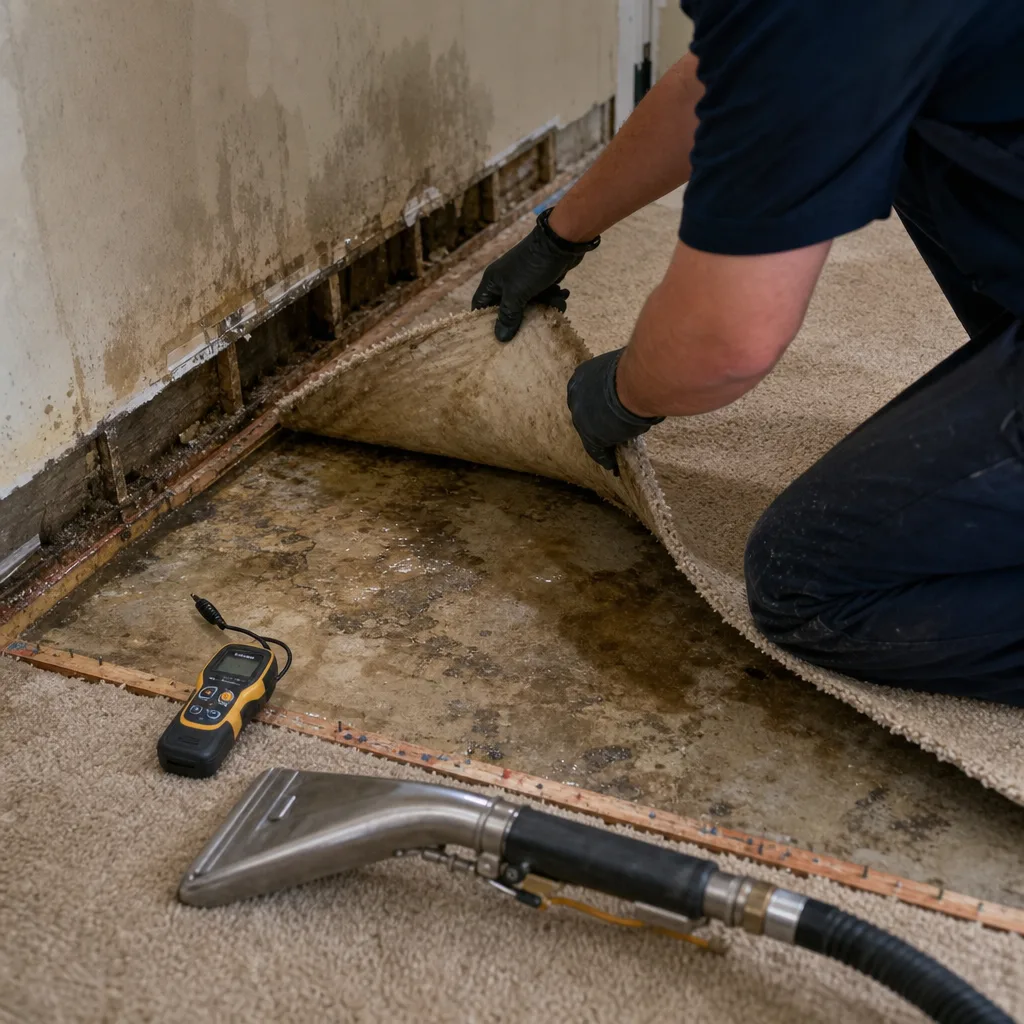
We arrive with thermal imaging cameras, pin and pinless moisture meters, and hygrometers to map the full extent of water intrusion and visible mold. In Marina del Rey’s stacked condominiums, this always includes the shared floor-ceiling assembly and adjoining units. You receive a written scope with line-item pricing before any work begins - Haven Standard, Clause 1.
2. Containment & Stabilization
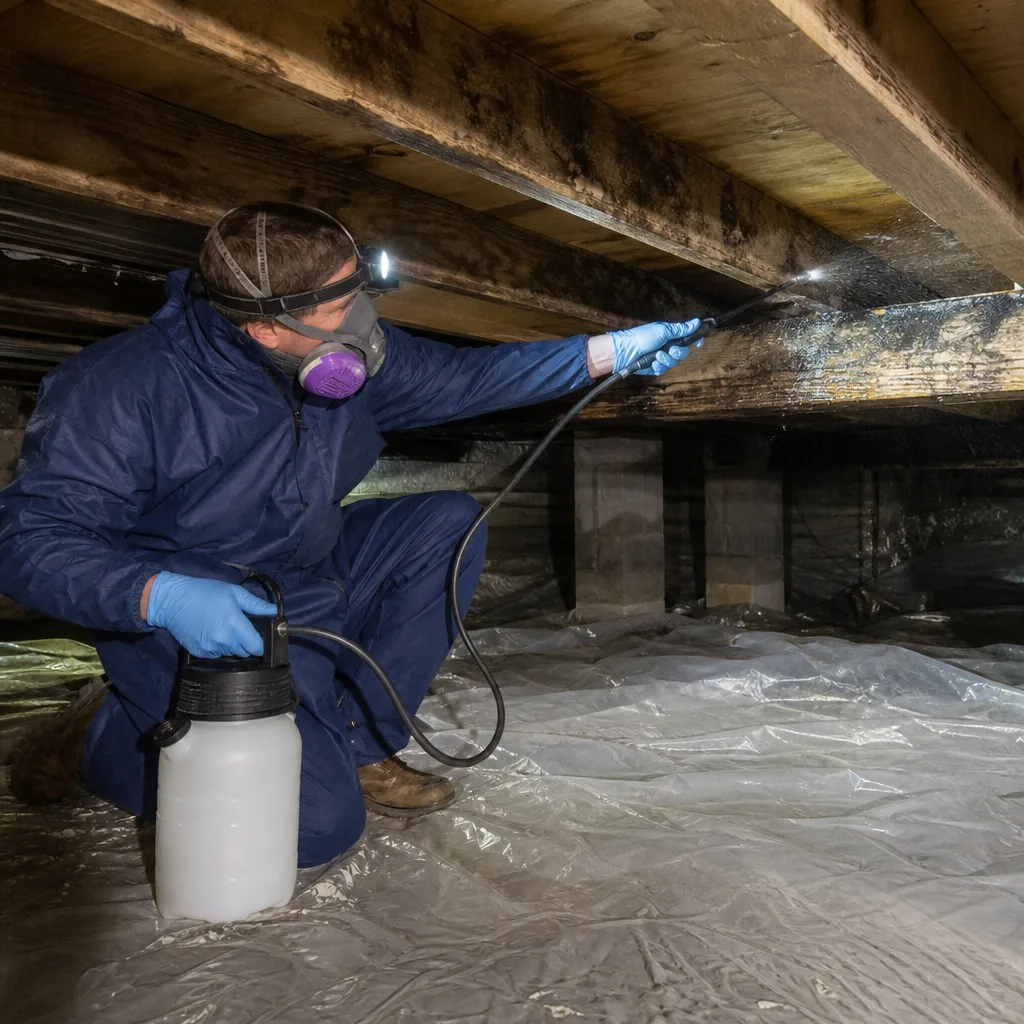
We seal the affected area with 6-mil polyethylene barriers and establish negative air pressure using HEPA-filtered air scrubbers. This prevents spore migration during demolition. For multi-unit buildings, we coordinate containment timing with adjoining owners to minimize disruption.
3. Drying & Dehumidification
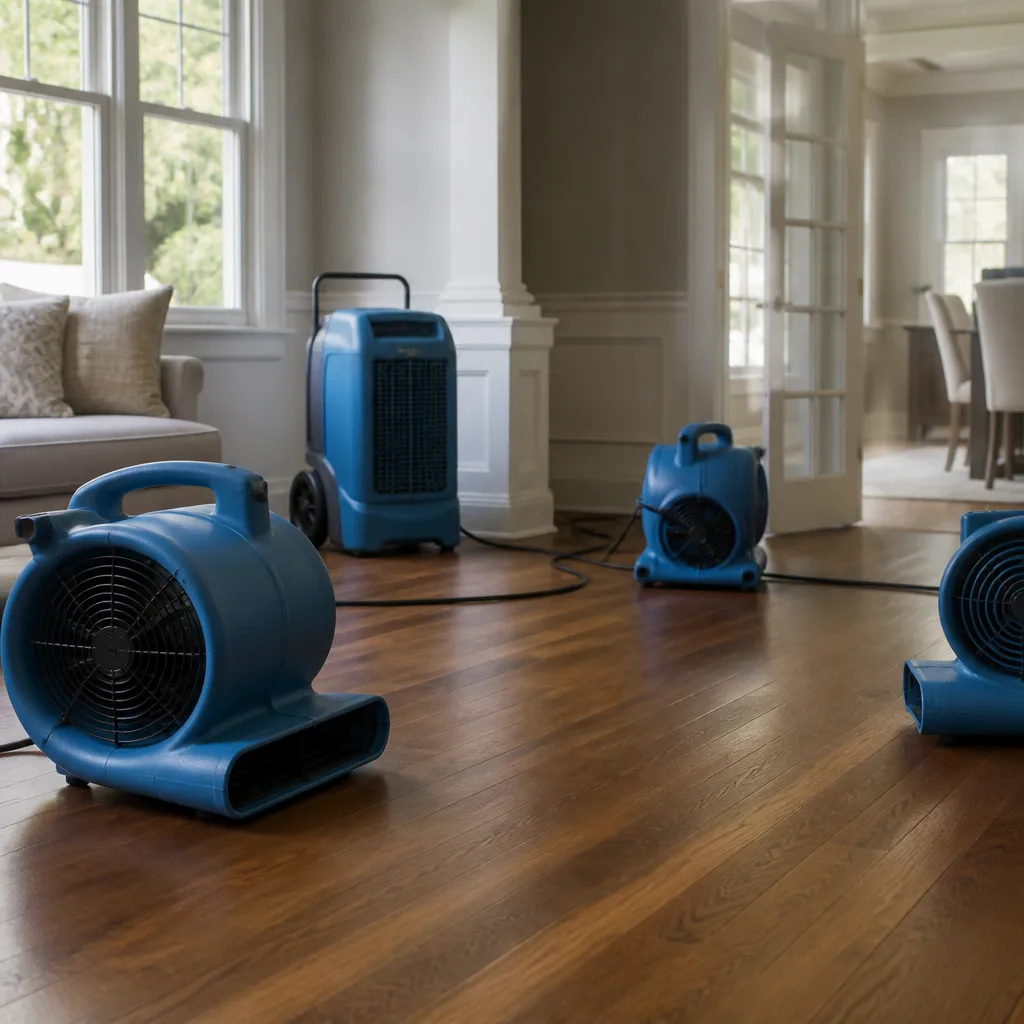
Professional-grade dehumidifiers from Dri-Eaz and Phoenix pull moisture from structural materials while air movers create controlled airflow across wet surfaces. We log psychrometric data twice daily - temperature, relative humidity, and specific humidity - until materials return to dry-standard readings documented to IICRC S520.
4. Cleaning & Sanitization
HEPA vacuuming removes settled spores from all surfaces. Non-porous materials receive antimicrobial treatment. Semi-porous materials that cannot be adequately cleaned are removed and disposed of as regulated waste. Every step is photo-documented for your insurance file.
5. Antimicrobial & Corrosion Treatment
Marina del Rey’s salt-laden harbor air accelerates metal corrosion once moisture intrudes. We apply antimicrobial treatments to studs and framing, plus corrosion inhibitors on exposed metal components - HVAC registers, electrical boxes, fasteners - to prevent secondary damage that expands the scope after the mold is gone.
6. Clearance Testing & Restoration
Third-party air quality testing confirms spore counts at or below outdoor baseline levels before containment is removed. Then our reconstruction team repairs drywall, flooring, and finishes to match existing conditions, with the 365-Day Done Right Promise backing every repair.
Need Emergency Mold Remediation in Marina del Rey Now?
Crews minutes away, answering live 24 hours a day. The sooner we start, the less it costs.
Working With Your Insurance Company
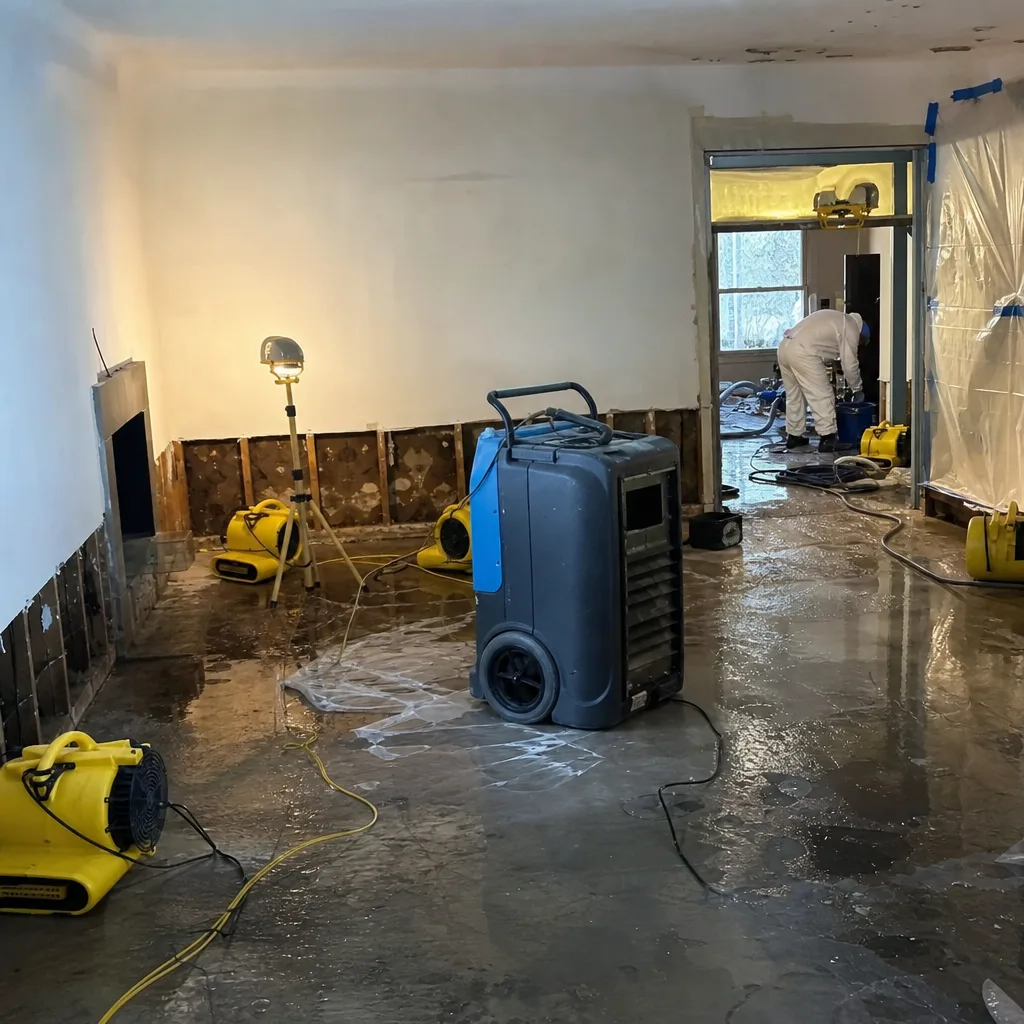
Mold claims live or die on documentation. We know because our company was founded in 2011 by a former claims adjuster who built Back to Dry around the documentation gap that costs homeowners their settlements. From the first hour on your Marina del Rey property, we create a file that an adjuster can read and approve without back-and-forth.
Our technicians photo-document every room on every visit, not just the affected area. Moisture readings are logged with date, time, equipment serial number, and drying goal. Estimates follow industry-standard Xactimate pricing with line-item detail. We communicate directly with your adjuster, not through you as a relay, and we understand the specific documentation requirements of carriers writing policies in unincorporated LA County.
Bring us any competitor’s written estimate and we’ll review it at no charge - our Free Second Opinion policy.
What We Provide Your Insurer
- Thorough documentation of the loss
- Photos of all damage, room by room
- Moisture readings and drying logs
- A detailed, line-item scope of work
- Direct coordination with your carrier
Built for Marina del Rey’s Loss Calendar
January through March brings winter swell events that push harbor water levels into ground-floor parking structures and below-grade utility rooms along Basin E and the main channel. These are saltwater floods with corrosion implications beyond standard freshwater intrusion, and they’re specific to the harbor basin’s geography - you won’t see this pattern in Culver City or Santa Monica.
April through June, the marine layer thickens and humidity climbs. Condensation forms on aging galvanized supply lines in exterior walls, particularly in 1970s-era buildings with minimal insulation. Slow leaks behind tile or cabinetry hit the 48-hour mold germination window before owners notice musty odors.
July through October brings the driest period, but air conditioning systems running continuously create cold-surface condensation inside ductwork - a hidden mold reservoir that distributes spores every time the compressor cycles. November through December, early winter storms test flat and low-slope roofing membranes that have often exceeded their 20-year service life, sending water through failed seals around HVAC curbs and vent stacks.
Every season in Marina del Rey carries a mold driver tied to the harbor’s microclimate and the construction era of its buildings. We schedule preventive moisture mapping for property managers who want to catch the slow leaks before they become Category 3 containments.
Mold Remediation Across Marina del Rey’s Neighborhoods
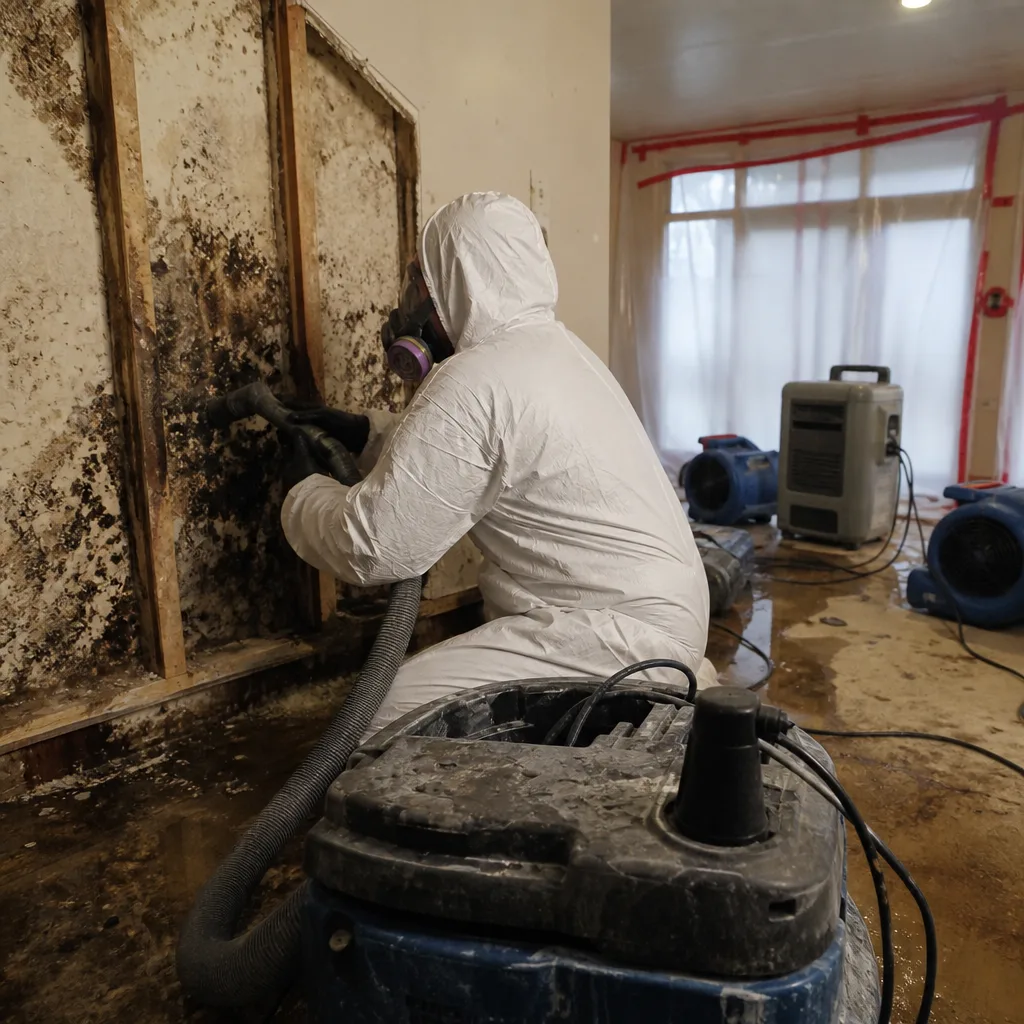
The Marina Peninsula, west of Via Marina toward the jetty, holds some of the area’s oldest 1960s condominium clusters. Here we see the most advanced corrosion in original galvanized plumbing and the greatest frequency of multi-unit claims from single pipe failures. Response routes from Admiralty Way let us reach these buildings quickly, but the real challenge is coordinating access to adjoining units when the floor-ceiling assembly is shared.
The Admiralty Way corridor and its feeder streets - Mindanao, Bali, and Marquesas - contain a mix of 1970s mid-rise condos and newer townhome developments. The older buildings have post-tension slabs requiring tendon location before any penetration; the newer construction has better moisture barriers but more complex HVAC systems where ductwork mold hides. Our thermal imaging protocol varies by building vintage.
Via Marina and the inner basin area see the highest concentration of ground-floor commercial and mixed-use spaces vulnerable to harbor flooding. Winter swell events push water into parking structures here more predictably than elsewhere in the community. We maintain pre-staged equipment at our Los Angeles office for rapid deployment when NOAA harbor surge warnings issue.
East of Lincoln Boulevard, the area transitions toward Culver City with 1980s apartment complexes on slightly higher ground. Mold patterns here are more conventional - roof leaks, window seal failures, bathroom exhaust duct condensation - but the salt air still accelerates metal corrosion once moisture intrudes.
Specialized Mold Remediation Services We Offer in Marina del Rey
Mold Inspection & Testing
Our inspections go beyond visual identification. We use thermal imaging to find hidden moisture, air sampling to quantify spore types and concentrations, and surface sampling to identify species. In Marina del Rey’s multi-unit buildings, we inspect the shared assemblies that single-unit inspectors routinely miss. Air sampling compares indoor spore counts to outdoor baseline; elevated indoor levels with specific species matching the affected area confirm active growth, not settled spores.
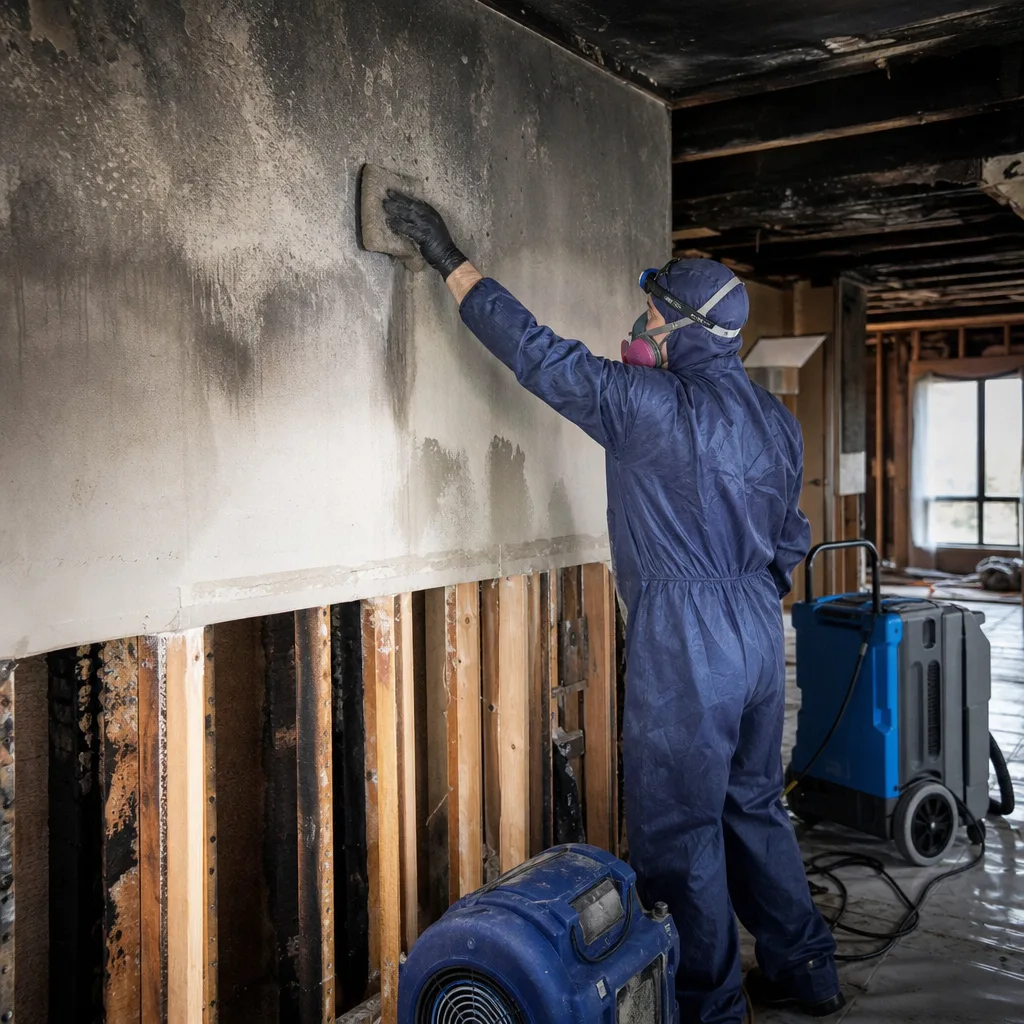
Mold Removal
Removal follows IICRC S520 standards for containment, negative air pressure, and regulated waste disposal. In Marina del Rey’s condominiums, we coordinate with HOA property managers and adjoining unit owners before demolition begins. The written scope specifies exactly what materials are removed, what is cleaned in place, and what reconstruction follows - no scope creep once the crew is inside.
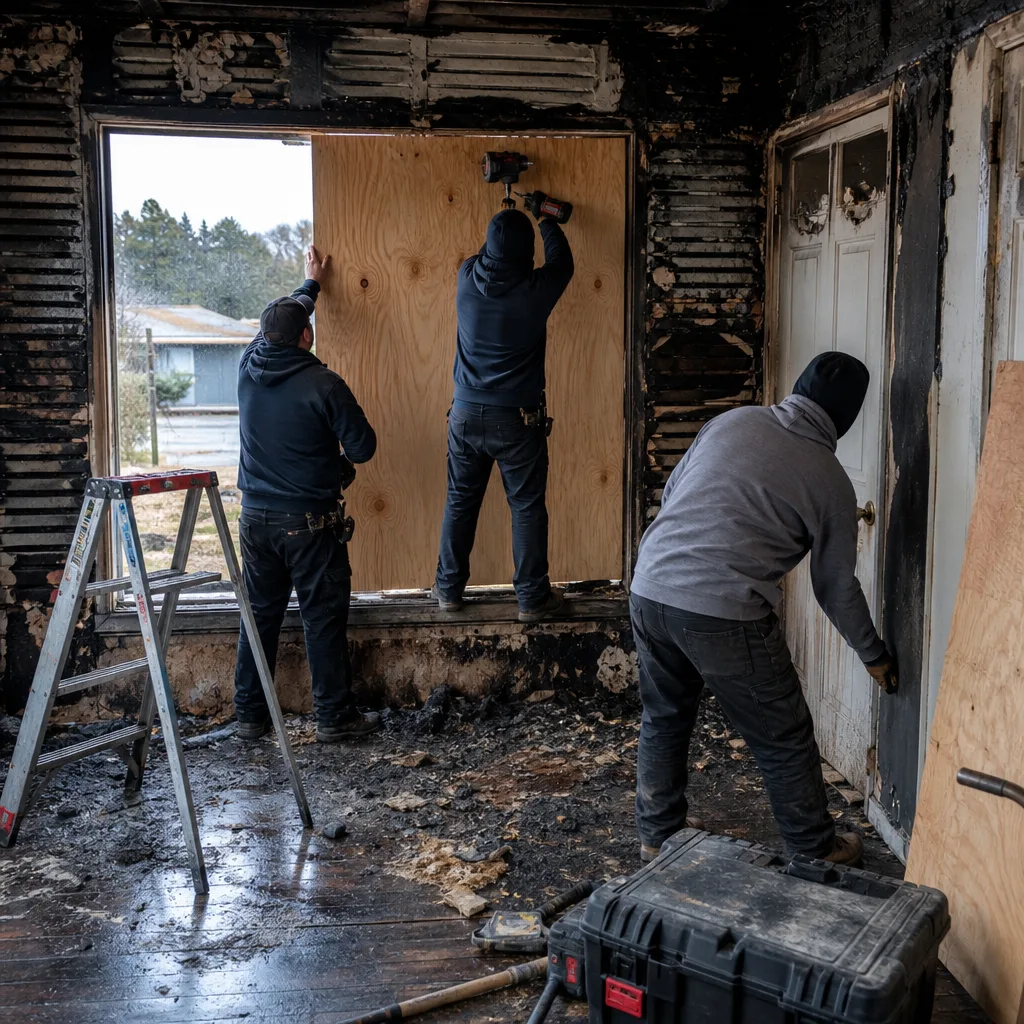
Black Mold Remediation
Stachybotrys chartarum and other toxigenic species require enhanced containment with full PPE and sealed egress pathways. We don’t use fear language - we use spore identification, documented moisture sources, and controlled remediation protocols. Any contractor who guarantees “black mold removal” without testing is selling certainty that science doesn’t support.
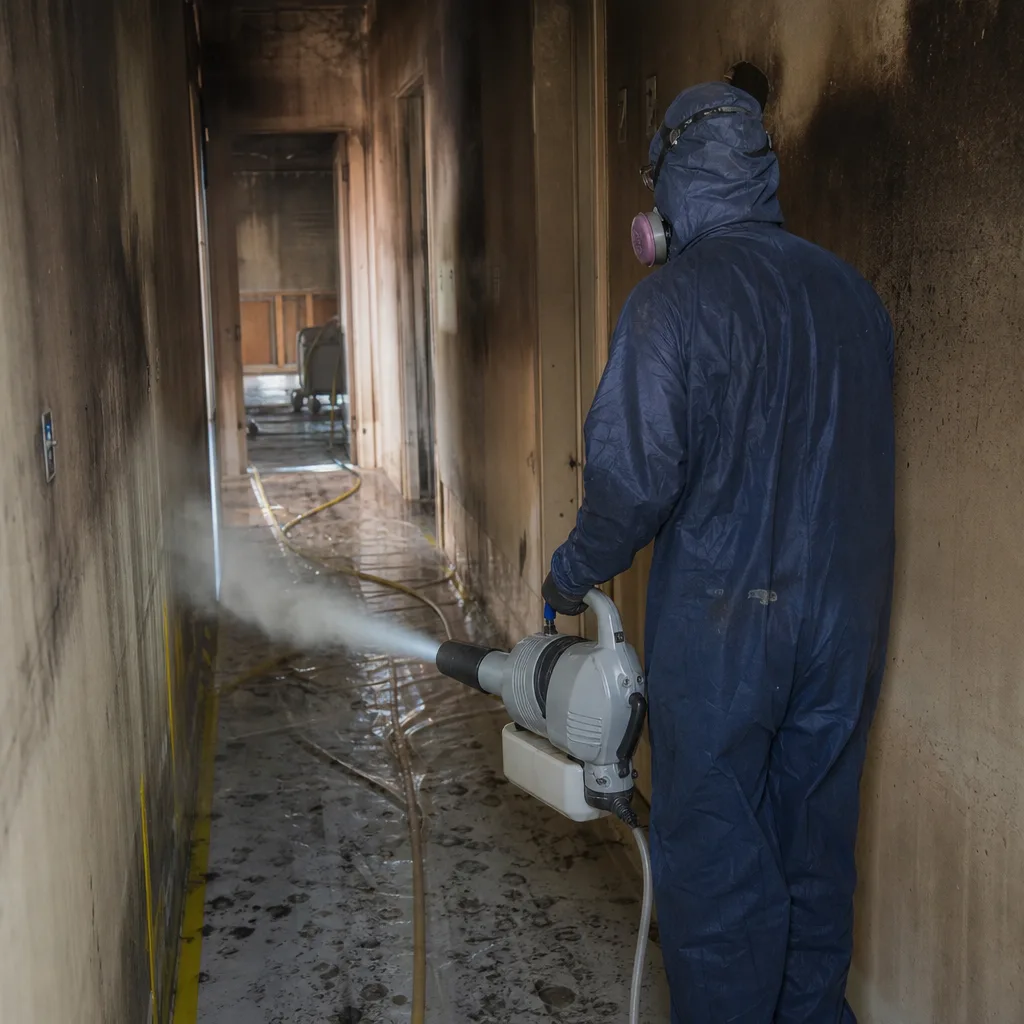
Air Quality Restoration
After remediation, we restore breathable air through HEPA filtration, duct cleaning where contamination has entered HVAC systems, and third-party clearance testing. In Marina del Rey’s salt-air environment, we also inspect for corroded ductwork that can reintroduce particulates after mold is removed. Air quality restoration is the step that separates completed remediation from cosmetic cleanup.
Crawl Space Treatment
Below-grade utility rooms and parking structure mechanical areas in Marina del Rey harbor-adjacent buildings face chronic humidity and occasional flooding. We install vapor barriers, dehumidification systems, and sump pumps where appropriate, with moisture monitoring to verify long-term control.
Moisture & Humidity Control
The harbor’s persistent marine layer makes passive drying impossible for much of the year. We deploy commercial dehumidification from Phoenix and XPOWER, sized to the cubic footage and sealed with containment, then log psychrometric data until the structure reaches dry standard. For property managers, we design ongoing humidity control strategies that account for the basin’s microclimate.
What happens when you call
- 1
A real person answersNo phone trees - you reach a local pro.
- 2
You get an upfront price rangeHonest numbers before anyone is dispatched.
- 3
A background-checked tech heads outLicensed & insured, dispatched right away.
- 4
You approve before work beginsNothing starts until you say go.
Mold Remediation Costs in Marina del Rey, CA
Single-room mold remediation in Marina del Rey typically runs $2,800-$4,500, including containment, HEPA air scrubbing, limited demolition, antimicrobial treatment, and reconstruction of removed drywall. Multi-room residential jobs with HVAC contamination range $5,500-$9,500. Multi-unit condominium projects with shared-assembly migration, corrosion treatment, and coordinated access to adjoining units start at $8,000 and can exceed $18,000 depending on the number of affected units and the extent of structural drying required.
What moves the price: square footage of affected and contained area; whether drywall, insulation, or flooring must be removed; HVAC duct contamination requiring mechanical cleaning; corrosion damage to metal framing or electrical components from salt-air exposure; and the complexity of coordinating multi-unit access in condominium buildings.
Most mold remediation resulting from sudden water intrusion is covered by standard homeowners insurance, subject to your policy’s limits and any mold-specific cap. Slow leaks over weeks or months may be denied as maintenance issues - which is why documenting the sudden event and response timeline matters for your claim. We provide the documentation. Call (424) 365-9728 for a free visual inspection and written scope - estimates are free, and you’ll know your exact cost before any work begins.
We Also Serve Cities Near Marina del Rey
Our crews respond throughout the westside Los Angeles basin. We regularly handle mold remediation in Marina del Rey and neighboring communities including Venice’s canal district and walk-street bungalows, Playa del Rey’s coastal condominiums and LAX-adjacent commercial properties, Culver City’s Arts District lofts and mid-century residential stock, and Santa Monica’s mixed-use developments from Ocean Avenue to Montana Avenue. Each community has distinct building eras, moisture patterns, and permitting requirements that our Mold Remediation team maps before arriving.
Serving Marina del Rey, CA - Our Local Coverage Area
We’re based in the Marina del Rey area and know this community well. Use the map below to see our service coverage - if you’re nearby, we can almost certainly help.
Marina del Rey Mold Remediation Questions, Answered
Why does mold spread so fast in Marina del Rey condos compared to inland LA?
The harbor basin traps a persistent marine layer with higher year-round humidity than Culver City or Santa Monica, and the 1960s-1980s condominium construction uses shared floor-ceiling assemblies that let moisture migrate between units before any owner sees visible damage. Salt-laden air also corrodes HVAC components faster, creating condensation points that feed hidden growth. Call (424) 365-9728 for moisture mapping that finds the migration path before it becomes a multi-unit containment.
Who issues the mold remediation permit in Marina del Rey?
LA County’s Department of Regional Planning, not LADBS - Marina del Rey is unincorporated LA County. Out-of-area contractors frequently file with the wrong jurisdiction, losing days on time-critical drying scopes. We pull permits through the correct office on every job. Call (424) 365-9728 and we’ll confirm permit status before work begins.
What does the salt air actually do to a mold job here?
Marina del Rey’s salt-laden harbor air accelerates corrosion of metal framing, electrical panels, and HVAC coils once moisture intrudes. A standard mold remediation that ignores corroded components leaves a secondary damage source that expands the scope months later. We include corrosion assessment and treatment in our written scope when salt-air exposure is present. Call (424) 365-9728 for an inspection that captures the full condition.
Can winter harbor flooding in Marina del Rey cause mold in ground-floor or below-grade spaces?
Yes - winter swell events push harbor water into ground-floor parking structures and utility rooms along the main channel and Basin E, a flood pattern specific to the harbor’s geography. Saltwater flooding requires different antimicrobial protocols than freshwater and accelerates metal corrosion. We pre-stage equipment for rapid response when surge warnings issue. Call (424) 365-9728 for emergency dispatch.
What’s the difference between your moisture mapping and a standard leak inspection?
A standard leak inspection finds the source of water entry. Our moisture mapping traces where that water has traveled - through drywall, into insulation, across floor-ceiling assemblies, and into adjoining units. We use thermal imaging, pinless and pin-type moisture meters, and psychrometric readings to build a three-dimensional moisture profile. In Marina del Rey’s stacked condominiums, this prevents the common failure of drying one unit while mold continues growing in the shared cavity next door. Call (424) 365-9728 to schedule mapping.
How fast can your crew actually get to Marina del Rey?
We typically arrive within 45 minutes of your call, with crews dispatched from our Los Angeles office carrying containment materials, HEPA air scrubbers, and moisture detection equipment. We answer live 24 hours a day - no voicemail, no next-business-day callbacks. Call (424) 365-9728 now and we’ll give you an exact ETA.
Will my insurance cover mold remediation in Marina del Rey?
Most sudden water intrusion events that lead to mold are covered, subject to your policy’s mold cap and deductible. Slow leaks over time may be denied as maintenance. The key is documentation: we photo-document the water source, moisture readings, response timeline, and remediation steps to support your claim. We bill directly and coordinate with your adjuster. Call (424) 365-9728 and we’ll review your situation at no charge.
Can we stay in our Marina del Rey condo during mold remediation?
For Category 1 surface remediation in a single room, often yes with containment isolation. For Category 2 or 3 involving demolition, multi-room containment, or HVAC contamination, we recommend temporary relocation until clearance testing confirms safe spore levels. We coordinate with your insurance on additional living expense documentation where coverage applies. Call (424) 365-9728 and we’ll assess your specific situation.
We got a call from a ground-floor unit off Via Marina where a corroded galvanized supply line had been weeping into the wall cavity for weeks behind the baseboards. Our tech ran moisture mapping across the shared floor-ceiling assembly, found the drywall reading saturated well past the 24-to-48-hour mold window, and built a containment with HEPA air scrubbers and Injectidry panel drying before we opened the adjacent unit’s ceiling. The salt-laden harbor air had already started etching the metal framing, so we ran antimicrobial treatment on the studs and logged every moisture reading for both owners’ insurance carriers.
Written by Alicia Brennan, Owner at Back to Dry Restoration, serving Marina del Rey since 2011.
Mold Remediation in Nearby Areas