
Free visual inspection and a written scope of work before any mitigation begins - photos, moisture readings, and drying logs go in your claim file
The scope we write is the scope we bill. Anything new gets shown to you, in writing, before we touch it.
 Before
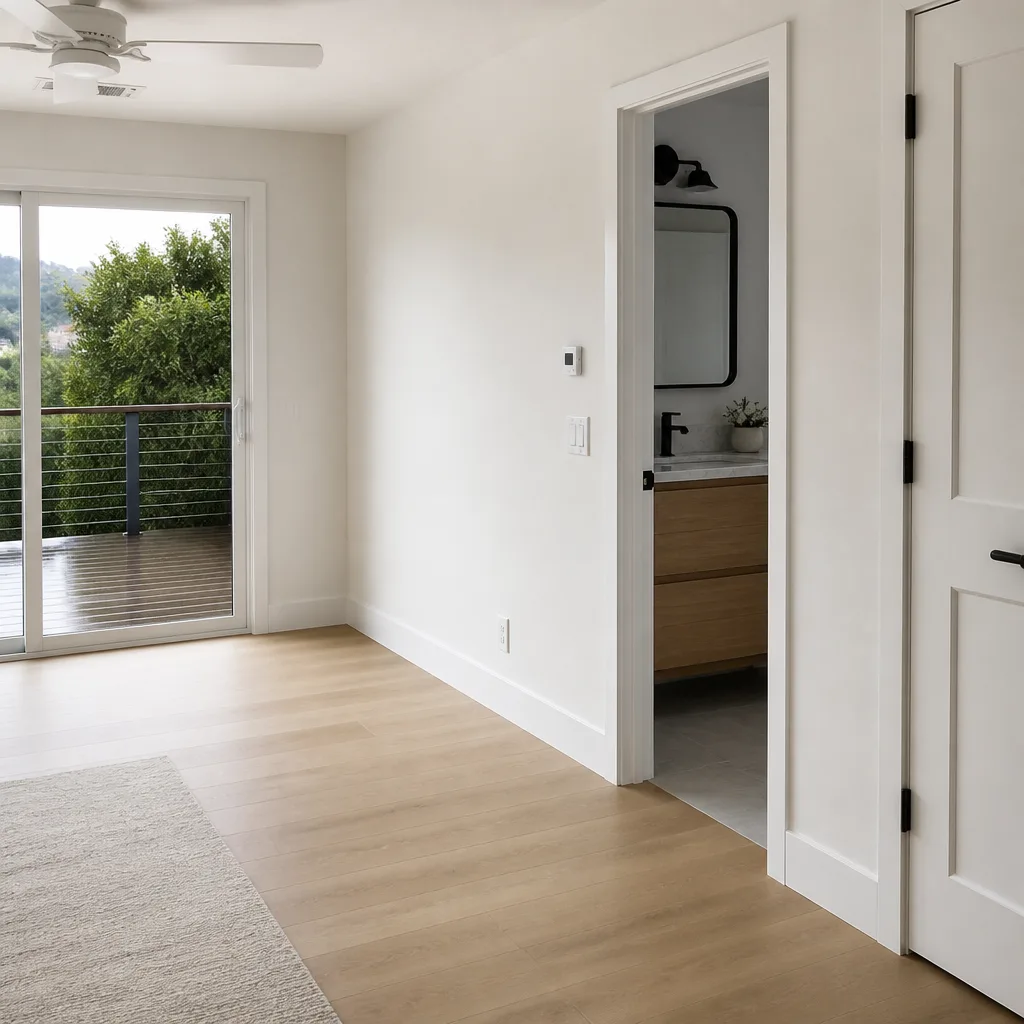 After
After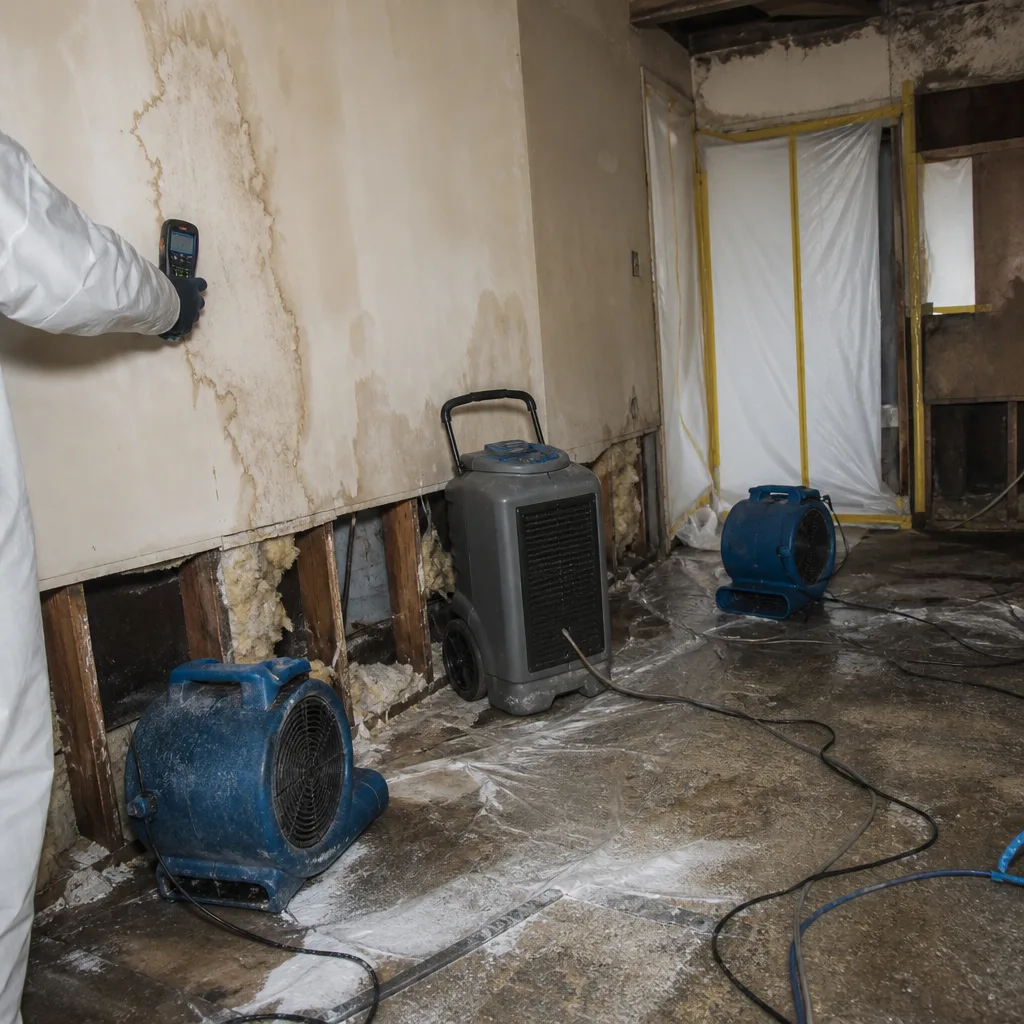 Before
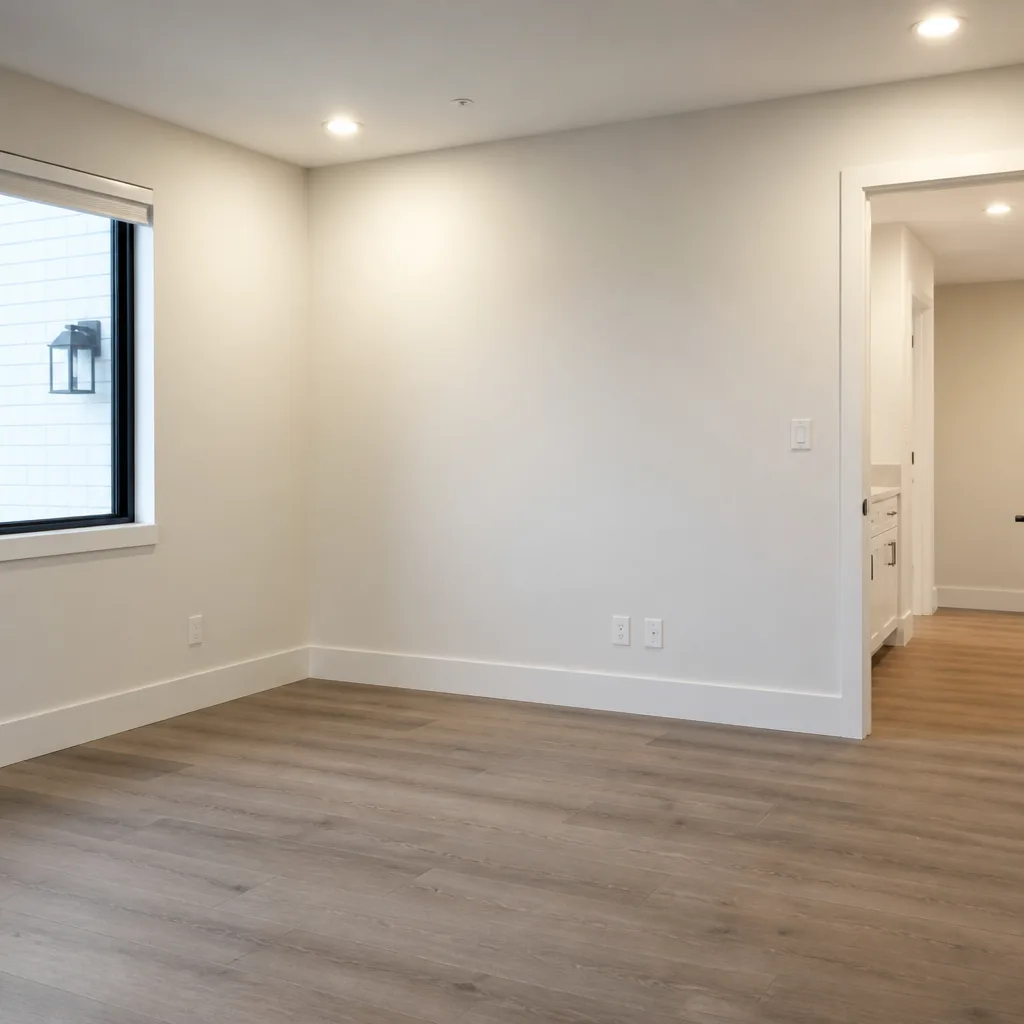 After
After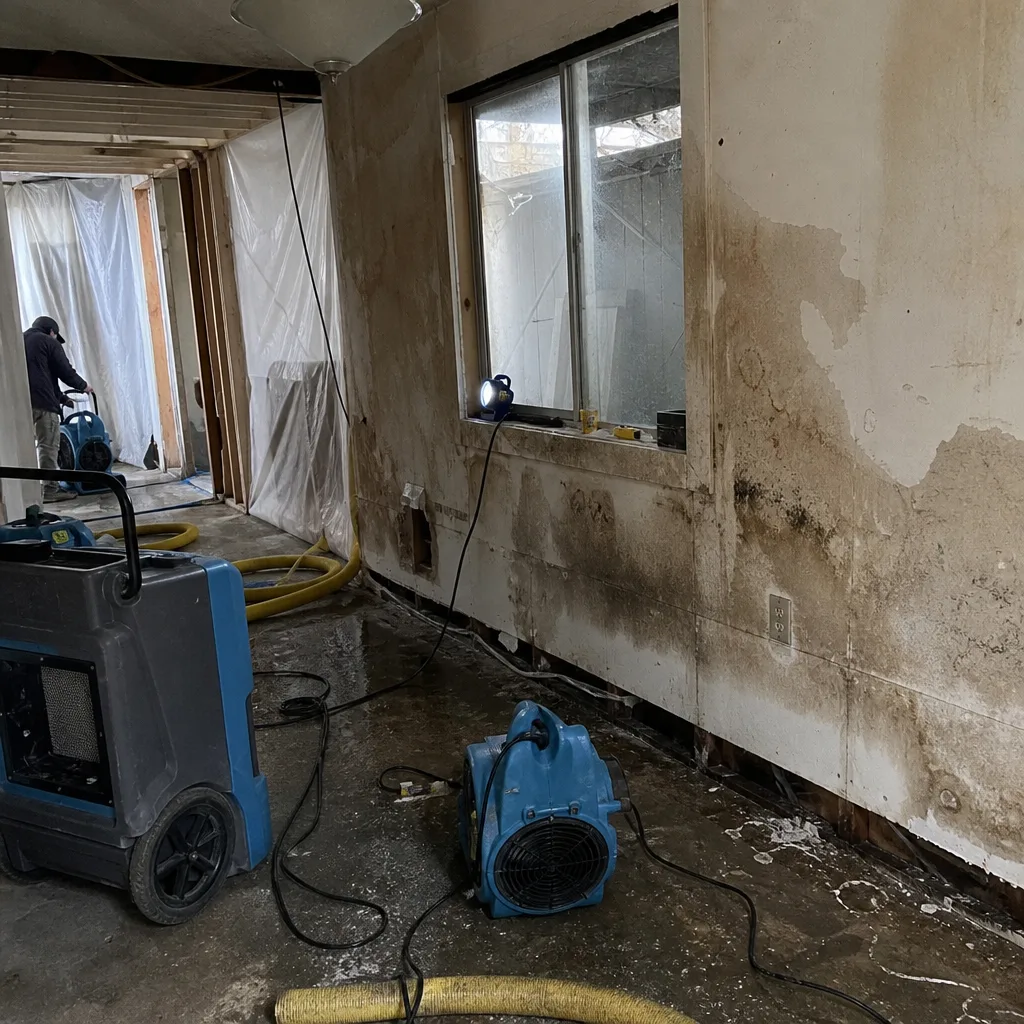 Before
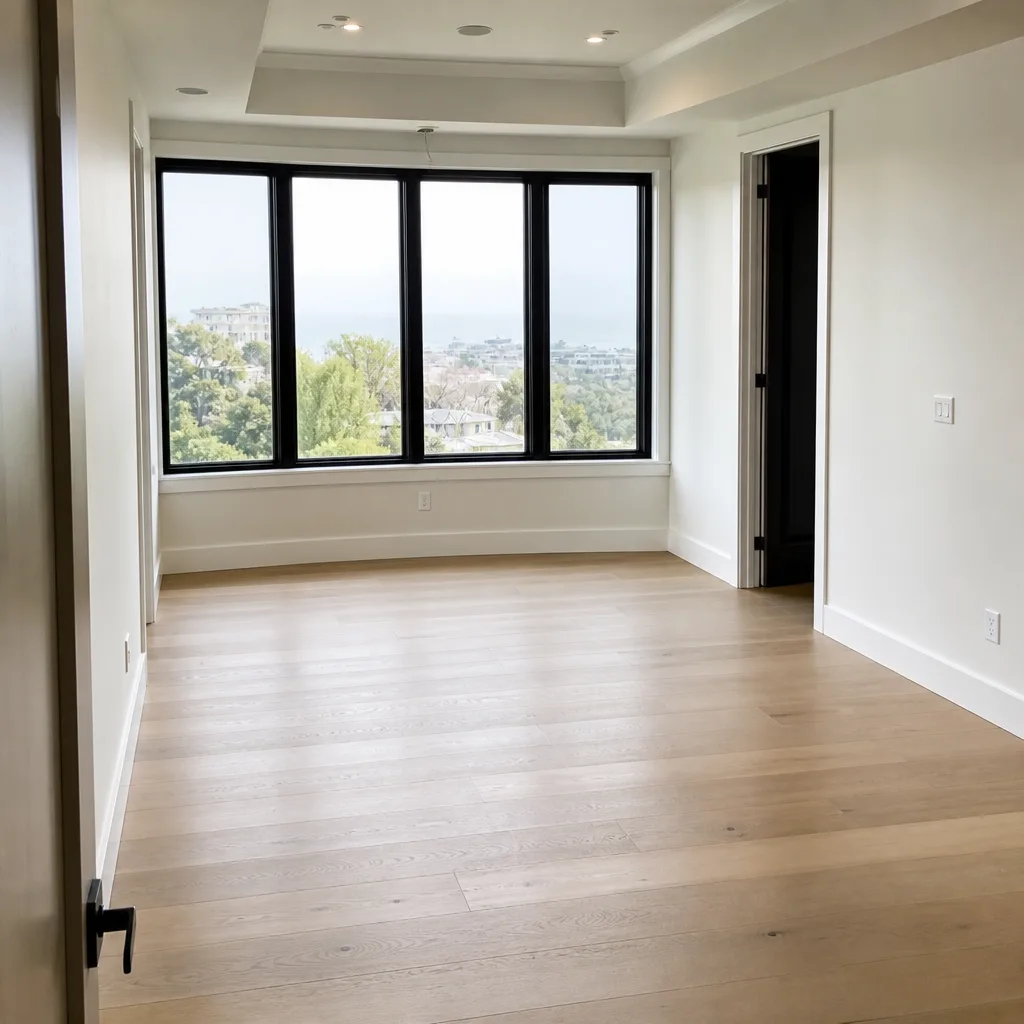 After
After24/7 Emergency Water Damage Restoration in Topanga
Water damage restoration in Topanga typically costs $2,800-$7,500 for most residential losses, with emergency extraction starting at $1,200-$2,400 and full structural drying running $3,200-$5,800 for a standard cabin. Crews from our Water Damage Restoration team can be on-site in Topanga within 45 minutes when you call (424) 365-9728. We answer live, 24 hours a day, 7 days a week - no voicemail, no callbacks tomorrow while water keeps moving through your floors. The first hour determines whether you’re looking at extraction and drying or a full gut-and-rebuild. In Topanga’s 1950s-1970s wood-frame cabins, water travels fast through unsealed wall cavities and original redwood framing that was never built with modern moisture barriers. We bring thermal imaging, moisture meters, and extraction equipment on every emergency call, and we provide a written price before any work starts - Haven Standard, Clause 1.
Understanding Water Damage Restoration Severity in Topanga Properties
Water damage in Topanga falls into three categories under IICRC standards. Category 1 is clean water from a burst supply line or overflowing sink - still urgent, but manageable with extraction and structural drying. Category 2 carries contaminants, often from dishwasher discharge or a compromised sump in one of Topanga’s many homes on private septic systems. Category 3 is black water: sewage backup, floodwater from Topanga Creek overflow, or post-fire debris flow carrying ash and hillside sediment into living spaces.
Most Topanga properties we see are Category 1 or 2 that degrade to Category 3 when left untreated. The severity escalates quickly in legacy construction. A 1960s cabin on Fernwood Pacific Drive with unpermitted additions may have no vapor barrier behind the drywall, no weep screed at stucco transitions, and original single-pane windows that condense moisture into wall cavities. Our crews use psychrometric data - temperature, relative humidity, and vapor pressure differential - to calculate exactly how much dehumidification capacity a given structure needs. Without this calculation, you’re guessing at drying time and risking secondary mold growth in hidden framing. Moisture mapping with thermal imaging finds water that surface readings miss, particularly critical in Topanga’s non-standard construction where wall assemblies don’t match any textbook diagram.
Why Topanga Property Owners Choose DryMark Restoration Pacific Palisades
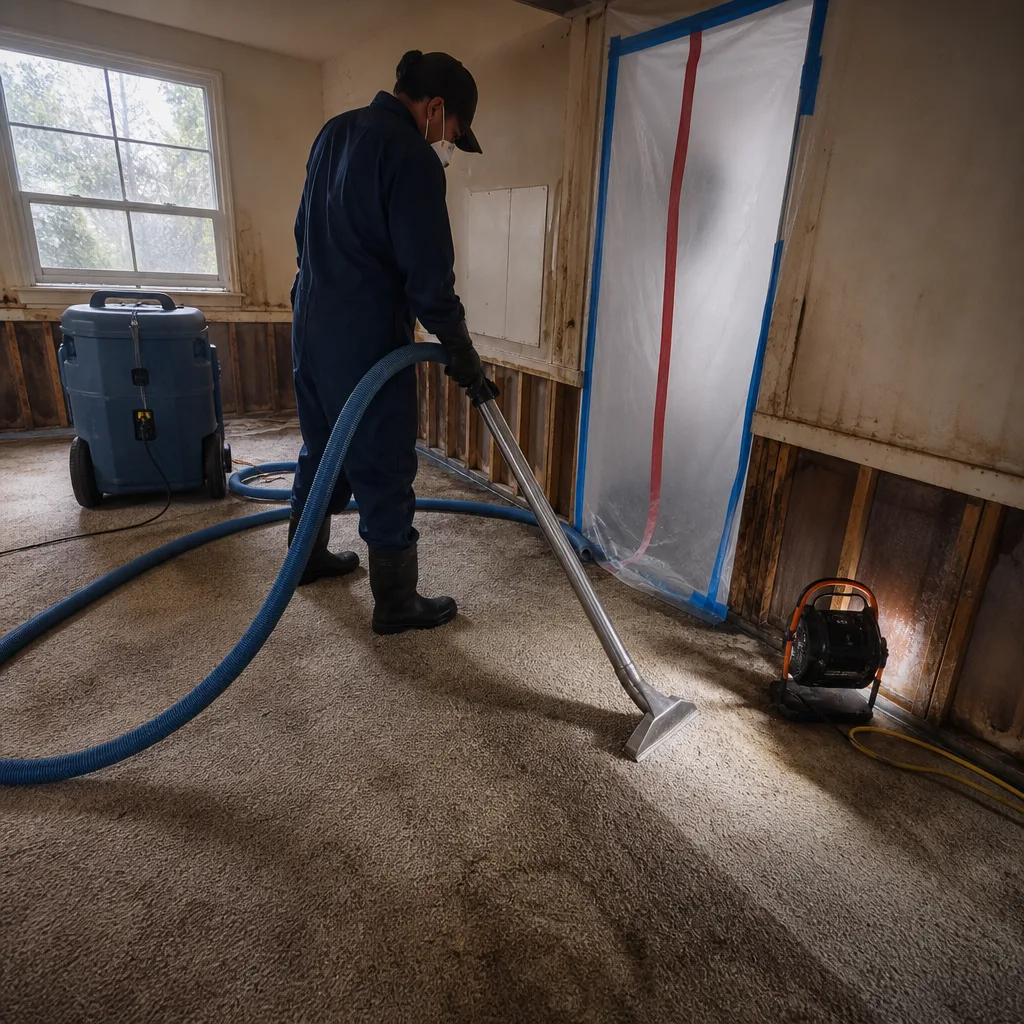
- 45-minute response commitment to Topanga properties - we dispatch from our Los Angeles office with crews already positioned for canyon access.
- 24/7 live answer by a real person, never an automated system or voicemail tree; your call is answered by someone who can dispatch immediately.
- IICRC-certified crews holding WRT (Water Damage Restoration Technician) and ASD (Applied Structural Drying) credentials, with AMRT (Applied Microbial Remediation Technician) certification for mold-prone Topanga cabins.
- Free visual inspection and moisture assessment - we document what we find before proposing any work.
- Direct insurance billing with photo-documented estimates that adjusters recognize and approve without dispute.
- One team from extraction through reconstruction - no handoffs between subcontractors, no gaps in documentation.
 Before
 After
AfterOur Water Damage Restoration Process
1. Inspection & Assessment
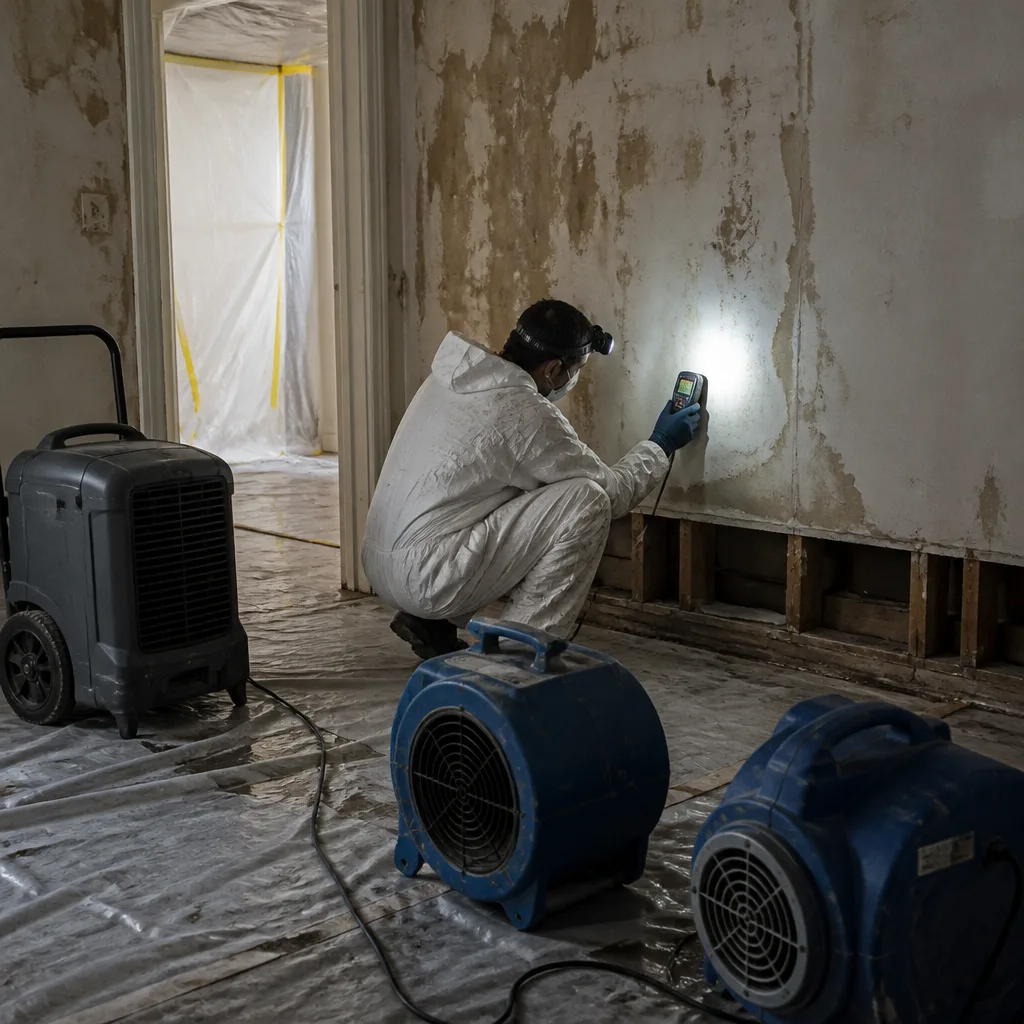
We arrive with thermal imaging cameras, penetrating and non-penetrating moisture meters, and hygrometers to map the full extent of water migration. In Topanga’s legacy cabins, we pay particular attention to unpermitted wall cavities and original framing where water hides from surface inspection. You receive a written scope and price before any work begins - Haven Standard, Clause 1.
2. Extraction & Stabilization
Standing water is removed with truck-mounted extraction systems and portable submersible pumps. For Category 2 and 3 losses, we establish containment barriers and negative air pressure to prevent cross-contamination. We document every affected room with photos before touching anything - the first images your adjuster will see.
3. Structural Drying & Dehumidification
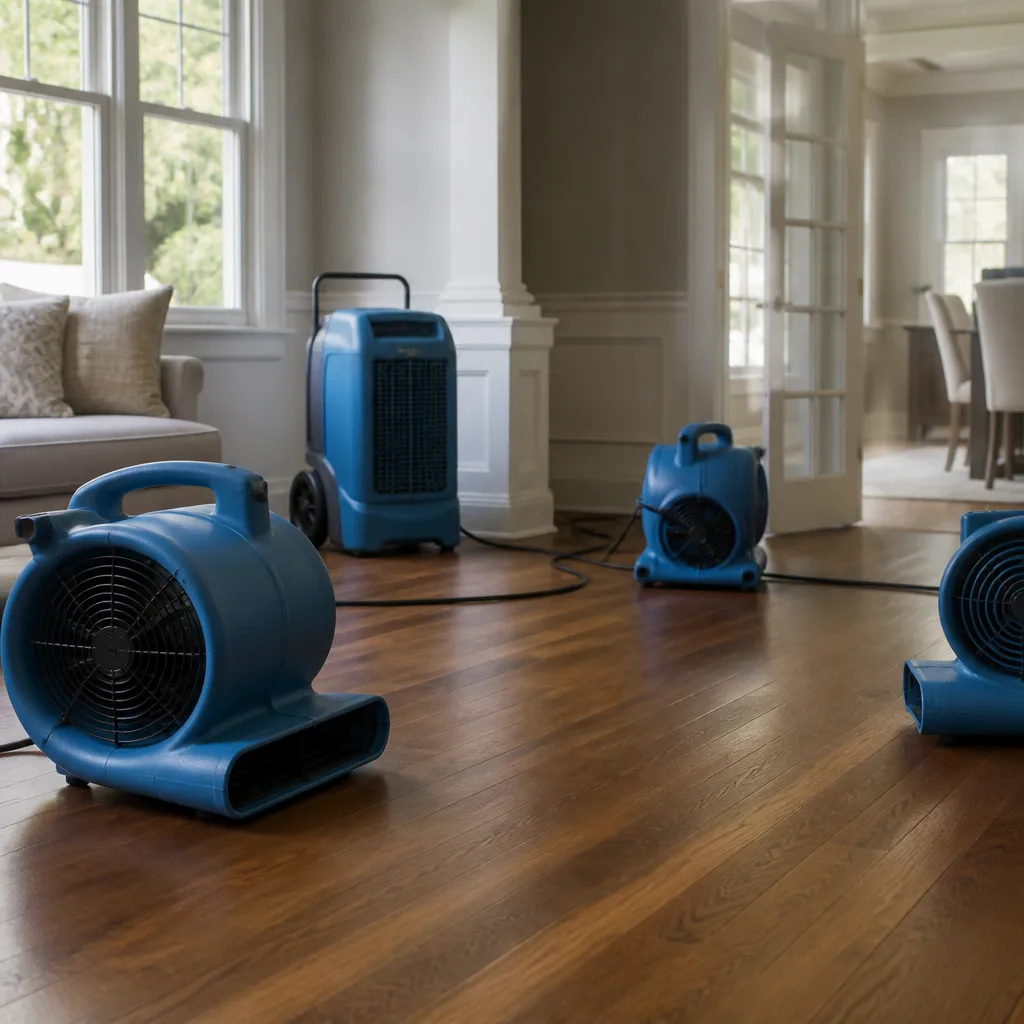
We deploy Dri-Eaz and Phoenix LGR dehumidifiers, XPOWER and B-Air axial air movers, and Injectidry hardwood floor drying systems based on the psychrometric calculation for your specific structure. Daily moisture logs track progress to IICRC S500 standards, with readings taken at identical points every 24 hours until materials reach dry standard.
4. Cleaning & Sanitization
All affected surfaces receive antimicrobial treatment appropriate to the water category. In Topanga’s wood-frame cabins with original redwood or cedar features, we select products that sanitize without compromising historic materials. HEPA air scrubbers run continuously during this phase.
5. Specialty Treatment for Legacy Construction
Topanga’s unpermitted additions and non-standard framing require custom drying plans that standard protocols can’t address. We may install temporary containment around exposed studs, apply slow-drying techniques to preserve original wood features, or coordinate with structural engineers when fire-damaged hillside supports compound water damage.
6. Repairs & Restoration
Our reconstruction team rebuilds to match existing finishes, whether that’s reclaimed redwood paneling, period-appropriate fixtures, or modern code-compliant upgrades where required. The 365-Day Done Right Promise under The Haven Standard covers all work - if it’s not right, we make it right.
Need Emergency Water Damage Restoration in Topanga Now?
Crews minutes away, answering live 24 hours a day. The sooner we start, the less it costs.
Working With Your Insurance Company
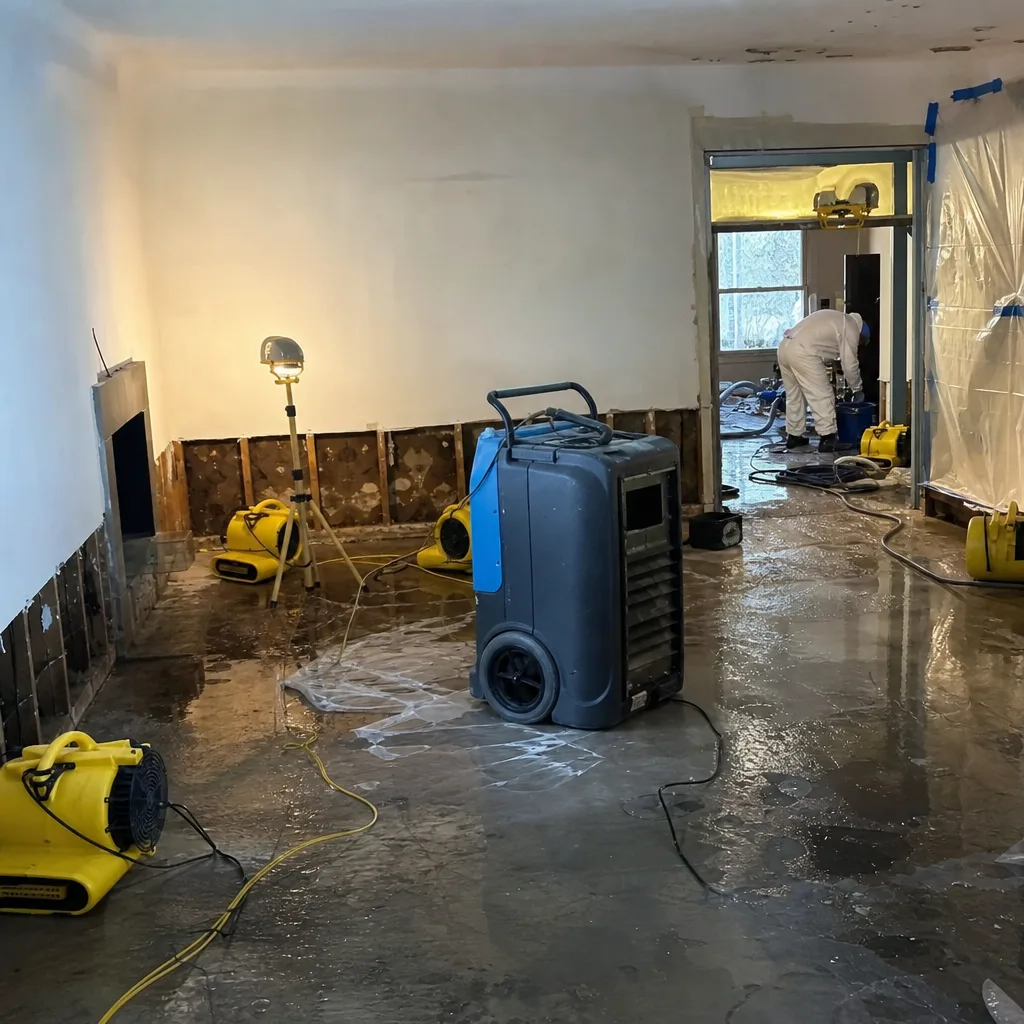
We built our documentation system around what adjusters actually need to approve a claim. Alicia Brennan founded Back to Dry Restoration in 2011 after working as a claims adjuster and watching homeowners lose thousands to restoration invoices that lacked the paper trail carriers require. Every Topanga job starts with photo documentation before we touch anything, continues with daily moisture logs and drying records, and ends with a complete scope of work delivered to your adjuster directly.
We write Xactimate-compatible estimates using industry-standard pricing databases. Your adjuster receives the same documentation we give you: no hidden line items, no scope creep, no surprises at claim review. Direct coordination with your carrier means you’re not chasing paperwork while trying to live in a damaged home. The photo record on every visit is standard, never an upsell - Haven Standard, Clause 4.
What We Provide Your Insurer
- Thorough documentation of the loss
- Photos of all damage, room by room
- Moisture readings and drying logs
- A detailed, line-item scope of work
- Direct coordination with your carrier
Built for Topanga’s Loss Calendar
Topanga’s water damage season runs opposite to what most Angelenos expect. January through March brings the heaviest Pacific storms, and in post-fire years, those storms carry mud and debris flows down denuded chaparral slopes. Properties along Topanga Creek and the lower canyon near the Pacific Coast Highway intersection see repeated flooding when the creek overtops its banks. The same homes may have suffered smoke and ash damage six months earlier, leaving compromised roofing and failed moisture barriers that let winter rain penetrate faster.
April through June is recovery season - the critical window when structural drying and any reconstruction must be completed before the next fire cycle begins. July through October is Santa Ana wind season: dry, hot, and fire-prone, but also when aging galvanized supply lines in hillside homes fail from thermal expansion stress. November and December bring the first Pacific storms, often catching homeowners who deferred repairs from the previous season.
The compound disaster cycle is what separates Topanga from flatland Los Angeles. A home on Tuna Canyon Road can face fire evacuation in October, debris-flow flooding in January, and a second round of water damage in March when saturated hillsides slump. Our crews plan for this sequence. Pre-storm scheduling is standard practice here, not a premium service.
Water Damage Restoration Across Topanga’s Neighborhoods
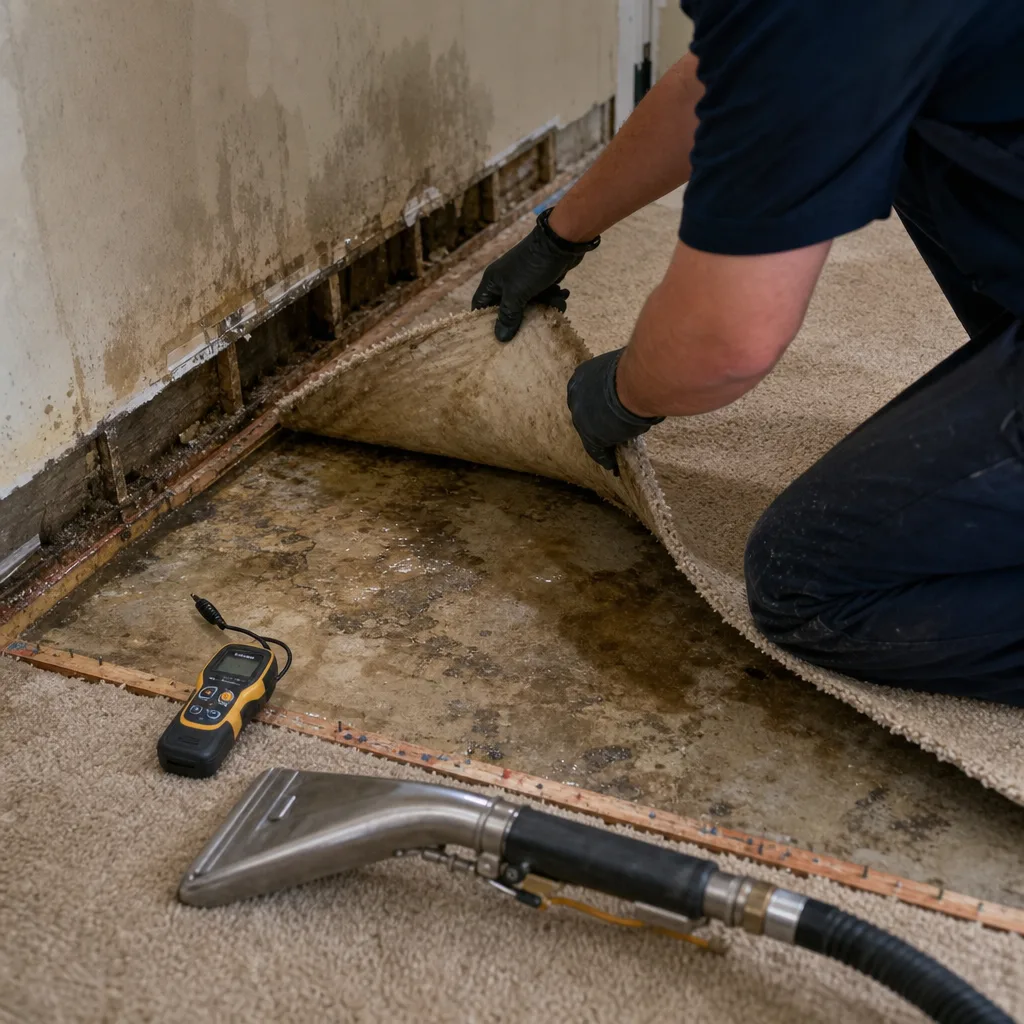
Topanga is not one community but several distinct canyon zones, each with its own access constraints and typical loss patterns.
Topanga Canyon proper, along Topanga Canyon Boulevard from the Pacific Coast Highway to the summit, holds the densest concentration of 1950s-1970s cabins. Many sit on steep lots with driveways that flood before the structure does, trapping water against foundations. Our crews carry portable extraction equipment up stairs and narrow paths when truck access fails.
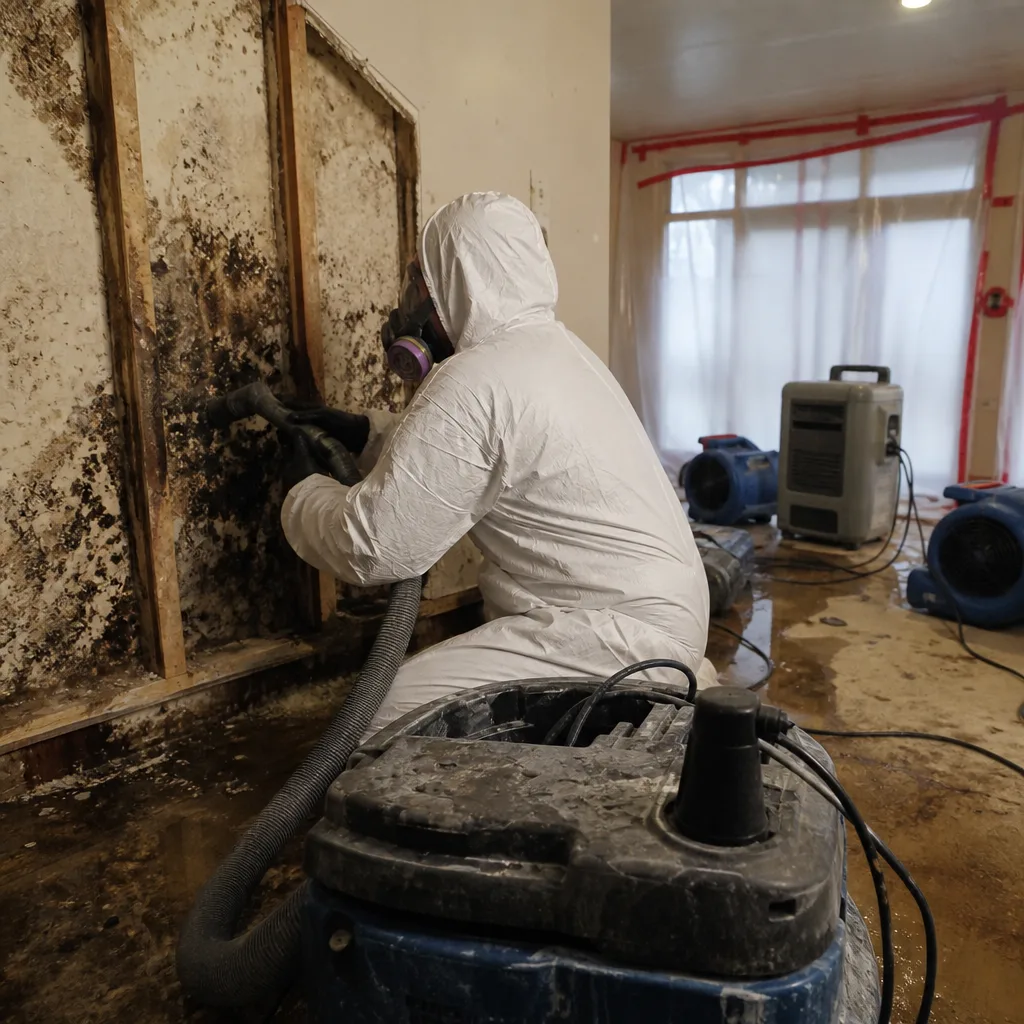
Old Topanga Canyon Road and the upper canyon neighborhoods - Sylvia Park, Greenleaf Canyon, the ridges above - have the oldest housing stock and the most unpermitted construction. When a burst pipe flooded a 1960s wood-frame cabin on Old Topanga Canyon Road, our crew used moisture mapping and thermal imaging to trace hidden water behind non-standard, unpermitted wall framing that had no moisture barrier. We set up containment, deployed Dri-Eaz and Phoenix air movers and dehumidifiers for structural drying, and applied antimicrobial treatment to the exposed original redwood studs. The homeowner was relieved we completed extraction before the next storm closed Topanga Canyon Boulevard and risked secondary flood damage from the hillside above.
Fernwood and the lower canyon near the Topanga Library see more basement and crawl space flooding from seasonal groundwater rise. These homes often have original concrete slab foundations with no perimeter drainage - water rises through slab cracks and sits until extracted.
Tuna Canyon and the ocean-facing ridges face the harshest fire-flood sequence. Properties here may need water damage restoration, fire damage restoration, and mud/debris removal in a single 12-month period. Our documentation system tracks each loss separately for insurance purposes, even when the same structure is affected twice.
Specialized Water Damage Restoration Services We Offer in Topanga
Emergency Water Extraction
Standing water is removed within hours, not days. In Topanga, this matters especially when Topanga Canyon Boulevard closure is forecast - we extract and stabilize before access is cut. Truck-mounted systems handle most jobs; portable extractors reach cabins with limited driveway access. Typical range in Topanga: $1,200-$2,400 for initial extraction.
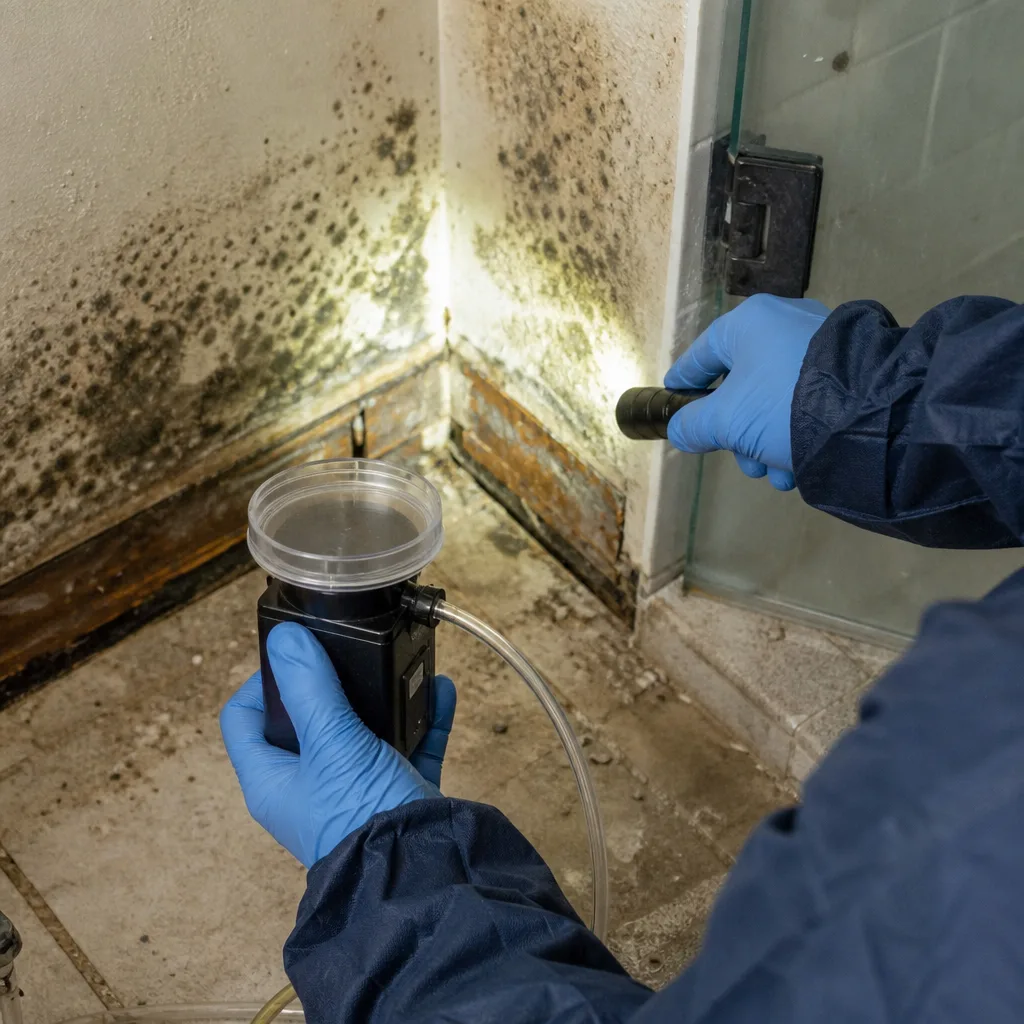
Structural Drying & Dehumidification
We calculate dehumidification load using psychrometric formulas, not rules of thumb. A 1,200-square-foot 1960s cabin with uninsulated walls may need 50% more dehumidifier capacity than a modern structure of identical footprint. Daily moisture logs prove drying progress to your insurer. Typical range: $3,200-$5,800 for standard residential drying.
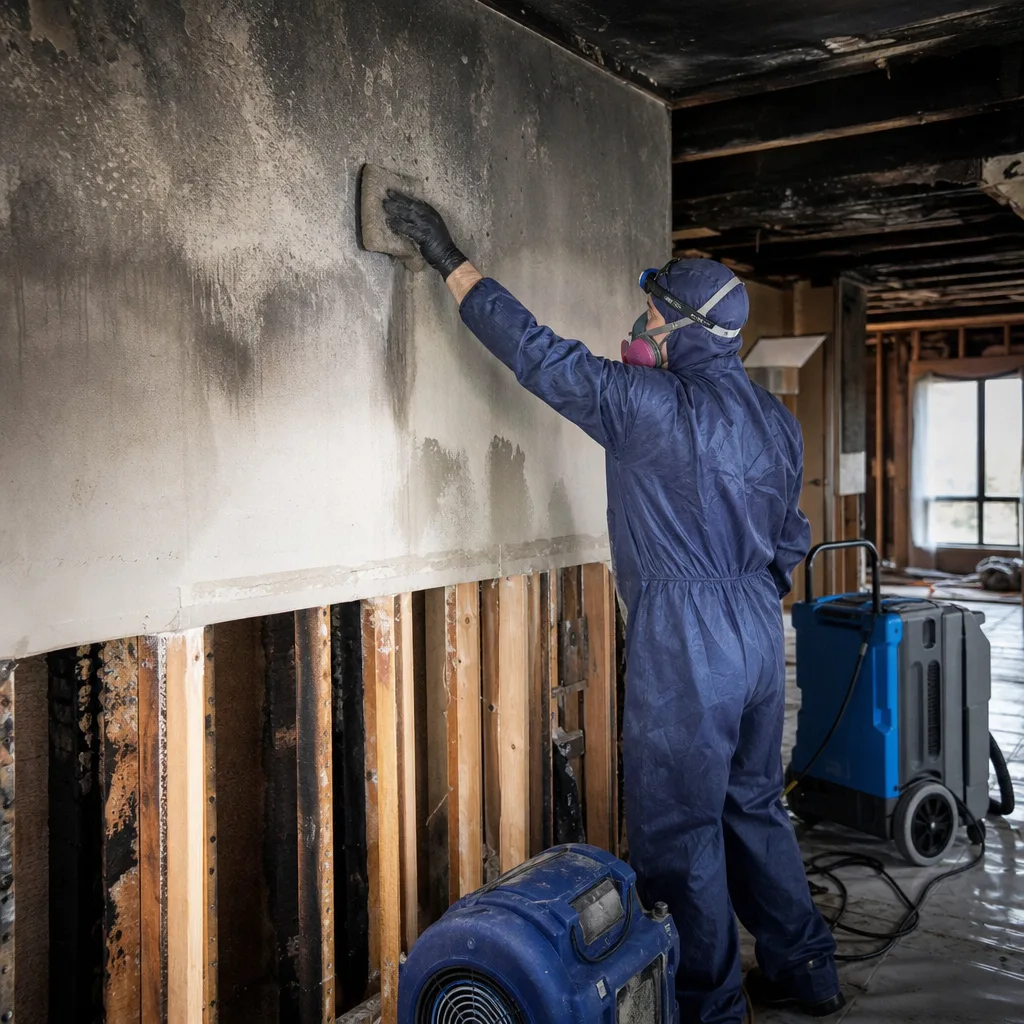
Flood Cleanup
Topanga Creek flooding and post-fire debris flows bring Category 3 contamination: mud, ash, and hillside sediment. We handle full muck-out, pressure washing, antimicrobial treatment, and air quality testing before reconstruction. These jobs run higher due to contamination protocols: $4,500-$9,500 typical.
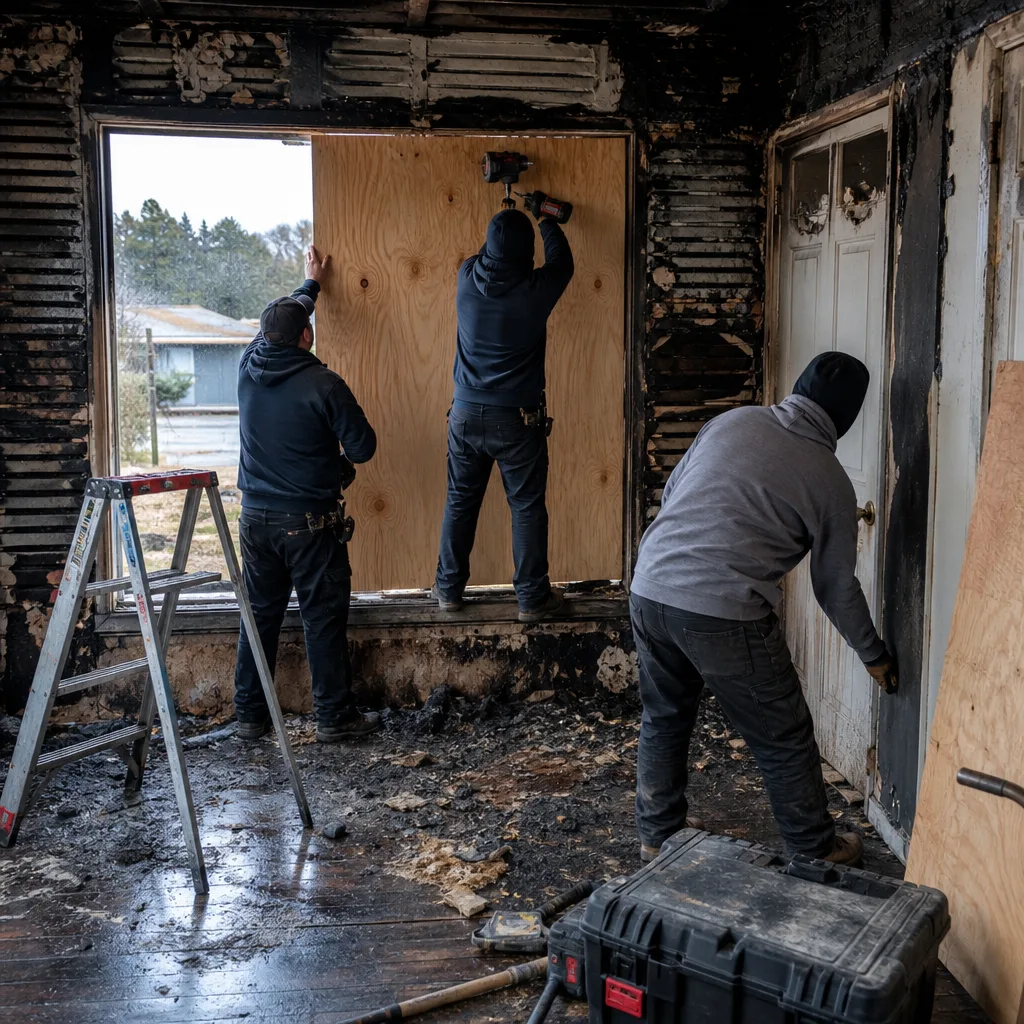
Burst Pipe Restoration
Galvanized supply lines in Topanga’s legacy homes corrode from the inside; polybutylene installations from the 1980s are past service life. We extract water, dry structure, and coordinate with licensed plumbers for line replacement. The full job including drying and minor repairs: $3,800-$6,200.
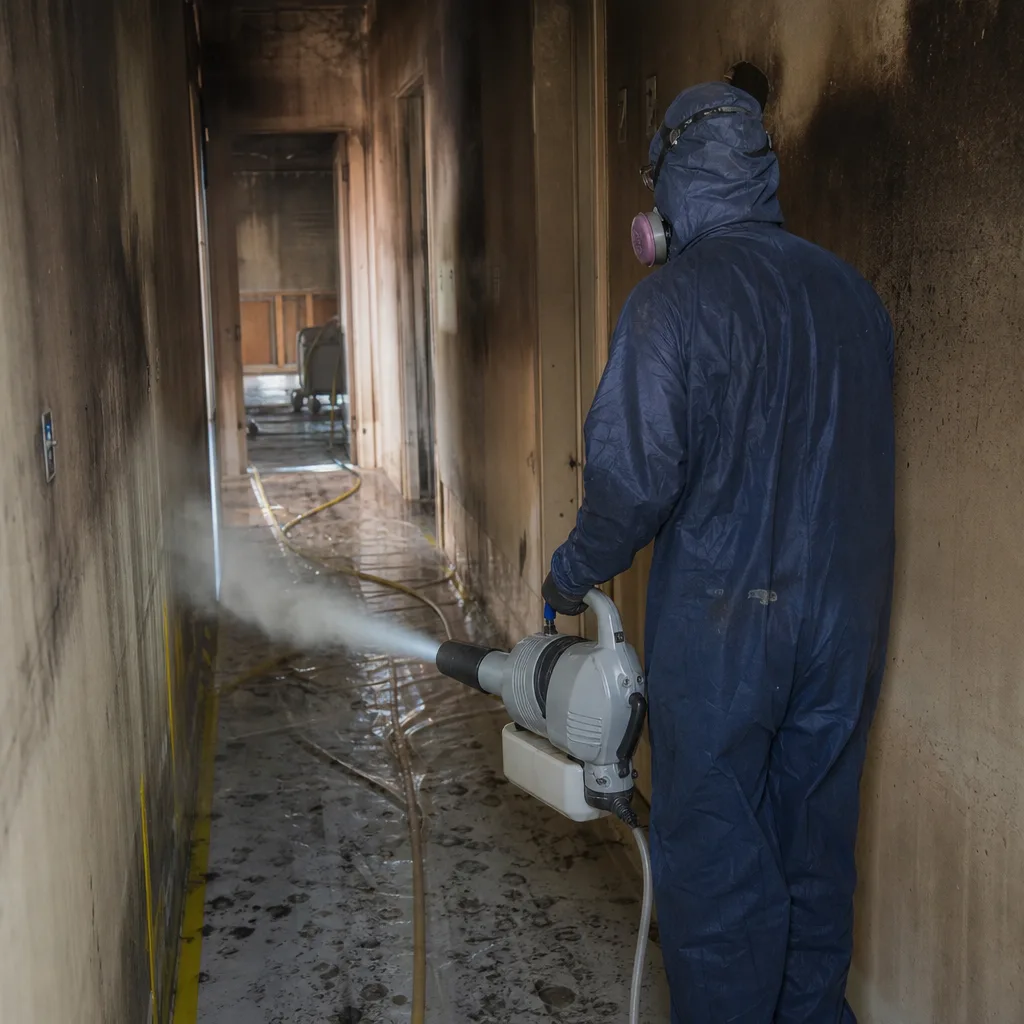
Basement Water Removal
True basements are rare in Topanga’s hillside construction, but partial excavations and daylight basements on Fernwood properties flood seasonally. Submersible pumps, portable extractors, and slab injection drying address these confined spaces. Typical range: $2,400-$4,800.
What happens when you call
- 1
A real person answersNo phone trees - you reach a local pro.
- 2
You get an upfront price rangeHonest numbers before anyone is dispatched.
- 3
A background-checked tech heads outLicensed & insured, dispatched right away.
- 4
You approve before work beginsNothing starts until you say go.
Water Damage Restoration Costs in Topanga, CA
| Service | Typical Range in Topanga |
|---|---|
| Emergency water extraction | $1,200 - $2,400 |
| Structural drying & dehumidification (standard cabin) | $3,200 - $5,800 |
| Category 3 flood cleanup (debris flow/mud) | $4,500 - $9,500 |
| Burst pipe restoration (including drying) | $3,800 - $6,200 |
| Basement/crawl space water removal | $2,400 - $4,800 |
| Full reconstruction after major loss | $8,500 - $25,000+ |
What moves the price: water category (clean vs. contaminated), affected square footage, whether unpermitted additions require custom containment, and whether the job must be completed under storm-window pressure. Insurance typically covers sudden and accidental water damage; gradual leaks and maintenance issues are usually excluded. We review your policy language with you and document the loss to support covered-peril arguments. Every estimate is free, written, and delivered before work starts - call (424) 365-9728 for yours.
We Also Serve Cities Near Topanga
Our crews respond throughout the west San Fernando Valley and Santa Monica Mountains, including Water Damage Restoration in Topanga and surrounding communities. We regularly serve Tarzana for valley-floor slab leaks and aging condominium plumbing, Pacific Palisades for hillside drainage failures and ocean-adjacent moisture intrusion, Sherman Oaks for post-1994 Northridge earthquake retrofit plumbing failures, and Santa Monica for historic courtyard apartment water damage. Each area gets the same documentation-first approach, adjusted for local building stock and loss patterns.
Serving Topanga, CA - Our Local Coverage Area
We’re based in the Topanga area and know this community well. Use the map below to see our service coverage - if you’re nearby, we can almost certainly help.
Topanga Water Damage Restoration Questions, Answered
Why is water damage restoration in Topanga different from other parts of Los Angeles?
Topanga’s combination of 1950s-1970s wood-frame cabins, many with unpermitted additions and no moisture barriers, plus single-road canyon access that closes during storms, creates restoration challenges flatland contractors rarely face. Moisture hides in non-standard wall cavities. Equipment delivery faces hard deadlines before road closures. Post-fire debris flows can re-flood structures that were just dried. These factors require custom drying plans and pre-storm scheduling that generic Los Angeles protocols don’t address. Call (424) 365-9728 for a free inspection written to Topanga’s specific conditions.
How quickly can mold grow after a water leak in a Topanga cabin?
Mold can begin colonizing within 24 to 48 hours in Topanga’s legacy wood-frame construction, faster than in modern structures because original redwood and cedar framing lacks the moisture barriers and sealed cavities that slow spore germination. Unpermitted additions often have no vapor retarder at all, meaning wall cavities stay wet longer. This is why we emphasize thermal imaging on every Topanga inspection - surface dryness is deceptive when hidden framing remains above 16% moisture content. Call (424) 365-9728 for immediate assessment.
What should I do if a burst pipe floods my Topanga home while the canyon road is closed?
Shut off the main water supply immediately, then call (424) 365-9728 - our dispatch coordinates with CHP and Caltrans to determine access status and routes alternative approaches when possible. If the road is fully closed, we guide you through temporary stabilization steps by phone: removing standing water with any available pump, elevating furniture, and creating airflow with fans. We position crews at the closure point to enter the moment the road reopens. Documentation of your immediate response also supports your insurance claim.
Can you dry out my home without removing original wood features in my Topanga cabin?
Yes, in most cases. We use controlled drying techniques - lower temperature, higher airflow, and extended time - to preserve original redwood paneling, exposed beams, and vintage cedar siding. Injectidry systems dry wall cavities through small injection ports rather than removing finish materials. The trade-off is longer drying time, typically 5-7 days versus 3-4 for standard construction, but the original fabric of your cabin remains intact. Your written scope specifies which approach we recommend before any work begins.
How do you handle water damage in unpermitted additions common in Topanga?
We treat unpermitted additions as unique structures requiring individual assessment. Thermal imaging and borescope cameras reveal actual framing configuration, since no permitted plans exist. We design custom containment and drying plans that account for whatever we find - sometimes post-and-beam, sometimes balloon framing, sometimes hybrid construction that changed between original build and addition. Our documentation includes photos of the actual assembly for your records and your insurer’s review. This is standard on every Topanga job, not a special service.
Will my insurance cover water damage restoration in Topanga?
Sudden and accidental water damage - burst pipes, appliance failures, storm intrusion through damaged roofing - is typically covered under standard homeowners policies. Gradual damage from maintenance neglect, repeated seepage, or known pre-existing leaks is usually excluded. Topanga’s compound disaster cycle can complicate claims when fire damage preceded water damage; we document each loss separately with date-stamped photos and moisture logs to establish causation. Direct adjuster coordination is standard on every job. Call (424) 365-9728 and we’ll review your coverage specifics.
How long does structural drying take in a typical Topanga cabin?
Standard drying for a 1,200-1,800 square foot Topanga cabin runs 3-5 days with modern construction, 5-7 days with original wood features requiring preservation drying. Unpermitted additions with hidden moisture may extend this if we discover secondary wet zones after initial extraction. We don’t guess at completion - daily moisture logs with specific percentage readings at documented locations determine when equipment comes out. Your insurer receives the same logs, so there’s no dispute about whether drying was adequate.
Can we stay in our home during water damage restoration?
For Category 1 clean water losses affecting limited areas, often yes - with containment barriers and air scrubbers running. For Category 2 or 3 contamination, or when multiple rooms are affected, temporary relocation is safer and usually required by insurance. In Topanga’s smaller cabins, even limited water damage may compromise the only bathroom or kitchen, making stay-in-place impractical. We tell you honestly during the initial inspection, with no pressure either way. Your written scope includes a clear occupancy recommendation.
Call (424) 365-9728 now for emergency water damage restoration in Topanga. We answer live, dispatch within 45 minutes, and provide a written price before any work begins - Haven Standard, Clause 1. Free inspections. Free second opinions on any competitor’s written estimate. Documentation that gets your claim paid.
Written by Alicia Brennan, Owner at Back to Dry Restoration, serving Topanga since 2011.
Water Damage Restoration in Nearby Areas