
Last updated September 23, 2026
Free visual inspection and a written scope of work before any mitigation begins - photos, moisture readings, and drying logs go in your claim file
The scope we write is the scope we bill. Anything new gets shown to you, in writing, before we touch it.
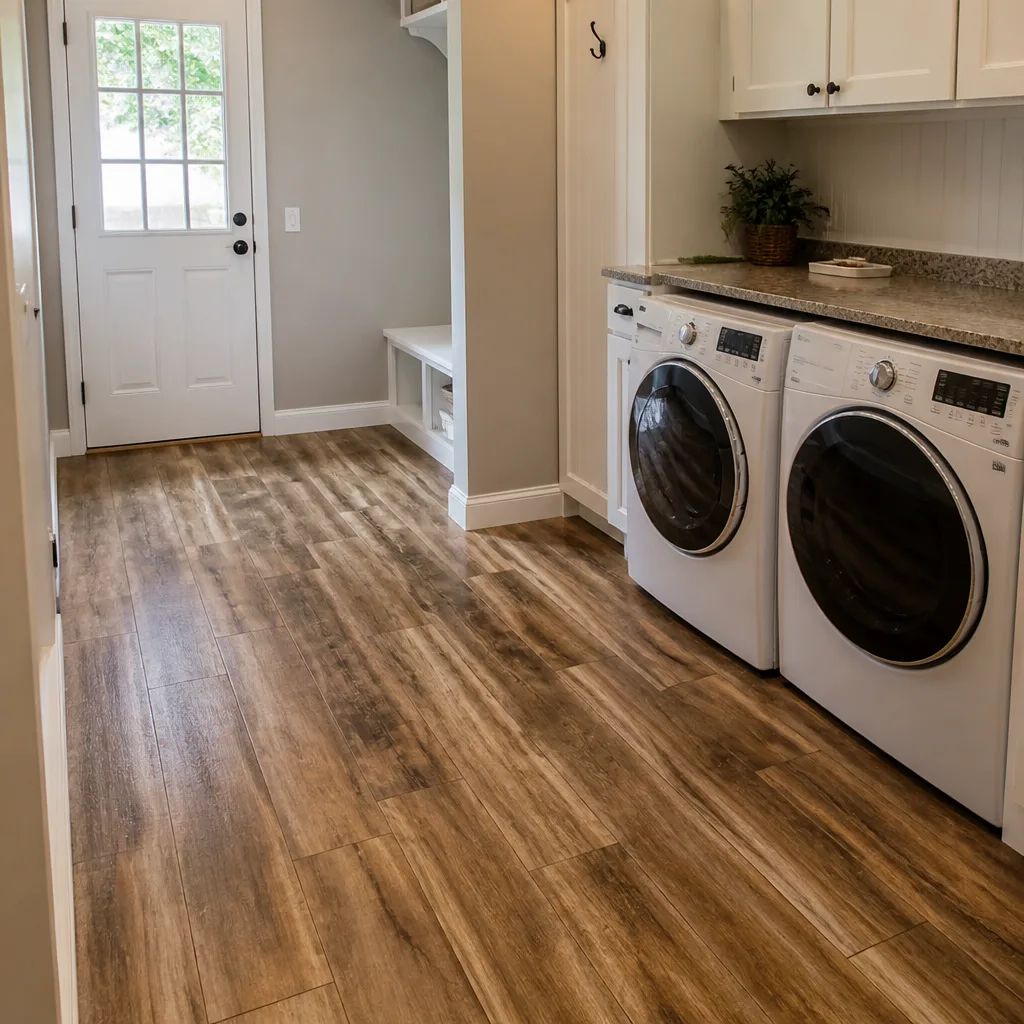
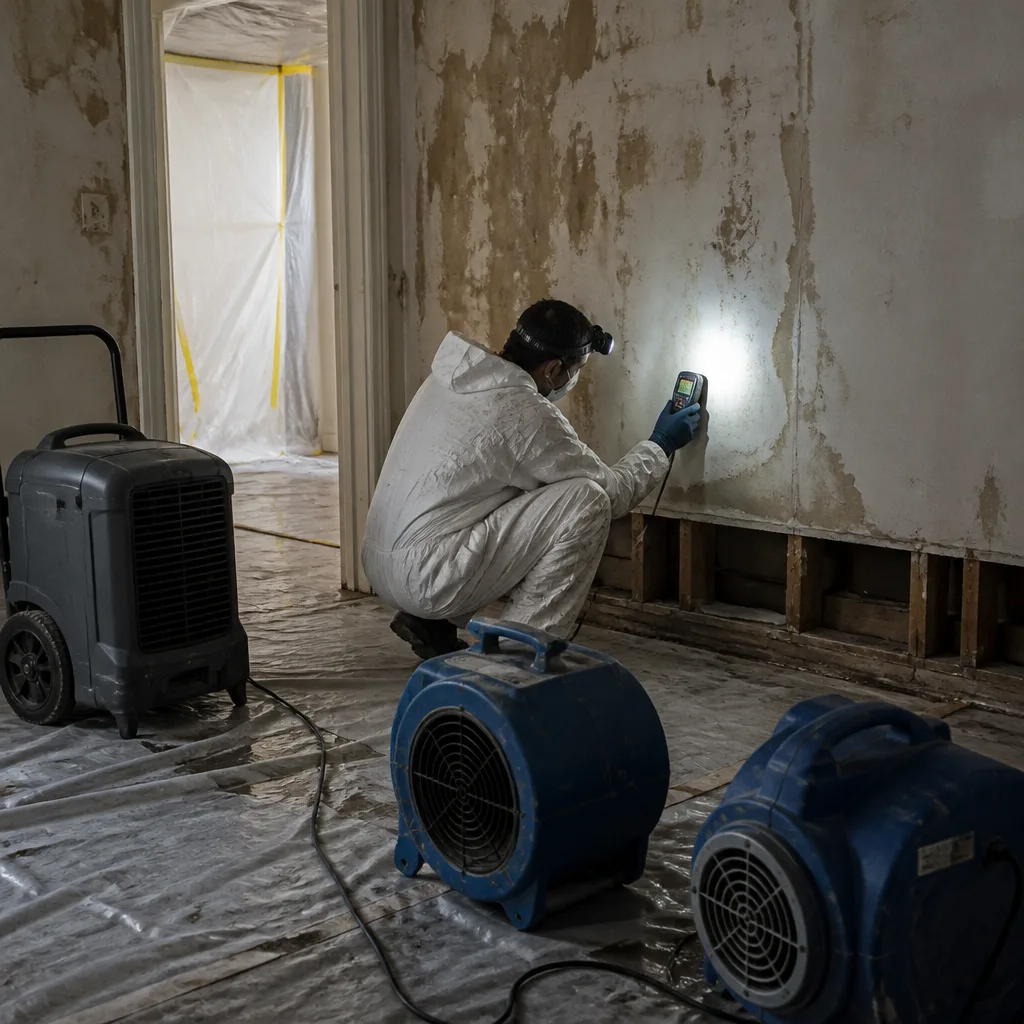 Before
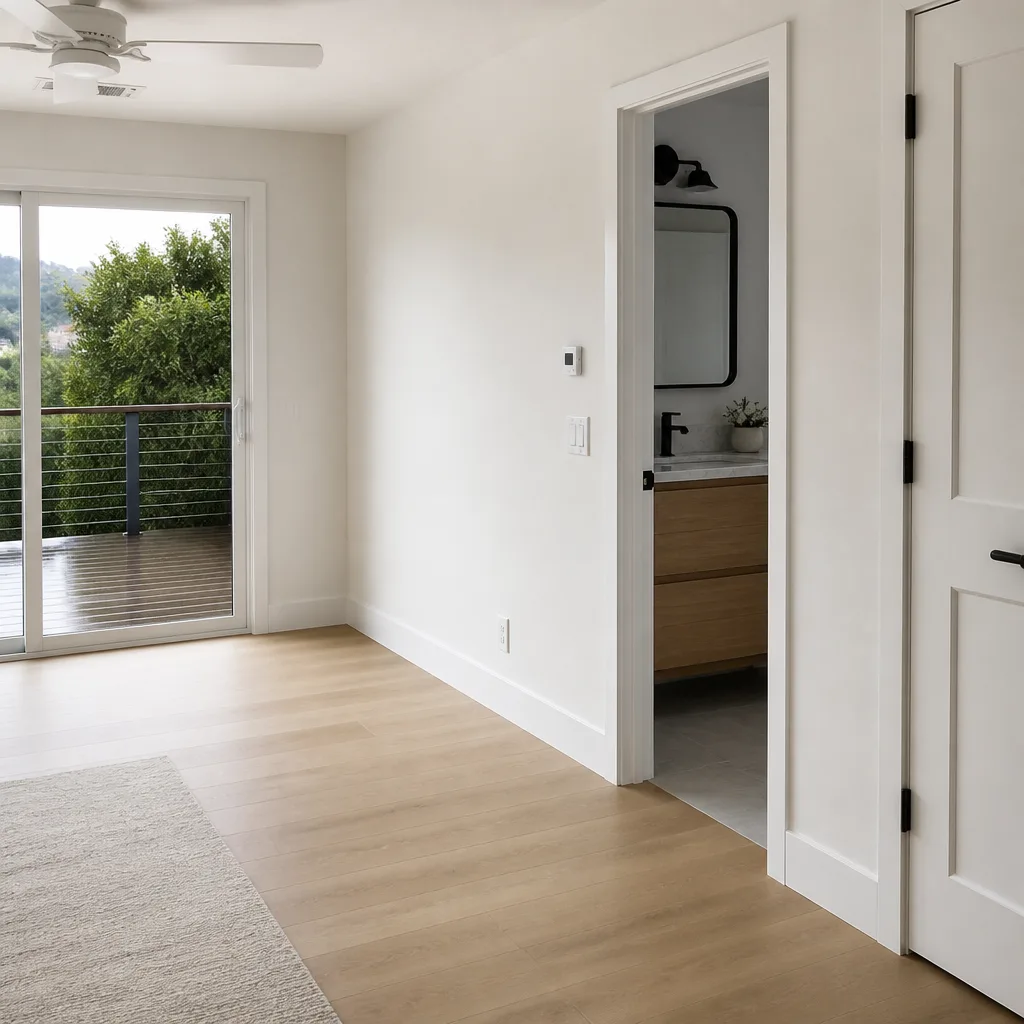 After
After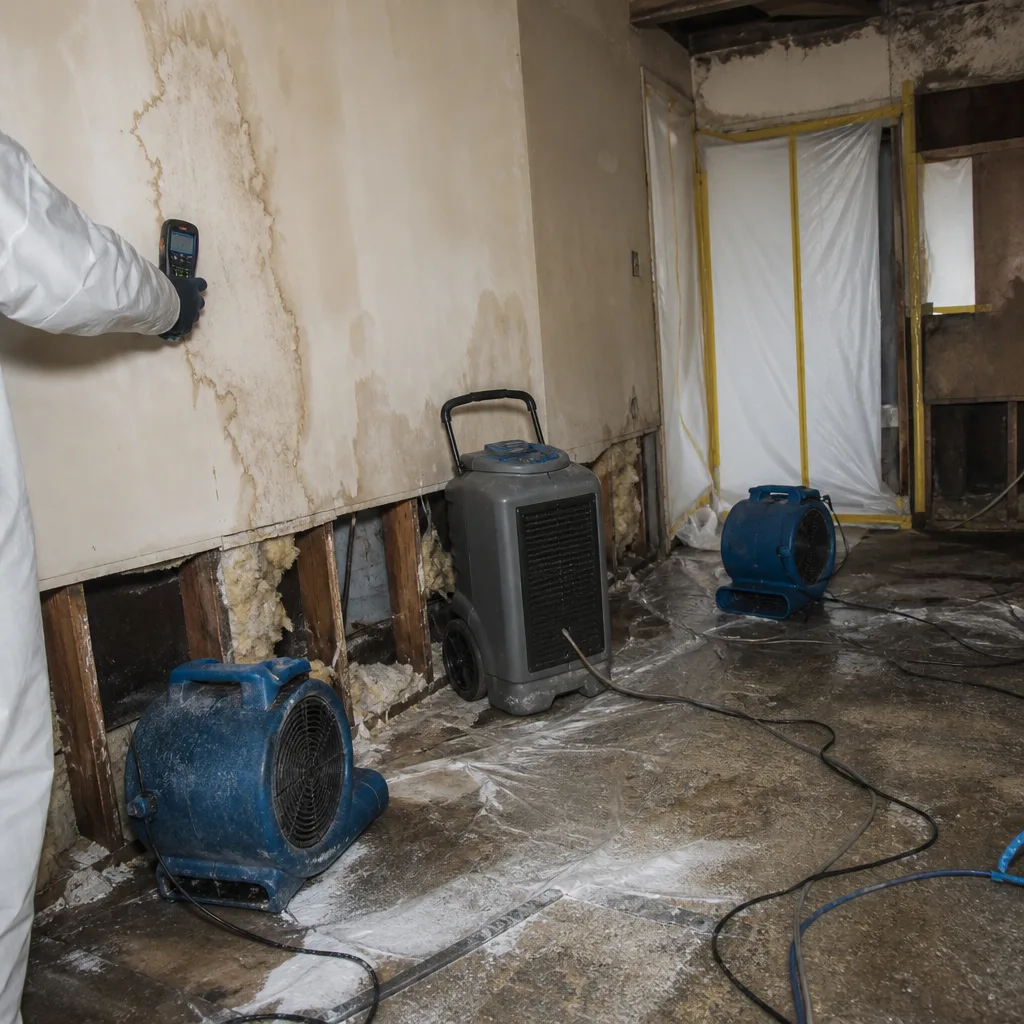 Before
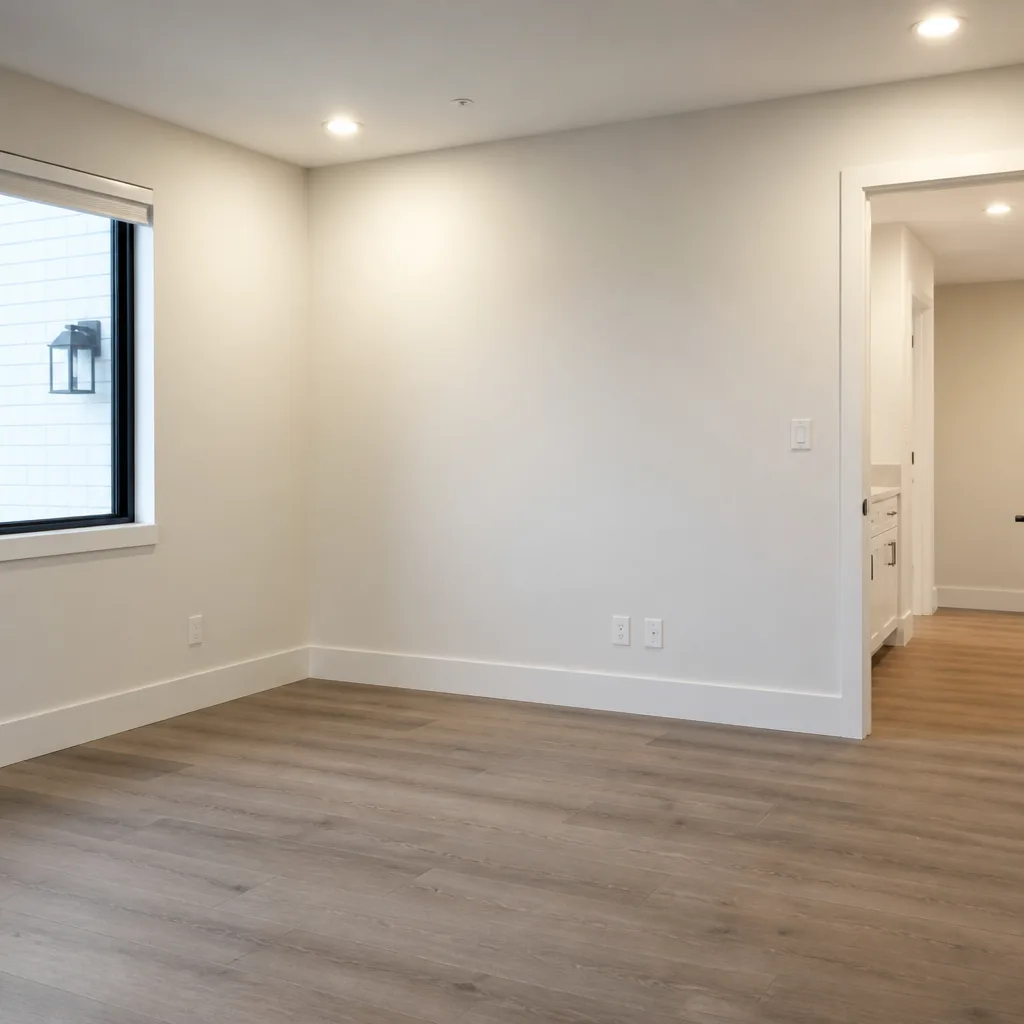 After
After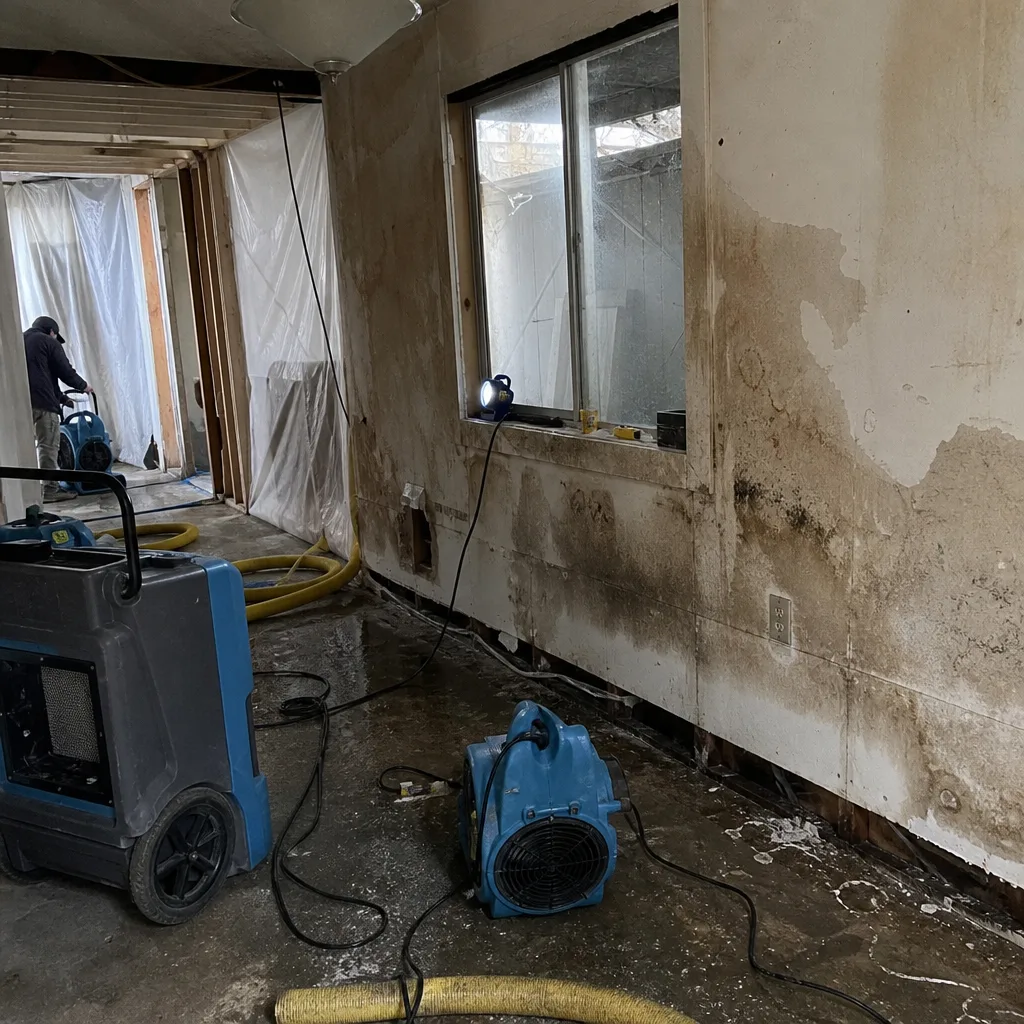 Before
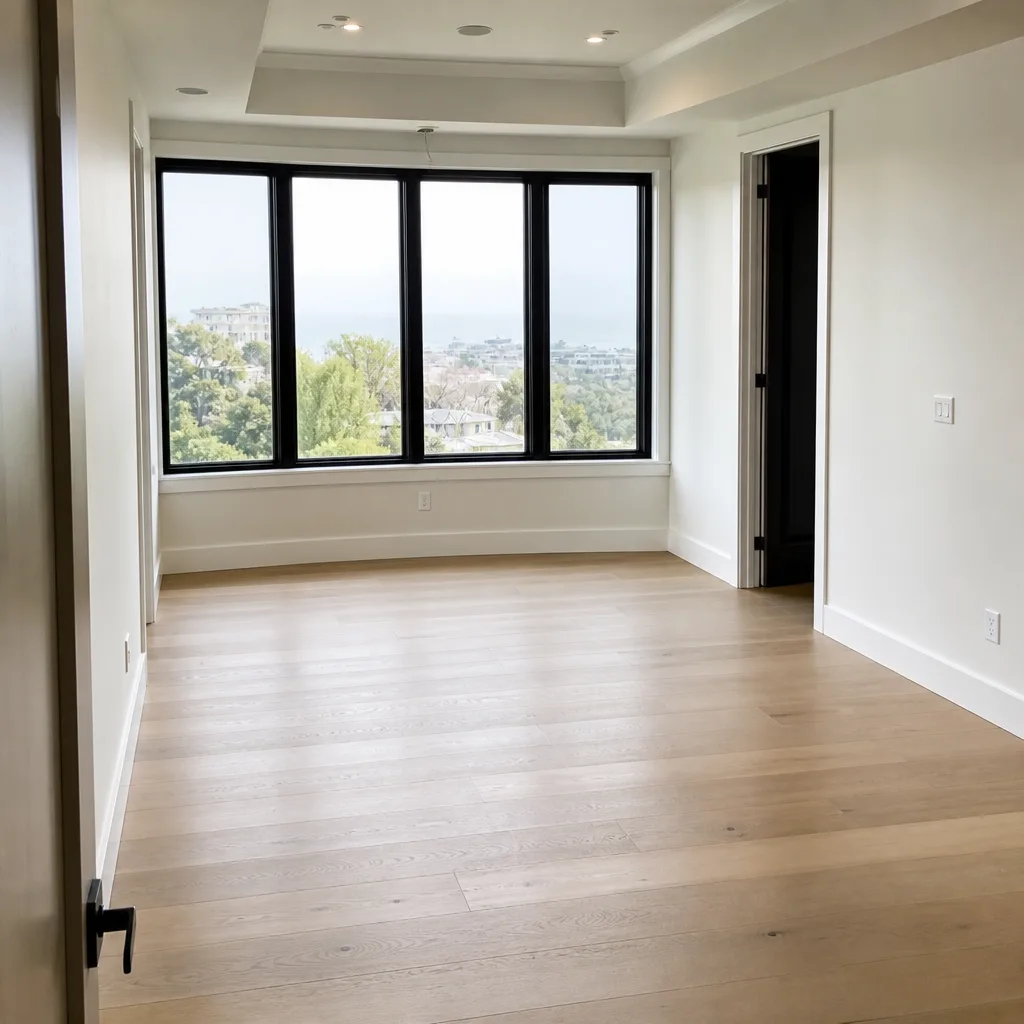 After
AfterDamage Restoration Cost Breakdown: The Pacific Palisades Homeowner’s Reference for 2026
The most expensive line item on a Pacific Palisades restoration invoice is frequently the one nobody discusses upfront: the overhead-and-profit markup applied when a general contractor steps in, a charge that can add 20% or more to the final bill and that many homeowners discover only after their insurer disputes it. In the 90272 zip code, where median home values sit well above the Los Angeles County average, restoration invoices routinely run $15,000 to $75,000 for a single water loss - yet the same line items appear at wildly different prices because the industry has no enforced pricing standard. This guide teaches Pacific Palisades homeowners to read a restoration estimate the way an adjuster will, using Xactimate, the software that insurers use to audit every invoice, as the baseline for spotting gaps, overcharges, and missing documentation before anyone signs anything.
Quick Answer
Water damage restoration in Pacific Palisades typically costs $3,500 to $12,000 for a standard residential mitigation, with emergency extraction running $400 to $900, structural drying at $150 to $350 per day, and controlled demolition at $2.50 to $4.50 per linear foot of drywall. The final bill depends on three factors: the class of water loss (clean, gray, or black), the affected square footage, and whether the contractor’s line items align with Xactimate’s regional pricing data for the 90272 zip code. Homeowners who receive a written, line-item scope before work begins - unit costs, quantities, materials by category, labor hours broken out - avoid the billing disputes that delay insurance payment by weeks or months.
Table of Contents
- How Xactimate Pricing Works in Pacific Palisades
- Water Damage Restoration Costs by Phase
- Mitigation vs. Improvement: What Insurance Actually Covers
- What a Written Scope Must Include to Be Insurer-Readable
- Mold, Fire, and Storm: Cost Variations in Pacific Palisades
- Common Mistakes to Avoid
- When to Call a Professional
- Frequently Asked Questions
 Before
 After
AfterHow Xactimate Pricing Works in Pacific Palisades
Xactimate is the estimating software that more than 80% of U.S. property insurers use to evaluate restoration invoices. It pulls regional cost data from actual contractor bids, material supplier prices, and labor rates, then adjusts by zip code. For Pacific Palisades, the 90272 zip code carries a location factor that reflects higher labor costs, tighter parking and access constraints, and the prevalence of custom finishes that require specialized handling.
Here’s what that means in practice. When a contractor submits an invoice for $8,500 in water mitigation, the adjuster runs the same scope through Xactimate. If the software returns $6,200, the insurer pays $6,200 unless the contractor can document why the additional $2,300 was necessary. The gap often falls into categories the contractor never explained: overtime labor, equipment upgrades, or materials specified by brand name when Xactimate defaults to a generic equivalent.
We’ve reviewed competitor estimates in Pacific Palisades where the contractor charged $4.20 per square foot for Category 3 water extraction when Xactimate’s 90272 rate was $2.85. The homeowner paid the difference out of pocket because the scope never specified the extraction method or justified the upcharge. Haven Standard, Clause 1 exists to prevent exactly this: a written price before work begins, with every line item tied to a measurable unit.
Three steps to verify your estimate against Xactimate baseline:
- Request the estimate in line-item format with unit costs, not lump sums. “Dry living room: $3,200” is not auditable. “Dehumidifier, large, Dri-Eaz or Phoenix equivalent, 3 days at $X/day, 400 sq ft affected” is.
- Ask whether the contractor uses Xactimate or another estimating platform accepted by your carrier. If they don’t, the adjuster will still run their invoice through Xactimate - and the homeowner absorbs any discrepancy.
- Compare material specifications to Xactimate’s default categories. If your estimate calls for “premium antimicrobial” at $89 per gallon, check whether Xactimate lists a standard antimicrobial at $34 per gallon. The difference may be justified, but it must be documented before work starts, not explained afterward.
Pacific Palisades adds a specific wrinkle: many homes in the Huntington Palisades and Riviera neighborhoods were built between 1920 and 1960 with plaster-and-lath walls, not standard drywall. Xactimate prices demolition by material type, and plaster removal runs roughly double the per-square-foot rate for drywall. A contractor who bids drywall demolition prices for plaster work will either absorb the loss or, more commonly, add a change order mid-job. The written scope must specify the wall construction type before anyone picks up a hammer.
Water Damage Restoration Costs by Phase
Pacific Palisades water damage restoration breaks into distinct phases, each with its own pricing structure and documentation requirements. The totals below reflect 2026 market rates for the 90272 zip code, based on Xactimate regional data and our own job records from the past 24 months in the Palisades, Castellammare, and Marquez Knolls areas.
Emergency Extraction and Initial Response
This is the phase where speed matters, and where billing disputes begin. A typical residential extraction in Pacific Palisades runs $400 to $900 for a clean water loss under 1,000 square feet. Category 2 (gray water, such as dishwasher or washing machine discharge) adds 20% to 40% for personal protective equipment, antimicrobial application, and more rigorous disposal protocols. Category 3 (black water, including sewage or groundwater intrusion) typically starts at $1,200 and can exceed $3,000 for the same footprint because of the containment, HEPA air scrubbing, and regulated waste handling required.
The extraction phase should include:
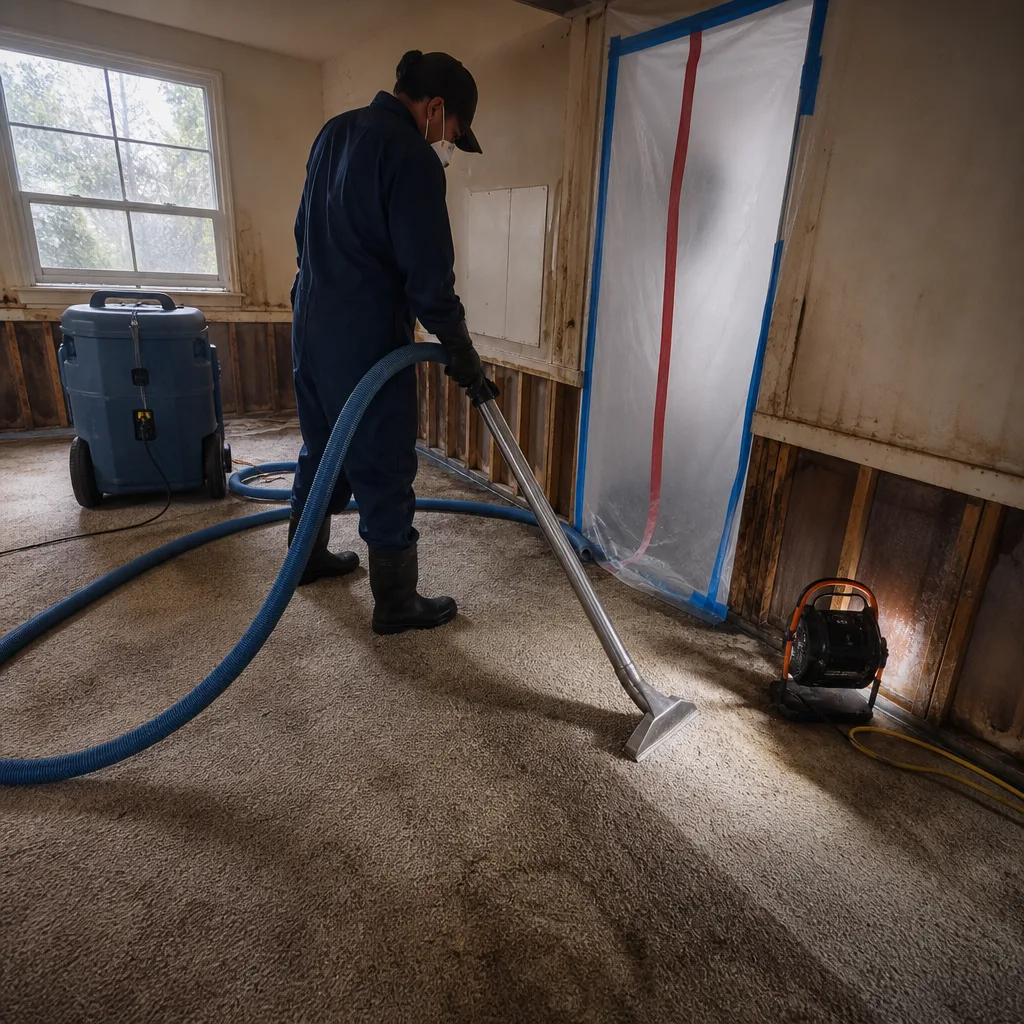
- Standing water removal with truck-mounted or portable extraction units
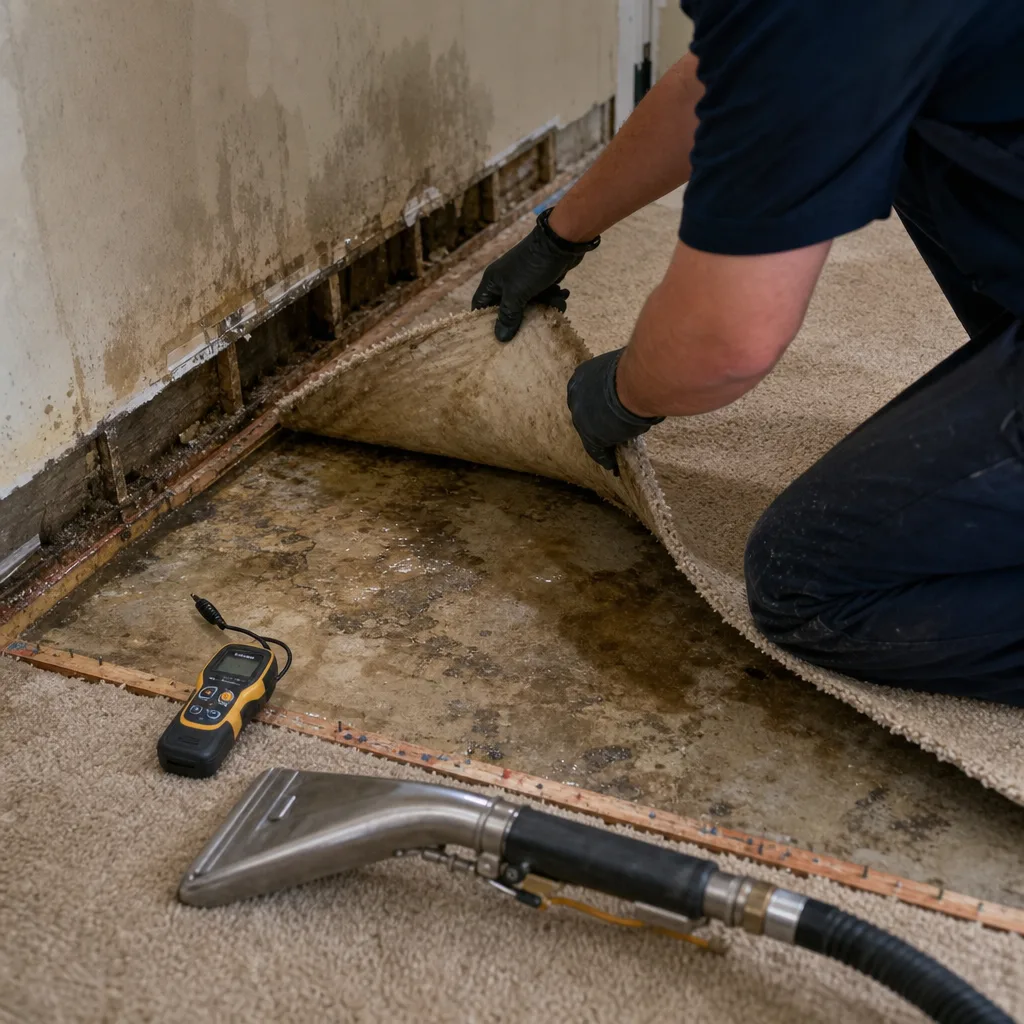
- Moisture mapping with thermal imaging and penetrating moisture meters
- Initial psychrometric readings (temperature, relative humidity, vapor pressure) to establish the drying baseline
- Photo documentation of all affected materials before any disturbance
Structural Drying
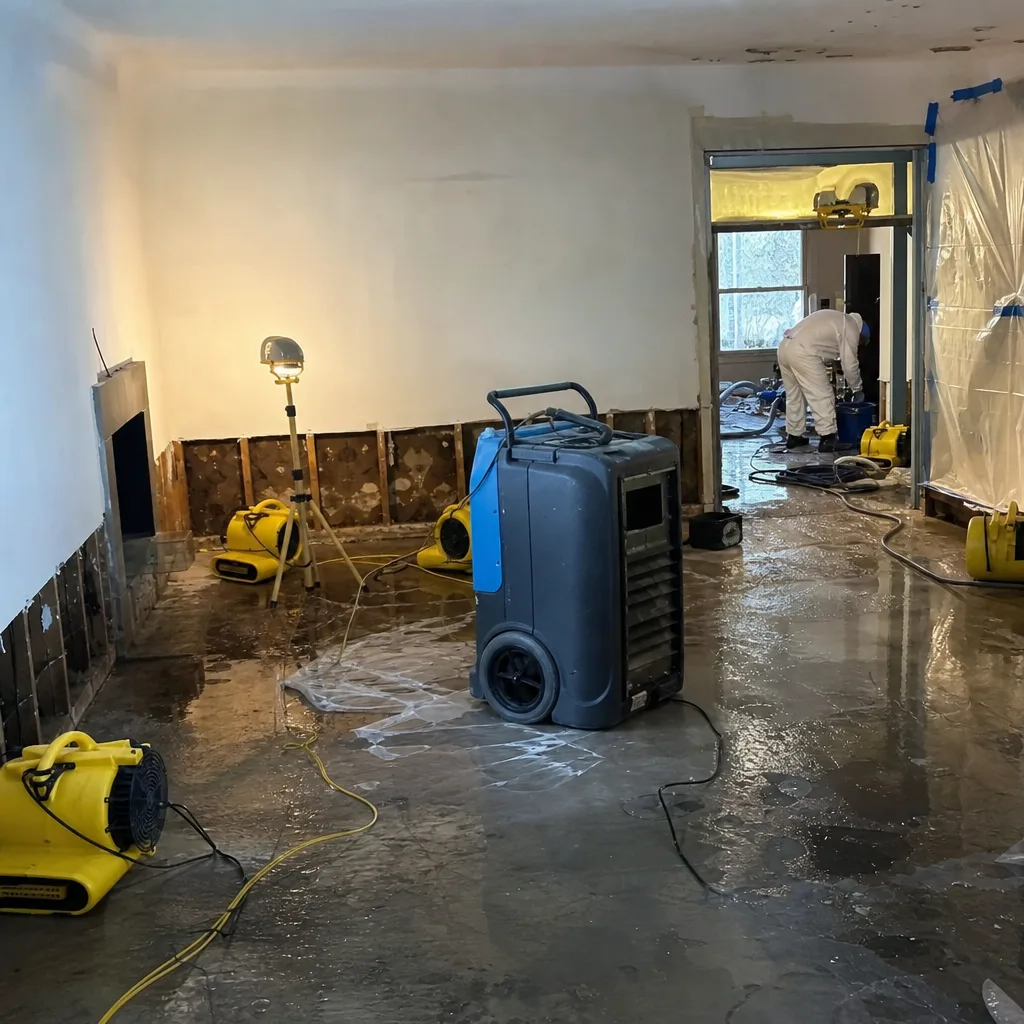
Drying equipment rental is priced per day, per machine, with the count and type determined by the affected square footage and the class of water loss. In Pacific Palisades, expect:
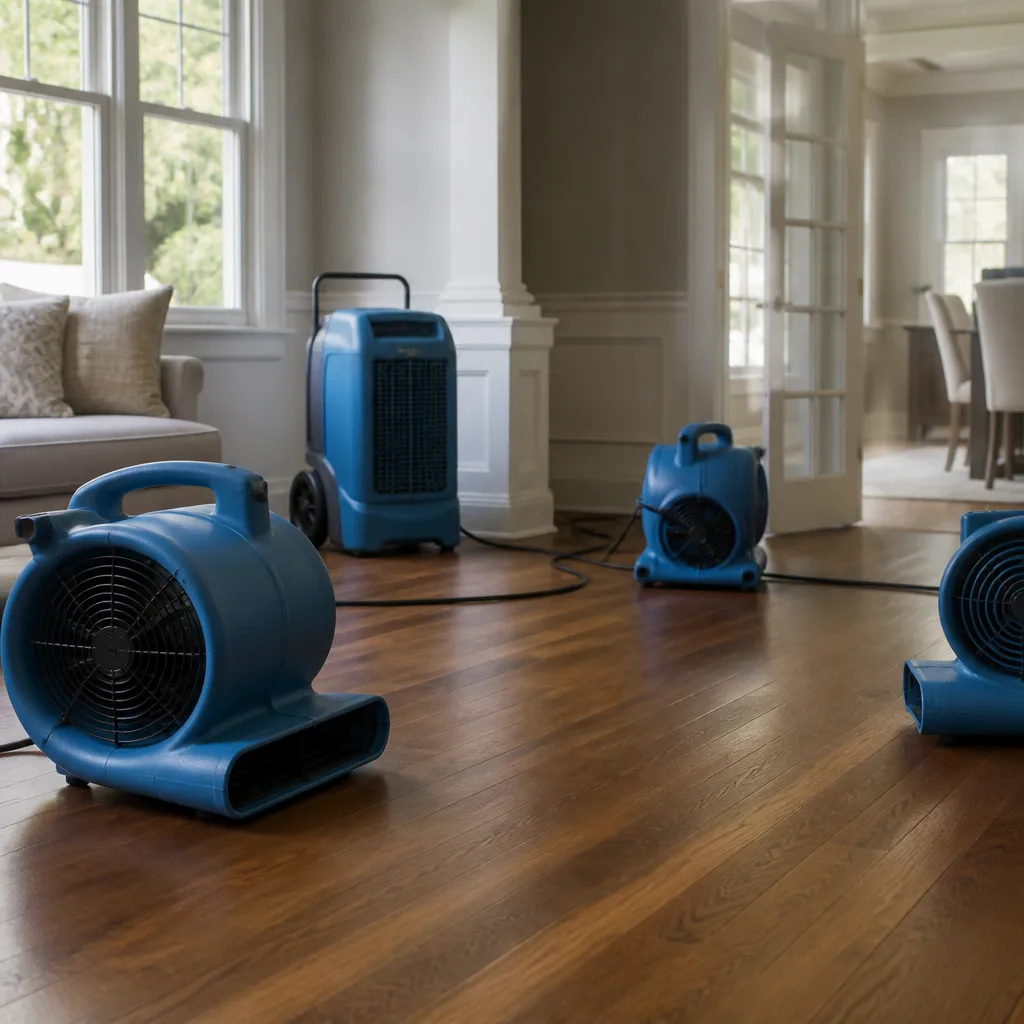
- Air movers (centrifugal or axial): $25 to $45 per day each; a 1,500 square foot affected area typically requires 10 to 14 units
- Low-grain refrigerant dehumidifiers (Dri-Eaz or Phoenix equivalent): $85 to $150 per day each; 2 to 4 units for the same footprint
- Desiccant dehumidifiers for dense materials or cool conditions: $200 to $350 per day; common in Castellammare basements with limited airflow
- Injectidry or B-Air specialty drying systems for hardwood floors or wall cavities: $150 to $300 per day per system
A standard three-day dry cycle for a 1,200 square foot water loss in the Palisades typically runs $1,800 to $3,200 in equipment charges alone. The daily drying log, recorded to IICRC S500 standards, documents moisture content readings at identical locations each day, proving progress to the adjuster and justifying the equipment duration. Without that log, insurers routinely deny days 4 and 5 as unnecessary.
Controlled Demolition
Not all water-damaged material can be dried in place. When drywall, insulation, or flooring must be removed, Pacific Palisades contractors price by the linear or square foot:
- Drywall demolition, standard 1/2-inch: $2.50 to $4.50 per linear foot (measured at baseboard height, not wall height)
- Plaster and lath demolition: $5.00 to $9.00 per linear foot; common in pre-1960 homes above Sunset Boulevard
- Fiberglass batt insulation removal and disposal: $1.50 to $3.00 per square foot
- Hardwood flooring removal, nail-down: $3.50 to $6.00 per square foot; engineered or glued flooring runs higher
The scope must specify how demolition boundaries are determined. We use moisture meter readings - typically 16% or higher for drywall, 20% or higher for hardwood - and photograph each reading location. A contractor who demos “what looks wet” without documentation invites insurer scrutiny and, often, non-payment.
Reconstruction and Build-Back
This is where the 20% overhead-and-profit markup appears, and where Pacific Palisades homeowners are most often surprised. Reconstruction is not mitigation. It is construction work, scoped and scheduled like a remodel, with material selections that may exceed the insurer’s obligation to restore to pre-loss condition. Xactimate prices reconstruction by room type, finish level, and regional labor rates. A standard 10×12 bedroom with mid-grade paint, carpet, and baseboard might price at $4,800 in Xactimate. The same room with custom plaster, wide-plank white oak, and built-in cabinetry can exceed $18,000 - with the homeowner responsible for the difference.
At Water Damage Restoration in Pacific Palisades, we separate mitigation and reconstruction into distinct written scopes. Haven Standard, Clause 1 applies to both, but the pricing structure differs: mitigation is time-and-equipment sensitive, reconstruction is material-and-labor fixed. The homeowner sees both prices before any work begins and can elect to handle reconstruction independently without penalty.
Mitigation vs. Improvement: What Insurance Actually Covers
Insurance policies cover sudden, accidental, direct physical loss. They do not cover pre-existing conditions, gradual deterioration, or upgrades that improve upon the pre-loss state. The distinction sounds simple until you see it applied to a real invoice.
Mitigation costs - extraction, drying, demolition, and antimicrobial treatment - are typically covered when the cause of loss is a covered peril. In Pacific Palisades, where winter storm surges and Santa Ana wind-driven rain intrusion are common claim triggers, the coverage question usually turns on whether the water entered suddenly or accumulated over time. For a detailed breakdown of regulatory requirements, read our guide on Damage Restoration Permits, Codes & Inspections in CA: What You Need to Know. A roof torn off in a January storm: covered. The same roof, unmaintained, with gradual flashing deterioration that allowed water entry over three rainy seasons: likely not covered, or covered with a depreciation penalty.
Improvement costs - replacing standard drywall with moisture-resistant greenboard, upgrading carpet to engineered hardwood, or installing a whole-house dehumidification system after a loss - are the homeowner’s responsibility. The problem arises when contractors bundle improvement line items into mitigation invoices, or when insurers misclassify necessary mitigation as improvement.
Three common misclassifications we see in Pacific Palisades:
- Antimicrobial vs. “preventive” treatment. Application of an EPA-registered antimicrobial to Category 2 or 3 water-affected surfaces is standard mitigation. Application of a “mold-resistant coating” to unaffected areas is improvement. The products may be identical; the scope determines coverage.
- Like-kind replacement vs. upgrade. Xactimate defaults to the material class present before the loss. A contractor who replaces 1/2-inch standard drywall with 5/8-inch fire-rated Type X in a garage must document the code requirement (Pacific Palisades follows Los Angeles City Fire Code amendments) or the insurer will pay for standard only.
- Drying duration. Three days of structural drying with documented moisture reduction is mitigation. Five days with no daily log showing progress is, in the insurer’s view, either poor equipment sizing or unnecessary rental extension - both potentially denied as improvement or inefficiency.
The Haven Standard requires that we flag potential coverage issues before work begins. If your policy has a $5,000 mold cap and our moisture mapping suggests hidden mold in wall cavities, that finding goes in writing before demolition starts, with options for how to proceed within or beyond coverage limits. No homeowner should learn about a coverage cap from an invoice.
What a Written Scope Must Include to Be Insurer-Readable
An insurer-readable scope is not merely detailed; it is structured in a way that maps directly to Xactimate’s line-item database. Adjusters process dozens of claims daily. A scope that requires manual translation from contractor jargon to Xactimate categories sits at the bottom of the queue and often returns with requests for information that delay payment by two to four weeks.
The essential elements:
- Unit costs, not lump sums. “Dry three rooms: $6,400” is unprocessable. “Dehumidifier, LGR, 3 days @ $125/day; air mover, 12 units, 3 days @ $35/day; moisture mapping and daily readings, 3 visits @ $180/visit” maps to Xactimate line items and can be verified in minutes.
- Quantities with measurement method. “Remove wet drywall” is insufficient. “Remove drywall, 1/2-inch, 47 linear feet at baseboard height, measured along north and east walls of living room, confirmed by moisture meter readings 18% to 23% at 6 locations” provides auditability.
- Materials specified by category, not brand alone. Xactimate recognizes “antimicrobial, EPA-registered, Category 3 application” with a default price. If a specific product is required - for instance, when a homeowner has chemical sensitivities and specifies a botanical-based alternative - the scope must state the medical or sensitivity justification and the price differential from default.
- Labor hours broken out from materials. Xactimate prices many line items as “labor and material” combined, but for custom or non-standard work, the adjuster needs to see the labor component separately. A contractor who charges $1,200 for “custom plaster repair” should show 8 hours skilled plaster labor at $95/hour plus $440 in materials, not a single line item that the adjuster must guess at.
- Equipment serial numbers or identification. Not required by all carriers, but increasingly requested for large losses. The daily drying log should reference the specific dehumidifier and air mover units deployed, matching the invoice.
- Photo record cross-reference. Every scope line item that involves judgment - demolition boundaries, pre-existing damage, material condition - should reference photo numbers from the documented record. “See photos P-047 through P-052 for moisture reading locations and affected insulation condition.”
In Pacific Palisades, where many homes have been renovated multiple times with non-permitted additions, the scope must also address what we call “construction archaeology”: the surprises hidden behind finished surfaces. We recently completed a water loss in the El Medio Bluffs where the wall cavity contained not standard fiberglass but vermiculite insulation, which requires specialized abatement handling. The initial scope included a contingency line for “unknown insulation type, testing and adjustment” at $400, triggered only if testing confirmed non-standard material. The homeowner saw the potential exposure before work began; the insurer saw a controlled variable rather than a surprise $2,800 change order.
The DryMark Restoration Pacific Palisades home page includes examples of our standard scope format. Every estimate we produce follows this structure because Alicia Brennan built the company, starting in 2011, around the documentation gap that costs homeowners their claims. A former claims adjuster, she saw too many Pacific Palisades homeowners pay out of pocket for work that should have been covered, simply because the contractor’s invoice was un-auditable.
Mold, Fire, and Storm: Cost Variations in Pacific Palisades
Water damage is the most common restoration trigger, but mold remediation, fire and smoke restoration, and storm damage each carry distinct pricing structures and documentation requirements. For a broader look at related topics, see our more guides & resources. The Pacific Palisades climate - marine layer moisture, canyon wind patterns, and limited sun exposure on north-facing slopes - creates conditions where mold follows water quickly and where fire damage from wind-driven embers spreads unpredictably.
Mold Remediation
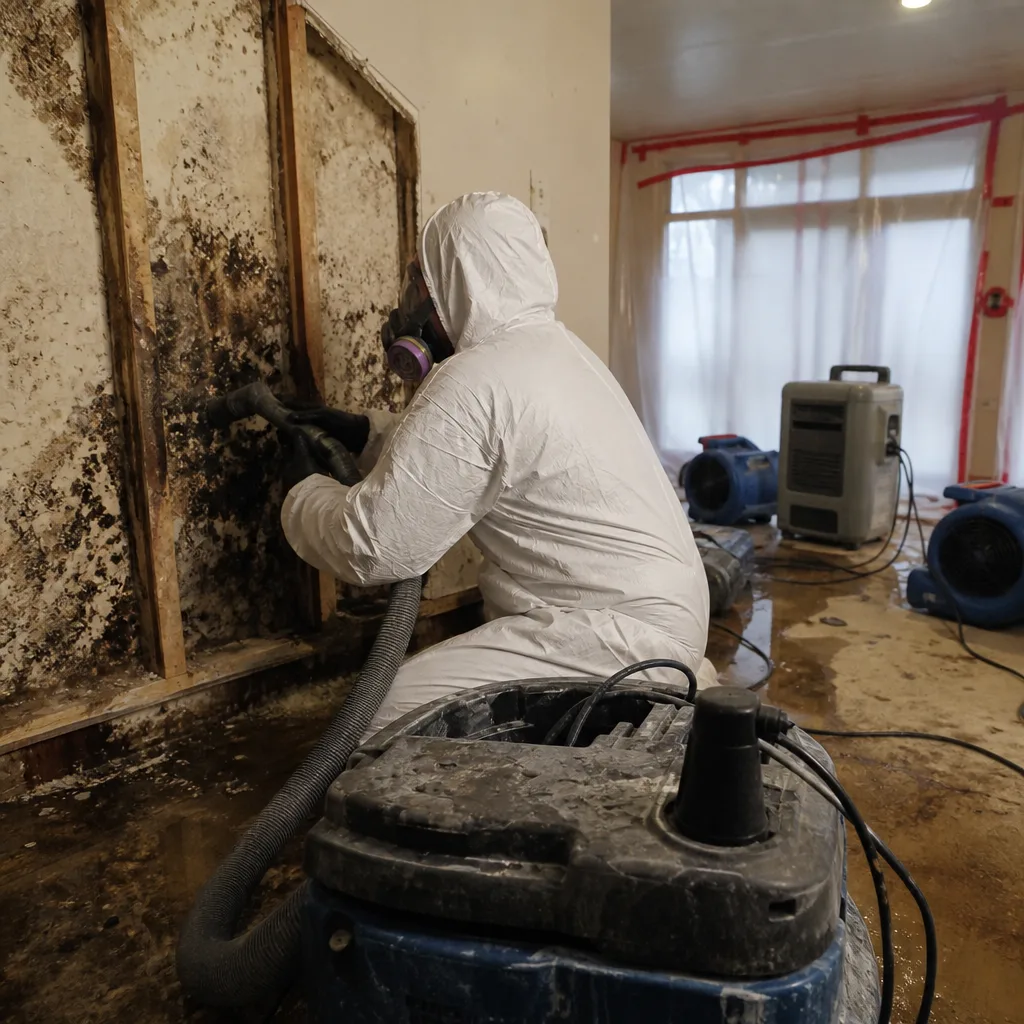
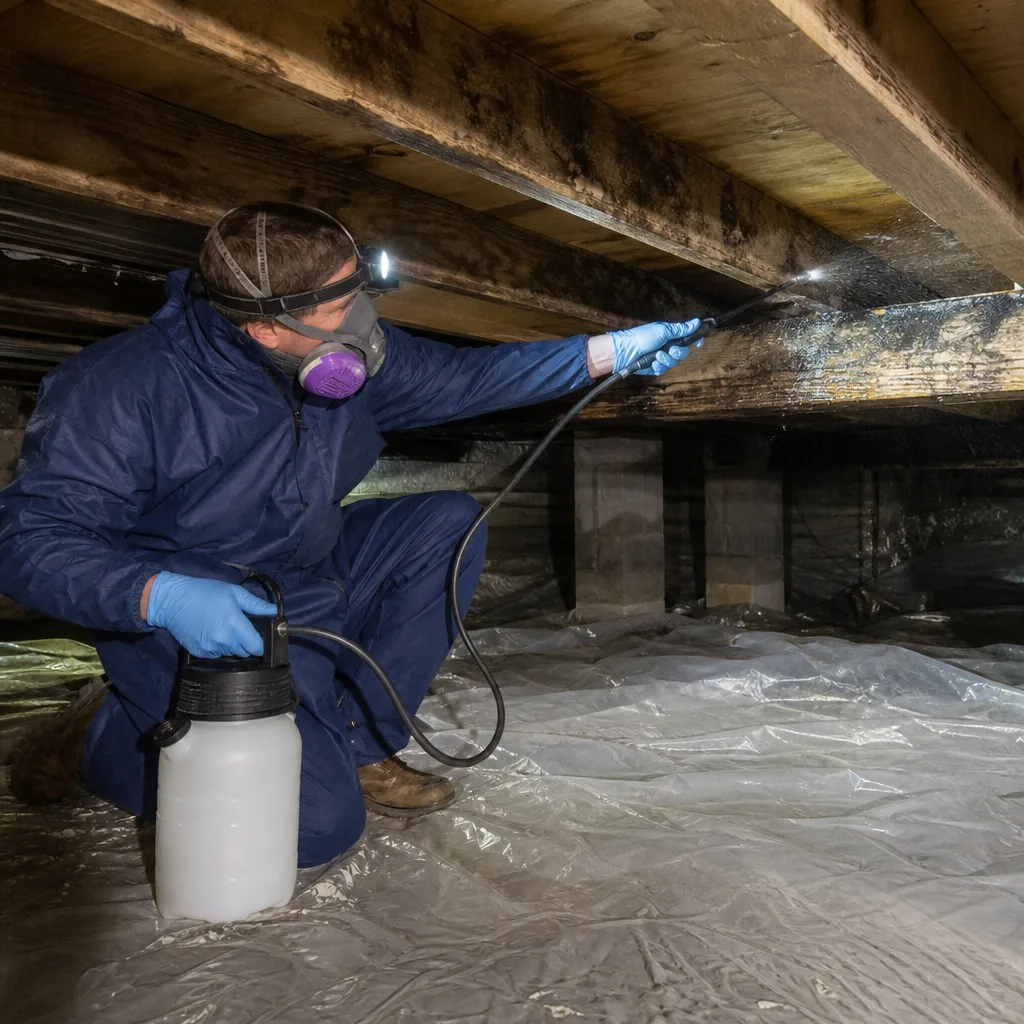
Mold remediation in Pacific Palisades typically runs $2,500 to $7,500 per contained area, with whole-house remediation in larger homes exceeding $25,000. The critical variable is containment strategy: limited containment (single room, negative air pressure, HEPA filtration) versus full containment (multiple rooms, sealed corridors, temporary barriers).
Pricing components:
- Initial assessment and air/surface sampling: $350 to $800; we provide this as a separate, optional service so homeowners can verify whether remediation is actually necessary
- Containment setup and negative air machine rental: $400 to $900 per day
- HEPA vacuuming and antimicrobial application: $1.50 to $3.50 per square foot of affected surface
- Removal and disposal of porous materials (drywall, insulation, carpet): at demolition rates, plus regulated waste disposal fees of $85 to $150 per cubic yard for mold-contaminated debris
- Post-remediation verification testing: $400 to $750; we recommend third-party testing, not in-house, to preserve documentation credibility with insurers
The Mold Remediation in Pacific Palisades page details our protocol, which follows IICRC S520 and RIA guidelines. In the Palisades Highlands, where canyon drainage patterns direct moisture against foundation walls, we regularly see mold in crawl spaces that homeowners assumed were dry. Our assessments include foundation perimeter moisture mapping as standard, not as an upsell.
Fire and Smoke Damage Restoration
Fire restoration pricing is the most variable category because the scope depends heavily on structural integrity, smoke penetration depth, and the materials burned. Synthetic materials (vinyl flooring, polyester furnishings) produce acidic, corrosive smoke residues that require more aggressive cleaning than natural materials (cotton, wool, unfinished wood). A kitchen fire with cabinet involvement in a Riviera home can run $15,000 to $40,000 for mitigation alone, before any reconstruction.
Key cost drivers:
- Emergency board-up and structural stabilization: $800 to $2,500
- Contents pack-out, inventory, and cleaning: $3,500 to $12,000 depending on volume and fragility
- Structural cleaning (HEPA vacuuming, dry sponging, chemical washing): $2.00 to $5.00 per square foot
- Thermal fogging or ozone treatment for odor: $400 to $900 per treatment area
- HVAC system cleaning and filter replacement: $1,200 to $3,500; critical in Pacific Palisades homes with forced-air systems that circulated smoke throughout the structure
The Fire & Smoke Damage Restoration in Pacific Palisades page includes our documentation protocol for fire losses, which involves photo inventory of every affected item before any cleaning or disposal - essential for contents coverage claims.
Storm and Disaster Restoration
Pacific Palisades storm damage clusters in three patterns: January-February atmospheric river events with wind-driven rain, Santa Ana wind episodes that damage roofing and allow ember intrusion during fire season, and the increasingly severe winter surf that overtops sea walls in Castellammare and along Pacific Coast Highway-adjacent properties. Each pattern produces different damage signatures and different coverage questions.
Storm-specific cost factors:
- Emergency tarping and temporary weatherproofing: $500 to $1,800; often required before full assessment is possible
- Flood-cut demolition (removing drywall 12 to 24 inches above the visible water line to address wicking): adds 30% to 50% to standard demolition costs
- Foundation and structural assessment after hillside saturation: $800 to $2,000 for engineering evaluation; common in the Highlands after sustained rain
- Debris removal and disposal: $150 to $300 per cubic yard for vegetative debris; higher for construction debris mixed with soil
Storm losses in Pacific Palisades frequently involve multiple coverage types: wind damage to the roof (typically covered), flood or surface water entry (typically excluded without separate flood coverage), and sewer backup (covered only if the policy includes a sewer rider). The written scope must segregate damage by probable cause, even when the actual source is uncertain, to preserve the homeowner’s coverage position.
Common Mistakes to Avoid
- Accepting a lump-sum estimate without line-item breakdown. A Pacific Palisades homeowner recently paid $8,200 for “water damage mitigation” that Xactimate priced at $5,400. The contractor had bundled three days of unnecessary equipment rental into the single line. Without unit costs, there was no basis to challenge it before work started.
- Confusing mitigation with reconstruction in a single contract. When one contractor handles both phases, the overhead-and-profit markup often gets applied to the entire project rather than just reconstruction. This can add $2,000 to $5,000 to a Pacific Palisades residential loss. Separate the scopes, even if you use the same contractor for both.
- Ignoring the daily drying log. Insurers deny equipment rental extensions when the log shows no moisture reduction. In the Marquez area, where older slab foundations slow evaporation, contractors sometimes extend drying without adjusting equipment capacity. The log exposes this; without it, the homeowner pays for inefficiency.
- Failing to document pre-existing conditions. Pacific Palisades homes, particularly those in the Alphabet Streets and El Medio, often have prior water staining, settled cracks, or previous mold treatment. Photo documentation before any disturbance protects against insurer claims that the current loss includes pre-existing damage.
- Not verifying that antimicrobial products are EPA-registered for the application. Some contractors use industrial-strength products that are effective but not EPA-registered for residential Category 3 water damage. If the insurer audits and finds a registration gap, the entire antimicrobial line item may be denied.
- Overlooking permit requirements for reconstruction. Los Angeles City requires permits for electrical, plumbing, and structural work above defined thresholds. Unpermitted reconstruction in Pacific Palisades can trigger code enforcement, complicate future sales, and invalidate insurer guarantees of workmanship. The written scope should specify permit responsibility and cost.
When to Call a Professional
Call for professional assessment when water has affected more than a single, small area that you can dry with household fans within 24 hours; when you smell mustiness or see visible mold growth of any size; when fire or smoke has affected more than one room or involved synthetic materials; or when storm damage has compromised roofing, windows, or structural elements. Not sure whether to handle it yourself? Our DIY vs Professional Damage Restoration: The Pacific Palisades Homeowner’s Decision Guide can help. In Pacific Palisades, where the marine layer maintains elevated humidity for months, materials that feel dry to the touch often retain moisture at levels that support mold growth within 72 hours.
DryMark Restoration Pacific Palisades offers free estimates in Pacific Palisades - call (424) 365-9728. Every estimate is delivered in writing before any work begins, with line-item unit costs, material specifications, and labor hours broken out. We also provide a Free Second Opinion on any competitor’s written estimate: bring their scope and we’ll review it against Xactimate baseline pricing and Haven Standard documentation requirements at no charge.
Frequently Asked Questions
A typical residential water damage mitigation in Pacific Palisades runs $3,500 to $12,000, with emergency extraction at $400 to $900, structural drying at $150 to $350 per day, and controlled demolition at $2.50 to $4.50 per linear foot of standard drywall. The final cost depends on water category, affected square footage, and whether the contractor’s line items align with Xactimate’s 90272 zip code pricing. Call (424) 365-9728 for a written estimate with exact unit costs for your specific loss.
Insurance covers mitigation costs for sudden, accidental water losses from covered perils, but typically excludes gradual damage, maintenance failures, and improvements that exceed pre-loss condition. The most common coverage gap in Pacific Palisades is misclassification: a contractor bills reconstruction as mitigation, or the insurer interprets necessary demolition as improvement. A written scope that segregates mitigation from reconstruction, with unit costs and material categories specified, prevents most disputes. We coordinate directly with adjusters and provide photo documentation on every visit to support coverage.
Our live dispatch answers every call 24 hours a day, 7 days a week - no voicemail, no next-business-day callback while water is still moving. Emergency response time to Pacific Palisades addresses typically ranges from 45 minutes to 90 minutes depending on traffic patterns and the specific neighborhood, with faster response to the Palisades Village and lower Sunset areas. The first technician arrives with extraction equipment, moisture meters, and thermal imaging to begin documentation immediately.
Category 1 water losses under 10 square feet that are addressed within 24 hours can sometimes be handled by a homeowner with adequate airflow and dehumidification. Anything involving Category 2 or 3 water, mold growth exceeding 10 square feet, or fire and smoke damage requires professional handling for safety and documentation reasons. In Pacific Palisades, where many homes have plaster-and-lath construction that traps moisture, apparent surface dryness often conceals saturation in wall cavities. For help identifying when professional help is needed, see our Damage Restoration Warning Signs: A Pacific Palisades Homeowner’s Reference Guide. We offer moisture mapping assessments that show exactly what is wet, with no obligation to proceed with our services.
We deal with your adjuster directly, but you remain the policyholder and must authorize all communication. Our role is to provide documentation that makes the adjuster’s job easier: the written scope with Xactimate-compatible line items, the daily drying log with psychrometric data, the photo record with cross-referenced image numbers, and the final invoice that matches the pre-approved scope. Haven Standard documentation has been accepted by every major carrier operating in Los Angeles County. We do not negotiate coverage decisions - that remains between you and your carrier - but we ensure our documentation supports the strongest possible claim position.
If any work we perform is not done right, we make it right - a written guarantee stamped on every job under The Haven Standard, not a verbal assurance. The promise covers workmanship and material defects for 365 days from completion, with no deductibles or service fees. In Pacific Palisades, where reconstruction often involves matching custom finishes from decades past, this guarantee means that if a paint match fades differently or a plaster repair cracks, we return to correct it at no additional cost. The warranty is transferable if you sell the home within the coverage period.
Request the estimate in Xactimate-compatible format with unit costs, quantities, and material categories specified. Then ask three questions: Does the scope segregate mitigation from reconstruction? Does it include a daily drying log with moisture readings? Does it specify what documentation you receive and when? If any answer is no, the estimate is not auditable and you are likely to face billing disputes. Our Free Second Opinion service reviews any competitor’s written estimate against these standards at no charge.
The Bottom Line
Restoration pricing in Pacific Palisades is not mysterious, but it is frequently opaque by design. The homeowners who pay the least out of pocket are not those who find the cheapest contractor; they are those who receive a written, line-item scope before work begins, with unit costs that can be verified against Xactimate’s 90272 zip code baseline. The Haven Standard was built around this transparency: written price before work starts, documented photo record on every visit, daily drying logs with psychrometric data, and a 365-Day Done Right Promise that puts our workmanship in writing. Since 2011, we’ve restored more than 12,000 homes with this documentation-first approach, every one with a written price before the crew entered and a documented record when they left. In a market where the same line items appear at wildly different prices, evidence is the only currency that protects your claim.
Written by Alicia Brennan, Owner at DryMark Restoration Pacific Palisades, serving Pacific Palisades since 2011.