
Last updated September 23, 2026
Free visual inspection and a written scope of work before any mitigation begins - photos, moisture readings, and drying logs go in your claim file
The scope we write is the scope we bill. Anything new gets shown to you, in writing, before we touch it.
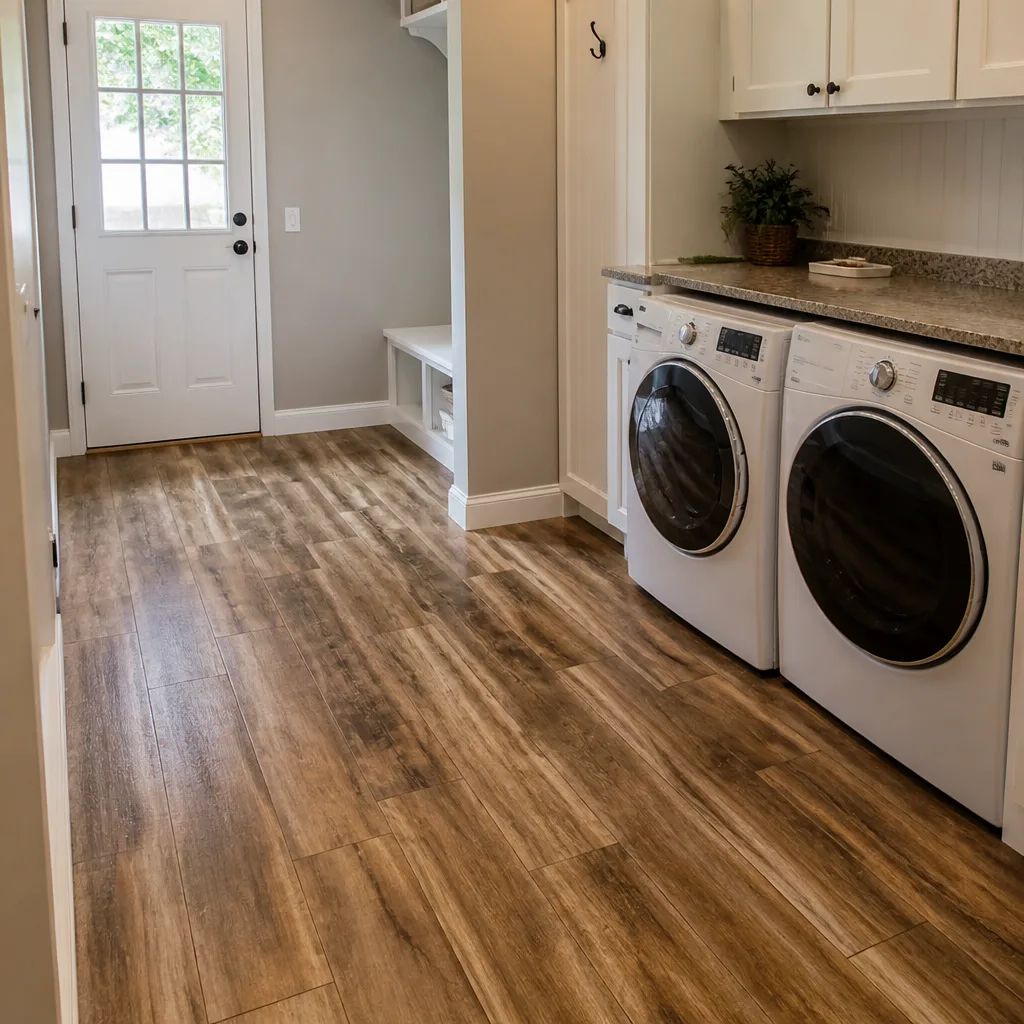

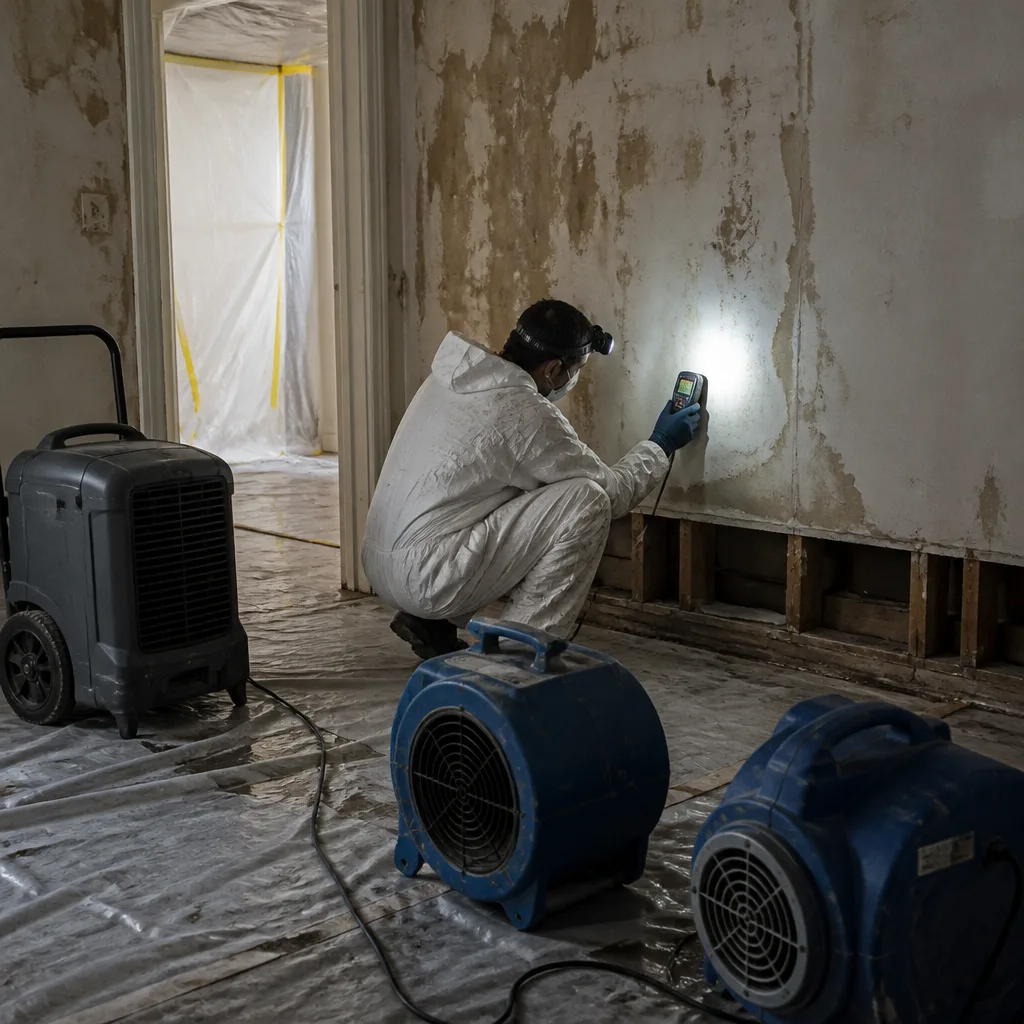 Before
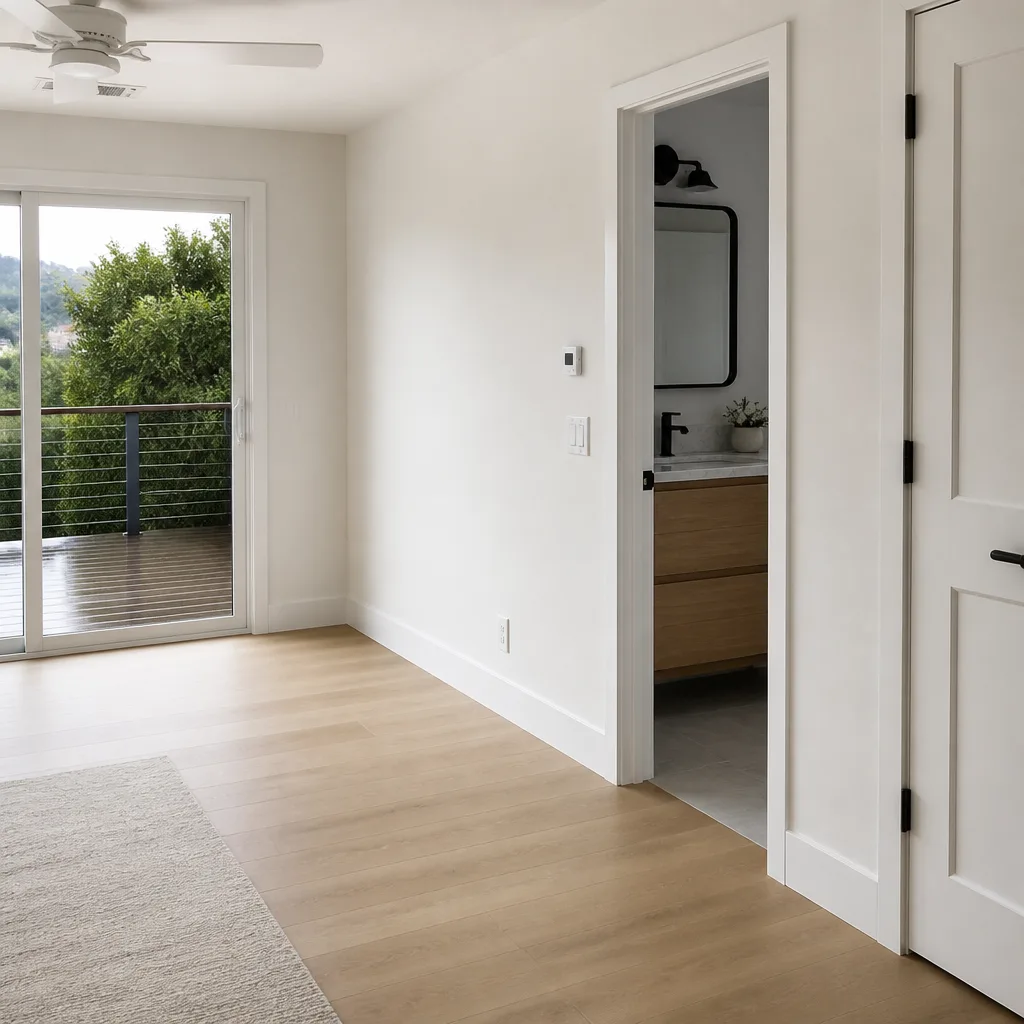 After
After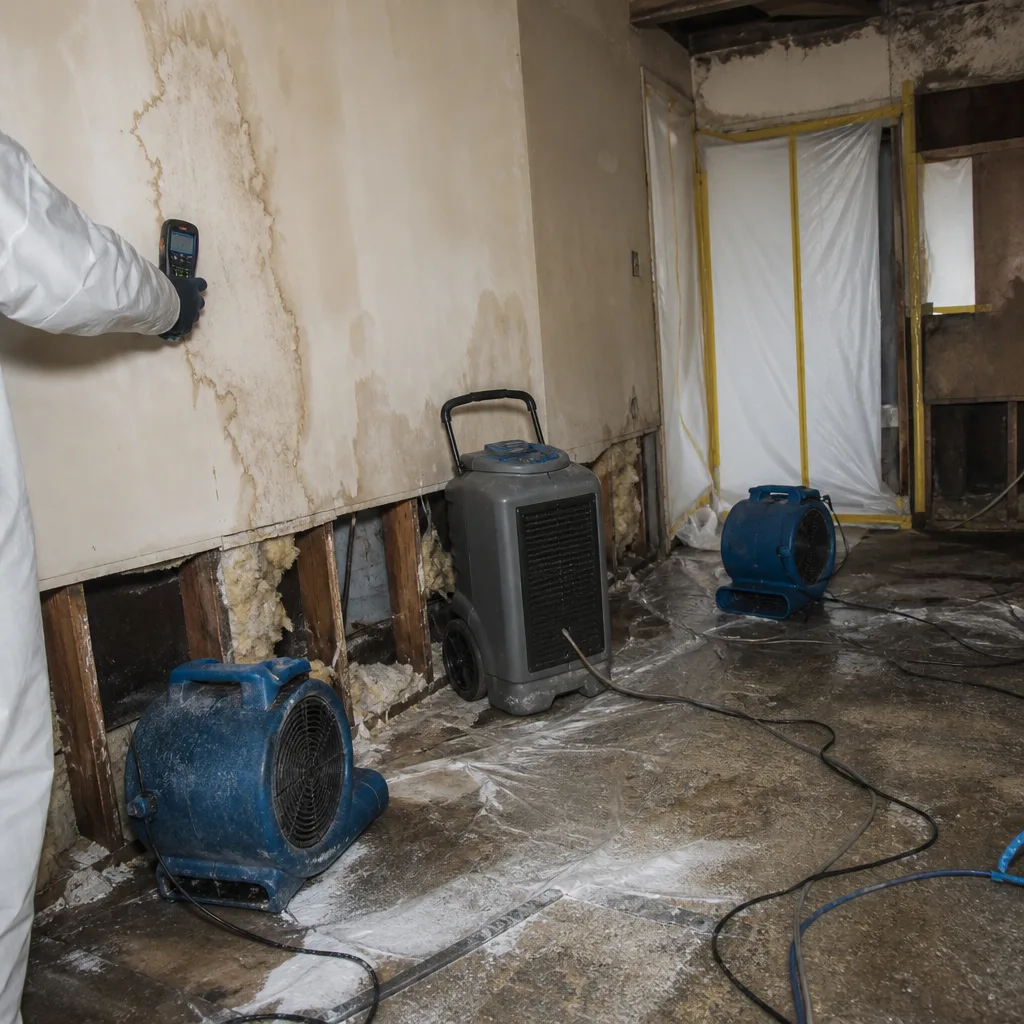 Before
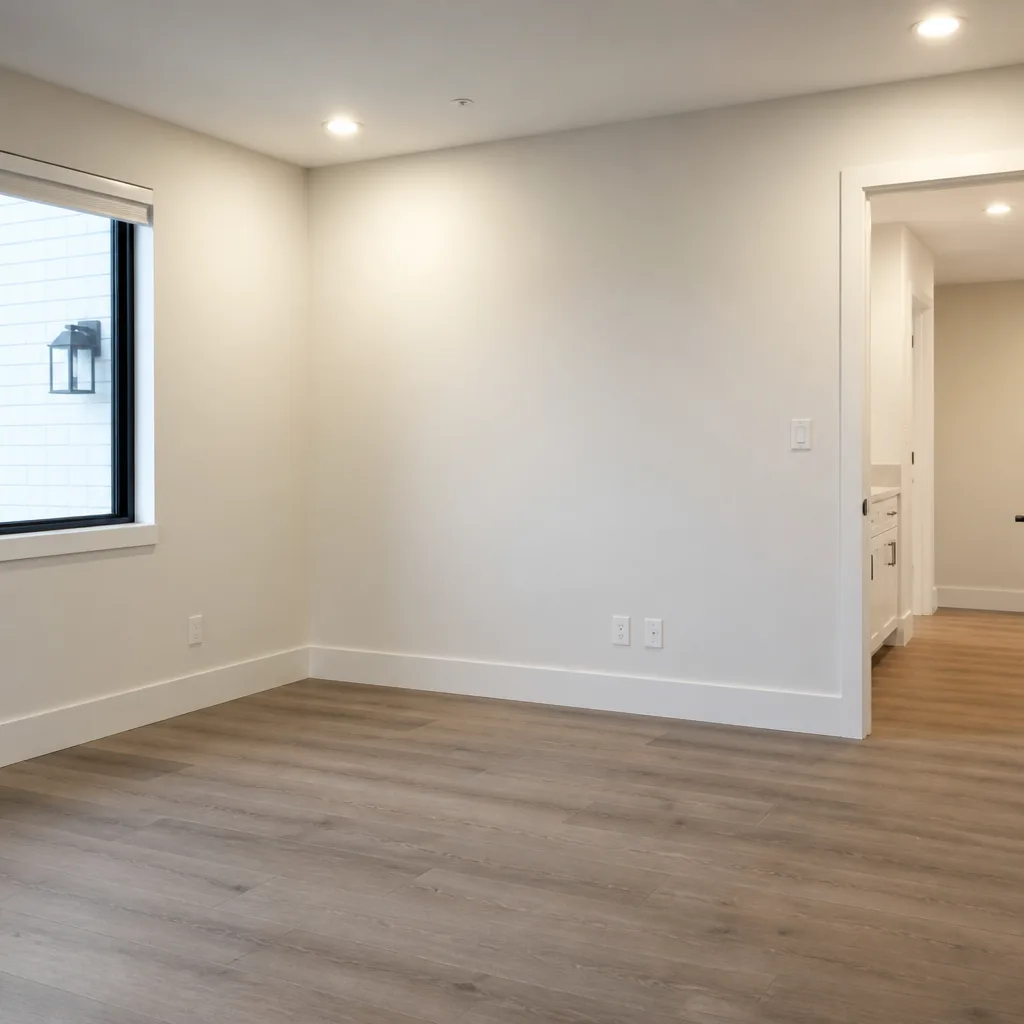 After
After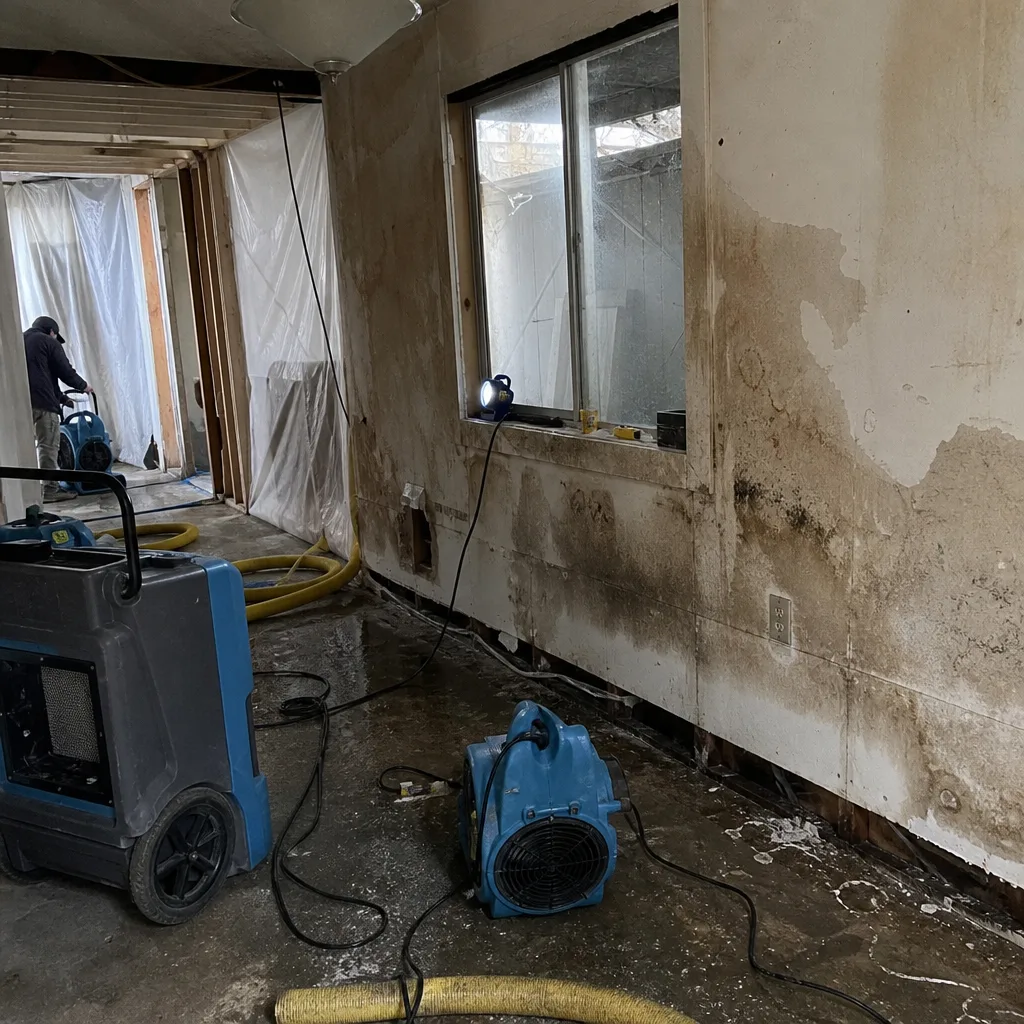 Before
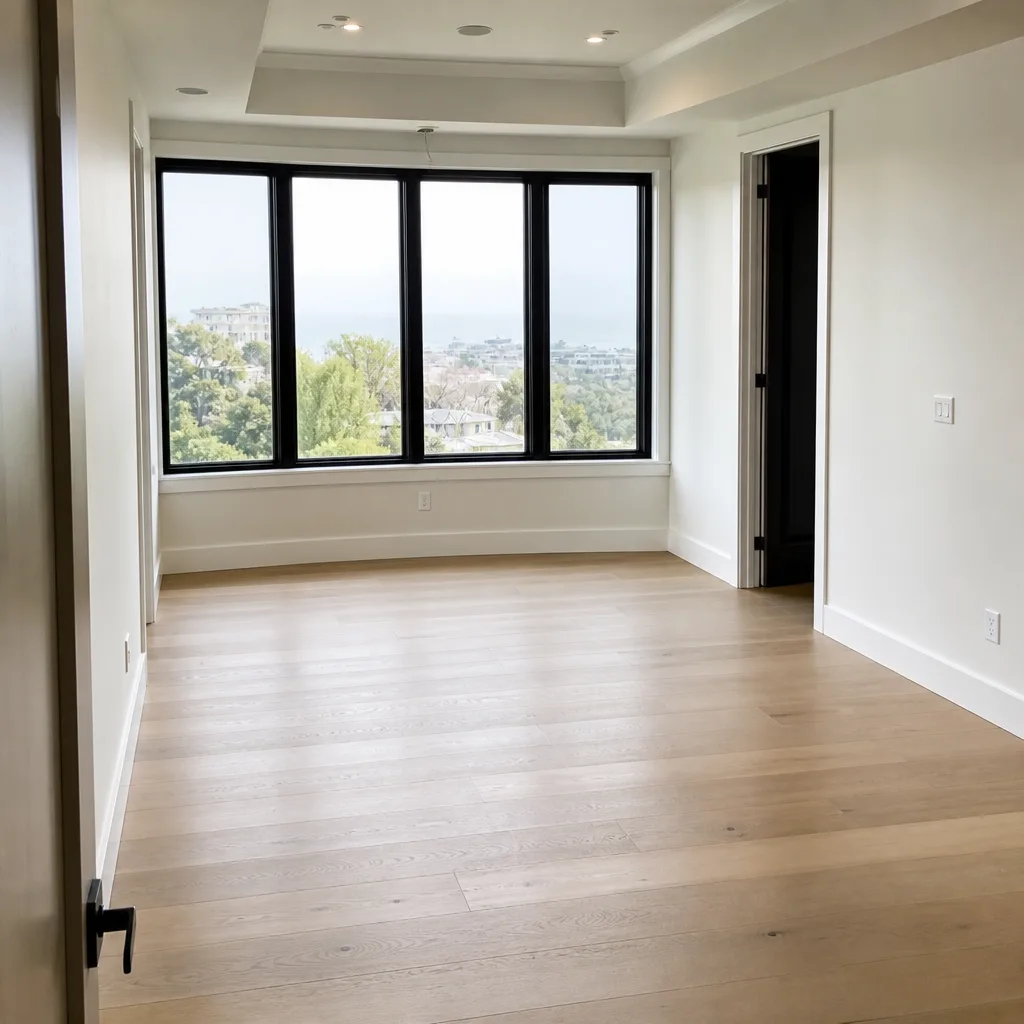 After
AfterDamage Restoration Warning Signs: A Pacific Palisades Homeowner’s Reference Guide
A moisture reading of 20% in a bathroom wall stud is not a problem - yet. At 28%, mold colonization becomes statistically likely within 48 to 72 hours. Most homeowners in Pacific Palisades learn that number only after the wall is open and the claim adjuster is asking why the damage wasn’t reported sooner. This guide maps the measurable precursors that appear weeks or months before visible damage, and explains exactly what reading or threshold means a professional needs to document the situation before you file a claim. Catching a problem at the precursor stage is not just cheaper; it changes the claim classification from long-term neglect to sudden loss, and that distinction determines whether your insurer pays.
Quick Answer
Homeowners in Pacific Palisades should watch for three measurable thresholds: indoor humidity above 60% RH, wood moisture content above 16% on a non-penetrating meter, and any efflorescence or paint bubbling that returns after cleaning. These precursors indicate active moisture intrusion before visible mold or structural damage appears. Document each finding with dated photos and a moisture reading, then call a restoration professional who can produce a written scope and drying log that your adjuster can process without dispute. For guidance on selecting the right professional, see our How to Hire a Damage Restoration Contractor in Pacific Palisades: A Step-by-Step Guide.
Table of Contents
- The Tiered Warning Sign Framework: What to Measure and When
- Pacific Palisades Building Types and Their Specific Risk Patterns
- How to Distinguish Cosmetic Staining from Active Moisture Intrusion
- Which Warning Signs California Insurers Classify as Long-Term Neglect
- The Photo-Documentation Protocol for Each Warning Sign Level
- Seasonal Precursors in Pacific Palisades: Santa Ana Winds to Winter Rains
- Common Mistakes to Avoid
- When to Call a Professional
- Frequently Asked Questions
 Before
 After
AfterThe Tiered Warning Sign Framework: What to Measure and When
We organize warning signs into three tiers based on what they indicate about moisture progression and claim timing. Each tier has specific measurement thresholds, and each threshold corresponds to a documentation action that protects your coverage.
Early Indicators: The 60% RH Threshold
These signs appear before structural materials are compromised. They indicate conditions that will eventually cause damage if left unaddressed.
- Relative humidity above 60% indoors for more than 48 hours. We measure this with a thermo-hygrometer placed at chest height, away from vents. Pacific Palisades homes with canyon-facing exposures often run high humidity in winter when marine layer moisture gets trapped against hillside foundations.
- Persistent musty odor that returns after ventilation. This indicates microbial volatile organic compounds (MVOCs) from hidden mold or bacterial growth, even when no visible colony exists.
- Paint bubbling or peeling at wall bases, especially in bathrooms, laundry rooms, and exterior walls below grade. The key distinction: active moisture intrusion produces soft, flexible bubbles; old, dry paint failure is brittle and flakes.
- Condensation on windows that pools on sills and runs to the wall below. In Pacific Palisades, this is common in January through March when overnight lows drop into the 40s while interior humidity remains elevated from heating systems.
Action at this tier: Increase ventilation, check for exhaust fan CFM adequacy (bathrooms need 50 CFM minimum per code), and schedule a moisture inspection if humidity persists above 60% RH for 72 hours.
Intermediate Indicators: The 16% Wood Moisture Threshold
These signs indicate that moisture has penetrated structural materials and active deterioration is underway. This is the critical documentation window for insurance purposes.
- Non-penetrating moisture meter readings above 16% on wood framing. At this level, wood-decay fungi can establish; at 20%, colonization accelerates. We use meters calibrated for Douglas fir and southern yellow pine, the species most common in Pacific Palisades framing from the 1950s through 1990s.
- Efflorescence on concrete or masonry - white, powdery mineral deposits that indicate water is moving through the material and evaporating at the surface. On Pacific Palisades hillside homes, this often appears on retaining walls and basement slabs where hydrostatic pressure pushes groundwater through.
- Tile grout darkening that lightens when dry but returns with humidity. This indicates water migration behind the tile, often from failed shower pan membranes in homes built before 2005.
- Baseboard swelling or separation from the wall, particularly on exterior walls. The gap between baseboard and wall is often the first place absorbed moisture manifests visibly.
Action at this tier: Document readings with photos showing meter make, model, and reading. Call for professional moisture mapping and a written scope. This is the last tier where intervention typically qualifies as “sudden and accidental” under standard California HO-3 policies. Not sure whether to tackle this yourself? Read our DIY vs Professional Damage Restoration: The Pacific Palisades Homeowner’s Decision Guide.
Critical Indicators: Visible Colonization and Structural Compromise
These signs indicate established damage. Claims at this stage face scrutiny for gradual damage exclusions.
- Visible mold growth on any surface, even small patches. California insurers may classify this as long-term damage unless documentation proves sudden water intrusion as the proximate cause.
- Structural softness in subfloors or wall plates - give under foot traffic or probe pressure. We document this with a Shore D hardness durometer reading below 50 on wood structural members.
- Staining on multiple floors from a single point of origin, indicating water has traveled through wall cavities and affected sequential materials.
- Warping or cupping of hardwood floors with moisture content differential exceeding 4% between top and bottom surfaces.
Action at this tier: Stop using affected areas, document everything before any cleanup, and call immediately. At this stage, professional documentation of the water source and timeline is essential to preserve claim coverage.
Pacific Palisades Building Types and Their Specific Risk Patterns
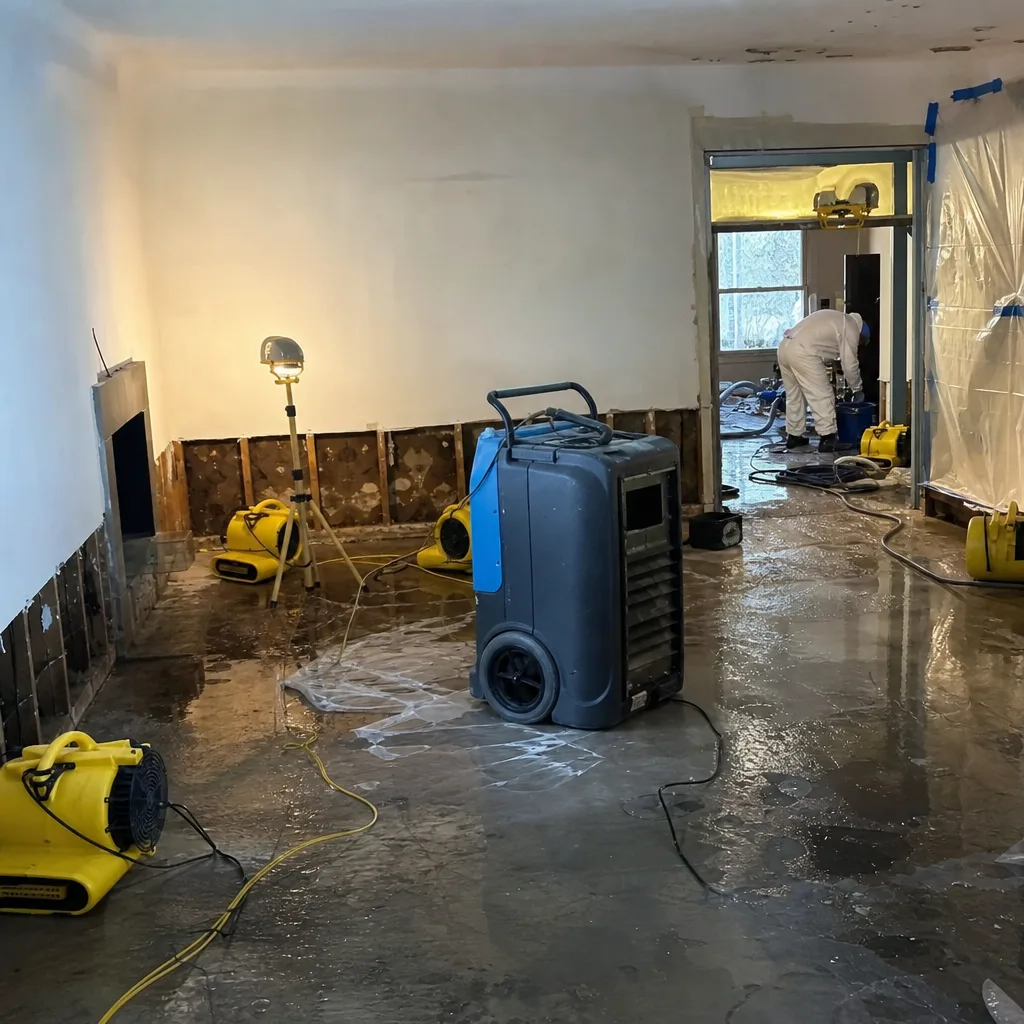
Pacific Palisades presents a concentrated study in microclimatic risk. The same ZIP code contains hillside homes with foundation drainage challenges, canyon-adjacent properties with sub-slab moisture, and older stucco exteriors that hide lath rot for years. Each building type produces distinct warning sign patterns.
Hillside Homes: Foundation Seepage and Hydrostatic Pressure
Homes built on the north-facing slopes toward Rustic Canyon or the terraces above Sunset Boulevard share a common vulnerability: they’re engineered to manage water moving downhill, but that engineering degrades. We regularly inspect properties in the Palisades Highlands where the original foundation waterproofing has exceeded its 20- to 30-year service life.
Specific warning signs for hillside construction:
- Water staining at the junction of foundation wall and slab, especially after extended rain. This indicates the perimeter drain system is compromised or overwhelmed.
- Cracks in slab-on-grade floors that weep or darken after storms. In Pacific Palisades, these often run parallel to the downhill edge of the structure.
- Doors that stick seasonally on the downhill side of the house. This signals foundation movement from saturated soils, not just humidity-related wood swelling.
- Musty odor in mechanical rooms where ductwork penetrates the foundation. Negative pressure in HVAC systems draws soil gas and moisture through these penetrations.
The critical measurement for hillside homes: vapor pressure differential between the soil side and interior side of the foundation wall. When this exceeds 0.5 inches of mercury, moisture is actively migrating through concrete even if the surface reads dry on a non-penetrating meter.
Canyon-Adjacent Properties: Sub-Slab Moisture and Radon Risk
Properties backing onto Topanga Canyon or the undeveloped slopes near Will Rogers State Historic Park face sub-slab moisture issues that differ from hillside seepage. Here, the water table fluctuates seasonally, and the impermeable clay soils common to this area limit natural drainage.
Warning signs specific to canyon-adjacent construction:
- Efflorescence on garage slabs that appears in spring and persists into early summer. The white deposits are minerals left by evaporating moisture; their presence proves active water movement through the slab.
- Carpet tack strip rust in ground-floor rooms. Steel rusts at relative humidity above 80% in the microenvironment beneath carpet; this indicates slab moisture that hasn’t yet reached the surface.
- Tile pop or hollow-sounding tiles on slab floors. Moisture breaks the bond between thin-set and concrete; the tiles sound different before they’re visibly loose.
In these properties, we deploy Phoenix and Injectidry systems for sub-slab depressurization and targeted drying. The equipment selection matters for documentation: Phoenix dehumidifiers produce psychrometric data logged to IICRC standards, and Injectidry’s panel systems allow drying without removing finished materials - preserving the evidence adjusters need to see.
Older Stucco Exteriors: Lath Rot Behind Intact Surfaces
Homes built between 1940 and 1980 in the Alphabet Streets, the El Medio Bluffs, and the Via de la Paz corridor often have traditional three-coat stucco over wood lath. When this system fails, it fails invisibly. The stucco surface can appear sound while the lath behind it has reached 30% moisture content and begun supporting wood-decay fungi.
Specific indicators for stucco-lath systems:
- Stucco that sounds hollow when tapped with a rubber mallet. Solid stucco produces a dull thud; delaminated areas ring. Map these areas - they indicate bond failure from moisture or corrosion of the wire mesh.
- Rust stains at weep screeds or window sills that don’t wash off. These indicate corroded fasteners or lath, which only occurs with sustained moisture exposure.
- Interior plaster cracks that align with exterior features - windows, corners, or penetrations. The crack pattern traces moisture movement through the wall cavity.
- Paint failure on interior walls that corresponds to north-facing exterior sections. The wall is cold from evaporative cooling at the stucco surface; interior humidity condenses on the cold plaster.
We’ve documented lath rot in Pacific Palisades homes where the interior showed only minor paint bubbling and the exterior stucco appeared intact for 15 feet in every direction. Pin testing at multiple depths is the only reliable detection method once the system reaches this stage.
How to Distinguish Cosmetic Staining from Active Moisture Intrusion
Not every stain means active damage. Insurance adjusters know this, and they’ll look for evidence that you distinguished old damage from new before filing. Here’s the protocol we use on every Water Damage Restoration in Pacific Palisades inspection.
Step 1: The Non-Penetrating Meter Sweep
A non-penetrating moisture meter uses electromagnetic signals to detect moisture to a depth of approximately 3/4 inch in most building materials. It’s non-destructive and produces immediate readings.
- Calibrate the meter on a known-dry surface of the same material - an interior closet wall, for example.
- Scan the affected area in a grid pattern, recording the highest reading and its location.
- Compare to a control reading from an unaffected area of the same wall, floor, or ceiling.
Interpretation: A reading within 2 percentage points of the control suggests surface moisture or residual humidity, not active intrusion. A reading 5+ points above control indicates active water movement. On drywall, any reading above 1% on a non-penetrating meter warrants further investigation; on wood, the 16% threshold applies.
Step 2: The Penetrating Pin Test
When non-penetrating readings are elevated or ambiguous, we switch to pin-mode testing. This requires two small holes (typically 3/16 inch) and measures moisture at the depth the pins penetrate.
Critical protocol points:
- Insulated pins allow depth-specific readings at 5/16 inch, 7/16 inch, and deeper. We use these to profile moisture gradients - a wall that reads 18% at 5/16 inch and 12% at 1 inch is drying; one that reads 22% at both depths is actively wet.
- Always note the species setting. Douglas fir, common in Pacific Palisades framing built 1950-1990, has different electrical properties than the “wood” default on many meters.
- Document each reading with a photo showing the meter display, the pin location, and a reference point (outlet, corner, baseboard).
Step 3: The Evaporation Test
For ambiguous stains on concrete or masonry, we perform a simple evaporation test: tape a 12-inch square of clear polyethylene sheeting to the surface, seal all edges with duct tape, and leave it for 24 hours. Condensation on the underside of the sheeting indicates active moisture vapor transmission; no condensation suggests the stain is residual from a past event.
This test is particularly useful for Pacific Palisades garage slabs and basement walls where efflorescence is present. The test distinguishes between historical moisture (efflorescence from past exposure, now dry) and ongoing vapor drive (active condensation under the sheeting).
When to Stop and Call a Professional
Stop your own investigation and call for documented professional assessment when:
- Pin readings exceed 20% at any depth in structural wood
- Non-penetrating readings show a pattern that suggests water migration (higher at base of wall, lower at top; higher on exterior walls, lower on interior)
- You find multiple affected areas that don’t share an obvious water source
- The affected area exceeds 10 square feet and involves more than one material type
At this point, the documentation requirements exceed what a homeowner can produce. Adjusters need psychrometric data, material-specific moisture content logs, and a drying plan that references IICRC S500 standards. That’s the documentation DryMark Restoration Pacific Palisades home produces on every job.
Which Warning Signs California Insurers Classify as Long-Term Neglect
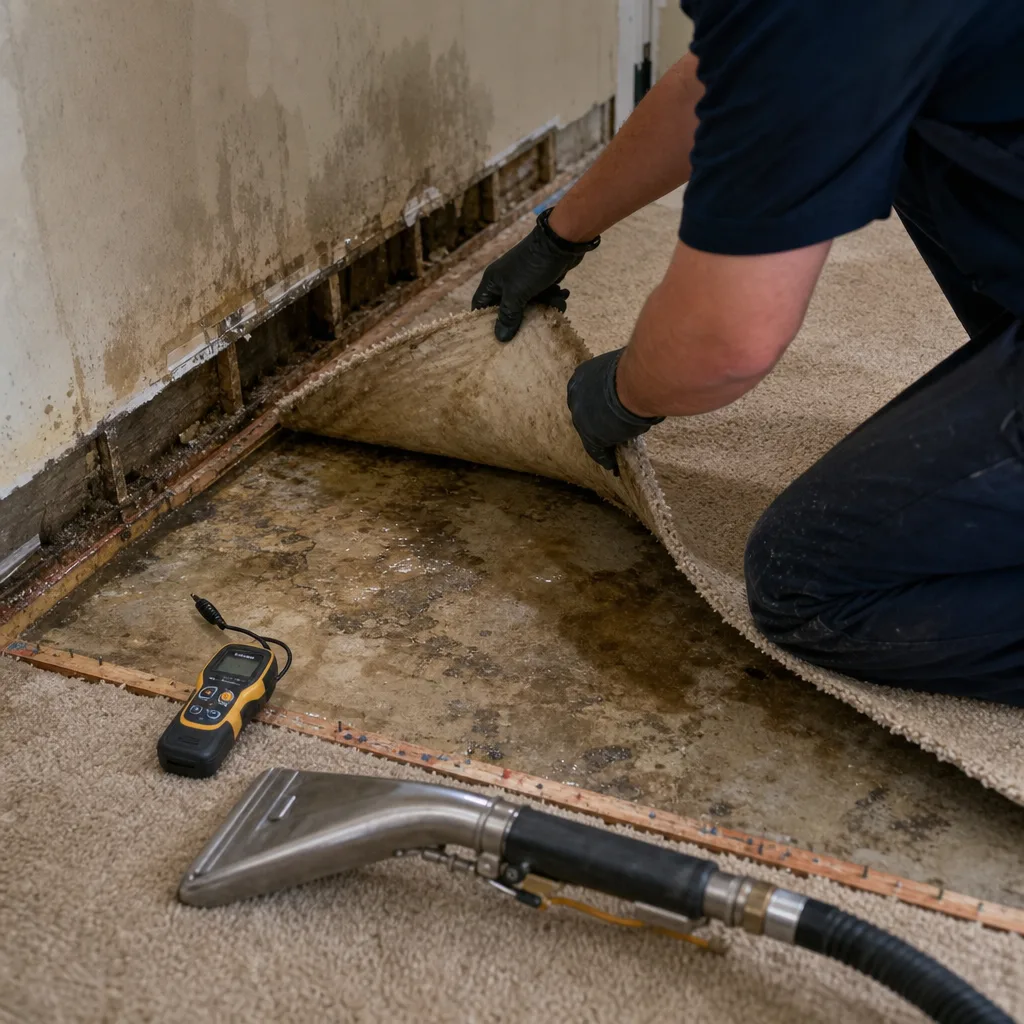
California HO-3 policies, the standard homeowner form, cover “sudden and accidental” water damage while excluding “constant or repeated seepage or leakage… over a period of 14 or more days.” The distinction is not about the damage severity; it’s about the timeline you can prove.
Evidence of Long-Term Damage (Gradual Exclusion Likely)
- Multiple layers of paint or caulk over water stains, indicating repeated concealment rather than repair
- Mold with established fruiting bodies and sporulation patterns that indicate growth over weeks or months
- Wood decay fungi with mycelial networks visible in wall cavities - species like Serpula lacrymans require sustained moisture and time to establish
- Corroded plumbing fixtures with mineral deposits that indicate slow, continuous leaks
- Foundation cracks with vegetation growth in the crack - plants don’t establish in weeks
Evidence of Sudden Loss (Coverage More Likely)
- Moisture readings that show a sharp gradient - wet at the point of intrusion, dry within 12 inches - indicating recent, localized entry
- Damage that corresponds to a documented event: storm date, supply line failure, appliance malfunction with service record
- Clean water staining without mold colonization in a pattern that traces a single flow path
- Documentation of normal conditions before the event - photos from a recent renovation, inspection report, or maintenance record
How Early Documentation Protects Your Claim Category
The critical action is establishing a baseline. If you document moisture readings, photos, and observations at the early or intermediate warning sign tiers, you create a record that the damage was not present - or was below actionable thresholds - before a specific event.
We recommend Pacific Palisades homeowners maintain a simple annual log:
- Photograph all plumbing fixtures, water heater, HVAC condensate lines, and visible foundation walls each January.
- Record moisture meter readings at consistent reference points: bathroom walls below shower valves, kitchen sink cabinet base, water heater platform, garage slab near the downhill corner.
- Store these with cloud backup and date stamps.
If damage later occurs, this log becomes evidence that the condition was sudden. We’ve seen claims denied for $40,000 in mold remediation where a simple photo log would have established that no staining existed 11 months prior.
The Mold Remediation in Pacific Palisades process we follow includes this documentation as standard - not as an upsell, but as a core deliverable that protects the homeowner’s coverage.
The Photo-Documentation Protocol for Each Warning Sign Level
Adjusters process claims visually before they process them financially. A photo record formatted to their expectations accelerates approval and reduces disputes. Here’s the protocol we use, which any homeowner can replicate for initial documentation.
Early Indicator Documentation
- Wide shot (24mm equivalent or wider): Show the entire room with the affected area in context. Include a visible reference point - window, door, fixture - that locates the finding.
- Medium shot: The affected area at approximately 1:10 scale, showing the full extent of bubbling, staining, or condensation pattern.
- Close-up with scale: A ruler or coin adjacent to the finding for size reference.
- Environmental context: The hygrometer reading in the same frame as the affected area, or the exterior conditions (rain, irrigation, grade slope) that may contribute.
File naming: YYYY-MM-DD_Room_Description_Early. Example: 2025-01-15_MasterBath_PaintBubbling_ShowerWall_Early.jpg
Intermediate Indicator Documentation
- All early-indicator shots, plus:
- Meter-in-frame reading: The moisture meter display clearly visible, with the probe contact point shown. We use meters with backlit displays for this purpose.
- Control reading photo: The same meter on a known-dry surface of identical material, taken within 5 minutes of the affected reading.
- Depth documentation: For pin readings, a photo showing pin insertion depth using the meter’s depth gauge or a reference scale.
- Adjacent areas: Photos 12 inches and 24 inches from the finding, showing whether the condition is spreading or localized.
File naming: YYYY-MM-DD_Room_MeterType_Reading_Level. Example: 2025-01-15_GuestBath_Pin_18pct_Drywall_Intermediate.jpg
Critical Indicator Documentation
At this stage, documentation requirements expand to include chain-of-custody considerations for potential biohazard or structural safety issues.
- All prior shots, plus:
- Area isolation: Barriers, signage, or stopped use that show the homeowner took reasonable protective action.
- Sequential damage: Photos tracing the water path from origin point to most distant effect, with each photo numbered in sequence.
- Contents impact: Personal property affected, photographed before any movement. Insurance covers contents separately from structure; documentation must be distinct.
- Professional arrival documentation: The restoration company’s assessment, with their moisture logs and written scope included in the same file folder.
Storage: Cloud backup with sharing capability. We provide our Pacific Palisades clients with a secure portal link where all job photos, drying logs, and documentation are stored with permanent access - not just until the job closes.
Seasonal Precursors in Pacific Palisades: Santa Ana Winds to Winter Rains
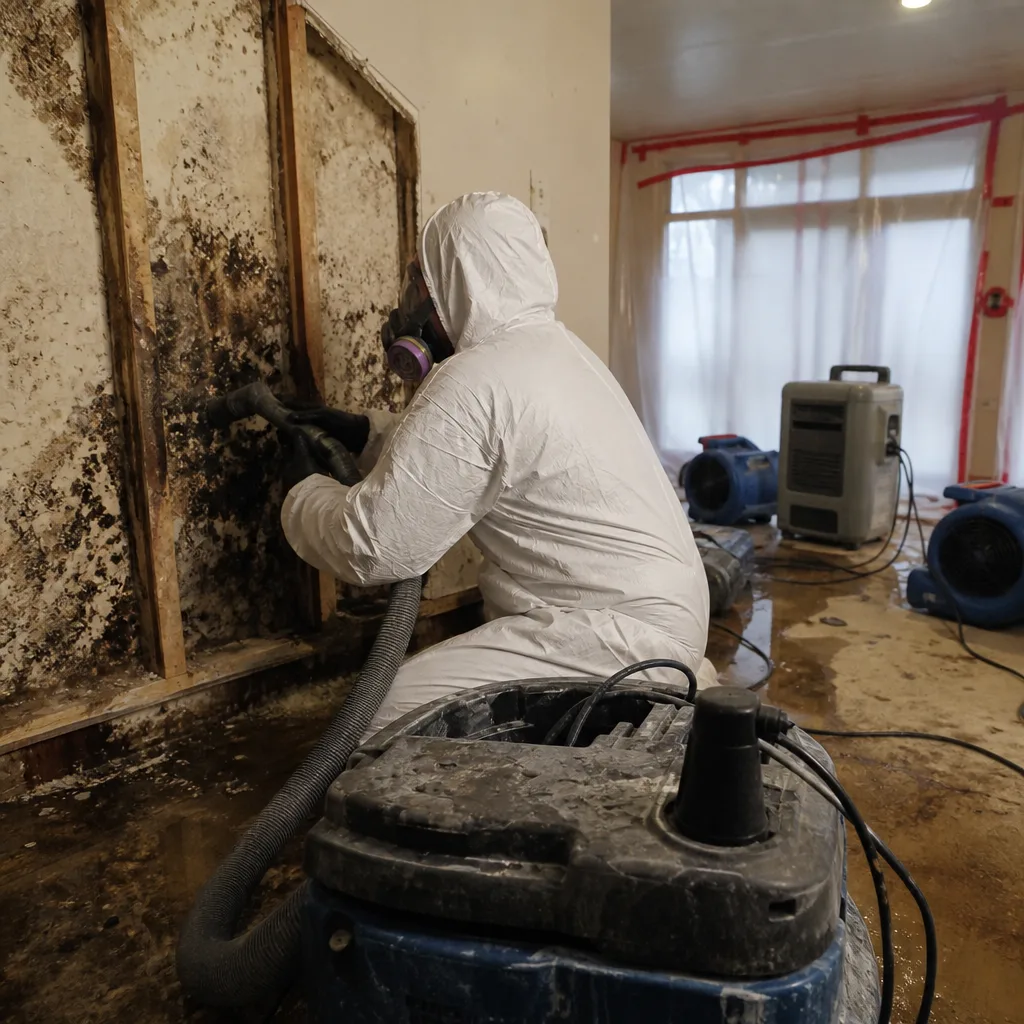
Pacific Palisades has a Mediterranean climate with distinct seasonal patterns that create specific moisture risk windows. Understanding these patterns helps homeowners time inspections and recognize when conditions are ripe for damage. Our Seasonal Damage Restoration Care for Pacific Palisades: Year-Round Homeowner’s Guide covers each season in detail.
October through January: Santa Ana Wind Damage
The Santa Ana winds deliver dry, hot air that seems like it would reduce moisture problems. In practice, it creates two distinct risks:
- Rapid desiccation of exterior wood, causing shrinkage cracks that later admit winter rain. We see this in cedar siding and redwood trim on homes in the Castellammare and Pacific Palisades Highlands areas.
- Forced intrusion through compromised seals: The positive pressure of 40+ mph winds drives rain horizontally into window and door perimeters that would shed water in calm conditions.
Warning signs specific to Santa Ana season: Dust accumulation patterns that trace air infiltration paths; window and door weatherstripping that shows compression set or cracking; exterior caulking that has pulled away from substrates due to thermal cycling.
January through March: Marine Layer and Foundation Saturation
The cool, moist marine layer that blankets Pacific Palisades on winter mornings creates sustained high humidity. Combined with winter rains, this is the period when foundation moisture issues become detectable.
Specific indicators:
- Morning condensation on north-facing windows that persists past 10 AM
- Foundation wall moisture readings that spike after rain events and don’t return to baseline within 72 hours
- Exterior paint failure on north and west walls where moisture behind the paint freezes and expands on cold nights
April through June: Drying Season and Hidden Damage Reveal
As the marine layer retreats and temperatures rise, moisture that was hidden in wall cavities during winter begins to express at surfaces. This is often when homeowners first notice damage that originated months earlier - and when insurers are most skeptical of “sudden” loss claims.
Key documentation timing: If you suspect winter moisture intrusion, document in March before the drying season begins. Once surfaces dry, the evidence becomes harder to capture, though the structural damage continues.
July through September: Irrigation and HVAC Condensate Risks
Summer in Pacific Palisades brings landscape irrigation systems running at maximum, and air conditioning systems producing condensate at peak rates. Both are common water damage sources.
Specific warning signs:
- Sprinkler overspray on stucco walls, particularly on the Riviera and in the Huntington Palisades where mature landscaping requires extensive irrigation
- HVAC condensate lines that discharge near foundations rather than to dedicated drains
- Attic moisture from ductwork condensation when cool air runs through hot attic spaces with inadequate insulation
The XPOWER and B-Air air movers we deploy for summer drying jobs are selected for their high-temperature operation ratings - standard equipment can overheat in Pacific Palisades attics that reach 140°F in August.
Common Mistakes to Avoid
- Assuming dry surface means dry assembly. We’ve opened walls in Pacific Palisades homes where the drywall face read 8% moisture but the insulation behind it was saturated at 85% RH. Surface readings deceive; assembly readings reveal.
- Cleaning mold without documenting first. California insurers may deny mold claims where the homeowner’s cleaning removed evidence of the extent and origin. Photo-document before any remediation, even DIY surface cleaning.
- Ignoring musty odor because it’s “just the basement.” In hillside Pacific Palisades homes, the lowest level is often the most structurally critical. Odor indicates active microbial growth that compromises the very members carrying the uphill load.
- Waiting for visible damage before calling. By the time staining appears on finished surfaces, the damage behind them typically exceeds $5,000 in remediation scope. The precursor thresholds in this guide exist precisely to catch problems before this point.
- Using bleach on mold. Bleach evaporates faster than it penetrates, leaving moisture that feeds regrowth. It also destroys pigment without killing mycelium, creating a false sense of resolution that delays proper remediation.
- Failing to match documentation to policy language. If your policy requires “sudden and accidental” damage, your documentation must establish a timeline that fits those words. Vague photos without dates or readings don’t meet this standard.
When to Call a Professional
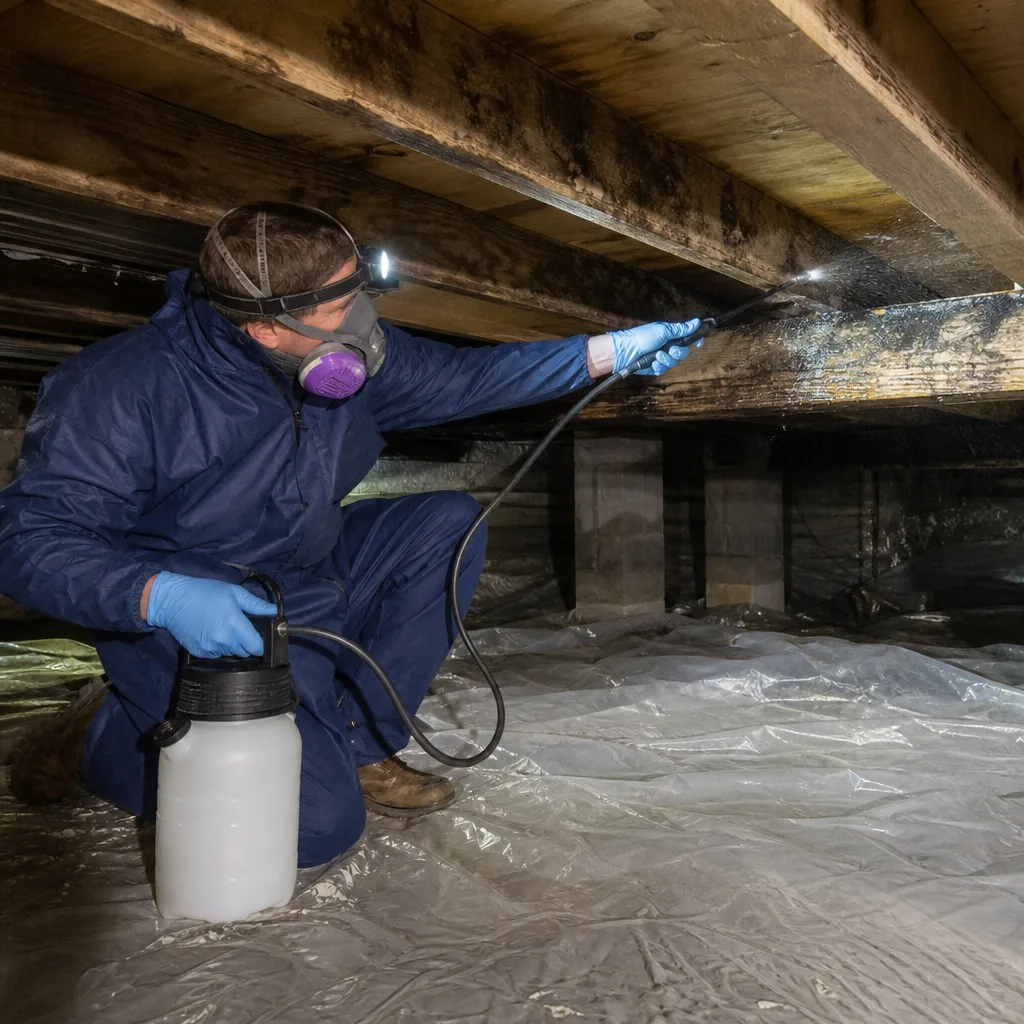
Call for documented professional assessment when any intermediate or critical indicator is present, when early indicators persist beyond 72 hours despite ventilation improvements, or when you need a written scope for insurance purposes. The threshold is not your confidence in interpreting signs; it’s your ability to produce documentation that an adjuster will accept. Explore more guides & resources to protect your home.
Fire & Smoke Damage Restoration in Pacific Palisades and other specialized services require immediate professional documentation for entirely different reasons - smoke damage, like moisture damage, has timelines that affect coverage and restoration approach.
DryMark Restoration Pacific Palisades offers free estimates in Pacific Palisades. Every estimate includes moisture readings, a photo record, and a written scope before any work begins - Haven Standard, Clause 1. Call (424) 365-9728 to schedule.
Frequently Asked Questions
Most restoration companies, including DryMark Restoration Pacific Palisades, provide initial moisture inspections at no charge for homeowners. The inspection includes non-penetrating and pin-meter readings, thermal imaging to detect temperature differentials that indicate moisture, and a written findings report with photo documentation. If the inspection reveals damage requiring remediation, the written scope and drying plan are also provided before any work begins. Call (424) 365-9728 for an exact quote - estimates are free.
California HO-3 policies typically exclude damage from “constant or repeated seepage or leakage… over a period of 14 or more days.” However, noticing a warning sign is not the same as knowing damage exists. The key is documentation: if you recorded the early indicator with dated photos and readings, and can show the condition progressed despite reasonable homeowner maintenance, coverage may still apply. Conversely, visible mold that was painted over, or stains that were caulked without repair, strongly suggests knowledge of long-term damage. We recommend documenting every finding and calling for assessment within 72 hours of any intermediate indicator.
Consumer-grade meters typically offer non-penetrating measurement only, with limited calibration options and no data logging. Professional meters from manufacturers like Protimeter and Delmhorst provide pin and pinless modes, species-specific calibration, insulated pins for depth profiling, and Bluetooth connectivity for direct data export to drying logs. The critical difference is not the meter cost but the interpretation: a professional reading includes the control measurement, the gradient analysis, and the material-specific threshold that determines whether action is warranted. For homeowner use, a basic meter is valuable for establishing baseline readings; for claim documentation, professional equipment and interpretation are necessary.
DryMark Restoration Pacific Palisades maintains live phone coverage 24 hours a day, 7 days a week with no voicemail on emergency lines. For active water intrusion, sewage backup, or fire damage requiring immediate mitigation, we dispatch from our local presence. For assessment of warning signs that are not actively spreading, we typically schedule within 24 hours. The distinction matters for insurance: emergency mitigation is documented as “reasonable and necessary” to prevent further damage; non-emergency assessment is scoped and scheduled with a written price before work begins, per Haven Standard, Clause 1. Call (424) 365-9728 to discuss your situation and determine the appropriate response.
For affected areas under 10 square feet on hard, non-porous surfaces, EPA guidelines permit homeowner cleaning with detergent and water, followed by thorough drying. However, this applies only when the water source is identified and corrected, and when no HVAC system is involved. In Pacific Palisades, we rarely see situations that meet all these criteria: most mold we encounter is in wall cavities, on porous materials like drywall or insulation, or associated with HVAC systems. Additionally, visible mold often indicates more extensive hidden growth. Professional remediation includes containment, negative air pressure, HEPA filtration, and post-remediation verification - documentation that insurers and future buyers require. We offer free second opinions on any competitor’s written estimate if you’re uncertain about the scope proposed.
At DryMark Restoration Pacific Palisades, we coordinate directly with your adjuster as part of our standard service. This includes providing the daily drying logs, photo documentation, and written scopes that adjusters need to process claims efficiently. Our documentation is formatted to IICRC, RIA, and IFA standards specifically because these are the formats adjusters recognize and trust. We do not require you to mediate between our technicians and your insurer; our documentation speaks directly to the claim file. This documentation-first approach was built into the company from its founding in 2011 by a former claims adjuster who understood what separates payable claims from disputed ones.
The Bottom Line
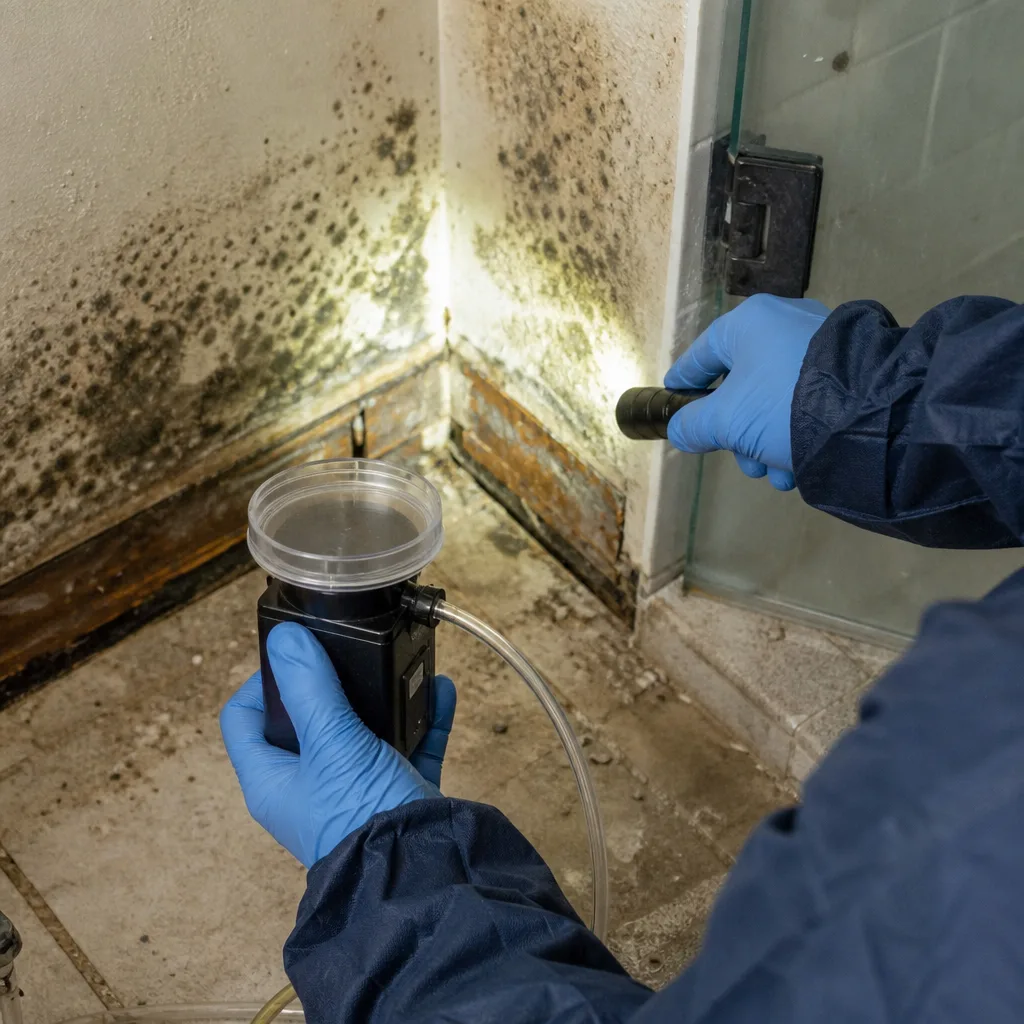
Water damage in Pacific Palisades rarely arrives without warning. It broadcasts through humidity readings, meter measurements, and material behaviors that a trained observer can detect weeks or months before walls open or mold appears. The homeowners who protect their property and their claims are those who measure rather than guess, document rather than assume, and call for professional assessment at the precursor stage rather than the crisis stage. The tiered framework in this guide - early indicators at 60% RH, intermediate at 16% wood moisture, critical at visible colonization - gives you specific thresholds and specific actions. The photo-documentation protocol ensures that what you observe can be processed by the insurance system. And the seasonal patterns particular to Pacific Palisades hillside, canyon-adjacent, and older stucco construction help you time your vigilance to when risk is highest.
Written by Alicia Brennan, Owner at DryMark Restoration Pacific Palisades, serving Pacific Palisades since 2011.