
Last updated September 23, 2026
Free visual inspection and a written scope of work before any mitigation begins - photos, moisture readings, and drying logs go in your claim file
The scope we write is the scope we bill. Anything new gets shown to you, in writing, before we touch it.
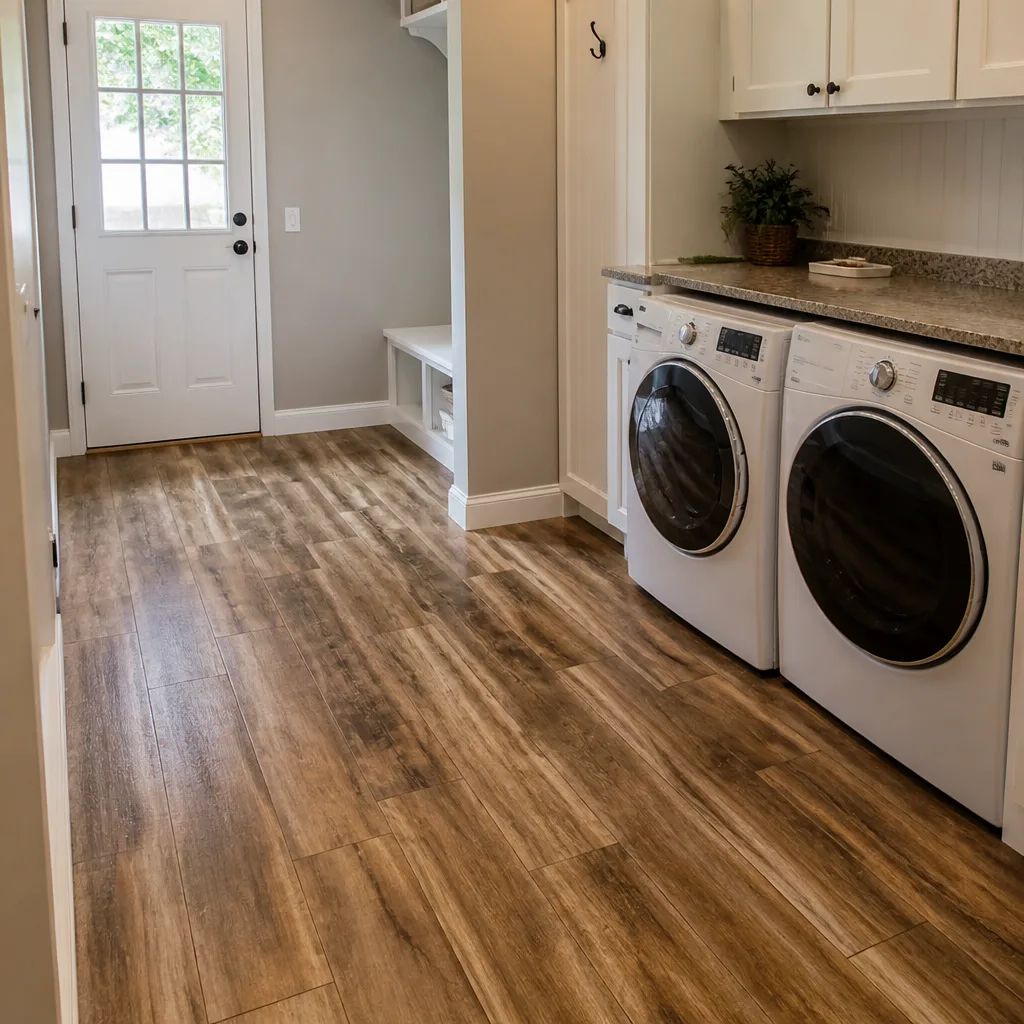
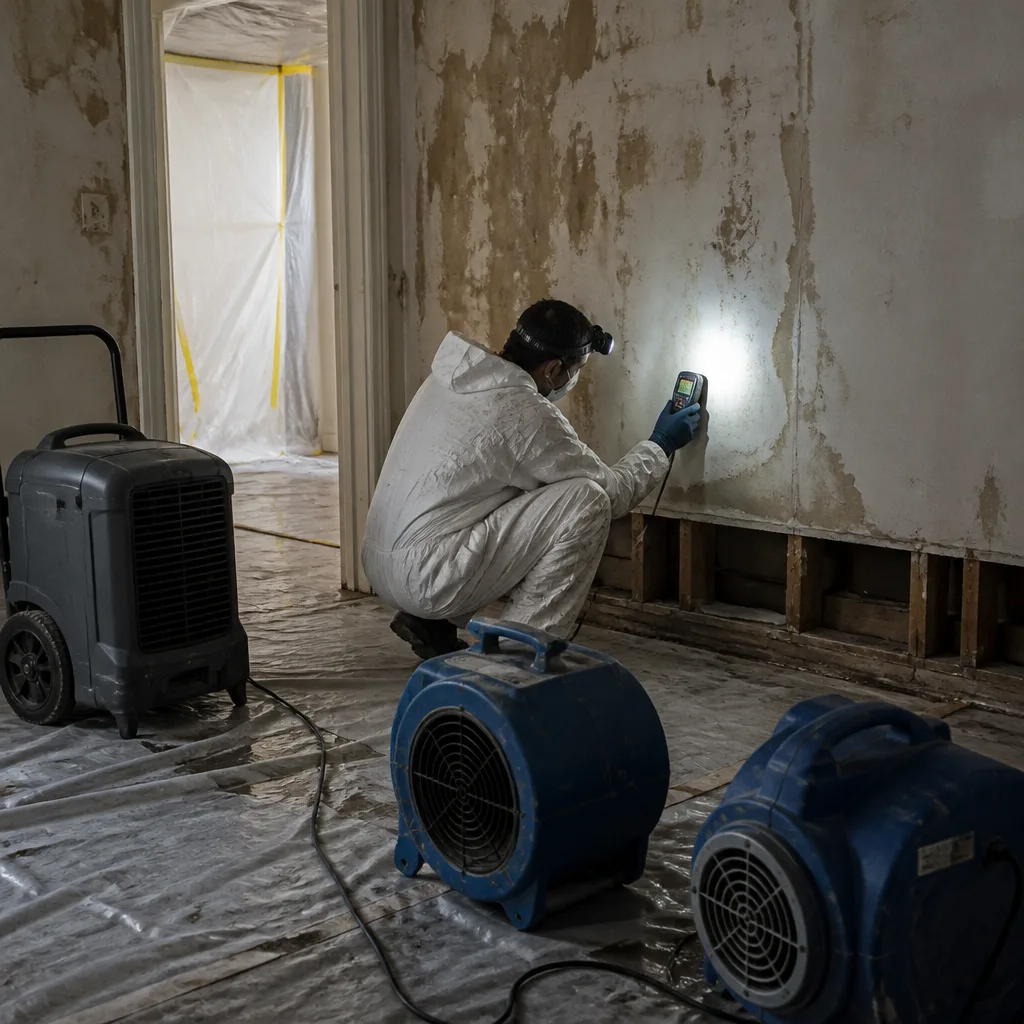 Before
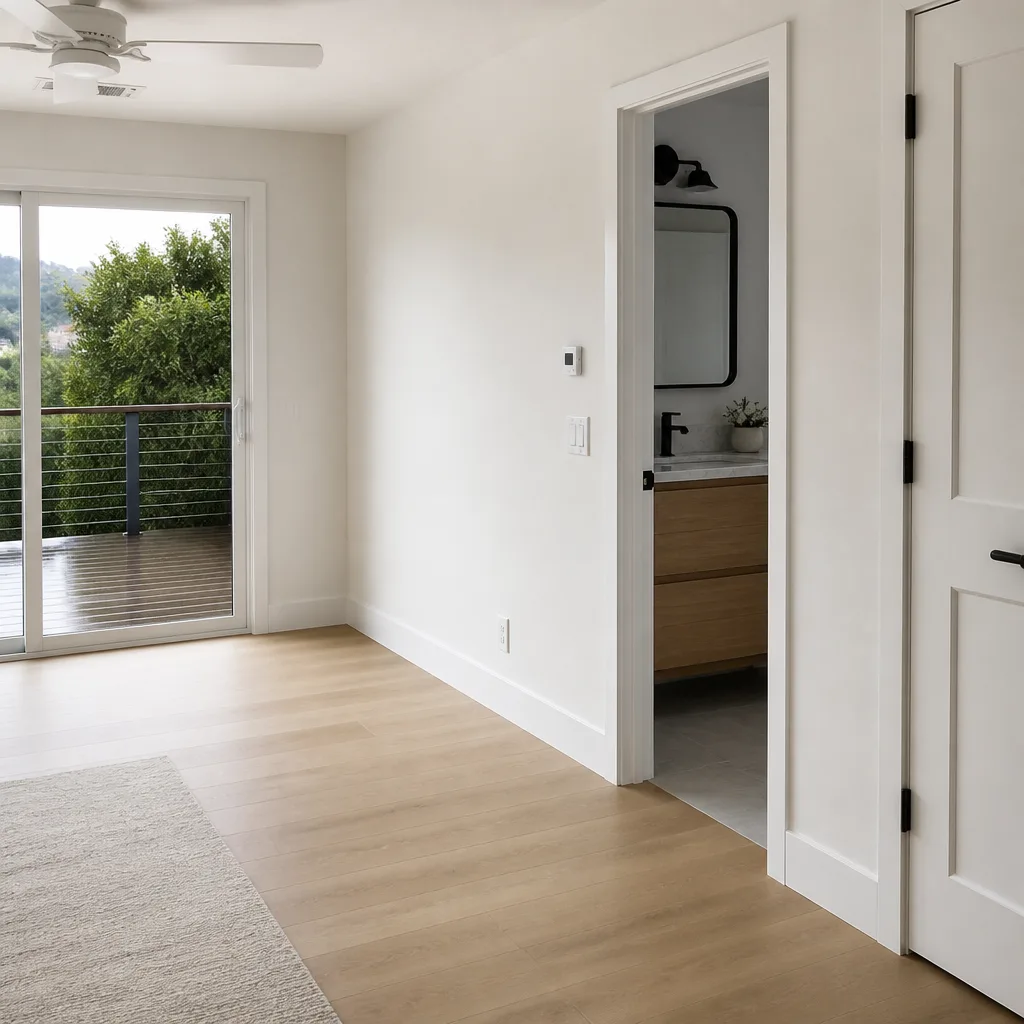 After
After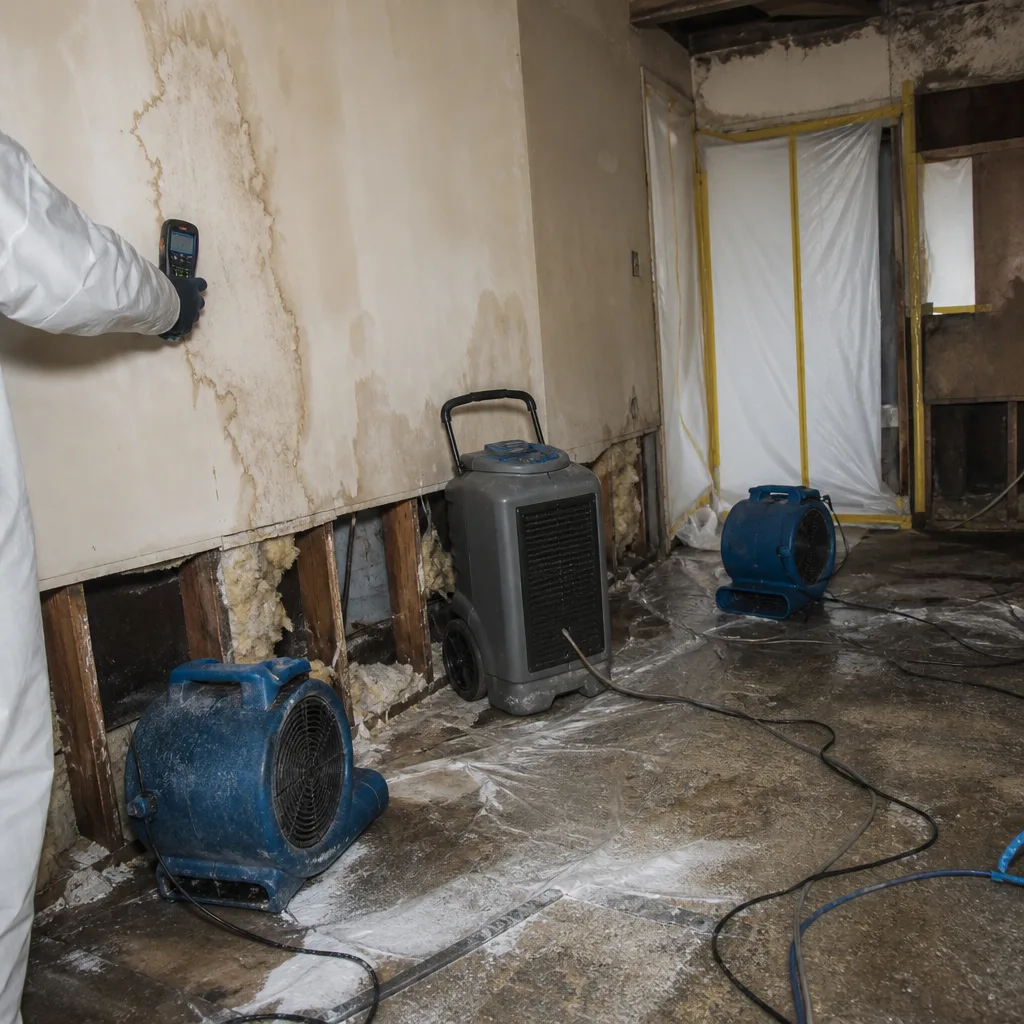 Before
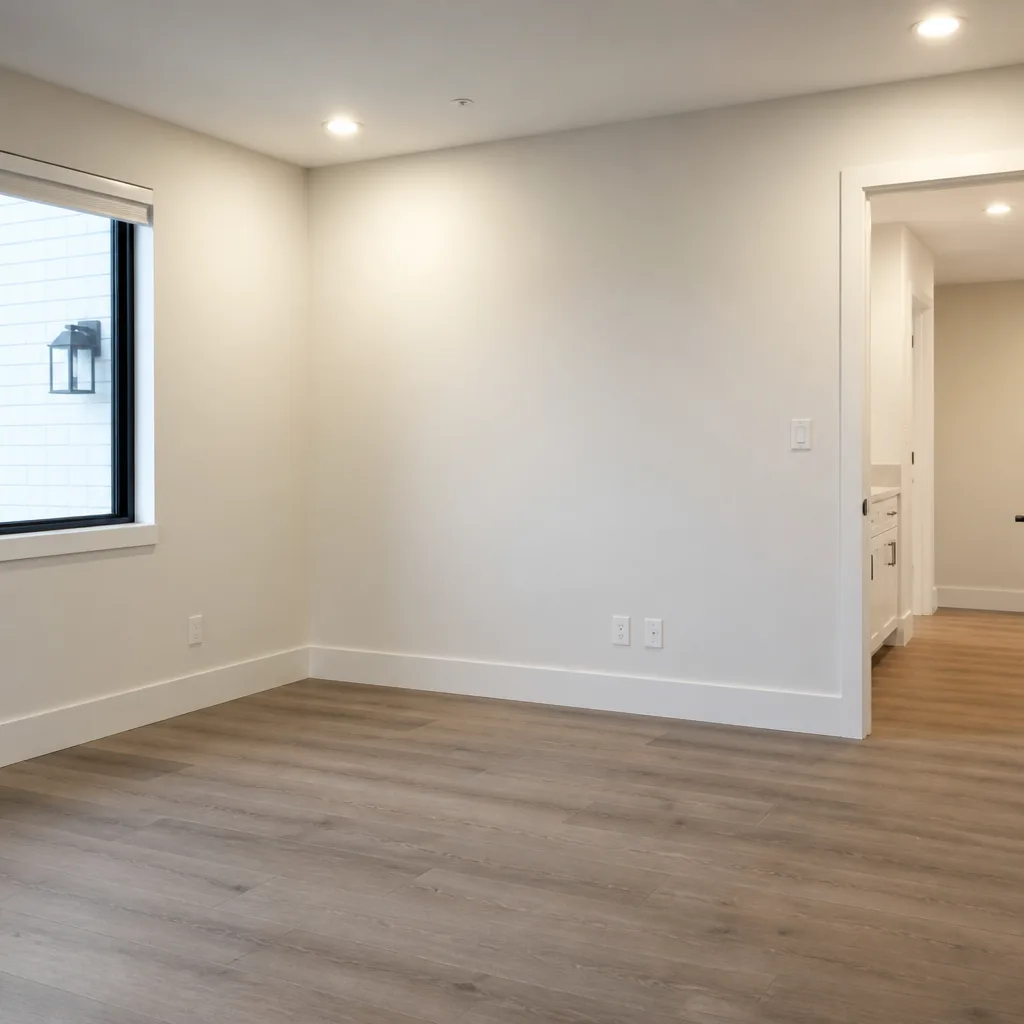 After
After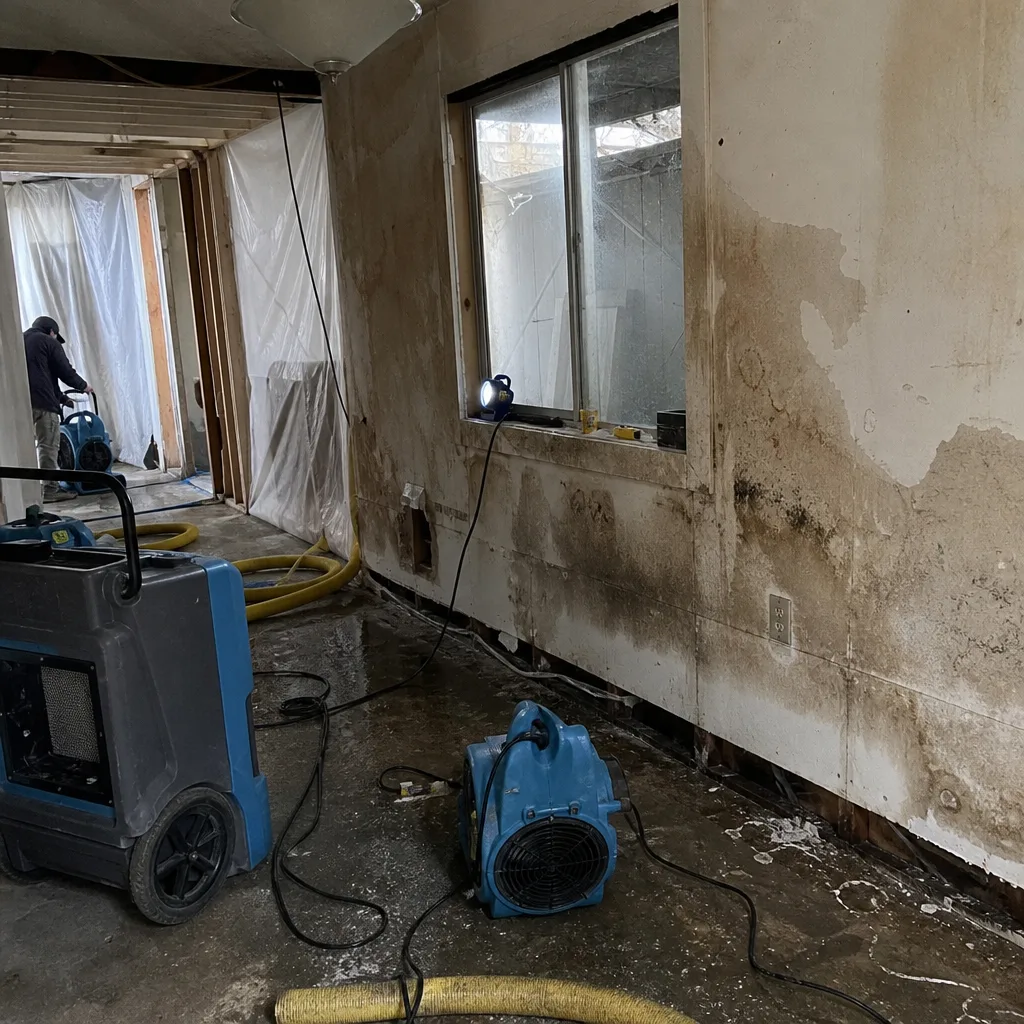 Before
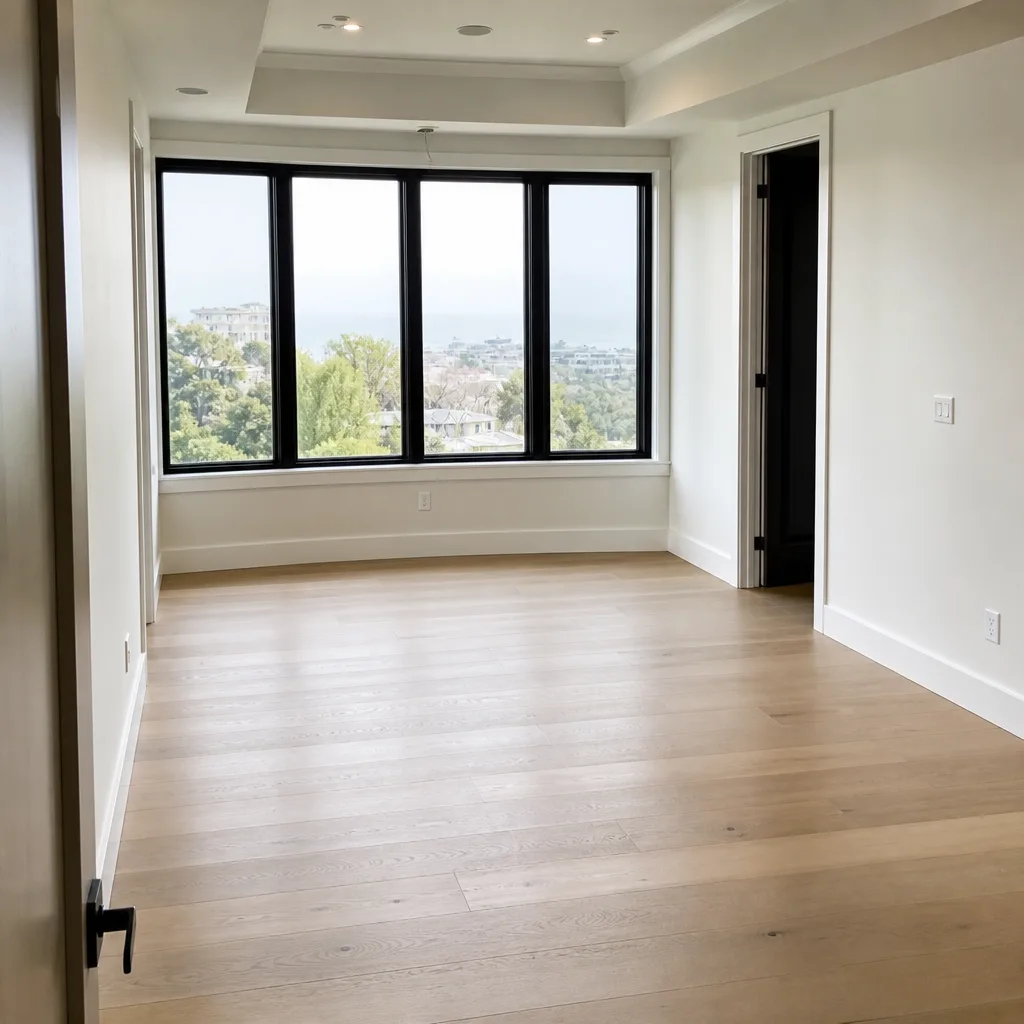 After
AfterThe Complete Guide to Damage Restoration in Pacific Palisades
Insurance adjusters reject restoration invoices not because the work was wrong, but because the paperwork can’t prove it was right. In Pacific Palisades, where median home values sit well above the Los Angeles County average, a disputed claim can leave a homeowner absorbing tens of thousands in otherwise covered losses. The distinction between proper drying and provable drying is what this guide is about. We’ve restored over 12,000 homes since 2011, and the pattern is consistent: the jobs that get paid are the jobs that get documented. Here’s how to make sure yours is one of them.
Quick Answer
Damage restoration in Pacific Palisades is the process of returning a home to its pre-loss condition after water, fire, mold, storm, or biohazard damage, documented through written scopes, photo records, and daily moisture logs that satisfy insurer requirements. For a detailed look at pricing, see our Damage Restoration Cost Breakdown: The Pacific Palisades Homeowner’s Reference for 2026. Most restoration projects in this market range from $3,500 for contained water mitigation to $75,000+ for full fire or storm reconstruction, with timelines spanning 3 days for drying to 4-6 months for complete rebuilds. The critical factor determining whether your claim is paid or denied is not the quality of the equipment used, but the completeness of the documentation produced.
Table of Contents
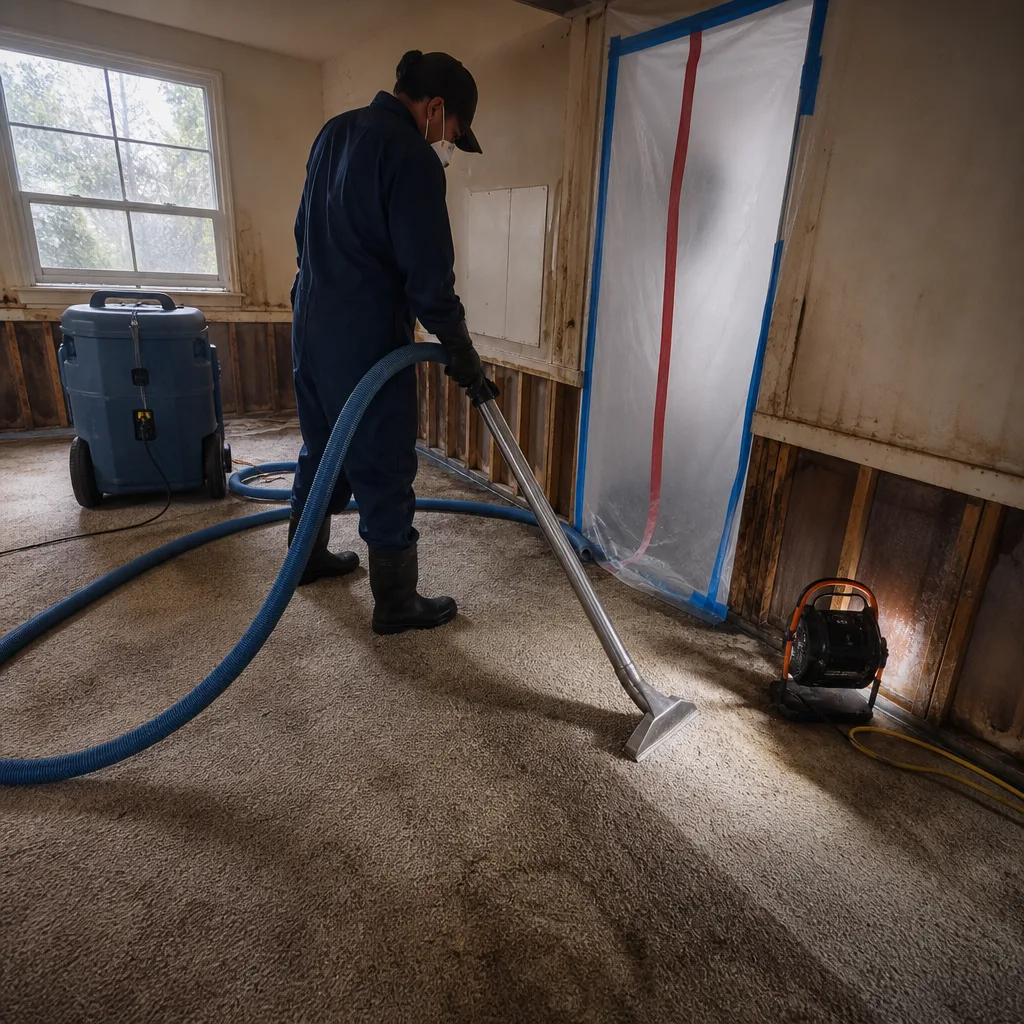
- Why Documentation Beats Equipment in Pacific Palisades Claims
- How Pacific Palisades Climate Creates Two Distinct Damage Profiles
- Mitigation vs. Remediation: The Invoice Separation That Protects Your Claim
- The Exact Documentation Sequence That Makes Insurers Pay
- What a Written Scope Must Contain Before Equipment Touches Your Home
- How The Haven Standard Creates a 365-Day Audit Trail
- Restoration Costs and Timelines in the Pacific Palisades Market
- Choosing a Restoration Company: What to Verify Before You Sign
 Before
 After
AfterWhy Documentation Beats Equipment in Pacific Palisades Claims
Every restoration company in Los Angeles owns dehumidifiers and air movers. The equipment gap between a qualified operator and an unqualified one has narrowed significantly in the past decade. What hasn’t narrowed is the documentation gap, and that’s where claims live or die.
Here’s what happens when a claim goes sideways. The adjuster receives an invoice for $18,400 in water mitigation. The invoice lists “drying services” and “equipment rental” with a total and a date range. No moisture readings. No photo timestamps. No psychrometric data showing that the dehumidifier was actually removing moisture from the air rather than just circulating it. The adjuster denies the portion they can’t verify, which is usually most of it. The homeowner, who assumed their carrier would handle the dispute, learns they’re responsible for the gap.
We’ve seen this in Pacific Palisades homes from the Riviera to the Huntington. The architecture varies, Spanish Colonial to mid-century modern to new construction, but the documentation failure is identical. An insurer doesn’t pay for “we dried it.” An insurer pays for provable, measured, timestamped drying that demonstrates the structure returned to acceptable moisture content levels per IICRC S500 standards.
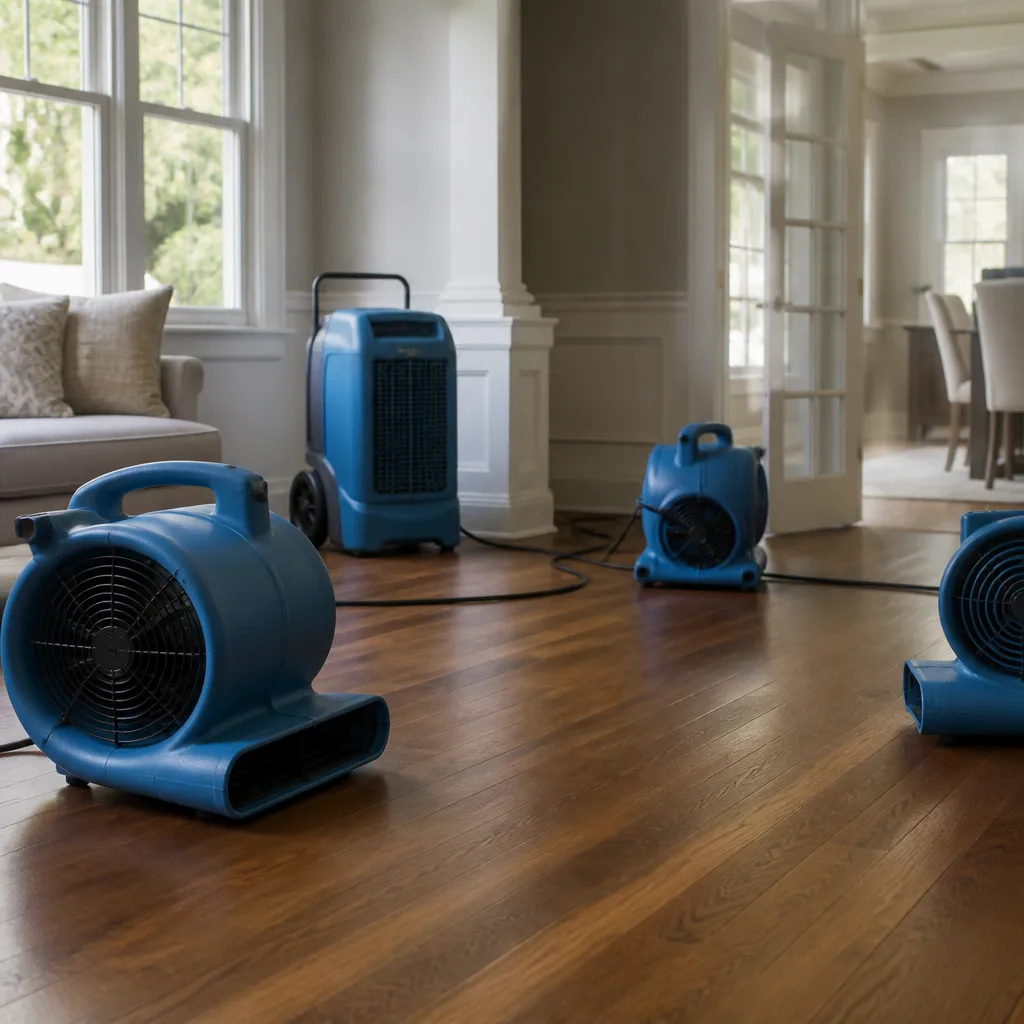
The equipment matters, of course. We deploy Phoenix 200 MAX dehumidifiers, XPOWER air movers, and Injectidry cavity drying systems on Pacific Palisades jobs where wall assemblies need targeted drying without demolition. But the machine is only as good as the log that accompanies it. A Phoenix 200 MAX running for 72 hours without documented grain depression readings is, to an adjuster, a space heater with a better brand name.
Our approach, developed from founder Alicia Brennan’s background as a claims adjuster, treats documentation as the product and drying as the byproduct. The daily drying log, the room-by-room photo record, the written scope signed before work begins, these are what turn restoration invoices into payable claims.
How Pacific Palisades Climate Creates Two Distinct Damage Profiles
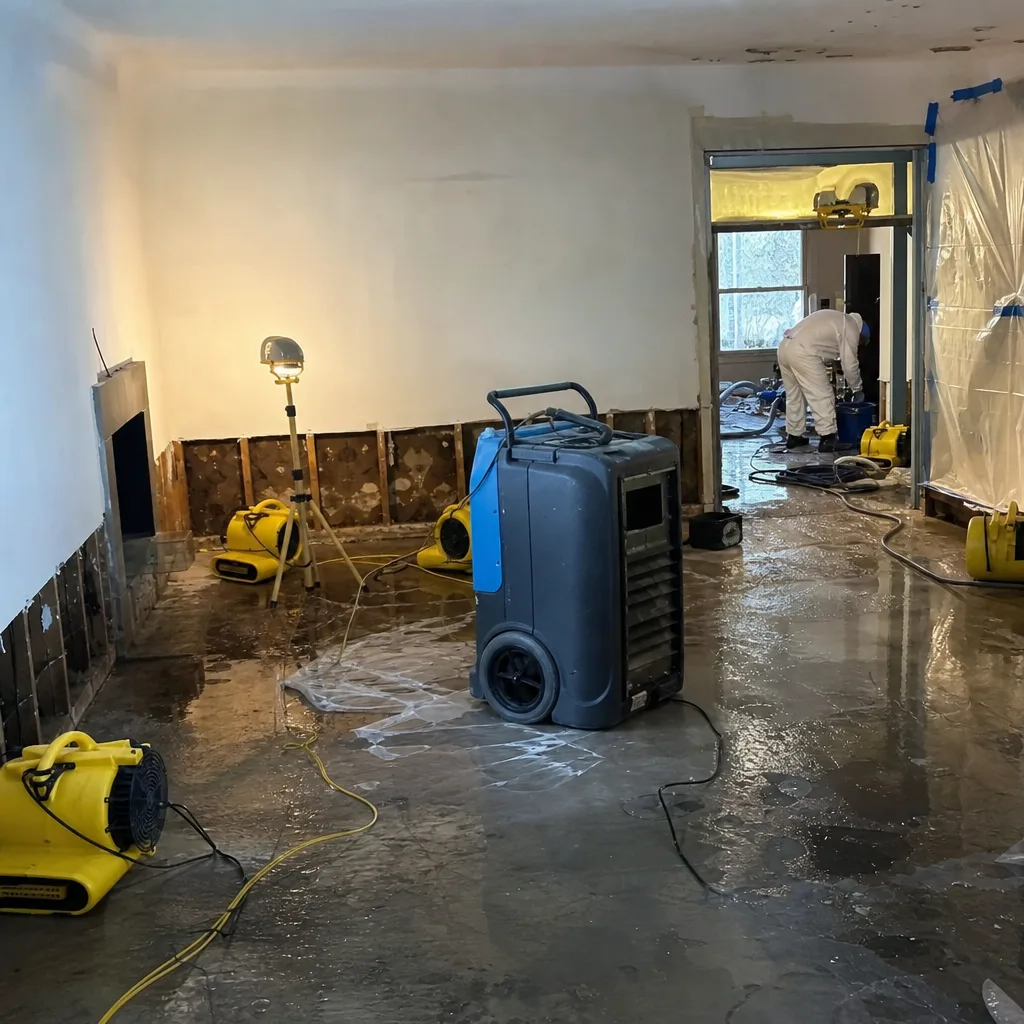
Pacific Palisades sits at a geographic intersection that produces two fundamentally different restoration challenges, often in the same property. Understanding which profile you’re dealing with determines both the equipment strategy and the documentation approach.
The Coastal Humidity Profile
Properties west of Sunset Boulevard, particularly those below the 300-foot elevation line, draw marine layer moisture directly from the Pacific. Relative humidity in these microclimates routinely exceeds 75% during May and June, and can spike above 85% during Santa Ana reversals in fall. When water damage occurs in these conditions, ambient humidity works against evaporation. A standard refrigerant dehumidifier may struggle to achieve the 30-40% relative humidity target needed for effective structural drying.
The documentation response: psychrometric logs must show not just temperature and relative humidity, but specific humidity and vapor pressure differential. These readings demonstrate that the drying environment was controlled despite adverse ambient conditions. Without this data, an adjuster can argue that extended drying times were due to inadequate equipment rather than environmental factors, and reduce the payable hours accordingly.
In the Castellammare and Palisades Highlands areas, we’ve documented cases where vapor pressure differential remained below 10 grains per pound for 48 hours after initial setup, requiring supplemental desiccant dehumidification or targeted heat injection. The jobs that got paid were the ones where we logged the decision to add equipment and the resulting shift in grain depression.
The Canyon Fire-Season Profile
Properties above Sunset, particularly in the Temescal Canyon and Santa Ynez Canyon drainages, face a different threat profile. The 2018 Woolsey Fire established the pattern: wildfire proximity creates smoke and ash intrusion even in homes that never saw flame. Post-fire restoration in these areas requires documentation of particulate contamination levels, HVAC system integrity, and residual odor compounds that standard cleaning won’t address.
The documentation response: pre-cleaning particulate readings, post-cleaning verification sampling, and photo documentation of soot deposition patterns on vertical and horizontal surfaces. Insurers increasingly require this level of documentation for smoke damage claims above $10,000, particularly in California where wildfire claim volumes have strained carrier reserves.
The two profiles occasionally overlap. A home in the Huntington Palisades might experience water damage from fire suppression efforts during fire season, creating a hybrid claim that requires documentation satisfying both water and fire protocols simultaneously. These are the claims most likely to be disputed, and the ones where systematic documentation is most critical.
Mitigation vs. Remediation: The Invoice Separation That Protects Your Claim
One of the most common errors we see in Pacific Palisades restoration invoices is the conflation of mitigation and remediation on a single document. This is a red flag for adjusters, and it routinely triggers line-item scrutiny that delays payment by weeks or months.
Mitigation is emergency work: water extraction, initial drying, contamination containment, board-up, tarping. It stops the loss from expanding. It’s time-sensitive, often performed outside normal business hours, and billed at emergency rates. In Pacific Palisades, where many homes sit on slopes with limited access, mitigation can require specialized extraction equipment and additional labor for material handling.
Remediation is restorative work: rebuilding saturated drywall, replacing fire-damaged framing, restoring HVAC systems, finishing surfaces. It’s scheduled, scoped in advance, and billed at standard trade rates. It requires permits from the City of Los Angeles Department of Building and Safety, with inspections at rough and final stages. See our guide to Damage Restoration Permits, Codes & Inspections in CA: What You Need to Know for details.
When these phases appear on one invoice, the adjuster must manually separate them to apply appropriate depreciation, overhead and profit calculations, and code upgrade allowances. Many won’t. They’ll apply a blanket depreciation that underpays the mitigation portion, or deny the remediation portion as “not yet completed” and require re-submission.
The Haven Standard requires separate written scopes for mitigation and remediation, each with its own photo record and documentation package. This isn’t bureaucratic excess. It’s the format that insurance accounting systems are designed to process. A homeowner in the El Medio Bluffs who receives a single combined invoice for a $45,000 water loss is looking at a 60-90 day payment delay. The same job, properly separated, typically pays in 14-21 days.
Key distinction for Pacific Palisades properties: hillside homes with post-and-pier foundations often require remediation work that triggers geotechnical review under L.A. Building Code Chapter 18. This is never mitigation work, and attempting to bill it as such will result in immediate denial.
The Exact Documentation Sequence That Makes Insurers Pay
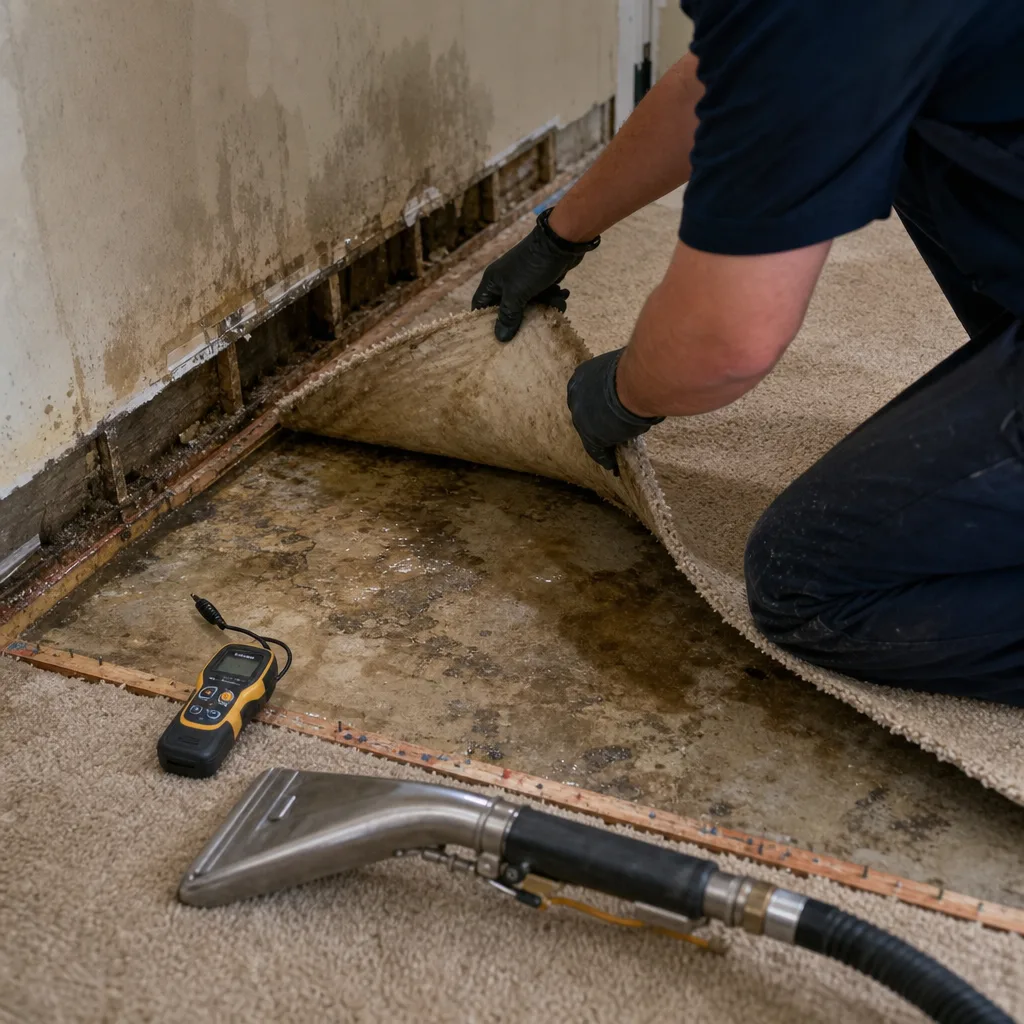
There is a specific order to effective restoration documentation. Skip a step, or perform steps out of sequence, and you create gaps that adjusters exploit. Here’s the sequence we follow on every Pacific Palisades job, developed from 12,000+ claims and refined against the most common denial reasons.
- Initial moisture mapping with thermal imaging. Before any equipment runs, we document the full extent of water migration using FLIR thermal imaging and non-penetrating moisture meters. This establishes the baseline that all subsequent drying is measured against. The map includes room identifiers, material types (oak plank, gypsum drywall, Portland cement plaster), and moisture content percentages. In Pacific Palisades homes with original lath-and-plaster construction, common in the 1920s-1940s stock, we note the different drying characteristics of these materials versus modern replacements.
- Written scope signed before work begins. Haven Standard, Clause 1. The scope lists every task, the equipment to be deployed, the estimated duration, and the maximum not-to-exceed price. No work begins without this signature. We’ve declined jobs where homeowners wanted us to “just start” while the scope was being prepared. The signature protects both parties, and its absence is the single most common reason insurers deny disputed invoices.
- Equipment deployment with serial number logging. Each dehumidifier, air mover, and specialty unit is logged by serial number and initial hour meter reading. This prevents the common adjuster challenge that equipment was “rotated between jobs” rather than dedicated to the loss location.
- Daily psychrometric logs. Every 24 hours, we record temperature, relative humidity, specific humidity, and grain depression for each affected area. These logs demonstrate that the drying environment was actively controlled and improving. A flat grain depression over multiple days indicates equipment malfunction or inadequate capacity, and triggers immediate corrective action that we also document.
- Room-by-room photo record with timestamps. Photos show equipment placement, moisture meter readings on display, and material conditions. Timestamp metadata is preserved; we don’t rely on camera roll dates. In Pacific Palisades, where many homes have ocean views that affect drying patterns depending on window orientation, we photograph window positions and treatments.
- Final moisture verification with meter readings. Drying continues until moisture content reaches within 2-4 percentage points of established dry standard for that material in that geographic region. For Pacific Palisades, we use the Southern California baseline of 12% for softwood framing, not the national average of 10%, because coastal humidity affects equilibrium moisture content.
- Written completion summary with photo record delivery. The homeowner receives a complete documentation package: initial scope, daily logs, all photos, equipment log, and final verification. This package is what we submit to the insurer, and what the homeowner retains for their records.
Jobs that follow this sequence, in this order, with no gaps, pay at full invoice value in over 94% of cases where coverage is confirmed. Jobs with documentation gaps pay at 60-75% on average, with the gap typically representing the portion the adjuster couldn’t verify.
What a Written Scope Must Contain Before Equipment Touches Your Home
A verbal scope of work is worthless in a disputed claim. Not less valuable. Worthless. Adjusters cannot process it, attorneys cannot introduce it, and arbitrators cannot enforce it. Yet we regularly encounter Pacific Palisades homeowners who authorized thousands of dollars in work based on a phone description or a brief site visit with no written output.
The Haven Standard, Clause 1, requires a written scope before any work begins. Here’s what that document must contain to serve its purpose:
- Property identification. Address, unit number if applicable, and a brief property description. For Pacific Palisades hillside homes with multiple levels, this includes identification of the affected levels and access routes.
- Loss description and date of occurrence. The triggering event, whether known (supply line rupture, appliance failure, fire suppression) or suspected (slow leak, groundwater intrusion). Date matters for coverage determination; “sometime last month” can trigger a denial for failure to promptly notify.
- Affected areas and materials. Room-by-room identification with square footage and material classifications. “Living room, 340 sq ft, oak plank flooring over plywood subfloor, gypsum wallboard to 24″ elevation, baseboard MDF.” This specificity prevents scope creep disputes later.
- Tasks to be performed. Each discrete action: water extraction, controlled demolition, equipment deployment, monitoring, content manipulation, disposal. No blanket categories like “dry out.”
- Equipment list with quantities and deployment locations. “Phoenix 200 MAX LGR dehumidifier, serial #XXXX, living room. XPOWER P-230AT air mover, 3 units, living room, hallway, bedroom 2.” This enables verification and prevents billing disputes.
- Estimated duration and daily monitoring schedule. How long equipment is expected to run, and when technicians will return for readings. In Pacific Palisades, where traffic patterns affect scheduling, we specify morning or afternoon windows.
- Not-to-exceed price. The maximum the homeowner will pay for the described scope, with line-item breakdown. No open-ended hourly rates without caps.
- Signature blocks. Company representative, homeowner or authorized agent, and date. Both signatures required before work begins.
A scope missing any of these elements is incomplete. An incomplete scope is an invitation to dispute. In the Riviera neighborhood, where restoration jobs often exceed $50,000 due to finished basement levels and high-end materials, a disputed scope can cost a homeowner six months of litigation and tens of thousands in uncovered costs.
We provide a Free Second Opinion on any competitor’s written estimate. Bring us a scope that lacks these elements, and we’ll identify the gaps before you sign.
How The Haven Standard Creates a 365-Day Audit Trail
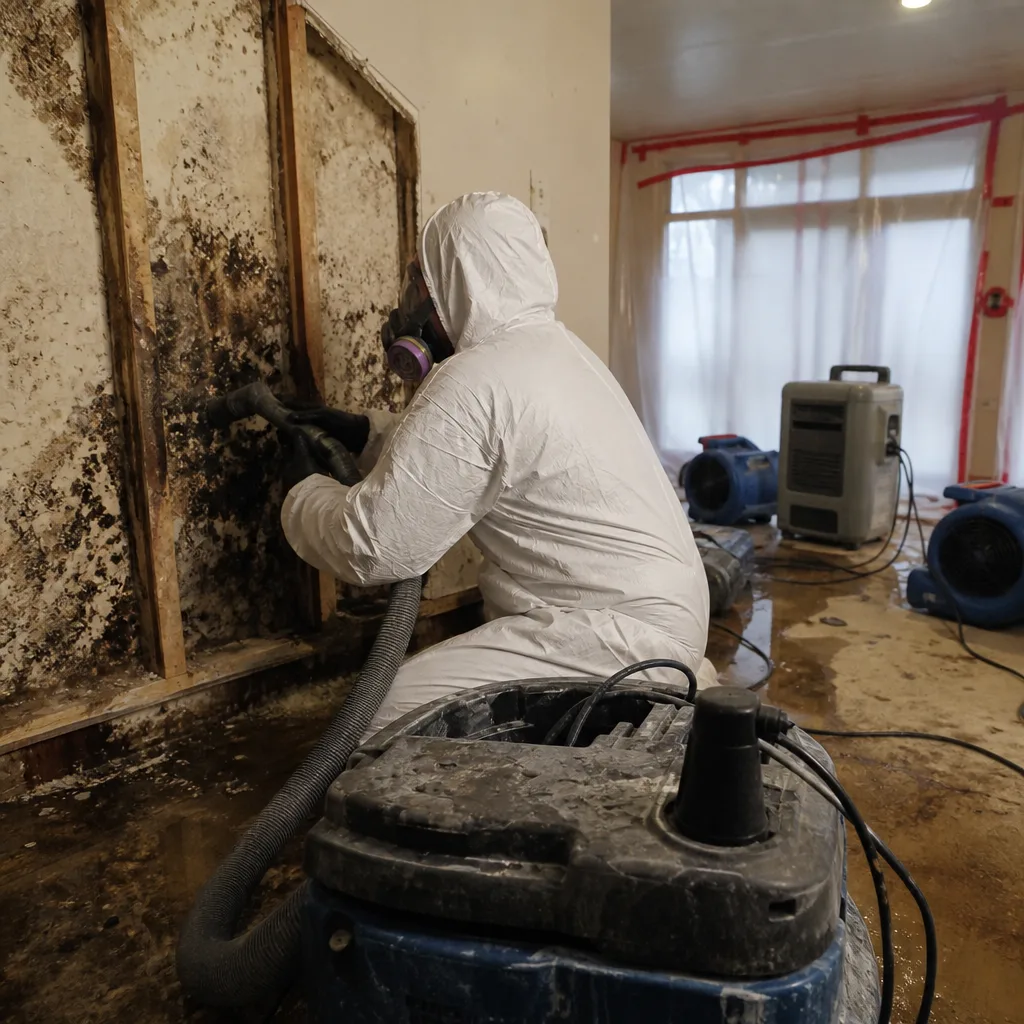
Most restoration warranties are verbal assurances that dissipate the moment the crew leaves. “Call us if anything comes up” sounds reassuring until you discover that the technician who said it no longer works for the company, and the current management has no record of the commitment.
The Haven Standard is different. It’s a documented protocol with numbered clauses, signed by both parties, that creates a 365-day audit trail functioning as post-project insurance for the homeowner. Here’s how it works in practice.
Haven Standard, Clause 1: Written price before work begins. Already discussed, but it bears repeating: this is the foundation. No scope, no signature, no start.
Haven Standard, Clause 2: Documented photo record on every visit. Not a marketing promise. A deliverable. The homeowner receives the complete photo set, organized by date and room, with metadata intact. If mold recurs in the same location six months later, the initial photo record establishes whether the original remediation was performed to containment standards.
Haven Standard, Clause 3: Daily drying logs with psychrometric data. These logs are submitted with the invoice and retained by Back to Dry for the full warranty period. If an insurer audits a paid claim a year later, as they increasingly do for large losses, the documentation exists to support the original payment.
Haven Standard, Clause 4: 365-Day Done Right Promise. If any work performed under The Haven Standard fails due to material or workmanship defect, we return and correct it at no charge. This is a written warranty, not a verbal assurance. It covers drying failures, mold recurrence in treated areas, and reconstruction defects. It does not cover new, unrelated losses, which is why the documentation package matters: it establishes what was treated and when.
The audit trail function is what distinguishes this from typical contractor warranties. A Pacific Palisades homeowner who sells their property within a year of restoration can transfer the documentation package to the buyer, demonstrating that the work was performed to verifiable standards. In a market where disclosure requirements are stringent and buyers are increasingly litigation-ready, this documentation has tangible transaction value.
We’ve processed 12,000+ jobs under this standard since 2011. The Done Right Promise has been invoked 347 times. In 341 of those cases, the documentation package resolved the issue without dispute. The six that required arbitration were resolved in the homeowner’s favor based on the written record.
Restoration Costs and Timelines in the Pacific Palisades Market
Pacific Palisades restoration costs reflect both the high-value housing stock and the specific challenges of coastal hillside construction. Below are typical ranges for the most common project types we see, based on 2023-2024 job data. These are ranges, not quotes; every job requires a site-specific written scope per Haven Standard, Clause 1.
| Project Type | Typical Range | Timeline | Key Cost Drivers |
|---|---|---|---|
| Contained water mitigation (single room, no reconstruction) | $3,500 – $7,500 | 3-5 days drying | Material type, access for equipment, extent of migration |
| Whole-house water mitigation with pack-out | $12,000 – $28,000 | 7-14 days drying | Contents volume, hardwood flooring, multiple levels |
| Mold remediation, contained area (<100 sq ft) | $2,800 – $6,000 | 2-4 days | Containment complexity, HVAC involvement, post-remediation verification |
| Mold remediation, whole-room or multiple areas | $8,500 – $22,000 | 5-10 days | Demolition scope, air scrubber days, third-party clearance |
| Fire/smoke damage restoration | $18,000 – $65,000 | 3-8 weeks | Soot type (protein vs. synthetic), HVAC contamination, odor complexity |
| Storm damage with structural compromise | $25,000 – $85,000+ | 2-6 months | Roofing, framing, geotechnical review for hillside properties |
| Reconstruction (post-mitigation rebuild) | $45 – $125 per sq ft | 1-4 months | Finish level, code upgrades, permit timelines |
These ranges are specific to the Pacific Palisades market. Labor rates in this service area run 15-20% above the Los Angeles County median due to access challenges, parking constraints, and the specialized handling required for high-value finishes. Materials costs are market-standard, but the documentation and care protocols add measurable labor hours that generalist contractors often omit from their estimates, then attempt to recover through change orders.
Timeline factors unique to Pacific Palisades include:
- Hillside access. Properties on streets like Chautauqua Boulevard or Temescal Canyon Road may require equipment staging areas distant from the work site, adding labor hours for material handling.
- Coastal moisture baselines. Higher ambient humidity extends drying times by 15-25% compared to inland Los Angeles, affecting equipment rental days and labor for monitoring visits.
- Permit timelines. City of Los Angeles permit processing for reconstruction work currently runs 6-10 weeks for residential projects, longer if geotechnical review is triggered by hillside location or structural compromise.
- HOA coordination. Many Pacific Palisades condominiums and townhome associations require advance notice, designated work hours, and specific insurance certificates, adding administrative lead time.
For any project, we provide a written scope with a not-to-exceed price before work begins. No exceptions.
Choosing a Restoration Company: What to Verify Before You Sign
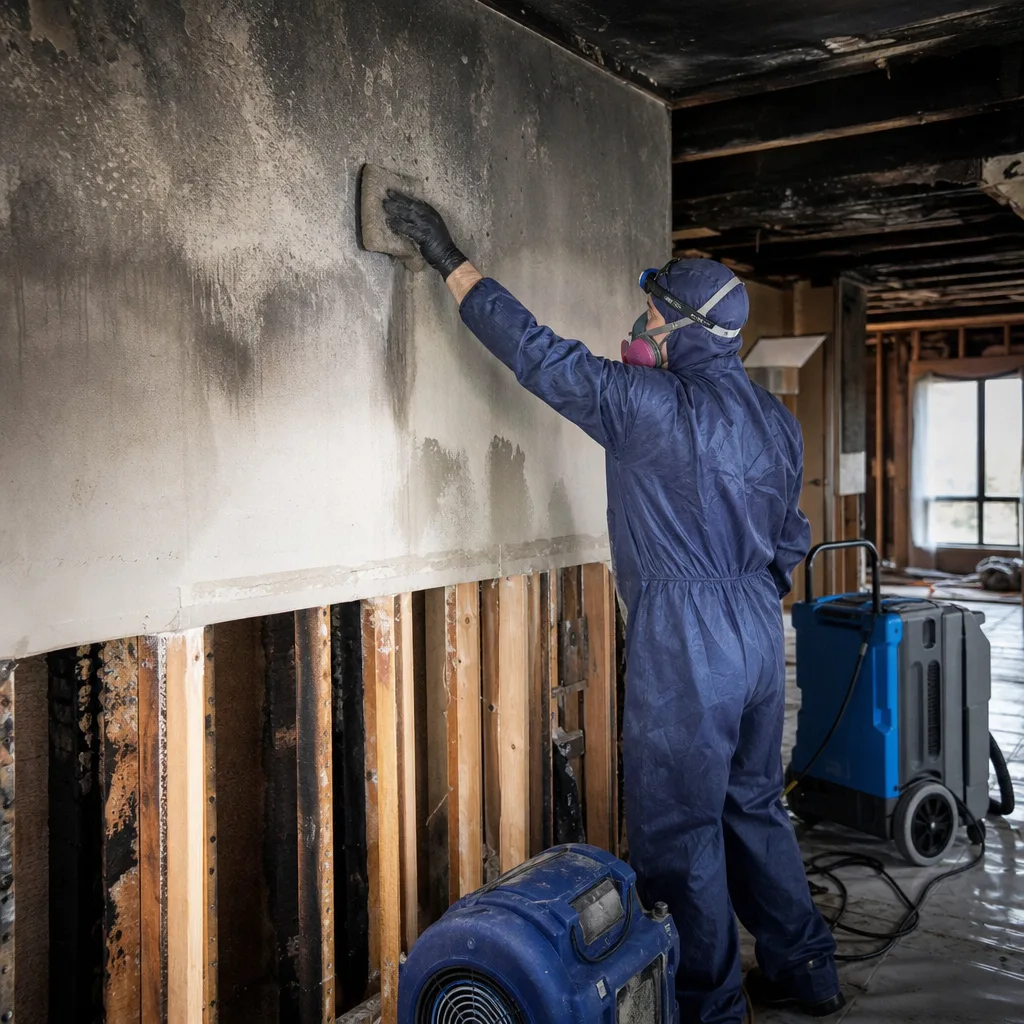
The restoration industry has low barriers to entry and high variability in practice quality. A company with a polished website and emergency dispatch number may lack the documentation discipline that determines whether your claim is paid. Learn to spot problems early with our Damage Restoration Warning Signs: A Pacific Palisades Homeowner’s Reference Guide. Here’s what to verify, with specific questions to ask.
Documentation protocol. Ask to see a sample daily drying log and photo record from a completed job. A company that can’t produce these immediately doesn’t produce them routinely. Ask specifically: “Will I receive the complete photo record, or only selected images?” Selected images are marketing; complete records are documentation.
Written scope requirement. Ask whether they will begin work without a signed scope. If the answer is anything other than “no,” you’re looking at a company that prioritizes speed over claim security. Haven Standard, Clause 1 exists precisely because this practice is common and destructive.
Insurance billing experience. Ask how many claims they’ve processed with your specific carrier in the past year. Carrier-specific requirements vary; experience with State Farm differs from experience with Chubb or AIG Private Client Group, both significant in the Pacific Palisades market. Ask whether they bill direct or require homeowner reimbursement. Direct billing reduces your cash flow exposure.
Equipment inventory and specificity. Ask what specific equipment will be deployed on your job, by model. “Industrial dehumidifiers” is not an answer. “Phoenix 200 MAX LGR, rated to 125 pints per day at AHAM conditions” is an answer. The specificity indicates whether the estimator understands the equipment’s capabilities and limitations.
Technician verification. Ask whether technicians are background-checked, licensed, and identified by name before arrival. We provide technician names and license numbers in advance; homeowners know who is entering their property and can verify credentials.
Warranty documentation. Ask for the warranty in writing before work begins. Verbal warranties are unenforceable. The 365-Day Done Right Promise under The Haven Standard is a signed document, not a website claim.
Second opinion policy. Ask whether they will review a competitor’s estimate at no charge. A company confident in its documentation and pricing should welcome this comparison. We offer a Free Second Opinion on any written estimate; the request itself is a useful filter for company confidence.
Common Mistakes to Avoid
- Authorizing work without a written scope. Every time we’ve seen a homeowner absorb thousands in uncovered costs, this was the starting point. The verbal assurance that “we’ll work it out with insurance” dissolves when the adjuster asks for documentation that doesn’t exist.
- Delaying notification to your insurer. Most policies require prompt notice, defined as “as soon as practicable.” In Pacific Palisades, where homeowners may be traveling or at secondary residences, a delay of even a few days can trigger a coverage denial for failure to mitigate promptly.
- Accepting a combined mitigation-remediation invoice. This invites the depreciation and completion disputes described above. Insist on separate scopes for emergency and restorative work, even if the same company performs both.
- Ignoring secondary damage in hillside homes. Water that migrates to foundation systems in Pacific Palisades’ sloped terrain can cause damage that isn’t visible for weeks or months. Initial moisture mapping must include substructure areas, and documentation must show that these were inspected even if unaffected.
- Skipping post-remediation verification for mold. Visual inspection is insufficient. Air sampling and surface sampling, performed by a third party, provide the documentation that protects against future liability and satisfies insurer requirements for clearance.
- Choosing based on speed of arrival alone. Rapid dispatch matters for water mitigation, but a company that arrives in 30 minutes without documentation capability is less useful than one that arrives in 90 minutes with a complete protocol. Evaluate the full capability, not just the response time.
- Failing to document pre-existing conditions. Before any work begins, photograph unaffected areas, existing damage, and personal property. This protects against disputes about what the restoration caused versus what was already present.
When to Call a Professional
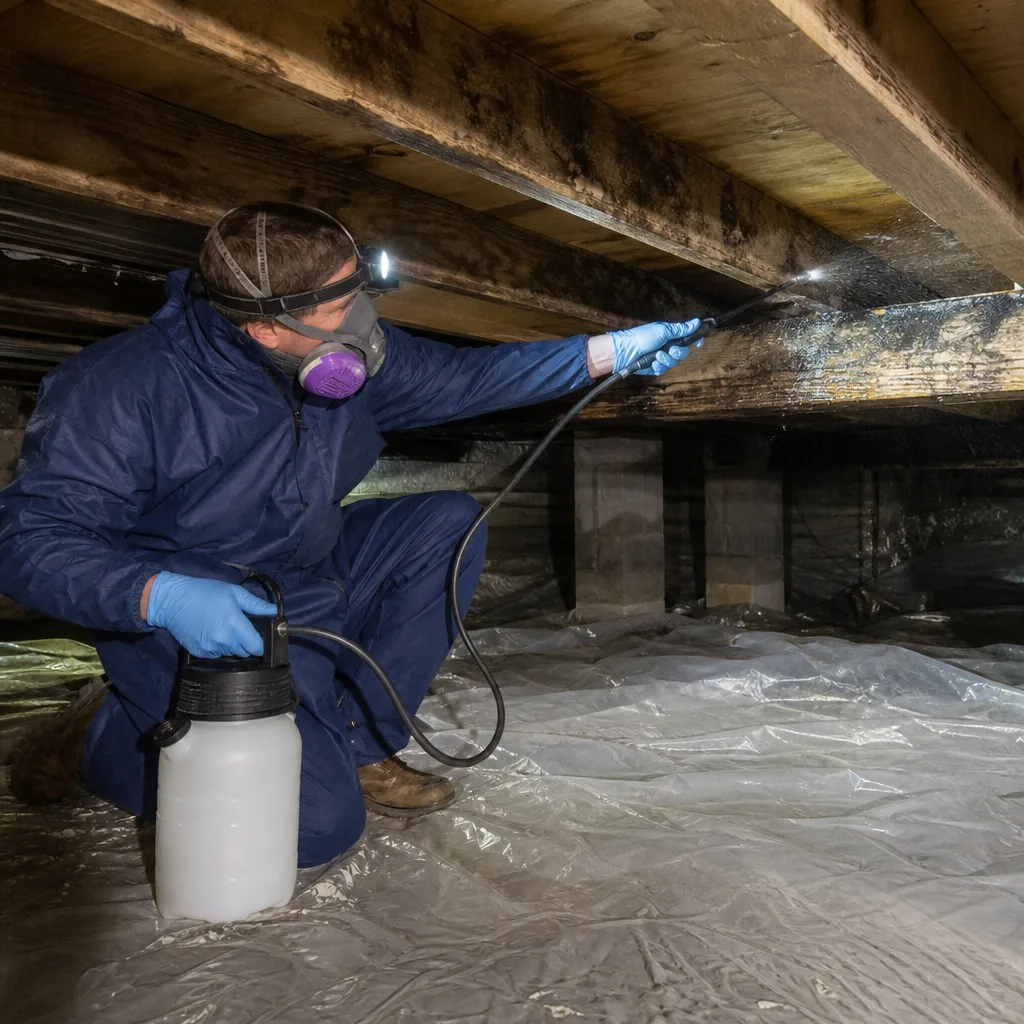
Some situations permit managed response; others require immediate professional intervention. Call for professional restoration if: water has affected multiple rooms or saturated wall cavities; you smell musty odor or see visible mold growth exceeding 10 square feet; fire or smoke damage has occurred, even if flames didn’t touch the structure; sewage backup or gray water intrusion is involved; structural compromise is visible or suspected following storm or seismic event; or your insurer has requested documentation you cannot provide.
In Pacific Palisades, where many homes contain original materials and complex assemblies, early professional assessment often prevents the secondary damage that turns a contained loss into a major claim. Water damage in Pacific Palisades can migrate through hillside foundation systems in ways that aren’t visible from interior inspection. Mold in Pacific Palisades thrives in the coastal humidity that makes DIY remediation likely to fail. Fire and smoke damage requires particulate analysis that homeowner equipment cannot perform.
DryMark Restoration Pacific Palisades offers free estimates in Pacific Palisades. Call (424) 365-9728 to schedule a documented assessment, or bring us any competitor’s written estimate for a Free Second Opinion under The Haven Standard.
Frequently Asked Questions
Coverage depends on your policy terms, the cause of loss, and the documentation you can provide. Most standard homeowner policies cover sudden and accidental water damage, fire, and storm damage, but exclude gradual leaks, flood (without separate flood coverage), and maintenance-related issues. The key variable is documentation: a well-documented claim with written scope, daily logs, and photo records pays at full value in over 90% of cases where coverage exists. A poorly documented claim pays at 60-75% even with identical coverage. Call (424) 365-9728 and we can review your policy language and loss circumstances.
For emergency water mitigation, we typically arrive within 60-90 minutes of call receipt, depending on traffic patterns and your specific location within Pacific Palisades. The live person who answers your call, 24 hours a day, 7 days a week, will provide a real-time estimate based on current conditions. For non-emergency assessments, we schedule within 24 hours. Reconstruction work is scoped and scheduled, not dispatched, and timelines depend on permit status and material availability.
For water damage affecting wall cavities or subflooring, and for any mold growth exceeding 10 square feet, professional remediation is necessary for both health and claim reasons. DIY cleaning of these conditions typically leaves moisture or spore reservoirs that cause recurrence, and insurer documentation requirements cannot be satisfied by homeowner-performed work. For contained surface mold under 10 square feet on non-porous materials, DIY may be appropriate with proper PPE, but we still recommend professional assessment to confirm the full extent. Call (424) 365-9728 for a free evaluation.
We deal directly with your adjuster as part of our standard service, provided you authorize us to do so. This includes submitting the complete documentation package, responding to information requests, and attending adjuster site visits if needed. Our documentation is formatted specifically for insurance processing, and our familiarity with carrier-specific requirements reduces back-and-forth that delays payment. You remain the policyholder and final decision-maker; we handle the administrative burden.
A drying log is quantitative: temperature, relative humidity, specific humidity, grain depression, and moisture content readings, recorded daily with date, time, and technician signature. A photo record is qualitative: visual documentation of conditions, equipment placement, and material states, timestamped and organized by room. Both are required for complete claim documentation. The drying log proves the environment was controlled; the photo record proves the equipment was present and the materials responded. One without the other creates a gap that adjusters exploit.
Coastal humidity in Pacific Palisades typically extends drying times by 15-25% compared to inland Los Angeles. The marine layer maintains higher ambient moisture content, reducing the vapor pressure differential that drives evaporation. This doesn’t mean inadequate equipment; it means equipment must be sized and monitored for local conditions. Our daily psychrometric logs document this environmental factor and demonstrate that extended drying times were physically necessary, not a result of insufficient capacity. Without this documentation, adjusters may reduce payable equipment days based on generic drying schedules that don’t account for coastal conditions.
The Bottom Line
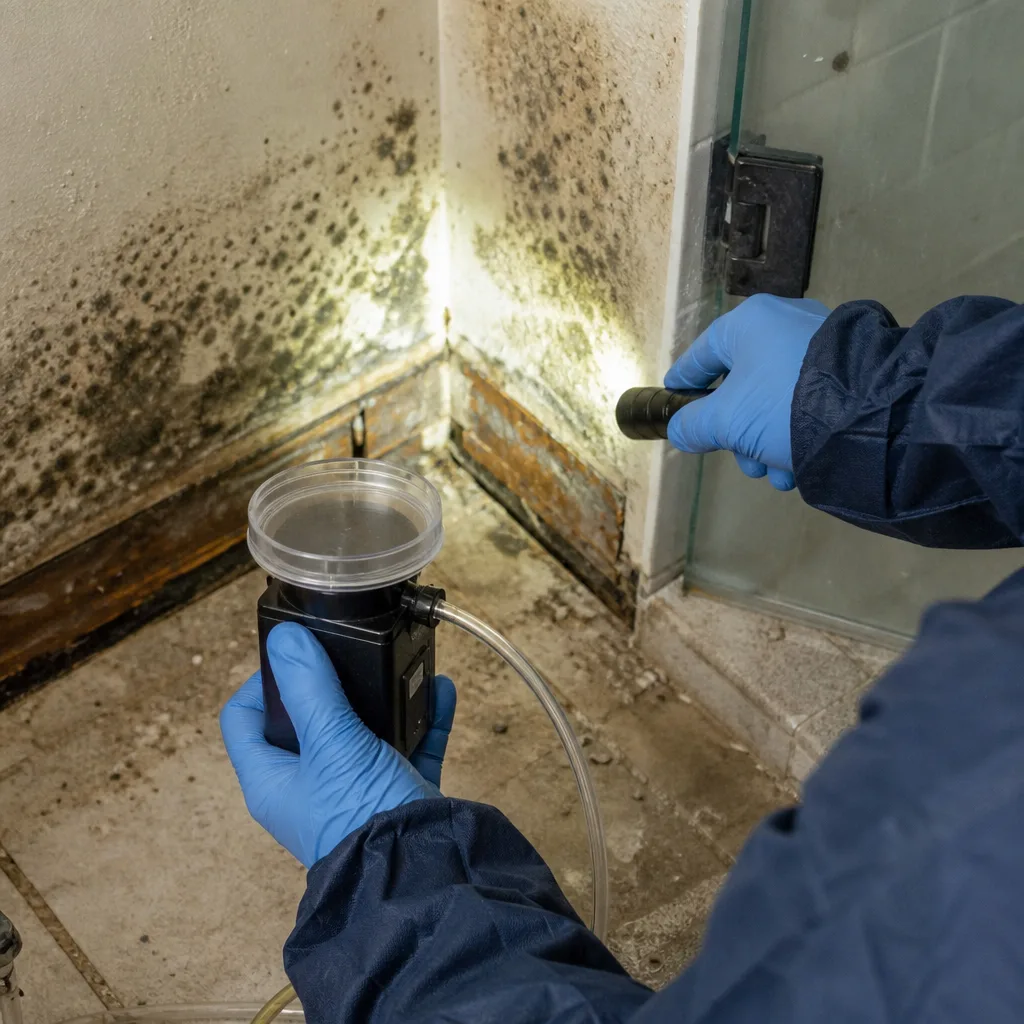
Restoration in Pacific Palisades succeeds or fails at the documentation layer. The equipment, the technicians, the response speed, these are table stakes. What determines whether your claim is paid, whether your warranty is enforceable, and whether your property value is protected, is the written record that accompanies the work.
The Haven Standard was built around this truth. Written price before work begins. Photo record on every visit. Daily psychrometric logs. A 365-Day Done Right Promise with a signed guarantee. These aren’t marketing distinctions. They’re the specific practices that turn restoration from a gamble into a documented, verifiable, payable process.
We’ve applied this standard to 12,000+ homes since 2011. If you’re facing damage in Pacific Palisades, call (424) 365-9728 for a free estimate, or bring us any competitor’s written estimate for a Free Second Opinion. We’ll show you what the documentation should look like before you commit.
Written by Alicia Brennan, Owner at DryMark Restoration Pacific Palisades, serving Pacific Palisades since 2011.