
Last updated September 23, 2026
Free visual inspection and a written scope of work before any mitigation begins - photos, moisture readings, and drying logs go in your claim file
The scope we write is the scope we bill. Anything new gets shown to you, in writing, before we touch it.
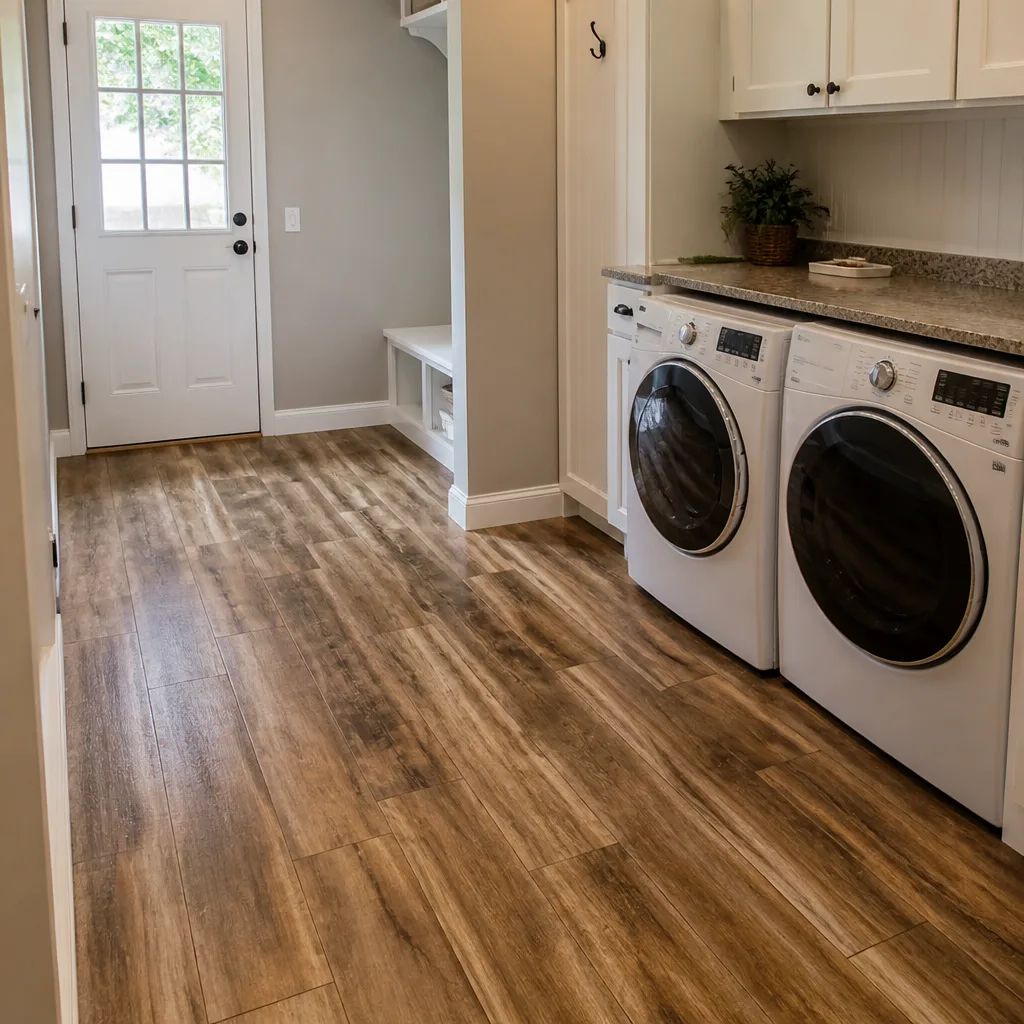
 Before
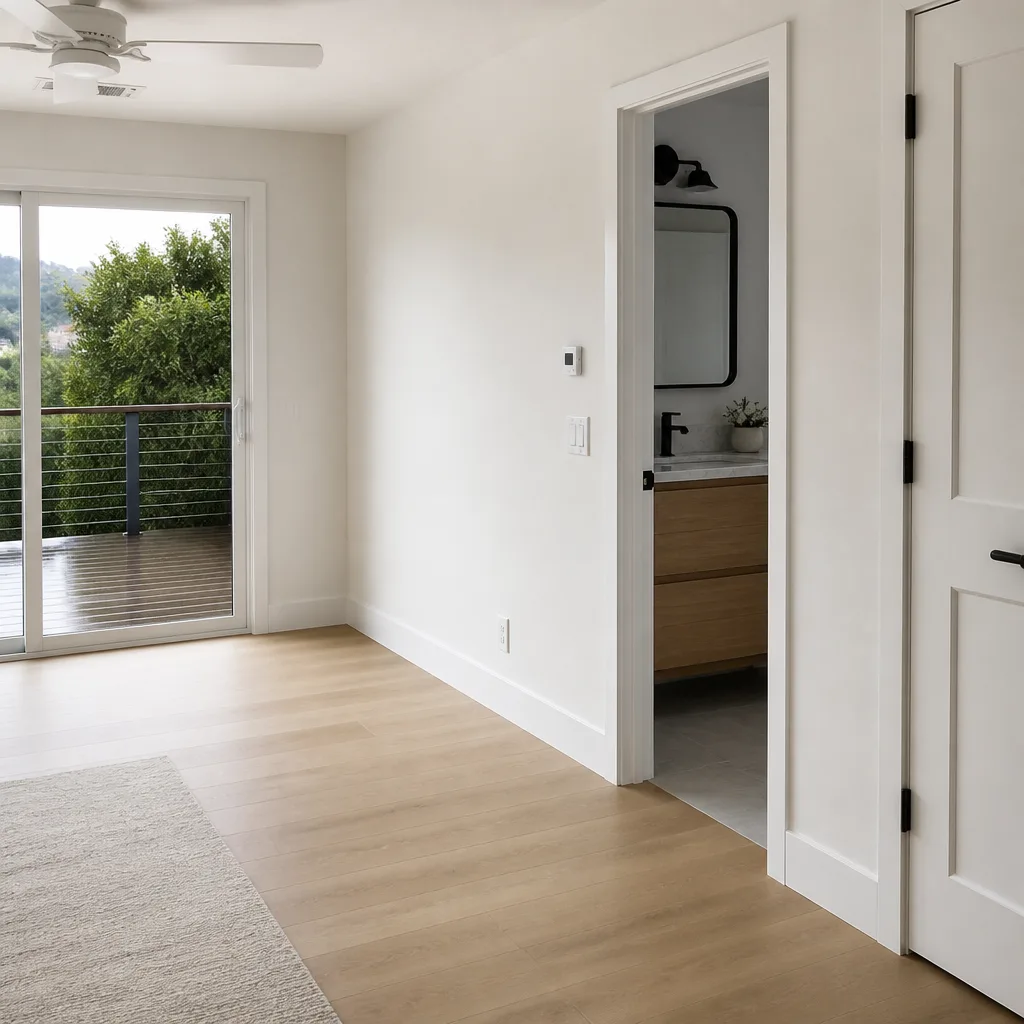 After
After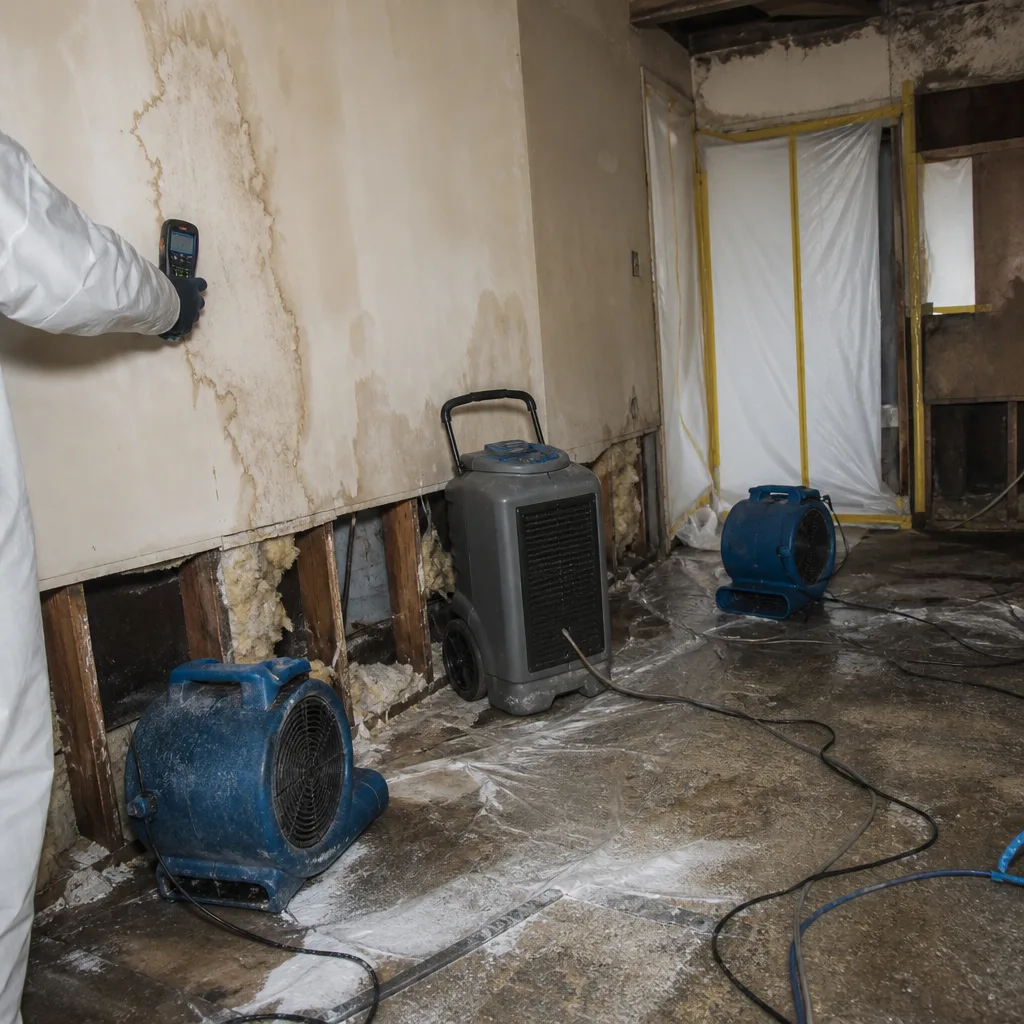 Before
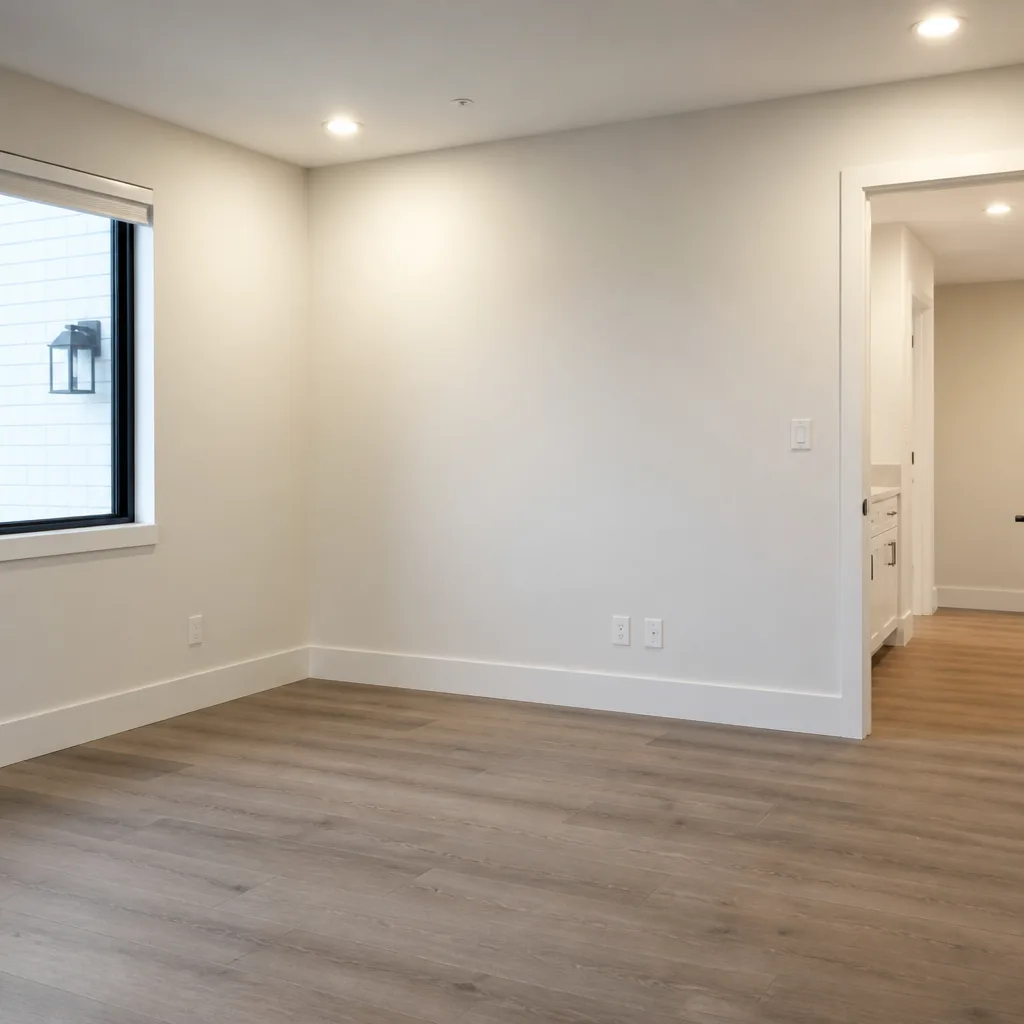 After
After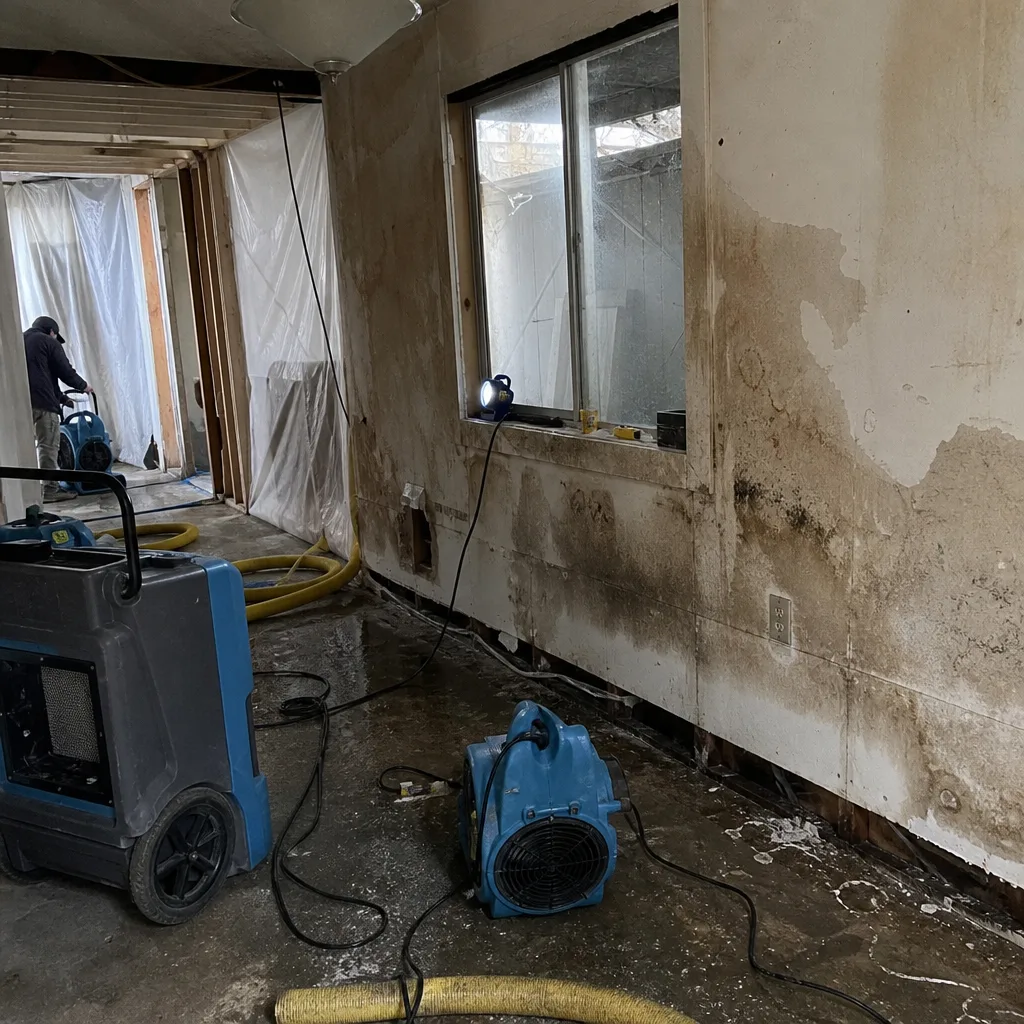 Before
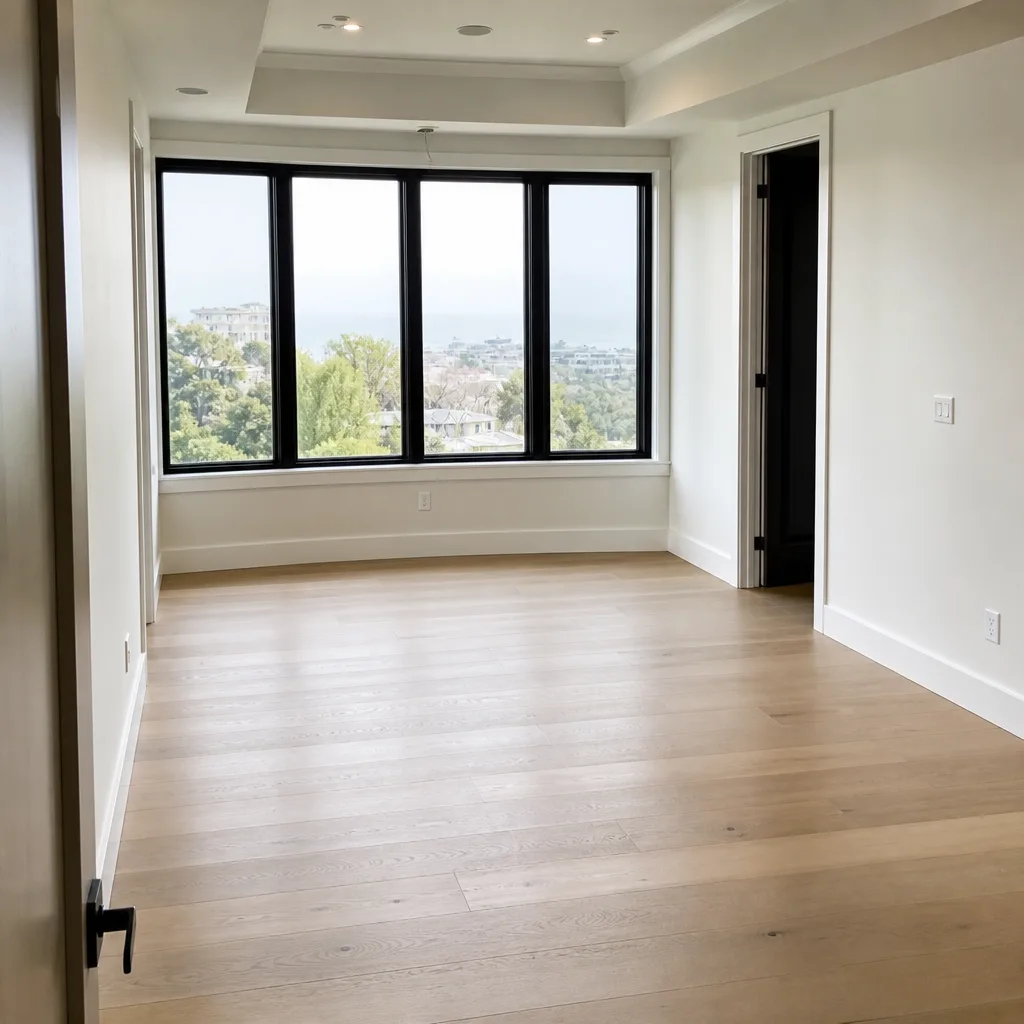 After
AfterHow to Hire a Damage Restoration Contractor in Pacific Palisades: A Step-by-Step Guide
The contractor who arrives fastest after a water loss is often the one who will hand you the thinnest paper trail. In Pacific Palisades, where hillside homes with ocean-facing exposures create unique moisture dynamics, speed and documentation discipline are rarely built into the same business model. We’ve seen it repeatedly: a crew pumps standing water in two hours, then leaves the homeowner with a single-page invoice that an adjuster questions for six weeks. Our complete guide to damage restoration in Pacific Palisades gives you the exact questions, document requests, and red-flag checklist to vet any damage restoration contractor in under an hour. You’ll learn which five documents to demand before work begins, how to verify a California license that actually covers restoration work, and why “we work directly with your insurer” can signal trouble rather than convenience.
Quick Answer
Hiring a damage restoration contractor in Pacific Palisades requires requesting five specific documents before signing: a written scope of work, a line-item estimate, a moisture baseline report, a drying protocol, and a lien waiver structure. Verify the contractor’s CSLB license classification (C-33 Painting and Decorating, B General Building, or mold-specific credentials), confirm they produce daily drying logs rather than final reports alone, and reject any contract containing assignment-of-benefits language that transfers your insurance rights to the contractor.
Table of Contents
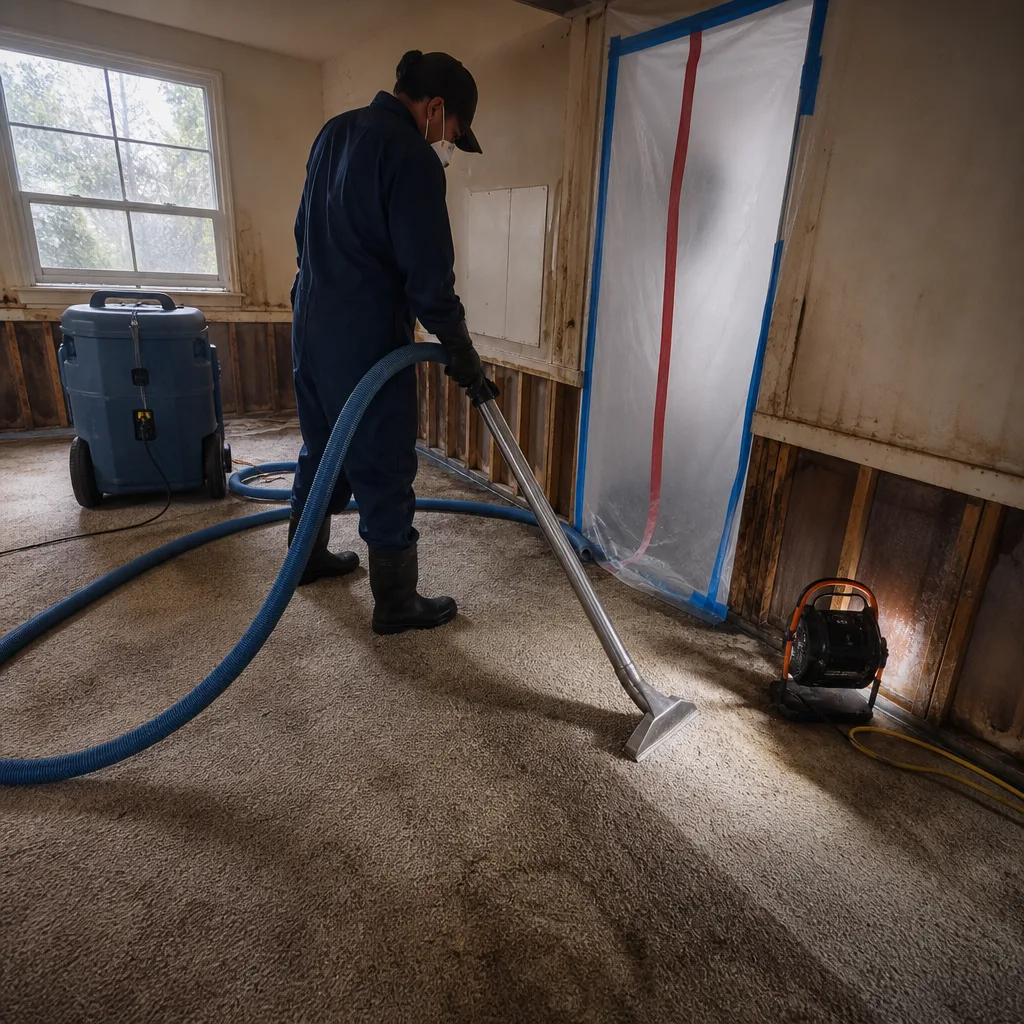
- How to Verify a California Restoration Contractor’s License
- The Five Documents to Request Before Work Begins
- Why “We Work Directly With Your Insurer” Can Be a Red Flag
- How to Test Whether a Company Produces Real Daily Drying Logs
- Pacific Palisades-Specific Considerations: Climate, Codes, and Terrain
- Why Written Price Before Work Starts Should Be Non-Negotiable
- Equipment and Documentation Standards That Protect Your Claim
- The 10-Minute Red-Flag Checklist
 Before
 After
AfterHow to Verify a California Restoration Contractor’s License
California restoration work falls into a licensing gray zone that many contractors exploit. A handyman with a C-61 Limited Specialty or an unlicensed “emergency service” operator can legally perform mitigation work under $500 in labor and materials. Once the job crosses that threshold, or once reconstruction begins, the contractor needs proper classification. Here’s how to check, and what to look for.
Step-by-Step License Verification
- Visit checkthelicensefirst.com (CSLB’s official lookup) and enter the contractor’s business name or license number.
- Confirm the license status reads “Current” and “Active,” not “Suspended” or “Delinquent.”
- Check the Classification field. For restoration work, valid classifications include:
- C-33 Painting and Decorating - covers surface restoration, antimicrobial application, and cosmetic repair
- B General Building - covers structural repair, reconstruction, and multi-trade coordination
- C-36 Plumbing - relevant for water source extraction and plumbing-related damage
- C-20 Warm-Air Heating, Ventilating and Air-Conditioning - relevant for HVAC contamination and duct restoration
- Verify Workers’ Compensation Insurance is on file if the contractor employs anyone. Sole proprietors without employees may file an exemption, but this increases your liability exposure.
- Check Bond History for claims or lapses. A contractor who has had bond claims filed against them has already failed another homeowner financially.
- Cross-reference the license holder’s name with the person who signs your contract. If they differ, ask why.
In Pacific Palisades, where many homes were built between 1920 and 1970 with original plaster, clay tile, and old-growth framing, restoration often triggers lead and asbestos protocols. Only a B-General or a contractor with specific environmental certifications can legally oversee abatement coordination. A C-33 alone cannot. We’ve arrived at jobs in the Huntington Palisades where a previous contractor’s crew had disturbed vermiculite insulation without testing, turning a contained water loss into a six-figure environmental claim.
Ask specifically: “Will your license number appear on every permit application, and will you pull permits for all reconstruction work?” A contractor who hesitates or suggests “we can handle it without permits to save time” is creating liability that transfers to you at resale.
The Five Documents to Request Before Work Begins
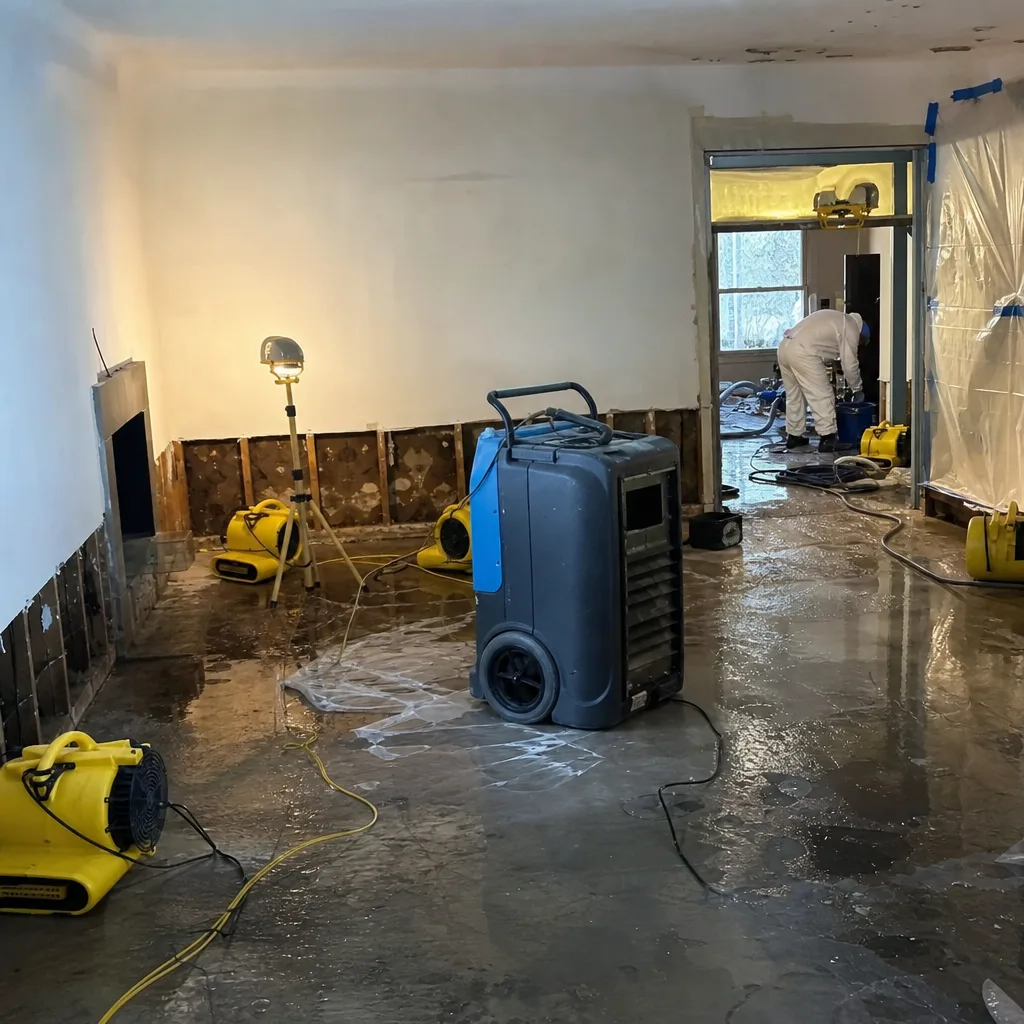
Documentation is where restoration contractors separate into two categories: those who treat your claim as a file that must withstand scrutiny, and those who treat it as a transaction to be closed quickly. These five documents are your minimum standard. Request them before signing any contract.
Document 1: Written Scope of Work
This is not an estimate. It’s a narrative description of what will be done, in what sequence, with material specifications. A proper scope for a water-damaged Pacific Palisades home should identify:
- Affected rooms by name and approximate square footage
- Material classifications: Category 1 (clean water), Category 2 (gray water), or Category 3 (black water/sewage)
- Class of water loss (Class 1: minimal absorption; Class 4: deep saturation in low-permeance materials like plaster or hardwood)
- Demolition boundaries: exactly what gets removed, what stays, and how cuts are made (straight-line cuts at natural breaks, not jagged tear-outs)
- Anticipated drying duration based on psychrometric targets
Psychrometric data, in plain terms, is the measurement of temperature, humidity, and air movement that determines how quickly materials release moisture. A scope without psychrometric targets is a guess dressed as a plan.
Document 2: Line-Item Estimate
Every charge must be separable. “Dry out house: $8,500” is unacceptable. Acceptable line items include:
| Line Item | Typical Pacific Palisades Range | Unit |
|---|---|---|
| Water extraction (standing water) | $250 - $500 | per area |
| Dehumidifier rental (industrial) | $85 - $150 | per day |
| Air mover rental | $25 - $45 | per day |
| Moisture mapping and baseline documentation | $200 - $400 | flat fee |
| Antimicrobial application | $150 - $350 | per area |
| Daily monitoring and log production | $75 - $150 | per visit |
| Content manipulation (moving furniture) | $150 - $300 | per room |
These ranges reflect Pacific Palisades market rates as of 2024-2025, accounting for hillside access challenges, parking restrictions on narrow streets like those in the El Medio Bluffs, and the prevalence of high-finish materials requiring specialized handling.
Document 3: Moisture Baseline Report
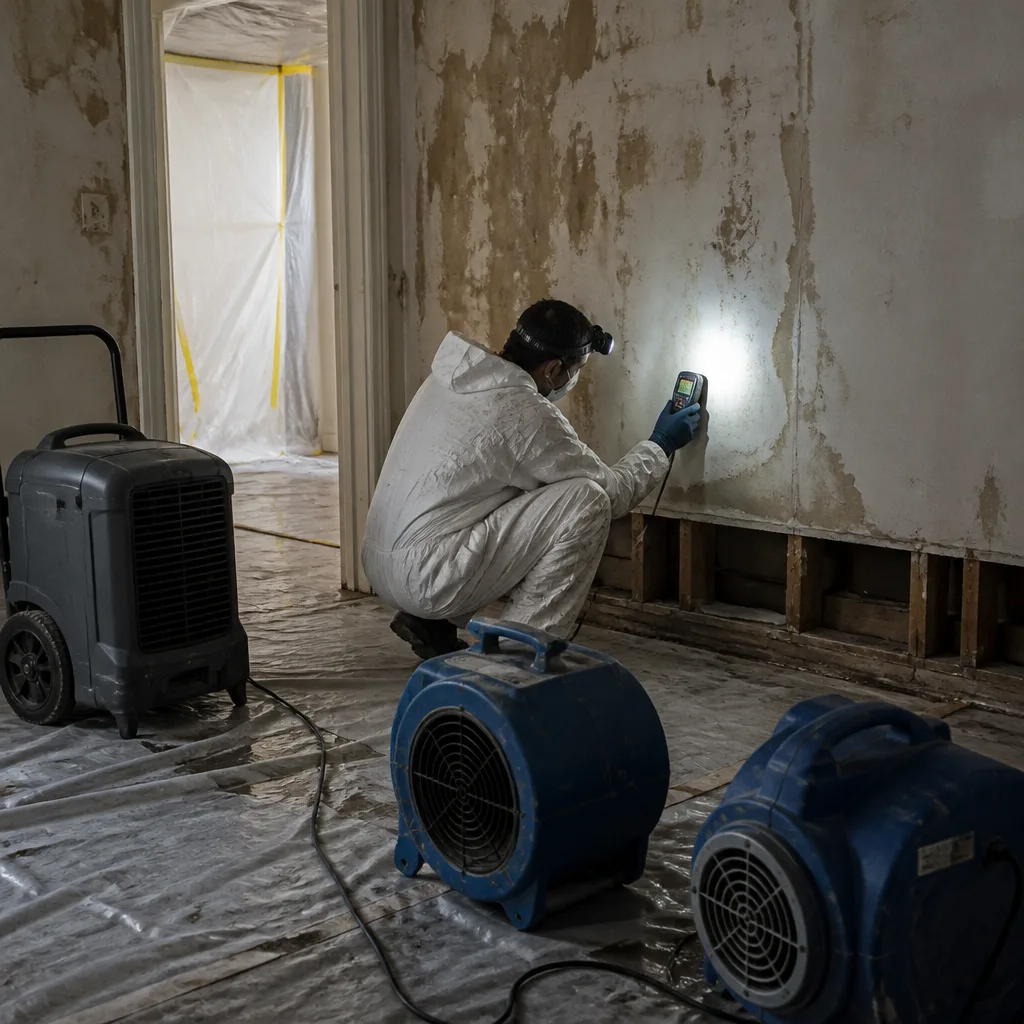
Taken before any equipment runs, this documents the starting condition of every affected material. It should include:
- Moisture content readings for wood framing (target: below 16% for equilibrium)
- Relative humidity and temperature readings by room
- Non-affected reference readings from undamaged areas of the home
- Photos with date stamps showing meter placement and readings
Without a baseline, a contractor cannot prove progress. We’ve reviewed competitor files where “dry” was declared based on touch, not measurement, leaving homeowners with hidden moisture that spawned mold six months later.
Document 4: Drying Protocol
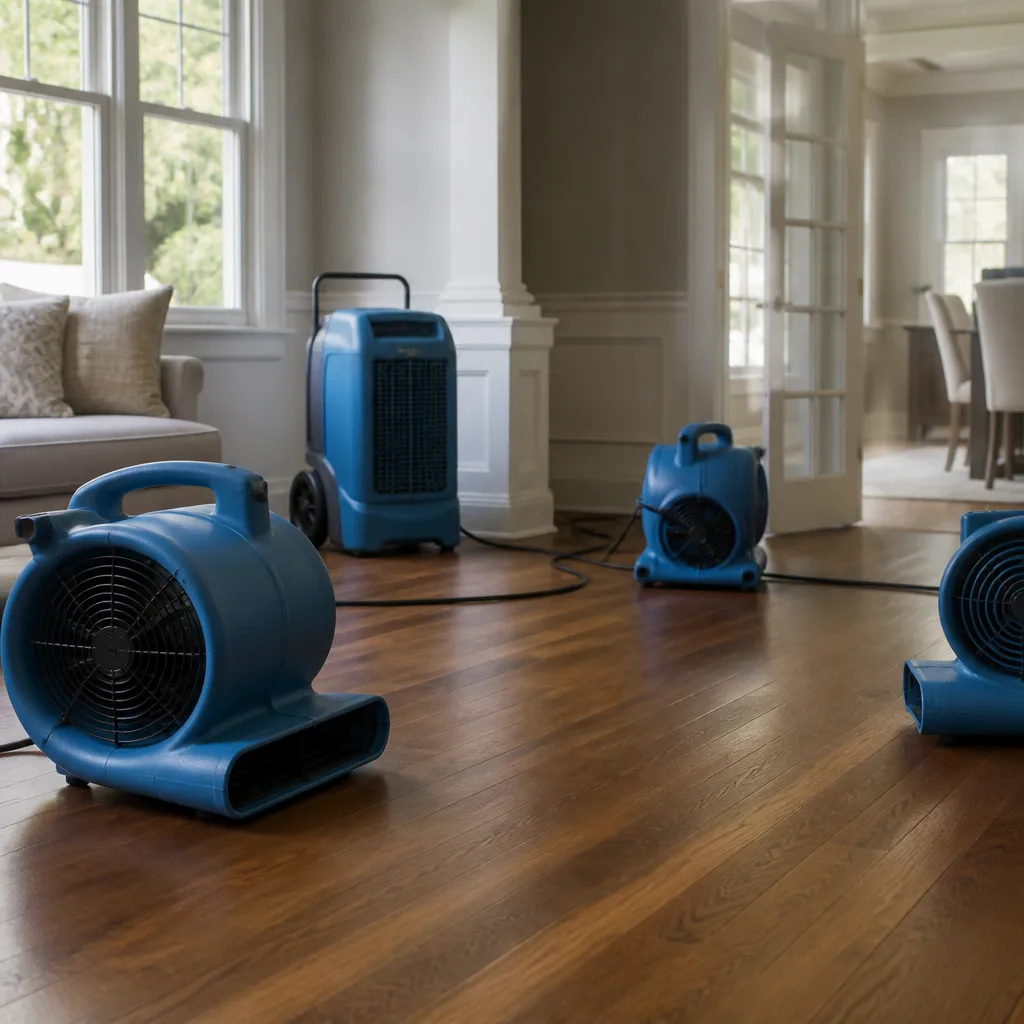
This document specifies equipment type, placement, and adjustment strategy. It should name manufacturers and models: Dri-Eaz Revolution LGR dehumidifiers, Phoenix 200 HT units, XPOWER air movers with specific CFM ratings, or B-Air Grizzly floor fans. Generic references to “industrial equipment” are insufficient. The protocol should state target vapor pressure differential (the force that drives moisture from materials into the air) and how often it will be recalculated.
Document 5: Lien Waiver Structure
California mechanics lien law allows contractors, subcontractors, and material suppliers to file liens against your property for unpaid work. A proper lien waiver structure includes:
- Conditional waivers upon each progress payment
- Final unconditional waiver upon completion and final payment
- Verification that all subcontractors and suppliers have been paid (not just the primary contractor)
In Pacific Palisades, where median home values exceed $3 million, a surprise lien can cloud title during a refinance or sale. Demand this structure in writing before work begins.
Why “We Work Directly With Your Insurer” Can Be a Red Flag
This phrase sounds like convenience. Often, it signals a business model built on volume billing rather than documentation integrity. Here’s what to watch for.
Assignment of Benefits (AOB)
Some restoration contracts contain AOB language that transfers your insurance policy rights to the contractor. Once signed, the contractor - not you - controls the claim, negotiates with the adjuster, and can sue your insurer in your name. California has restricted AOB abuse in property insurance, but variations persist in contract fine print.
Read every contract for phrases like: “Homeowner assigns all insurance proceeds to contractor,” “Contractor is authorized to negotiate and settle claim,” or “Insurer shall pay contractor directly.” Cross them out before signing. A legitimate contractor in Pacific Palisades should be willing to work with your insurer while you retain claim control. Our DryMark Restoration Pacific Palisades home policy is transparent: we document, you decide, the insurer pays what the policy covers.
Direct Billing Arrangements
“We bill your insurance directly” can mean the contractor charges insurer rates without showing you the invoice. Demand to see every bill before it leaves your property. Haven Standard, Clause 1 requires a written price before work begins precisely to prevent this opacity. If a contractor resists showing you their billing, they’re not working for you.
Preferred Vendor Networks
Some insurers maintain “preferred” restoration vendor lists. These arrangements can create incentive structures where the vendor prioritizes the insurer’s cost control over your home’s thorough restoration. You’re not required to use a preferred vendor in California. Get a second opinion. Water Damage Restoration in Pacific Palisades should be chosen based on documentation capability, not insurer convenience.
How to Test Whether a Company Produces Real Daily Drying Logs
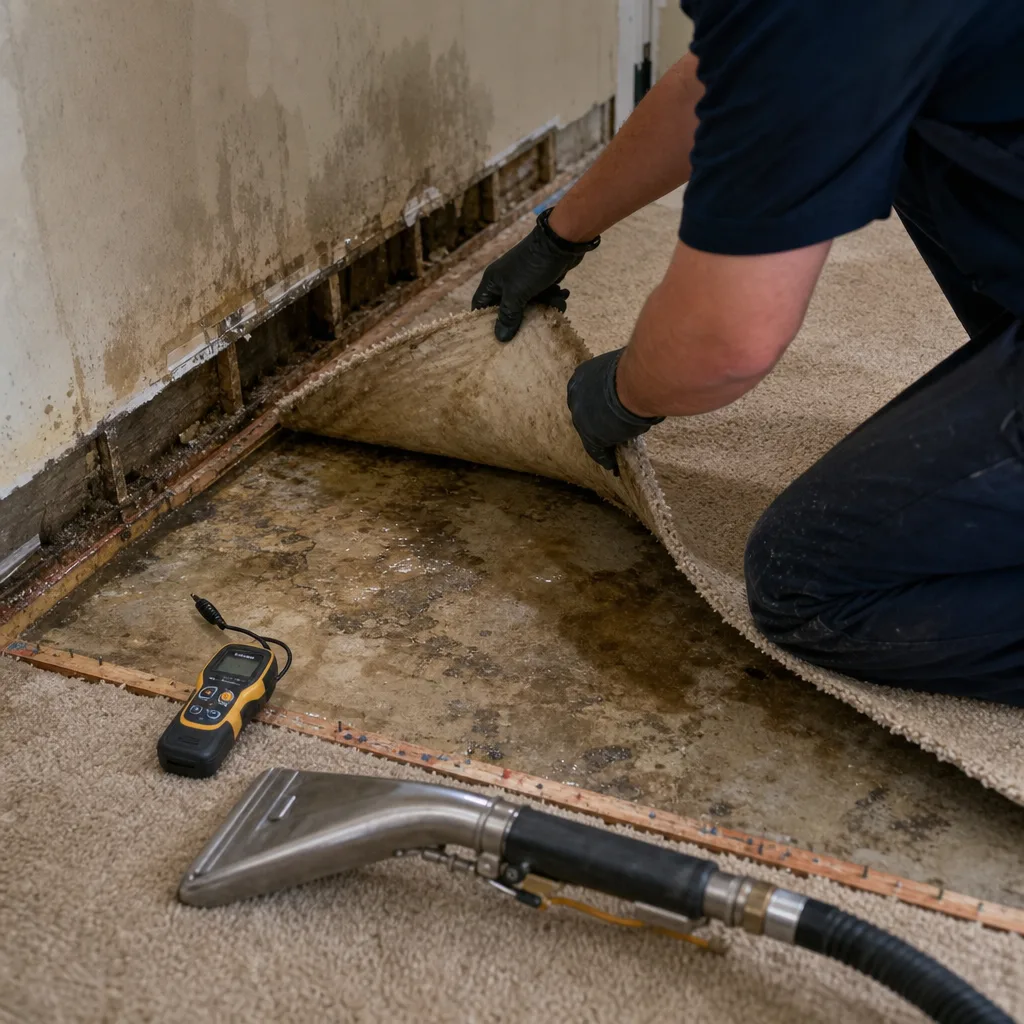
Any contractor can claim “daily monitoring.” Few produce logs that would survive a coverage dispute. Here’s how to separate the two.
The Sample Log Test
Ask to see a completed drying log from a recent job - not a blank template, not a marketing sample, but an actual log with redacted client information. A legitimate log contains:
- Date and time of each visit, with technician name and license number
- Equipment inventory: serial numbers, run hours, and any units swapped
- Psychrometric readings: temperature, relative humidity, specific humidity, and dew point for each affected room
- Material moisture readings: wood, drywall, concrete, or subfloor, with meter type and calibration date
- Equipment adjustments: dehumidifier settings changed, air mover positions relocated, reasons documented
- Photo documentation: dated images showing meter readings and material conditions
- Technician signature and supervisor review initials
If a contractor cannot produce this within 24 hours, they don’t produce it routinely. We’ve submitted drying logs in Pacific Palisades disputes where the detail level - down to the vapor pressure differential recorded at 6:47 AM on day three - was the difference between full coverage and a denied claim.
The Tertiary Drying Question
Ask: “How do you handle tertiary drying?” Tertiary drying is the final phase where materials approach equilibrium moisture content and equipment must be carefully reduced to avoid over-drying. A contractor who cannot explain this process in plain language - “we start removing dehumidifiers while increasing air movement to push the last bound water out without cracking wood” - is likely declaring jobs “dry” based on surface feel rather than measurement.
Pacific Palisades-Specific Considerations: Climate, Codes, and Terrain
Pacific Palisades presents restoration challenges that inland contractors often underestimate. The combination of marine layer moisture, hillside drainage patterns, and aging infrastructure creates conditions that standard protocols don’t address, which is why we developed our Seasonal Damage Restoration Care for Pacific Palisades: Year-Round Homeowner’s Guide.
Marine Layer and Persistent Humidity
From May through October, the Pacific marine layer rolls in overnight, maintaining relative humidity above 75% until mid-morning. This doesn’t stop at your walls. Homes in the Castellammare and Rustic Canyon areas, with limited solar exposure due to canyon orientation, experience extended drying times compared to valley locations. A contractor using standard drying duration estimates from Phoenix or Las Vegas will under-estimate your job by 30-50%.
Our drying protocols for Pacific Palisades jobs specify LGR (low-grain refrigerant) dehumidifiers capable of reaching 40-grain depression - the moisture removal capacity needed when outdoor air is already humid. Phoenix 200 HT units or Dri-Eaz Revolution models are specified for this reason, not conventional refrigerant units.
Hillside Drainage and Foundation Moisture
Many Pacific Palisades homes are built into slopes with perimeter drainage systems that fail gradually. Water damage from a plumbing leak can mask chronic foundation moisture. A proper moisture baseline report must include below-grade readings where accessible, and the scope should address whether French drains or sump systems require inspection, as covered in our Water Damage Restoration Maintenance Checklist for Pacific Palisades Homeowners. We’ve found secondary moisture sources in the Palisades Highlands where the original drainage was overwhelmed by hillside irrigation from uphill neighbors.
Local Permitting and Historic Preservation
Pacific Palisades falls under Los Angeles Department of Building and Safety jurisdiction, with additional review for properties in historic districts or with designated architectural features. Reconstruction involving plaster repair, clay tile roofing, or original wood windows may trigger HPOZ (Historic Preservation Overlay Zone) consultation. A contractor unfamiliar with LADBS online permitting or the Pacific Palisades Community Council’s design review processes will cause delays. Verify they’ve worked in your specific neighborhood, not just “Los Angeles.”
Wind-Driven Rain and Fire Season
The Santa Ana winds of fall and winter can drive rain horizontally into stucco and window systems, creating water damage without obvious roof failure. After the 2025 Palisades Fire, smoke and ash infiltration added another layer: homes that appeared structurally intact required extensive Fire & Smoke Damage Restoration in Pacific Palisades for HVAC contamination and acidic residue removal. Contractors without post-fire experience may miss ash’s corrosive effects on metal framing and electrical components.
Why Written Price Before Work Starts Should Be Non-Negotiable
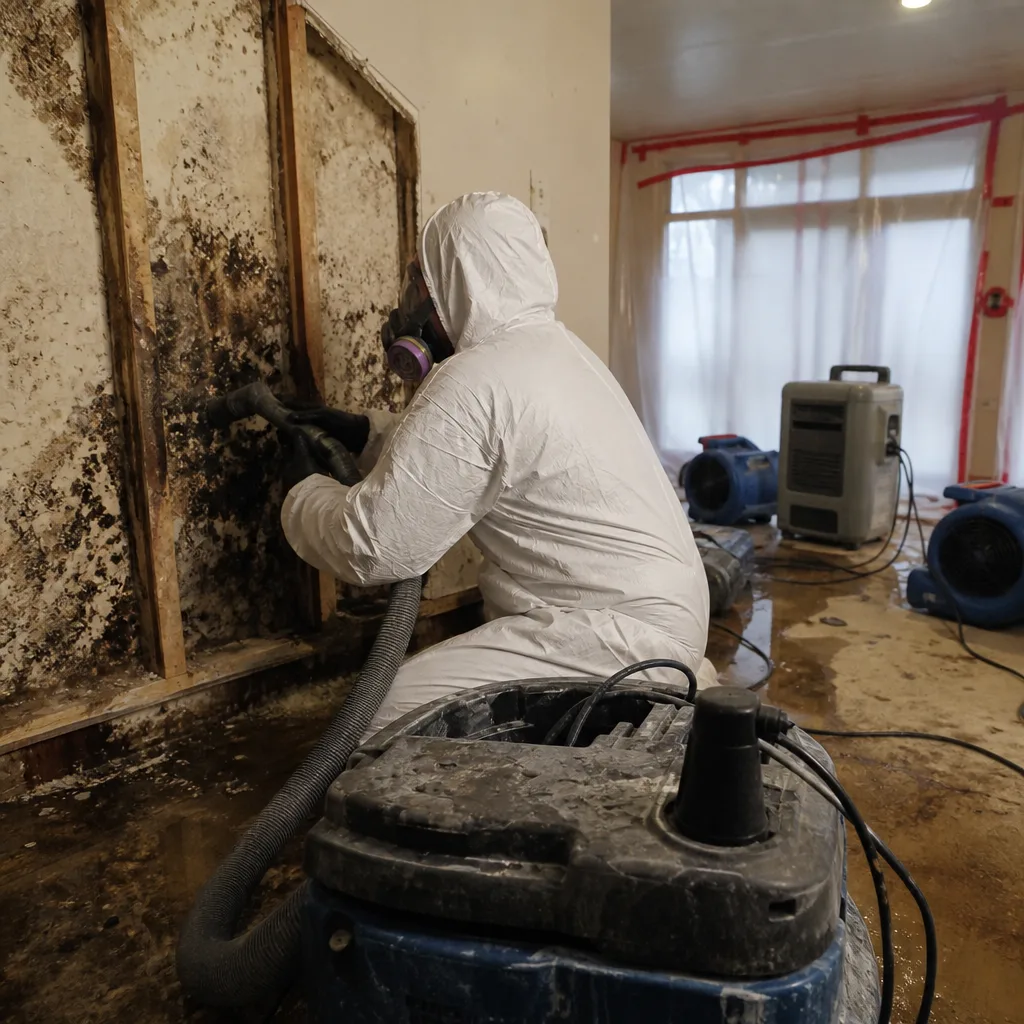
Haven Standard, Clause 1 exists because our founder, a former claims adjuster, watched homeowners sign blank authorizations while water was still spreading. The pattern was consistent: emergency arrives, contractor arrives, homeowner signs whatever stops the panic, and the final bill arrives three weeks later with items no one discussed.
A written price before work begins is not merely a courtesy. It is a contractual baseline that prevents scope creep, enables meaningful comparison shopping, and creates documentation that insurers recognize. Here’s what it should contain:
- Fixed-price or not-to-exceed ceiling for the initial mitigation phase
- Hourly or per-unit rates for any work that cannot be fully scoped until demolition exposes hidden damage
- Trigger conditions for rate adjustments: discovery of asbestos, mold beyond visible area, or structural compromise
- Payment schedule tied to documented milestones, not calendar dates
In Pacific Palisades, where emergency response times can vary from 30 minutes to two hours depending on Sunset Boulevard traffic and hillside access, some contractors use arrival speed as justification for bypassing written pricing. Speed is irrelevant if the documentation fails. We’ve had homeowners in the Riviera neighborhood tell us that a competitor arrived in 20 minutes, handed them a tablet to “authorize emergency work,” and produced a $14,000 bill for two days of equipment rental with no line-item breakdown.
Our Free Second Opinion on any competitor’s written estimate exists precisely for this scenario. Bring us their scope. We’ll identify what’s missing, what’s inflated, and what documentation gaps will cost you at claim time. No charge. No obligation.
Equipment and Documentation Standards That Protect Your Claim
Restoration equipment is not interchangeable. The brand, model, and maintenance history affect performance, and performance affects whether your home actually dries. More importantly, equipment documentation affects whether your insurer pays for the days billed.
Equipment Specifications to Demand
Your contractor should be able to name manufacturers and models without hesitation. Professional-grade systems we deploy include:
- Dri-Eaz Revolution LGR or Phoenix 200 HT dehumidifiers for primary moisture removal
- XPOWER P-230AT or comparable air movers with documented CFM output
- B-Air Grizzly or similar axial fans for large-area air circulation
- Injectidry HP60 or Direct-It systems for hardwood floor and wall cavity drying
Each unit should have a visible asset tag and maintenance log. Ask: “When was this dehumidifier’s last coil cleaning and refrigerant check?” A unit that hasn’t been serviced in six months is running at reduced efficiency, extending your drying time and potentially your displacement from home.
Documentation Standards: IICRC, RIA, and IFA
These are industry bodies that publish restoration standards, not certifications a contractor “has.” IICRC S500 is the standard for water damage restoration. RIA publishes guidelines for structural drying and microbial remediation. IFA addresses fire and smoke restoration protocols. A contractor should be able to cite which standard applies to your job and how their documentation meets it.
Our work is documented to these standards not as a marketing claim but as a practice. Daily moisture logs reference specific S500 sections. Photo records are organized by room and date. When an adjuster requests “proof of dry,” we deliver a file that answers before they ask.
The 10-Minute Red-Flag Checklist
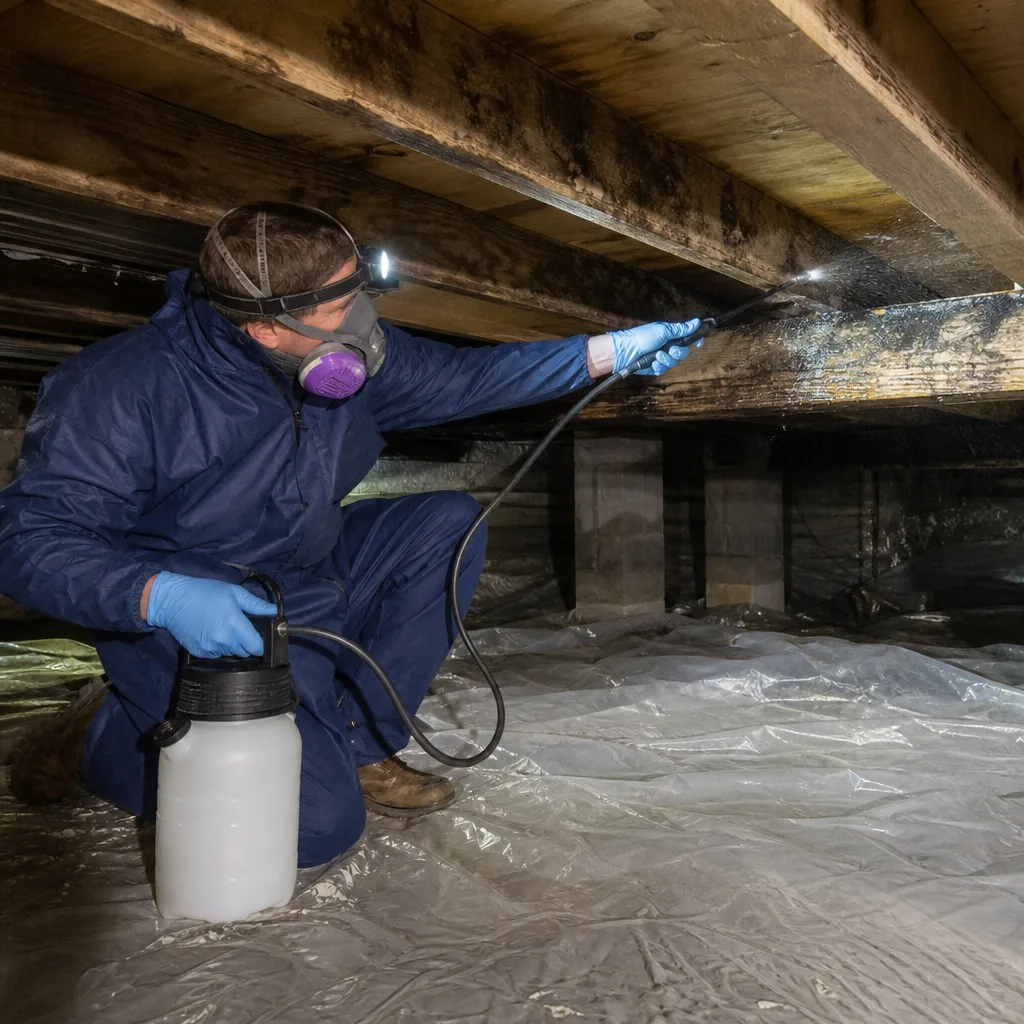
Run this checklist on any contractor you’re considering. One flag warrants caution; two or more means keep looking.
- Cannot produce a CSLB license number that matches the signing party
- License classification is C-61/D-64 (miscellaneous) or unclassified for work exceeding $500
- No written scope available - only verbal descriptions or tablet-based “authorizations”
- Estimate is lump-sum only with no line-item breakdown
- Refuses to show a completed drying log from a recent job
- Contract contains assignment-of-benefits language or “direct billing” clauses without your prior review
- Cannot name equipment manufacturers or produces only generic descriptions
- Promises to “handle everything with insurance” without specifying your ongoing approval rights
- No lien waiver structure offered or “we’ll take care of that at the end”
- Pressure to sign immediately - “this price is only good for today” or “equipment is in short supply”
In Pacific Palisades, where word-of-mouth travels quickly through neighborhood associations and school networks, contractors with repeated flags develop local reputations. Check Nextdoor and the Pacific Palisades Community Council forums for patterns, not just star ratings, and browse our more guides & resources for additional vetting tools. Three-star reviews often contain the specific documentation complaints that five-star summaries omit.
Common Mistakes to Avoid
- Choosing by arrival speed alone. The contractor who reaches your Palisades home in 20 minutes may have diverted from another job without proper closeout, leaving documentation gaps that become your problem.
- Accepting a “verbal estimate” for insurance purposes. Insurers require written documentation. Verbal estimates have no standing in coverage disputes and cannot be compared against competitor bids.
- Ignoring mold concerns in Category 1 water losses. Even clean water can trigger mold growth within 48-72 hours in Pacific Palisades’ humid marine climate. Mold Remediation in Pacific Palisades should be discussed as a contingency, not an afterthought.
- Permitting the contractor to select and manage all subcontractors. You retain the right to know who enters your home and their license status. Demand subcontractor names and verification.
- Failing to photograph the loss yourself. Your photo record, time-stamped and geotagged, provides independent verification if contractor documentation is disputed.
- Signing contracts under duress without reading. California law provides a three-day right to cancel most home improvement contracts, but emergency restoration work is often exempted if you’ve authorized immediate work. Read before authorizing.
When to Call a Professional
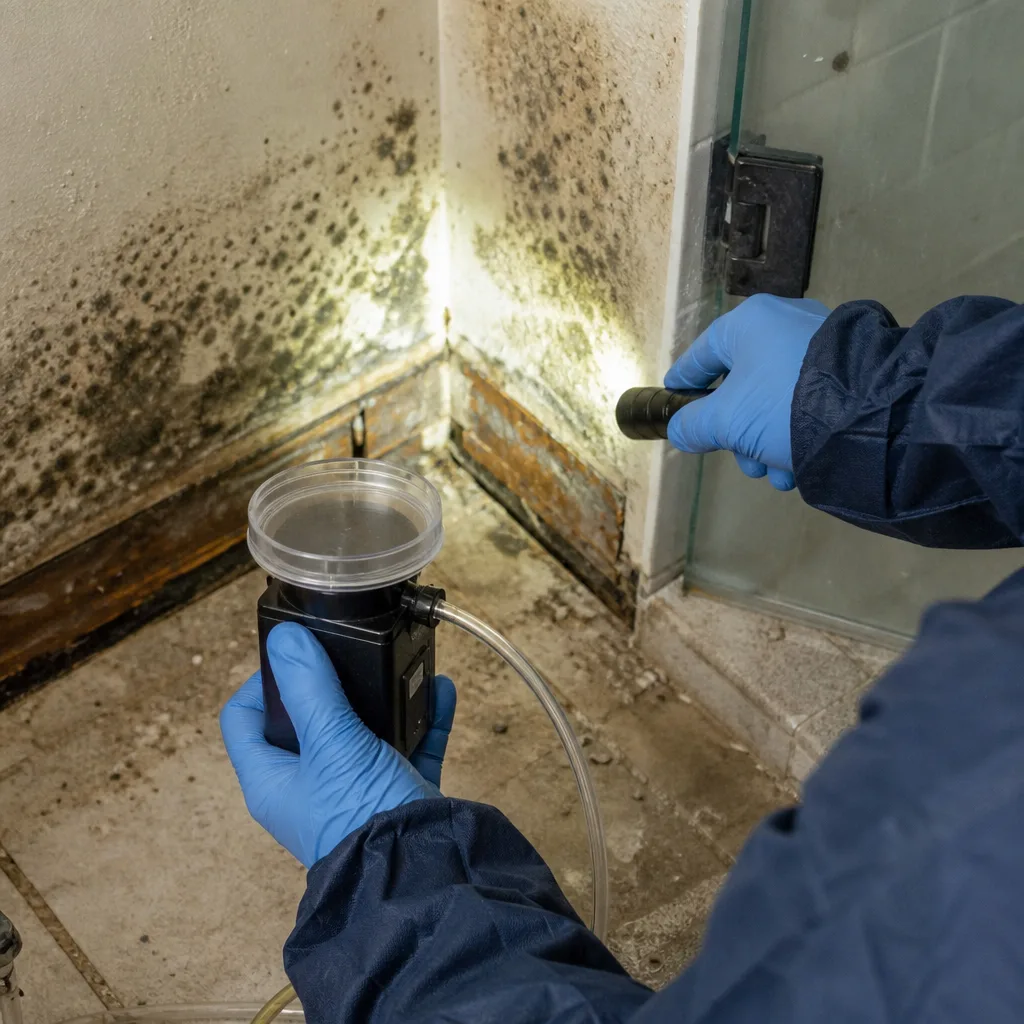
Call a damage restoration contractor immediately when: standing water exceeds your capacity to extract with household equipment; water has contacted electrical panels, gas lines, or HVAC systems; you smell musty or smoky odors without visible source; mold growth covers more than 10 square feet; or sewage backup has occurred. In Pacific Palisades, where many homes have original galvanized plumbing and aging sewer laterals, what appears to be a simple leak often indicates systemic failure requiring professional assessment.
DryMark Restoration Pacific Palisades offers free estimates in Pacific Palisades. Call (424) 365-9728 to request a written scope, or bring us a competitor’s estimate for our Free Second Opinion review at no charge. Live phone coverage is available 24 hours a day, 7 days a week with no voicemail on emergency lines.
Frequently Asked Questions
Typical water damage mitigation in Pacific Palisades ranges from $1,800 for contained, Class 1 losses to $8,500+ for Class 3-4 whole-house drying with hardwood floor rescue. Reconstruction costs are additional and depend on finish materials. Call (424) 365-9728 for a written, line-item estimate specific to your property - estimates are free under Haven Standard practice.
Coverage depends on your policy type, cause of loss, and documentation quality. Standard HO-3 policies cover sudden and accidental water damage but exclude gradual leaks and flood (the latter requires separate NFIP coverage). The single largest factor in full coverage is documentation: a written scope, daily drying logs, and photo records that prove the loss was addressed promptly and thoroughly. We coordinate directly with adjusters while you retain claim control.
Emergency response in Pacific Palisades typically ranges from 30 minutes to 90 minutes depending on your location relative to Sunset Boulevard, time of day, and hillside access constraints. However, arrival speed should never override documentation discipline. A contractor who arrives in 20 minutes without the capacity to produce a written scope on-site is trading your claim integrity for their marketing metric.
Surface water you can see is rarely the full problem. Water migrates through wall cavities, under flooring, and into insulation within minutes. In Pacific Palisades’ humid climate, residual moisture below visible surfaces commonly produces mold within 48-72 hours. Professional moisture mapping with thermal imaging and penetrating meters reveals hidden saturation that DIY methods miss. For Category 2 or 3 water, or any loss exceeding approximately 50 square feet, professional assessment is warranted.
Refuse, and consider it a red flag. Assignment of benefits transfers your insurance policy rights to the contractor, including the right to sue your insurer and the right to settle on your behalf. California has restricted AOB abuse, but variations persist. A legitimate contractor should be willing to document thoroughly, bill transparently, and let you maintain claim control. Haven Standard practice explicitly excludes AOB arrangements.
You retain the right and responsibility to manage your claim. A competent contractor provides documentation that supports your position: the written scope, daily logs, photo records, and final moisture verification. They may communicate technical details to the adjuster at your request, but should not negotiate settlement, accept payment on your behalf, or sign proofs of loss. Any contractor who insists they “handle everything” without your ongoing involvement is overstepping.
The Bottom Line
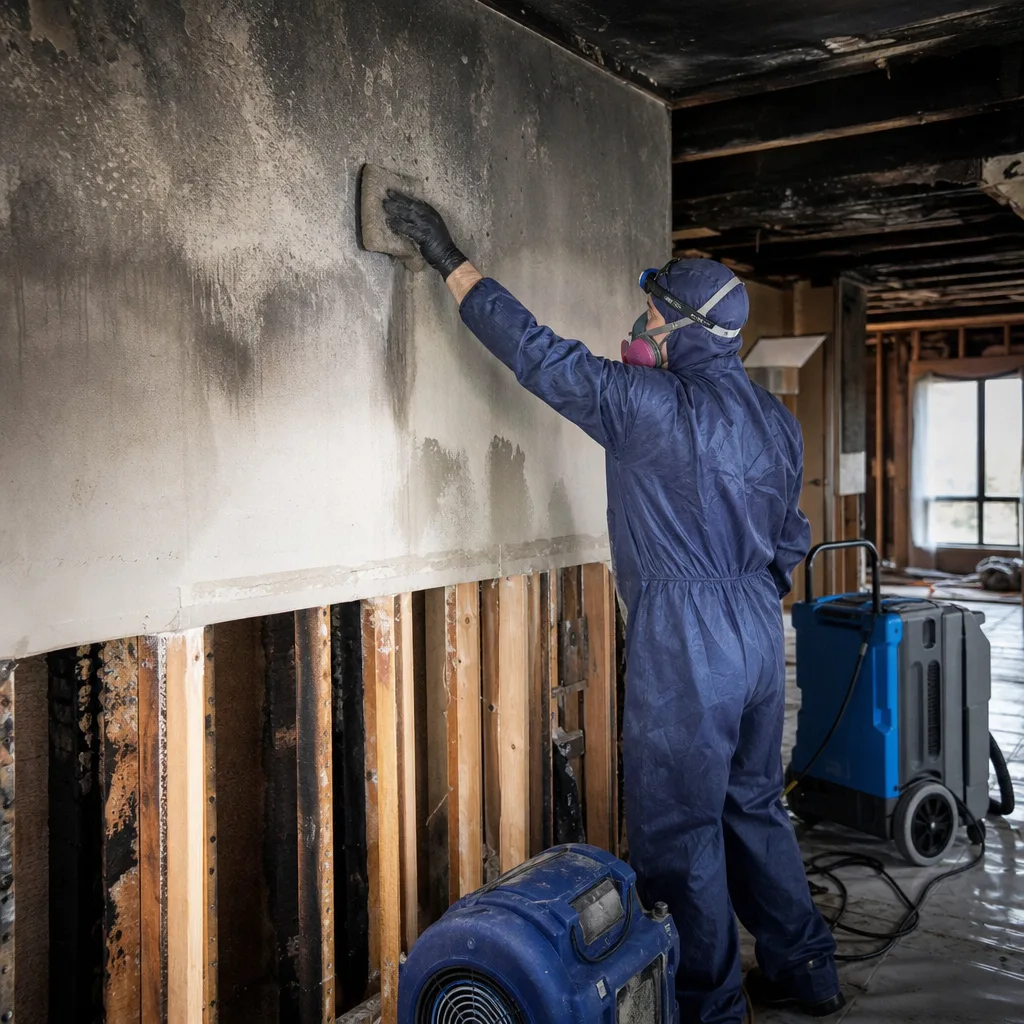
Hiring a damage restoration contractor in Pacific Palisades is not about finding the fastest responder or the most reassuring voice. It’s about verifying documentation capability before work begins. Request the five documents. Verify the license classification. Reject assignment-of-benefits language. Test for real drying logs, not templates. And insist on a written price before anyone starts work - Haven Standard, Clause 1, because without it, you have no baseline and no protection. The contractor who resists these requests is telling you exactly how your claim will end.
Written by Alicia Brennan, Owner at DryMark Restoration Pacific Palisades, serving Pacific Palisades since 2011.