
Last updated September 23, 2026
Free visual inspection and a written scope of work before any mitigation begins - photos, moisture readings, and drying logs go in your claim file
The scope we write is the scope we bill. Anything new gets shown to you, in writing, before we touch it.
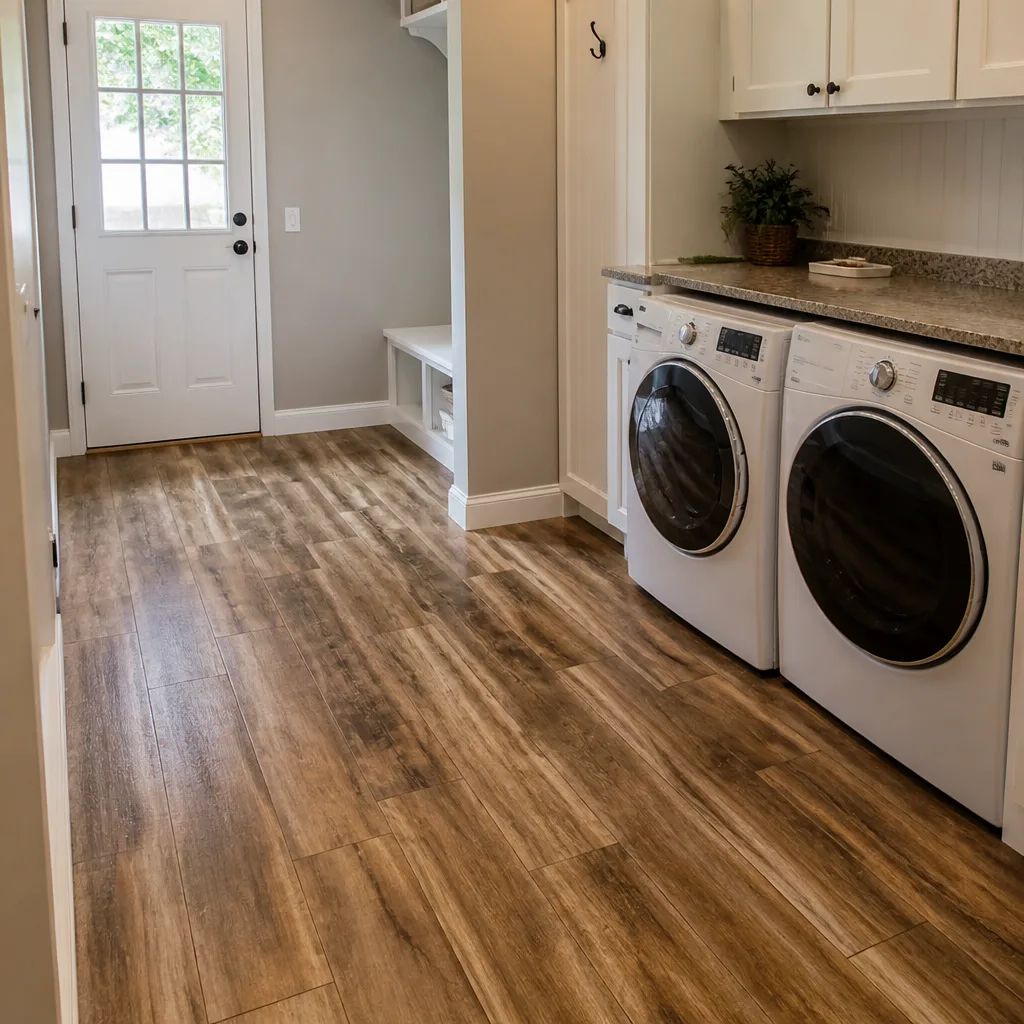
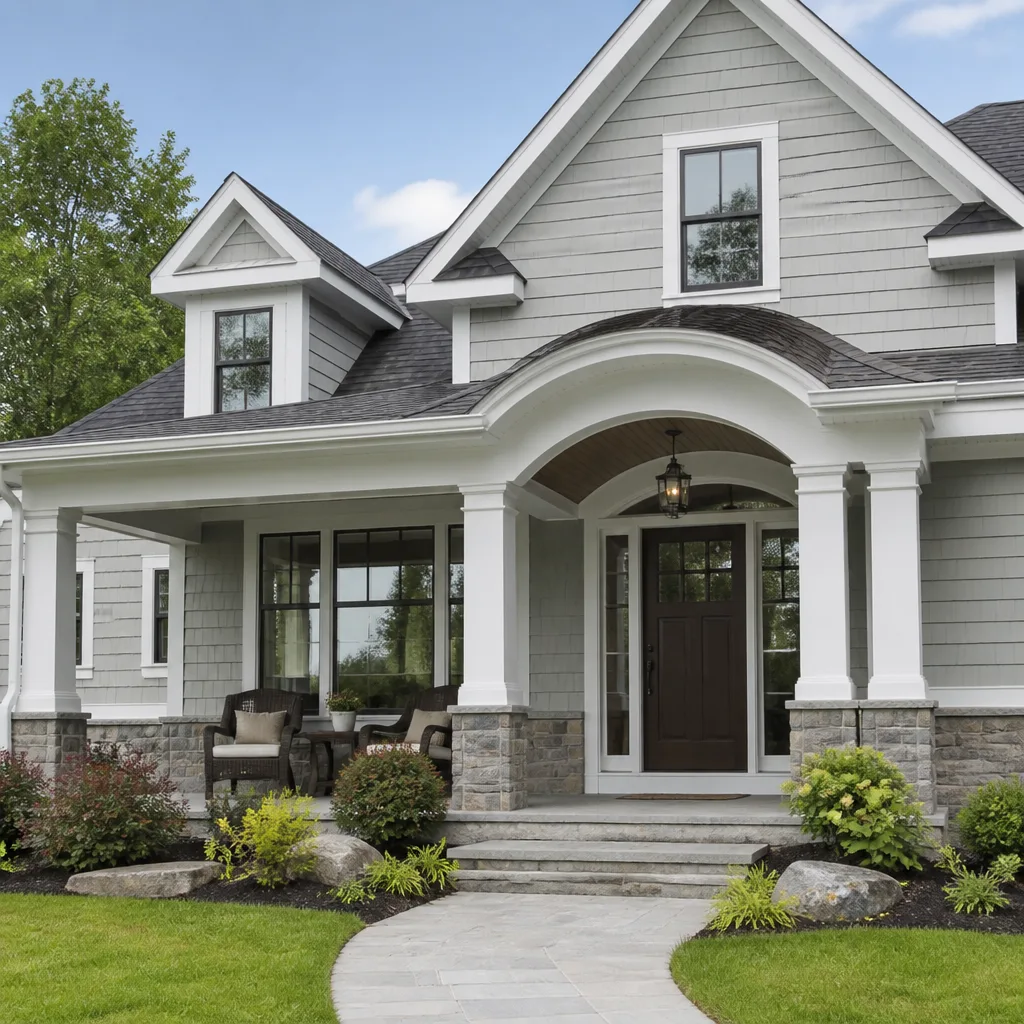
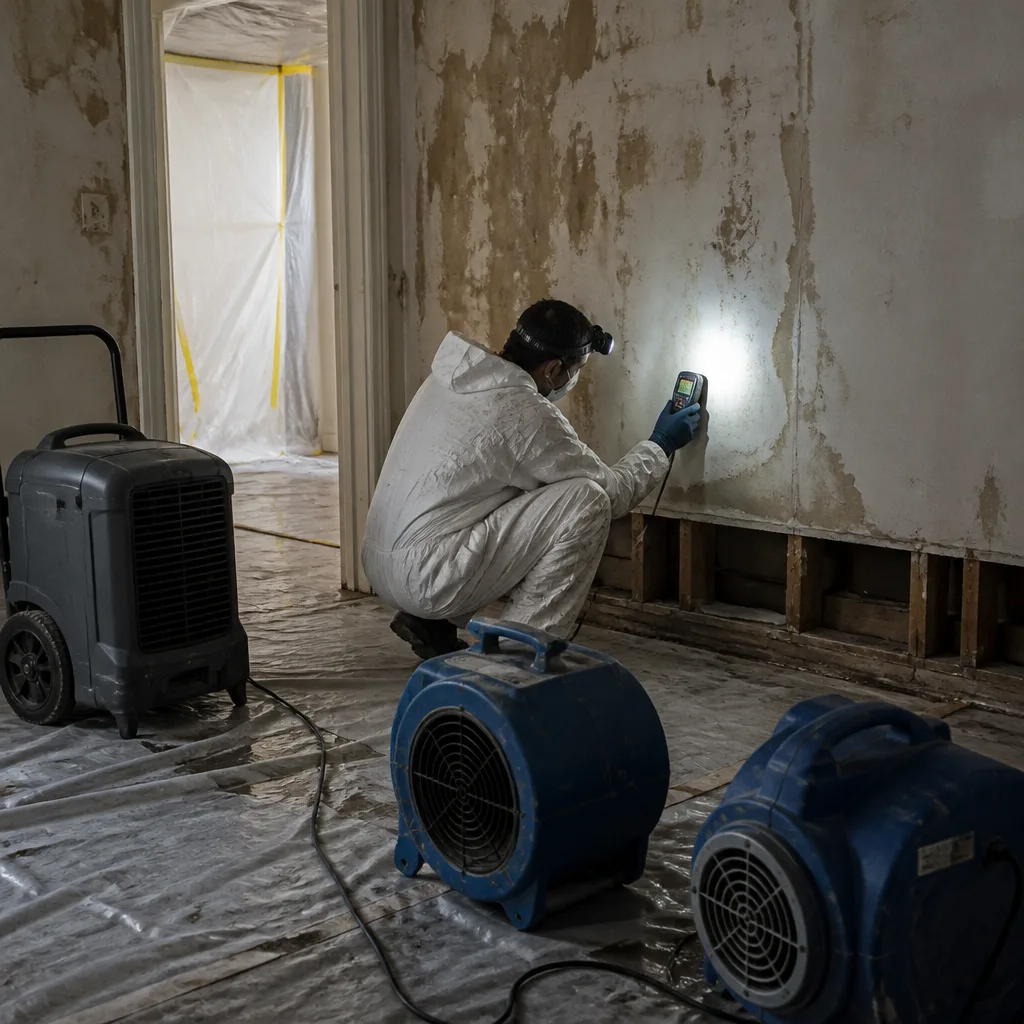 Before
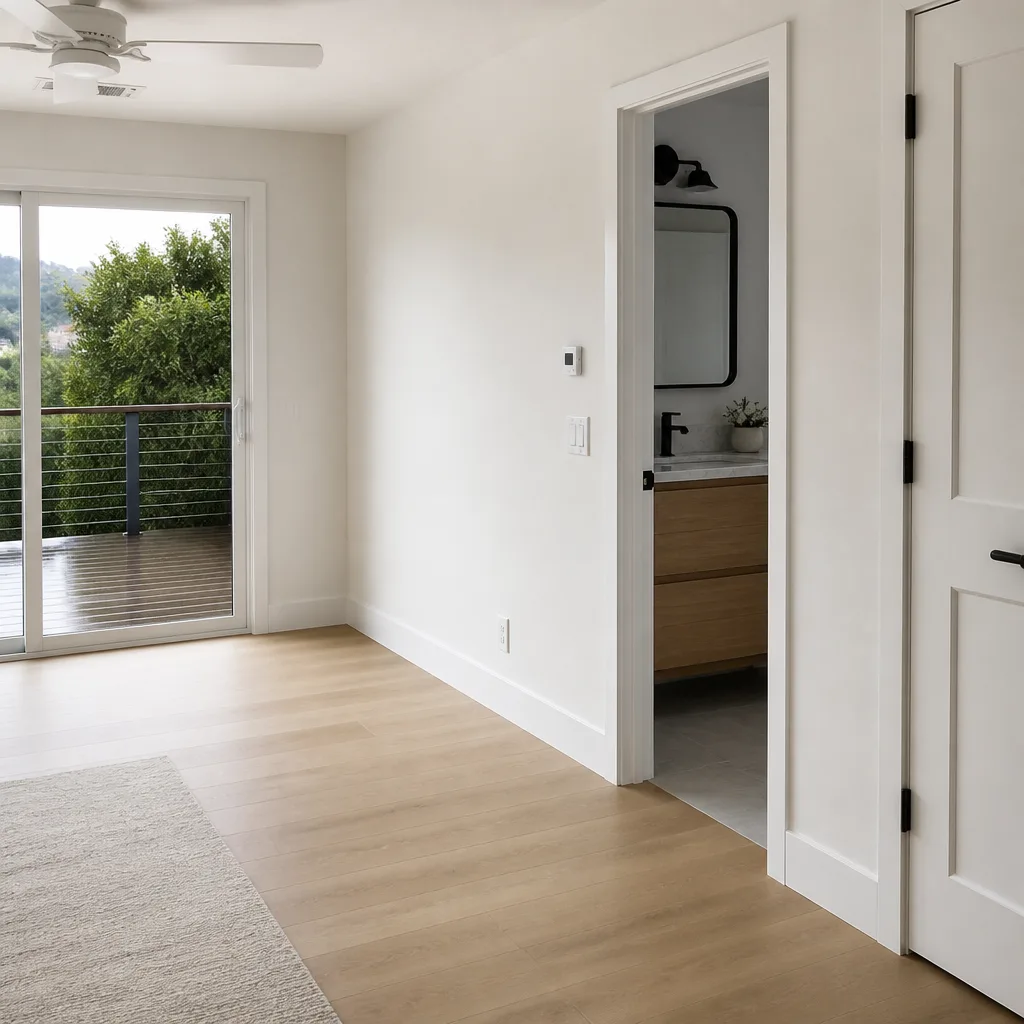 After
After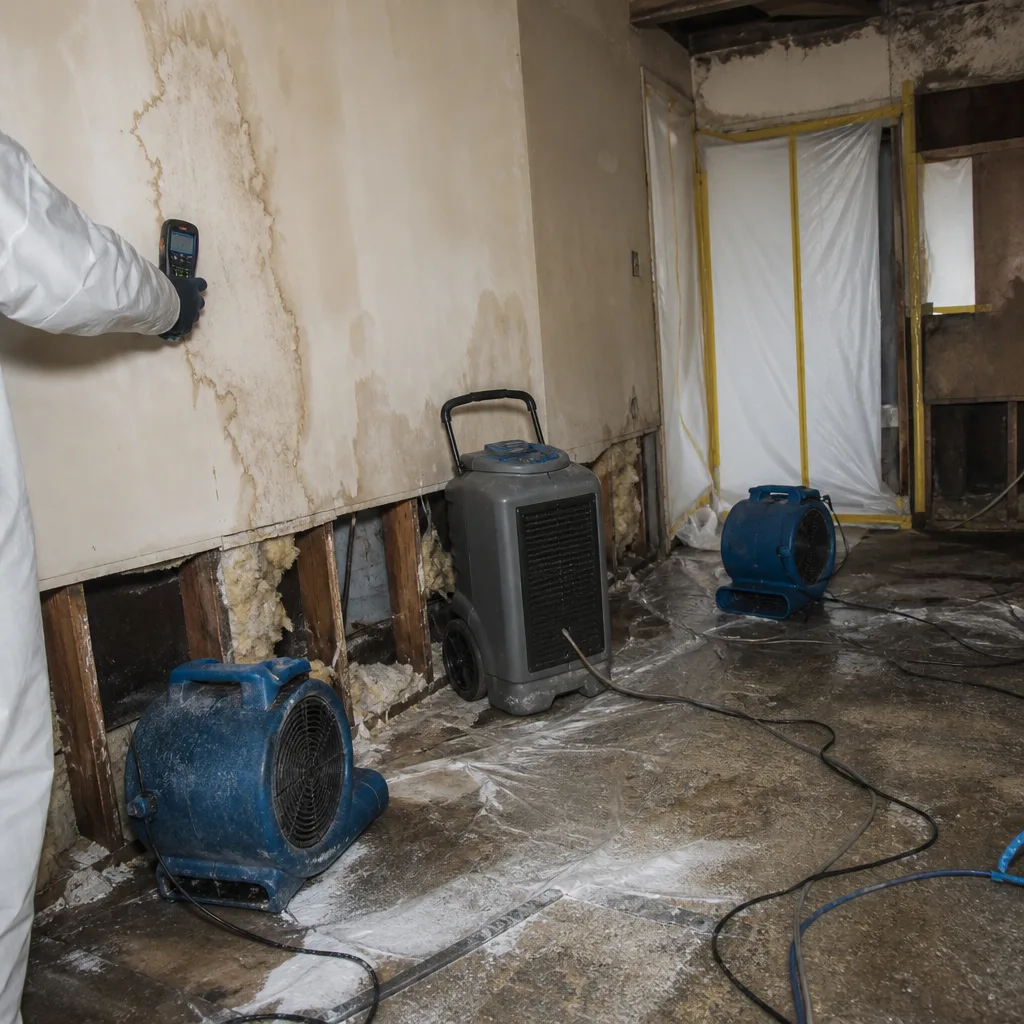 Before
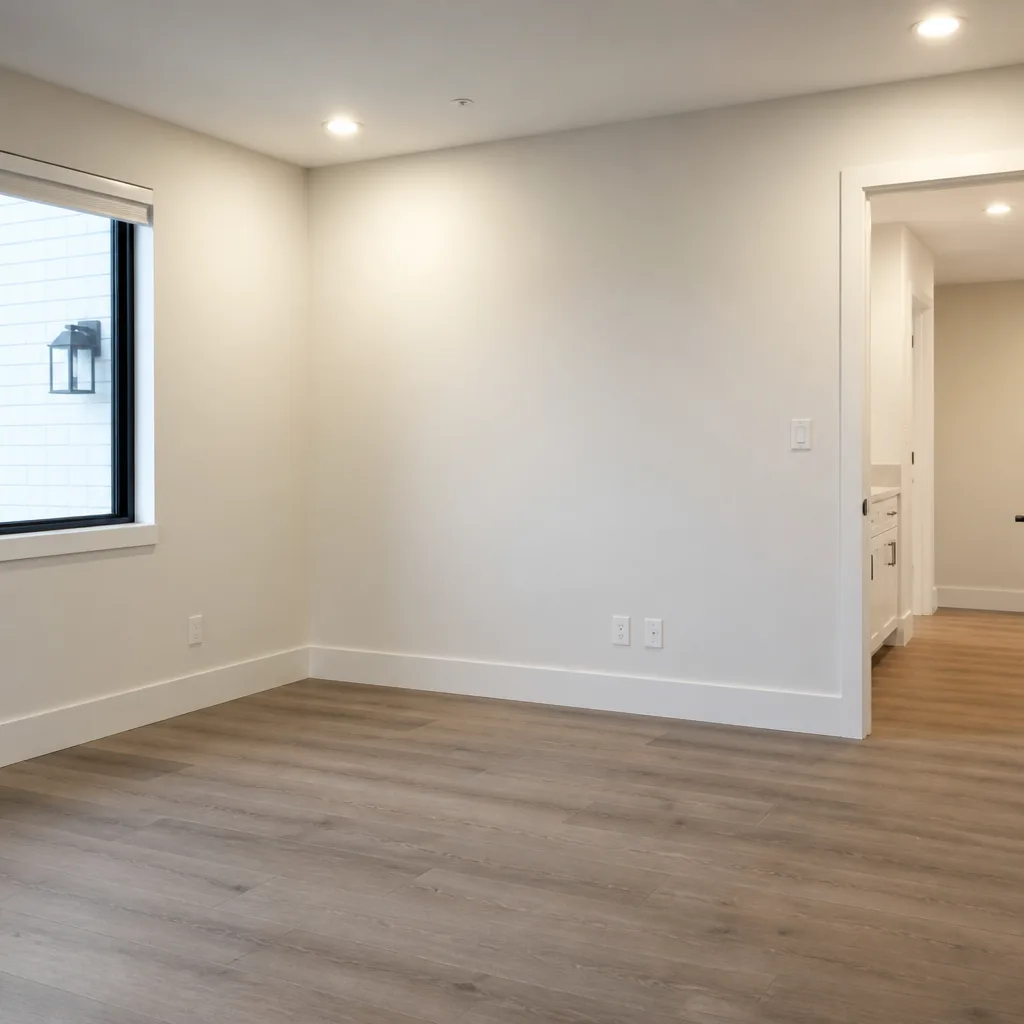 After
After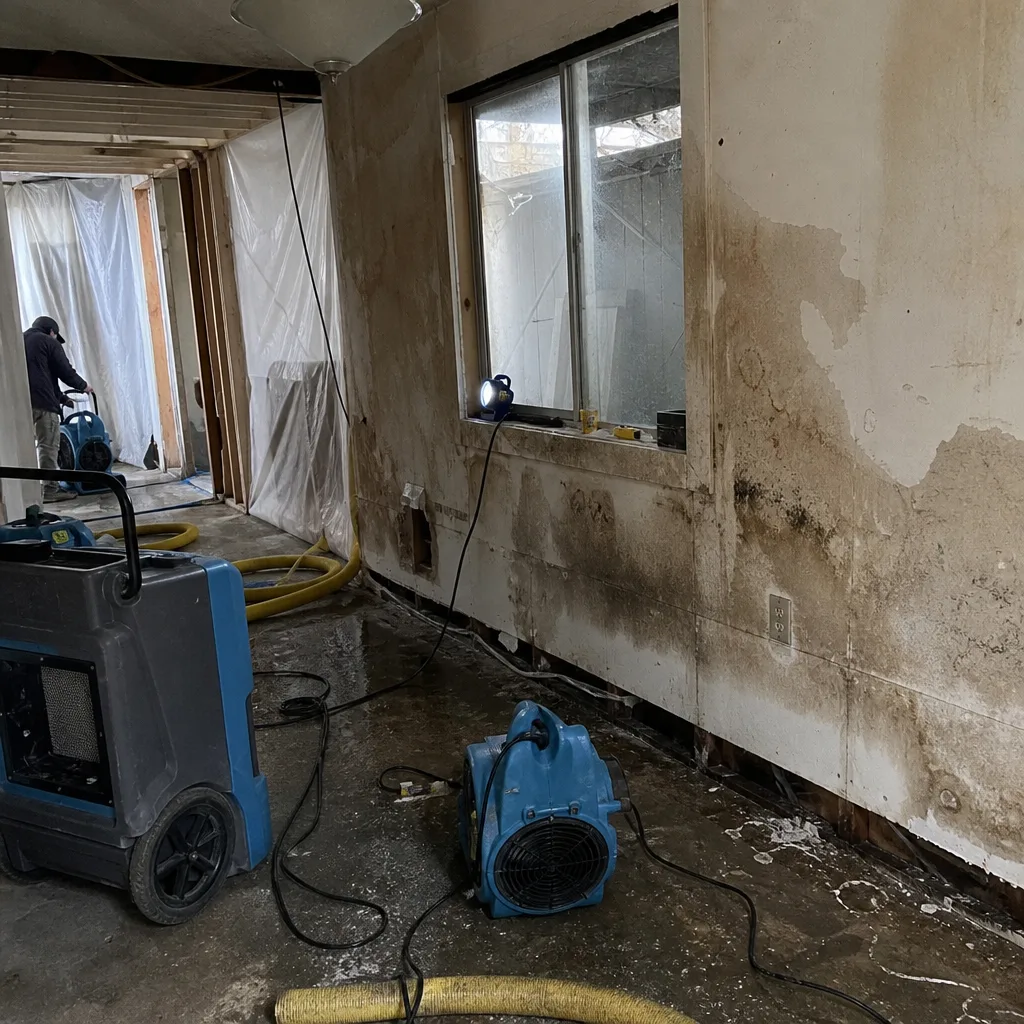 Before
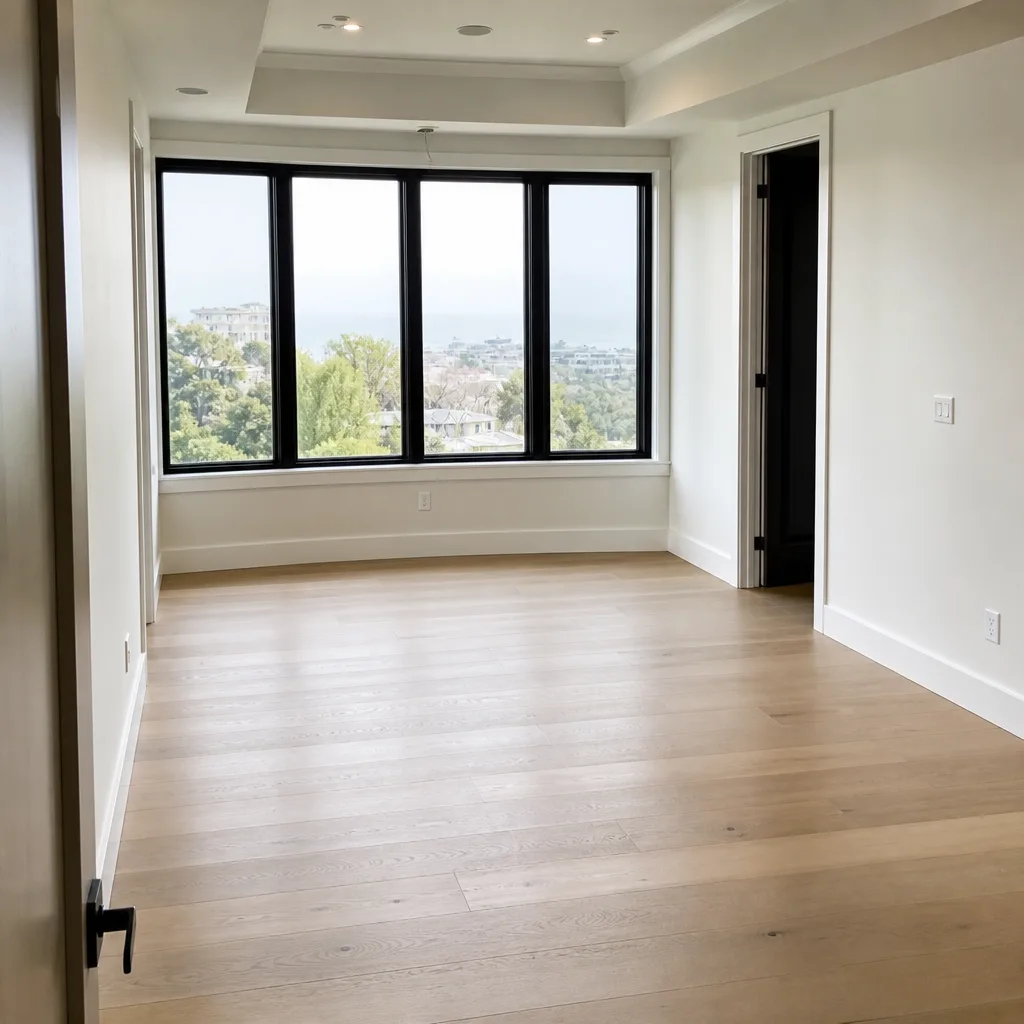 After
AfterSeasonal Damage Restoration Care for Pacific Palisades: Year-Round Homeowner’s Guide
In Pacific Palisades, the months after fire season end are when water damage claims spike. The same hillside vegetation that burned is no longer intercepting rainfall, and drainage systems designed for landscaped slopes can’t handle the new runoff load. We’ve seen this pattern repeat across the Palisades since 2011: a dry winter forecast lulls homeowners into skipping November drain inspections, then January atmospheric rivers send water through foundation cracks that opened during summer settlement. This guide gives you a month-by-month action calendar tied to the Palisades microclimate, with documentation tasks that build a pre-loss evidence file - for The Complete Guide to Damage Restoration in Pacific Palisades, see our expanded coverage. Follow it, and when damage happens, your claim moves faster because your paperwork is already organized.
Quick Answer
Seasonal damage restoration care in Pacific Palisades means alternating between wet-weather water intrusion prevention and dry-weather fire and wind damage preparation, with documented inspections in November, January, May, and September - our Water Damage Restoration Maintenance Checklist for Pacific Palisades Homeowners details each step. Homeowners who maintain dated photos, moisture baselines, and contractor receipts cut their average claim cycle significantly because the evidence exists before the loss occurs. The specific risks shift with the housing stock era: post-war stucco, 1970s flat-roof additions, and modern glass-heavy construction each need different seasonal attention.
Table of Contents
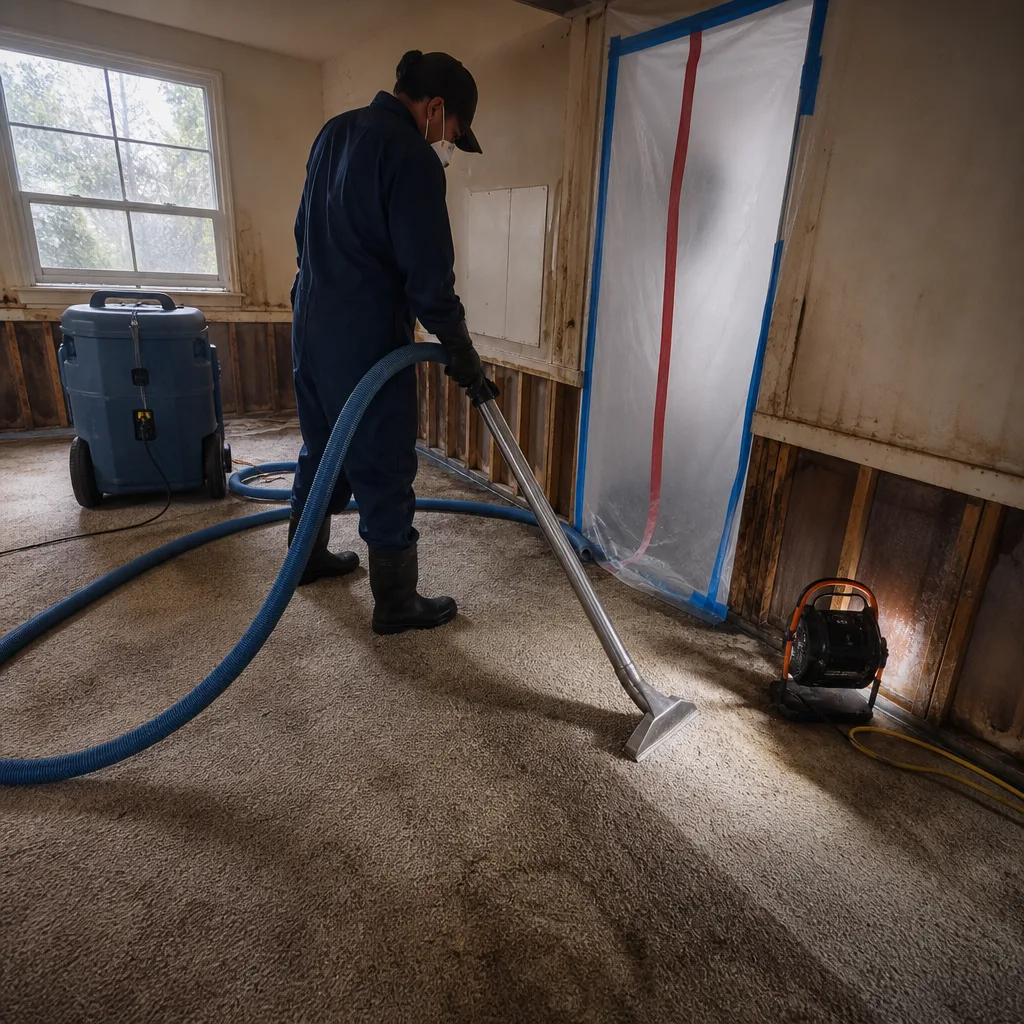
- The Wet Season Window: November Through March
- Post-Fire Hydrology and Hillside Drainage in Pacific Palisades
- The Dry Season Window: April Through October
- Pacific Palisades Housing Stock: Era-Specific Vulnerabilities
- Building Your Pre-Loss Evidence File
- Month-by-Month Action Calendar
- What Professional Documentation Looks Like
- Common Mistakes to Avoid
- When to Call a Professional
- Frequently Asked Questions
 Before
 After
AfterThe Wet Season Window: November Through March
Pacific Palisades receives the bulk of its annual rainfall between November and March, with January atmospheric rivers delivering concentrated pulses that overwhelm drainage systems. The Palisades microclimate sits at the western edge of the Santa Monica Mountains, where orographic lift squeezes moisture from Pacific storms as they push inland. This means higher rainfall totals than coastal plain neighborhoods like Santa Monica or Venice, and faster runoff velocities on the steep canyon slopes.
Water intrusion during this window follows predictable paths. We’ve documented thousands of water damage restoration in Pacific Palisades jobs since 2011, and the pattern is consistent: foundation perimeter saturation leads to slab edge wicking, then interior vapor drive through concrete capillaries. By the time homeowners see staining on drywall, the moisture front has advanced 18 to 24 inches inside the envelope.
Critical wet-season vulnerabilities:
- Foundation perimeter drains: These clog with silt and hillside debris faster in Pacific Palisades than in flat terrain markets. A drain that handled 2 inches per hour in 2019 may fail at 1.5 inches after two fire seasons of ash and sediment loading.
- Window well and deck ledger flashing: The 1970s and 1980s building boom in the Palisades used ledger attachments with minimal or missing flashing. Water enters at the rim joist and travels along the top plate.
- Hillside retaining wall weep systems: When weep holes clog, hydrostatic pressure builds to 60 pounds per square foot at 4 feet of saturation depth. We’ve measured wall deflection of 3/8 inch in a single season.
- Garage door threshold seals: The gap between slab and seal widens as driveways settle on fill slopes. A 1/4-inch gap admits 0.75 gallons per minute during sheet flow conditions.
The documentation task for wet season is establishing moisture baselines. Rent or borrow a pin-type moisture meter (we use Delmhorst BD-2100 units on every job) and record readings at baseboards, window stools, and garage slab edges. Log the date, location, and reading. Normal equilibrium moisture content for interior wood in Pacific Palisades runs 9% to 12%. Readings above 16% indicate active moisture loading that warrants investigation.
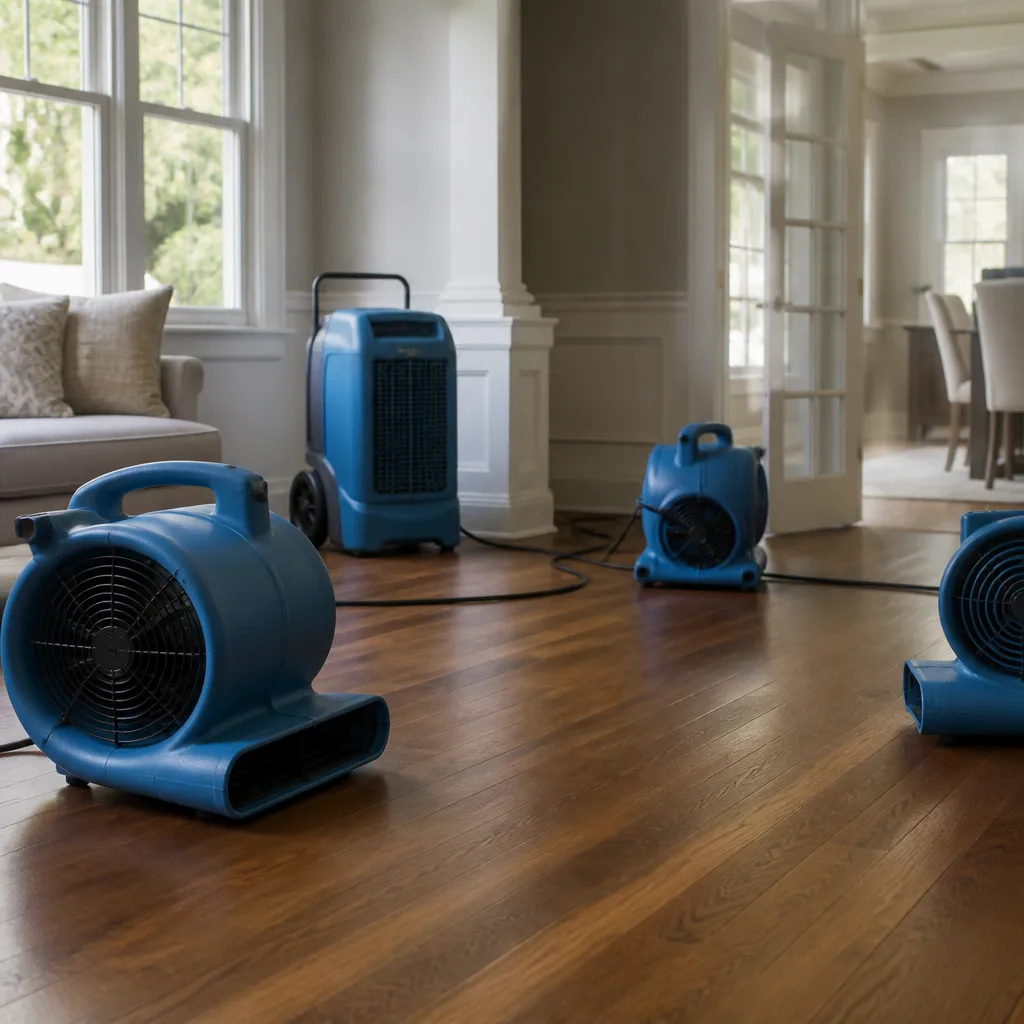
When we deploy professional-grade drying systems from Dri-Eaz and Phoenix on wet-season jobs, the psychrometric data - temperature, relative humidity, and vapor pressure differential - tells us whether the structure is drying or merely circulating moist air. Vapor pressure differential measures the force driving moisture from wet materials to drier air. A differential below 10 grains per pound means the dehumidification capacity is insufficient for the load. Homeowners don’t need to calculate this, but understanding that drying is measurable, not guessed, explains why our daily drying logs matter for your claim.
Post-Fire Hydrology and Hillside Drainage in Pacific Palisades
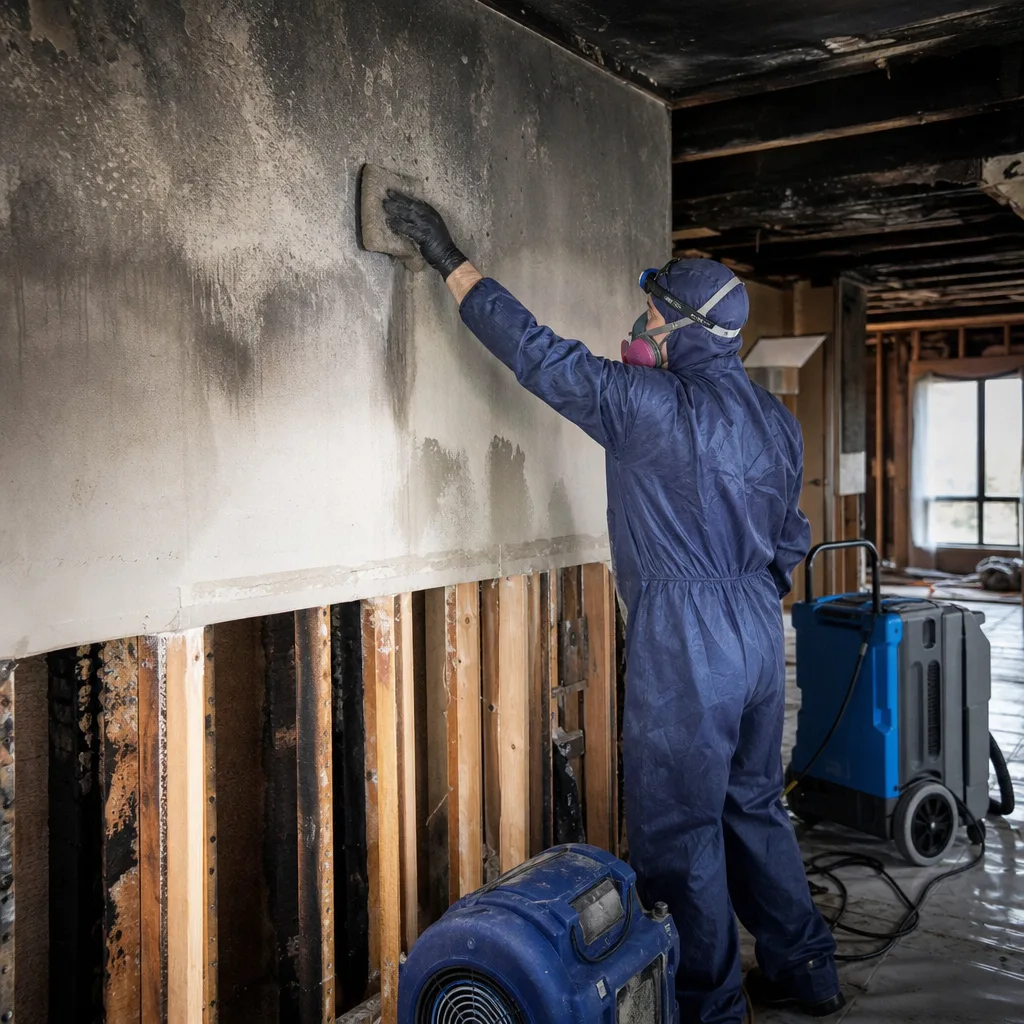
The 2018 Woolsey Fire and subsequent burn scars altered hillside hydrology across Pacific Palisades in ways that continue to affect foundations today. Vegetation that once intercepted rainfall and promoted infiltration was removed. In its place, hydrophobic soil crusts formed during intense heating, repelling water rather than absorbing it. The result: runoff coefficients increased by 40% to 60% in burned zones, and peak flow arrival times shortened from 30 minutes to under 10 minutes on steep slopes.
This matters for sub-slab moisture readings in ways most homeowners miss. Pre-fire, a Pacific Palisades hillside home might see seasonal groundwater fluctuation of 2 to 3 feet below slab. Post-fire, with reduced transpiration and altered infiltration patterns, that fluctuation can compress to 6 inches, bringing the water table into contact with slab undersides for extended periods. We’ve measured sub-slab relative humidity at 95% in January, three years post-fire, in homes where pre-fire readings never exceeded 75%.
The claim implication is significant. Insurance adjusters distinguish between “sudden and accidental” water damage (covered) and “long-term seepage” (excluded). A homeowner with documented pre-fire moisture baselines can demonstrate that current readings represent a new condition, not gradual deterioration. Without that documentation, the exclusion applies.
What to document post-fire:
- Pre-rain season photos of drainage paths, downspout terminations, and foundation lines - dated, geotagged if possible.
- Post-fire soil condition photos showing hydrophobic crusting or erosion channels.
- Contractor receipts for any drainage improvements, with scope descriptions.
- Annual moisture meter readings at the same interior points, with dates.
In the Palisades Highlands and Castellammare areas, where slopes exceed 25%, we’ve seen homeowners install French drains that were adequate pre-fire but now surcharge during moderate storms. The fix isn’t always larger pipe; sometimes it’s breaking the hydrophobic layer with scarification and mulch application to restore infiltration. A landscape contractor familiar with post-fire soil conditions should specify this work, and the specification belongs in your evidence file.
The Dry Season Window: April Through October
April through October in Pacific Palisades brings negligible rainfall but escalating fire and wind exposure. The Santa Ana wind season peaks November through January, but the preparatory window runs all summer: vegetation dries, fuel moisture drops, and ember production potential rises. A home that passes a September ember-entry audit is significantly more likely to survive an October ignition than one inspected in June, when fuel conditions are still evolving.
Wind damage during dry season is underreported in Pacific Palisades because it’s often classified as “maintenance” rather than “sudden damage.” But the combination of Santa Ana gusts and aging roofing creates openings that admit water months later. We’ve opened ceiling cavities in January to find wind-lifted shingles from August that created a 4-square-foot rain entry path, with mold growth on R-30 insulation that reached 12 inches of colonization.
Fire & smoke damage restoration in Pacific Palisades begins with prevention, and prevention is documentation. The Insurance Institute for Business and Home Safety (IBHS) ember test protocols specify vulnerable points: roof edge, soffit vent, eave vent, and deck joist cavity. A homeowner who photographs these points annually, with dates, creates a record of maintained condition that supports post-loss claims.
Dry-season inspection priorities:
- Roofing and flashing: Check for lifted shingles, cracked tile, and separated ridge caps. Document with dated photos from the same angles each year.
- Soffit and eave vents: Verify 1/8-inch mesh is intact. Ember entry through compromised mesh is a leading ignition pathway in Pacific Palisades-style construction.
- Deck joist cavities: Clear accumulated debris. A 1/2-inch gap between deck board and house siding becomes an ember trap when filled with dried leaves.
- HVAC condensate lines: The May check matters because summer cooling loads produce condensate that, if the line is clogged, overflows into ceiling cavities. We’ve restored 200+ square feet of ceiling plaster from this single failure mode.
- Window and door weatherstripping: Dry heat degrades elastomeric seals. Gaps that admit Santa Ana dust in September admit embers in November.
The documentation output for dry season is a dated photo set showing maintained condition, plus any contractor work orders for repairs. File these with your insurance policy documents, not in a separate folder you’ll misplace.
Pacific Palisades Housing Stock: Era-Specific Vulnerabilities
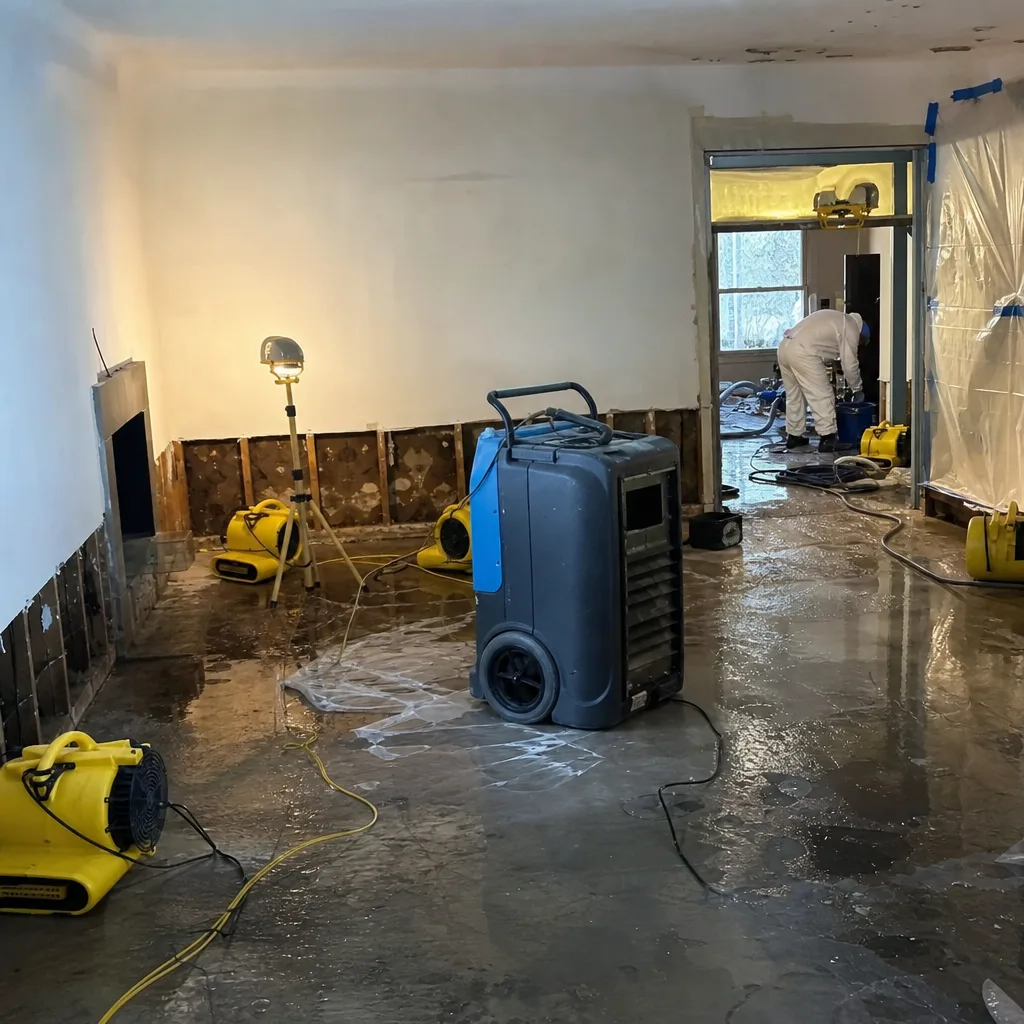
Pacific Palisades construction spans nearly a century, and each era carries distinct seasonal exposure points. Understanding your home’s era lets you target inspections rather than guessing.
Post-war stucco (1945-1965): The Palisades Riviera and lower Huntington areas contain hundreds of these homes. They’re built with un-reinforced concrete block foundations, Portland cement plaster over wire lath, and minimal vapor barriers. Seasonal vulnerability is wet-season wicking: the stucco absorbs rainfall, transmits it through the lath, and deposits moisture on interior framing. We’ve measured framing moisture at 22% in February in homes with intact exterior paint. The seasonal care is November inspection of stucco for hairline cracking, which admits bulk water, and January moisture sweep of interior baseplate areas.
1970s flat-roof additions: The modernist influence produced low-slope roofs with built-up roofing or early single-ply membranes. These fail at penetration flashings and at drains that pond water. Pacific Palisades receives enough winter rainfall that ponding depth exceeds membrane capacity within 48 hours of sustained rain. The seasonal care is November drain clearing and January interior ceiling inspection for staining at penetration points. Flat-roof homes should also have a roof moisture survey every three years; we use infrared thermography to map trapped moisture that isn’t yet visible.
Modern glass-heavy construction (1990-present): The Palisades Highlands and newer infill projects feature curtain wall systems, expansive glazing, and steel framing. These homes face different risks: thermal bridging at steel connections creates winter condensation points, and large glass areas concentrate wind loading on frame anchors. The seasonal care is September inspection of sealant continuity at glass-to-frame interfaces, and January check for interior condensation patterns that indicate thermal bridge activation.
Each era also has distinct documentation needs. Post-war homes benefit from foundation crack monitoring; flat-roof homes need roof membrane age documentation; modern homes require window and door performance testing records. A pre-loss evidence file that includes era-appropriate documentation shortens claim resolution because the adjuster doesn’t need to reconstruct building history.
Building Your Pre-Loss Evidence File
The average Pacific Palisades property damage claim takes 45 to 90 days from initial report to payment. Homeowners with organized pre-loss documentation cut that to 21 to 35 days, in our experience across 12,000+ restored homes since 2011. The difference isn’t the severity of damage; it’s the adjuster’s ability to verify cause, scope, and pre-existing condition without back-and-forth requests.
Your evidence file contains:
- Annual inspection photos: Date-stamped, geotagged, showing roof, foundation line, drainage paths, and interior moisture points. Store in cloud backup with local copy.
- Moisture baseline log: Pin-meter readings at consistent interior points, recorded annually in October (pre-rain) and April (post-rain). Format: date, location, reading, ambient conditions.
- Contractor receipts and scopes: Any work affecting building envelope or drainage. Include the contractor’s license number and scope description.
- Insurance policy and endorsements: Current declarations page, with any special provisions for hillside construction, earthquake, or flood.
- Equipment and appliance inventory: Model numbers, serial numbers, purchase dates, and photos. Update when replaced.
The filing system matters less than retrievability. We recommend a single cloud folder per property, with subfolders by year, and a physical binder with printed key documents. After a loss, you’ll need this information while displaced; cloud access alone may be unreliable.
When DryMark Restoration Pacific Palisades home responds to a loss, our first documentation task is photographing the condition as found. Homeowners with pre-loss photos can immediately establish change in condition. This matters for mold remediation in Pacific Palisades especially, where the coverage question is often whether mold resulted from a covered sudden event or from long-term moisture. A January moisture log showing 11% at a baseplate, followed by a March loss with 28% at the same point, answers that question with data.
Month-by-Month Action Calendar
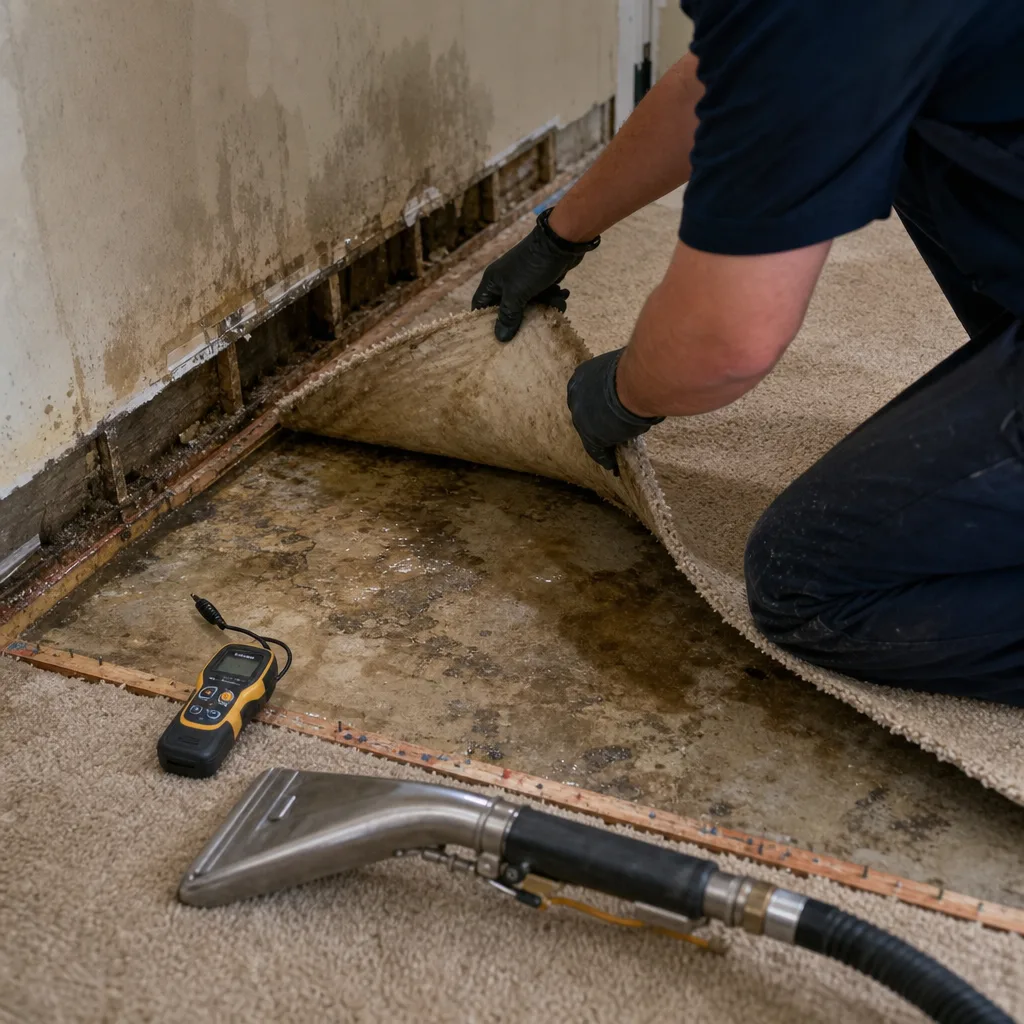
This calendar ties specific actions to the Palisades microclimate and building stock. It’s designed to produce documentation at each step.
November: Drain and Gutter Inspection
Before the first significant rain, inspect and clear all drainage. Pacific Palisades hillside homes often have perimeter drains, area drains, and downspout extensions that clog with oak leaf litter and fire-season ash. Photo-document each drain inlet and outlet. Test flow with a hose. If flow is restricted, note location and arrange cleaning. File contractor receipt with scope.
December: First-Rain Response
After the first 0.5-inch rain event, walk the property during rainfall. Note sheet flow paths, gutter overflow points, and any water pooling against the foundation. Photo-document. These observations predict where January atmospheric river water will go.
January: Post-Rain Moisture Sweep
Using your pin-type moisture meter, check all baseline points. Compare to October readings. Any increase over 4 percentage points warrants investigation. Check ceiling stains, window stool discoloration, and garage slab darkening. Photo-document findings.
February: Mid-Season Drain Check
Clear drains again; January storms have loaded them. Inspect foundation line for erosion or new cracking. These are the weeks when saturated hillsides shift, and hairline cracks become pathways.
March: Pre-Dry-Season Transition
Final moisture reading before dry season. Document any wet-season repairs. Schedule any deferred maintenance that affects fire season readiness.
April: HVAC Condensate and Cooling Prep
Clear condensate lines, check pump operation, and verify drain pan integrity. Pacific Palisades cooling loads start early; a failed condensate pump in April creates the same ceiling damage as a roof leak.
May: Exterior Sealant and Weatherstrip
Inspect window and door sealant beads, weatherstripping compression, and threshold gaps. The dry heat ahead will degrade whatever is already marginal. Replace and photo-document.
June-August: Vegetation and Ember-Space Management
Maintain defensible space per Los Angeles Fire Department guidelines. Document with dated photos. Clear deck cavities, roof gutters, and window wells of accumulated material.
September: Pre-Fire-Season Ember-Entry Audit
Systematic inspection of all IBHS-specified vulnerable points. Use a checklist, photo each item, note condition. This is your pre-loss condition record for fire season.
October: Final Dry-Season Documentation
Compile year’s documentation into annual folder. Update equipment inventory. Review insurance policy for changes.
What Professional Documentation Looks Like
When damage exceeds what seasonal prevention can address, professional documentation determines whether your claim is paid without dispute. At DryMark Restoration Pacific Palisades, every job follows documentation protocols developed from founder Alicia Brennan’s experience as a claims adjuster who saw what sloppy documentation costs.
Haven Standard, Clause 1: A written price is delivered before anyone starts work, every time, with no scope-creep additions once the crew is inside. You know the cost before commitment.
Photo record on every visit: Not a few photos of the worst damage, but room-by-room, surface-by-surface documentation with timestamps. These photos accompany the drying log and the final invoice.
Daily moisture logs: Readings at established points, with psychrometric data from Dri-Eaz and Phoenix equipment, showing drying progress in measurable terms. Tertiary drying - the final phase where materials approach equilibrium - is documented until readings stabilize, not until the equipment is merely removed.
365-Day Done Right Promise: If it’s not done right, we make it right. This is a signed guarantee under The Haven Standard, not a marketing line. It applies to all work documented to IICRC, RIA, and IFA standards.
The equipment deployed matters because it produces the data. Injectidry systems for hardwood floor drying create positive and negative pressure differentials that pull moisture from subfloor assemblies. B-Air and XPOWER air movers are positioned and repositioned based on moisture mapping, not guesswork. The documentation trail from this equipment - hour-by-hour operation logs, temperature and humidity readings, equipment serial numbers - becomes the evidence that converts restoration invoices into payable claims.
Common Mistakes to Avoid
- Waiting for visible damage before acting. By the time Pacific Palisades homeowners see ceiling staining, moisture has advanced through insulation and framing. The seasonal calendar prevents this by mandating moisture readings before symptoms appear.
- Storing documentation only with the insurance agent. Agents change firms, files get lost in acquisitions, and after a major regional event, agent response times stretch to weeks. Keep your own complete file, cloud-backed and physical.
- Assuming post-fire drainage is “back to normal.” Hillside hydrology in Pacific Palisades changed after 2018. Drains that worked pre-fire may fail now. Re-evaluate drainage capacity rather than relying on historical performance.
- Skipping the September ember audit because “fire season hasn’t started.” Ember production depends on fuel moisture, which drops steadily from July onward. September condition determines October survival; waiting for Santa Ana warnings is too late for meaningful preparation.
- Using “contact us for pricing” as documentation. Haven Standard Clause 1 exists to end this habit. A written price before work starts is a document; a phone quote is not. Apply the same standard to any contractor you hire for seasonal maintenance.
- Ignoring flat-roof drains until they back up. In 1970s-era Pacific Palisades additions, drain failure is the leading cause of interior water damage. Annual clearing isn’t enough; the drain body and sump need inspection for cracking and separation.
- Failing to photo-document “no findings.” A clean annual inspection photo is as valuable as a damage photo for establishing pre-loss condition. Adjusters can’t assume maintenance was performed; documentation proves it.
When to Call a Professional
Call for professional assessment when moisture readings exceed 16% at any interior point, when you observe foundation cracking that progresses over a single season, when ceiling staining appears or expands, or when post-fire drainage surcharges during moderate rain. These are points where homeowner prevention ends and professional intervention begins.
DryMark Restoration Pacific Palisades offers free estimates in Pacific Palisades. Our response includes documented photo assessment, moisture mapping with calibrated meters, and a written scope with price before any work begins - Haven Standard, Clause 1. For emergency water intrusion, live phone coverage is available 24 hours a day, 7 days a week with no voicemail on emergency lines. Call (424) 365-9728.
We also provide a Free Second Opinion on any competitor’s written estimate. Bring another restoration company’s scope and we’ll review it at no charge, with specific attention to documentation adequacy for insurance submission.
Frequently Asked Questions
Annual homeowner-performed prevention - moisture meter, gutter cleaning, sealant replacement - typically runs $200 to $500 in materials and tool costs. Professional drainage inspection and clearing runs $400 to $800 for an average Palisades hillside home. These costs are not covered by insurance, but they’re a fraction of the $8,000 to $25,000 average water damage restoration claim we see in Pacific Palisades - see our Damage Restoration Cost Breakdown: The Pacific Palisades Homeowner’s Reference for 2026 for detailed pricing. Call (424) 365-9728 for an exact quote on professional seasonal services - estimates are free.
Probably not. Most policies exclude damage from “lack of maintenance” or “gradual deterioration.” A homeowner with documented seasonal inspections can demonstrate that damage resulted from a sudden event despite reasonable care. Without documentation, the exclusion is harder to fight. The documentation itself is your coverage protection.
For active water intrusion, speed matters because water moves through Pacific Palisades hillside homes faster than flat-terrain construction - gravity-assisted flow on multiple levels. DryMark Restoration Pacific Palisades maintains live phone coverage 24 hours a day, 7 days a week with no voicemail on emergency lines. Emergency response dispatch aims for under 90 minutes in Pacific Palisades proper. Call (424) 365-9728.
It depends on material classification and moisture duration. Category 1 water on clean, dry carpet within 24 hours may be cleanable. Category 2 or 3 water, any water on porous structural materials, or any moisture present over 48 hours typically requires remediation with documented drying to IICRC standards. We assess with moisture meters and thermal imaging, then specify in writing what’s needed - Haven Standard, Clause 1 means you get the scope and price before work starts.
We do, if you authorize it. Our documentation - photo record, drying log, written scope - is formatted for direct adjuster submission. We’ve handled adjuster coordination on thousands of Pacific Palisades claims since 2011. You can also manage the adjuster yourself and use our documentation as support. Either way, the evidence file we produce is designed to answer adjuster questions before they’re asked.
The Palisades has steeper slopes, more extensive burn scar areas, and higher rainfall orographic enhancement than coastal plain neighborhoods. This combination produces faster runoff, more sediment loading, and greater foundation moisture pressure. Homes in the Highlands, Castellammare, and upper Riviera areas face the most pronounced effects. Documentation of changed conditions is especially critical in these neighborhoods.
Your baseline readings establish pre-loss condition, which is essential for coverage determination. Our professional documentation uses calibrated meters traceable to NIST standards, with readings taken at established points on a grid, recorded with psychrometric data, and formatted for insurance submission. Both matter: yours for proving the loss is new, ours for proving the restoration was necessary and complete.
The Bottom Line
Pacific Palisades has no off-season for property damage risk. The wet season brings water intrusion through foundations altered by post-fire hydrology. The dry season brings fire and wind exposure amplified by Santa Ana conditions and aging building stock. A homeowner who follows the month-by-month calendar, documents every inspection, and maintains organized records transforms the claims process from adversarial to procedural. The seasonal care itself is prevention; the documentation it produces is insurance. Both are within reach of any Pacific Palisades homeowner willing to treat maintenance as a measurable discipline rather than an occasional afterthought.
Written by Alicia Brennan, Owner at DryMark Restoration Pacific Palisades, serving Pacific Palisades since 2011.