
Last updated September 23, 2026
Free visual inspection and a written scope of work before any mitigation begins - photos, moisture readings, and drying logs go in your claim file
The scope we write is the scope we bill. Anything new gets shown to you, in writing, before we touch it.
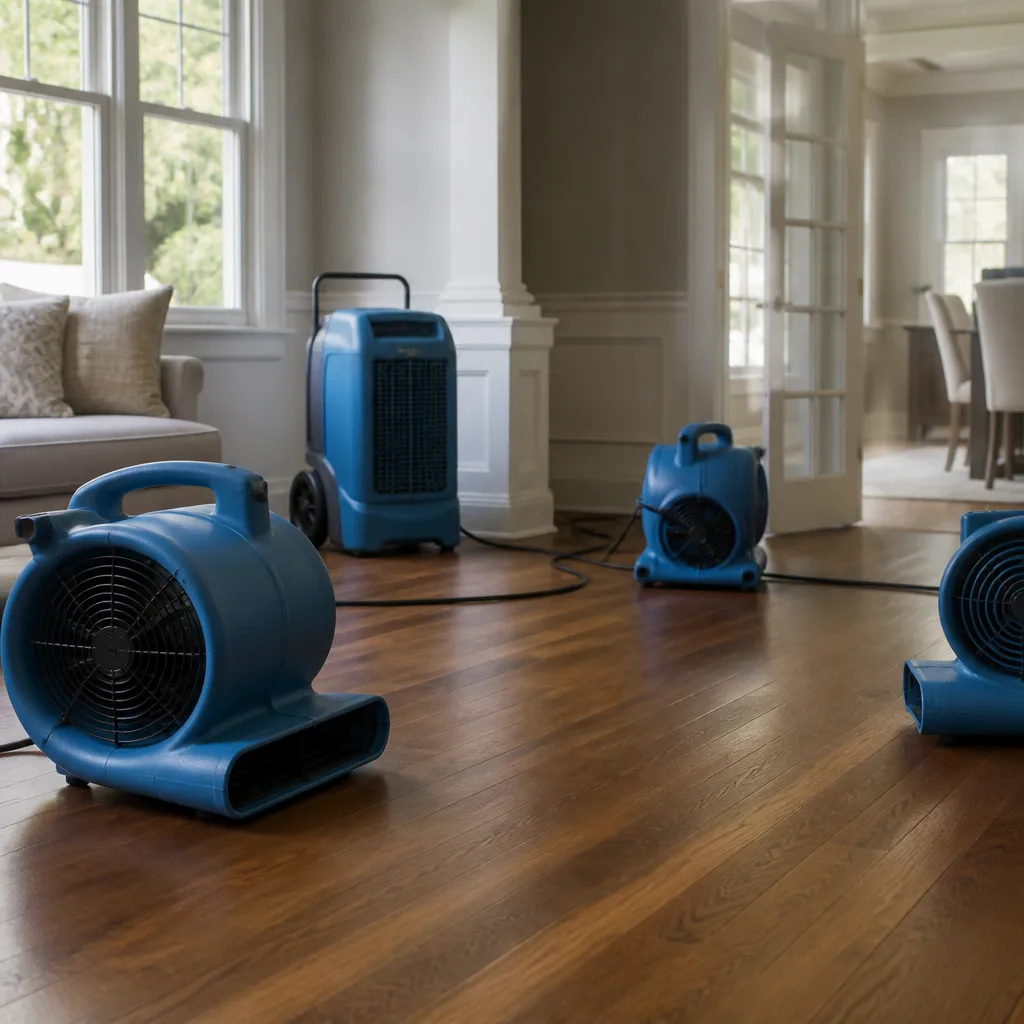
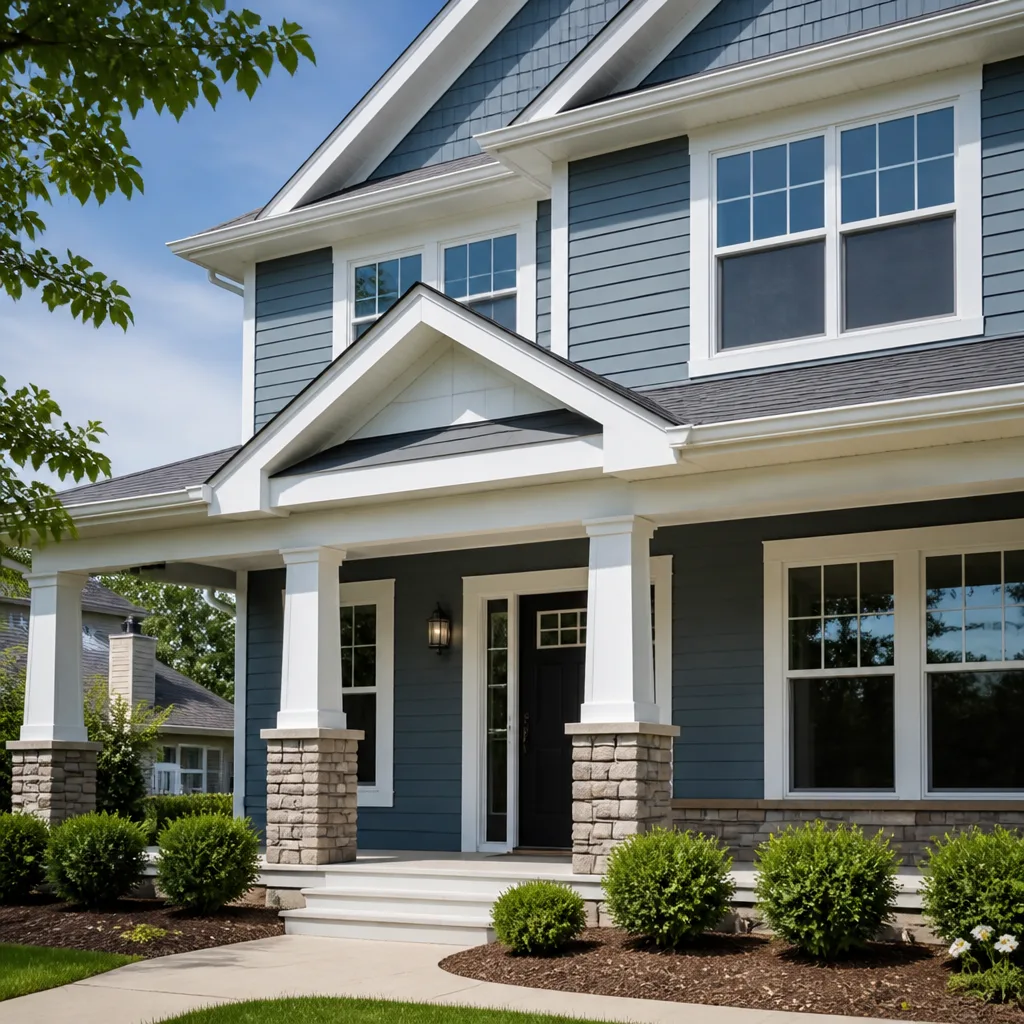
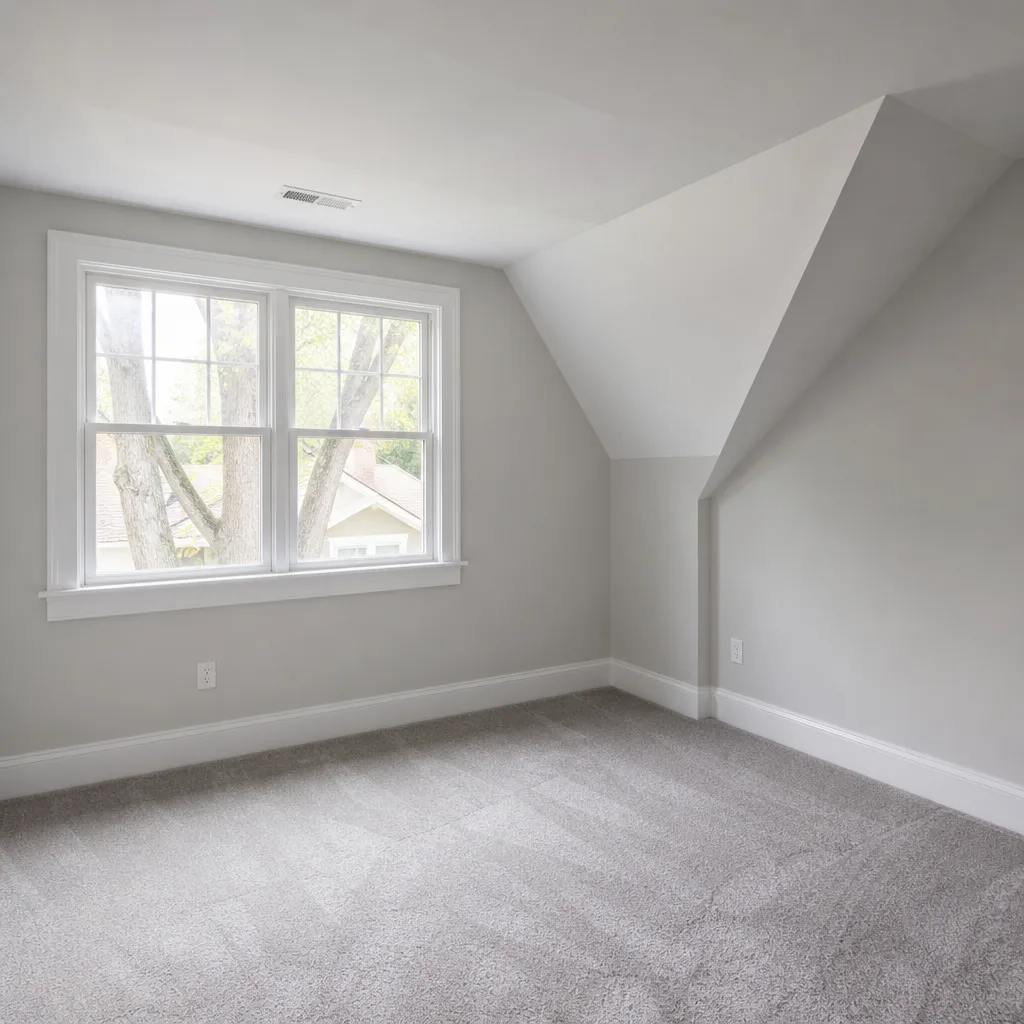
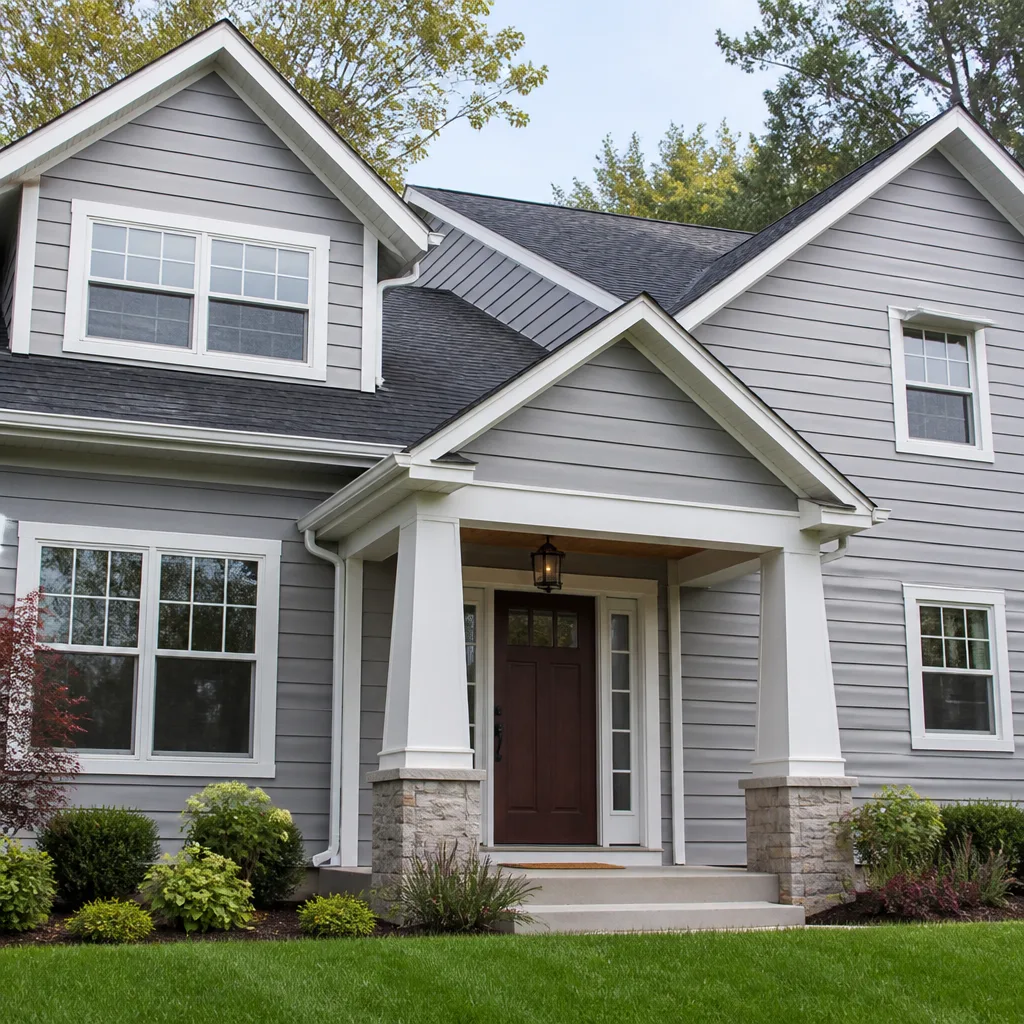
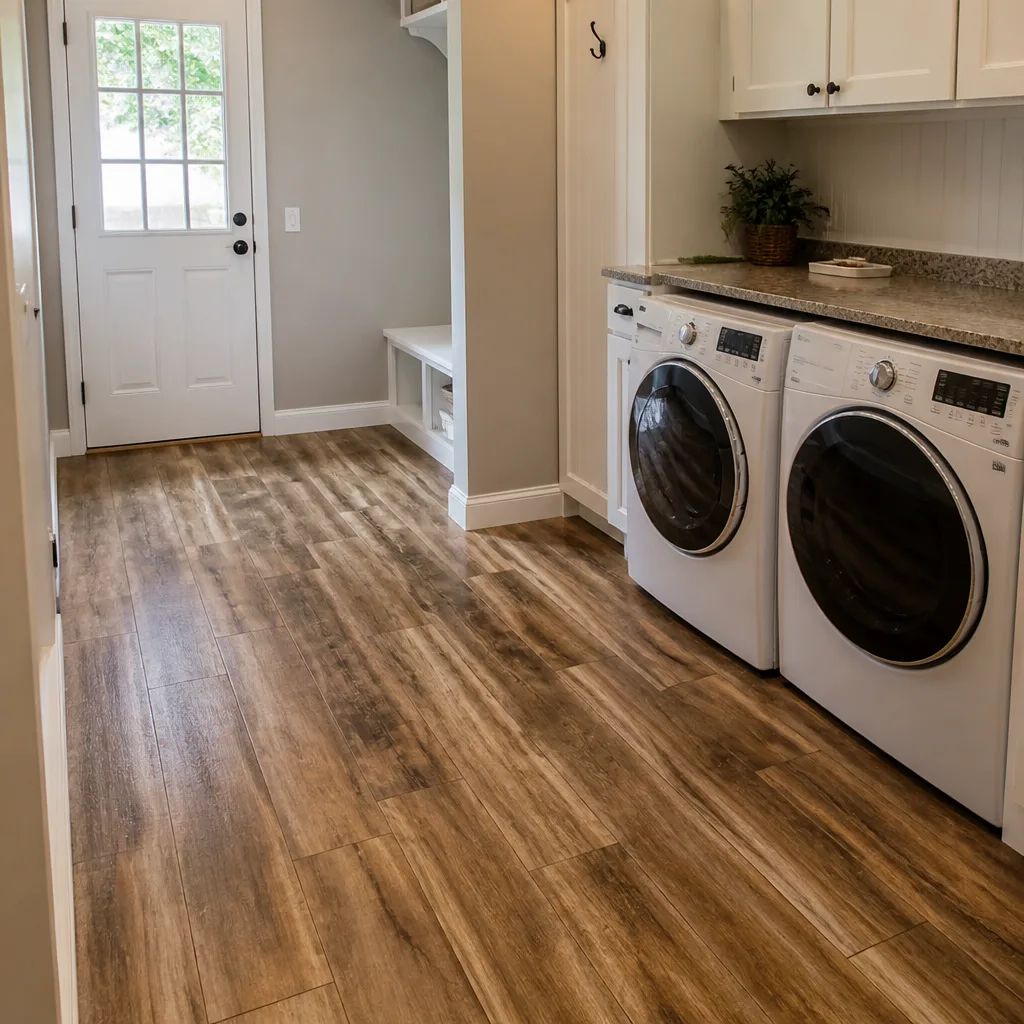
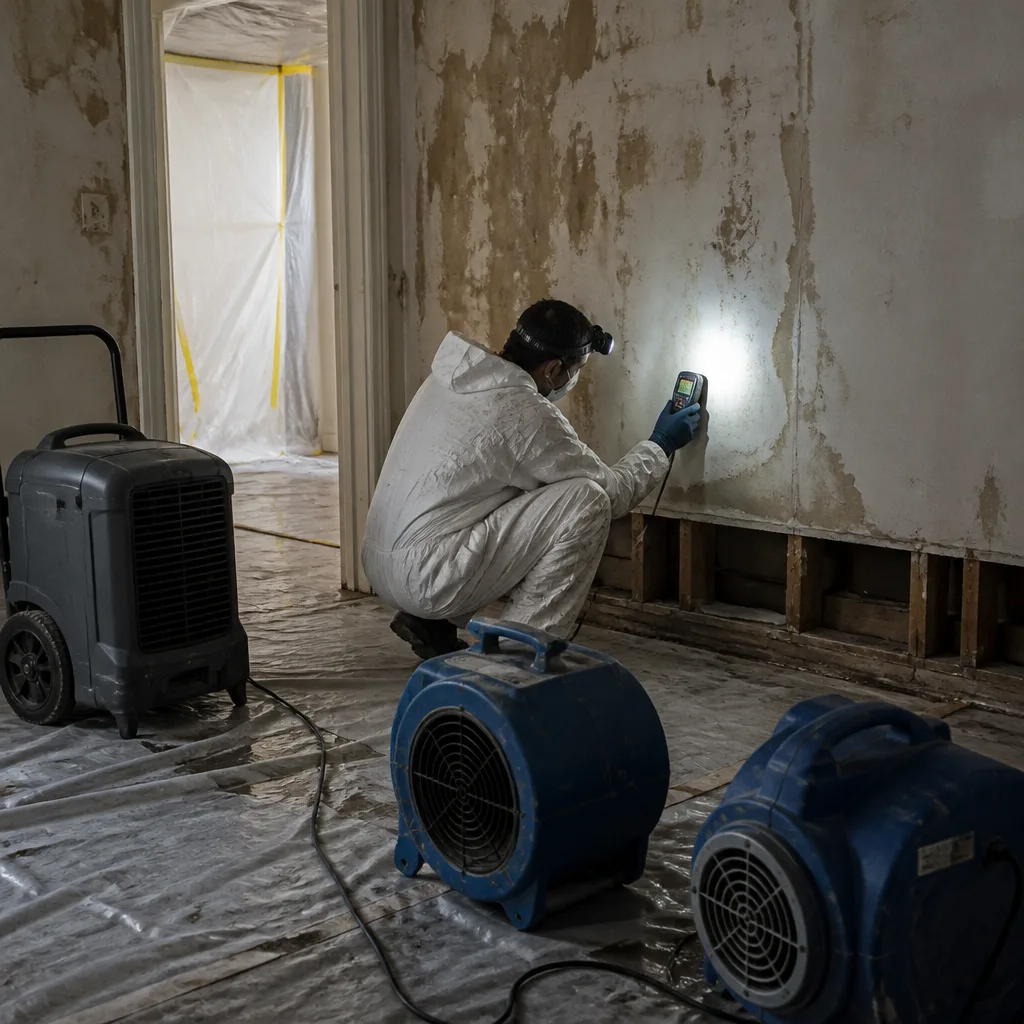 Before
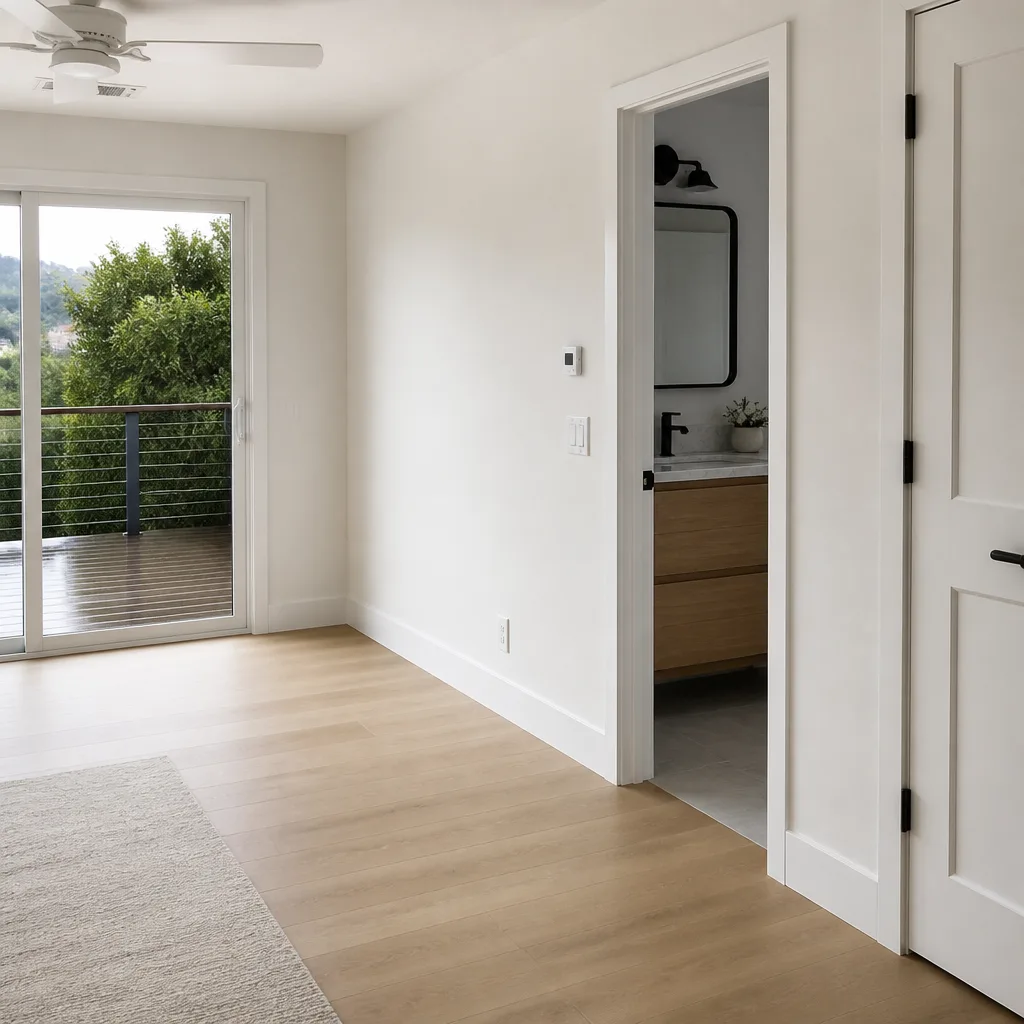 After
After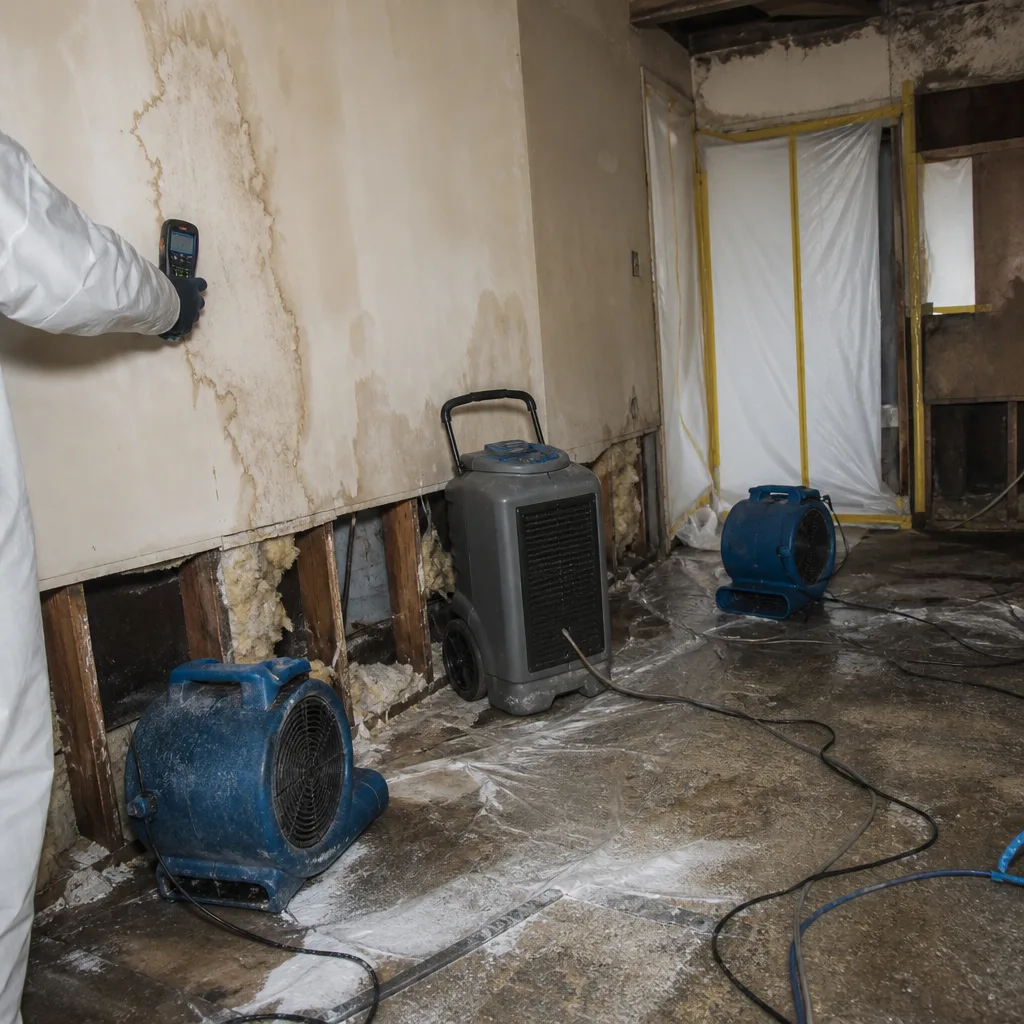 Before
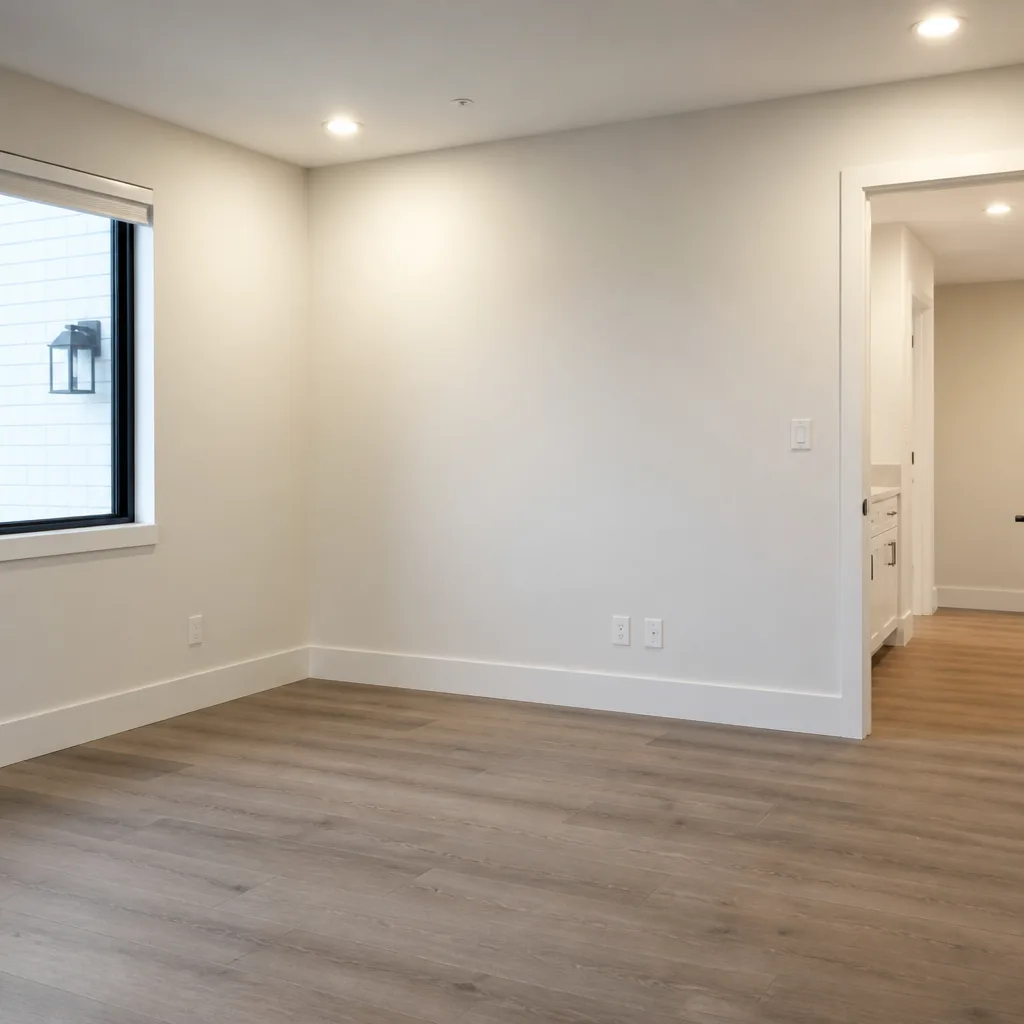 After
After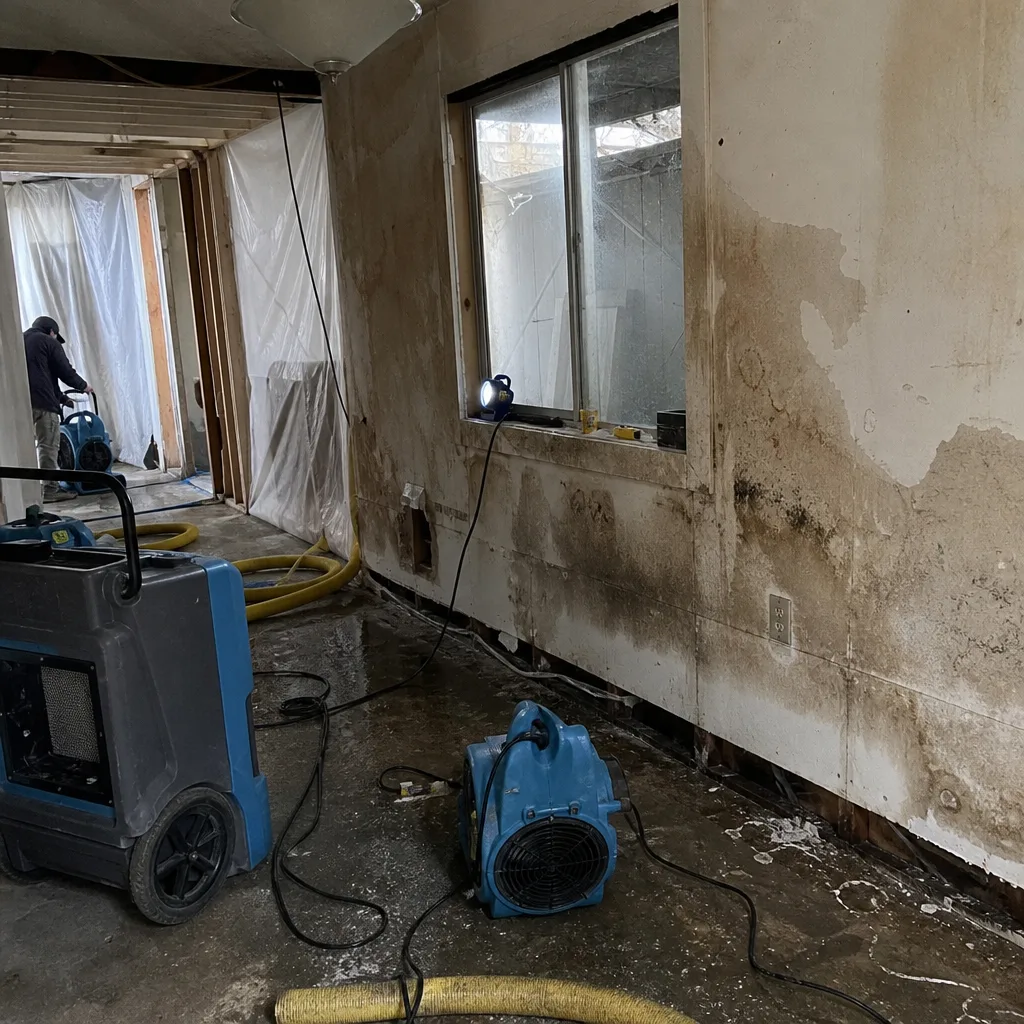 Before
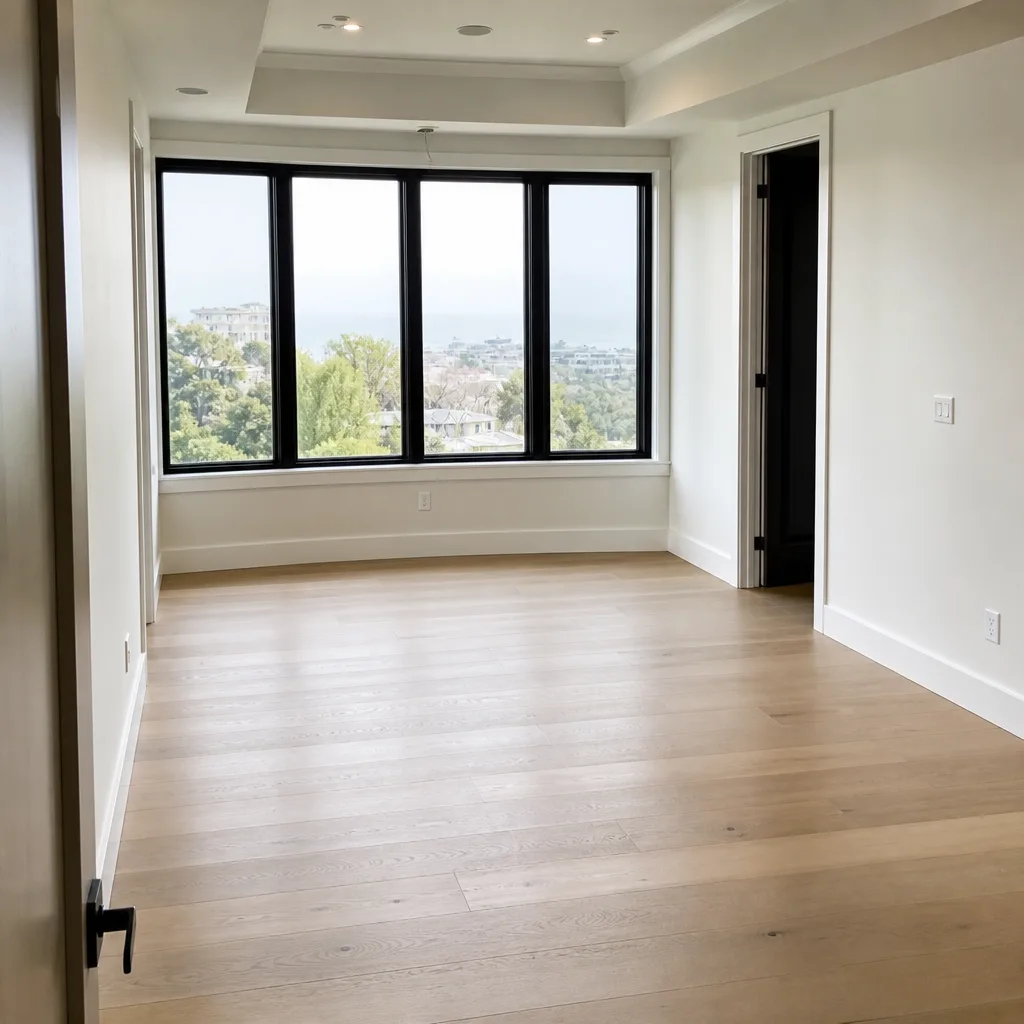 After
AfterWater Damage Restoration Maintenance Checklist for Pacific Palisades Homeowners
Most water damage checklists fail when it matters. They tell you to “check under sinks” without naming a moisture threshold, a tool, or a date to record the result. When a pipe bursts in a Palisades Hills home and the adjuster asks whether the damage was sudden or the result of months of neglect, that vague checklist is worthless. We’ve reviewed thousands of claims since 2011, and the homeowners who win disputes are the ones who hand over a dated photo of a moisture meter reading taken six months before the loss. This guide gives you the specific thresholds, tools, and documentation habits that turn routine maintenance into defensible pre-loss evidence. For a deeper dive, see The Complete Guide to Damage Restoration in Pacific Palisades.
Quick Answer
A water damage restoration maintenance checklist for Pacific Palisades homeowners should include quarterly moisture readings of all accessible framing (target below 16%), annual slab and foundation perimeter checks (target below 1% on concrete), pre-rain gutter and drainage inspections each October, and documented baseline photos dated and stored in cloud backup. For professional help, consider our Water Damage Restoration services. These records eliminate the most common insurance dispute: whether damage was sudden or gradual neglect.
Table of Contents
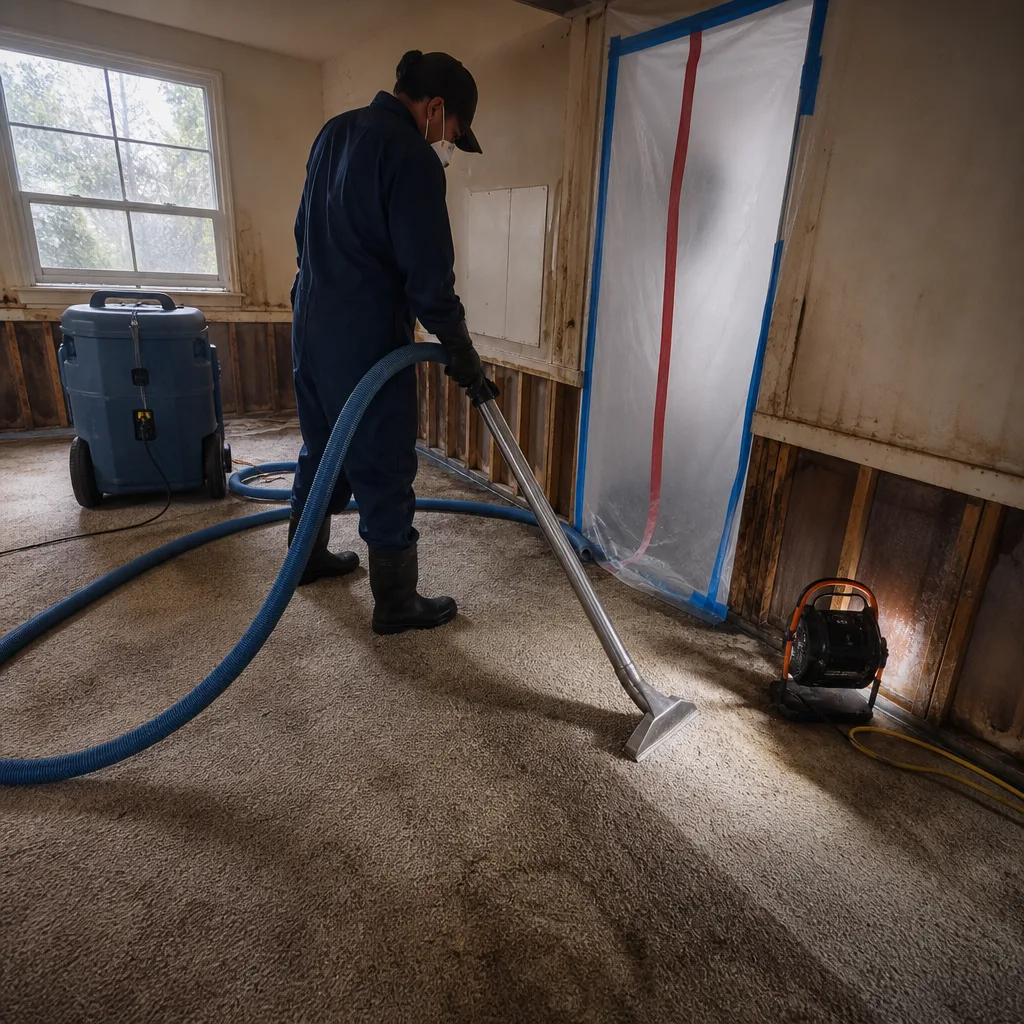
- Why Pre-Loss Documentation Matters More Than Prevention Alone
- Tools Every Pacific Palisades Homeowner Needs
- Room-by-Room Moisture Inspection Checklist
- Pacific Palisades-Specific Conditions to Monitor
- Seasonal Maintenance Calendar for the Palisades
- The Three Maintenance Failures That Void California Water Damage Claims
- How to Document Baseline Readings for Claims Use
- Common Mistakes to Avoid
- When to Call a Professional
- Frequently Asked Questions
- The Bottom Line
 Before
 After
AfterWhy Pre-Loss Documentation Matters More Than Prevention Alone
Prevention is good. Documentation is better. The two together are what separate a paid claim from a denied one.
California insurance law distinguishes between sudden water damage (typically covered) and long-term moisture intrusion caused by maintenance neglect (typically excluded). The problem is that every insurer defines “long-term” differently, and most adjusters are trained to look for evidence of gradual damage. A stained ceiling tile, a warped baseboard, or a musty odor can shift a claim from covered to denied without a single moisture reading to prove when the intrusion actually started.
In our work across Pacific Palisades, from the Riviera to the Huntington Palisades, we’ve seen the same pattern repeat. A homeowner discovers water damage after a visible event, a pipe rupture or an appliance failure. The insurer sends an adjuster who photographs pre-existing staining, notes efflorescence on foundation walls, or identifies corroded fittings that “clearly” took months to develop. The homeowner has no dated evidence to counter this narrative. The claim is reduced or denied.
The alternative is simple and cheap. A $35 pinless moisture meter and a phone camera, used quarterly, create a timestamped record of normal conditions. When damage occurs, you have proof of what was dry. That proof is the cheapest claim supplement a Pacific Palisades homeowner never buys.
Our Water Damage Restoration in Pacific Palisades team documents every job to IICRC and RIA standards, but we would rather see you avoid the dispute entirely. The following sections show exactly how.
Tools Every Pacific Palisades Homeowner Needs
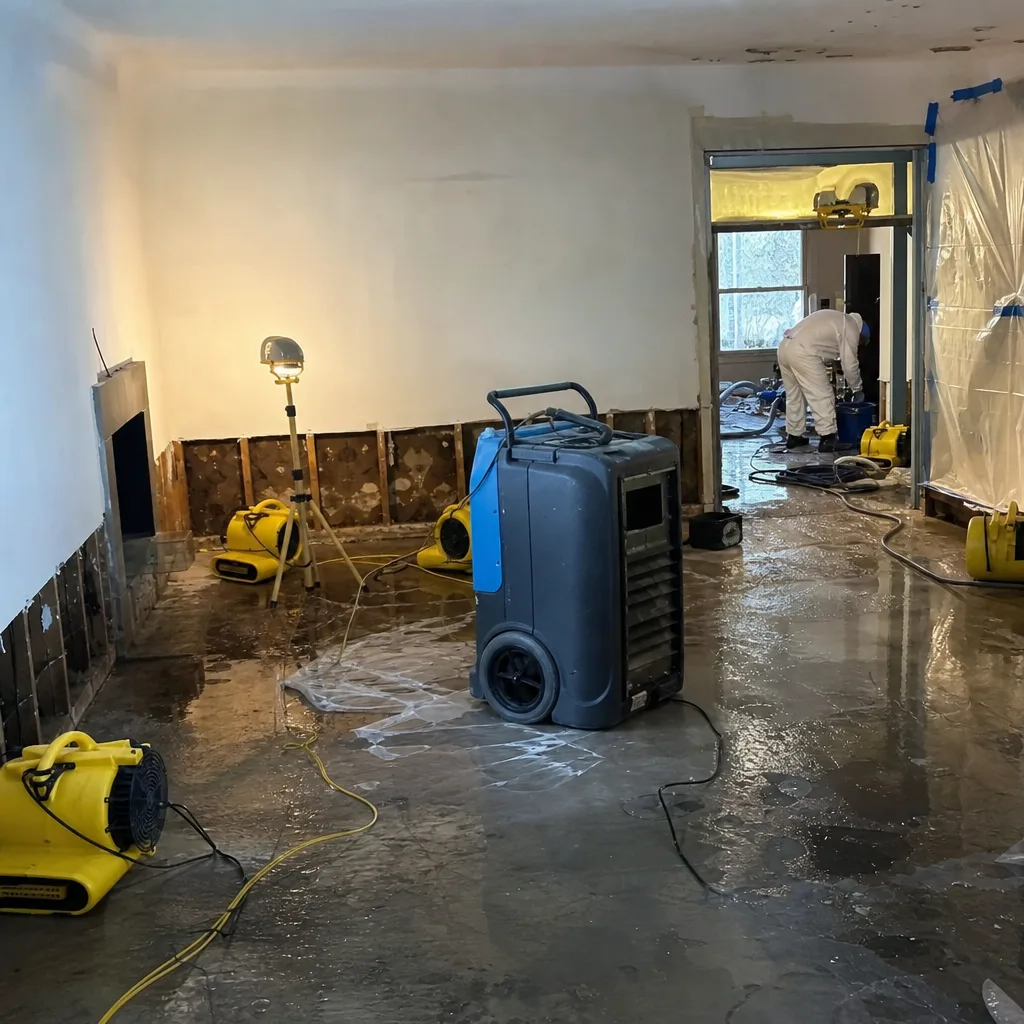
You do not need professional equipment to create defensible records. You need consistent technique and dated documentation. Here is what we recommend homeowners keep on hand.
Essential Equipment
- Pinless moisture meter (non-invasive): A General Tools MM8 or equivalent, reading 0-100% relative moisture content in wood and 0-100 comparative scale in other materials. Cost: $30-50. Use this for initial scans of walls, ceilings, and floors without surface damage.
- Pin-type moisture meter (invasive): A Delmhorst BD-210 or equivalent with insulated pins. Cost: $250-350. Use this for confirmation readings in suspect areas, or when a pinless meter flags elevated moisture. The insulated pins let you measure at depth without surface moisture skewing the result.
- Infrared thermometer (non-contact): A Fluke 62 MAX or equivalent. Cost: $80-120. Use this to identify temperature differentials that indicate evaporative cooling behind surfaces. A 5°F difference between a suspect area and a known-dry reference point warrants further investigation with a moisture meter.
- Flashlight with high CRI (color rendering index): A Fenix PD36R or equivalent. Cost: $100. Use this to identify early staining, efflorescence, and microbial growth that ambient light misses. The high CRI reveals color shifts that indicate water exposure.
- Cloud storage with automatic date stamping: Google Drive, Dropbox, or iCloud with camera auto-upload enabled. Free or low cost. The automatic timestamp is what makes the record defensible.
Optional but Valuable
- Humidity data logger: A SensorPush HT1 or equivalent. Cost: $50 per unit. Place one in the crawl space, one in the attic, and one in the primary living area. Records continuous relative humidity and temperature, creating a graph that proves environmental conditions over time. In Pacific Palisades, where marine layer influence varies block by block, this data can distinguish normal coastal humidity from abnormal moisture intrusion.
- Borescope camera: A Depstech DS450 or equivalent. Cost: $60-80. For inspecting inside wall cavities through existing penetrations, electrical outlets, or plumbing access panels.
Total investment for the essential kit: under $500. A single denied water damage claim in Pacific Palisades can cost $15,000 to $75,000 out of pocket. The math is straightforward. See our Damage Restoration Cost Breakdown: The Pacific Palisades Homeowner’s Reference for 2026 for detailed projections.
Room-by-Room Moisture Inspection Checklist
This checklist assigns specific thresholds to every inspection point. Readings above these thresholds do not necessarily mean damage has occurred, but they mean investigation is warranted and documentation is critical.
Kitchen
- Dishwasher supply and drain lines: Scan cabinet floor beneath sink and dishwasher with pinless meter. Target: below 12% wood moisture equivalent (WME). Check compression fittings for corrosion or mineral buildup. Photo any staining.
- Refrigerator ice maker line: Pull refrigerator forward quarterly. Scan wall and floor behind. Target: below 12% WME. Braided stainless lines fail at the compression fitting; copper lines fail at the saddle valve. Both are common in Palisades homes built 1985-2005.
- Sink cabinet base: Remove items, scan entire base surface. Target: below 14% WME. Pay attention to the rear corner where the supply lines enter, the most common slow-leak location we document.
- Garbage disposal and trap assembly: Run water for 60 seconds, then check cabinet floor for active dripping. Dry any moisture, return in 4 hours, scan again. Target: below 12% WME.
Bathrooms
- Toilet flange and supply: Check floor around toilet base with pinless meter. Target: below 14% WME. Rock the toilet gently; any movement indicates wax ring degradation, the most common source of hidden bathroom damage we find in Pacific Palisades.
- Shower/tub surround: Scan walls at 12-inch intervals from tub edge to 48 inches high. Target: below 16% WME in drywall or backer board. Use pin-type meter with 2-inch pins for depth reading if pinless flags an area. Caulk failure at the tub-wall junction is the entry point; moisture travels horizontally behind tile.
- Vanity cabinet: Same protocol as kitchen sink. Target: below 12% WME.
- Exhaust fan duct: Run fan, check airflow at exterior vent. In Pacific Palisades, marine layer moisture combined with inadequate ventilation creates chronic condensation in ducts. Photo the exterior vent with date; restricted airflow indicates duct blockage or termination failure.
Laundry Room
- Washing machine hoses and drain standpipe: Scan floor beneath and behind. Target: below 12% WME. Rubber hoses older than 5 years should be replaced with braided stainless; burst washing machine hoses are a top-three loss source in our records.
- Drain pan (if present): Verify pan is intact, drain line clear. Many Palisades homes have pans with no actual drain connection, rendering them decorative.
Water Heater Location
- Tank base and T&P discharge: Scan floor in 12-inch grid pattern. Target: below 10% WME. Check T&P valve discharge pipe for evidence of past release (mineral staining, corrosion). Water heaters in Pacific Palisades garages often sit on raised platforms; check the platform underside for hidden accumulation.
- Expansion tank and fittings: Inspect for corrosion at all threaded connections. Photo any staining.
Attic
- HVAC condensate pan and drain: Check pan for standing water, rust, or previous overflow staining. Target: dry pan, no active moisture below 12% WME on surrounding framing. In Pacific Palisades, pre-Santa Ana season HVAC strain makes this a critical September inspection point.
- Ventilation intake and exhaust: Verify soffit vents are unobstructed, ridge vents intact. Photo any blocked vents. Poor attic ventilation creates condensation that mimics roof leak damage.
- Chimney and vent penetrations: Scan surrounding sheathing. Target: below 16% WME. Flashing failures at stucco-to-penetration interfaces are common in the Palisades Hills due to thermal expansion cycling.
Crawl Space or Basement
- Foundation perimeter: Scan slab or footing at 24-inch intervals. Target: below 1% moisture content by weight on concrete, below 16% WME on sill plates. In Pacific Palisades hillside homes, down-slope perimeter walls often show elevated readings due to subsurface drainage patterns; document these as baseline, not necessarily as defects.
- Supply line penetrations: Check each point where copper or PEX passes through foundation or framing. Target: below 12% WME on surrounding material. Electrolysis at copper-through-concrete penetrations is a known failure mode in coastal California.
Pacific Palisades-Specific Conditions to Monitor
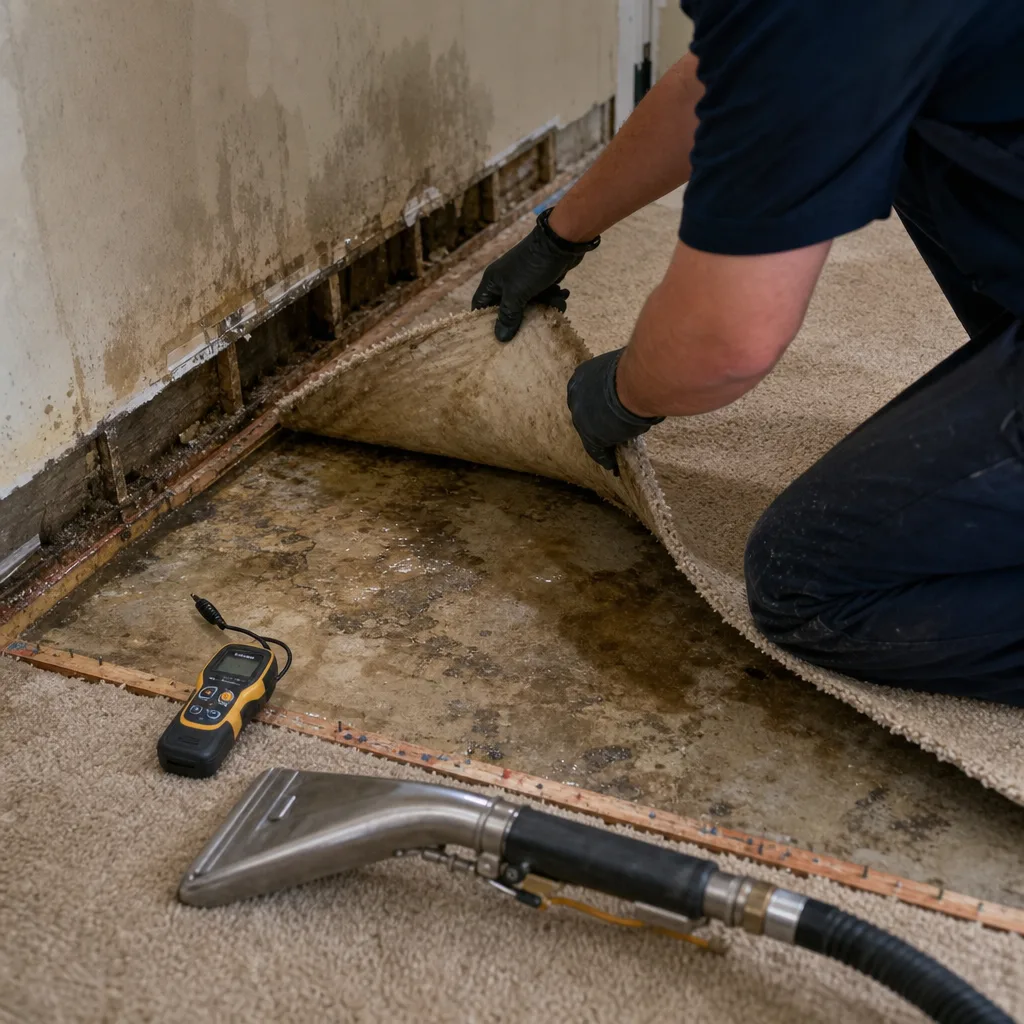
Pacific Palisades presents a distinct moisture risk profile that generic checklists ignore. These four conditions should shape every local homeowner’s maintenance priorities.
Marine Layer Condensation
The Pacific marine layer penetrates inland to the Palisades with regularity May through August, and intermittently year-round. When moist air contacts cooled surfaces, condensation forms on ducts, uninsulated pipes, and stucco exteriors. The result is moisture that has no plumbing source and no leak to repair, but that creates the same microbial growth conditions as an active intrusion.
Monitor: attic ductwork for dripping condensate, exterior north-facing walls for efflorescence or biological staining, and garage ceilings where uninsulated ductwork passes. Document baseline readings during marine layer events so you can distinguish normal seasonal condensation from abnormal moisture loading.
Hillside Drainage and Subsurface Flow
Homes in the Palisades Hills, Castellammare, and upper Rustic Canyon sit on slopes with active subsurface water movement. Even with proper surface drainage, hydrostatic pressure can drive moisture through foundation walls and slab edges. We’ve documented cases where the visible damage appeared to be a plumbing failure, but moisture mapping revealed a perimeter intrusion pattern inconsistent with any interior source.
Monitor: down-slope foundation walls for chronic dampness, floor slab perimeters for upward moisture migration, and landscape drainage outlets for blockage or diversion. Photo drainage paths during rain events to prove positive flow away from structure.
Older CPVC and Polybutylene Plumbing
Homes built in Pacific Palisades between approximately 1978 and 1995 may contain CPVC or polybutylene supply piping. CPVC becomes brittle with age and thermal cycling; polybutylene is subject to oxidative degradation from chlorine compounds in municipal water. Both fail without warning, often at fittings, and both are claim disputes waiting to happen if the insurer can characterize the failure as foreseeable due to known material defects.
Monitor: accessible piping for discoloration, scaling, or deformation at fittings. Document the material type and condition annually. If your home has polybutylene, replacement is the only defensible long-term solution, and documentation of proactive replacement eliminates the foreseeability argument entirely.
Stucco-EIFS and Moisture Intrusion at Windows
Exterior insulation and finish systems (EIFS) and traditional stucco dominate Pacific Palisades architecture. Both are vulnerable to moisture intrusion at window and door penetrations, particularly where sealant has aged or where flashing details were omitted or improperly installed during original construction. The moisture travels inward along the weather-resistant barrier, often damaging framing extensively before any interior sign appears.
Monitor: interior window reveals and adjacent walls with pinless meter. Target: below 14% WME. Any reading above this threshold at an interior window surround, absent plumbing in the wall, indicates exterior moisture penetration requiring invasive investigation. Photo the exterior sealant condition and the interior meter reading together, dated, to establish the timeline.
Seasonal Maintenance Calendar for the Palisades
Water damage risk in Pacific Palisades follows a seasonal pattern driven by climate, vegetation, and infrastructure loading. Align your maintenance to this calendar.
October: Pre-Rain Preparation
- Clear all roof gutters and downspouts. Verify downspout extensions discharge at least 6 feet from foundation.
- Inspect roof valleys, flashings, and penetrations for sealant failure or physical damage.
- Test sump pumps if present; many Palisades hillside homes have perimeter drain systems with pumps that sit idle for months.
- Scan foundation perimeter after first significant rain; document any standing water or soil saturation patterns.
November-January: Active Rain Monitoring
- Inspect attic after each major storm system for new staining or active dripping. Photo any changes from baseline.
- Check garage and exterior storage for water entry at slab joints or door thresholds.
- Monitor drainage swales and retaining wall weep holes for obstruction. Saturated soil behind retaining walls creates hydrostatic pressure that damages both the wall and adjacent foundations.
February-March: Post-Rain Assessment
- Conduct full moisture survey of all previously flagged areas. Compare to October baseline readings.
- Inspect exterior stucco for new cracking, particularly at control joints and penetrations. Cracking from thermal or structural movement creates water entry paths for the following season.
- Service HVAC systems before cooling season load; condensate drainage failures peak in April-May as systems transition from heating to cooling.
April-May: HVAC and Cooling Transition
- Replace HVAC filters, clean condensate pans and drain lines with nitrogen or approved cleaner.
- Verify condensate pump operation if present; pumps that ran heating season humidifiers may be degraded.
- Scan attic ductwork and air handler platform for condensation or prior overflow staining.
June-September: Marine Layer and Fire Season Vigilance
- Monitor north-facing exterior walls and unconditioned spaces for condensation during marine layer events.
- Verify irrigation systems are not spraying structure; summer irrigation overspray is a common source of chronic stucco saturation.
- Pre-Santa Ana season: inspect roof and exterior for fire-related damage that may have compromised weather barriers. Even minor ember exposure can damage sealant and flashing.
The Three Maintenance Failures That Void California Water Damage Claims
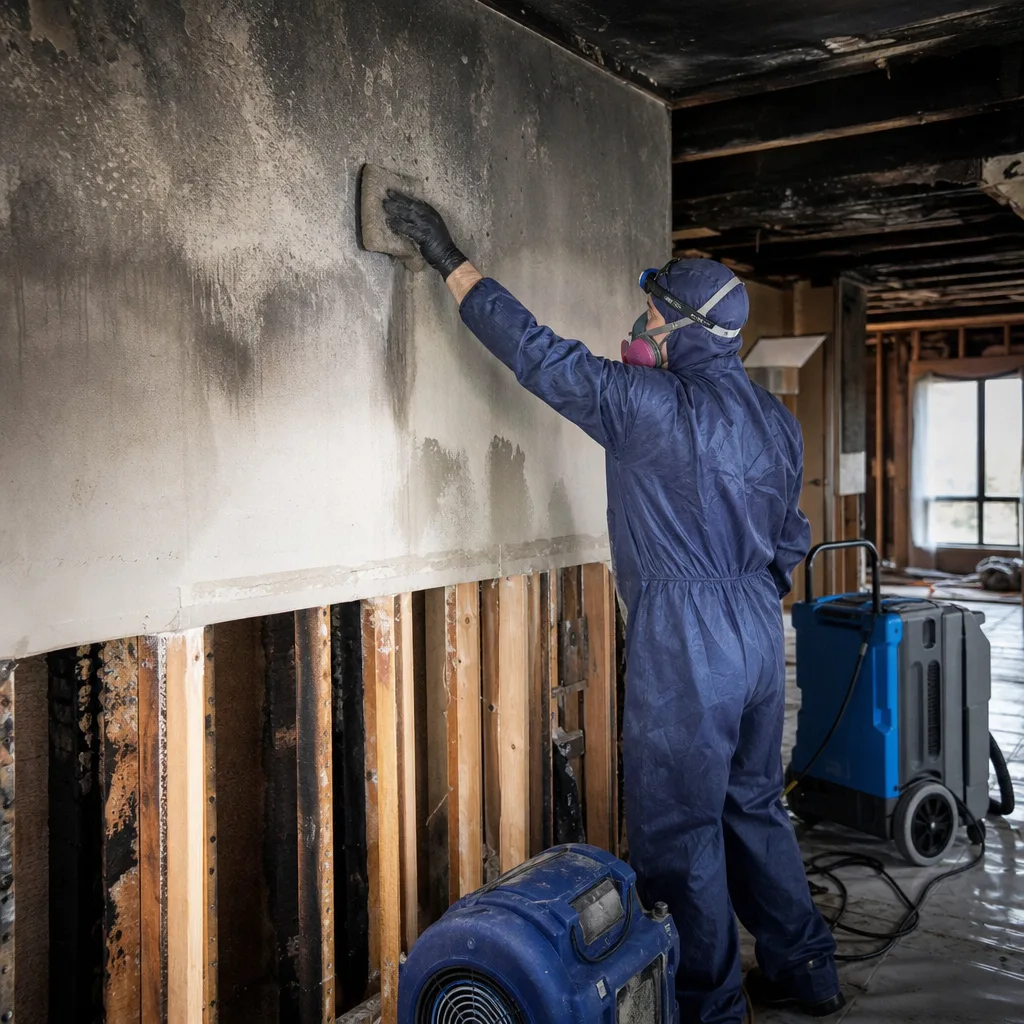
California insurers deny water damage claims on three maintenance-related grounds more than any others. Each has a documentation habit that prevents it.
Failure One: Long-Term Leak Without Repair
The insurer’s position: visible staining, warping, or microbial growth proves the leak existed long enough for a reasonable homeowner to discover and address it. The damage is therefore gradual and excluded.
The documentation defense: dated photos of the same area showing normal moisture readings before the loss. If your quarterly kitchen cabinet scan shows 10% WME in January and the pipe fails in March, the 10% reading proves the area was dry and the failure was sudden. Without that reading, the insurer infers gradual damage from any pre-existing stain.
Haven Standard practice: our technicians photo-document every drying project with dated moisture logs. We apply the same standard to pre-loss documentation we recommend homeowners maintain.
Failure Two: Known Defect Not Addressed
The insurer’s position: the homeowner was aware of a plumbing defect, roof condition, or prior water event and failed to repair it, making subsequent damage foreseeable and excluded.
The documentation defense: records of repair or professional evaluation. If you discover a minor leak and have it evaluated by a licensed plumber, keep the written scope and invoice even if no repair was immediately needed. The evaluation proves due diligence, not neglect. If repair was recommended and completed, the invoice and photo record prove response.
Our DryMark Restoration Pacific Palisades home page details our documentation standards for every project we complete.
Failure Three: Failure to Mitigate After Discovery
The insurer’s position: once water damage was or should have been discovered, the homeowner had a duty to take reasonable steps to prevent further damage. Failure to do so voids coverage for the enlargement.
The documentation defense: timestamped photos of the discovery, immediate actions taken, and professional contact records. The moment you discover active water intrusion, photograph the conditions, note the time, and document every step you take: water shutoff, content removal, ventilation, and professional contact. This record transforms you from a passive claimant into an active mitigator, a distinction adjusters are trained to recognize.
Our Fire & Smoke Damage Restoration in Pacific Palisades service applies the same documentation rigor to fire-related water damage from suppression efforts.
How to Document Baseline Readings for Claims Use
A moisture reading is only as defensible as the documentation surrounding it. Follow this protocol to create records that adjusters accept.
Step-by-Step Documentation Protocol
- Establish reference readings: In each room, identify one location known to be dry, an interior wall away from plumbing, a closet return wall, or a ceiling area under an unpenetrated roof section. Record this as your “dry standard” for the room. Variations from this standard are what matter, not absolute numbers.
- Photo the meter in place: Each reading photo must show the meter display, the surface being tested, and a recognizable room feature. A photo of “42%” on an LCD is meaningless; a photo of “42%” on the kitchen cabinet floor beneath the sink, with the disposal visible, is evidence.
- Enable automatic date and geolocation: Phone camera settings should stamp every photo with date, time, and GPS coordinates. Screenshots of metadata are acceptable backup if questioned.
- Upload immediately to cloud storage: Same-day upload prevents tampering allegations and creates a third-party timestamp. Organize by date and room: “2024-10-15 / Kitchen / Under Sink.”
- Annotate anomalies: If a reading is elevated but explainable, note the explanation. “18% WME, north wall, attributed to recent shower use, rechecked 4 hours post-shower at 11%.” This shows diligence rather than concealment.
- Retain indefinitely: California’s statute of limitations on insurance bad faith is two years from denial, but keep records for the life of the policy plus five years. Cloud storage is effectively free; there is no reason to delete.
What Makes Documentation “Defensible”
Adjusters and their experts evaluate documentation on three criteria: contemporaneity (created at or near the time of the event, not reconstructed after), specificity (location-identified, not generalized), and consistency (following the same protocol each time, not ad hoc). The protocol above satisfies all three. We’ve seen homeowners successfully challenge denial recommendations with nothing more than a year of quarterly photos and a simple spreadsheet of readings.
Common Mistakes to Avoid
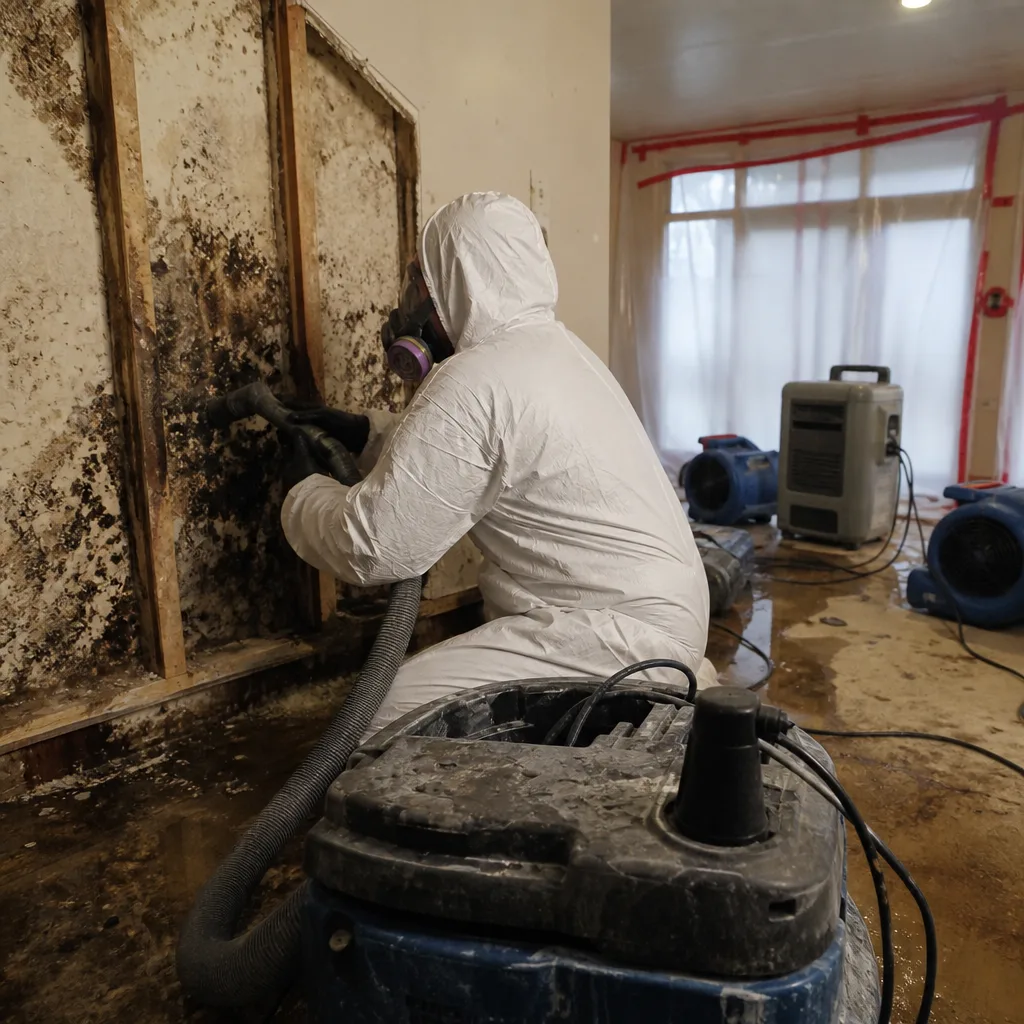
- Relying on visual inspection alone. By the time water damage is visible, framing moisture often exceeds 20% and microbial growth has begun. The pinless meter finds problems at 14-16%, weeks or months before your eyes do.
- Using a single reading without a dry reference. A 16% reading in a bathroom during a humid August marine layer event may be normal; the same reading in January may indicate active intrusion. Always compare to your established dry standard for that room and season.
- Documenting only problems. Insurers exploit gaps. If you have three years of photos showing only the one area that eventually failed, the adjuster infers you were aware of chronic issues. Document normal conditions with the same rigor as abnormal ones.
- Ignoring the garage and exterior storage. Pacific Palisades garages often house water heaters, laundry, and HVAC equipment in minimally conditioned space. They’re also where homeowners store the boxes of documents they’d need for a claim. A garage leak can destroy the evidence you’d use to prove another loss.
- Assuming new construction is exempt. We’ve documented water damage in homes less than two years old from improper flashing, failed PEX fittings, and irrigation system cross-connections. New construction warranty claims and insurance claims are separate processes; your documentation supports both.
- Delaying professional assessment of flagged readings. A reading above threshold that doesn’t improve within 48 hours of removing the obvious moisture source needs invasive investigation. Waiting for visible damage to appear is the definition of gradual loss that insurers exclude.
When to Call a Professional
Some conditions require immediate professional assessment regardless of your maintenance diligence. Call for evaluation if you find: moisture readings above 20% WME in any structural material; active dripping or standing water with no identifiable source; musty odor with no visible origin; efflorescence or mineral staining on foundation walls; or any moisture condition that persists or worsens after 48 hours of your intervention.
For water damage that has already occurred, professional documentation becomes essential. Our Mold Remediation in Pacific Palisades service addresses the secondary damage that follows unresolved moisture, and our water damage restoration team provides the drying logs and photo records that insurers expect.
DryMark Restoration Pacific Palisades offers free estimates in Pacific Palisades. Call (424) 365-9728 to schedule assessment, or bring any competitor’s written estimate for our free second opinion review.
Frequently Asked Questions
Quarterly for all accessible plumbing-adjacent areas, monthly during active rain season (November through March), and immediately after any plumbing event, appliance installation, or significant weather event. Annual full-structure surveys with professional-grade equipment are advisable for homes over 25 years old or with any history of water intrusion.
Readings above 16% wood moisture equivalent in structural framing warrant investigation; readings above 20% indicate active damage requiring professional drying. Normal equilibrium moisture content for interior wood in Pacific Palisades ranges from 8% to 12% depending on season and proximity to the marine layer influence. Always compare to your documented dry standard for the specific location.
Maintenance records do not guarantee coverage, but they eliminate the most common basis for denial: the insurer’s claim that damage was gradual and due to neglect. With dated baseline readings proving pre-loss dry conditions, the burden shifts to the insurer to prove their exclusion applies. In our experience since 2011, well-documented claims are paid at higher rates and with less dispute.
The marine layer raises baseline humidity 10-20% above inland Los Angeles levels, particularly May through August and during any onshore flow event. This increases condensation risk on cooled surfaces and slows natural drying of incidental moisture. It does not, however, cause the elevated structural moisture readings that indicate active intrusion. Your documentation distinguishes between normal coastal humidity and abnormal moisture loading.
A phone camera with automatic date and geolocation stamping is sufficient for baseline documentation. The critical elements are contemporaneity, location identification in the frame, and immediate cloud upload. Professional photography becomes valuable after damage occurs, for detailed capture of conditions, but your preventive documentation needs only consistency and clarity.
First, verify the reading with a pin-type meter at depth if you have one. Second, eliminate obvious sources, recent cleaning, spills, or high humidity activity. Third, recheck in 24-48 hours. If the elevated reading persists, call for professional assessment. In Pacific Palisades, hidden slab leaks, foundation perimeter intrusion, and failed shower pan liners are common causes of concealed moisture that homeowners discover before visible damage appears. Early professional intervention limits damage and preserves your coverage position.
The Bottom Line
Water damage prevention in Pacific Palisades is not about eliminating risk, it is about eliminating disputes. The homeowner who can produce a dated moisture reading from six months before a loss has already won the argument that matters most: whether the damage was sudden and covered, or gradual and excluded. The tools cost less than $500. The protocol takes two hours per quarter. The documentation habit is the single highest-return investment you can make in your property’s insurability. For more guides & resources on protecting your home, visit our blog. Start with your kitchen sink cabinet today, and build the record that protects your claim tomorrow.
Written by Alicia Brennan, Owner at DryMark Restoration Pacific Palisades, serving Pacific Palisades since 2011.