
Last updated September 23, 2026
Free visual inspection and a written scope of work before any mitigation begins - photos, moisture readings, and drying logs go in your claim file
The scope we write is the scope we bill. Anything new gets shown to you, in writing, before we touch it.
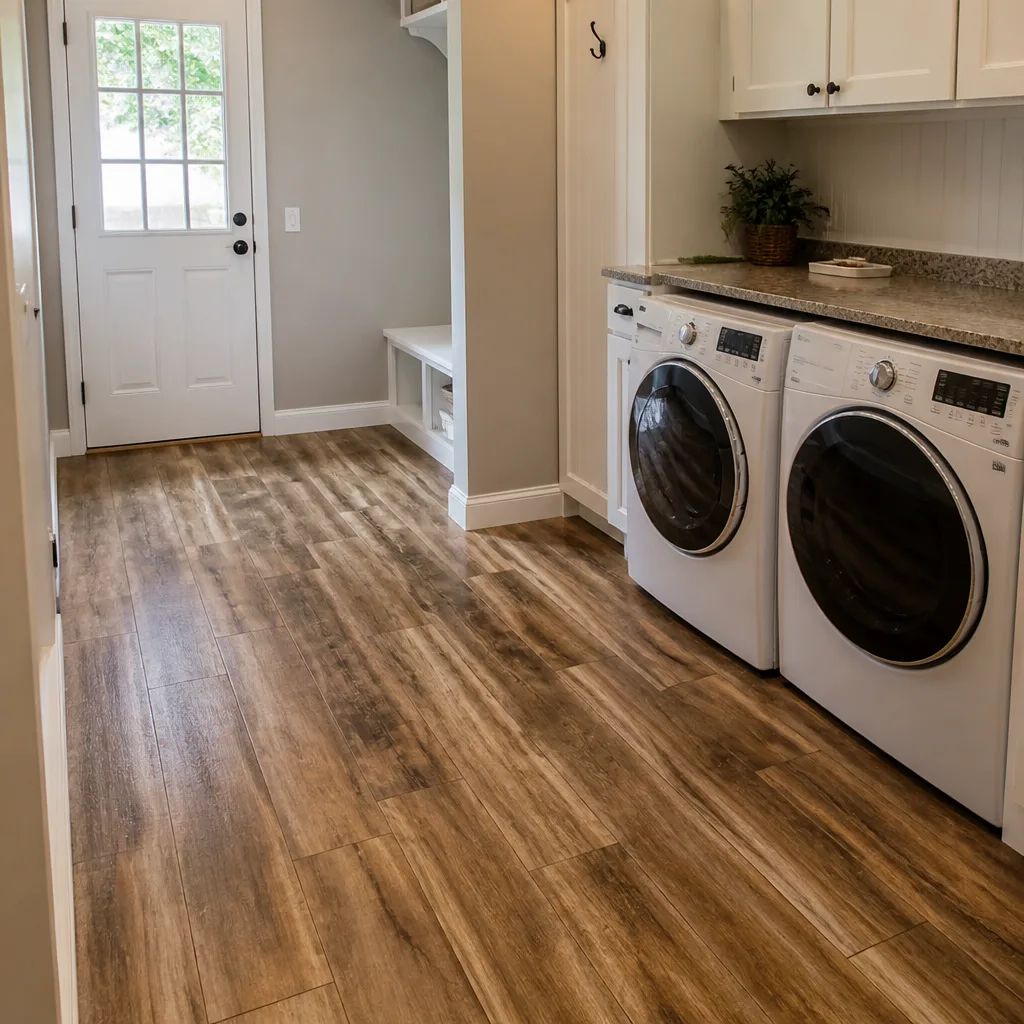
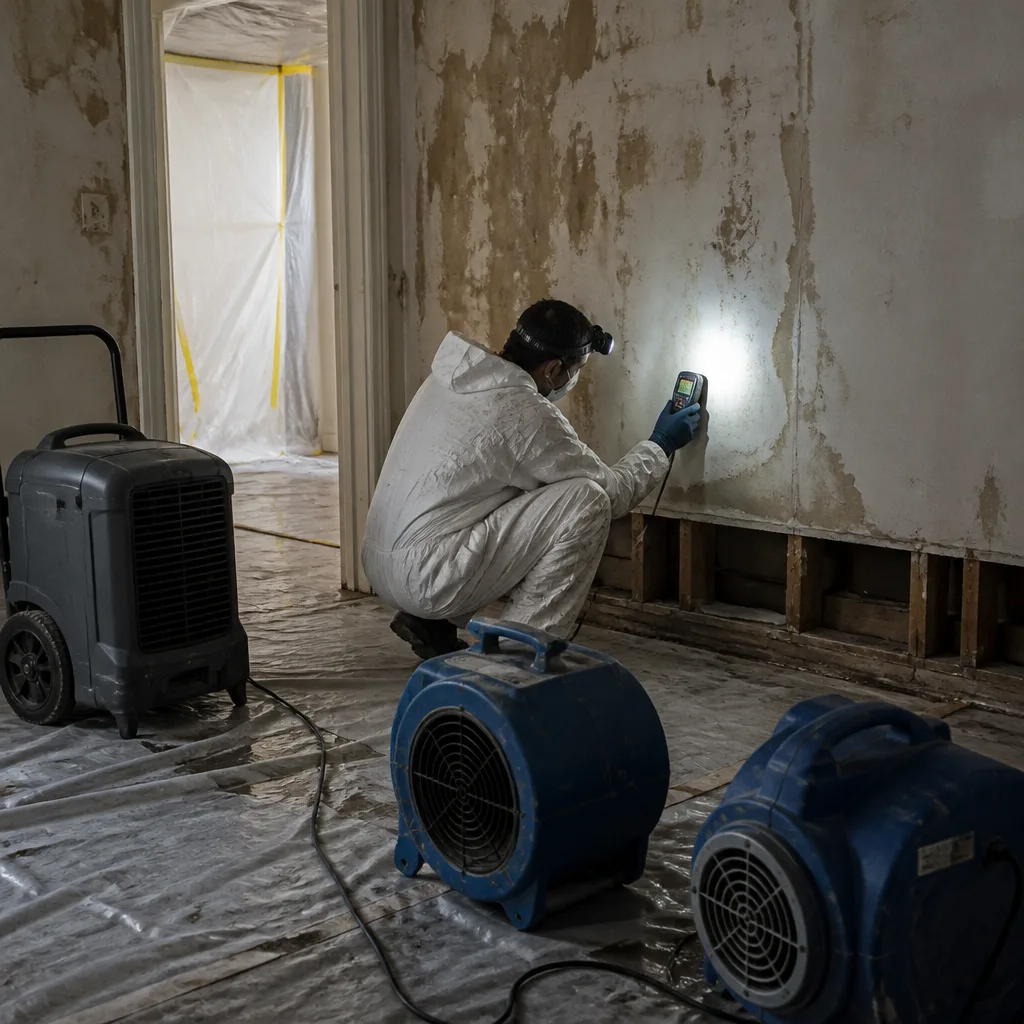 Before
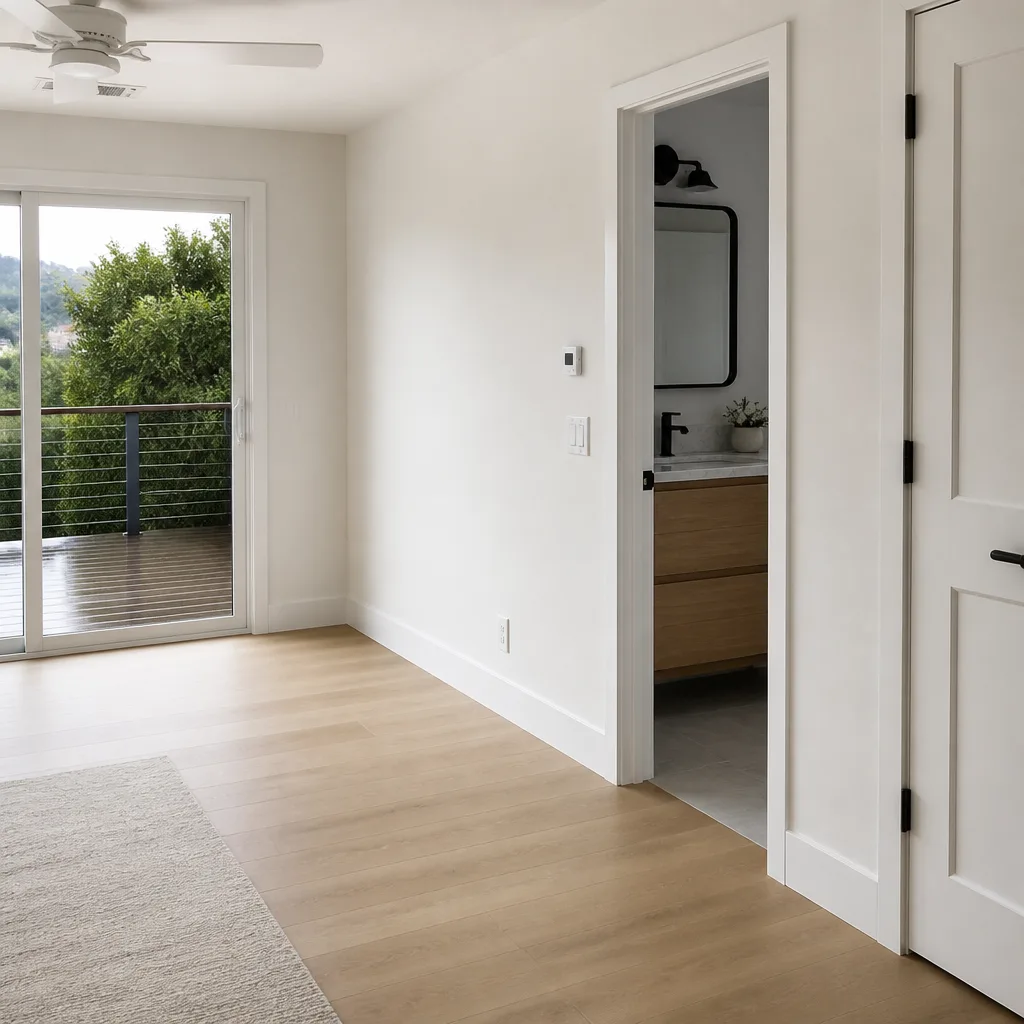 After
After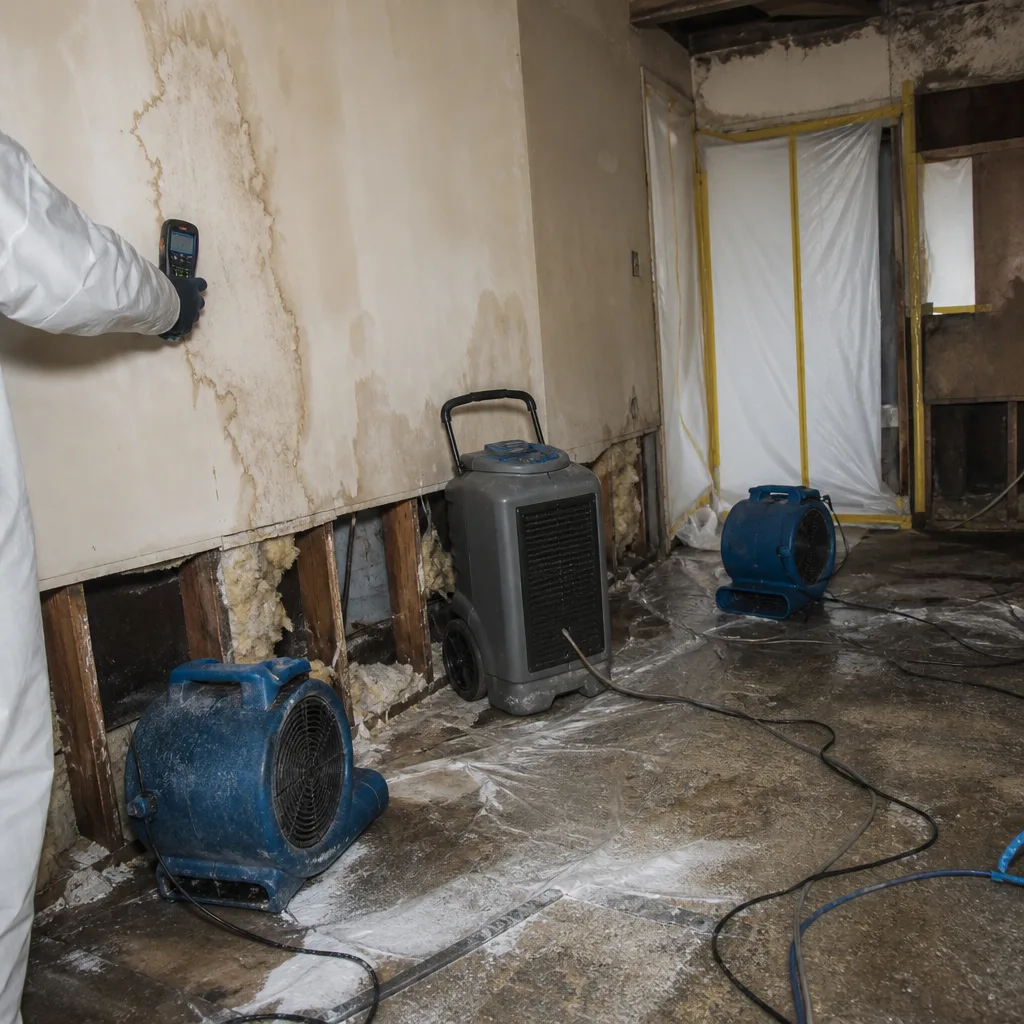 Before
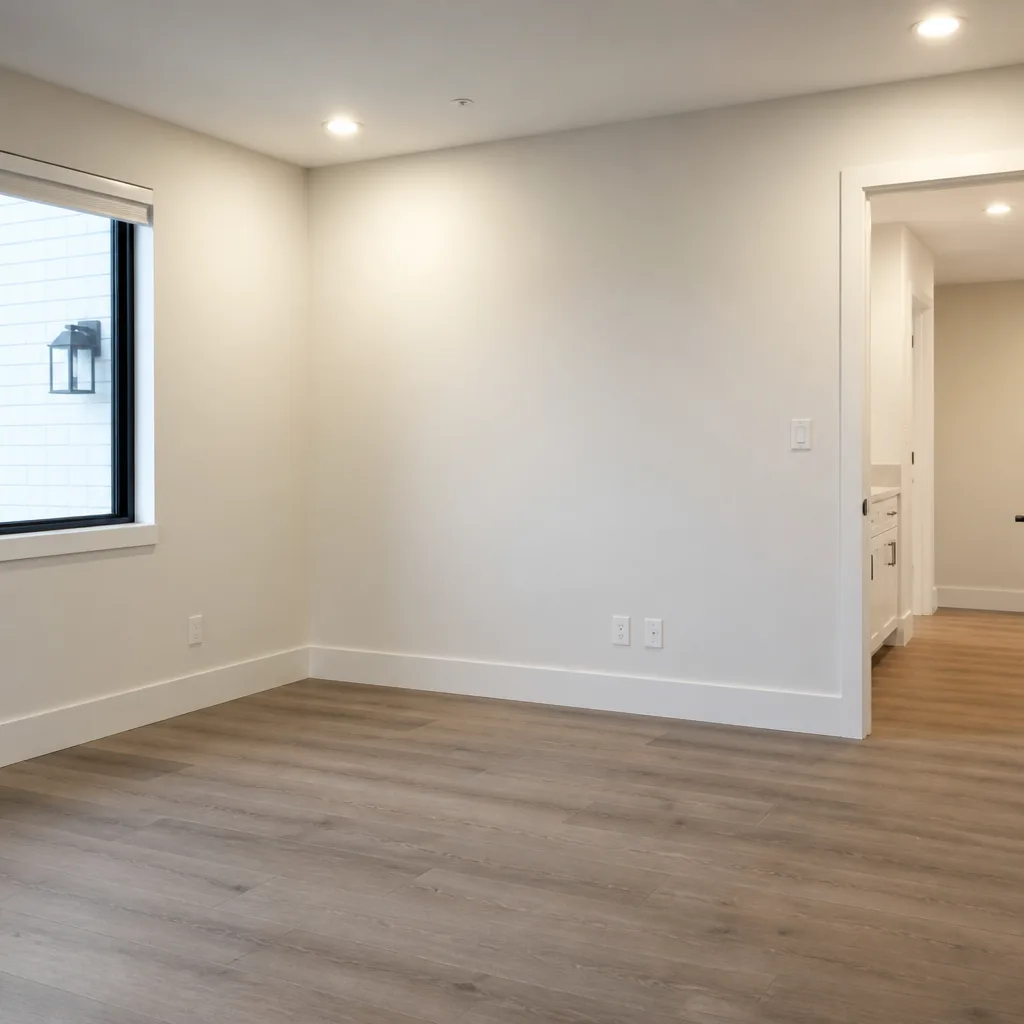 After
After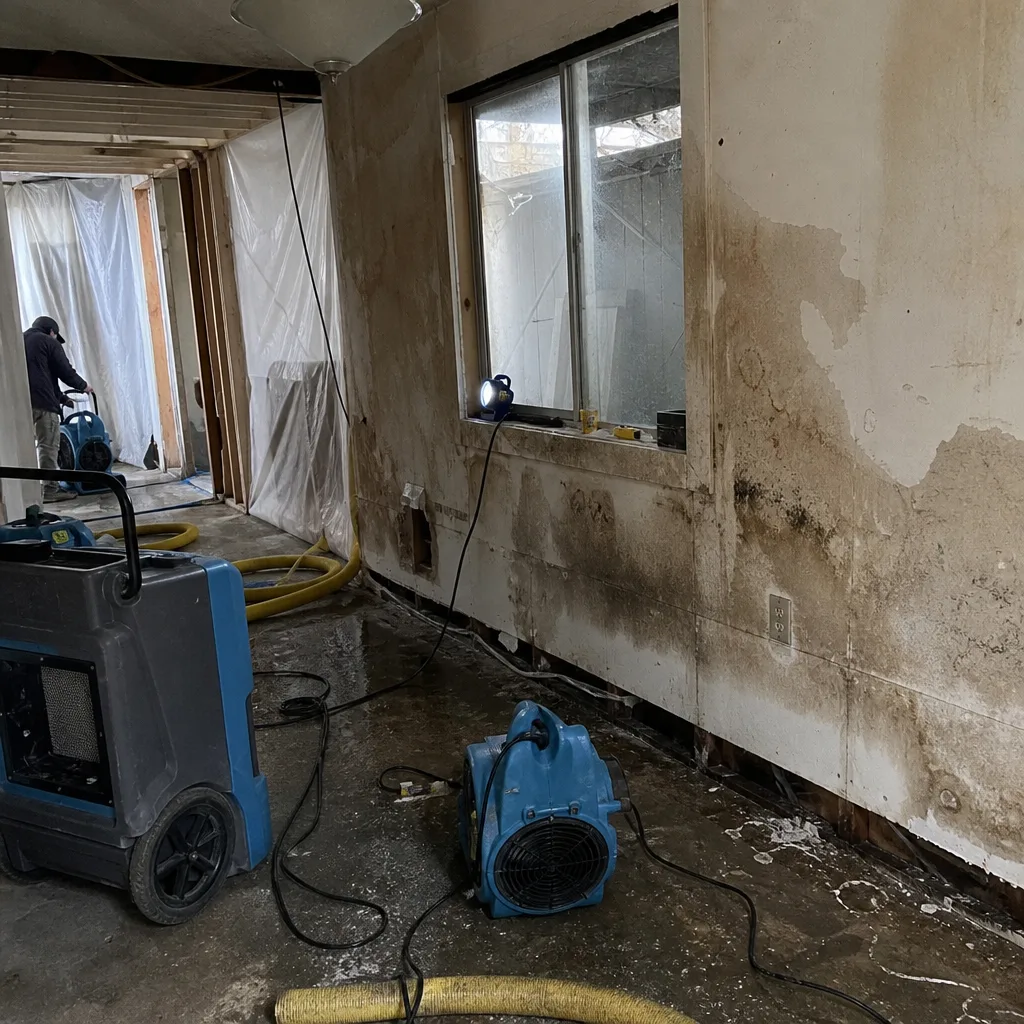 Before
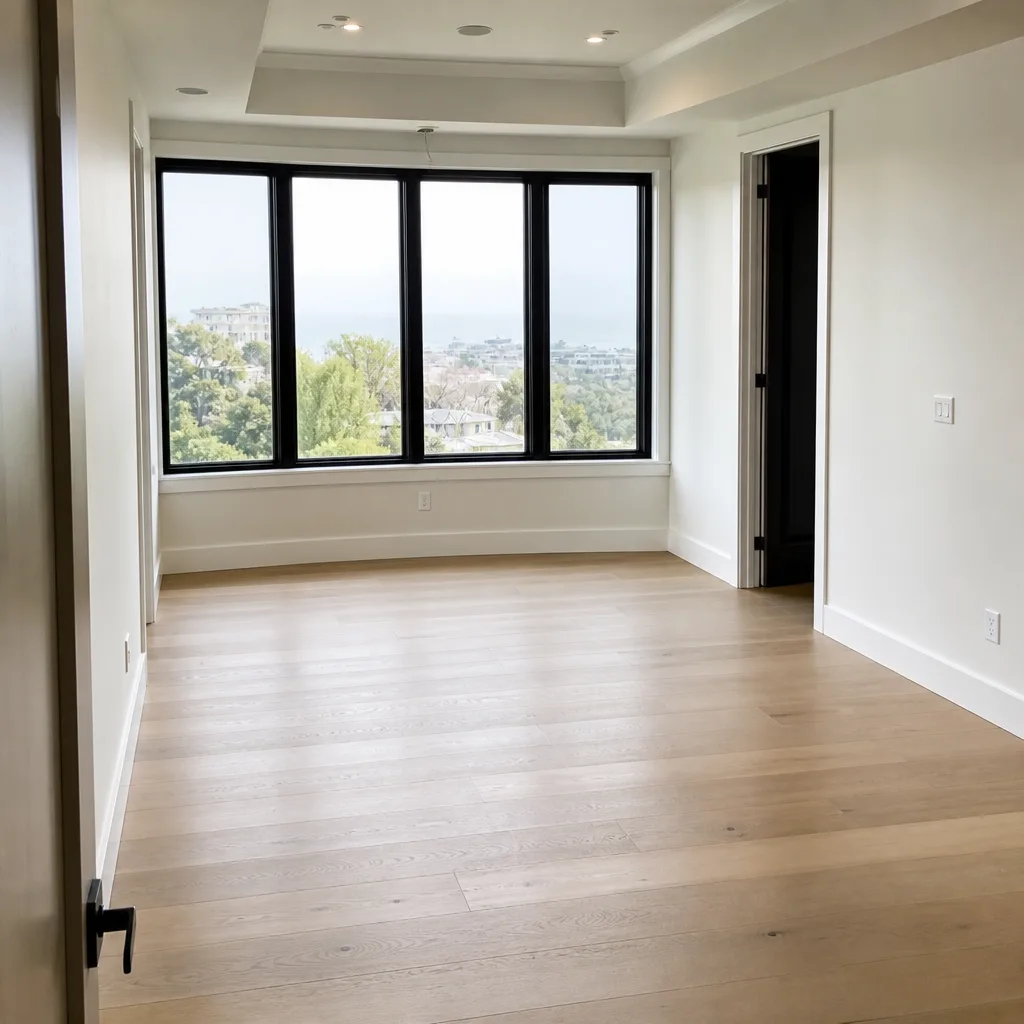 After
AfterDIY vs Professional Damage Restoration: The Pacific Palisades Homeowner’s Decision Guide
A Pacific Palisades homeowner who rents a shop-vac and fans after a pipe burst hasn’t saved $800 in mitigation fees. They’ve potentially converted a covered sudden-loss claim into a disputed “improper drying” exclusion that costs $15,000 to fight. In our experience reviewing competitor estimates and insurance denials since 2011, the DIY-vs-professional question in damage restoration isn’t primarily about skill or equipment access. It’s about whether the work produces documentation an insurer will accept. California’s insurance market, already stressed by wildfire exposure and rising reinsurance costs, has tightened policy language around mitigation documentation. This guide - along with our more guides & resources - draws the line not at complexity but at claim impact: DIY work that voids coverage is always more expensive than professional work that costs money upfront. You’ll learn which tasks Pacific Palisades homeowners can safely self-perform, where California policy language creates coverage traps, and how to read your own policy’s “reasonable steps to mitigate” clause before you pick up a mop or a phone.
Quick Answer
DIY damage restoration is defensible in Pacific Palisades only when the affected area is under 10 square feet, no porous materials are involved, the water source is Category 1 (clean tap water), and you document every step with dated photos and written notes. Outside these parameters, professional restoration is typically less expensive because it produces third-party-verified moisture records that insurers accept as claim evidence, while DIY work often triggers “improper mitigation” exclusions that leave homeowners paying rebuild costs out of pocket.
Table of Contents
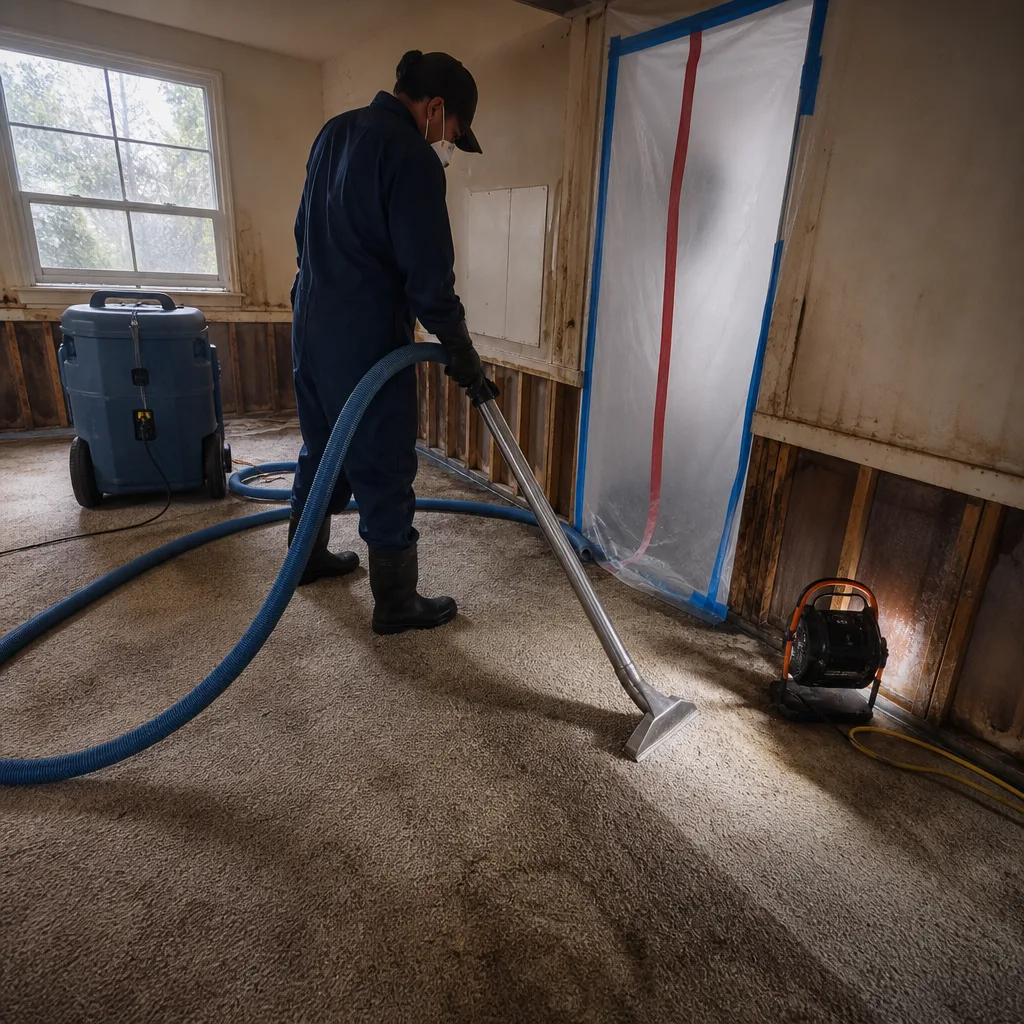
- The California Policy Trap: What “Reasonable Steps to Mitigate” Actually Means
- What Pacific Palisades Homeowners Can Legally and Safely Do Themselves
- Three Scenarios Where DIY Consistently Costs More in Pacific Palisades
- The Decision Matrix: A Checklist Before You Decide
- The Documentation Gap: What Professionals Produce That DIY Cannot
- Pacific Palisades-Specific Factors: Climate, Codes, and Construction
- Common Mistakes to Avoid
- When to Call a Professional
- Frequently Asked Questions
 Before
 After
AfterThe California Policy Trap: What “Reasonable Steps to Mitigate” Actually Means
Every California homeowners policy contains a version of this clause: the insured must take “reasonable steps to mitigate further damage” after a loss. What sounds like permission to act is actually a documentation requirement in disguise. In practice, California insurers and their adjusters interpret “reasonable steps” through the lens of what a reasonable professional would do, not what a reasonable homeowner attempted.
Here’s how this plays out in Pacific Palisades claims we’ve reviewed. A homeowner in the Huntington Palisades area experiences a washing machine supply line failure on a second-floor laundry room. They move fast: shop-vac the standing water, set up box fans, call a plumber to replace the line. Two weeks later, mold appears behind the drywall. The insurer denies the mold remediation, citing “improper drying” and failure to maintain “reasonable” mitigation standards. The homeowner’s fans ran continuously, but without psychrometric data - temperature, relative humidity, and vapor pressure differential readings taken at intervals - there’s no evidence the wall cavity ever dried below 16% wood moisture content, the threshold where mold colonization typically accelerates.
California courts have generally sided with insurers in these disputes when the policyholder cannot produce contemporaneous documentation of professional-standard drying. The key cases turn on whether the homeowner’s efforts were “reasonable” under the circumstances, and courts consistently look to IICRC S500 standards (the Institute of Inspection, Cleaning and Restoration Certification’s water damage reference) as the benchmark for reasonableness. A homeowner with a wet-dry vacuum and hardware-store fans cannot produce psychrometric data, daily moisture logs, or material-specific drying targets. This isn’t a skill failure. It’s an equipment and documentation failure.
The trap is insidious because the homeowner acted in good faith, spent money on equipment rental, and genuinely tried to limit damage. But under California policy interpretation, good faith without documentation often equals “unreasonable” mitigation. The result: a covered water loss becomes an uncovered mold remediation, and the homeowner pays $12,000-$25,000 for work that professional mitigation would have prevented entirely.
Three documentation elements California insurers now routinely request:
- Dated photo record of the loss scene before any disturbance, showing water migration patterns, affected materials, and source point.
- Daily moisture readings from affected structural materials, taken with calibrated pin or pinless meters, recorded to a log with time, date, and technician identification.
- Written drying plan with equipment placement map, dehumidifier capacity calculations (pints per day based on affected cubic footage), and target equilibrium moisture content for each material class.
A DIY effort can produce the first element, partially. It cannot produce the second or third. And in Pacific Palisades, where median home values exceed $3 million and rebuild costs run $400-$600 per square foot, an uncovered secondary damage claim is financially catastrophic in ways that professional mitigation fees are not.
What Pacific Palisades Homeowners Can Legally and Safely Do Themselves
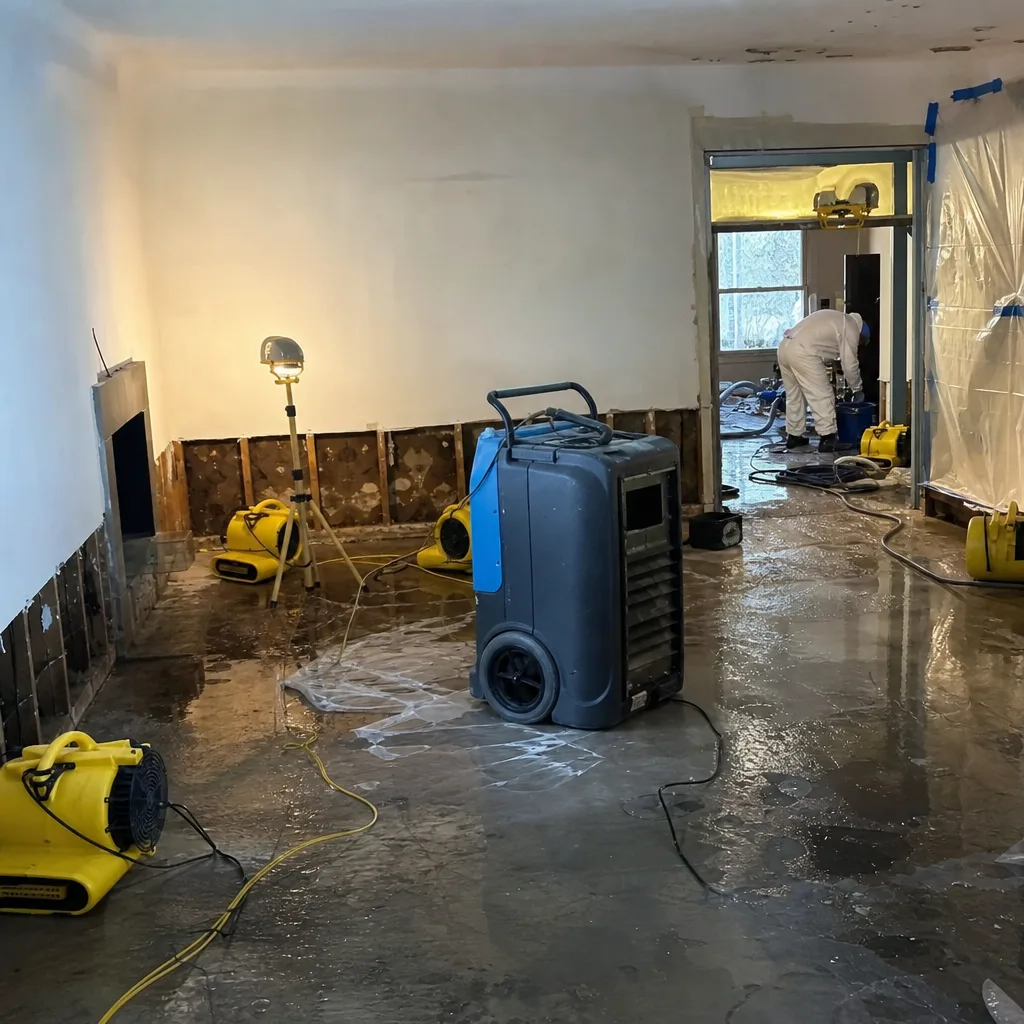
California law and standard insurance policy language do not prohibit homeowners from performing initial emergency response. The question is which tasks preserve coverage and which tasks risk it. Based on our review of thousands of claims since 2011, the following tasks fall into defensible DIY territory when performed with documentation (for a complete breakdown, see our How to Hire a Damage Restoration Contractor in Pacific Palisades: A Step-by-Step Guide):
- Surface water removal from hard flooring using mops, wet-dry vacuums, or towels, provided the water is Category 1 (clean, originating from a sanitary source like a supply line or faucet).
- Moving contents and furniture from affected areas to dry spaces, with photos taken before and after movement to document pre-loss condition and mitigation effort.
- Removing and discarding clearly unsalvageable porous items (cardboard boxes, saturated pillows, inexpensive rugs) with photo documentation of the discard decision.
- Creating airflow by opening windows when outdoor humidity is lower than indoor (check with a basic hygrometer; in Pacific Palisades, this is often viable during Santa Ana wind conditions when relative humidity drops below 30%).
- Documenting everything with dated, geotagged photos showing water lines on walls, standing water depth, affected room dimensions, and source point.
What homeowners should not attempt, even with confidence in their skills:
- Cutting drywall or removing baseboards to access wall cavities. This requires knowledge of electrical and plumbing routing, and in Pacific Palisades homes built 1940-1970, asbestos-containing materials may be present in joint compound or texture coats. Disturbing these without testing violates California OSHA regulations and creates liability exposure.
- Applying antimicrobial treatments to mold-suspect areas. California’s Mold Remediation Licensing Act (SB 655, effective 2016) requires specific licensing for mold assessment and remediation in certain contexts, and improper application can spread spores or create chemical exposure.
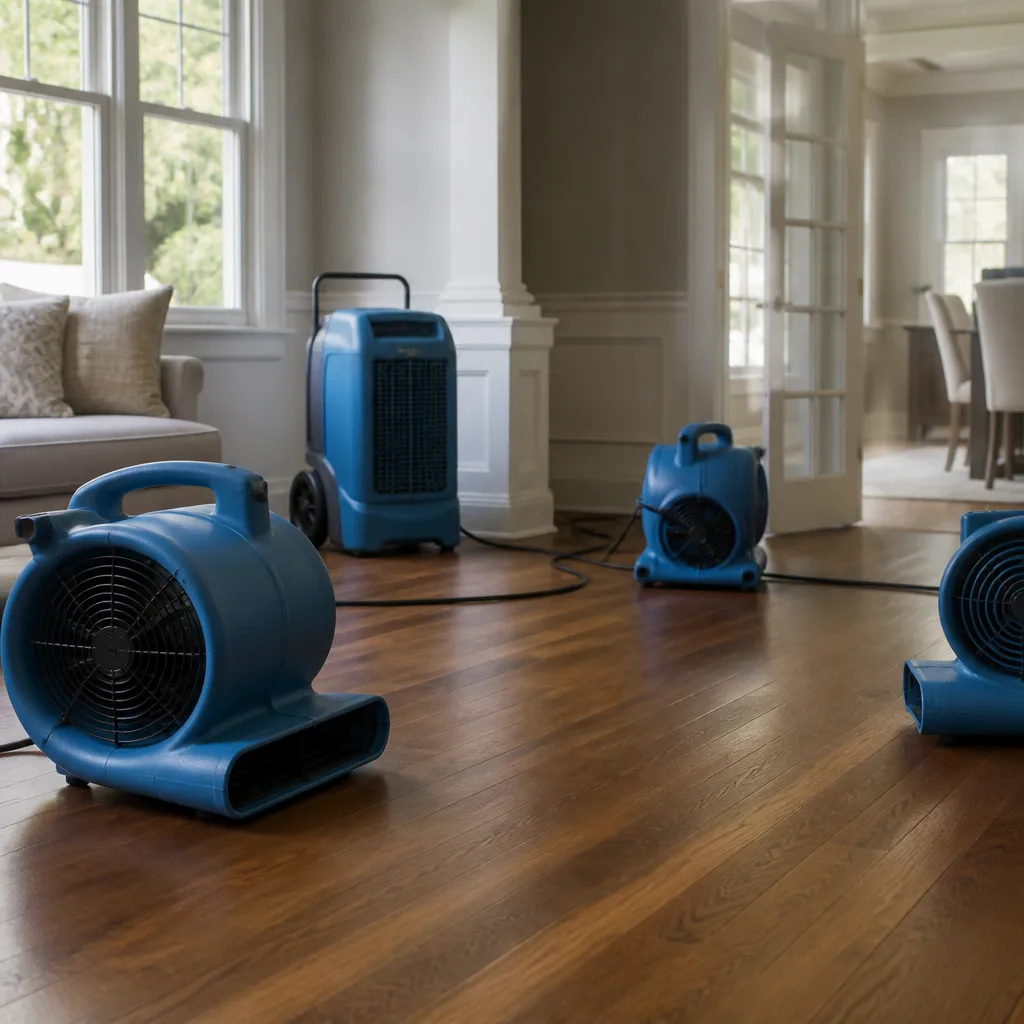
- Operating professional drying equipment rented from hardware stores. These units lack the capacity calculations and monitoring precision of Dri-Eaz, Phoenix, or Injectidry systems, and their misuse (over-drying wood floors, under-drying wall cavities) causes secondary damage that insurers attribute to homeowner negligence.
- Handling Category 2 or 3 water (dishwasher discharge, washing machine overflow with detergents, sewage, or groundwater). These require personal protective equipment, containment protocols, and specialized antimicrobial application that homeowners cannot safely or legally perform.
The legal distinction matters. A homeowner who performs permitted tasks with photo documentation strengthens their claim position. A homeowner who performs prohibited tasks, even competently, creates coverage vulnerabilities that adjusters are trained to exploit.
Three Scenarios Where DIY Consistently Costs More in Pacific Palisades
Pacific Palisades presents specific conditions that amplify DIY restoration risk: coastal humidity that slows natural drying, older construction with plaster-and-lath walls that trap moisture, and high property values that make uncovered rebuild costs extreme. In our experience, three scenarios recur where DIY “savings” convert to substantial out-of-pocket losses.
Hidden Moisture in Wall Cavities
A homeowner in the El Medio Bluffs area experiences a supply line leak behind a kitchen cabinet. They extract visible water, run fans for 48 hours, and declare the job done. Six weeks later, a musty odor prompts investigation. The wall cavity behind the cabinet registers 22% moisture content in the studs - well above the 16% threshold for mold risk. The cabinet back panel, a vapor barrier, prevented the cavity from drying. Mold colonization requires removal of the cabinet, countertop, drywall, and insulation. The insurer denies coverage for the secondary damage, citing “failure to maintain reasonable mitigation.” The homeowner’s $400 fan rental has become a $18,000 kitchen rebuild.
Professional mitigation would have identified this through thermal imaging (showing temperature differentials indicating evaporative cooling behind the cabinet) and invasive moisture probing. Injectidry systems can deliver directed airflow into sealed cavities without demolition. The documentation - thermal images, moisture logs, equipment placement photos - becomes claim evidence that the insurer cannot dispute.
Improper Mold Containment
A small mold patch appears in a bathroom ceiling after a shower drain leak. The homeowner, following online guidance, sprays bleach solution and scrubs the area. Without containment negative air pressure, HEPA filtration, or proper disposal, spores migrate through the HVAC system to three additional rooms. The original 4-square-foot problem becomes a whole-house remediation requiring temporary relocation, contents cleaning, and extensive reconstruction.
California’s insurance market has tightened mold coverage significantly. Many policies now cap mold at $10,000 with strict sublimits, and insurers routinely invoke “failure to mitigate” when homeowner actions spread contamination. Professional mold remediation under IICRC S520 standards uses containment barriers, air scrubbers with HEPA filtration, and sealed negative-pressure work zones. The documentation - spore count readings before and after, containment photos, disposal manifests - satisfies policy conditions that DIY cannot meet.
Unpermitted Drywall Replacement Triggering Liability
After a water loss, a homeowner in the Riviera neighborhood removes and replaces damaged drywall themselves. The work is competent, but no permit is pulled. Two years later, the home sells. The buyer’s inspector notes the non-permitted work. The sale stalls, then the buyer demands a $15,000 price reduction for “unpermitted alterations” and potential code compliance issues. The original water claim, properly documented, would have covered professional reconstruction with permit compliance. The DIY “savings” now cost $15,000 in lost equity.
Pacific Palisades falls under Los Angeles Department of Building and Safety jurisdiction, which requires permits for drywall replacement exceeding 200 square feet in a single room or any work involving structural, electrical, or plumbing modification. Professional restoration companies coordinate permit pulls as standard practice, with documentation that satisfies both insurers and subsequent property transactions.
The Decision Matrix: A Checklist Before You Decide
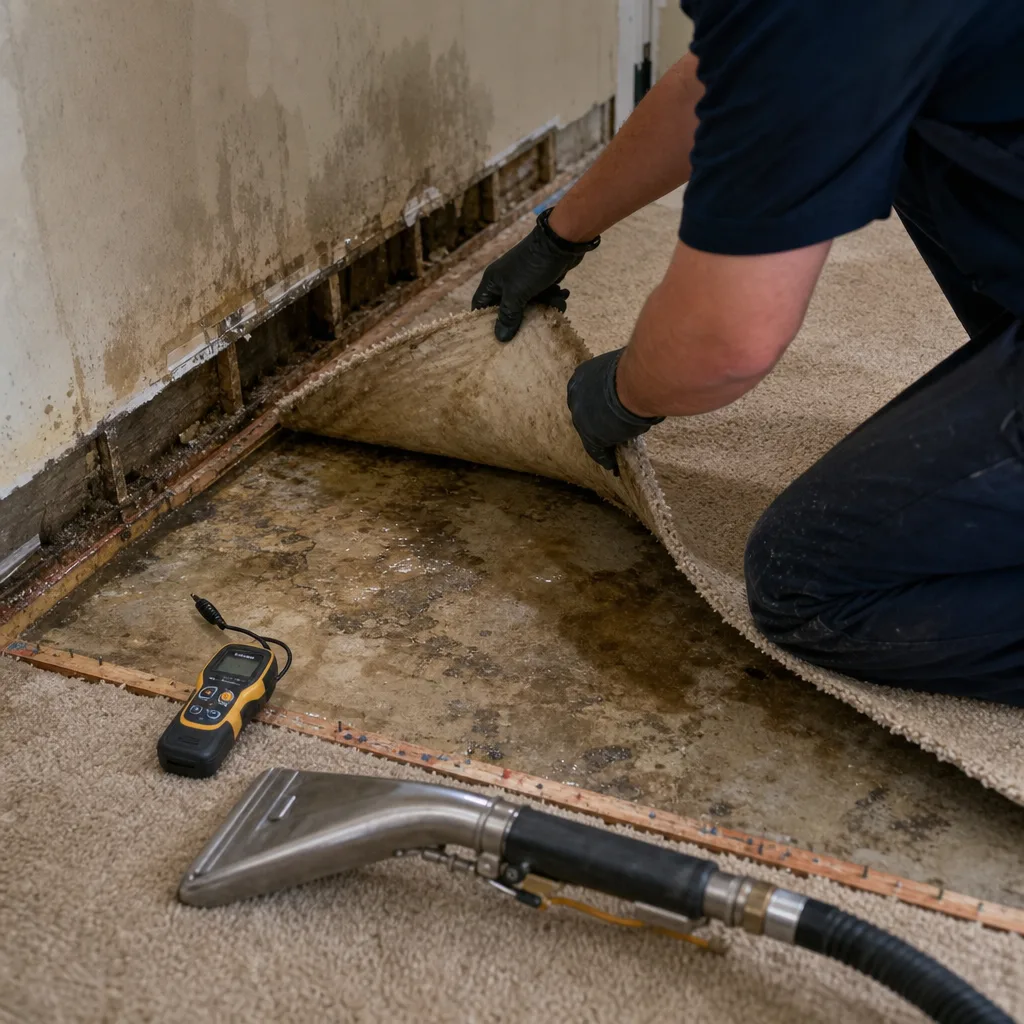
Use this framework to assess whether DIY or professional restoration is the lower-cost path for your specific situation. All conditions in Column A must be met for DIY to be defensible. Any condition in Column B tips toward professional service.
| Factor | Column A: Defensible DIY | Column B: Professional Recommended |
|---|---|---|
| Affected area | Under 10 square feet | 10 square feet or larger, or multiple non-contiguous areas |
| Water category | Category 1 (clean, sanitary source) | Category 2 (gray water) or Category 3 (black water/sewage) |
| Material types affected | Hard, non-porous surfaces only (tile, sealed concrete, vinyl) | Porous materials: drywall, insulation, carpet, pad, hardwood, plaster |
| Structural involvement | No wall cavities, ceiling spaces, or subfloor access required | Water migrated behind walls, under flooring, or into ceiling assemblies |
| Documentation capacity | Homeowner can produce dated photos, written timeline, humidity readings | Insurer has signaled documentation requirements or claim complexity |
| Time since loss | Discovered and addressed within 24 hours | More than 24 hours elapsed, or unknown duration of exposure |
| Insurance involvement | No claim anticipated, or claim below deductible | Claim anticipated or already filed; coverage confirmation pending |
| Homeowner health/status | No respiratory conditions, immunocompromise, or pregnancy | Vulnerable occupants present; mold suspected or confirmed |
If any Column B condition applies, the math typically favors professional service. The upfront cost is measurable and often partially or fully covered by insurance. The downstream cost of denied coverage, secondary damage, or unpermitted work liability is not.
The Documentation Gap: What Professionals Produce That DIY Cannot
The core difference between DIY and professional restoration is not equipment quality or technician skill, though both matter. It is the production of a documentation package that functions as claim evidence rather than homeowner testimony. Insurers do not dispute what they cannot plausibly deny. A third-party-verified moisture record, produced by calibrated instruments with serial numbers, logged by named technicians with license numbers, creates a factual record that survives adversarial review.
At DryMark Restoration Pacific Palisades home, our standard documentation package for every water damage job includes:
- Initial assessment report with room-by-room moisture readings, thermal imaging, and classification of affected materials by porosity class (Class 1-4 per IICRC S500).
- Written drying plan with equipment specifications: dehumidifier capacity in pints per day, air mover count and placement, and Injectidry cavity drying configuration where wall or ceiling voids are affected.
- Daily drying logs recording temperature, relative humidity, and specific humidity at each dehumidifier intake and exhaust, plus moisture content readings from representative structural members, until equilibrium is achieved.
- Photo record on every visit, geotagged and time-stamped, showing equipment operation, moisture meter readings with instrument visible, and progressive drying conditions.
- Final clearance documentation with post-drying moisture readings meeting or falling below dry standard targets for the specific material and regional climate conditions.
- Written scope and price delivered before work begins, per Haven Standard, Clause 1, with no additions once the crew is inside.
This package does more than justify the invoice. It converts the restoration work from a service purchase into a documented event that the insurer can verify, audit, and pay without dispute. In our experience since 2011, claims with complete documentation packages settle 40-60% faster than claims with partial or homeowner-produced documentation, and disputed claims drop to near zero.
A homeowner cannot produce this documentation. The instruments cost $2,000-$8,000. The training to interpret psychrometric data requires IICRC WRT (Water Damage Restoration Technician) certification and ongoing continuing education. The documentation protocols are standardized by RIA and IFA guidelines that professionals follow but homeowners do not know exist. And critically, the insurer knows the homeowner cannot produce this documentation, which creates an asymmetry that adjusters exploit in coverage disputes.
The Haven Standard, Clause 1 - written price before work begins - exists because we have seen what happens when restoration companies operate without price certainty. Scope creep, “discoveries” that inflate the bill, and homeowner shock at final invoices damage trust and complicate claims. Our documentation includes the price, fixed, before any equipment is deployed. This is not a marketing promise. It is a structural feature of how we document every job.
Pacific Palisades-Specific Factors: Climate, Codes, and Construction
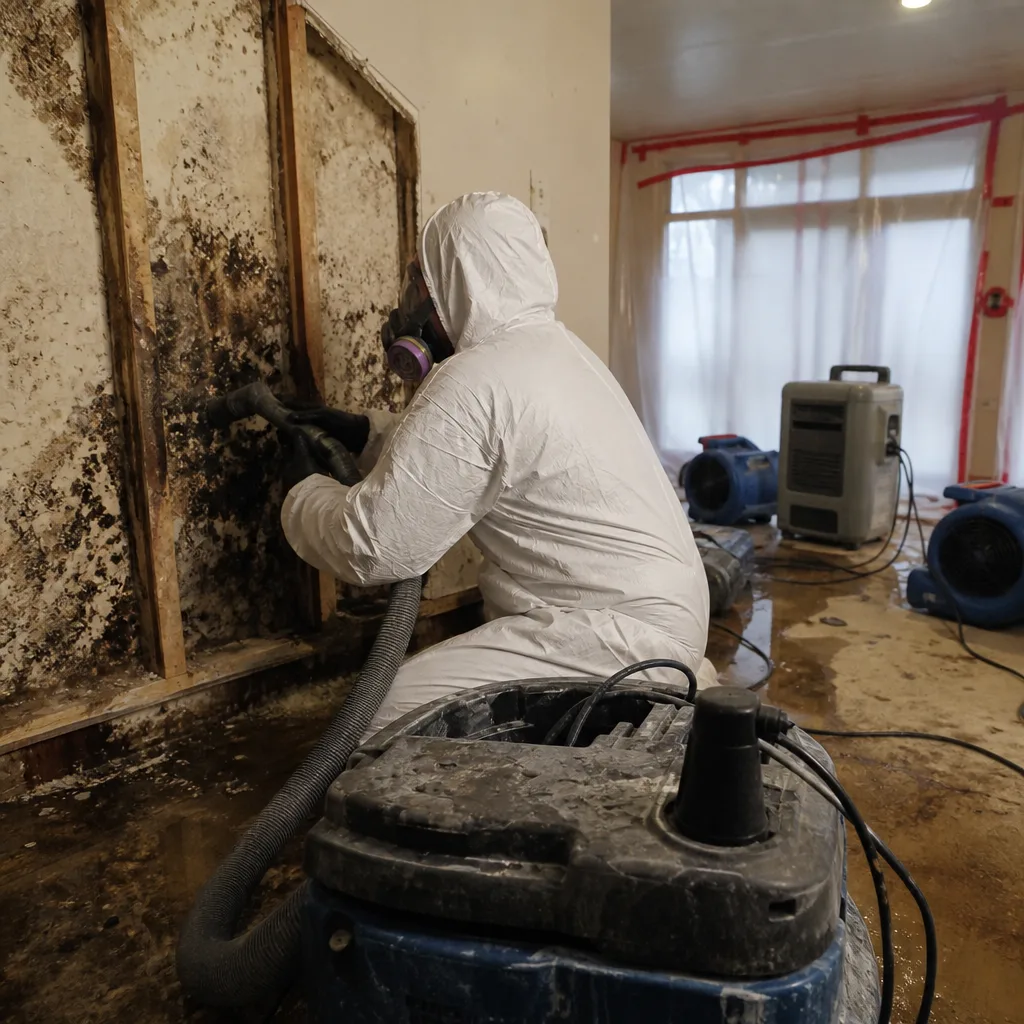
Pacific Palisades conditions create restoration scenarios that differ from inland Southern California markets. Understanding these local factors helps homeowners assess whether their situation exceeds DIY parameters.
Coastal humidity and marine layer influence: Pacific Palisades sits at the interface of coastal and inland climate zones. Morning marine layer conditions, common May through July, maintain relative humidity above 70% until midday. Natural drying through open windows is often ineffective during these periods, and can actually introduce additional moisture. Santa Ana wind events in fall and winter drop humidity dramatically but increase wildfire risk and power outage exposure, complicating electrically dependent drying operations. Professional drying accounts for these cycles with equipment that maintains target conditions regardless of outdoor weather.
Age and construction type distribution: The Palisades includes significant housing stock from 1920-1960, with plaster-and-lath walls, minimal insulation, and foundation types ranging from raised perimeter to slab-on-grade. Plaster absorbs water more slowly than drywall but releases it more slowly, extending drying timelines and requiring specialized Injectidry configurations. Older homes may contain asbestos in flooring, insulation, or texture coats, requiring testing before disturbance. These are not obstacles to DIY; they are conditions that make professional assessment essential before any material disturbance.
Steep terrain and access constraints: Properties in the Castellammare and Pacific View Estates areas sit on steep slopes with limited street access. Heavy equipment placement, water extraction truck positioning, and debris removal require logistical planning that homeowners typically cannot coordinate. Professional restoration includes site logistics assessment as a standard preliminary step.
High property values and rebuild costs: With median sale prices above $3 million and construction costs at premium levels, the financial exposure from uncovered secondary damage is extreme. A $5,000 professional mitigation fee, fully documented and claimable, prevents a $50,000 uncovered rebuild. The ratio of prevention cost to exposure cost in Pacific Palisades is among the most favorable in Southern California for professional service.
Local permit requirements: Los Angeles Department of Building and Safety requirements apply to all Pacific Palisades restoration work involving structural, electrical, or plumbing modification, or drywall replacement exceeding 200 square feet per room. Professional restoration companies manage permit pulls, inspections, and certificate of occupancy documentation as standard practice. Unpermitted work, even competently performed, creates title and resale complications that professional documentation prevents.
Common Mistakes to Avoid
- Renting equipment without capacity calculations. A homeowner rents a dehumidifier rated for 2,000 square feet for a 4,000-square-foot affected area with 12-foot ceilings. The unit runs continuously but never achieves target humidity. Four days of rental fees produce no drying progress, and mold colonization begins while the equipment hums ineffectively.
- Assuming visible dryness equals structural dryness. Hardwood flooring feels dry to the touch while the subfloor beneath registers 28% moisture content. The flooring is saved, temporarily; the subfloor warps, and mold colonizes the cavity. Surface assessment without invasive probing is a common and costly DIY error.
- Using bleach on mold. Bleach evaporates faster than water, leaving behind mold-feeding moisture and potentially toxic chlorine compounds. It does not penetrate porous materials where mold roots reside. Professional remediation uses EPA-registered antimicrobials applied with controlled dwell times, followed by HEPA vacuuming and disposal.
- Failing to document the source point and migration pattern before cleanup. Insurers require evidence that the loss was sudden and accidental, not long-term maintenance neglect. A homeowner who cleans before photographing destroys the evidence of sudden loss, inviting “seepage and leakage” exclusions that deny coverage entirely.
- Ignoring Category 2 or 3 water classification. A washing machine overflow with detergent residue is Category 2 water, not Category 1. The homeowner treats it as clean water, fails to apply appropriate antimicrobial, and faces bacterial contamination that professional handling would have prevented. Category misclassification is a frequent DIY error with health consequences.
- Not verifying that restoration work is permitted. In Pacific Palisades, unpermitted drywall replacement or electrical repair creates disclosure obligations on sale and potential liability if subsequent damage occurs. Professional restoration includes permit compliance as standard; DIY typically does not.
When to Call a Professional
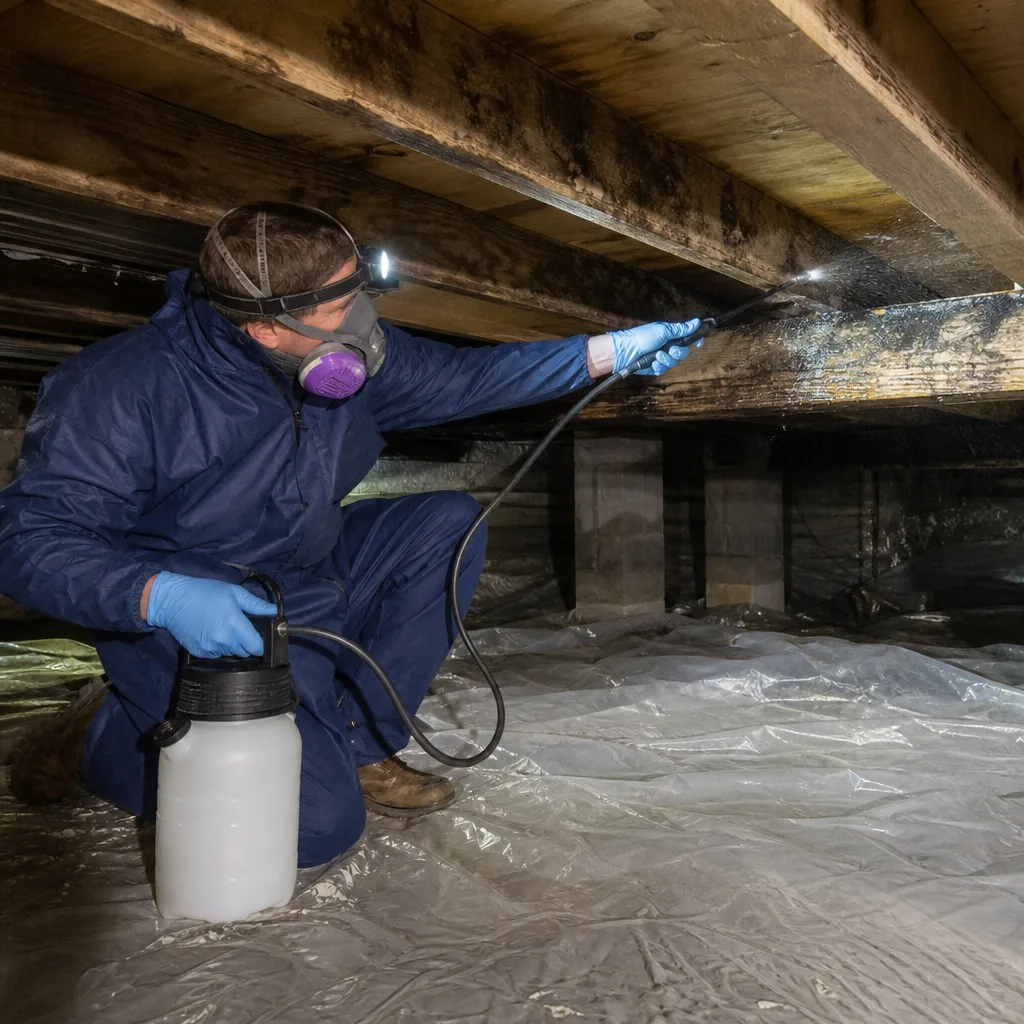
Call professional restoration immediately when: the water source is Category 2 or 3; the affected area exceeds 10 square feet or involves multiple rooms; water has migrated behind walls, under flooring, or into ceiling assemblies; mold is visible or suspected; the loss occurred more than 24 hours before discovery; or you intend to file an insurance claim and need documentation that will survive adjuster review. For a complete maintenance overview, see our Water Damage Restoration Maintenance Checklist for Pacific Palisades Homeowners.
Water Damage Restoration in Pacific Palisades requires equipment and documentation that homeowners cannot replicate with consumer tools. The same applies to Mold Remediation in Pacific Palisades, where containment and air quality verification are legally and medically critical, and Fire & Smoke Damage Restoration in Pacific Palisades, where odor removal and structural assessment require specialized protocols.
DryMark Restoration Pacific Palisades offers free estimates in Pacific Palisades. Every estimate includes a written scope and price before any work begins, per Haven Standard, Clause 1. We also provide a Free Second Opinion on any competitor’s written estimate - bring their quote and we’ll review it at no charge. Call (424) 365-9728 to schedule.
Frequently Asked Questions
Insurance may reimburse documented material costs for defensible DIY mitigation, but coverage for subsequent damage depends on whether your efforts meet the “reasonable steps” standard in your policy. Most Pacific Palisades homeowners find that insurers deny secondary damage claims - mold, structural decay, or material failure - when DIY drying cannot produce professional-standard documentation. For a documented assessment that protects your coverage position, call (424) 365-9728 for a free estimate.
DryMark Restoration Pacific Palisades maintains live phone coverage 24 hours a day, 7 days a week with no voicemail on emergency lines. Response time depends on current demand and your specific location within Pacific Palisades, but our dispatch protocol prioritizes active water losses to prevent secondary damage. Call (424) 365-9728 for current availability and an estimated arrival window.
Visible mold on a hard surface in an area under 10 square feet, with no HVAC involvement and no vulnerable occupants, may be addressed with appropriate PPE and EPA-registered antimicrobial. Any porous material involvement, area exceeding 10 square feet, or HVAC proximity requires professional assessment under IICRC S520 standards. In Pacific Palisades, the prevalence of plaster-and-lath construction and older HVAC systems makes professional assessment the safer default. We offer free estimates to evaluate your specific situation.
We coordinate directly with your adjuster, providing the documented photo record, daily drying logs, and written scope that adjusters need to process claims efficiently. Our documentation package is designed for adjuster review, with moisture readings, equipment specifications, and progress photos organized for claim file integration. This direct coordination reduces claim cycle time and dispute frequency. Call (424) 365-9728 to discuss your specific claim.
Professional water damage mitigation in Pacific Palisades typically ranges from $1,200 for limited Category 1 extraction and drying to $8,000-$15,000 for extensive Category 2 or 3 losses involving multiple rooms, cavity drying, and content manipulation. Reconstruction costs are additional and depend on material selections and permit requirements. Every DryMark Restoration estimate is delivered in writing before work begins, with no scope additions once the crew is inside - Haven Standard, Clause 1. Call (424) 365-9728 for an exact quote on your specific loss.
Yes. DryMark Restoration Pacific Palisades provides a Free Second Opinion on any competitor’s written estimate. Bring their scope and pricing, and we’ll review it against IICRC standards and current market rates at no charge. This service exists because we’ve seen homeowners accept inflated or incomplete scopes that create downstream problems. Call (424) 365-9728 to schedule your review.
The Bottom Line
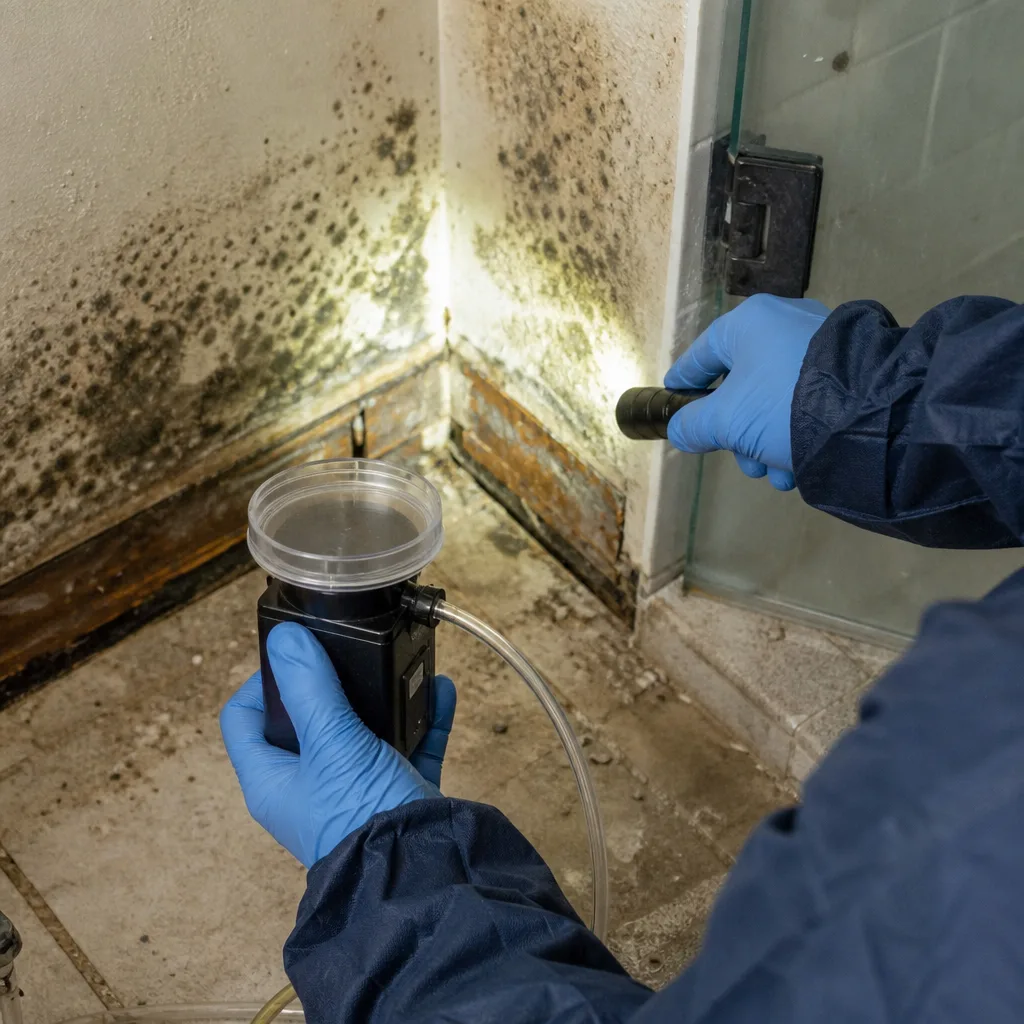
The DIY-vs-professional question in Pacific Palisades damage restoration resolves to a documentation calculation, not a skill assessment. Homeowners can perform limited emergency response safely and legally, but only when the loss is small, the water is clean, the materials are non-porous, and every step is photographed and logged. Outside these narrow parameters, professional restoration costs less because it produces the third-party-verified records that insurers accept, preventing the coverage exclusions and secondary damage that make DIY exponentially expensive. The Haven Standard exists because we’ve documented 12,000+ homes since 2011, and we’ve seen what happens when documentation fails. A written price before work begins, a photo record on every visit, and a 365-Day Done Right Promise are not marketing features. They are structural protections against the financial exposure that improper restoration creates. In Pacific Palisades, where property values and rebuild costs are among California’s highest, that protection is essential.
Written by Alicia Brennan, Owner at DryMark Restoration Pacific Palisades, serving Pacific Palisades since 2011.